

Iran’s Regime Owes 1.1 Quadrillion Rials to Wheat FarmersAccording to the latest agricultural census in 2014, among nearly 4 million agricultural landowners across the country—90 percent of whom operated in rural areas—approximately 1.4 million, or 34 percent, were classified as illiterate. The latest nationwide agricultural census began on November 2, 2024, conducted by Iran’s Statistics Center, and was scheduled to last approximately 45 days. The Statistics Center has stated that the collected data is “confidential” and “cannot be published,” but once the results are processed, the final information will be provided to the relevant authorities. Some reports indicate that 5.2 million agricultural landowners are active in Iran, but the Statistics Center reports this number as 4 million. However, the illiteracy crisis in Iran is not limited to agricultural landowners, and national statistics do not present a better picture. According to a report published by the state-run Ham-Mihan newspaper in September 2024, data and studies indicate that in Iran as a whole, five out of every 20 people are illiterate. Earlier, EcoIran, a statistical analysis news platform, reported—citing the “latest published statistics”—that the illiteracy rate in 2021 was 12 percent, meaning that 12 out of every 100 Iranians lacked basic literacy. According to this report, out of Iran’s 31 provinces, only four have a single-digit illiteracy rate.
“70 Percent” of Iranian Farmers Are Illiterate
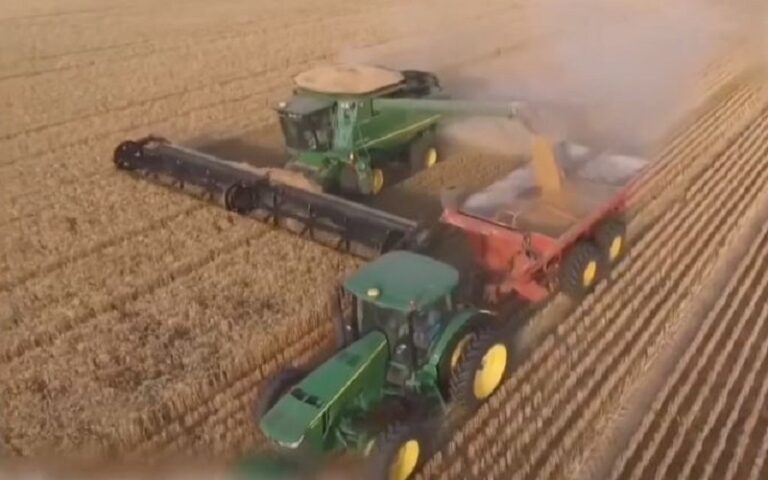
Shahpour Alaei-Moghaddam, an official from Iran’s Ministry of Agriculture , stated that out of the 4.5 million farmers in the country, 70 percent do not even have basic reading and writing skills.
Alaei-Moghaddam, the Deputy for Management Development and Human Resources at the Ministry of Agriculture, emphasized in an interview with the state-run ILNA news agency—published on Thursday, January 16—that the low literacy levels among the agricultural workforce make it difficult to conduct educational programs, transfer research findings, and implement agricultural extension initiatives.
According to Alaei-Moghaddam, only 0.8 percent of Iranian farmers are university graduates and participate in the agricultural sector through cooperatives, associations, organizations, and knowledge-based companies.
The agriculture ministry official also pointed to a decline in personnel at rural agricultural service centers, stating that while the average number of employees at these centers used to be 12 per center, it has now dropped to fewer than five.
In Iran, five nationwide agricultural censuses have been conducted in the years 1973, 1988, 1993, 2003, and 2014.
Iraq Seeks to Disarm Iran-Backed Militias
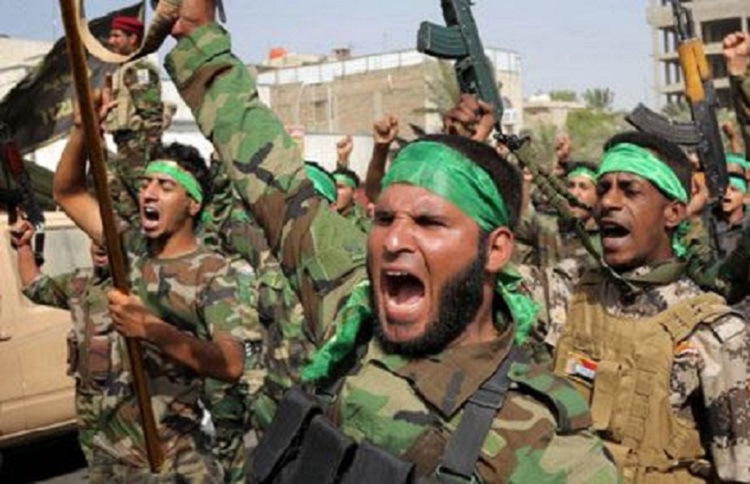
“Iraq is trying to convince powerful armed factions… to lay down their weapons or join official security forces,” Fuad Hussein, Iraq’s Foreign Minister, told Reuters in an interview.
According to Reuters, this move by the Iraqi government comes amid significant changes in the Middle East, including the severe weakening of Hezbollah in Lebanon and Hamas, Iran’s two major proxy groups, due to heavy Israeli strikes, as well as the overthrow of Bashar al-Assad’s government in Syria.
Several prominent figures in the incoming administration of U.S. President-elect Donald Trump have pledged that with his return to the White House, pressure on the Iranian regime will intensify.
Khamenei Calls for Strengthening Iraq’s Hashd al-ShaabiGiven the close ties between Iraqi Shiite militias and the Iranian regime, as well as the significant shifts in the regional balance of power, some Iraqi officials are concerned about political stability in the country. However, in his interview with Reuters during his visit to London, Fuad Hussein stated that he does not believe the storm of regional changes will sweep through Iraq. The Iraqi Foreign Minister noted that two or three years ago, discussing the disarmament of militia groups in the country was impossible, but now, the presence of armed groups outside government control is unacceptable. Fuad Hussein highlighted that many political leaders and groups have initiated discussions with militia leaders on this issue and expressed hope that these groups will lay down their weapons and join the armed forces under the control of the central government. These remarks can be seen as Baghdad’s response to the statements made by the Iranian regime’s Supreme Leader Ali Khamenei during his meeting with Iraqi Prime Minister Mohammed Shia’ Al-Sudani on January 8, in which Khamenei called for strengthening the Shiite militia group Hashd al-Shaabi in Iraq. Khamenei told the Iraqi Prime Minister: “Hashd al-Shaabi is one of the key components of power in Iraq, and it must be strengthened more than ever before.” Hashd al-Shaabi is one of Iran’s proxy groups in the Middle East. Iraq’s Foreign Minister also expressed hope that the “good relations” between Baghdad and Washington would continue during Donald Trump’s second term as U.S. president. However, he added that it is still too early to predict Trump’s foreign policy toward Iraq or the Iranian regime. “The government was in talks to rein in the groups while continuing to walk the tightrope between its ties to both Washington and Tehran.” Referring to Iraq’s mediating role in normalizing relations between Iran and Saudi Arabia, he stated: “The government was in talks to rein in the groups while continuing to walk the tightrope between its ties to both Washington and Tehran.” Regarding Syria, Fuad Hussein emphasized the importance of an inclusive political process in the country and stated that Baghdad would resume oil and grain exports to Damascus once it is assured that they reach all Syrian citizens.
State Media Slam Pezeshkian for NBC Interview, Call for Retribution Against Trump
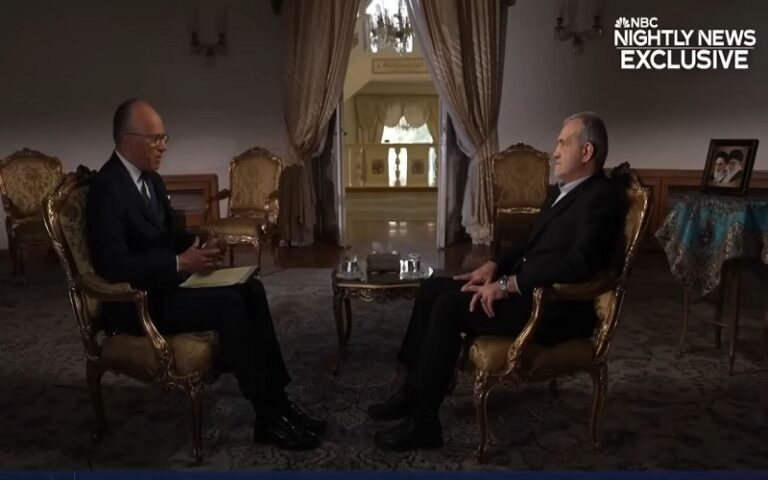
Following reactions to Masoud Pezeshkian’s interview with NBC News, Hossein Shariatmadari, the representative of Iran’s regime Supreme Leader Ali Khamenei in the Kayhan newspaper, wrote that raising the issue of negotiations with the United States was beyond Pezeshkian’s authority and that his duty was to work toward the killing of Donald Trump.
On Thursday, January 16, Shariatmadari described retribution (execution) and death as the “minimum punishment” for Trump and his former Secretary of State, Mike Pompeo, addressing Pezeshkian by writing: “Your duty as an honorable Iranian and Muslim is to carry out this divine ruling, not to negotiate [with him].”
In the editorial of Kayhan newspaper, he continued addressing Pezeshkian: “You do not own Iran. You are the president of Iran, entrusted with the executive branch of the country for four years as a temporary responsibility.”
Shariatmadari described Pezeshkian’s statements in his NBC News interview as “beyond his authority” and “a message of humiliation to the sworn enemy.”
Intensified U.S. Sanctions and Trump’s Potential Clampdown on Iran’s Oil ExportsIn his interview with NBC News, Pezeshkian stated that the Iranian regime had never intended to assassinate Trump and would not do so in the future. Kayhan also attacked Pezeshkian’s statements and the topic of negotiations with the U.S. in several articles published on Wednesday. On Thursday, the newspaper further accused Pezeshkian of taking a “strange and thought-provoking position” in his NBC interview, calling it part of the “continued contradictory stances that conflict with the overall policies of the system and the leadership.” Kayhan compared Pezeshkian’s stance to the policies of former President Hassan Rouhani’s administration, while at the same time describing the positions of Abbas Araghchi, the foreign minister, as “revolutionary and based on the fundamental principles of the system’s foreign policy.” Shariatmadari had previously written in the editorial of Kayhan on Saturday, January 4: “Those who bring up the issue of negotiations with the U.S. are either asleep, drunk, or insane.”
Op-ed by a Member of Khamenei’s Office on Negotiations with the U.S.
Mehdi Fazaeli, a member of the Office for the Preservation and Publication of Khamenei’s Works, wrote in an op-ed that negotiations between the Iranian regime and the United States would play a “very significant role in reviving American hegemony” and that “this is a betrayal of the entire world.” He stressed that after the fall of Bashar al-Assad, the United States perceives Iran as “weak” and is “seeking to extort concessions.” On January 8, Iran’s Supreme Leader Ali Khamenei called supporters of negotiations with the U.S. “intimidated by the enemy” and urged government officials not to consider the “unreasonable expectations of the Americans” in their decision-making on various issues, including hijab, inflation, and currency. Other newspapers close to Khamenei have also reacted to Pezeshkian’s interview. For instance, Vatan-e Emrooz newspaper confirmed Pezeshkian’s statement that the Iranian regime had not attempted to assassinate Trump but simultaneously emphasized that the regime had not abandoned his “punishment.”UN Experts Challenge Death Sentence of Iranian Political Prisoner Pakhshan Azizi
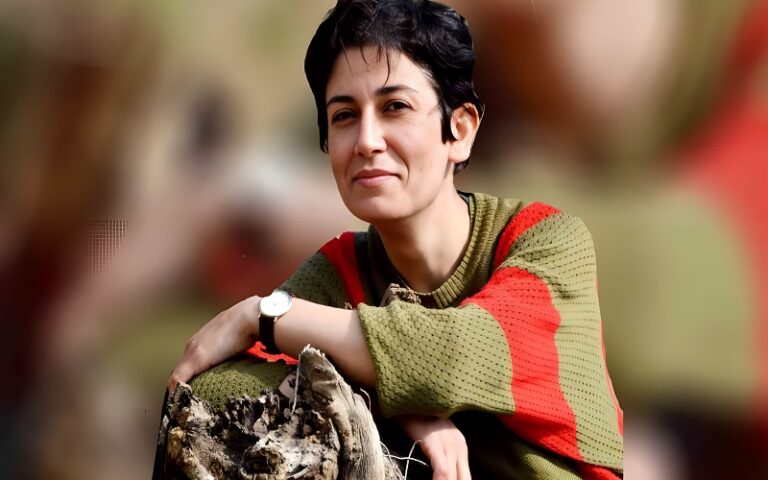
UN human rights experts have expressed deep concern over the confirmation of the death sentence of Iranian political prisoner Pakhshan Azizi’s.
On Tuesday, January 14, UN human rights experts issued a statement expressing deep concern over the Iranian regime’s Supreme Court’s confirmation of the death sentence for Pakhshan Azizi, a human rights activist and social worker. The experts described the ruling as a blatant violation of international human rights laws and called the charges against her entirely baseless.
According to UN experts, Azizi’s arrest and conviction were solely due to her lawful activities as a social worker, particularly her support for refugees in Iraq and Syria. She has been sentenced to death for her civil activism.
Furthermore, UN experts cited reports of psychological and physical torture against Azizi in prison and the violation of her right to a fair trial. Additionally, several of her family members have been temporarily detained and charged with security-related offenses—actions that appear to be aimed at pressuring Azizi into making a forced confession.
The experts also voiced serious concerns over the rising number of death sentences and executions in Iran and called for an end to the targeting of female activists, particularly Kurdish women.
UN Fact-Finding Committee: Azizi’s Execution is an Attack on the 2022 Uprising
The UN Fact-Finding Committee on Iran has also endorsed the human rights experts’ call, describing Azizi’s death sentence as an attack on the 2022 uprising. The committee has demanded the immediate revocation of her sentence and urged countries worldwide to respond to Iran’s human rights violations.Iran: Confirmation of Death Sentences for Political Prisoners – 54 Political Prisoners on Death RowPakhshan Azizi, a social worker and human rights activist, was sentenced to death in August 2024 by Branch 26 of Tehran’s Revolutionary Court, presided over by Judge Iman Afshari, on charges of “rebellion against the state” (Baghi). Despite multiple legal flaws in the case, the Supreme Court upheld the verdict. Azizi’s lawyer has stated that the ruling must be overturned due to its procedural and substantive defects. Aziz Azizi, Pakhshan’s father, released an audio statement asserting that his daughter was not affiliated with any political party and had only traveled to Syria to aid vulnerable individuals. He added that case documents confirm Pakhshan worked as a social worker in Syria for six to seven years.
U.S. Calls for “Immediate and Decisive Action” Against Iran-Backed Houthis
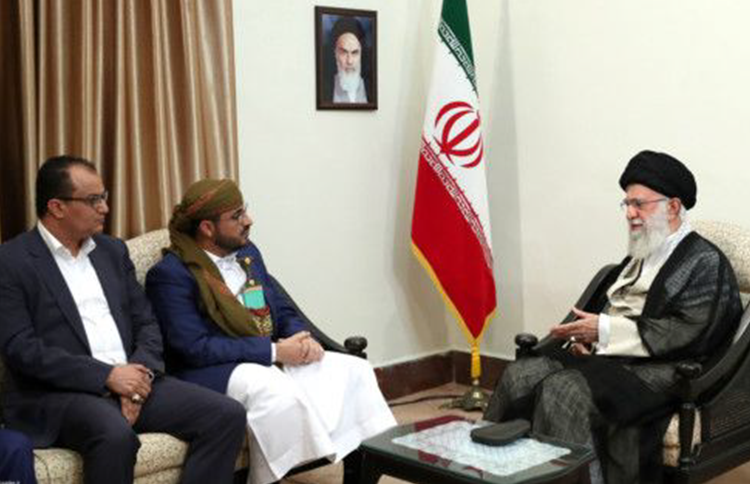
Dorothy Shea, Deputy U.S. Ambassador and Representative to the United Nations, called on the international community to take immediate and decisive actions against the Tehran-backed Houthis in Yemen and their supporters during a UN Security Council meeting on January 15, citing the group’s growing threats to international peace and security.
During this session, which focused on Yemen’s crisis-stricken situation, Shea highlighted the Houthis’ attacks on international shipping in the Red Sea. She also pointed out that, in addition to their sabotage activities in international waters, the Houthis have recently begun detaining innocent Yemenis and even targeting former embassy employees and NGO workers.
Shea also condemned the Houthis’ hostage-taking of the crew of the “Galaxy Leader” ship, which has been held captive for over a year. She stressed that it is time for the UN Security Council to hold the Iranian government accountable for its support of all Houthi sabotage activities.
Iran-Backed Houthis Sink Second Commercial Ship in the Red SeaThe acting U.S. representative at the UN stated that the United States is calling for serious measures to cut off the Houthis’ financial resources and to use targeted sanctions to prevent their connections with other terrorist groups, such as Al-Shabaab. Shea reaffirmed the U.S. commitment to alleviating the suffering of the Yemeni people. She noted that while more than half of Yemen’s population still relies on humanitarian aid, the Houthis continue to impose restrictions, worsening the situation. As the largest donor to Yemen, the United States urges the international community to increase financial support to address this crisis. More than 19.5 million people in Yemen will require humanitarian assistance in 2025—an increase of 1.3 million compared to last year. This warning was issued on Wednesday by Joyce Msuya, the acting head of the UN Office for the Coordination of Humanitarian Affairs (OCHA), regarding the worsening humanitarian crisis in Yemen. Additionally, it is estimated that around 4.8 million people remain internally displaced, the majority of whom are women and children. Nearly half of Yemeni children under the age of five suffer from moderate to severe stunting due to malnutrition. Meanwhile, the country’s healthcare system is under immense pressure due to a widespread cholera outbreak. The Iranian regime continues to provide financial and military support to Yemen’s Houthis. After the weakening of its proxy groups in the region, such as Hezbollah in Lebanon and the collapse of Bashar al-Assad’s rule in Syria, the Houthis have gained significant importance in Iran’s regional strategy.
IEA Weighs in on The Impact of New U.S. Sanctions on Iran’s Oil Exports
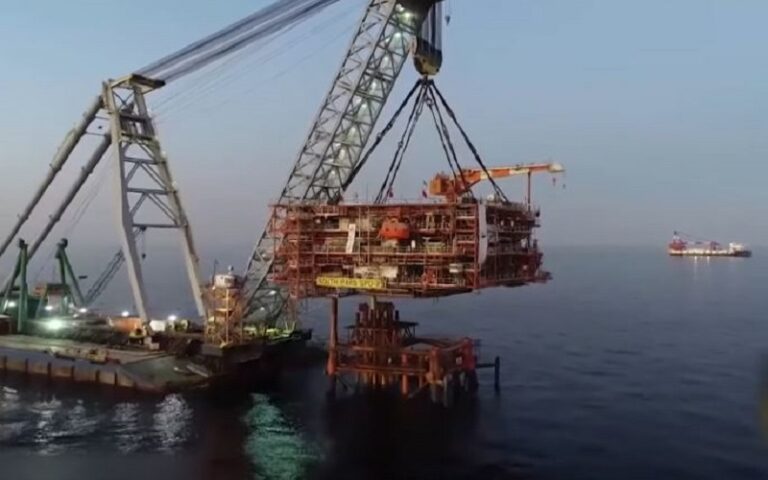
The International Energy Agency (IEA) states that recent U.S. sanctions on the “shadow fleet” of Russia and Iran will likely have a “significant” impact on the oil revenues of both countries.
The report adds that approximately one-third, equivalent to 500,000 barrels per day, of Iran’s oil exports in 2024 were carried out using tankers that have recently been added to the U.S. blacklist.
After Iran’s second missile attack on Israel, the United States sanctioned 35 tankers belonging to Tehran’s “shadow fleet.” Last Friday, it also imposed sanctions on more than 160 tankers involved in Russian oil exports, eight of which were also engaged in smuggling Iranian oil.
The “shadow fleet” or “ghost fleet” refers to a network of oil tankers that evade sanctions by turning off their automatic identification systems and falsifying documents to smuggle sanctioned oil. So far, nearly 500 tankers linked to Iran’s shadow fleet have been identified, with half of them already sanctioned.
Iran Races To Sell Its Stranded Oil In China To Strengthen Its AlliesThe International Energy Agency states that while the new U.S. sanctions against the “shadow fleet” will significantly impact the oil revenues of Russia and Iran, Russia—unlike Iran—can still export its oil within the framework of existing sanctions. Under sanctions imposed by the U.S., European Union, and other G7 countries, Russia is only permitted to export oil at prices below $60 per barrel. If it complies with this price cap, it can even use Western companies for shipping and insurance services. Russia is making every effort to sell its oil at prices above $60 per barrel. However, unlike Russia, U.S. sanctions do not permit the purchase of Iranian oil under any circumstances or at any price. As a result, Iran’s regime relies solely on its “shadow fleet” and rebranding its oil, selling shipments under the names of Malaysian, Singaporean, Iraqi, Emirati, and Omani crude to small independent Chinese refineries known as “teapots.” The price of Brent crude oil, the international benchmark, is currently above $81 per barrel, an increase of $8 compared to last month. Meanwhile, the Shandong Port Group in China, which operates the largest oil terminals receiving Iranian crude, recently banned the entry of tankers sanctioned by the U.S. This has made it increasingly difficult to transport sanctioned Iranian oil to China. Data from the commodities intelligence firm Kpler shows that Iran’s daily oil exports have dropped by around 500,000 barrels in the last two months of 2024 compared to previous months, falling below 1.3 million barrels per day. This comes as Iran’s budget plan for the next fiscal year, starting on March 21, 2025, sets a target of exporting 1.85 million barrels of oil per day, with one-third of these exports managed by the Islamic Revolutionary Guard Corps (IRGC) and the remainder by the government.
Water Crisis and Air Pollution in Iran: Mismanagement and Environmental Consequences
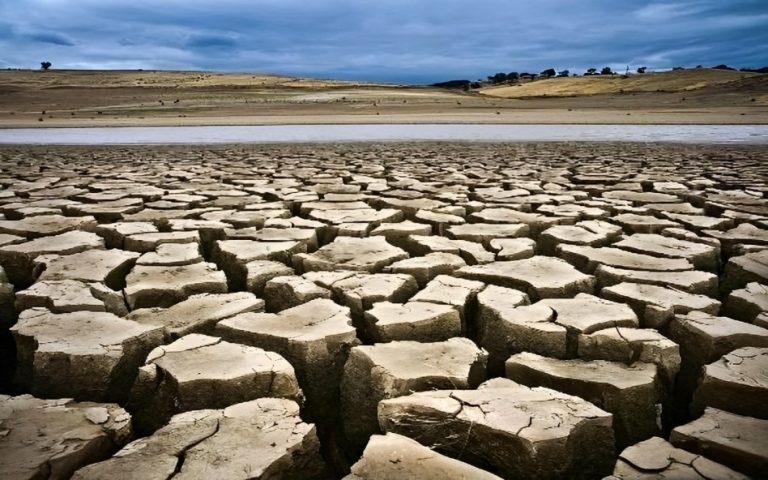
Reza Ghasempour, deputy director of the Natural Environment Department of Alborz Province’s Environmental Organization, announced on Wednesday, January 15, that Salehiyeh Wetland has dried up. He stated that a 40-kilometer drainage system and the failure to supply its water rights have turned the area into a source of dust storms.
According to the state-run Tasnim news agency, Reza Ghasempour added that Salehiyeh Wetland plays a crucial role in controlling floods in Nazarabad County and is located in the lowest-lying areas of the province.
He further stated, “The drainage system created by the Qazvin Province Agricultural Jihad Organization to channel water to upstream farmlands has caused the wetland to dry up.”
Meanwhile, the state-run ILNA news agency reported a “critical water crisis” in Khorasan Province, where only 14% of the province’s dam capacity is filled, leaving 86% empty.
This situation has arisen due to a 25% decrease in rainfall compared to the long-term average, climate change, and increased water consumption.
According to the report, Kazem Jam, the public relations director of Khorasan Water and Wastewater Company, stated that since the beginning of the current water year in October 2024, the province has received only 33 millimeters of rainfall, while the long-term average is 44 millimeters.
Additionally, Ali-Asghar Dehghanpour, the director-general of Khorasan Meteorological Organization, highlighted the impact of global warming and climate change on reduced rainfall and rising temperatures. He emphasized the need to reduce fossil fuel use and expand renewable energy sources.
He added, “Although future rainfall can improve groundwater reserves and dam levels, drought caused by climate change requires serious action and a global commitment to reducing greenhouse gas emissions.”
Iran’s Dam Water Reserves Shrink by 10% in Current YearIn another report from the state-run Etemad newspaper, Gholamreza Sabzghabaei, a lecturer at Khatam al-Anbia University, affiliated with the Islamic Revolutionary Guard Corps (IRGC), stated that Iran’s average temperature has risen by 1.5 degrees Celsius since 1950, while average rainfall has decreased by approximately 45 millimeters. He noted that these changes have led to a decline in groundwater levels, land subsidence, and reduced snowfall in mountainous areas. The university lecturer added that this situation has made Iran’s arid regions even drier and has reduced access to water resources. As a result of this crisis, there has been a migration of populations from the southern and central regions to the northern belt of the country, leading to increased deforestation in northern forests due to construction activities. Additionally, in a press conference on January 13, Sedigheh Torabi, deputy head of the Environmental Protection Organization’s Human Environment Department, announced that 59% of Tehran’s air pollution originates from moving vehicles, while the remaining 41% comes from stationary sources. Ahmad Taheri, head of the National Air and Climate Change Center at the Environmental Protection Organization, also stated that there are approximately 24 million polluting vehicles in the country, including cars and motorcycles. He warned that these pollution sources will lead to a significant increase in pollutants and negative environmental effects in the coming years. Environmental activists and experts, emphasizing the Iranian regime’s neglect of climate change and its inability to manage natural resources, state that the critical conditions of water scarcity, energy shortages, and climate change highlight the urgent need for both immediate and long-term planning for water resource management, conservation, and the development of new technologies to combat drought.
Intensified U.S. Sanctions and Trump’s Potential Clampdown on Iran’s Oil Exports
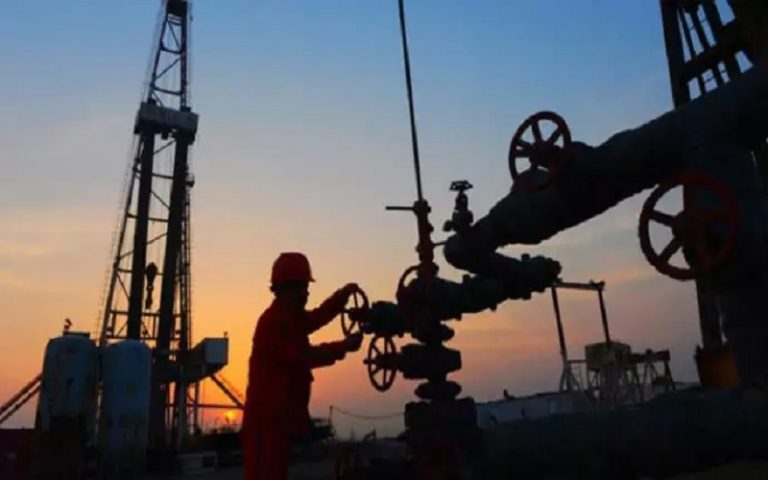
The Economist, in an analytical report, examined the consequences of new U.S. sanctions on Iran’s oil exports and, referring to the potentially stricter policies of Donald Trump, predicted that China’s imports—which account for nearly all of Iran’s oil exports—would decrease by one million barrels per day. Iran’s oil exports had increased more than twelvefold in the past year compared to 2018, reaching 1.8 million barrels per day. However, even before Trump’s return to the White House, the situation had already begun to change, and this trend is expected to intensify.
The Economist reported that on November 25, the oil tanker Elva, registered under the flag of São Tomé and Príncipe, secretly loaded two million barrels of Iranian crude oil off the coast of Malaysia. Typically, the journey from this point to northeastern China, the likely destination, takes less than two weeks, but this time, it did not. On December 3, the United States blacklisted the tanker for violating sanctions. Now, six weeks have passed, and the vessel remains stranded in the same area. This is not an isolated case; since October, as the Biden administration intensified its crackdown on Iran-linked tankers, Iran’s crude oil exports to China—its primary buyer—have dropped by one-quarter, falling to 1.3 million barrels per day.
The Biden administration has increased pressure by targeting tankers transporting Iranian oil to China. Chinese ports, fearing U.S. sanctions, are now refusing to allow these tankers to dock. On January 6, the Shandong Port Group, which manages several major Chinese ports, including Qingdao and Yantai, announced a ban on docking for U.S.-sanctioned tankers. This supply reduction has led to Iranian oil being sold at a smaller discount relative to Brent crude, whereas three months ago, the discount was $6.50 per barrel. This price increase has pushed some small refineries out of the market, consequently reducing demand for Iranian oil.
Iran Races To Sell Its Stranded Oil In China To Strengthen Its AlliesThe Iranian regime is attempting to replace sanctioned tankers with “clean” tankers, but the shadow fleet, which now primarily transports Russian oil, has expanded so much that there may not be enough ships left for Iran. Trump will enter office in such a situation. He could add more tankers and traders to the blacklist. Another option under consideration by his team is to warn China that the U.S. will sanction ports receiving Iranian oil. The most aggressive option would be imposing heavy tariffs on China until Beijing halts its imports of Iranian oil. The Economist wrote that although this measure would increase oil prices by $5 to $10 per barrel, the rise would be acceptable to American consumers while simultaneously benefiting U.S. oil producers. The leaders of the Iranian regime have repeatedly stated that if they cannot export oil, no one else will be able to either.
Iran Races To Sell Its Stranded Oil In China To Strengthen Its Allies
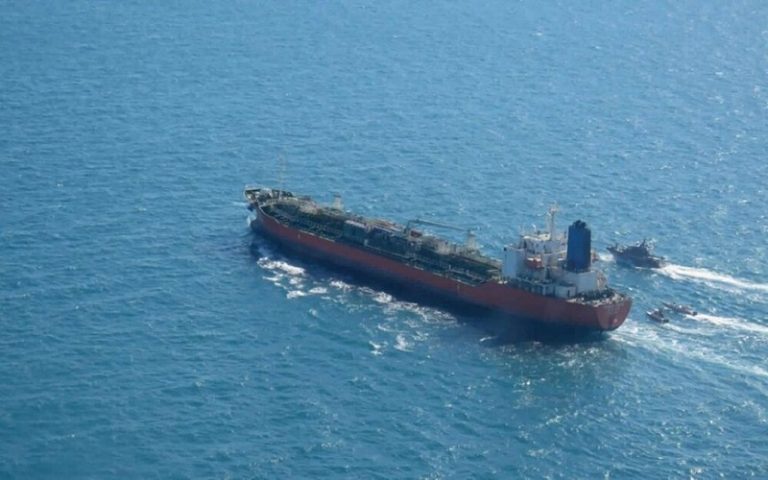
The Wall Street Journal reported that approximately three million barrels of stranded Iranian oil in China are being loaded for sale at sea. The report expressed concerns that the revenue from these sales might be used to bolster the Iranian regime’s proxy groups in the region.
On Saturday, January 11, the Wall Street Journal cited informed sources saying that after negotiations between Iran and China in late November and December, Beijing finally agreed last month to allow the departure of Iranian oil shipments.
According to the Wall Street Journal sources, China had previously not responded positively to Iran’s requests to remove its stranded oil from the country.
A few days ago, Reuters reported that Iran’s regime is attempting to release 25 million barrels of its oil, which have been stranded in two Chinese ports for nearly six years.
These 25 million barrels of oil were gradually delivered to China by 2018. However, starting in 2019, when the Trump administration canceled waivers related to such transactions, no buyers could be found for the oil, which became stuck in rented storage tanks in Dalian and Zhoushan ports.
Iran’s Efforts to Reclaim 25 Million Barrels of Stranded Oil in Chinese PortsAccording to the Wall Street Journal, two oil tankers, Mid Star and CH Billion, recently headed to Dalian Port to load part of Iran’s oil. The report stated that the Mid Star tanker left this port earlier this month with two million barrels of oil. Meanwhile, the CH Billion tanker is believed to still be at the port, preparing to load 700,000 barrels of oil. According to the report, the Mid Star tanker left the port earlier this month with two million barrels of oil, while the CH Billion tanker is believed to still be at the port, preparing to load 700,000 barrels of oil. Sources from the Wall Street Journal stated that the Mid Star tanker turned off its international signal for three days before arriving at Dalian Port. After loading its cargo, it headed toward South Korean waters to transfer its shipment to another vessel. The Chinese official reiterated that Beijing opposes the “unilateral, illegal, and unreasonable sanctions imposed by the United States.” Iran has turned to complex shipping networks to circumvent sanctions and sell its oil. Even if a Chinese buyer wants to purchase Iran’s stored oil, the cargo must first leave China and have its documentation altered to classify it as non-Iranian oil. The Wall Street Journal reported that the value of Iran’s stranded oil in China currently exceeds $2 billion, but Tehran owes approximately $1 billion in rental fees for storage tanks in two Chinese ports. The Journal, citing informed sources, noted growing concerns about the departure of three million barrels of Iranian oil from Chinese ports and Tehran’s efforts to sell them, allegedly managed by the Islamic Revolutionary Guard Corps (IRGC). The report claims that Iran’s regime has allocated the revenue from this action to the IRGC, which is engaged in arming and funding the regime’s proxy groups across the Middle East. Reports indicate that alongside its efforts to continue arming its supported groups in the Middle East, Tehran also provides financial support for rebuilding civilian infrastructure in areas under their control. On Sunday, January 12, the Associated Press reported that Hezbollah, which had funded part of the $2.8 billion reconstruction after the 2006 war, has now begun compensating residents of southern Lebanon with financial assistance from Iran. According to the report’s sources, some families have received payments ranging from $194 to $14,000. Hezbollah has also mobilized 145 reconstruction teams with over 1,250 engineers and hundreds of analysts and accountants, all funded by Iran.
Iran: Theft of “70,000 Liters” of Jet Fuel Per Day from Bandar Abbas Pipeline
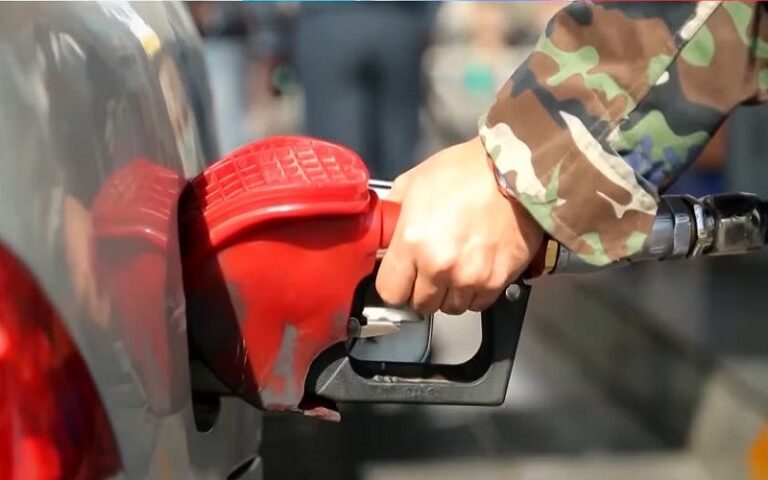
Mojtaba Ghahramani, Chief Justice of Hormozgan Province in southern Iran has provided new details about a fuel theft pipeline in Bandar Abbas, revealing that the illegal pipeline branched off the main fuel transfer line and extended for two kilometers.
He stated that the illegal pipeline extracted approximately “70,000 liters” of jet fuel daily from the main line.
On January 11, Ghahramani told Iranian state television that inspections of the discovered equipment and evaluations of pipe corrosion and rust indicate that the thieves had been using this pipeline for a long time.
The Chief Justice of Hormozgan Province also said on January 11, “The value of the illegal pipeline itself is approximately 40 billion rials, and it appears that the thieves possessed the technical expertise and necessary information.”
He added that tests conducted by the National Iranian Oil Products Distribution Company revealed a shortfall of “over 129,000 liters” in this pipeline over three days.
However, he did not explain how such a significant volume of daily fuel theft over an extended period went unnoticed by refinery officials and those overseeing the transfer routes.
Iranian regime officials do not address the reasons behind the growing fuel smuggling networks, instead portraying the arrests as a demonstration of the “capabilities” of police and security forces.
The low cost of fuel in Iran has always been cited as one of the main reasons for its smuggling.
Malek Shariati, a member of the Iranian parliament’s Energy Commission, revealed in a November 2024 television program that oil was being stolen directly from beneath a refinery pipeline in Iran.
Without naming the refinery or specifying the duration of the theft, Shariati stated that the refinery officials were “unaware for several years” that a branch had been tapped into the pipeline, allowing oil to be stolen.
This is not the first time reports of oil and petroleum product theft have emerged in Iran. Last year, the CEO of the Iranian Oil Pipeline and Telecommunications Company reported a “tenfold increase” in theft due to rising energy prices.
In March 2024, state television broadcast footage of a professional team that had dug a tunnel over two years to infiltrate the Tehran Oil Refinery.
