

IEA Weighs in on The Impact of New U.S. Sanctions on Iran’s Oil ExportsIn contrast, the auction winner and buyer of the building stated that the property was purchased in a legal auction conducted in accordance with the law and emphasized that it is the official owner of the building. Ultimately, the court rejected all requests from the National Iranian Oil Company, including the recovery of the building.
Iran’s Regime Denies Reports of Oil Company Building Being Shut Down in Rotterdam
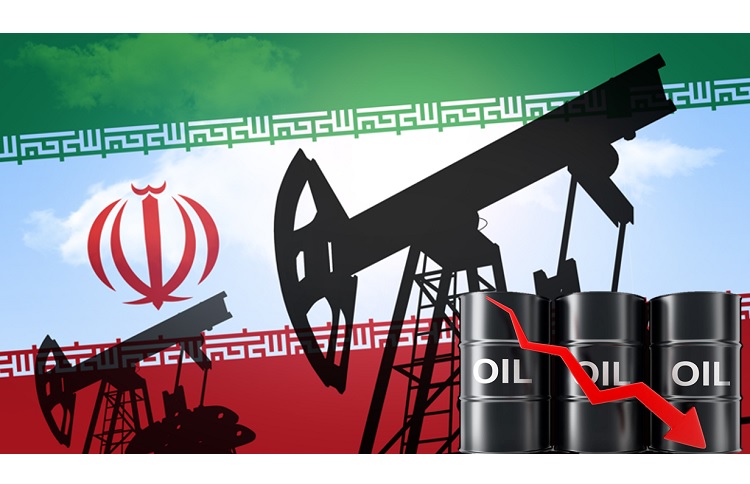
Ismail Baghaei, spokesperson for the Iranian regime’s Ministry of Foreign Affairs, described reports about the seizure of another building of the National Iranian Oil Company in Rotterdam, Netherlands, as “inaccurate” but did not clarify what had happened to the building.
On Monday, January 20, the Ministry’s spokesperson reacted to the matter, stating: “This case is being pursued by the Presidential Legal and International Affairs Center and the National Iranian Oil Company.”
According to published reports, despite the National Iranian Oil Company’s opposition, the transfer of its building in Rotterdam was approved to settle a $2.6 billion debt to the UAE-based Crescent Company, and the building was officially awarded to Heuvel Company.
The building, seized under an international arbitration ruling, was transferred to the company through a public auction on April 20, 2023.
The state-run Shargh newspaper reported that the National Iranian Oil Company had previously requested the Dutch court to annul the April 2023 auction and restore the building’s ownership, arguing in its defense that the building belonged to a state-owned company and that, under international law, state-owned assets should be immune to seizure and auction.
Protests by Various Groups of People in Iranian Cities
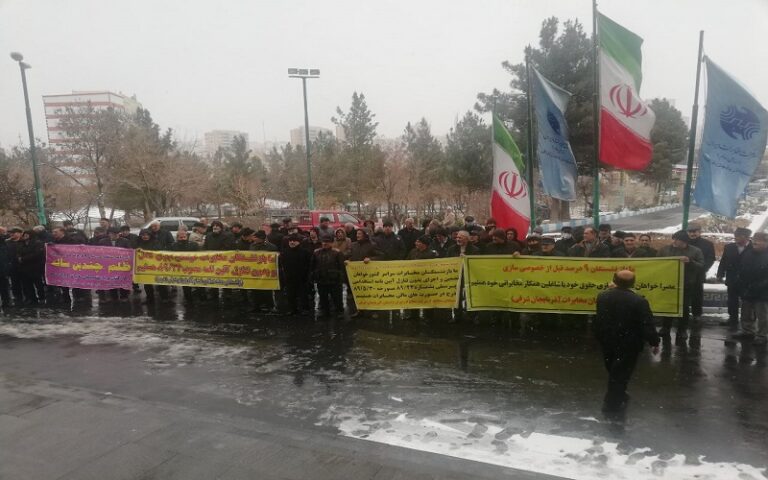
Protests by various groups of people continue to expand. On Sunday, January 19, different groups of Iranians, including social security pensioners, steel retirees, and others, gathered in various cities to protest poor economic conditions and neglect of their demands. These protests reflect the growing public discontent with the government.
Ahvaz: Steel retirees, after holding a protest march, gathered in front of the governor’s office, chanting slogans such as “Our problem is livelihood and healthcare.”
Tehran: Steel and mining retirees, along with teacher and teaching assistant exam candidates, gathered in protest. Demonstrators chanted slogans against IRGC commanders and demanded reforms in assessments.
Iranian Regime Security Forces Attack Protesting Steel Industry RetireesTeacher exam candidates protested against biased and unfair evaluations for teaching positions. During their protest, they chanted, “False promises no longer work.” Kermanshah: Social security retirees demanded the release of imprisoned workers and an increase in wages. They also held placards reading “Wage suppression is life suppression,” protesting government policies on wages and livelihoods. Protesters chanted: Plundering the people’s pockets, under the slogan of justice, Enough with the warmongering, our tables are empty, Workers, retirees, unite! Gathering, protesting is our unalienable right! Inflation, high prices, no to war and destruction! Kerman: Mining, steel, and coal retirees gathered to protest unfulfilled promises and economic pressures. Isfahan: Steel retirees demanded attention to their rights, chanting, “Don’t say there’s no budget, we’re tired of these lies.” Social security retirees from Haft Tappeh, Karkheh, and Shush protested government failure to fulfill its promises, chanting: They looted social security, left us destitute, High prices and inflation are destroying people’s lives, Devastating inflation rules the market, Our rights can only be claimed in the streets, Retiree, shout and demand your rights. Fars: Regional power station operators protested pay discrimination and demanded fair wages. Contractual operators from regional power stations in Fars protested against the stark disparity in wages and benefits, while their share of wages is overlooked. They declared in their protest, “Don’t cut our wages!”
Demands of Protesters Across the Country
Protesters across the country demand improvement of living conditions and payment of overdue wages, fulfillment of government promises regarding wage increases and welfare services, reform of the evaluation and recruitment system, and an end to corruption and the plundering of national resources.Wages of Iranian workers cover only 30% of household expenses
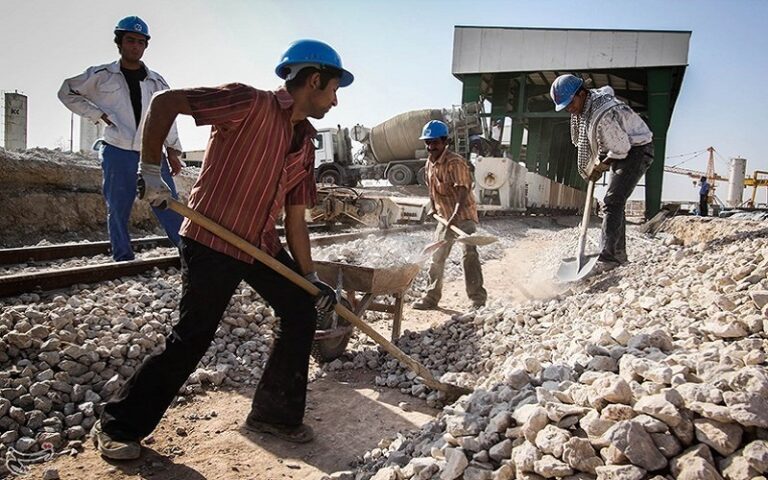
Hamidreza Emamgholi Tabar, an inspector of the Iranian regime’s Supreme Assembly of Workers’ Representatives, announced that the cost of a livelihood basket for a 3.3-person working class family has reached 400 million rials (approximately $494), while the average wage of workers is only 150 million rials (approximately $185), which covers only 30% of household expenses. The minimum wage for a worker with two children is around 110 million rials (approximately $136).
While some labor unions have called for a review of wage policies and the implementation of Article 41 of the Labor Law to set wages in line with living costs, government officials have announced wage increases based on the “difficulty of work.”
According to the state-run Tasnim News Agency, Emamgholi Tabar emphasized the need to increase wages, stating that around 9% of workers in some provinces receive wages below the legal standard, ranging between 70 to 80 million rials (approximately $86 to $99).
Many Workers in Iran Have to Wait Six Months to Receive Their WagesAdditionally, 35% of the labor community live on minimum means and are in challenging economic conditions. According to this labor activist, 60% of the country’s population, equivalent to 50 million people, are covered by labor and social security programs and mainly belong to the bottom five income deciles. He stressed that any economic changes directly affect this group, and the non-implementation of Article 41 of the Labor Law in determining wages aligned with living costs has exacerbated their problems. Referring to the 57% wage increase in 2022, Emamgholi Tabar stated that this measure has only benefited the Social Security Organization and failed to address workers’ livelihood issues. He added that increasing wages in line with inflation is the only way to improve workers’ purchasing power. The inspector of the Supreme Assembly of Workers’ Representatives also highlighted the issue of bank loans, saying that many workers have taken loans ranging from 100 to 300 million rials (approximately $123 to $370) to cover essential expenses, with 20 to 35% of their monthly wages going toward loan repayments. He stated that housing costs account for about 70% of the livelihood basket, making it challenging for many worker families to even afford rent for a 50-square-meter unit. Additionally, high healthcare and medical expenses have forced workers to forgo recreational activities and medical treatments, exacerbating mental health problems among them. Meanwhile, Ahmad Meidari, Minister of Cooperatives, Labor, and Social Welfare, stated last week, “Working conditions vary across industries, and determining the minimum wage based on the minimum cost of living and inflation is not correct. This figure should be set according to the level of job difficulty in different industries.” This situation has caused severe dissatisfaction among workers and wage earners in Iran, leading to an upward trend in their protests in recent years.
Endless Wave of Price Increases Continues in Iran
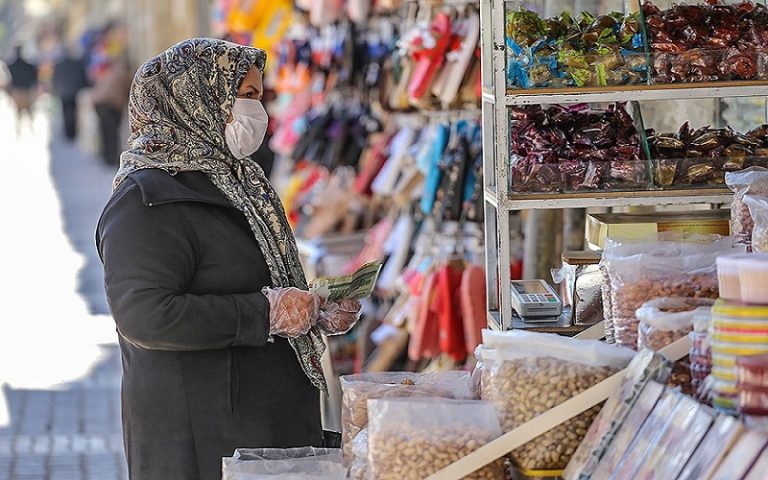
Reports from Iranian domestic media indicate that almost every day, some goods or services become more expensive, and in some cases, such as dairy products, official price hikes have occurred several times a year. Many analysts believe that due to its direct impact on people’s lives and well-being, surviving in Iran is gradually becoming a “luxury” trend.
The recent wave of price increases has affected many goods, with dairy products experiencing the most noticeable surge compared to other items.
The government-affiliated website Eghtesaad24 wrote, “The country’s dairy industry has increased the prices of some products; a price hike that, following previous policies, is set to deprive another portion of the population of consuming dairy products.”
According to this website, the approved prices of non-subsidized dairy products, which play a significant role in household consumption, were raised again in less than three months, shocking consumers.
Food Insecurity Is Rapidly Spreading in IranEghtesaad24 pointed out that the percentage change in the consumption of food items by Iranians has dramatically decreased over the past decade, ringing the alarm bells of poverty in providing basic necessities for people’s tables. Although officials have reacted to and denied the price increases in dairy products, Tasnim News Agency, affiliated with the Islamic Revolutionary Guard Corps (IRGC), offers a different narrative, writing: “Even though the spokesperson for the Dairy Industry Association has denied recent price increases for dairy products, this issue is tangible in people’s lives, and by visiting stores, these price increases can be observed.” Tasnim also emphasized that since September 28, 2024, the prices of subsidized dairy products had increased by 30%, and simultaneously, the prices of non-subsidized products had also risen. Media outlets also reported that canned tuna, another popular item in household food baskets, is expected to face price changes soon. In this regard, the Iranian Canned Food Industries Syndicate announced that from January 21, 2025, the price of canned tuna will increase by about 14%. According to Eghtesaad24, the price of detergents is also facing a 40% increase request by industry stakeholders. It has been announced that they have sent an official letter to the Organization for Consumer and Producer Protection, requesting approval of their demand due to rising production costs, especially in raw materials and packaging. The recent price hikes have also included cooking oil, another high-demand product. According to media reports, the increase in vegetable oil prices was approved by the Market Regulation Task Force, and as of January 1, 2025, the prices of 114 types of vegetable oils have risen. According to the Market Regulation Task Force’s resolution, the prices of various types of liquid and semi-solid cooking oils for household use increased by 15%, while confectionery oil prices rose by 21%. Majidreza Khaki, spokesperson for the Rice Importers Association, also stated that the price of Iranian rice has increased by 30% in less than a month. The government-affiliated website Nournews, close to the Supreme National Security Council of the Iranian regime, also reported on January 3, 2025, that tomatoes have experienced the highest price increase among agricultural products, with a 76% rise, followed by potatoes and onions, which saw increases of 74.3% and 71.1%, respectively. Reports citing official statistics also indicate that sugar prices increased by 66%, Iranian rice by 56%, and cooking oil by 40% in November 2024 compared to the same month the previous year. Protein products also experienced price hikes, with chicken prices rising by 40% and red meat by 39%. Reports show that the lowest price increases were for machine-baked Taftoon and Lavash bread, with 23% and 31.5% increases, respectively. These price hikes come as the Central Bank of Iran’s regime recently claimed that annual inflation in November 2024 reached 36%, the lowest rate in 50 months. The price increases in Iran are influenced by economic policies, the regime’s actions outside its borders, the continued devaluation of the rial, and power and gas outages in industries. This situation has been reflected in protests by retirees, workers, and other wage earners, who have voiced their objections to Iranian government officials.
Severe Housing Price Increases: Home Ownership, a Distant Dream for Many Iranians
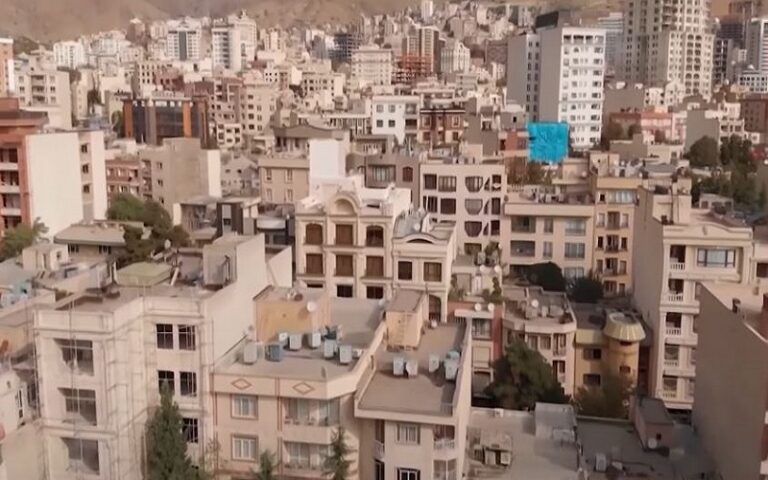
The increase in housing prices in Iran and the mismatch between incomes and housing costs for a significant portion of the population have made homeownership a distant dream for many people, according to the Shargh newspaper.
According to this media outlet, the high prices of several billion rials even in the southern parts of the city have limited the ability of many people to purchase homes.
The report states that homes under 100 square meters, mostly with one bedroom, are priced at no less than two billion rials.
Shargh emphasized that in the Azari neighborhood of Tehran, a 54-square-meter house built in 2010 with one bedroom is priced at 31 billion rials (approximately 39,000 USD). In the Navab neighborhood, a 39-square-meter house without parking or an elevator is priced at 20 billion rials (approximately 24,700 USD).
Owning a home In Iran Has Become Nearly ImpossibleAdditionally, a house in the Kahrizak area, built in 2018 with two bedrooms, is being sold for 20.5 billion rials (approximately 25,400 USD). The class gap in Tehran’s housing sector is clearly evident, as in the southern parts of the city, people are unable to purchase homes worth 20 billion rials. However, according to the government-affiliated newspaper Donya-e-Eqtesad, the average rental price in northern Tehran, based on the “suggested rent index,” is 630 million rials (approximately 778 USD) per month with a down payment of 11 billion rials (approximately 13,580 USD). Field research by the government-affiliated newspaper Donya-e-Eqtesad indicates that the average rent for listings in District 1 is 750 million rials (approximately 926 USD) per month, with a down payment of 11.15 billion rials (approximately 13,765 USD). Accordingly, the newspaper reported that the monthly rent in District 3 is approximately 500 million rials (about 618 USD), with the down payment being at the same average level as District 1. Independent experts and analysts, citing economic statistics and household living conditions, report that a significant portion of the population has exited the circle of housing demand. In this regard, Khabar Online previously quoted a housing analyst who stated, “The main reason for housing poverty is the outpacing of costs, especially housing costs, over income, and currently, four income deciles have completely lost the ability to buy housing.” The latest official statistics also show that from 2016 to 2022, over 48% of renters in Iran have fallen below the poverty line. Moreover, according to statistics, the population living below the poverty line in Iran had reached over 33% by the end of 2022. Many experts believe that considering the inflation of the past two years, the rising currency exchange rates, and the further depreciation of the national currency, the poverty rate has exceeded 50%. Reports indicate that one of the worst forms of poverty is housing poverty, which has intensified with the price per square meter in Tehran increasing from 56 million rials in March 2018 to 885 million rials in September 2024. It is worth noting that the minimum wage for a worker with two children is approximately 136 USD per month.
1,500 Classrooms Without Heating and Cooling Systems in an Iranian Province
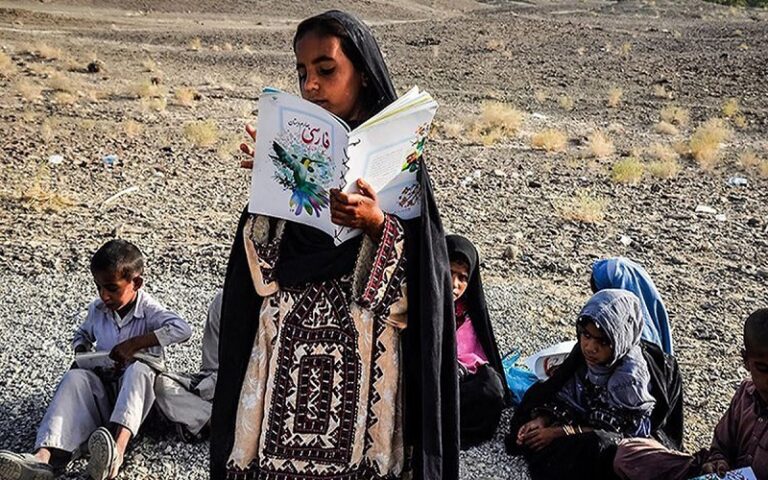
Underdevelopment and poverty are two major characteristics of Sistan and Baluchestan Province in southeastern Iran. Statements by the provincial Director General of School Renovation, indicating that 1,500 classrooms in the province lack heating and cooling systems, highlight the authorities’ disregard for the plight of the Iranian people.
Tasnim News Agency, affiliated with Iran’s security apparatus, quoted Meysam Lakzaei as stating that there is a significant gap between the province’s per capita educational resources and the national average.
Some Schools in Iran Force Parents to Clean the School for Not Paying TuitionMohammadreza Vaezi Mahdavi, an advocate for students, stated on January 9 that 46% of girls in the province drop out of school due to the lack of educational facilities. Mahdavi noted that one of the key indicators is per capita educational space, which stands at an average of 5.8 square meters nationally, compared to just 3.6 square meters in Sistan and Baluchestan—a gap of about 2.2 square meters. Recently, the government-affiliated website Tejarat News quoted Farooq Azmi, Sistan and Baluchestan’s representative in the Supreme Council of Provinces, saying: “Every year, 30% of students in this province are forced to drop out due to issues such as the exorbitant cost of school transportation. These students add to the 150,000 who are already out of school. This poses a very serious and dangerous warning for the province.” Many consider the main factor behind this situation in Sistan and Baluchestan to be the institutionalized poverty in the province, believing that Iran’s regime deliberately keeps the province underdeveloped to serve various security and social objectives. A report by the Parliament’s Research Center also supports this theory, stating that nearly 70% of school dropouts belong to the first through fifth economic deciles, which include the poorest segments of society. The Parliament’s Research Center reported in its latest statistics that 30% of the population was below the poverty line as of 2023, a figure that experts claim has risen to over 50% in the past two years. This issue was indirectly confirmed by the Director General of Education for Sistan and Baluchestan on January 1, who stated that the phenomenon of school dropouts is linked to various factors such as economic poverty in some households, border advantages, child labor, early marriages, and similar issues.
High-Ranking Iranian Regime Judges Mohammad Moghiseh and Ali Razini Killed
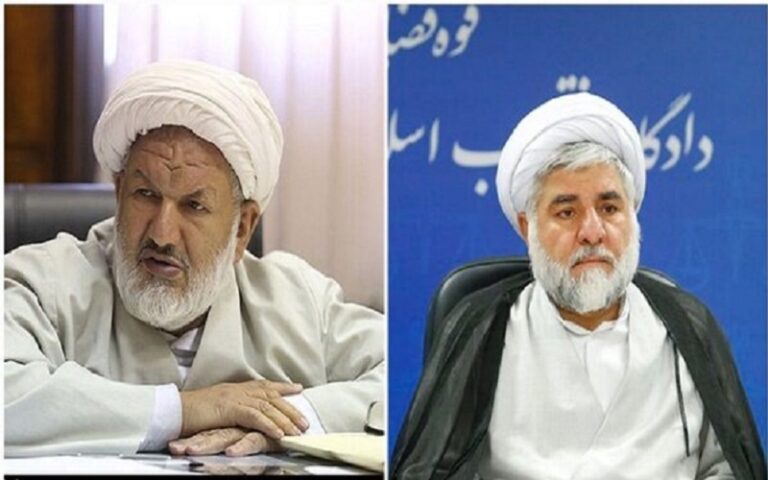
Mohammad Moghiseh and Ali Razini, two high-ranking judges of the Iranian regime, were assassinated. IRNA, the official news agency of the Iranian regime, reported that the incident occurred at the office of these judges, while some other outlets stated that the attack took place in front of the Supreme Court building.
It has been reported that the assailant committed suicide after the shooting.
Iranian media state that the assailant neither had a case in the Supreme Court nor was a visitor to its branches.
Who Was Ali Razini?
Ali Razini was a prominent judicial official of the regime. After the 1979 revolution, he joined the judiciary in 1980. In 1981, as a judge of the Tehran Revolutionary Court, he was tasked with confronting the Mojahedin-e Khalq Organization (MEK), the largest opposition group in Iran, in Khorasan Province. In 1981, he became the head of the Khorasan Provincial Court and was notorious for issuing harsh sentences, including numerous death sentences for opponents. In 1984, Ali Razini became Tehran’s prosecutor and later the head of the Armed Forces Judiciary Organization. In 1987, Ruhollah Khomeini appointed him as the Sharia judge of the Special Clergy Court, and in 1988, as the head of special courts handling war-related violations. During Mohammad Yazdi’s second term as head of the judiciary, Razini served as Tehran’s prosecutor. Later, under Mahmoud Hashemi Shahroudi, he became the head of the Administrative Justice Court.Who Was Mohammad Moghiseh?
Mohammad Moghiseh was one of the controversial judges handling political and security cases in Iran. He played a role in Iran’s judiciary from the early years following the 1979 revolution. Some political prisoners from the 1980s claim that he served as a deputy prosecutor at Evin Prison during that period. Moghiseh played a key role in the 1988 massacre of political prisoners at Gohardasht Prison. During the summer of 1988, the Iranian regime executed 30,000 political prisoners, most of whom were members of the MEK. In recent years, Mohammad Moghiseh presided over Branch 28 of the Tehran Public and Revolutionary Court, where many political and security-related trials were held, earning a reputation for issuing harsh sentences. In this position, Moghiseh issued numerous death sentences. Throughout his life, Razini openly boasted about the crimes he committed, stating: “We had the courage to write down the reasons for every execution we carried out, signed under it, and this is a source of pride for us.” Razini also commented on the 1980s massacres, saying: “The Imam [Khomeini] stated that if an armed group rises against the regime, all its members are considered adversaries, even those who are not in its military branch. The state began to confront them accordingly.”The Departure of Foreign Investors from Iran Amid Rising Exchange Rates
Following the exodus of foreign investors from Iran, Fatemeh Maqsoudi, spokesperson for the regime’s Majlis (Parliament) Economic Commission, stated that exchange rate fluctuations and the decline in people’s purchasing power have rendered economic activities in Iran unjustifiable, leading foreigners to leave the country.
Media outlets, however, attribute the primary cause of investors’ departure to Donald Trump’s return to the White House. In this context, the state-run Tejarat News website reported that the domino effect of the withdrawal of the few foreign investors in Iran has begun.
According to this news website, following the departure of Saudi Arabia’s Savola from Iran, the Hyperstar chain stores will leave next. The Tehran City Council has agreed to transfer ownership of the Hyperstar property in the Bakri branch, located in District 5 of Tehran, to Bank Shahr.
Masoud Daneshmand, a member of the regime’s Chamber of Commerce Board of Representatives, told Tejarat News, “Trump may have an impact in this regard, but it depends on how Iran responds. If Iran acts wisely, it can partially neutralize the effects of these decisions.”
Many experts believe that the accelerated withdrawal from Iran reflects the impact of Trump’s presence in the White House on global economic relations. In this regard, the state-run Armanmeli newspaper wrote that the domino effect of foreign investors leaving Iran has reached Digikala. The European investment company IIIC, which owns about 33% of Digikala’s shares, is expected to exit Iran soon.
Earlier, Steven Mnuchin, the former U.S. Treasury Secretary under Donald Trump, had called for intensified sanctions against the Iranian and Russian governments. According to Reuters, Mnuchin emphasized the need for stricter financial sanctions and additional measures to reduce the oil revenues of Iran and Russia.
Former French Hostage: The Iranian Regime Treats Prisoners Like “Animals”
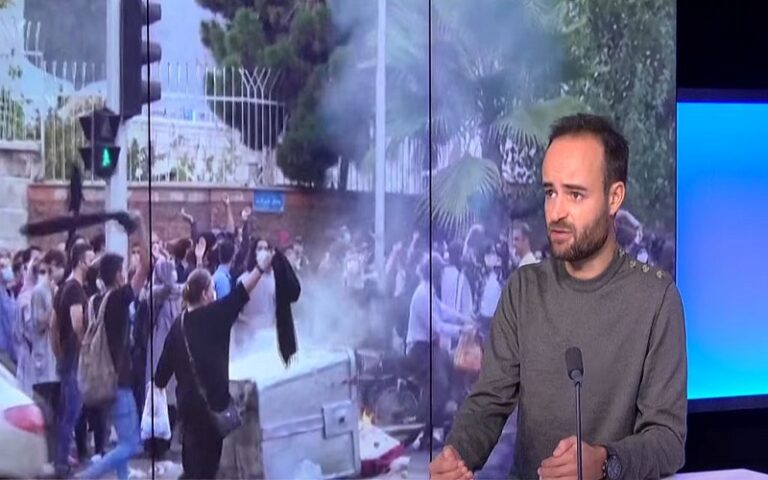
Louis Arnaud, a French citizen who was released from Iran’s Evin Prison last June after two years of detention, spoke about his arrest, imprisonment, and release in his first media interview since his release.
He was arrested during the nationwide protests in 2022 and sentenced to five years in prison by the regime’s judiciary on security-related charges.
Louis Arnaud, who was held in solitary confinement for an extended period, told France 24 television that the authorities do everything to destroy the personality, dignity, and human identity of the detainee.
According to Louis Arnaud, the Iranian regime has taken seven French citizens hostage in recent years, three of whom remain imprisoned in Iran.
Expressing regret over the continued detention of these French citizens, he noted that several other foreign hostages, including Ahmadreza Djalali, an Iranian-Swedish citizen sentenced to death, are also imprisoned by the Iranian regime.
Swedish Scientist to face death penalty in IranLouis Arnaud went on to describe his difficult conditions in prison, including his detention in the secretive Ward 209, which he said is a well-known location among Iranians. He stated that he was confined in a small, eight-square-meter cell with no windows and a light that remained on 24/7, constantly monitored by cameras. According to Louis Arnaud, prison officers under the regime treat inmates like “animals” and take every measure to break their spirit. He further explained that in such a cell, prisoners are cut off from their families, friends, and the outside world, hearing only the cries, groans, and screams of other detainees. Louis Arnaud stated that he spent six months in this cell, during which he was only able to make three phone calls to his family and French officials under strict security supervision. The authorities dictated to him what he was allowed to say. Louis Arnaud said that the officers are “masters” of torture, using both physical and psychological methods to drive prisoners to the point where they would confess to anything the authorities demanded. He further added that the six months he spent in solitary confinement felt like six years and were an unending nightmare. Louis Arnaud noted that thousands of Iranians opposed to the regime are also imprisoned and subjected to brutal physical and psychological torture. The regime has executed some of them, while others are on the brink of execution.
France Summons Tehran’s Ambassador Over Hostage-TakingThe three other French prisoners are Cécile Kohler, her partner Jacques Paris, and a man named Olivier Grondeau. In May of this year, the French Ministry of Foreign Affairs described the detention of these four individuals as “state hostage-taking” and “continuous extortion” by the Iranian regime, strongly condemning this action. The Iranian regime seeks to extort other countries by detaining foreign nationals. The ruling clerics in Iran have pursued this policy since coming to power to achieve their objectives.
Iran: UN Special Rapporteur Condemns Execution Ruling for Pakhshan Azizi
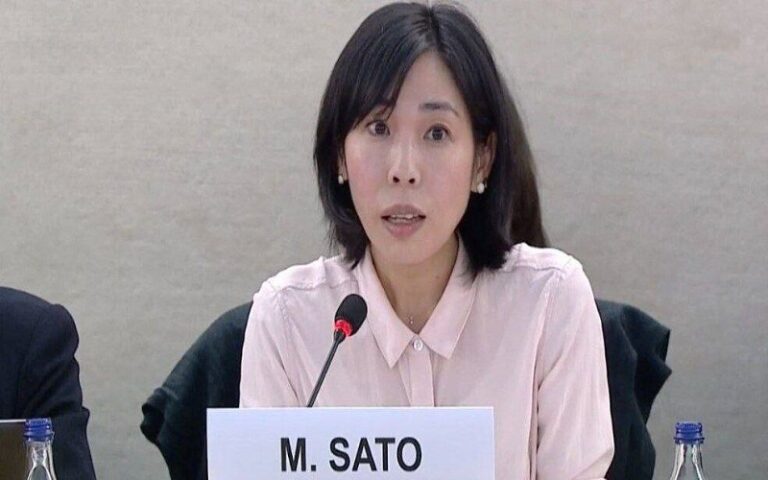
Mai Sato, the United Nations Special Rapporteur on Human Rights in Iran, expressed concern on Thursday, January 16, over the Supreme Court of Iran’s regime upholding the death sentence of Pakhshan Azizi, a civil activist and social worker imprisoned in Evin Prison.
Ms. Sato, while reposting a January 14 statement by a group of UN experts on X, referred to reports of Ms. Azizi being tortured in solitary confinement and denied a fair trial and access to legal representation.
She wrote that Pakshan Azizi’s case reflects the broader persecution of women activists from ethnic minority groups.
According to the website of the United Nations Human Rights Council, the experts stated that the charges against Pakhshan Azizi do not meet the threshold of the most serious crimes required under international law for imposing the death penalty. They emphasized that her death sentence constitutes a serious violation of international human rights law. On July 23, 2024, Pakhshan Azizi was sentenced to death and four years in prison by Branch 26 of Tehran’s Revolutionary Court, presided over by Judge Iman Afshari, on charges of “rebellion through membership in opposition groups.” She had been arrested in Tehran by Iranian intelligence forces in the summer of 2023. The UN experts noted that Ms. Azizi’s arrest and conviction appear to be solely due to her legitimate activities as a social worker, including supporting refugees in Iraq and Syria. These experts added that several members of Pakhshan Azizi’s family had also been temporarily detained and faced national security charges, likely as a means of pressuring her into making a forced confession. In their statement, these experts expressed deep concern over the increasing issuance and implementation of death sentences in Iran, stating that the number of executions in the country had surpassed 900 in 2024, with a rise in the execution of women. The National Council of Resistance of Iran (NCRI), the main opposition coalition against the Iranian regime, had announced that over 1,000 people had been executed in Iran in 2024. The UN experts further stated that Ms. Azizi’s case exemplifies the intensified persecution of female activists from ethnic minority groups in Iran and reflects the continued efforts to punish and silence them through a climate of intimidation. The Supreme Court’s decision to uphold Pakhshan Azizi’s death sentence has sparked widespread protests and criticism. In this regard, the Deputy Special Envoy of the United States for Iran called on Tuesday for the cancellation of Pakhshan Azizi’s death sentence. Azizi is a Kurdish activist and social worker. Abram Paley, in a post on X, stated that the United States urges the Iranian government to revoke the death sentence of the humanitarian worker Pakshan Azizi following her sham trial. Paley emphasized, “The Iranian regime must stop targeting Kurdish minorities and using the death penalty to silence peaceful dissent.”Alarmed by Iran's Supreme Court upholding #DeathSentence of Kurdish activist Pakhshan Azizi. Reportedly tortured in solitary confinement, denied fair trial&legal representation. Her case reflects broader persecution of minority women activists. https://t.co/gPkuT5Vd3e
— Mai Sato (@drmaisato) January 17, 2025
