

The Food Safety Crisis in Iran: Contaminated Rice Imports
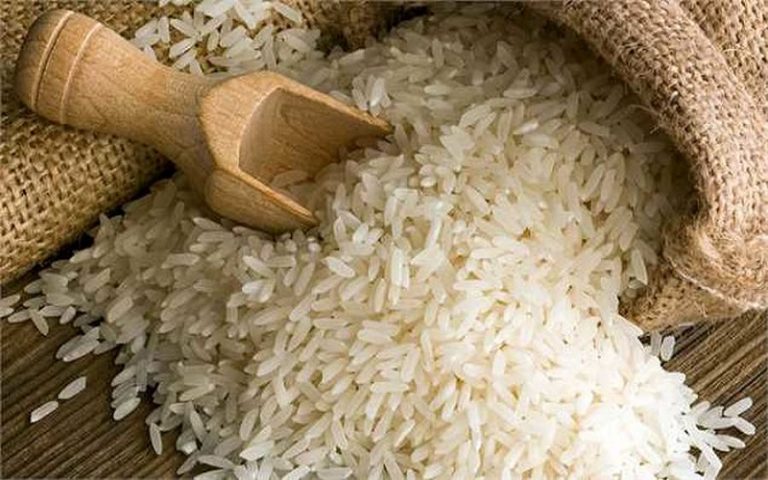
The sharp criticism by Majlis (parliament) members of the Iranian regime regarding the importation of rice contaminated with arsenic and zoonotic diseases has once again brought the issue of food security in Iran to the forefront.
During a public session of the Majlis on Sunday, December 8, MP Ali Asghar Bagherzadeh criticized the allocation of foreign currency for importing contaminated rice. Citing official statistics, he stated, “11.5% of the imported rice is contaminated with arsenic, and another 4.5% is tainted with rodent-related pollutants and zoonotic diseases.”
Bagherzadeh emphasized that allocating foreign currency to such products, especially when the country faces shortages of essential goods and medicine, poses a serious threat to domestic agriculture and national food security.
Syria’s “30 Billion Dollar” Debt to Iran
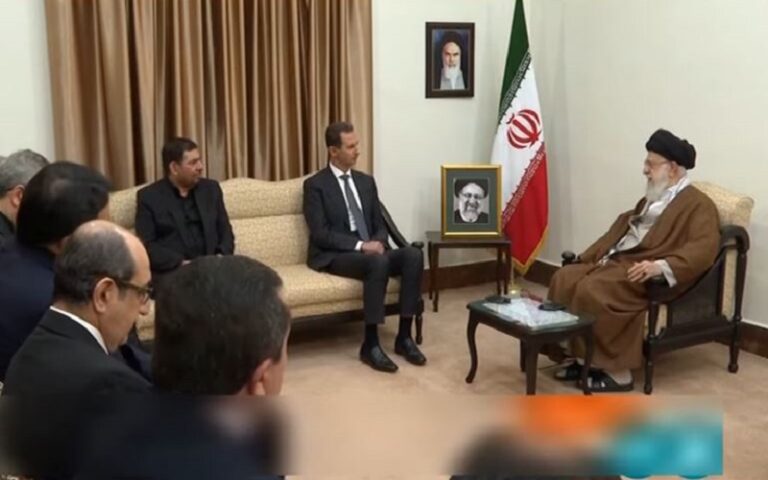
Two former members of the Iranian parliament have highlighted the uncertainty surrounding the settlement of Syria’s “30 billion dollar” debt to Iran right before Bashar al-Assad’s regime fell to opposition forces.
Bahram Parsaei, a former member of parliament, wrote in a post on X (formerly Twitter) on December 7: “When I was in parliament, Syria and Bashar al-Assad‘s debt to Iran was 30 billion dollars, which, contrary to Article 80 of the Constitution, had not been approved by the parliament.”
Parsaei further emphasized that this debt, “at an exchange rate of 700,000 rials per dollar, equals twenty quadrillion rials. What is the fate of this huge amount?”
Simultaneously, Heshmatollah Falahatpisheh, the former head of the parliament’s National Security Commission, wrote: “In response to the profiteering entities of war and sanctions who say, ‘Stop negotiations because of unrest in Damascus!’ the Syrian war is not Iran’s war. The government has yet to clarify the billions of dollars spent on the previous war and should not put the lives and assets of Iranians at new risk.”
In May 2024, he also stated that Bashar al-Assad’s regime owed Iran “30 billion dollars.”
Part of this debt is due to oil shipments provided by Iran’s Islamic Revolutionary Guard Corps (IRGC) to Syria.
Data from the commodity intelligence firm Kpler indicates that in recent years, the Iranian regime has delivered an average of 70,000 to 80,000 barrels of oil daily to Syria. The annual value of this oil is estimated at around 2 to 2.5 billion dollars.
Amid the rapid advance of Bashar al-Assad’s opponents, reports suggest the beginning of the withdrawal of IRGC forces from Syria.
Kpler’s data indicates that Iran was still delivering oil to Syria as of the end of last month.
The “30 billion dollar” debt to Iran is equivalent to three times Syria’s total gross domestic product (GDP).
The risk of losing such a significant amount of debt from Syria comes at a time when the Iranian regime has spent substantial sums funding proxy forces in Iraq, Yemen, and Lebanon. Recently, the Secretary-General of Hezbollah in Lebanon announced that, with financial assistance mostly provided by Iran, each household whose home was completely destroyed in Beirut by Israeli attacks would receive a total of “14,000 dollars.”
Meanwhile, Iranian citizens face poverty, rampant inflation, and a housing crisis, and Iran’s President Masoud Pezeshkian recently disclosed severe monetary imbalances and a massive budget deficit.
Tehran’s Air Quality On The Verge Of Becoming Extremely Unhealthy

The air pollution in the metropolitan areas of Tehran and Karaj has once again reached levels deemed “unhealthy for all groups,” and an official from the Ministry of Health has warned about the potential transition to an “extremely unhealthy” condition.
According to a Ministry of Health official, the air in Tehran is nearing “extremely unhealthy” levels, with air quality indices exceeding 150 at more than 90% of monitoring stations in the city.
By official definition, an “extremely unhealthy” status poses serious health risks to individuals of all ages and physical conditions.
Abbas Shahsavani, the head of the Air Health and Climate Change Group at the Ministry of Health, issued a warning about Tehran’s air pollution on Saturday, December 7, describing the situation as “critical.”
This health official also called for the establishment of an emergency task force, citing forecasts of stagnant weather until Monday and rising pollutant concentrations. He noted that monitoring stations in districts 19 and 20 are approaching “extremely unhealthy” conditions.
Experts link the spread of certain diseases and a significant portion of mortality rates in major cities to air pollution.
On November 23, the head of the Air Pollution Research Center at Tehran University of Medical Sciences reported approximately 50,000 annual deaths related to air pollution, stating that about 12% of all deaths in Iran are linked to pollution-related illnesses.
The use of mazut (a heavy fuel oil) in power plants, the low quality of domestic vehicles, and extensive shortcomings in the public transportation network are cited as major contributors to the country’s air pollution crisis, which intensifies annually with the onset of colder weather.
Following the worsening air pollution in major cities, elementary schools in Tehran and Alborz provinces switched to remote learning on December 7 and 8. Additionally, kindergartens, preschools, and special education schools were closed.
According to the Air Pollution Emergency Task Force, truck traffic in the capital was also banned for 48 hours.
Strategic Retreat in Syria: Khamenei’s Policies and Their Regional Impact
Iran’s regime once considered Syria as its”thirty-fifth province,” as described by Mehdi Taeb, a commander at the Ammar Base. But it has now become a field indicating Iran’s strategic defeat. Taeb’s statement on February 15, 2013, underscores Tehran’s significance on Syria: “If the enemy attacks us and decides to take Ahvaz or Syria, our priority is to keep Syria because if we keep Syria, we can recover Ahvaz. But if we lose Syria, we can’t even keep Tehran” (Asr Iran newspaper). These statements affirm Syria’s role not just as land, but as a cornerstone in Iran’s regional strategy.
Syria plays a vital role in the strategic depth of Iran’s regime. However, this depth is now more threatened than ever due to political shifts and domestic and international pressures against Bashar al-Assad’s regime, representing a significant strategic blow to Khamenei’s regime.
Costly Terrorist Interventions
Iran’s interventionist policies in Syria, based on the doctrine of religious fascism, have consistently supported Bashar al-Assad. Over the years, reports have indicated that at least $50 billion of Iran’s national resources, managed by the former Quds Force commander Qasem Soleimani, known as the butcher of the Syrian people, were spent to bolster the Assad regime. Heshmatollah Falahatpisheh inadvertently acknowledged part of these expenditures on May 21, 2020, saying: “When I went to Syria, some said that I spent a lot! But I repeat, perhaps we gave $20 to $30 billion to Syria, and we must retrieve it. Our people’s money was spent there” (source: Asr Iran). These enormous sums were pumped into Syria at a time when Iranians were suffering from severe economic difficulties and poverty, sparking widespread protests with chants like “Leave Syria, think of us.”UN Resolution 2254 and Khamenei’s Obstruction
Nine years ago, UN Resolution 2254 was adopted by the Security Council as a solution to end the Syrian crisis. The resolution aims for political transition and a cessation of hostilities. However, the Iranian regime, led by Khamenei and its proxy forces, has obstructed its implementation. By labeling their involvement as “defending the Zeinabiyya,” they have bolstered Assad, affecting the political transition process in Syria and rendering international efforts to end the conflict ineffective.The End of a Delusional Project
As mentioned, the loss of strategic depth in Syria significantly weakens the regime’s regional influence network. For years, Khamenei considered Syria the “tent pole of the resistance,” sparing no effort to maintain it. However, today, his dreams turn into a nightmare. Khamenei’s previous statements about the link between Syria and maintaining the regime of theocracy illustrate the importance of this link: “If these battles were not fought, the enemy would come inside the country, and we would have to fight them here in Kermanshah, Hamedan, and other provinces” (Khamenei’s website, February 5, 2015). The collapse of the Syrian regime, in addition to being a strategic defeat, also reflects the failure of the Iranian regime’s regional policies and its clear collapse.The Strategic Defeat in Syria and Its Consequences
The developments on the ground in Syria serve as evidence of the collapse of “strategic depth” and the ambitious expansion policies of religious fascism. Reflecting on Taeb’s acknowledgment, it becomes clear that with the loss of Syria, the religious regime will not be able to maintain Tehran or Iran, rightfully belonging to the Iranian people who, through organized resistance and a democratic revolution, will reclaim it from the clutches of the clerics.Iran Regime’s Aid to Hezbollah Amid Domestic Poverty and Economic Hardships
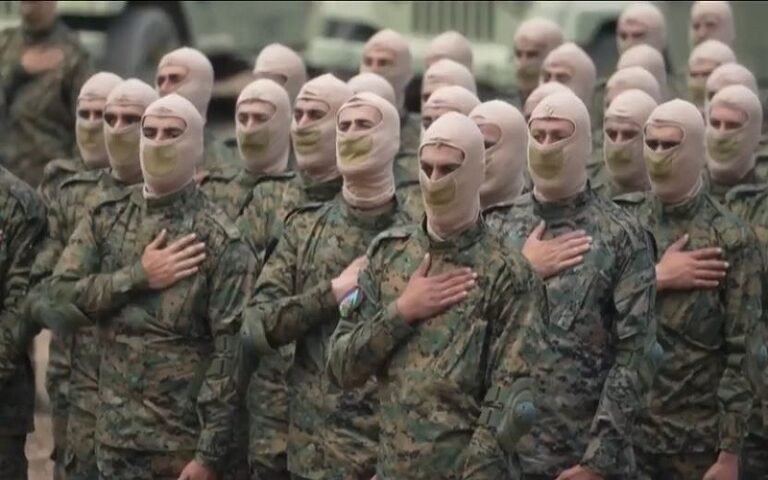
The Iranian regime provides an amount equivalent to 10 years’ earnings of a minimum-wage worker to each Lebanese affiliated with Hezbollah.
On the evening of Thursday, December 5, Naim Qassem, the Deputy Secretary-General of Hezbollah, stated in a televised speech that with financial assistance, most of which comes from Iran, each Lebanese family in Beirut whose home was destroyed will receive between $12,000 and $14,000.
Qassem thanked Ali Khamenei, the Supreme Leader of the Iranian regime, and the Islamic Revolutionary Guard Corps (IRGC) for their “generous support” and noted that Hezbollah has so far distributed $57 million to over 170,000 war-affected families. He added that $8,000 would be provided for rebuilding each destroyed home, along with $6,000 for one year’s rent to the residents of Beirut.
Meanwhile, the minimum wage in Iran ranges between 80 and 100 million rials (approximately $114 to $143), with the annual total reaching at best 1.2 billion rials (about $1,714). However, the rial equivalent of the aid given to each Lebanese family equals 10 years’ earnings of a minimum-wage worker in Iran.
The situation is similar for other social groups. According to a bill passed by the regime’s Majlis (parliament), the minimum pension for retirees in 2025 will not exceed 120 million rials. Meanwhile, the average rent in major Iranian cities is 150 million rials (approximately $214), and minimum-wage earners receive no significant assistance for housing expenses.
This condition is not limited to workers and retirees. On Thursday, December 5, Hossein Simayi, Iran’s Minister of Science, Research, and Technology, admitted that university professors in Iran, even with 40 years of experience, earn less than $1,000 per month. In other words, the aid received by Hezbollah-affiliated Lebanese surpasses the annual salary of a full professor in Iran.
Recently, Alireza Raisi, Deputy Minister of Health in Iran, stated that the per capita consumption of meat, milk, and dairy products in Iran has fallen to less than half the recommended and natural human requirements. Before him, Ahmad Shad, Secretary of the Association of Raw Animal Product Importers, had said that the annual per capita meat consumption of Iranians does not even reach one kilogram.
Similarly, the per capita consumption of chicken, dairy products, fruits, and rice in Iran has significantly declined. The rising prices of food items and the decreasing purchasing power of the population have jeopardized the food security of many Iranians.
According to official reports from the Iranian Parliament’s Research Center, about 26 million Iranians are unable to meet their basic needs. Social and economic activists assert that the actual poverty rate and the number of impoverished people exceed the official figures. Even these statistics reveal the increasing poverty and misery within Iranian society.
Massoud Pezeshkian, the President of Iran’s regime, has focused on the issue of “imbalances” since the early days of his tenure, claiming that resolving problems is impossible without “correcting these imbalances.” He increased household water, electricity, and gas tariffs and is now seeking to raise gasoline prices. Over the past four months, the prices of most food items, from tomatoes and onions to eggs and butter, have continued to rise.
In such circumstances, the leader of Hezbollah openly reveals the substantial financial support provided by Iran’s regime.
These statements by a senior Hamas member received widespread attention at the time, and many Iranians reacted to them. It has now become clear to everyone that Iran’s financial assistance to proxy groups is far greater than what is disclosed in the news.
While the Iranian people have consistently expressed their opposition to such actions by chanting slogans like “Neither Gaza, nor Lebanon, my life for Iran,” the Iranian regime continues its interventionist policies in the region.
Iran Allocating $12,000 to $14,000 Per Displaced Lebanese Family
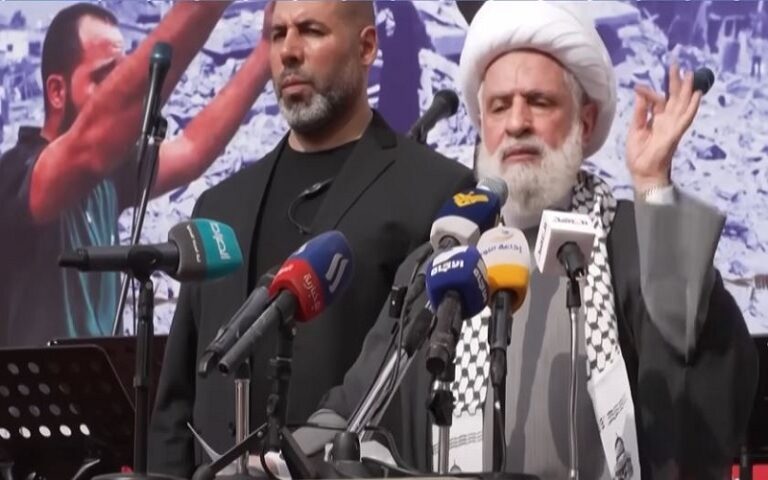
Naim Qassem, the Secretary-General of Hezbollah in Lebanon, announced that the Iranian regime has allocated $12,000 to $14,000 for each displaced Lebanese family. He also described the movements of opposition forces against Bashar al-Assad as part of Israel’s New Middle East plan, emphasizing that Hezbollah would stand by Assad.
Qassem, who was appointed as the Secretary-General of Hezbollah on November 29 following Hassan Nasrallah, addressed the group’s stance on developments in Syria, ceasefire issues with Israel, and aid to displaced Lebanese people in a speech.
Iranian regime-affiliated media, including the official IRNA news agency and Tasnim (linked to the Islamic Revolutionary Guard Corps), did not cover the segment about Iran’s financial aid to Lebanese refugees.
Each refugee receives $14,000 from the Iranian regime
The Hezbollah leader referred to displaced Lebanese people as the “resistance capital,” stating their numbers exceed 1.1 million. Qassem thanked the Iranian regime, Ali Khamenei, the government, and the Islamic Revolutionary Guard Corps for their generous support, noting that Lebanese families whose homes were completely destroyed would receive $14,000 for purchasing furniture and a year’s rent if they lived in Beirut and its southern suburbs. Families outside Beirut would receive $12,000. He clarified that the funds were provided by the Iranian regime. The amount of $14,000, at the current free market exchange rate, equals approximately 10 billion rials. Meanwhile, the minimum salary in Iran for a person with two children is roughly $157 monthly. Qassem further revealed that $50 million has already been paid to part of the 233,500 registered displaced families. If the aid is extended to the entire population, it will amount to $77 million. He stated that payments ranged from $300 to $400 per individual. Speaking about Iran’s economy, Masoud Pezeshkian, the Iranian regime president, recently stated in a televised interview: “We are short on everything and even face difficulties paying subsidies.” Providing such substantial aid for housing and furniture to displaced Lebanese families comes as the Iranian regime justifies fuel subsidy reductions and pursues higher gasoline prices, risking nationwide protests. Previously, the regime had raised the prices of bread and other staple foods. The Hezbollah leader addressed Syrian developments in another part of his remarks, emphasizing that his group would stand by Bashar al-Assad’s government. Qassem described the armed activities of Tahrir al-Sham against the Syrian government as “aggressions against Syria under U.S. and Israeli supervision,” suggesting these operations were launched after their failures in Gaza and setbacks in attempts to neutralize Syria. The Secretary-General of Hezbollah further stated: “We are confronting Israel’s dangerous expansionist plan, and I call on you to support the resistance in standing against Israel.”The ceasefire with Israel is not new
The Hezbollah leader also discussed the ceasefire with Israel, noting that Hezbollah’s withdrawal to positions behind the Litani River is not a new agreement but rather an implementation of the provisions of UN Security Council Resolution 1701. Resolution 1701, adopted in 2006, serves as the basis for the current ceasefire. It stipulated the replacement of Hezbollah forces in border areas with UN forces, a measure that was never fully implemented.What will happen after the overthrow of the clerical regime in Iran?
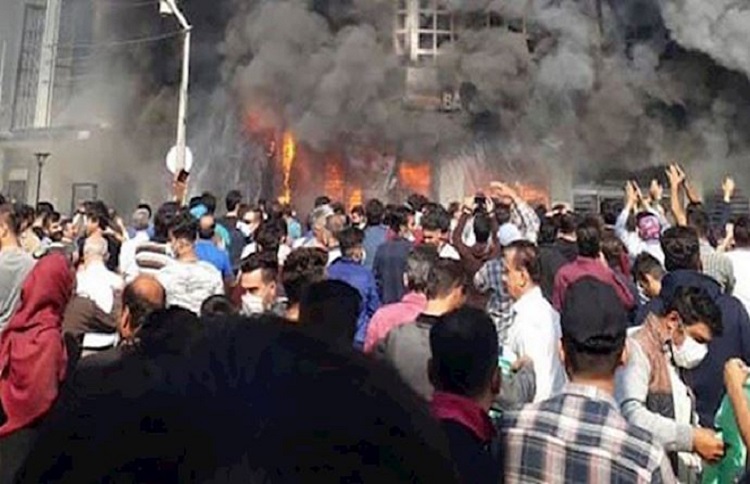
There is no longer any doubt that the clerical regime in Iran, as a reactionary and backward force, is on the brink of collapse. Ending its warmongering and terrorism is now possible, with the solution being the overthrow of the regime by the Iranian people and their Resistance.
What will happen in Iran after the mullahs’ regime is overthrown, and how will the fate of the Iranian people unfold? These are issues that Mrs. Maryam Rajavi, the President-elect of the National Council of Resistance of Iran (NCRI), has been discussing and examining over the past 45 years.
On Wednesday, November 20, 2024, the Friends of a Free Iran committee of the European Parliament held a significant conference at the European Parliament to discuss the situation in Iran. The keynote speaker, Mrs. Maryam Rajavi, President-elect of the National Council of Resistance of Iran (NCRI), presented the NCRI’s roadmap for dismantling Iran’s theocratic regime and enabling a peaceful transfer of power to a democratic government.
Her Ten-Point Plan, emphasizing democracy, human rights, and gender equality, has gained endorsements from over 125 former heads of state and 4,000 parliamentarians worldwide. The event was attended by dozens of Members of the European Parliament (MEPs) across the political spectrum, many of whom called on the European Union to adopt policies aligned with the aspirations of the Iranian people and to recognize the organized resistance.
Key Points Raised by Mrs. Rajavi During the Conference: “Iran: Process of Regime Change and the Role of the Organized Resistance”
- The Army of Freedom and the Role of Resistance Units: Mrs. Rajavi highlighted the vital role of a discontented population led by Resistance Units and brave women, forming the Army of Freedom. These forces are actively dismantling oppression and embody the fight for Iranian freedom.
- PMOI/MEK’s Central Role:
The People’s Mojahedin Organization of Iran (PMOI/MEK), with a 60-year legacy of resistance against the Shah and the mullahs, is recognized by the regime as its principal adversary. This acknowledgment stems from MEK’s decisive role in every major challenge to the regime over the past 45 years.
- The Democratic Alternative – NCRI:
The National Council of Resistance of Iran (NCRI), founded 43 years ago, represents the longest-standing political coalition in Iran’s history.
- Comprising 457 members from diverse political backgrounds, women hold over 50% of its membership.
- Its platform includes democracy, religious and gender equality, separation of religion and state, abolition of the death penalty, and a non-nuclear Iran.
- Unwavering Support Within and Outside Iran:
- The Resistance has organized massive gatherings abroad, supported by families of 100,000 martyrs for freedom, with details of 20,000 victims published.
- The Resistance was pivotal in exposing Iran’s secret nuclear activities and regional interference.
- It operates independently, funded solely by members and supporters inside and outside Iran, maintaining activities such as satellite broadcasts and publications.
- International Recognition:
- Support for the NCRI’s Ten-Point Plan includes endorsements from the majority of 34 legislative bodies in Europe and America, several Arab nations, 137 former world leaders, and 80 Nobel laureates.
- The June 2024 grand gathering in Berlin reaffirmed that neither religious dictatorship nor monarchy has a place in Iran’s future.
- The Path to Power Transition:
Mrs. Rajavi emphasized that the NCRI aims to transfer power to the Iranian people, with a detailed and structured approach:
a. Provisional Government: A six-month term tasked with organizing Constituent Assembly elections.
b. Constituent Assembly Formation: The provisional government will step down after its formation.
c. New Government Appointment: Representatives will establish a two-year interim government to draft, approve, and hold a referendum on a new constitution.
- This roadmap ensures stability and avoids chaos.
- Call to the International Community: Mrs. Rajavi stressed the need for global recognition of the Iranian people’s right to change and the decisive role of the organized resistance in achieving it.
Per Capita Meat Consumption in Iran Has Dropped to 35g Per Day
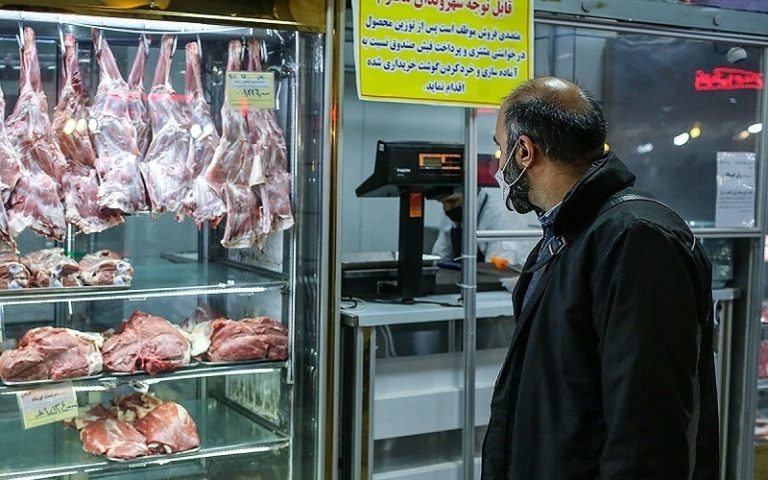
Alireza Raisi, the Deputy Minister of Health of the Iranian regime, warned about the rising prices of essential food items in the country and stated that the per capita consumption of red and white meat among Iranians has decreased to 35 grams per day.
On Wednesday, December 4, Raisi told reporters at a press conference that this amount is far below the 75 grams per day recommended for individuals in a healthy society.
According to these statistics from the Ministry of Health, Iran’s per capita meat consumption is less than half of the standard amount.
The Deputy Minister also stated that the per capita consumption of dairy products in Iran is one unit per day, whereas it should be between two to three units daily.
He warned, “As the prices of essential food items rise, the per capita consumption of these food categories decreases,” adding, “Any increase in the price of milk and dairy products will worsen this situation.”
According to Raisi, each individual should consume 25 grams of fiber daily, but this amount is currently 15 grams per day per person in Iran.
He added, “Whole-grain bread, vegetables, and fruits are sources of fiber, and increasing fiber intake prevents digestive problems and cancers.”
In contrast, Iranians have increased their salt consumption. The Deputy Minister of Health said, “The permissible daily intake of salt is 5 grams, but in our country, this amount is 12 grams, which exceeds the standard.”
Excessive salt consumption particularly leads to high blood pressure.
This is not the first time that officials from the Ministry of Health have warned about the reduction in the consumption of protein-rich foods and dairy products in Iran.
Unrestrained inflation and high prices are the primary reasons behind this decline.
Why Is Iran Facing A Gas Crisis Despite Having The Second-Largest of Reserves?
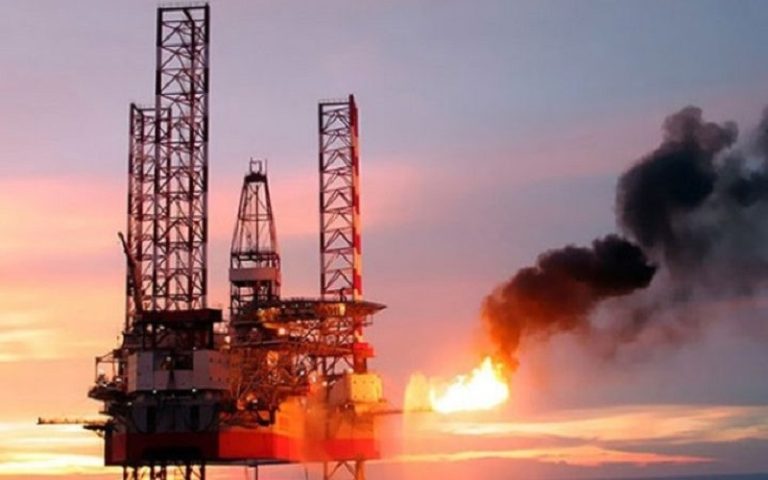
The state-run Hamdeli newspaper examined Iran’s gas crisis in a report published on December 1. The review addressed several aspects, including outdated infrastructure and mismanagement as major challenges in the gas industry, as well as the social and economic impacts of gas shortages during winter, which have had severely negative effects across all areas.
Iran: A country rich in natural gas, yet in crisis
Iran, the world’s second-largest holder of natural gas reserves, has faced recurring crises in gas supply during cold seasons for years. The National Iranian Gas Company recently yet again “called on people to reduce gas consumption”. Why must a country with such vast reserves contend with annual warnings about consumption? The answer lies in mismanagement, structural corruption, and a lack of long-term planning.Outdated Infrastructure and Mismanagement
One of the main issues in Iran’s natural gas industry is its outdated and inefficient transmission and distribution infrastructure. Energy loss in Iran’s gas networks is among the highest in the world. Despite substantial revenues from gas sales, there has been insufficient investment in developing gas fields, upgrading equipment, and increasing production capacity. Additionally, sanctions and constraints stemming from mismanagement in attracting foreign investment have exacerbated the crisis. A significant portion of the country’s gas production is consumed domestically, while industries, power plants, and exports also rely on this resource. This uneven distribution has reduced the production capacity of domestic industries and squandered export opportunities.Social and Economic Dimensions of the Gas Crisis
In colder regions, people resort to alternative heating methods such as oil or electric heaters, which are more expensive and less safe. Disruptions in gas supply to industries lead to reduced production and factory closures. This not only lowers GDP but also raises unemployment rates. Petrochemical industries and power plants, as major gas consumers, are among the primary victims of this crisis.Missed Opportunities in the Global Market
Iran could have earned significant foreign exchange revenues by exporting natural gas to neighboring countries and Europe. However, its inability to meet domestic needs has squandered these opportunities and weakened the national economy. The use of polluting fuels such as mazut instead of gas in power plants not only threatens public health but has also pushed air pollution in major cities to dangerous levels. What seems disastrous is the expectation that a regime built on corruption and theft could navigate these social and economic crises effectively. The gas crisis in Iran is less about resource shortages and more directly a result of corruption, managerial inefficiency, and weak planning.Iran: 40 Evin Prison Inmates Protest Death Sentences of Six Political Prisoners
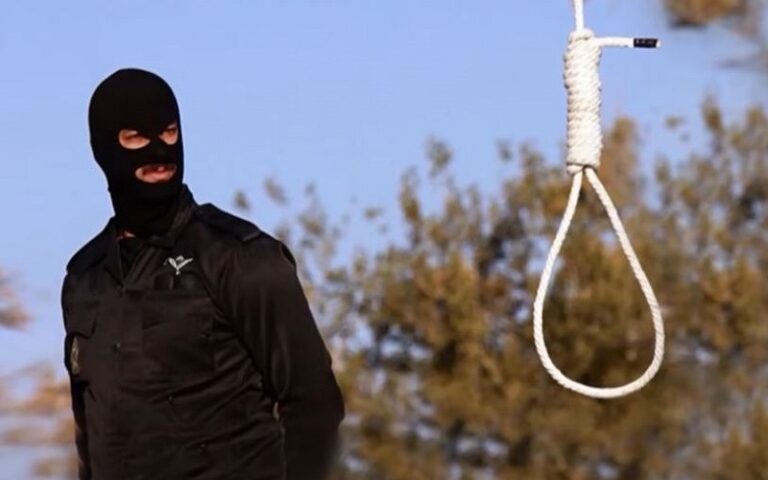
Forty political prisoners in Evin Prison signed a joint statement protesting the issuance of death sentences for six political prisoners. In the statement, they expressed their “fundamental opposition to the death penalty” and declared their support for all political and ideological prisoners facing such sentences.
The joint statement of the political prisoners reads: “The increasing trend of issuing and executing numerous death sentences against political prisoners over the past two years not only recalls the state repression of the 1980s but also reflects the fear and panic of the political elite in response to the rise of a just and awakening society in Iran.”
On December 1, six political prisoners were sentenced to death by Branch 26 of the Revolutionary Court in Tehran on charges of “rebellion through membership in groups opposing the regime.” These individuals were arrested in connection with the People’s Mojahedin Organization of Iran (PMOI).
The six political prisoners are Akbar Daneshvarkar, Mohammad Taghavi Sangdehi, Babak Alipour, Pouya Ghobadi Bistuni, Vahid Bani-Amerian, and Abolhasan Montazer.
The statement notes that the collective death sentence for these six political prisoners comes shortly after a group of youth faced similar sentences in a case referred to as the “Ekbatan kids.”
The statement further highlights other death sentences issued since March 21 against political prisoners such as Pakhshan Azizi, Varisheh Moradi, Shahriar Bayat, Behrooz Ehsani, Mehdi Hassani, and Mohammad Javad Vafaie-Sani. It adds, “The 2022 uprising, as a significant milestone in the Iranian people’s struggle for freedom, has so shaken the foundations of the established government that it sees no choice but to intensify repression in various forms.”
The statement continues, “We believe that the struggle for freedom requires collective solidarity in defending human rights, including the formation of social resistance against the issuance of death sentences.”
These political prisoners called on all Iranians and social groups to join them in protesting “by any means possible against these inhumane and reactionary sentences.”
They emphasized, “Today is the time to stand in the streets against executions. It is the time to save the lives of political prisoners, the time to say, ‘No to executions.’”
