

Italian Parliament Hosts Conference on Iran, Highlighting Democratic Alternative
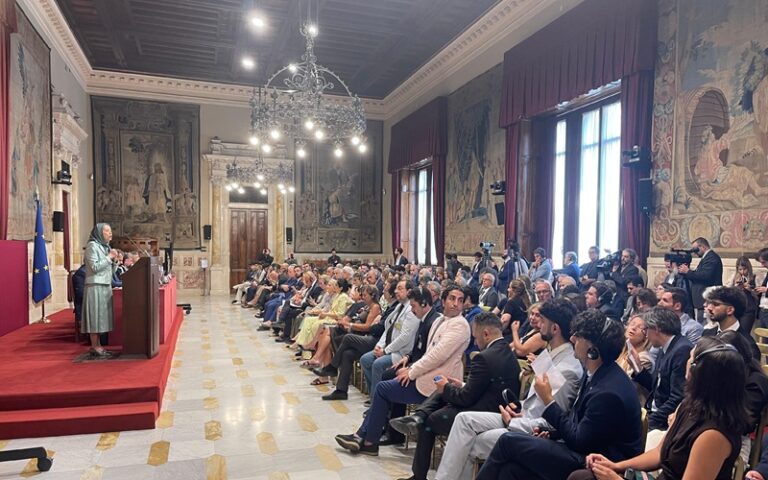
Italian lawmakers, former senior international officials, and representatives of the Iranian opposition gathered at the Italian Chamber of Deputies in Rome on July 16 for a conference examining Iran’s political crisis, regional tensions, and international policy toward Tehran.
Held in the Chamber’s Regina Hall under the title “Iran’s Crisis: The Democratic Path Forward,” the event brought together members of Italy’s parliament alongside international political figures and Maryam Rajavi, President-elect of the National Council of Resistance of Iran (NCRI). Throughout the conference, speakers called for continued pressure on the Iranian government, maintaining the designation of the Islamic Revolutionary Guard Corps (IRGC), and abandoning what they described as years of Western appeasement. Several participants also rejected any return to monarchical rule in Iran, presenting a democratic republic as the alternative they support.
Delivering the keynote address, Maryam Rajavi argued that the Iranian regime remains in power through domestic repression, regional intervention, and pursuit of nuclear capabilities. She said these elements are interconnected and have prevented both stability inside Iran and broader regional peace.
Presenting the NCRI’s Ten-Point Plan, Mrs. Rajavi described it as a framework for establishing “a democratic republic based on the separation of religion and state, gender equality, and the abolition of the death penalty,” while advocating for a non-nuclear Iran committed to peaceful international relations.
Mrs. Rajavi also rejected the prospect of restoring the former monarchy, saying such proposals run counter to the democratic aspirations of the Iranian people. Instead, she emphasized the role of the organized Resistance Units, describing them as the movement capable of bringing political change inside the country.
She argued that European governments have overlooked an important element in their Iran policy by failing to recognize the Iranian people and organized opposition as a political factor.
“As long as this regime remains in power, the region will never see peace and tranquility,” Mrs. Rajavi said, adding that economic engagement would not alter Tehran’s regional policies. She concluded by urging European governments to recognize what she described as the Iranian people’s desire for democratic change.
Naike Gruppioni, a member of the Italian Chamber of Deputies’ Foreign Affairs Committee and organizer of the conference, welcomed Mrs. Rajavi and described her political platform as a democratic vision for Iran’s future.
Gruppioni praised Mrs. Rajavi’s continued advocacy for democratic governance, describing the NCRI’s Ten-Point Plan as “a clear and credible political proposal for a free, pluralistic Iran that respects human dignity.”
She also argued that international silence regarding Iran’s human rights situation carries political consequences and called on democratic governments to translate support for human rights into concrete political action.
Former New York City Mayor and former U.S. Federal Prosecutor Rudy Giuliani also addressed the conference, expressing support for the NCRI and the People’s Mojahedin Organization of Iran (PMOI/MEK) as what he described as the principal democratic alternative to the current government.
Giuliani criticized proposals advocating the restoration of the monarchy, dismissing the political role of the late Shah’s son while contrasting it with what he described as decades of organization and sacrifice by the Iranian Resistance.
He praised Mrs. Rajavi’s proposed transition framework and the Ten-Point Plan, highlighting its provisions concerning civil liberties and women’s rights. Giuliani also argued that Western engagement with Tehran had failed to produce meaningful political change and maintained that organized domestic opposition represents the decisive factor in confronting the government.
He further stressed the importance of political backing from democratic governments, saying public support for the Iranian Resistance across Europe and North America would strengthen efforts challenging the Iranian authorities.
Italian MP Fabio Rampelli focused on security and human rights issues during his remarks. Referring to investigations conducted by the United Nations Human Rights Council, he cited reports of arrests and executions in Iran while also criticizing Tehran’s regional policies.
Rampelli pointed to Iran’s military support for Russia during the war in Ukraine, its backing of armed groups in the Middle East and Red Sea region, and activities affecting international shipping routes. He argued that these developments demonstrate the broader international implications of Iran’s regional policies.
Former Italian Foreign Minister Giulio Terzi, who currently chairs the Italian Senate’s EU Policies Committee, criticized continued diplomatic engagement with Tehran, arguing that such policies have failed to change the government’s behavior.
Terzi also rejected suggestions of a return to monarchical rule, stating that the Iranian opposition represented by Mrs. Rajavi offers a stronger reflection of the aspirations expressed by many Iranians seeking political change.
He praised the MEK for its organizational resilience and argued that European policy should recognize the movement’s role in Iran’s political landscape.
Senator Marco Scurria drew historical comparisons between Iran’s current political situation and the collapse of authoritarian systems in Europe, suggesting that sustained public resistance can eventually overcome entrenched governments.
Addressing Iranians inside the country and members of the diaspora, Scurria said that aspirations for freedom could not be permanently suppressed, expressing support for those advocating democratic change. He concluded by commending Mrs. Rajavi and the Resistance Units for what he described as their perseverance.
Former U.S. Congressman Patrick Kennedy closed the conference by framing developments in Iran primarily as a human rights issue. He criticized previous diplomatic initiatives toward Tehran, arguing that negotiations had repeatedly failed to produce lasting results.
Kennedy called for continued international support for Maryam Rajavi, the NCRI, and the Resistance Units operating inside Iran. Comparing the current situation to previous historical transformations, including the end of apartheid and the fall of the Iron Curtain, he expressed confidence that political change in Iran remains possible.
Concluding his remarks, Kennedy voiced solidarity with the Iranian people, ending his speech with the words, “I am Iranian.”
Across the conference, speakers consistently emphasized three themes: continued opposition to policies they described as appeasement toward Tehran, support for maintaining pressure on the IRGC, and backing for a democratic republic as the political future they envision for Iran. While participants represented different political backgrounds and countries, their remarks centered on the role of organized opposition movements and the importance of aligning international policy with support for democratic change in Iran.
CENTCOM Announces End of Sixth Round of Strikes on Military Targets in Iran
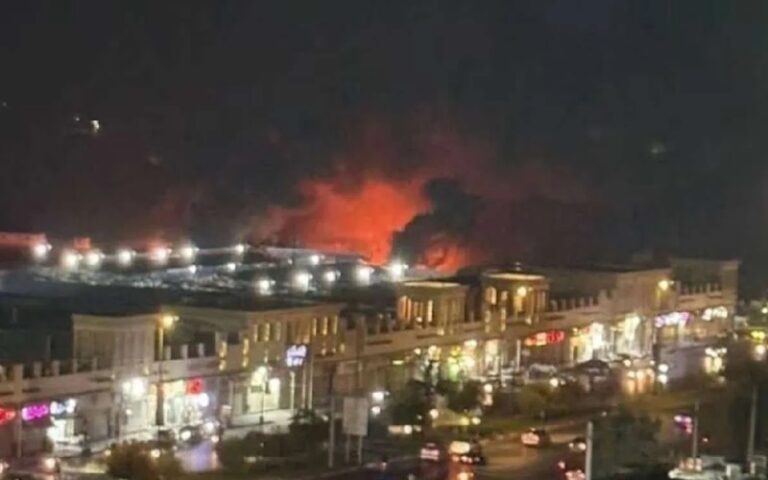
U.S. Central Command (CENTCOM) announced that its large-scale overnight operation against military targets in Iran, which began at 9:30 p.m. Iran time on Thursday, concluded at 5:10 a.m. on Friday. According to CENTCOM’s statement, dozens of military targets, including air defense systems, military logistics infrastructure, and coastal radar facilities, were struck and destroyed.
— U.S. Central Command (@CENTCOM) July 17, 2026
Damage to transportation bridges and at least seven killed
At the same time, the state-run Fars News Agency reported that several transportation bridges in Hormozgan Province were damaged in the U.S. strikes. According to the report, the Gariveh Bridge on the Bandar Abbas–Khamir–Lar route, the bridge on the return route from Bandar Abbas–Khamir–Lar after Latidan village, two bridges on the Kahourestan–Lar route, an unfinished bridge on the Bandar Khamir–Keshar–Bandar Abbas road, and the Marou village bridge in Khamir County sustained either partial or complete damage. Iranian domestic media also reported that at least seven people were killed and several others were wounded in the attacks.Iranian regime missile and drone attacks on U.S. bases
In response to the U.S. strikes, the Iranian regime’s military announced the launch of drone and missile attacks against U.S. bases in the region. The Iranian regime’s military said it had targeted Sakhir Air Base in Bahrain with drones and claimed that hangars housing U.S. helicopters and P-8 maritime patrol and reconnaissance aircraft had been hit. Iranian media, citing the army and the Islamic Revolutionary Guard Corps (IRGC), also reported missile and drone attacks against U.S. bases in Kuwait and claimed damage had been inflicted on equipment belonging to the 142nd Artillery Brigade and HIMARS missile systems. Meanwhile, Kuwait’s military said its air defense systems were actively intercepting Iranian drone and missile attacks.Qatar reports intercepting Iranian missiles
During the early hours of Friday morning, several explosions were heard in Doha, the capital of Qatar, prompting the Qatari government to send an emergency alert instructing residents to move to safe locations. Hours later, the Qatari government announced that its air defense systems had intercepted and neutralized an Iranian missile attack and said the explosions were caused by the interception operation. Qatari officials also said one child was injured by shrapnel resulting from the air defense operation.CENTCOM: Maritime blockade against Iran continues
CENTCOM also released images showing U.S. Marines aboard an Iranian-flagged oil tanker in the Gulf of Oman. According to the statement, U.S. forces boarded the tanker to conduct an inspection and verification. The command also said that three commercial vessels attempting to breach the maritime blockade have so far been stopped; two altered their course, while one was prevented from continuing after refusing to cooperate. CENTCOM emphasized that the Strait of Hormuz remains open to international shipping, but vessels that violate the maritime blockade imposed against Iran will face action by U.S. forces.International Energy Agency warns about consequences of the Strait of Hormuz crisis
Meanwhile, Fatih Birol, Executive Director of the International Energy Agency (IEA), warned about the consequences of continued tensions in the Strait of Hormuz. Referring to the sharp decline in oil tanker traffic through the strategic waterway, he said that if the restrictions continue and the crisis intensifies in the coming weeks, global energy security will face a serious threat. According to Birol, the reduction in oil exports from the region has already led to renewed increases in energy prices, and the continuation of this trend could have far-reaching consequences for the global economy.The Quest for a Democratic Republic Through the Lens of Iran’s Organized Resistance
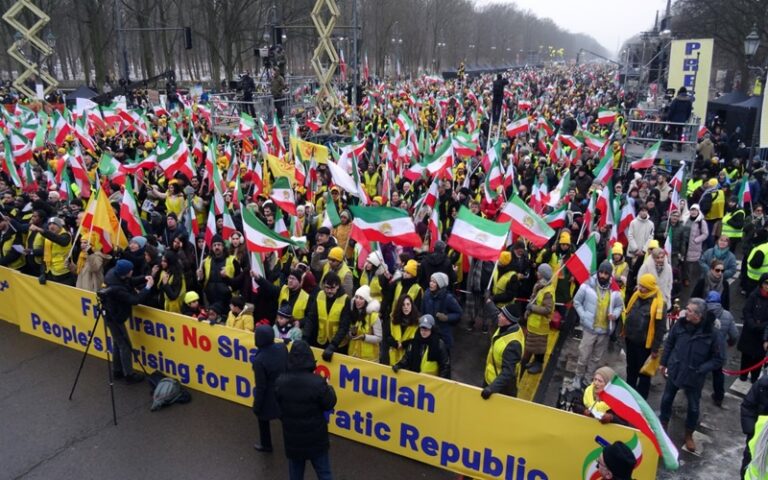
Iran’s current crisis goes beyond temporary governance failures and is rooted in a closed political structure that has deprived society of the right to choose. Under these circumstances, overcoming the crisis is not possible through replacing a few officials or returning to a hereditary monarchy. Rather, the fundamental question is which force can channel the people’s protest potential into a lasting democratic transition.
The Limitations of Spontaneous Protests and the Importance of Organized Resistance
Today, Iranian society is burdened by severe economic pressures, systemic corruption, environmental crises, and the suppression of civil liberties. Despite the widening gap between the people and the ruling establishment, relying solely on spontaneous protests cannot guarantee the fall of an authoritarian government, as a centralized repressive apparatus is capable of exhausting and containing movements that lack continuity and organization.The Gallows: The Real Story of Iran Behind the Oslo CeremonyTo fill this gap, the existence of an organized resistance is essential. The “Resistance Units” affiliated with the People’s Mojahedin Organization of Iran (PMOI/MEK) play a key role in connecting scattered civil and labor protests—including those of workers, teachers, women, and students—and transforming them into a nationwide, sustained, and purposeful movement under the harshest conditions of repression.
A Ten-Point Plan for Iran’s Future
Organizations seeking to play a role in Iran’s future should define the alternative political order they advocate. In this regard, Maryam Rajavi’s Ten-Point Plan proposes clear principles for the period following the end of the current religious rule. Among its provisions are:- Holding free elections and establishing a republic based on universal suffrage.
- Separation of religion and state, and full gender equality.
- Abolition of the death penalty and guarantees for freedom of expression, freedom of association, and an independent judiciary.
- Legal equality and autonomy for Iran’s ethnic groups and nationalities.
- Renouncing nuclear weapons and pursuing peaceful coexistence with the international community.
Why Is Monarchy Not a Suitable Solution?
Accepting the sovereignty of the people requires that every political force derive its legitimacy solely from free elections, not from family lineage or foreign backing. On that basis, a return to the monarchical model cannot be considered a democratic option. Reza Pahlavi, the son of the ousted Shah, entered the political arena on the basis of hereditary status, and his supporters have shown little willingness to confront the record of the previous dictatorship, including the activities of SAVAK, the Shah’s brutal secret police, and the use of torture during that period. Furthermore, the rhetoric and symbols associated with this movement are not fully consistent with democratic political culture. Reducing Iran’s political landscape to a binary choice between the current regime and the Pahlavi monarchy suppresses the diversity of democratic and republican forces. In practice, this polarization benefits Iran’s regime because it justifies its survival by warning the public about the return of the former dictatorship. At the same time, the monarchist movement seeks to portray itself as the only viable alternative abroad, thereby marginalizing a third force that rejects both forms of dictatorship—those of the Shah and the mullahs.The Need for a Change in the Policies of Foreign Powers
In recent years, Western countries have oscillated between two ineffective approaches: appeasement toward the regime in Tehran or promoting figures who lack an organized base inside the country. Lasting stability can only be achieved when the international community recognizes the Iranian people’s right to bring about change and supports democratic principles without military intervention or imposing externally manufactured leaders. A democratic transition in Iran depends on the convergence of three key factors: deep social discontent, organized domestic resistance, and a clear plan for transferring power to the people. The real alternative for Iran’s future is neither a return to the past nor the preservation of the status quo, but the establishment of a democratic republic based on popular sovereignty. In fact, democracy based on the will of the people is the only genuine option for today’s Middle East and the wider world. Western governments should recognize that only under such a system can lasting stability be achieved in the region, and that the interests of the international community can only be secured through democracy in Iran.Rising Youth Unemployment in Iran
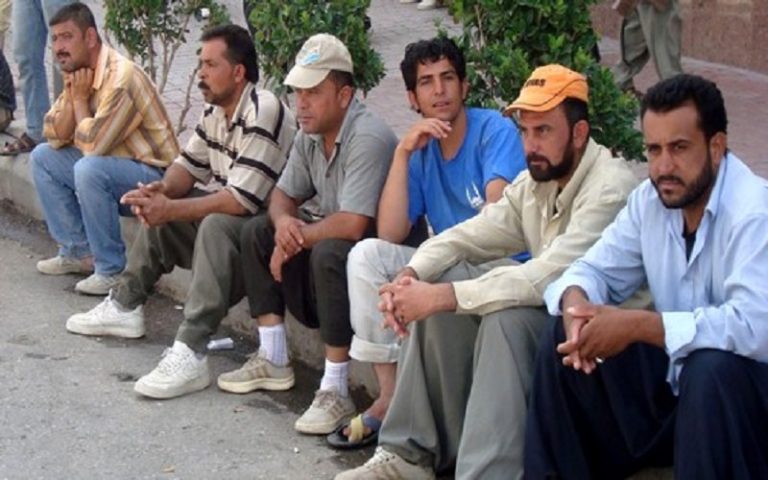
The Iranian regime claims in its official reports that the unemployment rate has declined, but the reality of the labor market paints a different picture. Today, the issue is no longer limited to unemployment itself; a phenomenon known as “hidden unemployment” or “labor force withdrawal” has become one of the country’s most serious economic crises. Millions of people, particularly young people and educated women, are no longer even searching for work, making the official unemployment rate appear lower than the actual situation.
According to the definition used by the Statistical Center of Iran, the Iranian regime’s official statistics agency, only individuals who were without a job during the reference week and were actively seeking employment are classified as unemployed. As a result, those who have stopped looking for work because they have lost hope of finding a job are no longer counted as unemployed and are excluded from the economically active population. Therefore, a decline in the official unemployment rate does not necessarily indicate the creation of new jobs and, in many cases, is the result of a declining labor force participation rate.
Iran’s Employment Crisis: The Increase in Unemployment Insurance RegistrationsThe latest official reports from the Statistical Center of Iran show that the country’s labor force participation rate was about 38% in 2025. In other words, more than 62% of the working-age population was neither employed nor looking for work—a figure considered extremely low compared with many countries in the region and other emerging economies. In many middle-income countries, labor force participation rates range between 55% and 70%. The severity of this crisis is even greater among women. Women’s labor force participation in Iran is among the lowest in the world and has fluctuated between 13% and 15% in recent years. Many women with university degrees have effectively left the labor market because of limited job opportunities, hiring discrimination, job insecurity, and low wages.
Youth Unemployment and the Alarming Figures
Young people face similar conditions. According to official statistics, the unemployment rate among those aged 15 to 24 remains more than twice the national average and exceeds 20% in some provinces. At the same time, a significant share of university graduates are either forced to work in jobs unrelated to their field of study or abandon their job search altogether because of the lack of suitable opportunities. The findings of a survey conducted by JobVision, an Iranian employment platform, present a similar picture. According to the report, 66% of job seekers identified the creation of new employment opportunities and economic stability as their top priority, while 74% said they had been forced to reduce their living expenses to cope with economic hardship. Economists cite multiple reasons for the expansion of this crisis, including declining investment, aging industries, the closure or reduced capacity of manufacturing facilities, the energy crisis and frequent power outages affecting industry, chronic inflation, economic uncertainty, intensified sanctions, and the consequences of war. Together, these factors have reduced demand for labor and pushed the economy’s job-creation capacity to its lowest level in recent years. However, many experts believe that the root cause of the employment crisis extends beyond economic indicators. Structural corruption, the expansion of monopolistic institutions, extensive intervention by government and military bodies in the economy, the lack of investment security, constantly changing regulations, and weak rule of law have created an uncertain business environment for both domestic and foreign investors, undermining incentives to establish new businesses. Under these circumstances, the decline in the official unemployment rate is less a sign of an improving labor market than evidence of the growing phenomenon economists describe as “hidden unemployment” and “employment discouragement”—a silent crisis that is removing an increasing share of the country’s workforce from productive economic activity each day and making the outlook for Iran’s labor market even bleaker.Execution of a Political Prisoner at Qezel Hesar Prison
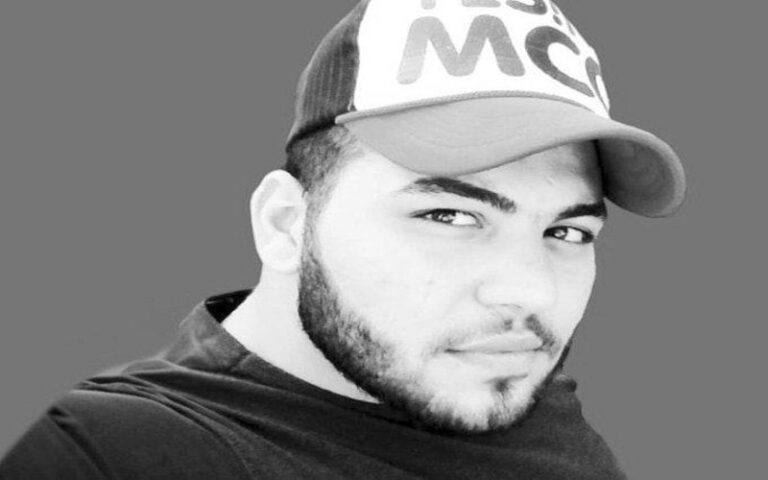
Early this morning, Wednesday, Aref Khoshkar, a political prisoner and one of those arrested during the nationwide protests of 2022, was executed at Qezel Hesar Prison in Karaj.
The execution was carried out despite repeated warnings in recent days from his family, human rights activists, and human rights organizations about the imminent risk of his execution, who had called for a halt to the execution and a review of his case.
Warning Over the Imminent Execution of Political Prisoner Aref Khoshkar in Iran
U.S. Freezes $130 Million in Iranian Regime Digital Assets
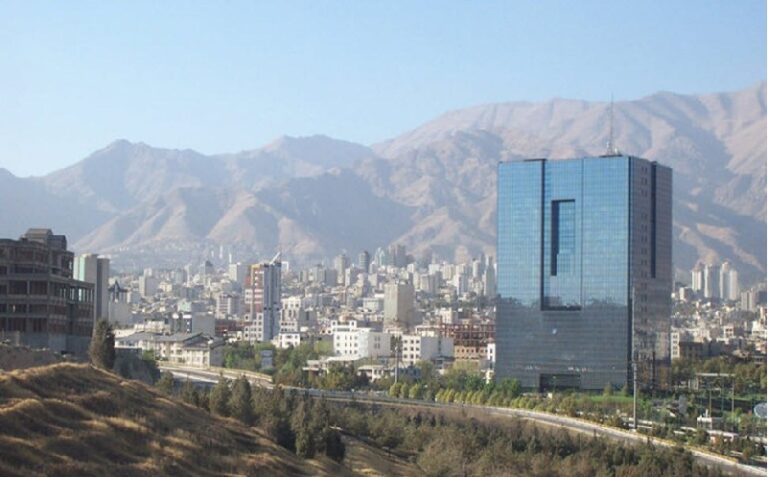
The U.S. Department of the Treasury announced a new round of sanctions targeting the digital assets of the Iranian regime’s Central Bank, stating that the measure has resulted in the freezing of more than $130 million in digital assets linked to the institution.
U.S. Treasury Secretary Scott Bessent said in a post on the social media platform X on Tuesday that the department is committed to disrupting and weakening the Iranian regime’s illicit financial activities, including its misuse of digital assets.
UK Designates Iran Regime’s IRGC as a Terrorist OrganizationAccording to Bessent, the U.S. Treasury Department’s Office of Foreign Assets Control (OFAC) has sanctioned several digital wallets linked to the Iranian regime’s Central Bank, resulting in the freezing of more than $130 million in digital assets. Bessent did not provide further details on how the assets were identified or frozen but stressed that the Treasury Department will continue tracking the Iranian regime’s assets and restrict its access to financial resources generated through what he described as illegal revenue-generating schemes.
The War Between the United States and Iran’s Regime Enters More Complex Phase
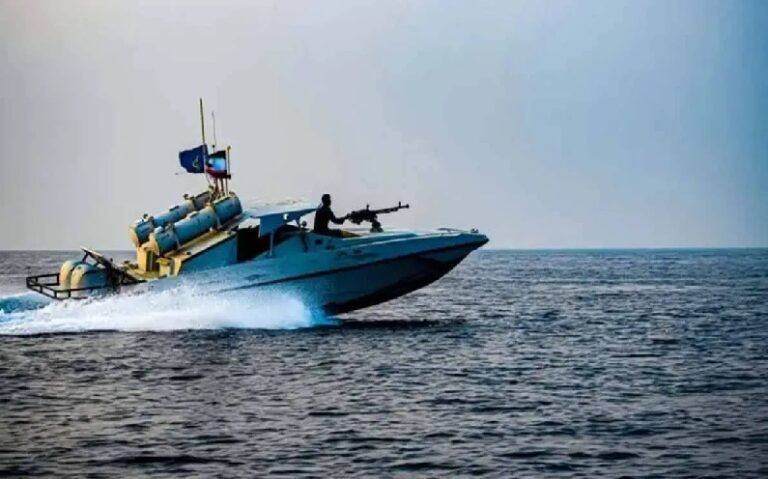
As the military confrontation between the United States and the Iranian regime expands, new developments have emerged on the region’s military, diplomatic, and economic fronts. The Islamic Revolutionary Guard Corps (IRGC) announced missile and drone attacks against U.S. positions in Kuwait and Jordan, while the United States reported launching a new wave of strikes against military targets in southern Iran and around the Strait of Hormuz.
In a statement, the IRGC claimed it had targeted a range of U.S. military facilities and equipment in Kuwait, including a satellite communications center, radar and air defense systems, a Patriot missile complex, logistics warehouses, and HIMARS missile launchers with missile and drone attacks. However, the statement did not identify the base that was allegedly targeted. The IRGC also urged Kuwaiti citizens not to miss the opportunity to attack facilities affiliated with the United States.
US and Iranian Regime Exchange Escalating Military StrikesIn response, the General Staff of the Kuwaiti Armed Forces said the country’s air defense systems intercepted what it described as “aggression by the Iranian regime” early Wednesday.
IRGC: Either Oil for Everyone or for No One!
The IRGC also again claimed that Azraq Air Base in Jordan, where U.S. forces are stationed, had been targeted. Meanwhile, the Jordanian Armed Forces said they intercepted and destroyed three ballistic missiles that entered the country’s airspace early Wednesday. Jordan had also reported intercepting several other missiles over the previous three days. On the other side, U.S. Central Command (CENTCOM) announced that it had completed a new phase of military operations against the Iranian regime, targeting dozens of military sites around the Strait of Hormuz and along Iran’s southern coastline. CENTCOM also released video footage showing the destruction of several military targets across different parts of Iran.At the same time, Axios, citing three informed sources, reported that U.S. President Donald Trump discussed a broader military operation against the Iranian regime during a meeting in the White House Situation Room. The reported operation would extend beyond the current strikes around the Strait of Hormuz. Maritime tensions have also continued. Following the start of the second phase of the U.S. naval blockade targeting shipping linked to the Iranian regime, vessel traffic through the Strait of Hormuz dropped sharply. According to ship-tracking data, only a limited number of vessels have passed through the waterway. Reports indicate that some oil tankers have switched off their identification systems to reduce the risk of interception. Conversely, data from international institutions show that the number of vessels involved in trade linked to the Iranian regime had increased in the Strait of Hormuz just before the blockade began. It has also been reported that dozens of ships are attempting to evade U.S. maritime restrictions by using false flags, disabling tracking systems, and employing other concealment methods. Diplomatic pressure on the Iranian regime has also intensified. The UK’s Foreign, Commonwealth and Development Office summoned the chargé d’affaires of the Iranian regime’s embassy in London, stating that the IRGC’s Quds Force had played a role in directing an affiliated group to carry out attacks in Europe. London described these activities as completely unacceptable and stressed that despite repeated warnings, the Iranian regime has not only failed to halt its hostile actions but has escalated them. The move came just one day after the British government designated the Islamic Revolutionary Guard Corps (IRGC) as a terrorist organization, a decision that prompted a formal protest from the Iranian regime. Meanwhile, the economic consequences of the crisis have also become evident. According to Bloomberg, China’s crude oil refining in June fell to its lowest level since 2020. Independent Chinese refineries, which had purchased a significant share of the Iranian regime’s discounted oil, have been the hardest hit by declining imports, a development that could place additional pressure on Iran’s oil exports. Taken together, these developments indicate that the conflict between the United States and the Iranian regime has expanded beyond the military arena and is now rapidly encompassing diplomatic, maritime, and economic dimensions, a trend that could further reshape the region’s security and energy landscape.Pourquoi le régime iranien viole-t-il le cessez-le-feu avec les États-Unis ?#IranWarhttps://t.co/sPs7L0AgUE
— Iran Focus (@Iran_Focus) July 14, 2026
Iran’s Regime Issues Death and Prison Sentences in Cases Related to War Period and January Protests
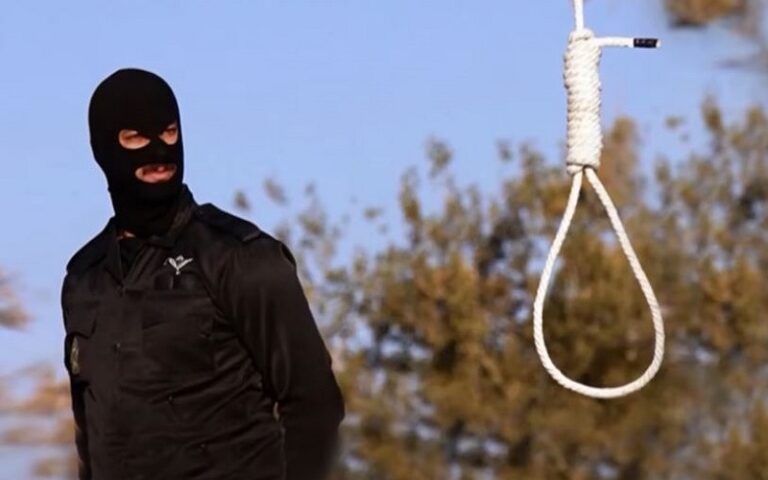
Tehran Prosecutor Ali Salehi announced that all cases related to the 12-day war, the recent war with the United States, and the January 2026 protests have been finalized and referred to court, with some resulting in final death and prison sentences.
Speaking on Tuesday, July 14, on the sidelines of a ceremony in Tehran, Salehi said these cases had been handled on the orders of the head of Iran’s judiciary and the chief justice of Tehran Province “with precision, speed, decisiveness, and severity,” and that the majority had resulted in verdicts.
Warning Over the Imminent Execution of Political Prisoner Aref Khoshkar in IranHe added that final rulings in some of these cases, including death and prison sentences, have been forwarded to the sentence enforcement authorities and that the convicted individuals are currently serving their punishments. Salehi had also announced in April the seizure of movable and immovable assets belonging to more than 250 people linked to what he called “counter-revolutionary networks,” but this time he did not disclose the exact number of cases, those convicted, or the nature of the charges. Official figures had previously provided a clearer picture of the scope of these cases. In late June, Iran’s Attorney General said that more than 200 criminal cases had been opened in special investigative branches of the Tehran Prosecutor’s Office. On May 3, the chief justice of Tehran Province also said that during the first 40 days of the war, 85% of the 66,000 cases filed with the province’s judiciary had resulted in verdicts. According to independent human rights organizations, during the first 65 days following the start of U.S. and Israeli military attacks on February 28, at least 31 executions were recorded, 22 of which (71%) involved political and security prisoners. During the same period the previous year, only seven of 191 executions involved this group. According to the same report, published in May, the Tehran Revolutionary Court accounted for the largest share of these cases with at least 12 death sentences. Two judges, Iman Afshari and Abolghasem Salavati, issued the highest numbers of death sentences, with at least seven and five respectively. A significant portion of these sentences was handed down against protesters arrested during the January protests. Iran Human Rights, an independent human rights organization, said in its six-month report that at least 370 people were executed in Iran during the first half of 2026, including 21 who were hanged during the 12 days of war. Following the ceasefire in late March, officials of the Iranian regime accelerated the implementation of death sentences, and at least 101 people were executed in June alone.
U.S. Defense Sec: Baghdad Must Disarm Militias Aligned with the Iranian Regime
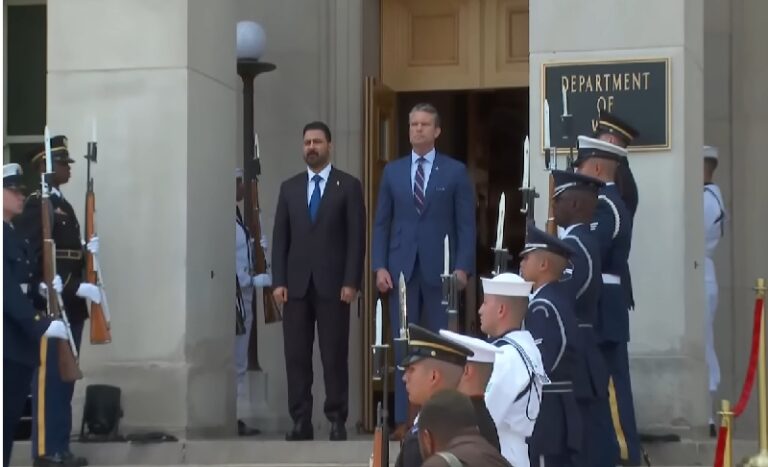
U.S. Secretary of Defense Pete Hegseth announced on Tuesday, July 14, that during his meeting with Iraqi Prime Minister Ali al-Zaidi, he emphasized the need to deepen bilateral cooperation.
Hegseth said Iraq must assert its sovereignty to strengthen this cooperation and disarm militias aligned with the Iranian regime, which he said were responsible for more than 600 attacks on U.S. forces this spring.
The U.S. defense secretary also said Washington expects Iraq’s security forces, including the Peshmerga and other security forces of the Kurdistan Region, to take the leading role in operations against ISIS as the mission of the international coalition against the group is reduced.
He added that a stable Iraq could pave the way for expanded trade and defense cooperation between Baghdad and Washington.
Later the same day in Washington, al-Zaidi also met and held talks with U.S. President Donald Trump.
During the meeting with the Iraqi prime minister, Donald Trump said the Iranian regime had previously been a major burden on Iraq and the bully of the Middle East, but it has now become highly unstable and its power has diminished compared with a few months ago.
During the meeting with the Iraqi prime minister at the White House, he said they are getting rid of the bully of the Middle East.
Warning Over the Imminent Execution of Political Prisoner Aref Khoshkar in Iran

Following the transfer of political prisoner Aref Khoshkar, who has been sentenced to death, to a solitary confinement cell at Ghezel Hesar Prison in Karaj, concerns have intensified over the imminent implementation of his execution. According to received information, Khoshkar, who is currently being held in Unit 3 of Ghezel Hesar Prison, was transferred to a “suite,” or solitary confinement cell, on July 9. Informed sources have warned that his execution could be carried out in the coming days.
Aref Khoshkar was arrested during the nationwide protests of 2022 and was sentenced to death on charges of killing a member of the Basij, the Iranian regime’s paramilitary force affiliated with the Islamic Revolutionary Guard Corps (IRGC). His family and relatives have expressed deep concern over his condition and have called on international human rights organizations and public opinion to give urgent attention to his case.
129th Week of ‘No To Executions Tuesdays’ Campaign in 58 Prisons Across Iran
