

1,590 Iranian Nurses Resign in One Year
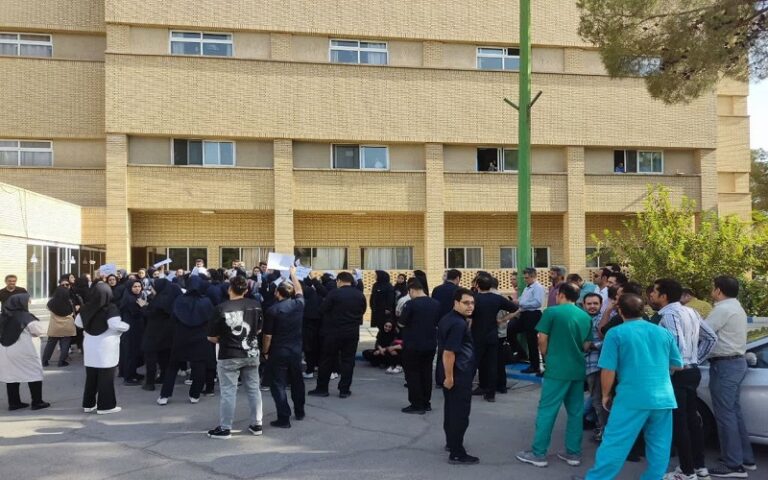
Salman Eshaqi, the spokesperson for the Health Commission of regime’s Majlis (parliament), revealed shocking statistics regarding nurses resigning due to professional issues, stating that “1,590 nurses resigned last year, and the number of resignations and withdrawals from nursing is two to three times higher than the number of migrations.”
Eshaqi also noted that according to official statistics, 2,000 nurses apply annually to leave the country.
According to this Majlis member, 2,000 Iranian nurses are currently working in Denmark, while there are only 300,000 nurses in Iran.
He further quoted the president of the Nursing Organization, stating that “in some provinces, there is only one nurse for every eight to nine newborns.”
Nurse migration is an issue that has been repeatedly warned about, but due to the negligence of Iranian regime officials, the migration trend has accelerated. In August, Mohammad Sharifi-Moqaddam, the Secretary of the “Nurses’ Home,” expressed concern about the migration of experienced Iranian nurses to other countries, describing the nursing situation in Iran as “dire,” stating, “Our nurses, at the peak of their expertise, are being recruited by Western countries and the Persian Gulf region.”
Nurses working in Iran are also grappling with numerous issues, and as these problems escalated, they launched a nationwide strike in mid-August, continuing their strike for over a month.
On September 1st, the Chairman of the National Emergency Medical Services Association reported that emergency services were not up to standard and that the number of active ambulances on the roads was insufficient, adding that standards were not being met and the workload on staff was excessive. This, he said, was the “main cause of nurses’ protests.”
Nurses receive around 200,000 rials (approximately $0.33) for each hour of overtime, and their total monthly earnings do not exceed 120 million rials (about $200). Despite this, they are forced to endure mandatory overtime, or they face dismissal. The Iranian regime attempted to prevent nurses from holding protest gatherings through threats, but they continued their strikes and protests.
Iran: Government Raises Price of Milk By 20%; Dairy Products Set for Further Price Hikes
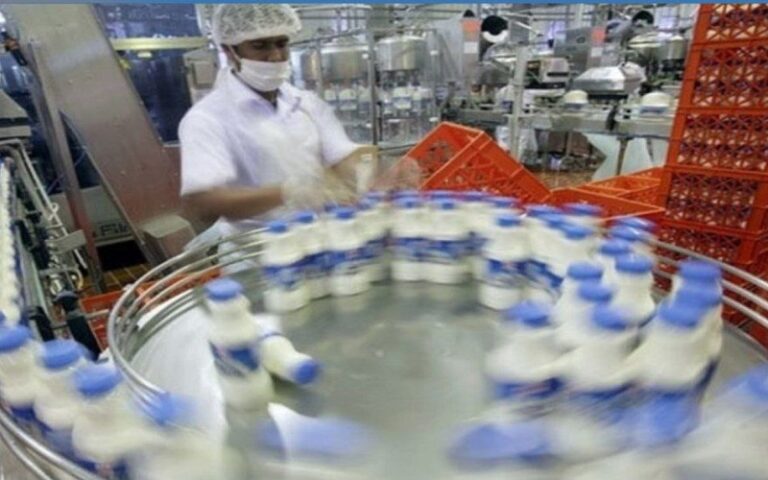
With the announcement of the new price for raw milk by Mohammad Reza Aref, the First Vice President of the Iranian regime, the price of raw milk increased by 20%, reaching 181,000 rials per kilogram (approximately $0.3).
According to Iranian media, the previous price for raw milk was 150,000 rials per kilogram (approximately $0.25), and one of the first promises of the Minister of Agriculture was to “settle” this price.
The increase in the price of raw milk had been approved months ago, but the government had delayed its implementation due to rising bread prices. Finally, the new price was applied in the market.
As a result, a price increase in dairy products is also expected.
On September 17th, the chairman of the Dairy Products Union reported a 25% increase in dairy product prices due to the 20% rise in raw milk prices.
However, Ali-Ehsan Zafari warned that higher dairy prices would not benefit producers, but instead lead to reduced consumption, which would result in lower production and profitability.
He emphasized that if these price increases continue, the consumption of dairy products among the public will decrease.
The repeated rise in milk and dairy prices in Iran in recent years has drastically reduced the per capita consumption of these essential items.
On April 17th, Donya-e-Eqtesad newspaper reported that, according to the latest statistics, per capita dairy consumption had dropped to 40-50 kilograms.
The state-run ISNA news agency also reported on June 1st that global per capita milk consumption exceeds 150-160 kilograms, with some countries reaching up to 200-300 kilograms, criticizing the sharp decline in milk and dairy consumption in Iran.
The rising cost of living and the significant gap between income and expenses have led a large portion of the population to remove many food items from their diets.
The shift in food consumption patterns due to inflation has increased the share of low-quality and unhealthy items in the diet of the middle and lower-income segments of society.
Meanwhile, the rise in bread prices has sparked significant protests. In addition, the Pezeshkian government is likely to raise fuel prices as well.
A 14% Increase in Dairy Prices Confirmed in Iran
Following the recent 20% increase in the price of raw milk, the Secretary of the Dairy Industry Association announced a forthcoming 14% rise in dairy prices. Tasnim News Agency, affiliated with the Islamic Revolutionary Guard Corps, reported this news quoting Reza Bakeri, the Secretary of the Dairy Industry Association, who, in response to the decline in dairy consumption, wrote: “We must consider whether protein products will be available to people at lower prices or not.” According to Bakeri, if the price change of other protein products surpasses that of dairy, people will shift towards consuming those instead. In this regard, the chairman of the Dairy Products Union reported a 25% rise in dairy prices due to the 20% increase in raw milk prices on September 17th. The shift in food consumption patterns due to inflation has increased the share of low-quality and unhealthy items in the diet of the middle and lower-income groups.Iran Needs 20 Billion Dollars to Solve the Electricity Crisis
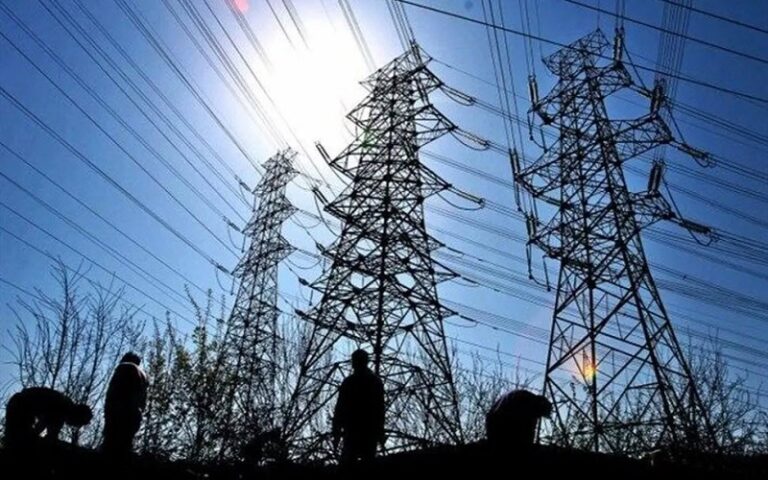
At a meeting of the Iran Chamber of Energy Commission and the Renewable Energy Association, warnings were issued regarding the increase in electricity imbalance to 30,000 megawatts next year and the need for $20 billion to help the electricity sector navigate the crisis. Experts believe these warnings are laying the groundwork to prepare the public for the worsening crisis.
According to the state-affiliated Shargh newspaper, Mohammad Amin Zangeneh, Secretary of the Renewable Energy Association, said during the meeting, “It is predicted that the electricity imbalance will reach 30,000 megawatts.”
Davoud Madadi, the president of the Renewable Energy Association of the Iranian regime, also warned about the consequences of increased electricity imbalances, stating, “At least $15 billion is needed to address the shortages, and if we consider the network, substations, and electricity transmission, the required investment rises to $20 billion.”
According to Madadi, investors are facing numerous challenges, including financial shortfalls and currency shortages, with government inefficiencies exacerbating these issues.
On September 16th, Ali Nikbakht, the Chairman of the Iranian Power Plant Association, warned that a severe electricity shortage alarm had been sounded in Iran. He emphasized that if immediate action is not taken, the electricity deficit will reach 26,000 megawatts by next summer, and the government will only be able to meet one-third of the country’s electricity needs.
This year’s electricity imbalance caused significant damage to industries, prompting protests from industrial owners. Meanwhile, the government not only failed to support these industries but also intensified the imbalance by cutting power to pharmaceutical industries for three days a week, jeopardizing future medicine supplies.
In this context, Shargh reported on the challenges facing the production sector and the impact of power outages on the country’s output. The newspaper wrote that an assessment of 120 publicly traded companies showed nearly 60% of them experienced reduced production in the first four months of this year compared to the same period last year, with some companies seeing production drop by as much as 70%.
Mohammad Bahreinian, a development researcher and industrialist, provided statistics claiming that the daily losses from industry shutdowns in Iran exceed 57.15 trillion rials (approximately $95.25 million).
Published reports indicate that while the Iranian regime has spent a significant portion of the country’s resources over the past 20 years under the pretext of “electricity production” to develop its nuclear program and “complete the Bushehr power plant,” the public faced recurring widespread blackouts last summer.
Experts believe that the lack of planning and disregard for economic frameworks in developmental policies is the primary cause of the energy imbalance, and they argue that under this style of governance, there is little hope for improvement.
Wage Growth Lags 120% Behind Inflation Over Six Years in Iran
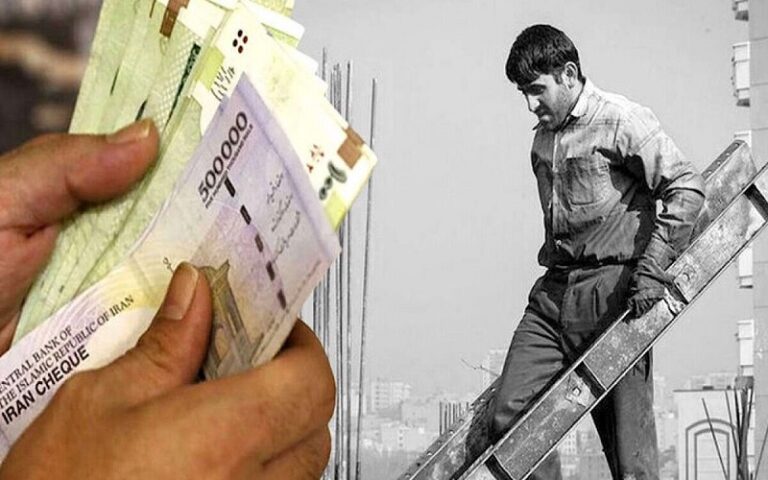
The state-run Ham-Mihan newspaper, reviewing the performance of governments over the past six years, reported a 120% lag of wages behind inflation as claimed by state centers. However, experts believe that this gap, based on people’s experience of rising costs and changes in how inflation is calculated, exceeds 120%.
In its Monday, September 30th edition, Ham-Mihan wrote, “Some workers and their families have signed a petition asking the president to submit a bill to parliament for wage adjustments in 2024 based on inflation rates announced by the Central Bank.”
The Ham-Mihan reporter also criticized the performance of past governments, stating, “It is inflation that dictates workers’ wages, not the plans and solutions of the Labor Minister or the government.”
In this regard, Asghar Ahaniha, a representative of employers in the Supreme Labor Council, told the newspaper, “Until inflation is brought under control, the issue of workers’ wages will not be resolved.”
Alireza Mirghafari, a workers’ representative in the Supreme Labor Council, also told Ham-Mihan, “Some of the issues raised by the minister, such as linking wages to productivity or regional wages, are secondary matters. He needs to address and resolve the core issue fundamentally.”
Mirghafari further emphasized, “Given the repression of wages in past years, even if wages increase in line with inflation, it will not be sufficient to cover a family’s basic living expenses.”
Similarly, on September 15th, Mohammad Baqer Metani, the vice president of the Tehran Workers Association announced that workers had requested a meeting of the Supreme Labor Council to review wages.
Metani stressed, “In a year when the minimum cost of living is 170 million rials (approximately $284), how was the wage set at 95 million rials (around $159)?” According to Metani, despite inflation exceeding 40%, the government and employers agreed on a wage increase of around 30%.
Workers’ protests and demands for a wage review stem from the government’s neglect of their living conditions in setting the 2024 wages, which, amid ongoing inflation, have pushed workers’ livelihoods into a critical situation.
Based on the latest calculations, the basic living expenses have risen to over 300 million rials (about $500) in large cities and the capital, and 220 million rials (around $367) in smaller cities. Meanwhile, on March 13th, the government-affiliated Tasnim news agency had reported during the wage-setting process that “according to official statistics, the poverty line for a family of four is around 250 million rials (approximately $417).”
Despite this, during mid-March meetings of the Supreme Labor Council, the government and employers reached a decision that workers’ representatives in the Minimum Wage Committee refused to sign. However, due to the structure set by Iran’s labor law for the Supreme Labor Council, this refusal did not affect the final decision, and the government issued the committee’s resolution for implementation.
Key IRGC Commander Killed Alongside Hezbollah Leader Hassan Nasrallah
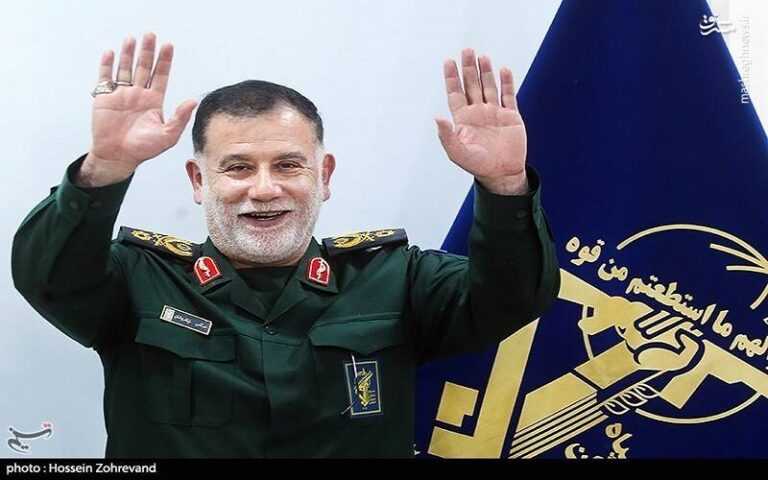
The Islamic Revolutionary Guard Corps (IRGC) of the Iranian regime has confirmed the death of Abbas Nilforoushan, the Deputy for Operations of this military force.
Abbas Nilforoushan was killed in an Israeli airstrike in the Dahiya area of southern Beirut, Lebanon’s capital, on the afternoon of Friday, September 27.
This is the same attack that resulted in the death of Hassan Nasrallah, the Secretary-General of Hezbollah, and several other commanders of the group, which is supported by the Iranian regime and designated as a terrorist organization by the United States.
Who is Abbas Nilforoushan?
Abbas Nilforoushan was born in 1966 in Isfahan. In 1980, he first joined the Basij militia and later became a member of the IRGC. Nilforoushan participated in the Iran-Iraq war. In 2005, he was appointed as the IRGC’s Deputy for Operations and held this position until 2007. In 2010, Abbas Nilforoushan became the head of the IRGC’s Command and Staff College, a position he held until 2014. He also served as the deputy commander of the Imam Hossein Headquarters and as the deputy for operations in the IRGC during his career.Successor to Mohammad Reza Zahedi
In 2019, Abbas Nilforoushan was appointed as the Deputy for Operations of the entire IRGC. He succeeded Mohammad Reza Zahedi in this position by order of Hossein Salami, the IRGC’s Commander-in-Chief. Zahedi was a senior commander of the Quds Force, the IRGC’s external operations unit, who was killed on April 1, 2024, in an airstrike attributed to Israel on the Iranian regime’s consulate in Damascus, Syria.U.S. Sanctions
The U.S. Department of the Treasury sanctioned Abbas Nilforoushan in 2022 for his direct role in suppressing the nationwide protests in Iran that year and prior. In 2020, Iranian state television introduced Nilforoushan as a “comrade of Qassem Soleimani,” the former commander of the IRGC’s Quds Force, who was killed on January 8, 2020, in a U.S. drone strike on his vehicle near Baghdad International Airport in Iraq. In an interview with state television, Nilforoushan stated that Israel does not have the capability to pose a threat to Iran.Support for Iran’s Proxy Groups
Iranian regime-affiliated media have reported on Abbas Nilforoushan’s role in assisting the regime’s proxy groups, particularly Hezbollah in Lebanon. According to reports, he played an active role in military and diplomatic planning for the regime’s proxy groups, including playing a key role in coordinating among them.U.S. Citizen Charged with Having Ties to Iranian Intelligence
The U.S. Department of Justice announced on Friday, September 27, that Abuzar Rahmati, a former contractor for the Federal Aviation Administration (FAA), was officially charged in a Washington court for acting and attempting to act as an agent of the Iranian government on U.S. soil without notifying the Attorney General.
According to the indictment, 42-year-old Abuzar Rahmati, a U.S. citizen, had contact with Iranian regime officials and their intelligence agents from December 2017 to June 2024.
The report states that Rahmati accessed sensitive, non-public information through his work as an FAA contractor and provided non-public information about the U.S. solar energy industry to Iran.
According to U.S. judicial officials, Rahmati lied about his background during the hiring process and did not disclose his service in the Islamic Revolutionary Guard Corps (IRGC).
The U.S. Department of Justice emphasized in its statement that it will use all available tools to identify and prosecute Iranian agents or those from any foreign government attempting to infiltrate U.S. companies or government agencies.
On August 14, the U.S. Department of Justice also charged Jeffrey Chance Nader, a 68-year-old Iranian-American, with illegally exporting U.S.-made aircraft parts to the Islamic Republic of Iran.
Matthew Olsen, the Assistant Attorney General for the National Security Division, said Nader’s arrest reflects America’s commitment to preventing the Iranian regime from acquiring military equipment and added that the U.S. will continue to aggressively investigate, disrupt, and hold accountable the criminal networks supplying sensitive technologies to hostile and repressive governments.
Robert R. Wells, the Assistant Director of the FBI’s Counterterrorism Division, highlighted Nader’s arrest and stressed that circumventing U.S. export control laws is unacceptable. He added that the FBI, in cooperation with global partners, is committed to identifying and prosecuting individuals and companies that violate export laws.
Iran’s Shared Oil and Gas Fields Are in Dire Condition
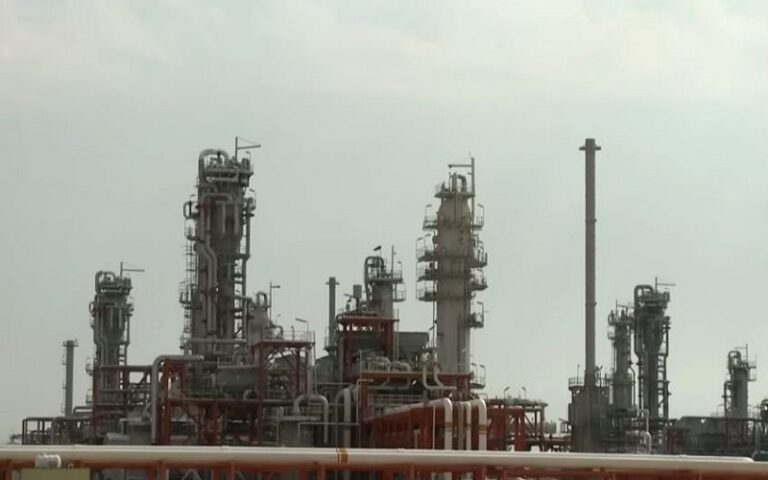
With Kuwait and Saudi Arabia completing their studies for developing the “Al-Durra” (Arash) field, Abdolreza Abed, the commander of the IRGC Khatam al-Anbiya Construction Headquarters, has issued a warning and requested that this institution be involved in the field’s development.
Abed also claimed that Khatam al-Anbiya has the capability to develop the Esfandiar and Farzad fields, which are shared with Saudi Arabia.
Iran has 28 shared oil and gas fields with neighboring countries, in almost all of which it has fallen behind its neighbors.
The main reasons for Iran’s lag in oil and gas extraction from shared fields are a lack of investment and modern technology.
Iran’s most important shared fields are with Iraq, Qatar, and Saudi Arabia. These countries, with the help of international, particularly Western, companies, have significantly increased their oil and gas production and continue to expand extraction from these fields.
In contrast, Iran’s Oil Ministry, lacking foreign investments and a capable private sector, relies on 14.5% of oil revenues for investments in the fossil energy sector.
According to the Parliamentary Research Center, annual investment in the country’s oil and gas fields has dropped from around $18 billion in the 2000s to approximately $7 billion in the early 2010s, and since 2019, this figure has plummeted to $3 billion.
Shared oil fields account for 20% of Iran’s recoverable oil reserves and 30% of its gas reserves.
With 33 trillion cubic meters of gas reserves and 157 billion barrels of oil reserves, Iran ranks second and fourth globally in hydrocarbon reserves.
The Foroozan Field and Falling Behind Saudi Arabia
Iran shares several oil and gas fields with Saudi Arabia but has only managed to produce 35,000 barrels per day (bpd) from the Foroozan field, while Saudi Arabia produces 14 times more oil from the same field. Saudi Arabia has signed a $12 billion contract with international companies over the past five years, aiming to increase oil production by 60% to 800,000 bpd and boost gas production by 70 million cubic meters per day.
The Farzad Field and Failure in Development
Iran has another large shared gas field with Saudi Arabia near Foroozan, called the “Farzad” field. Negotiations between Iran and the Indian companies that discovered the field have dragged on for over a decade without success, and Iran itself lacks the $5 billion investment needed to develop this field, which has a highly complex structure.
Meanwhile, Saudi Arabia immediately began developing the field after its discovery by the Indians in 2008 and started gas production in 2013. Saudi Arabia is now producing over 30 million cubic meters of gas per day from the field, and Aramco’s plan to increase production to 75 million cubic meters per day is progressing rapidly.
The Esfandiar and Arash Fields
Saudi Arabia and Kuwait also share the Esfandiar (Lulu) and Arash (Al-Durra) oil and gas fields with Iran. They have developed the Esfandiar field for years, and with a $10 billion investment, plan to begin producing 30 million cubic meters of gas and 84,000 barrels of condensate daily from Arash by the end of the year, within five years.
These two countries have rejected Iran’s claim to a share in the Arash field, asserting exclusive rights to its extraction, a position Iran does not accept.
Shared Fields with Iraq
Iran’s largest shared oil fields are with Iraq, a neighbor that extracts four times as much oil as Iran from these fields. Iraq has signed massive contracts with Chinese, Russian, and Western companies to increase extraction from these fields.
The Salman and Nosrat Fields
Iran shares two oil fields with the United Arab Emirates, named “Salman” and “Nosrat.”
The UAE produces 65,000 bpd from the Nosrat field, which is 20 times more than Iran’s production from the same field.
South Pars and Qatar
Iran’s largest gas field, South Pars, is shared with Qatar. Qatar started extracting gas ten years before Iran and has produced twice as much gas.
While Iran’s share of the South Pars gas field entered its second half of life last year, causing a reduction of 10 billion cubic meters in its production annually, Qatar has signed $29 billion worth of contracts with international companies over the past two years. These agreements aim to increase gas production by 40% by 2027 and 60% by 2030.
Currently, both Iran and Qatar produce approximately 180 billion cubic meters of gas annually from South Pars.
To maintain production from this massive gas field, Iran needs to install 20,000-ton platforms (15 times the size of current platforms) and large compressors, technology that is exclusively held by Western companies.
Qatar also extracts 450,000 barrels of crude oil daily from the oil layer of the South Pars gas field, which is 13 times more than Iran’s production from the same layer.
Iran’s Budget for IRGC’s Baqiatollah Base Quadruples in Three Years
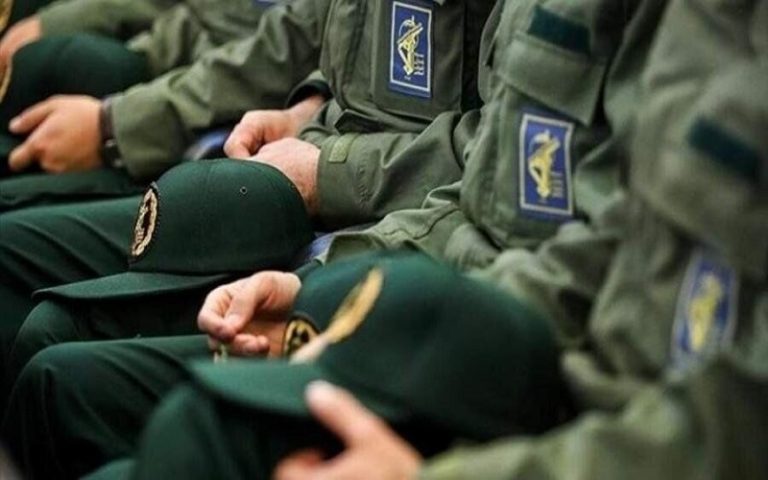
The budget for the Baqiatollah Base, a branch of the Islamic Revolutionary Guard Corps (IRGC), has seen a staggering increase over the past three years, according to a report by Iran Open Data on Wednesday, September 25. This military and cultural unit has had its funding increase from 668 billion tomans in 2021 to 888 billion tomans in 2022, reaching nearly 3,000 billion tomans in the 2024 budget. This quadrupling of financial resources underscores the growing support for institutions tied to the regime’s cultural and social agenda.
Cultural and Social Influence
The Baqiatollah Base primarily uses its funding to support a range of cultural and social institutions, including the Owj and Seraj institutions. These organizations are heavily involved in media, artistic projects, and cyberspace activities that align with the regime’s ideological objectives. These initiatives allow the regime to exert influence across various forms of cultural expression, including film production, social media campaigns, and online content creation.
Despite the substantial increase in government funding, the Baqiatollah Base’s official website does not disclose the full extent of its budgetary allocations from the state. Instead, it claims that its activities are sustained through public donations, which it terms “cultural jihad.” The site invites financial contributions from citizens via an online payment portal and provides a bank account number under the name “Baqiatollah Cultural Jihad Base” for direct transfers. However, no specific details regarding the amount of these donations or their impact on the overall budget are available, leading to questions about the transparency of the base’s finances.
Key Projects
One of the most prominent programs managed by the Baqiatollah Base is the “Khademin Arbaeen Megaproject,” which organizes volunteer services for pilgrims during the Arbaeen pilgrimage. The base claims that these services, carried out by unpaid volunteers, include tasks such as safeguarding pilgrims’ shoes, providing directions, securing personal belongings, and assisting lost children at religious sites. The program highlights the use of volunteers to manage labor-intensive operations without incurring substantial direct costs.
However, while volunteers contribute time and effort, the massive budget increase suggests a much broader scope of activities beyond unpaid labor. The budgeted amount far exceeds the operational costs typically associated with volunteer services. This has raised questions about the true allocation of funds, especially given the regime’s opaque handling of state finances.
In addition to religious services, the base runs the “Surplus Medicine Plan,” which seeks to collect unused, expired, or surplus medicines from homes across the country. This initiative is positioned as a public health and humanitarian effort, relying on voluntary participation. Collected medicines are sorted and distributed by volunteers, continuing the base’s model of using unpaid labor for public service projects.
Another significant program is the “Karim Ahl al-Bayt Charity,” aimed at providing dowries to low-income families. According to the Baqiatollah Base, each dowry set costs around 16 million tomans. With the 2024 budget increase, the base theoretically has enough funds to supply 187,500 dowries. Yet, as of the latest update, only 23 dowries have been distributed. The disparity between the allocated funds and the minimal distribution of dowries has raised concerns about how the budget is being utilized and whether the funds are being directed toward the intended beneficiaries.
Public Charity and Government Funding
The Baqiatollah Base consistently emphasizes that its work is supported by public donations and volunteerism. For example, the “Sympathy and Faithfulness Exercise” program in 2019, which claimed to have provided 313 food packages to needy families, was described as a project funded through public donations. However, with the dramatic rise in the base’s budget, the need for public donations seems increasingly questionable. If adjusted for inflation and the rise in the cost of goods, the current budget would allow the base to provide food packages for at least one million families, far exceeding the impact of previous efforts.
In another initiative, the “Caravan of Eid al-Ghadir Joy,” the base distributed cake and juice to celebrate the religious occasion. While this project was also funded through public donations, its comparatively modest scope contrasts sharply with the enormous financial resources now at the base’s disposal. These smaller projects, such as distributing snacks and organizing festive activities, may continue to be symbolic gestures, but the disproportionate budget raises questions about the actual financial management and priorities of the Baqiatollah Base.
Leadership and Strategic Role
The Baqiatollah Base is commanded by Major General Mohammad Ali Jafari, the former commander-in-chief of the IRGC. Under Jafari’s leadership, the base has broadened its scope, engaging in both cultural and social projects as well as religious and military initiatives. Jafari’s background in the IRGC suggests a strong link between the base’s activities and the broader ideological goals of the IRGC, particularly its efforts to expand cultural influence and maintain social control through a network of affiliated organizations.
The increase in funding for the Baqiatollah Base also signals a wider trend of militarization of cultural and social activities in Iran. The financial prioritization of institutions like the Baqiatollah Base demonstrates the regime’s strategy to consolidate power through cultural influence, while also building up social programs that align with its ideological mission.
Conclusion
The quadrupling of the Baqiatollah Base’s budget over the past three years points to its increasing significance within the IRGC’s broader mission to project influence across Iran’s social and cultural spheres. While public donations and volunteer efforts are frequently cited as the primary sources of support for the base’s initiatives, the sharp rise in state funding raises questions about transparency and resource allocation. With a budget that now surpasses 3,000 billion tomans, the Baqiatollah Base’s activities have come under greater scrutiny, particularly in light of the relatively limited impact of its public service projects compared to the funds it receives. This development highlights the regime’s strategy of intertwining military, cultural, and social influence, using vast financial resources to sustain its ideological control over the country.
Pope Francis Offers Condolences for Deaths of Tabas Mine Workers in Iran
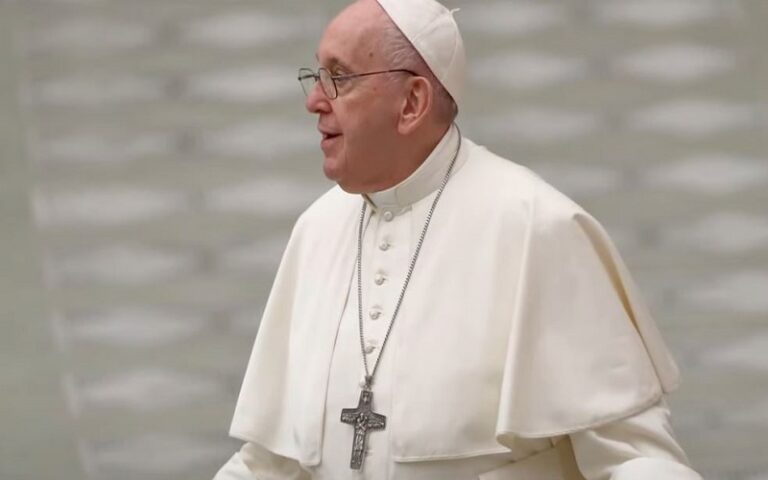
On Wednesday, September 25, Pope Francis, the leader of the worldwide Catholic Church, responded via telegram to the explosion at the Tabas coal mine in northeastern Iran, which resulted in the deaths of over 50 Iranian workers.
According to “Vatican News,” the Pope expressed his sorrow over the loss of the Iranian workers’ lives in his message and said that he is praying for them.
In his message, Pope Francis also conveyed his “spiritual solidarity” with the injured, adding that he prays for the deceased and their grieving families. He further wished “strength, comfort, and peace” to all those affected by this tragedy.
Iranian media reported that the explosion occurred while approximately 70 workers were inside the mine.
According to local sources, the necessary safety measures required by Iranian regulations had not been followed in the mine.
Following the explosion at the Tabas “Madanjou” coal mine on the evening of Saturday, September 21, the head of the South Khorasan Provincial Crisis Management and the Red Crescent announced that 51 people had died and 20 were injured. Reports also indicated that several workers were still missing.
In a video released by survivors of the incident, the workers said they had smelled methane gas since the morning and informed the authorities, but they were told that nothing would happen, and they must continue working.
Iran’s disadvantaged workers are forced to continue working under these conditions, otherwise they risk being fired. These miners earn approximately 200 dollars per month for 12-hour workdays.
Despite supplying 76% of the country’s coal, this mine lacks basic safety standards and working conditions, as short-term profit and financial gain have been prioritized over the lives and health of Iranian workers.
In Iran, especially in industries related to mining, not only are international standards ignored, but even the country’s internal safety regulations are often neglected.
Iran’s Regime Continues Efforts to Hack and Leak Documents from Donald Trump’s Election Campaign
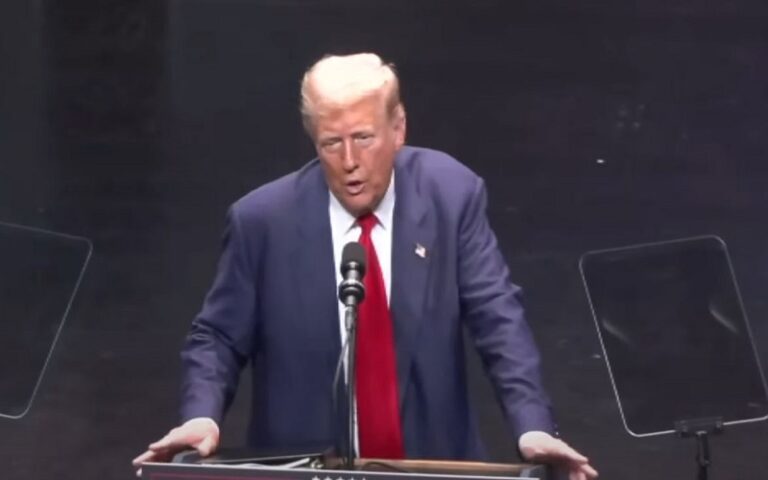
The hacking of the election campaign of Donald Trump, the Republican nominee in the November 2024 U.S. presidential election, by the Iranian regime has continued over the past ten days and may still be ongoing.
According to U.S. media, journalist and political newsletter writer Judd Legum revealed this on Tuesday, citing a set of “special and confidential” documents emailed to him by a person named “Robert.”
In his newsletter, Legum wrote that on September 18, he received a set of documents from an anonymous sender named “Robert,” which included internal files and emails from Trump’s campaign.
One of these documents, dated September 15, indicates that the hackers’ efforts continued even after Trump’s campaign and various media outlets reported on it.
Legum wrote that Robert refused to identify himself but indicated that he was the same “Robert” who had provided stolen materials from Trump’s campaign in July and August to media outlets like Politico, The New York Times, and The Washington Post.
Robert sent Legum 271 pages of documents about J.D. Vance, Trump’s running mate and vice-presidential candidate, along with other similar “special and confidential” documents concerning two other potential candidates for this role: Marco Rubio and Doug Burgum.
The journalist verified with the editor of The New York Times the authenticity of one of Trump’s lawyer’s letters, dated September 15, which had not been published anywhere but was sent to him by Robert. He concluded that the person or persons identifying themselves as Robert had stolen the electronic communications of individuals connected to Trump’s campaign.
A spokesperson for Donald Trump’s campaign responded simply by saying that the “terror regime in Iran” fears “Trump’s strength and resolve.”
On August 9, Microsoft released a report revealing evidence of the Iranian regime’s hackers attempting to breach the email account of a “high-ranking official” in U.S. election campaigns in June.
On August 10, Donald Trump’s campaign revealed that it had been hacked, stating that Iranian regime operatives had stolen and disseminated sensitive internal documents.
U.S. intelligence agencies confirmed that the Iranian government had attempted to hack both Trump’s and Joe Biden’s election campaigns before Biden withdrew from the race.
The U.S. Department of Justice announced on September 13 that it was preparing to file criminal charges related to the hacking of Donald Trump’s campaign by the Iranian government.
A spokesperson for the U.S. National Security Council emphasized that the Biden administration strongly condemns any government or foreign entity that attempts to interfere in our electoral process or seeks to undermine confidence in our democratic institutions.
