

Iran’s Budget for IRGC’s Baqiatollah Base Quadruples in Three Years
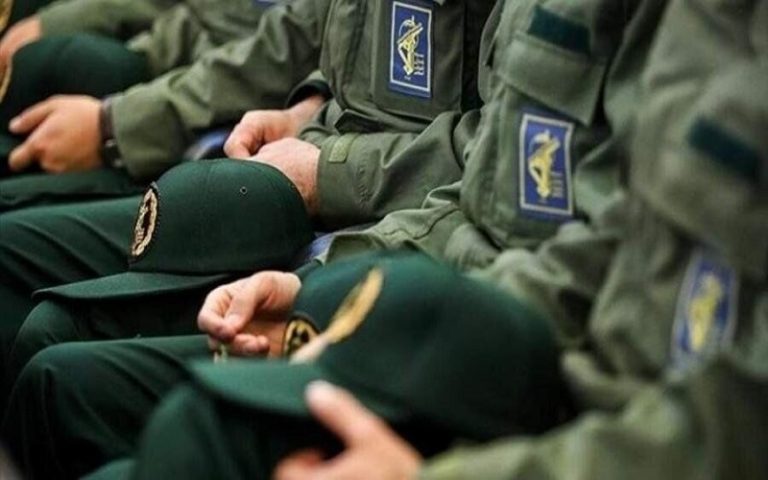
The budget for the Baqiatollah Base, a branch of the Islamic Revolutionary Guard Corps (IRGC), has seen a staggering increase over the past three years, according to a report by Iran Open Data on Wednesday, September 25. This military and cultural unit has had its funding increase from 668 billion tomans in 2021 to 888 billion tomans in 2022, reaching nearly 3,000 billion tomans in the 2024 budget. This quadrupling of financial resources underscores the growing support for institutions tied to the regime’s cultural and social agenda.
Cultural and Social Influence
The Baqiatollah Base primarily uses its funding to support a range of cultural and social institutions, including the Owj and Seraj institutions. These organizations are heavily involved in media, artistic projects, and cyberspace activities that align with the regime’s ideological objectives. These initiatives allow the regime to exert influence across various forms of cultural expression, including film production, social media campaigns, and online content creation.
Despite the substantial increase in government funding, the Baqiatollah Base’s official website does not disclose the full extent of its budgetary allocations from the state. Instead, it claims that its activities are sustained through public donations, which it terms “cultural jihad.” The site invites financial contributions from citizens via an online payment portal and provides a bank account number under the name “Baqiatollah Cultural Jihad Base” for direct transfers. However, no specific details regarding the amount of these donations or their impact on the overall budget are available, leading to questions about the transparency of the base’s finances.
Key Projects
One of the most prominent programs managed by the Baqiatollah Base is the “Khademin Arbaeen Megaproject,” which organizes volunteer services for pilgrims during the Arbaeen pilgrimage. The base claims that these services, carried out by unpaid volunteers, include tasks such as safeguarding pilgrims’ shoes, providing directions, securing personal belongings, and assisting lost children at religious sites. The program highlights the use of volunteers to manage labor-intensive operations without incurring substantial direct costs.
However, while volunteers contribute time and effort, the massive budget increase suggests a much broader scope of activities beyond unpaid labor. The budgeted amount far exceeds the operational costs typically associated with volunteer services. This has raised questions about the true allocation of funds, especially given the regime’s opaque handling of state finances.
In addition to religious services, the base runs the “Surplus Medicine Plan,” which seeks to collect unused, expired, or surplus medicines from homes across the country. This initiative is positioned as a public health and humanitarian effort, relying on voluntary participation. Collected medicines are sorted and distributed by volunteers, continuing the base’s model of using unpaid labor for public service projects.
Another significant program is the “Karim Ahl al-Bayt Charity,” aimed at providing dowries to low-income families. According to the Baqiatollah Base, each dowry set costs around 16 million tomans. With the 2024 budget increase, the base theoretically has enough funds to supply 187,500 dowries. Yet, as of the latest update, only 23 dowries have been distributed. The disparity between the allocated funds and the minimal distribution of dowries has raised concerns about how the budget is being utilized and whether the funds are being directed toward the intended beneficiaries.
Public Charity and Government Funding
The Baqiatollah Base consistently emphasizes that its work is supported by public donations and volunteerism. For example, the “Sympathy and Faithfulness Exercise” program in 2019, which claimed to have provided 313 food packages to needy families, was described as a project funded through public donations. However, with the dramatic rise in the base’s budget, the need for public donations seems increasingly questionable. If adjusted for inflation and the rise in the cost of goods, the current budget would allow the base to provide food packages for at least one million families, far exceeding the impact of previous efforts.
In another initiative, the “Caravan of Eid al-Ghadir Joy,” the base distributed cake and juice to celebrate the religious occasion. While this project was also funded through public donations, its comparatively modest scope contrasts sharply with the enormous financial resources now at the base’s disposal. These smaller projects, such as distributing snacks and organizing festive activities, may continue to be symbolic gestures, but the disproportionate budget raises questions about the actual financial management and priorities of the Baqiatollah Base.
Leadership and Strategic Role
The Baqiatollah Base is commanded by Major General Mohammad Ali Jafari, the former commander-in-chief of the IRGC. Under Jafari’s leadership, the base has broadened its scope, engaging in both cultural and social projects as well as religious and military initiatives. Jafari’s background in the IRGC suggests a strong link between the base’s activities and the broader ideological goals of the IRGC, particularly its efforts to expand cultural influence and maintain social control through a network of affiliated organizations.
The increase in funding for the Baqiatollah Base also signals a wider trend of militarization of cultural and social activities in Iran. The financial prioritization of institutions like the Baqiatollah Base demonstrates the regime’s strategy to consolidate power through cultural influence, while also building up social programs that align with its ideological mission.
Conclusion
The quadrupling of the Baqiatollah Base’s budget over the past three years points to its increasing significance within the IRGC’s broader mission to project influence across Iran’s social and cultural spheres. While public donations and volunteer efforts are frequently cited as the primary sources of support for the base’s initiatives, the sharp rise in state funding raises questions about transparency and resource allocation. With a budget that now surpasses 3,000 billion tomans, the Baqiatollah Base’s activities have come under greater scrutiny, particularly in light of the relatively limited impact of its public service projects compared to the funds it receives. This development highlights the regime’s strategy of intertwining military, cultural, and social influence, using vast financial resources to sustain its ideological control over the country.
Pope Francis Offers Condolences for Deaths of Tabas Mine Workers in Iran
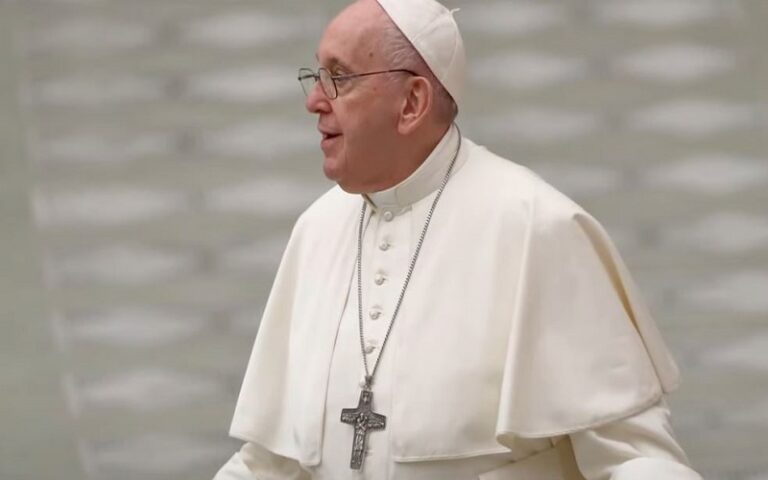
On Wednesday, September 25, Pope Francis, the leader of the worldwide Catholic Church, responded via telegram to the explosion at the Tabas coal mine in northeastern Iran, which resulted in the deaths of over 50 Iranian workers.
According to “Vatican News,” the Pope expressed his sorrow over the loss of the Iranian workers’ lives in his message and said that he is praying for them.
In his message, Pope Francis also conveyed his “spiritual solidarity” with the injured, adding that he prays for the deceased and their grieving families. He further wished “strength, comfort, and peace” to all those affected by this tragedy.
Iranian media reported that the explosion occurred while approximately 70 workers were inside the mine.
According to local sources, the necessary safety measures required by Iranian regulations had not been followed in the mine.
Following the explosion at the Tabas “Madanjou” coal mine on the evening of Saturday, September 21, the head of the South Khorasan Provincial Crisis Management and the Red Crescent announced that 51 people had died and 20 were injured. Reports also indicated that several workers were still missing.
In a video released by survivors of the incident, the workers said they had smelled methane gas since the morning and informed the authorities, but they were told that nothing would happen, and they must continue working.
Iran’s disadvantaged workers are forced to continue working under these conditions, otherwise they risk being fired. These miners earn approximately 200 dollars per month for 12-hour workdays.
Despite supplying 76% of the country’s coal, this mine lacks basic safety standards and working conditions, as short-term profit and financial gain have been prioritized over the lives and health of Iranian workers.
In Iran, especially in industries related to mining, not only are international standards ignored, but even the country’s internal safety regulations are often neglected.
Iran’s Regime Continues Efforts to Hack and Leak Documents from Donald Trump’s Election Campaign
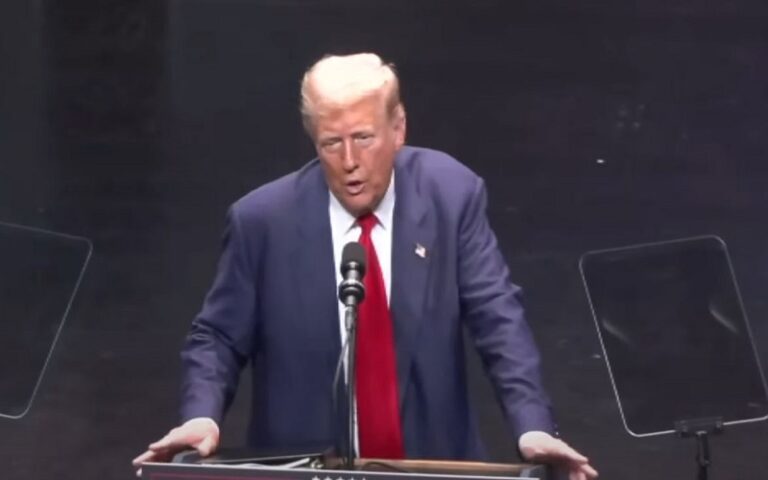
The hacking of the election campaign of Donald Trump, the Republican nominee in the November 2024 U.S. presidential election, by the Iranian regime has continued over the past ten days and may still be ongoing.
According to U.S. media, journalist and political newsletter writer Judd Legum revealed this on Tuesday, citing a set of “special and confidential” documents emailed to him by a person named “Robert.”
In his newsletter, Legum wrote that on September 18, he received a set of documents from an anonymous sender named “Robert,” which included internal files and emails from Trump’s campaign.
One of these documents, dated September 15, indicates that the hackers’ efforts continued even after Trump’s campaign and various media outlets reported on it.
Legum wrote that Robert refused to identify himself but indicated that he was the same “Robert” who had provided stolen materials from Trump’s campaign in July and August to media outlets like Politico, The New York Times, and The Washington Post.
Robert sent Legum 271 pages of documents about J.D. Vance, Trump’s running mate and vice-presidential candidate, along with other similar “special and confidential” documents concerning two other potential candidates for this role: Marco Rubio and Doug Burgum.
The journalist verified with the editor of The New York Times the authenticity of one of Trump’s lawyer’s letters, dated September 15, which had not been published anywhere but was sent to him by Robert. He concluded that the person or persons identifying themselves as Robert had stolen the electronic communications of individuals connected to Trump’s campaign.
A spokesperson for Donald Trump’s campaign responded simply by saying that the “terror regime in Iran” fears “Trump’s strength and resolve.”
On August 9, Microsoft released a report revealing evidence of the Iranian regime’s hackers attempting to breach the email account of a “high-ranking official” in U.S. election campaigns in June.
On August 10, Donald Trump’s campaign revealed that it had been hacked, stating that Iranian regime operatives had stolen and disseminated sensitive internal documents.
U.S. intelligence agencies confirmed that the Iranian government had attempted to hack both Trump’s and Joe Biden’s election campaigns before Biden withdrew from the race.
The U.S. Department of Justice announced on September 13 that it was preparing to file criminal charges related to the hacking of Donald Trump’s campaign by the Iranian government.
A spokesperson for the U.S. National Security Council emphasized that the Biden administration strongly condemns any government or foreign entity that attempts to interfere in our electoral process or seeks to undermine confidence in our democratic institutions.
Protests in New York Against Iranian President’s UN Visit
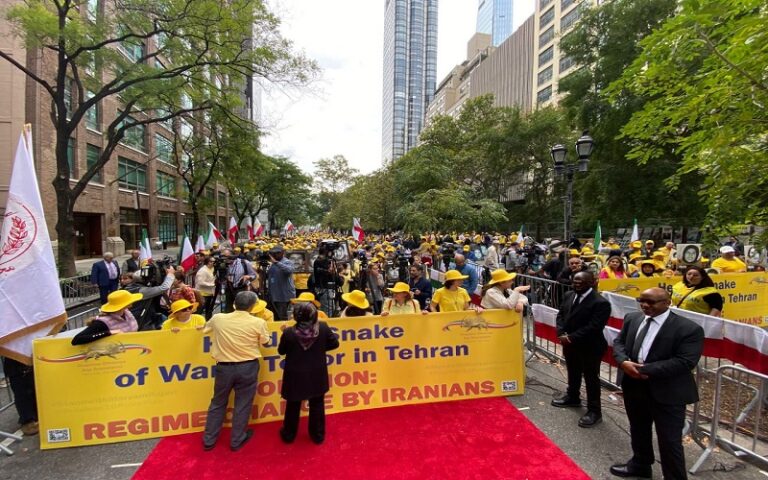
On September 24, 2024, supporters of the People’s Mojahedin Organization of Iran (PMOI/MEK) and the National Council of Resistance of Iran (NCRI) rallied in New York City to protest Iranian regime President Masoud Pezeshkian’s attendance at the 79th United Nations General Assembly (UNGA). The protestors, mostly from the Iranian diaspora, strongly condemned the Iranian regime for its human rights abuses, especially its increasing number of executions, and its support for terrorism.
Chanting slogans like “No to the regime of massacres, no to war and terrorism,” protestors expressed their opposition not only to Pezeshkian’s presence at the UN but also to the overall policies of the Iranian government. They accused Pezeshkian of being involved in crimes, including the 1988 massacre of political prisoners in Iran. The demonstrators claimed that under his administration since August 2024, around 180 people had been executed, while the regime continued to support terrorist proxies abroad.
The Organization of Iranian American Communities (OIAC), which organized the protests, said the event was part of a larger movement to highlight ongoing human rights violations in Iran. “Pezeshkian, hear us. Your regime’s time is ending. Khamenei, the leader in Tehran, will soon be overthrown by the Iranian people,” OIAC declared.
Calls for International Support
The protesters urged the international community, especially Western countries, to stop appeasing the Iranian regime and to support the Iranian people’s right to overthrow the despotic regime. “End appeasement. Recognize the Iranian people’s right to overthrow the criminal regime of Khamenei and his puppets like Pezeshkian,” they chanted. Several notable figures voiced their support for the protests. U.S. Senator Ted Cruz sent a message of solidarity, stating, “The time is long passed for the Iranian regime to end up discarded into the ash heap of history.” He criticized the regime for its consistent opposition to freedom and democracy, pointing out its use of terrorism, hostage-taking, and sham trials to maintain power. Cruz also condemned the fact that despite its poor human rights record, Iran’s leadership was still welcomed on the international stage, specifically at the United Nations. Sam Brownback, the former Governor of Kansas and U.S. Ambassador for Religious Freedom, also voiced his support. He praised the resilience of the protesters and stressed the need for maximum economic pressure on the Iranian regime. Brownback argued that the regime used its financial resources to fund terrorism, and called for international support of the Iranian resistance. He echoed the protesters’ call for regime change, stating, “If we want peace in the Middle East, this regime must be removed.”International Reactions and Continued Criticism
Ambassador Mark Ginsberg was another notable speaker at the event. He condemned the Iranian regime, calling it an “unreformable” and “unsalvageable.” Ginsberg argued that the Iranian people had not chosen their leaders and called for international recognition of their demand for the prosecution of Iran’s rulers. He highlighted the regime’s widespread terrorist activities across the region and claimed that its fall would be a victory for not just Iran, but the broader Middle East. Professor Alan Dershowitz also voiced strong criticism of the Iranian regime, calling it “the most dangerous regime in the world since the Nazis assumed power in the 1930s in Germany.” He supported the ten-point plan of Iranian opposition leader Maryam Rajavi, which calls for a free and democratic Iran. Dershowitz insisted that the people of Iran want a life free of repression and the right to determine their future. He also argued that the fight against the Iranian regime was a global issue, urging the United Nations to stop giving a platform to leaders who do not represent their people.The Ongoing Fight for Freedom
The protests in New York represent a broader, ongoing movement among the Iranian diaspora and supporters of freedom around the world. The demonstrators are calling for an end to the Iranian regime’s brutal dictatorship and advocating for the establishment of a free, democratic, and non-nuclear Iran. As the New York protests show, the fight for a free Iran continues. With growing international attention, the movement’s supporters believe that the Iranian regime’s time is running out.Iran Faces Daily Deficit of 10 Million Liters of Gasoline
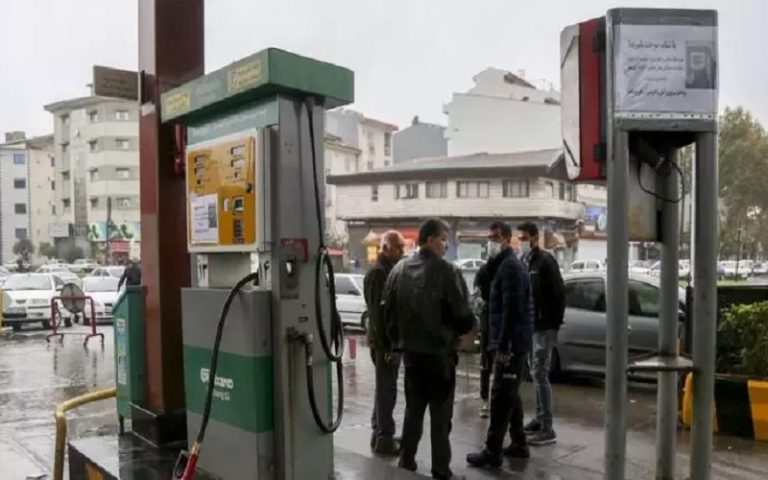
Ahmad Maroufkhani, head of the Union of Oil, Gas, and Petrochemical Exporters, stated that by the end of next year, Iran will face a daily deficit of 10 million liters of gasoline, and during winter, a diesel fuel deficit will add to this problem.
In an interview with the state-run ILNA news agency, Maroufkhani attributed the main reasons for these imbalances to a lack of proper planning for consumption management and insufficient investment in the refinery sector.
He stated that despite the country’s need to address the gasoline shortage, many petrochemical companies are exporting gasoline additives.
Maroufkhani emphasized that one of the solutions to increase gasoline production is using the petroleum product “Reformate.” He said, “For example, last week we witnessed the export of Reformate to the UAE market,” adding, “This product could instead be combined with naphtha domestically to produce high-quality gasoline.”
The head of the Oil Products Exporters Union, pointing out the lack of regulation in the production and export of petroleum products, explained that the Ministry of Oil must implement regulations to control the export of products related to gasoline production. He also emphasized the need for policies to prevent the export of essential materials needed for domestic gasoline production.
He explained that gasoline products and additives are sent to countries like the UAE, where they are turned back into gasoline and then re-imported into Iran. He said the fundamental solution is that “in the short term, we should stop exporting these products to help meet the country’s fuel needs.”
Maroufkhani, who was speaking as part of the government’s recent initiative to prepare the public and mitigate potential anger, proposed an increase in gasoline prices as “one of the solutions to control consumption.”
However, regarding the implementation of higher gasoline prices, he emphasized the need for “appropriate cultural and social measures” to minimize the “negative effects of this action.”
Previously, in response to widespread criticism of gasoline price increases, Mohammad Reza Aref, the First Vice President of Iran’s regime under Masoud Pezeshkian (President of Iran), stated that the government “will not make any hasty decisions” and “in every decision, we will consider all social, cultural, and justice-related aspects.”
The defense of the gasoline price increase by government officials, media, and its supporters continues, while independent labor and professional organizations, along with numerous social media users, have strongly criticized the decision.
They pointed to the Iranian regime’s large-scale financial support for its proxy groups in the Middle East, the exemption of institutions linked to the regime’s Supreme Leader, Ali Khamenei, from paying taxes, and widespread corruption in the government. They called on the government to abandon economic policies that harm workers and wage earners, rather than increasing gasoline prices, which would place further economic strain on them.
IRGC Prohibits Communication Devices Following Attacks on Hezbollah
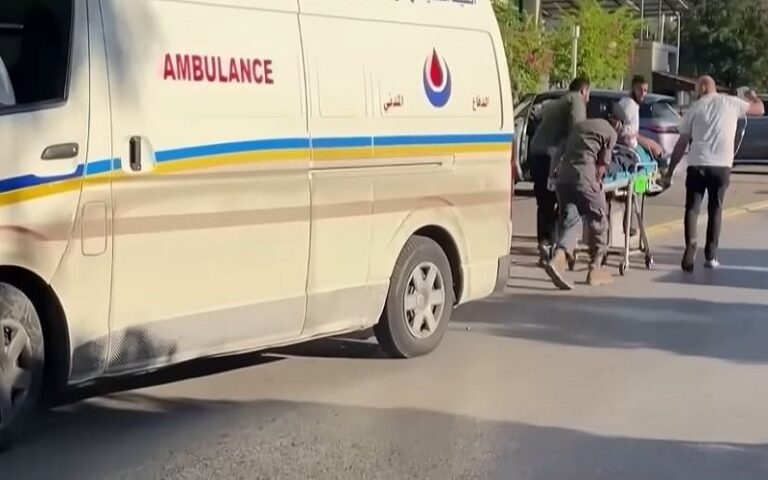
Senior Iranian security officials told Reuters on Monday, September 23, that after the explosion of thousands of pagers and wireless devices by Hezbollah allies during last week’s deadly attacks, the IRGC ordered all its members to cease using any communication devices.
Reuters said: “One of the security officials said a large-scale operation is underway by the IRGC to inspect all devices, not just communication equipment. He said most of these devices were either homemade or imported from China and Russia.”
Reuters added: “One of the security officials said a large-scale inspection of all devices, not just communication equipment, is underway by the IRGC. He mentioned that most of these devices are either homemade or imported from China and Russia.”
The Iranian government is concerned about Israeli infiltration, including Iranians working for Israel, leading to extensive investigations of its forces, particularly mid-level and senior IRGC members.
“This includes scrutiny of their bank accounts both in Iran and abroad, as well as their travel history and that of their families,” the security official said.
The security official did not provide details on how the IRGC, which consists of 190,000 personnel, would communicate.
He stated, “We are currently using fully encrypted messaging systems.”
According to the same official, there is widespread concern within Iran’s ruling elite. IRGC officials have contacted Hezbollah for technical assessments, and several examples of the exploded devices have been sent to Tehran for examination by Iranian experts.
Another Iranian official mentioned that the regime’s primary concern is the protection of its nuclear and missile facilities, especially those underground.
He said, “However, security measures at these sites have significantly increased since last year.” This official referred to measures that were heightened following Israel’s attempted sabotage of Iran’s missile program in 2023. Israel has never commented on this.
He added that the current security measures are stricter than ever before, indicating that after the pager explosions in Lebanon, security has increased significantly beyond previous levels.
According to these sources, the Iranian military uses a range of encrypted communication devices, including wireless radios, for secure communication. While specific models and brands may vary, Iran’s military communication equipment is mostly domestically produced or sourced from a combination of domestic and foreign suppliers. He mentioned that Iran’s armed forces have not used pagers for over two decades.
To avoid reliance on foreign imports, especially due to Western sanctions imposed on Iran’s nuclear program, the Iranian regime has developed its own military radios through its defense industries.
However, the Iranian regime has previously imported communication devices from countries such as China, Russia, and even Japan.
Explosion in A Coal Mine in Iran Claims Lives Of 51 Miners
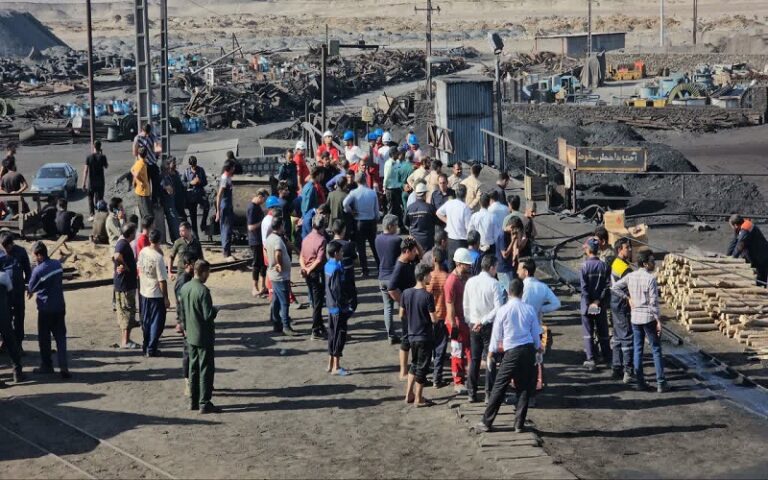
In the wake of an explosion at a coal mine in Tabas, the Iranian regime’s official news agency IRNA reported that 51 miners lost their lives in this incident.
Reports also provided figures for the injured miners, stating that 20 workers have been wounded so far.
The deadliest mining accident in Iran prior to this was the explosion at the Yurt mine in 2017, which claimed 44 lives. However, the Saturday night explosion in Tabas has now surpassed this record as the deadliest labor incident in the country.
Javad Ghanat, the governor of South Khorasan, initially announced on the morning of Sunday, September 22, that 30 people had died and 17 were injured. However, by noon, the death toll had risen to 51.
The explosion occurred around 9 p.m. on Saturday, and initially, Iranian media reported only one death and indicated that other workers trapped in the mine tunnel were unreachable.
According to the South Khorasan governor, the explosion occurred in two blocks, where “22 people were working in Block B and 47 in Block C.”
The 30 deaths reported earlier were all from Block C, and there was no information about the 22 workers in Block B.
No detailed report on the cause of the incident has been published yet. However, on Saturday night, the head of the Tabas Labor Department stated that the explosion was caused by a “methane gas leak in Block C of Madanjo Company.”
On Sunday, Javad Ghanat added: “Due to the methane gas leak in Tunnels C and B of the Tabas Madanjo mine, the workers suffocated from the gas. So far, 30 workers have died, and 17 have been taken to hospitals.”
The number of labor accidents in Iran is high, mainly due to substandard equipment and unsafe working conditions. According to the Forensic Medicine Organization, in 2023, there were 2,115 labor-related deaths and more than 27,000 injuries.
In September last year, a gas explosion in one of the tunnels of the Tarzeh mine in Damghan resulted in the deaths of six workers.
In the explosion at the Yurt coal mine on May 3, 2017, 44 miners were killed. A fact-finding committee later attributed responsibility for the accident to the employer.
Mohammad Mojtahedzadeh, the head of Iran’s Coal Association, reacted to the incident by stating that coal mining equipment in the country is very outdated.
1.6 Million Students Drop Out of School Due to Economic Problems

Media in Iran are reporting widespread school dropout rates, especially among boys, due to economic hardships. Many students leave school and enter the job market because of a lack of future prospects after completing their education.
On Sunday, September 22, Shargh newspaper, in a report coinciding with the reopening of schools in Iran, wrote: “Education has lost its economic value. Ten or twenty years ago, education was the best way to advance and move up the social ladder, but now, higher education no longer provides such upward mobility.”
The newspaper added, “Students consider dropping out and entering the job market a victory for themselves, while they view attending classes as a loss.”
Afshar Kabiri, Director-General of Social and Cultural Affairs of the West Azerbaijan Governorate, stated on September 15 that with a 10% dropout rate, West Azerbaijan is the second-highest province in the country in terms of school dropouts. He said, “We do not have a good situation in terms of dropout statistics, as the number of students who have dropped out has increased from 776,000 in 2016 to 1,662,000.”
A review of the published statistics in this area appears concerning, as data from the Statistical Center of Iran shows that nearly one million students dropped out of school last year, with economic issues being the main reason.
In this regard, the regime’s Majlis (parliament) Research Center reported in August 2024 that policies aimed at reducing and eventually eliminating dropout rates have not been effectively implemented.
On August 1, Khorasan newspaper published a report emphasizing that finding the reasons behind student dropouts is not difficult or complicated.
Khorasan pointed out, “The pain of poverty and livelihood issues are the most significant factors driving students to drop out.”
The Majlis Research Center confirmed this, stating, “Households in the lower income deciles, without insurance, in poverty, or lacking a stable income, are more prone to having children drop out of school.”
The trend of dropping out of school has intensified in recent years, primarily due to inflation, which has exceeded 40% in recent years. In 2022, the Majlis Research Center reported that “the number of students who dropped out of school during the 2021-2022 school year reached over 911,000.”
At the time, Donya-e-Eqtesad newspaper wrote, “Comparing this figure with the number of dropouts in the past six years shows a 17% increase.”
According to Donya-e-Eqtesad, “Economic problems are one of the main factors, and it can be said that the expansion of poverty has played a significant role in depriving Iranians of education.”
790,000 Iranian Students Not Yet Enrolled in Schools
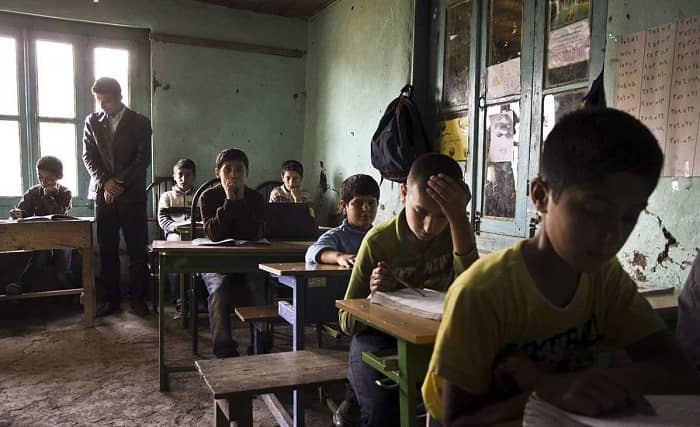
State-run media in Iran, on the verge of the new school year, report that “790,000 students” have not yet registered to attend classes.
One day before the new school year, on Saturday, September 21, the state-run Tasnim news agency quoted an education official stating that 890,000 students have not yet ordered their textbooks, and of these, only 100,000 have enrolled in schools.
This figure was provided by Mohammad Alavi-Tabar, the Deputy Head of the Educational Research and Planning Organization.
The news agency described this situation as “unprecedented” and reported that some regular public schools have refused to enroll students due to “poor grades” or “lack of available capacity.”
Previously, Tasnim had reported that some parents faced “difficulties created by certain public school administrators” when enrolling their children in entry-level grades—first, seventh, and tenth grades.
Meanwhile, according to the Deputy Minister of Secondary Education, as of September 8, only 87% of students had enrolled in the tenth grade, with “13% remaining unregistered.”
According to Tasnim, citing Ministry of Education statistics, the number of students in the new academic year is around 9.2 million in elementary school, 3.8 million in lower secondary school, and 2.9 million in upper secondary school.
Resalat newspaper, which is close to the ruling faction, reported last September that the number of out-of-school children and adolescents had increased by more than 17% over six years.
The Iranian Teachers’ Organization and the Cultural Association, in a statement at the start of the previous academic year, attributed the rise in dropout rates to the widening class gap, poverty, and inequality in the education system.
177-Year Wait for Tehran Residents to Buy a Home If Prices Stay Stable for 200 Years
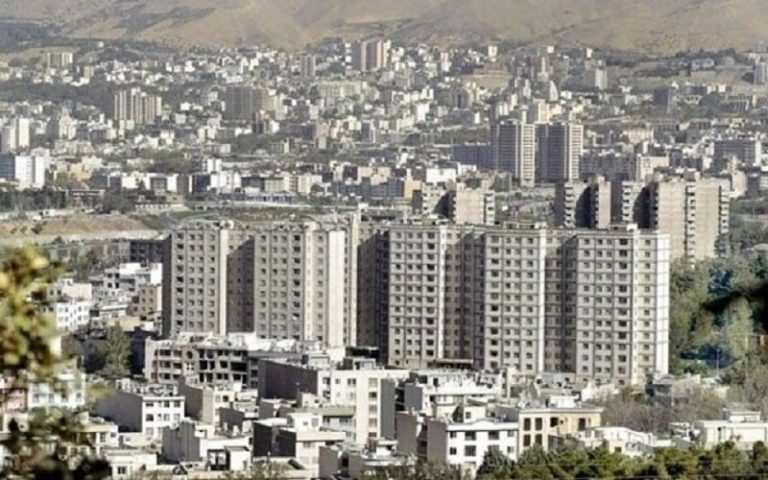
The housing crisis in Iran has manifested as substandard housing and housing poverty in Tehran. Media reports indicate a 17% increase in prices in August, with the average housing price surpassing 880 million rials (approximately $1,466), and an estimated 177-year wait to purchase a home, assuming prices remain stable for the next two centuries.
On September 20, the state-run Tasnim News Agency reported: “While the average annual income for urban households has reached 2.56 billion rials (approximately $4,267), Tehran households can expect to become homeowners after 177 years if they save part of this income.”
Tasnim emphasized that the average housing price in Tehran has reached 885 million rials, and given this price, the wait for a Tehran household to purchase a 100-square-meter unit is about 177 years, assuming housing prices remain unchanged for the next two centuries.
The state-run ISNA news agency also reviewed housing prices in the Iranian capital, noting that District 18, with an average price of 420 million rials (approximately $700) per square meter, is the cheapest area in Tehran’s housing market.
ISNA added that District 1, with an average price of 1.79 billion rials (approximately $2,983) per square meter, is the most expensive area in the capital, with a 33% price increase over the past year.
The news agency added that in August of this year, the average price per square meter of housing in Tehran was 885 million rials, showing a 16.8% increase compared to the previous year and a 1.2% rise from the previous month.
According to some experts, over the past decade, housing has been on the path to becoming a major crisis for households.
In recent years, government promises to solve the housing problem have also gone unfulfilled.
During his election campaign and after assuming office, former regime president Ebrahim Raisi had promised to build one million homes a year. However, more than three years into his administration, and following his death, no significant progress has been made in this regard, and concerns about the continuation of the current trend persist under Massoud Pezeshkian’s government.
