

Iranian Nurses Earn Twice Their Wages in Ride-Hailing Services
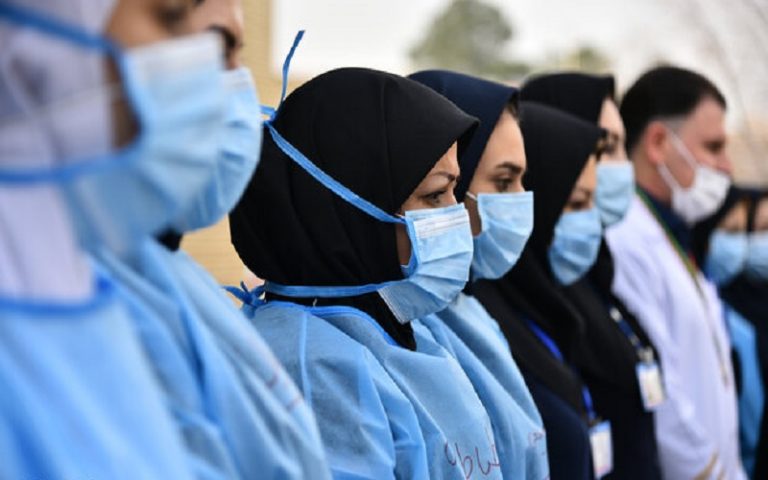
Reza Aryanpour, a member of the regime’s Majlis (parliament) Health and Treatment Commission, highlighted the growing trend of nurses migrating. He stated that nurses working for online ride-hailing services earn around 400 million rials (approximately $652), while those in their regular nursing positions receive between 150 and 200 million rials (approximately $245-326).
In an interview with the regime’s Young Journalists Club (YJC), affiliated with the state TV broadcasting (IRIB), Reza Aryanpour emphasized that nurses “do not migrate out of happiness, however economic issues being the primary factor.”
According to this member of Majlis (parliament), all hospitals in the country are currently experiencing a shortage of doctors and nurses. The Ministry of Health and Social Security is prepared to attract 100,000 nurses to address this shortage.
Heavy workloads, low wages, delayed payments, inflation, and work environment issues are among the problems faced by medical staff, as highlighted by Aryanpour.
Previously, a member of the Iranian Nursing Organization stated that nurses’ incomes “do not sustain their livelihoods, forcing them to take on multiple jobs.”
According to the regime’s Mehr News Agency, Azam Fakhri Mahmoodi announced on February 14, that nurses’ overtime pay was 150,000 rials (approximately $0.24) per hour. She emphasized that educated nurses receive significantly lower overtime compensation in comparison to those with only primary education.
During a meeting on March 3, 2024, between members of the Nursing Organization and Bahram Eynollahi, the regime’s Minister of Health and Medical Education, issues regarding the treatment and education of nurses under the government of Ebrahim Raisi were discussed, but no positive outcome was reached.
Current events and livelihood problems have exacerbated the migration of nurses. The second vice-president of the Nursing Organization suggested in January 2024 that improving nurses’ livelihoods is crucial for retaining medical staff.
In this regard on March 12, Abolghasem Aboutalebi, a member of the Nursing Organization of Iran, described the situation of nurse migration from the country as being “on the verge of crisis.” He called for a solution to address this issue.
According to Aboutalebi, while approximately 10,000 nursing staff are trained annually in the country, nearly 3,000 nurses migrated in 2022.
The state-run IRNA news agency reported on December 11, 2023, under the title “Nurses Migrate, Officials Observe,” quoting Nurse House Secretary General Mohammad Sharifi Moghaddam, who highlighted the consequences of the nurse shortage in the country resulting in the death of patients.
Mohammad Sharifi Moghaddam, secretary general of the Nursing House, also expressed the dissatisfaction of over 90% of nurses in Iran, citing livelihood problems, income disparities, discrimination among medical staff, inadequate implementation of tariff legislation, lack of employment opportunities, compulsory overtime with minimal compensation, and burnout.
Sharifi Moghaddam explained the income gap among medical staff, stating that the average salary of a newly hired nurse is 9 million tomans, which is insufficient to cover living expenses, while a specialist doctor in the public sector earns over 1.4 billion rials (approximately $2,284) per month.
Nurses are among the groups that have recently expressed dissatisfaction with their jobs and livelihoods to the regime’s authorities through mass protests, demanding the addressing of their grievances.
Reports indicate that these protests have been met with punitive measures by regime officials, such as imposing six-month suspensions from service for nurses who take part in protests.
While the wave of emigration from Iran is not limited to nurses and includes various groups such as students, workers, doctors, and specialists, experts have warned about the consequences of the country’s labor force leaving.
Iran: Unprecedented Record of 152 Million Liters of Gasoline Consumption Per Day
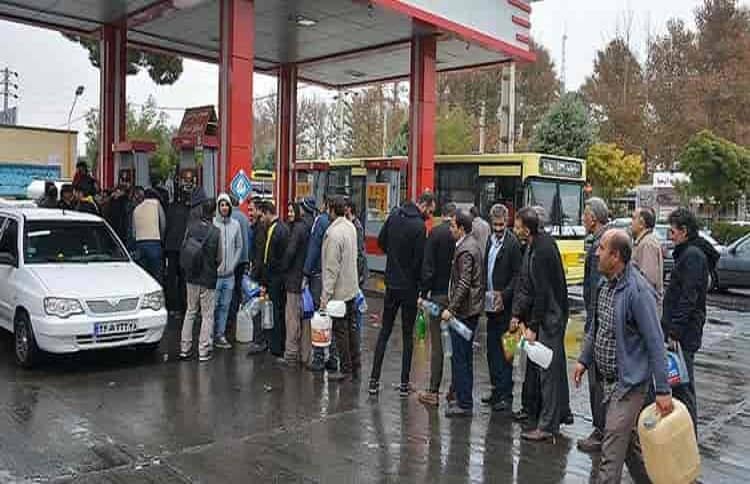
On March 19, Iran set a new historical record in gasoline consumption with 152 million liters consumed in one day.
This record-breaking consumption comes at a time when, according to Iranian regime’s media reports, the production of gasoline in Iran’s 10 refineries under optimal conditions is at a maximum of 117 million liters per day.
However, this figure also includes gasoline from petrochemical sources, which, according to some experts, is technically unauthorized and carcinogenic.
Nournews website, linked to the regime’s Supreme National Security Council, has described the increase in gasoline consumption in the country as a “major challenge” and announced that the Ministry of Oil has resorted to strategic gasoline reserves to meet the country’s fuel needs.
On the first day of the Persian new year (beginning on March 21), Ja’far Salari-Nasab, CEO of the Oil Products Distribution Company, announced that daily gasoline consumption has increased by 25 million liters compared to the same time last year.
Nournews website has analyzed gasoline consumption statistics in recent years from a security perspective and noted that the daily gasoline consumption increase from 88 to 122 million liters in just two years is a matter that cannot be overlooked easily, as annually $80 billion, which is twice the country’s oil revenues, is spent on fuel subsidies.
The concerns arising from gasoline consumption and its costs have compelled the government to consider increasing prices and reducing quotas, an event that could have social repercussions; a recent example being the November 2019 protests and the subsequent massacre of protestors against the gasoline price hike during then-regime president Hassan Rouhani’s administration.
However, the government, ignoring these repercussions, is preparing public opinion for this action, and in this regard, the economic minister’s advisor, on March 8, deemed the increase in gasoline prices in Iran inevitable and stated that the government must first engage with the people through authorities, scholars, and experts before raising gasoline prices.
These statements came after Kazem Azizi, deputy of industries and energy at the Transportation and Fuel Management Headquarters, in an interview with the Hammihan newspaper on March 5, had announced the government’s plans for gasoline, including eliminating the subsidized gasoline quota and increasing its price to 30,000 rials (approximately $0.04) in the final step.
Azizi emphasized that if the government aims to control consumption, this action will only take place with a price increase from 15,000 to 150,000 rials (approximately $0.24).
The state-run Hammihan newspaper also referred to sanction issues and currency problems and quoted Azizi as saying, “It’s a crisis.”
Alongside these statements, media outlets and government-linked experts continuously discuss gasoline shortages and the budget required for imports to prepare public opinion for gasoline changes.
In this regard, Hashem Oraee, the head of the Union of Energy Scientific Associations, announced on February 25th the import of $4 billion worth of gasoline and diesel and stated that the regime’s Supreme Leader, Ali Khamenei, expressed dissatisfaction, asking, “Why should we import gasoline?”
The semi-official ILNA news agency also reported in February, based on its own reporters’ information in the corridors of the parliament, that the government plans to move towards a three-tiered gasoline system by reducing the quota for free gasoline or the 30,000-rials gasoline, starting from next spring.
Ahmad Vahidi, the Minister of Interior, stated on December 6th, “One liter of our gasoline is cheaper than one liter of water.”
The increase in gasoline prices during President Hassan Rouhani’s presidency in November 2019 led to widespread protests in Iran. In response to these extensive protests, the Iranian regime took action to suppress the protesters.
These protests resulted in the deaths of at least 1,500 people. Khamenei had ordered governmental and security officials to do “whatever it takes” to stop the protests during this unrest.
Iran’s Youths Have Highest Unemployment Rate
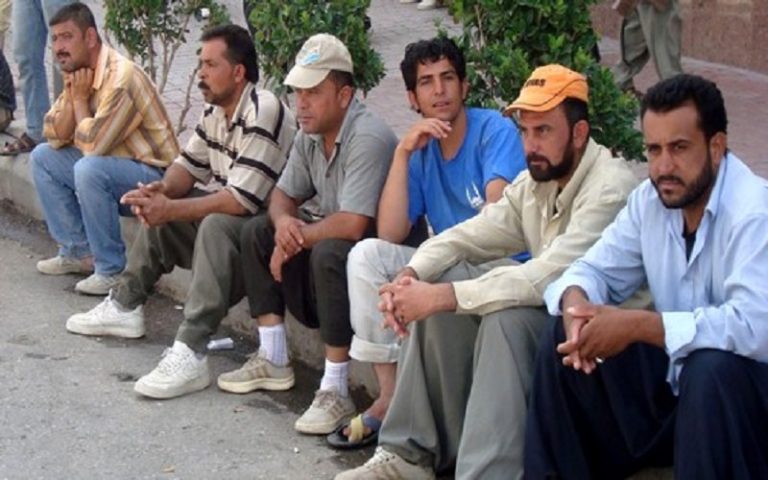
The Iranian regime’s Eghtesad News website reported that data from the Statistical Center of Iran shows that the youth unemployment rate in the age group of 15 to 24 is higher than the overall national unemployment rate, with one of the reasons being cited as the limitation in coordinating work hours and education.
Official statistics indicate that the highest level of youth unemployment, aged 15 to 24, was recorded in the winter of 2010.
The state-run Ecoiran website also wrote in a report that in the spring of 2005, the unemployment rate for youth aged 15 to 24 was 24%, and in the winter of 2010, the unemployment rate for youth in this age group exceeded 31%, which was the highest unemployment rate recorded in the past 19 years.
Youth unemployment reached 30% in 2016, with one of the reasons being the increased inclination of individuals to enter the job market and the lack of capacity to absorb all the unemployed in the job market.
Ecoiran also wrote in October 2023, based on published official statistics, that the active population in the summer of 2023 reached nearly 26.8 million, and emphasized that the assessments indicate that in the summer of 2023, 2.115 million of these individuals failed to find a job and are considered unemployed.
This economic website, referring to available statistics, wrote that in the summer of 2023, there were 1.643 million unemployed individuals aged 18 to 35 in the job market in Iran.
At the same time, the regime’s Etemad daily also wrote in a look at these statistics that since the coronavirus pandemic, more than 3 million individuals have been added to the “working age population” in Iran, but jobs have not been created to the same extent, and a large portion of the new job seekers remain unemployed.
Media reports in February 2024 indicate that in the fall of 2023, the unemployment rate for women aged 15 to 24 in 26 provinces was above 20%. Ecoiran also addressed this issue and wrote that this rate is higher than this rate for young men in 14 provinces. Statistics published by the Statistical Center show that the unemployment rate for young men in the fall of last year was 18.5%, and this rate for women in Iran as a whole was 28.9%.
Some experts and analysts point out that despite the numerous promises by senior government officials regarding the creation of “millions of jobs,” official statistics indicate the prevalence of youth unemployment in Iran.
Based on this, they refer to official statistics and declare that “42.8% “of the total unemployed population in the country have higher education degrees and a significant portion of them are “educated rural women.”
The regime’s president, Ebrahim Raisi, has been promising the creation of “one million jobs annually” since June 2021, a slogan that has also been repeated by Sowlat Mortazavi, his labor minister, and has faced numerous reactions. Experts have repeatedly emphasized that governments in the Iranian regime manipulate indicators or shift time frames, effectively engaging in statistical manipulation.
Iran’s Regime Collects 10% of Workers’ Wages in Taxes
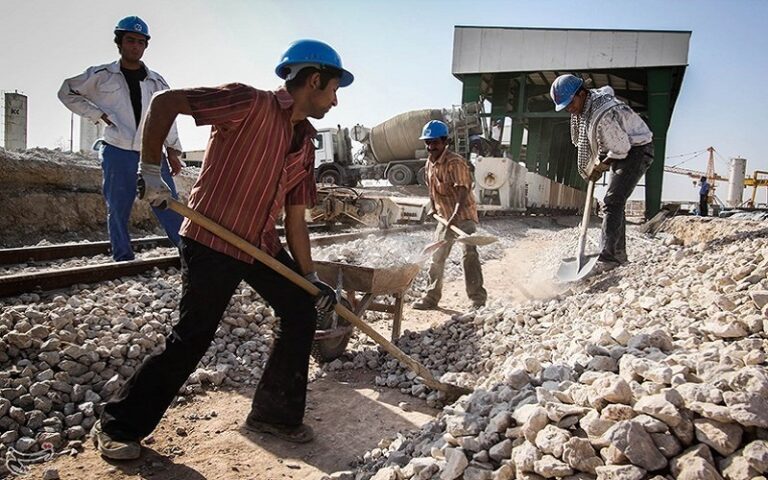
Ayat Asadi, a member of the Iranian regime’s Supreme Labor Council, announced that the government will impose a 10% tax on wages exceeding 100 million rials (approximately $163), and based on this, wage increases for workers will be less than 30%.
According to ILNA news agency, Asadi stated that it was planned to reconsider the issue of calculating wages exceeding 100 million rials among taxpayers subject to the 10% tax, through a bill to be sent by the Minister of Labor, but there is still no news of this bill.
Asadi emphasized that discussions on deductions, insurance, and taxes on wages practically limit the increase in minimum wages to less than 30% and less than 20% for other levels.
According to him, taxes on earnings are still exempted based on less than 100 million rials, so the majority of wage earners must deduct 10% tax from their income.
Asadi noted that this is a statistical game to say that wages have mainly reached 110 or 120 million rials (approximately $180 to $196).
According to the approved wage resolution of the Supreme Labor Council, which was only ratified by the representatives of the government and employers, the minimum wage of workers covered by the labor law has increased by 35.3% compared to the previous year.
The increase in wages for other levels was also determined to be 22% plus a monthly fixed amount of 6.9 million rials (approximately $11.5). Considering other wage items, the minimum received by workers covered by the labor law, married and with two children, will be 111.07 million rials (approximately $181.5) next year.
Also, the minimum wage for workers covered by the labor law, married with one child, has been set at 108.92 million rials (approximately $176.5).
The determination of these wages by the representatives of the government and employers has faced widespread protests from labor unions.
The latest “official calculations” indicate that the cost of living basket in the current year has been over 220 million rials (approximately $359.5). However, other figures such as 250 million have been announced (approximately $408.5).
In this regard, the state-run Tasnim News Agency wrote on March 13 that “according to the announced statistics, the poverty line for a four-member household is about 250 million rials ($408.5).”
This is while citizens and many economic experts consider the poverty line, given the nearly 50% inflation, to be at least 300 million rials (approximately $490).
Iran’s Real Estate Market Entering Stagflation in 2024
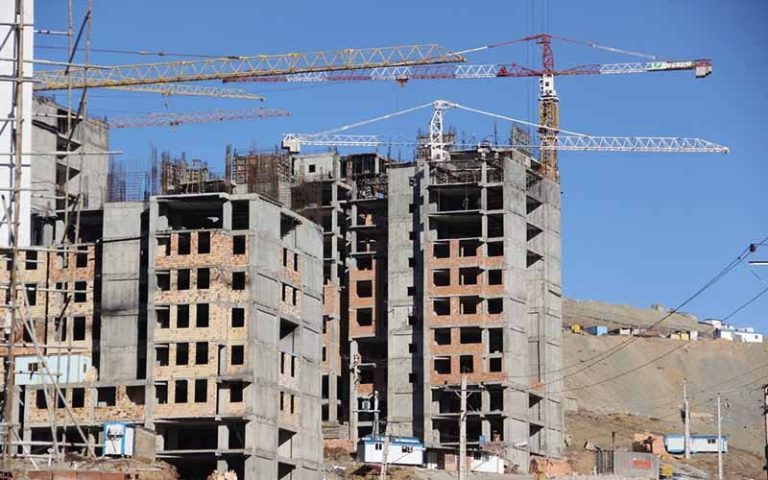
The Iranian real estate market is entering a new stagflation period in 2024 due to the increase in the dollar exchange rate.
Saeed Lotfi, the secretary of the Real Estate Consultants Union, mentioned the housing market in spring 2024, stating that with the growth of the dollar rate, there is a possibility of a recurrence of stagflation in the housing market.
In an interview with the state-run ILNA news agency on March 22, Lotfi emphasized that the government’s announcement of the official inflation rate at the beginning of the Persian New Year, beginning on March 20, affects all markets, including housing.
In mid-September 2023, Hamshahri newspaper, the news organ of Tehran Municipality, confirmed a recession in the housing and construction sector, stating that the housing market has entered one of its toughest recession periods after the unreasonable price hike in winter 2022.
The report pointed to a decrease in liquidity circulation in the housing market and the inability of some developers to continue construction, emphasizing that the cessation of liquidity injection by the banking system is one of the factors affecting the recession in construction.
The secretary of the Real Estate Consultants Union, in his conversation, referred to the closure of the new year coinciding with the month of Ramadan and very weak transactions in April due to the market’s anticipation of the announcement of economic indicators such as the inflation rate. He reminded that until stability is observed in the housing market, there will be no news of transactions in it.
Stagflation refers to an increase in average prices despite a decrease in transactions and demand.
According to Lotfi, people’s purchasing power does not match the current housing market prices, and with price increases, the volume of transactions will decrease further, ultimately reducing people’s purchasing power.
Lotfi referred to the experience of stagflation in the housing market in previous years and stated that the market is currently “in recession, and its transaction volume has decreased.”
He predicted that if the dollar rate continues to grow, the housing market will not show immediate effects, but it will lead to stagflation in the housing market this year with some delay.
Lotfi said that although the government managed to suppress the housing price increase from March to November 2023 by controlling the dollar rate, the growth of the dollar rate in early 2024 would also affect housing.
The Iranian Statistical Center, in mid-October 2023 and after eight months of data suppression and censorship, reported a record annual inflation rate of 84 percent for residential properties in the capital in September.
According to this report, the weighted average price per square meter of residential apartments in Tehran reached around 810 million rials (approximately $1,350) in September.
It is noteworthy that the minimum wage for workers in 2023 was around $133.
Weighted average is an average that reflects the relative importance of different factors considered in averaging.
In the eight months when the Iranian regime’s Statistical Center halted the publication of housing price statistics in the capital, the price record reached its highest level in June 2023.
Experts had assessed that this factor was the most important motivation for the statistical center and the central bank to censor and withhold statistics related to housing market developments in the early months of recent years.
The housing price inflation rate in June 2023 was reported to be close to 122 percent point-to-point, but by September, it had slightly moderated to over 75 percent.
In other words, the weighted average price per square meter of residential apartments in June 2023 was more than double the average prices in June 2022.
The housing market and the construction sector in Iran have been in recession over the past four years due to reasons such as general inflation, increase in exchange rates, and fluctuations in the price of construction materials.
Iran’s Dam Water Reserves Shrink by 10% in Current Year

An assessment of Iran’s water resources from September 23, 2023, to March 16, 2024, indicates that 33 major dams in the country have less water than in 2022. The volume of reservoirs has decreased by more than 10% compared to the same period in the previous year.
In recent months, experts have repeatedly warned about drought in Iran and its consequences.
The ISNA news agency reported on March 21 that the volume of water in Iran’s reservoirs reached 23.18 billion cubic meters from the beginning of the current water year, September 2023, to mid-March 2024, indicating a 10% decrease compared to the previous year.
Alongside this decrease, an examination of the outflow from the country’s reservoirs during this period indicates a “seven percent increase.”
Further examination of other indicators in this regard shows that the reservoir storage level in Iran has reached 47%, and the inventory of 33 dams is lower than the previous year.
Earlier, the media had warned about the severe reduction in the water volume of 13 dams and the concerning situation of 40 other dams.
In mid-February 2024, Tasnim News Agency reported that due to reduced rainfall, the regional water company refrained from providing statistics on Tehran’s dams. On February 10, 87% of the capacity of Tehran’s five major dams was empty.
The media also reported a 31% decrease in rainfall in Tehran.
Tehran is experiencing its fourth consecutive year of drought, which, in the past 50 years, has always been followed by a year of rainfall scarcity.
In January 2024, IRNA reported a 40% decrease in rainfall since the beginning of the current water year compared to the long-term 55-year period, and a 21% increase in water outflow from the dams.
New assessments by ISNA from September 23, 2023, to March 16, 2024, indicate a 27% decrease in total precipitation compared to the long-term average for a similar period.
Ahad Vazifeh, the head of the regime’s National Climate Center and acting head of Iran’s drought crisis management, warned in January 2024 about Iran’s fourth year of drought, stating that water resources have decreased by 30% compared to the previous year, and rainfall has also decreased.
He stated that the rains in autumn and winter were not sufficient to compensate for Iran’s water scarcity: “Every rainfall only partially meets the needs of the year, and the shortages are not fully compensated because the effects of drought do not disappear, and nature retains them in its memory.”
On February 1, 2024, Firouz Qasemzadeh, a spokesman for the water industry, reported that 132 days into the water year, predictions of rainfall had not been met, and 2023, as the fourth consecutive dry year, was facing a serious reduction in rainfall.
The increase in demand for water and the impoverishment of water resources are remembered as the main reasons for the water shortage and drought in recent years in Iran.
Iran is experiencing its fourth year of drought, with the effects of the past three years still evident, and according to forecasts, this year’s summer will be difficult and tense in terms of water supply for citizens.
Iran’s regime, with its unprincipled and misguided policies, has led to the waste of a significant portion of the country’s water resources and the drying up of important Iranian lakes. Instead of investing in this sector, the Iranian regime spends the revenue from oil sales on terrorist purposes and financing its proxy groups in the Middle East.
Iranian Regime’s Covert Efforts to Acquire Uranium in Africa
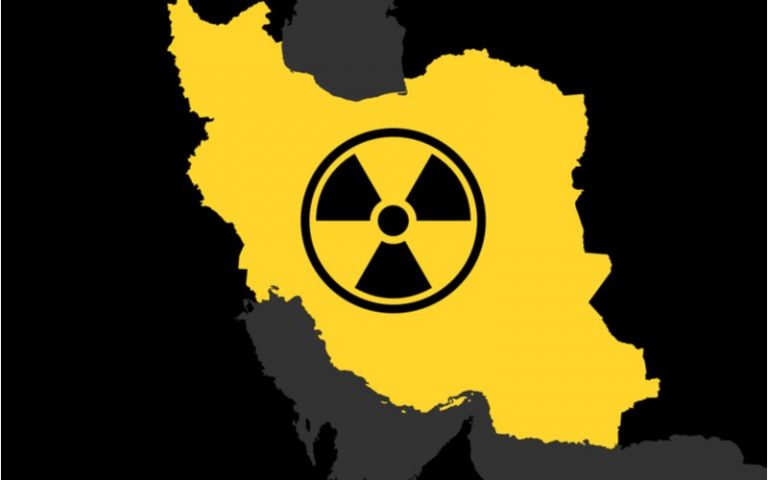
Recent reports indicate an increased covert effort by the Iranian regime to access uranium and gold resources in African countries such as Niger.
The Wall Street Journal recently reported, citing officials from Niger and the United States, that Niger has decided to end its counterterrorism alliance with Washington.
In August 2023, the presidential guard of Niger launched a military coup against President Mohamed Bazoum.
From the outset, it was evident that military dominance in this former French colony could complicate Western efforts to assist countries in West Africa in combating extremist insurgencies that have spread from Mali over the past decade.
Niger’s decision to terminate military cooperation with the United States deals a serious blow to America’s efforts to contain the widespread extremist insurgency in the West African Sahel region.
According to The Wall Street Journal, this decision could impact the $110 million base established by the United States in Niger for operating surveillance drones over West Africa.
Additionally, it may force over 600 American troops stationed in Niger to leave the country.
Concerns arise regarding the transfer of uranium from Niger to Iran.
The Wall Street Journal reports that senior US officials and other Western countries have recently obtained information indicating that the Nigerien military government is secretly considering a deal with Iran, granting the Iranian regime access to some of Niger’s vast uranium reserves. According to this report, negotiations for such an agreement continued in a meeting between Nigerien Prime Minister Ali Lamine Zeine and Iran’s Ebrahim Raisi in Tehran on January 25. The Wall Street Journal continues that the two sides have signed a preliminary agreement allowing Tehran to acquire uranium from Niger. The International Atomic Energy Agency, the United Nations’ nuclear watchdog, had previously supervised uranium extraction in Iran and the production of yellowcake by the country, but Tehran has halted this oversight. Reports of Iran’s efforts to access uranium in Niger are related to the past year and after the military coup in the country. Similar reports were published over a decade ago when Mahmoud Ahmadinejad, the then-president of Iran, visited Niger. According to French news agency reports quoting Nigerien officials, in 1984, the Iranian regime asked the Nigerian military government to buy uranium.Iran’s greed extends to other African countries.
Niger, Burkina Faso, and Mali, three neighboring countries in the African west coast, are currently ruled by coup leaders, and the Iranian regime has established close relations with them. Burkina Faso is a major gold producer in the world but does not yet have any uranium mines. In recent years, various reports have been published about the presence of uranium traces in some areas of Burkina Faso.Iran’s Economy in Deep Crisis During the Month of Ramadan
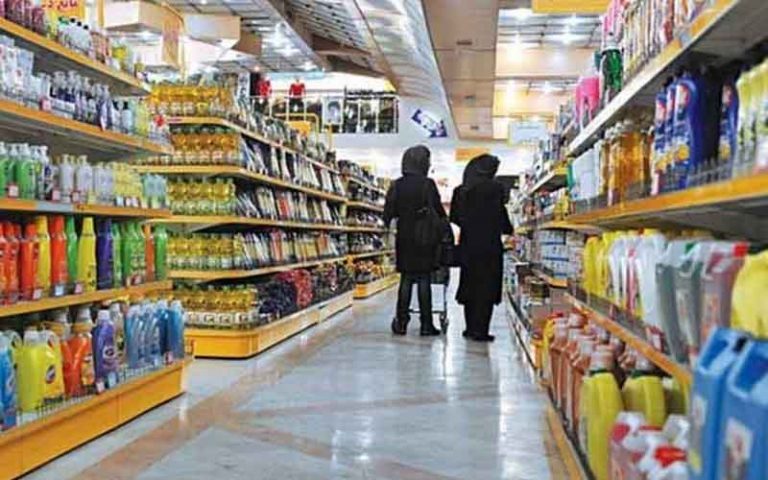
Economic pressures in Iran continue to rise, and with the beginning of the month of Ramadan, the depth of the economic crisis has also become apparent as Iranian media report a minimum daily wage of 2.5 million rials (approximately $4) compared to a household expenditure of 6.5 million rials (approximately $11) for daybreak and iftar meals.
The regime’s rouydad24 website has addressed this issue in a report, stating that the iftar or daybreak for a family of five costs 4 million rials (approximately $6.6).
Based on this estimate, the minimum cost of an iftar meal is also estimated to be between 2 to 2.5 million rials.
According to this report, this expense of 6.5 million rials comes at a time when the average daily income of a simple worker is around 2.5 million rials.
Comparison of the figures provided by rouydad24 indicates that spreading an iftar and complete dinner for a family of five in the past year amounted to more than 2.5 million rials.
Additionally, in 2022, the cost of preparing an iftar meal in the most minimalistic scenario was approximately 1.5 million rials (approximately $2.5).
The website attributes the current trend in Iran’s economy and the resulting conditions for households to the performance of the Ebrahim Raisi’s government, stating: “Now it seems that a century has passed since those days, and the outcome of Ebrahim Raisis’s economic surgery is nothing but economic paralysis.”
It is emphasized based on market activity that for years, wages have lagged behind expenses, and Iranian iftar and daybreak have reduced in size.
Statistics published by the Statistical Center of Iran indicate that in February 2024, the annual inflation rate for food and consumer services in the “red meat and poultry” sector was 93.3%, and in the field of red meat, white meat, and its products, it was 90.7%. This means that in February 2024, Iranians spent at least 90% more on meat purchases than in February 2022.
Furthermore, in February 2024, public transportation services became 57.4% more expensive compared to the same period last year, and consumers paid 62.5% more for hotel and restaurant services compared to the previous year.
Reports indicate that rampant inflation has become one of the biggest economic challenges in Iran. This challenge has severely affected people’s daily lives and made their meals smaller.
Corruption Allegations Surround Tehran’s Friday Prayer Leader Amid Factional Struggles
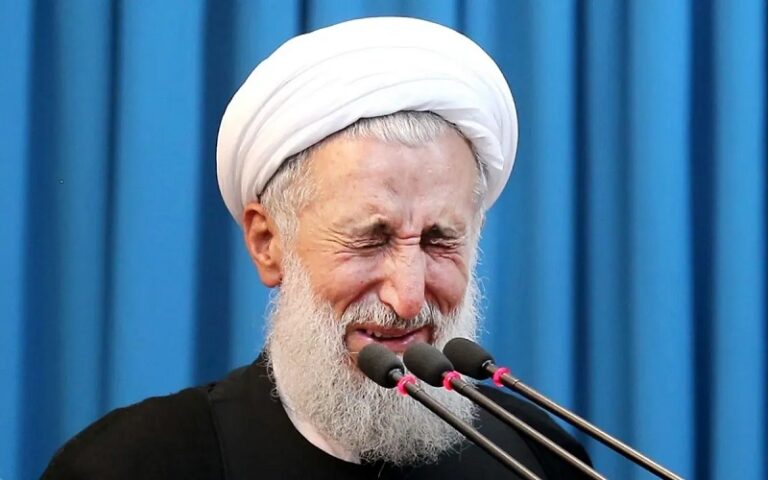
Recent reports from Iran suggest that Kazem Sadighi, Tehran’s Friday Prayer Imam, has allegedly seized a property valued at over 10 trillion rials, amidst a backdrop of rampant corruption and embezzlement in the country. This development underscores the growing prevalence of such financial malfeasance, with headlines detailing multi-billion-dollar scandals becoming a regular occurrence in Iranian newspapers.
According to government media, in 2003, Kazem Sadighi, who then served in the judiciary, established a seminary in Tehran known as the “Khomeini Seminary.” This seminary, located in Ozgol District, among the best places in the country’s capital, gradually expanded under Sadighi’s ownership, now encompassing a property of approximately 23,000 square meters in northern Tehran.
The fate of a triangular garden measuring 4,200 square meters situated in the northeastern corner of this property has sparked controversy. Allegedly, it ended up being owned by a company for personal exploitation, owned by Kazem Sadighi and his children, with an estimated value exceeding 1,000 billion tomans.
Furthermore, a company named Peyrovan Andishehaye Qaem (PAE) [Persian for Followers of Imam Mahdi] was founded in Iran in 2023. The composition of the founders and the board members of this company indicates that Kazem Sedighi and his children are its principal owners:
- Kazem Rajabi Sedighi
- Mohammad Hossein Rajabi Sedighi, his son
- Mohammad Mahdi Rajabi Sedighi, his son
- Rezvaneh Ghavam, Sedighi’s daughter-in-law, is also introduced as an inspector of this company
Housing Accounts for Half of Spending by Tehran Households
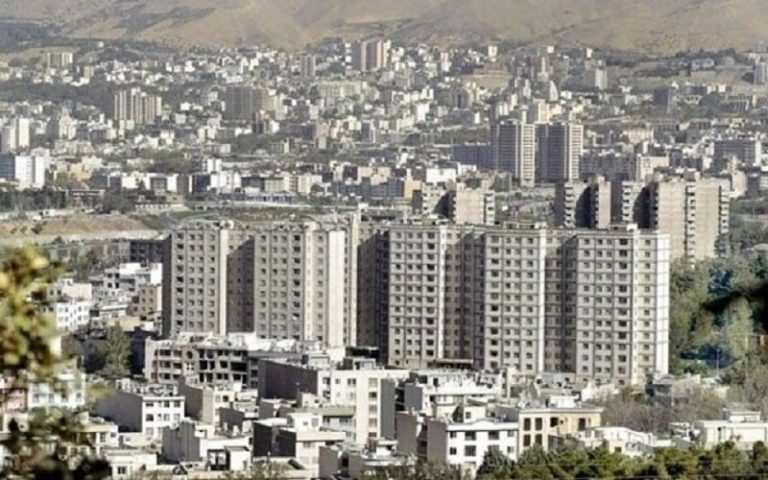
Official statistics on income and expenditures of households in Tehran show that urban households in the capital of Iran allocated half of their expenses to housing last year. Some analysts believe that with the increase in housing costs from last year to today, this share has significantly increased.
Didbaniran website wrote in a report on this issue that this proportion in Tehran constitutes half of the households’ expenses, while in Bushehr province, only 21 percent of expenses are allocated to housing.
Although the information published by the Statistical Center of Iran is always viewed with skepticism by the public and experts, this statistic also indicates that the economic conditions in Iran are nearing crisis levels.
According to the same statistics, the average share of housing expenses in Iran as a whole was 38.1 percent.
According to the latest report from the Iranian government’s Statistical Center, the average housing price in Tehran increased to about 806 million rials (approximately $1,357) in January 2024. A development that Tasnim News Agency reported has rendered mortgage loans in Tehran ineffective because with a mortgage from the “Housing Bank,” one can only purchase about 8.3 square meters of housing in Tehran.
This news agency, close to the Revolutionary Guards (IRGC), emphasized in a report on March 10 that the government’s policies have been “ineffective” and have not led to the public welfare in the housing sector.
The reduction in people’s purchasing power is the most important factor in the inability of applicants to acquire housing. In this regard, during the summer of the current year, the Research Center of the regime’s Majlis (parliament) wrote in a report that until the beginning of the 2010s, first to third deciles were practically deprived of access to suitable housing due to their inability to pay bank installments.
Now, these deciles are “absolutely” unable to afford the necessary housing, and even the fourth and fifth deciles and even part of the sixth decile are “relatively” unable to secure housing.
During the his presidential elections campaign, Ebrahim Raisi promised to build one million housing units per year, but with more than two years of his government’s tenure, he has not yet achieved anything in this regard.
