

Deadlock and the Necessity of Difficult Diplomatic Decisions for Iran’s Regime
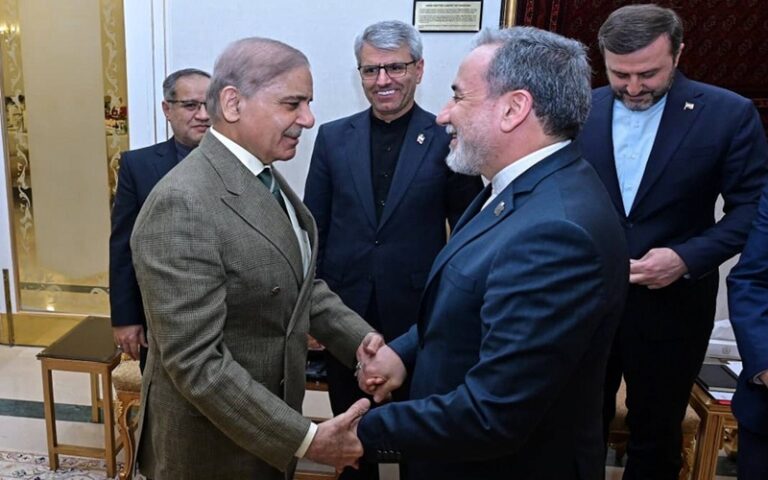
Iran’s regime in 2026 is in a situation that can be described as the intersection of accumulated crises. While in previous years foreign policy served as a tool for the temporary management of tensions, in 2026 diplomacy became the only means of survival for the country’s struggling economy.
Imbalances in the budget, energy sector, pension funds, and environment no longer allow foreign policy to proceed independently of economic realities. These imbalances have placed the regime before the test of making difficult decisions. Difficult decisions are no longer merely a political term but an unavoidable necessity for overcoming accumulated deadlocks. At this juncture, the regime faces new realities in the international arena, including the Trump administration in the United States and shifting power dynamics across the region. In 2026, the regime’s foreign policy can no longer be based on “buying time.” The nuclear issue stands at a crossroads between decline and renewal. A large portion of the technical restrictions imposed under the Joint Comprehensive Plan of Action (JCPOA) are nearing expiration under the timetable established by United Nations Security Council Resolution 2231. This situation has placed Iran’s regime before a difficult choice: accepting a new comprehensive agreement extending beyond nuclear issues to include missile and regional matters. Such a decision would require substantial consensus at the highest levels of the regime’s ruling establishment.
Factional War Over a U.S. Agreement Spills into Iran’s Streets as Rifts Open Across Regime Factions
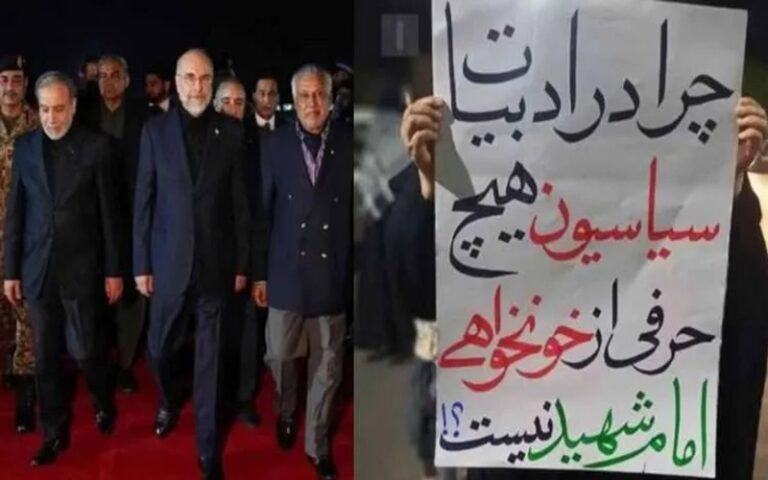
As reports of a final agreement between Iran’s regime and the United States grow louder, signs of a deep political crisis within the ruling establishment have also become more apparent. Disputes over the terms of a potential agreement have moved beyond closed-door discussions and have now spilled into street gatherings, official regime platforms, and media outlets affiliated with various regime factions.
On the evening of June 13, groups of hardline supporters of the regime held nighttime gatherings in Tehran and several other cities, strongly opposing the negotiation process and the officials involved in it. At Ibn Sina Square in Tehran, slogans such as “Ghalibaf, Araghchi, what about my leader’s blood?”, “Araghchi, have some shame, leave America alone,” “Death to Araghchi, dishonorable infiltrator,” and “Ghalibaf, Araghchi, resign, resign” dominated the gathering.
Agreement Between Iran’s Regime and the United States Highlights a New Rift Within the Ruling EstablishmentThe anger of the regime-aligned protesters reached such a level that some speakers and participants accused government officials and the negotiating team of “treason” and attacked them with unusually harsh language. One protester outside the Foreign Ministry angrily insulted Abbas Araghchi, Iran’s regime foreign minister, blaming him for the country’s political deadlocks. At the same time, several members of the regime’s parliament have joined the opposition to the agreement. Amirhossein Sabeti, a member of parliament, said that 16 lawmakers attended the protest gathering and claimed that the draft agreement is even weaker than the 2015 nuclear deal (JCPOA) and ignores the “Supreme Leader’s red lines.” He warned that any retreat from the regime’s positions on issues such as the Strait of Hormuz would constitute “treason.” In the same context, Mahmoud Nabavian, deputy chairman of the parliament’s National Security Commission, read portions of what he described as the final agreement between Tehran and Washington during a live media program. He claimed that under the proposed text, Iran’s regime would retreat from part of its influence and authority in the region and the Strait of Hormuz, a move he said contradicts the publicly stated positions of regime supreme leader Ali Khamenei. Hamid Rasaei, a member of parliament, also attacked Araghchi over a social media post suggesting that an agreement was close. Referring to Donald Trump’s reposting of Araghchi’s message, Rasaei described it as evidence of a political mistake by the foreign minister and said: “Why do you publish a text that Trump welcomes?” In contrast, some media outlets and political currents close to the Islamic Revolutionary Guard Corps (IRGC) have expressed concern about the escalation of these conflicts. The state-run Javan newspaper, affiliated with the IRGC, warned in an editorial that some gatherings have become platforms for attacking the regime’s institutions and that speakers have even called for dissolving the Supreme National Security Council and taking action against senior officials. The newspaper spoke of the “seeds of division and discord” among the regime’s supporters. As these disputes intensified, Gholamhossein Mohseni Ejei, head of the regime’s judiciary, warned about internal divisions and called for preventing the infiltration of “ill-wishers” into the regime’s ranks. At the same time, he reiterated the regime’s complete distrust of the United States, a stance reflecting efforts by the ruling establishment to contain the internal crisis. Meanwhile, Ahmad Alamolhoda, Ali Khamenei’s representative in Mashhad, attacked any optimism toward the United States and stressed that “No agreement will be acceptable unless it is approved by the Leader.” He compared relations between Iran’s regime and the United States to the story of “the mouse and the cat” and described any trust in Washington as deception. At the same time, Hossein Shariatmadari, editor-in-chief of the state-run Kayhan newspaper and a representative of Ali Khamenei at the publication, attacked the government and negotiating team, asking on what basis Iran would give up leverage such as closing the Strait of Hormuz. His remarks reflected concerns among hardline factions about possible concessions in a new agreement. These developments come as various regime officials have repeatedly warned in recent weeks about the dangers of “disagreement and division.” Iranian regime president Masoud Pezeshkian had previously called for avoiding the public airing of internal disputes, while a message attributed to Mojtaba Khamenei during ceremonies marking the anniversary of Ruhollah Khomeini’s death also emphasized the need to preserve unity within the regime. However, what is now visible in the streets, parliament, state-run media outlets, and official platforms points to a different reality. Protests by forces close to the Paydari Front, counterattacks by IRGC-affiliated media, repeated warnings from senior officials, and efforts to contain the crisis all indicate deepening fractures within the regime’s power structure.
A Sign of a Deeper Crisis
The verbal and political war over a possible agreement with the United States is not merely a tactical dispute over negotiations; it reflects a deeper crisis at the top of the ruling establishment. Pressures stemming from war, economic deadlock, concerns about the consequences of concessions in negotiations, and competition among power factions over the future of the regime have now reached a stage where they are increasingly difficult to conceal. As a result, the closer the regime comes to making a decision on an agreement, the more visible its internal divisions become and the sharper the confrontation between rival factions grows. Many observers view this situation as a sign of the erosion of cohesion within Iran’s regime power structure.The Effects of Sanctions Relief and Negotiations on Iran’s Economy
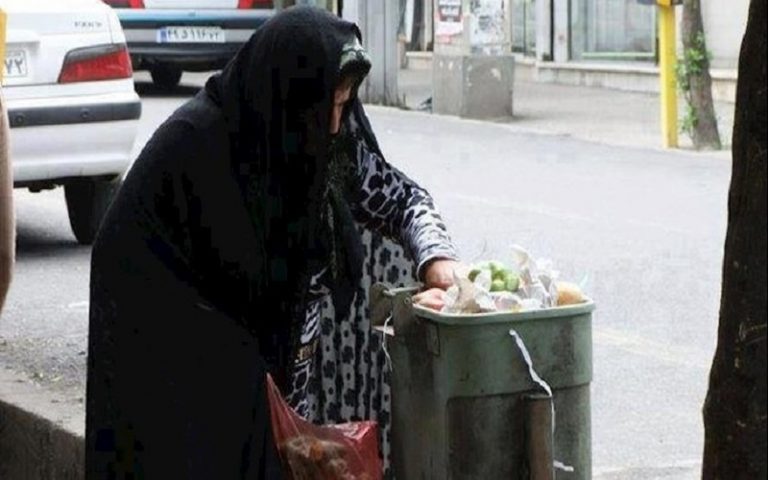
Today, Iran’s economy is simultaneously suffering from chronic inflation, declining investment, the erosion of the middle class, expanding poverty, the emigration of skilled professionals, and political uncertainty. The combination of these factors has pushed the country’s economy to a point where many indicators show signs of a structural crisis that can no longer be concealed through temporary measures.
The Economy at Ground Zero
A significant portion of today’s problems is the result of years of ineffective policymaking within the power structure. Even before the recent escalation of tensions, Iran’s economy was struggling with deep-rooted problems. Weak economic growth, chronic budget deficits, banking sector imbalances, and declining productive investment had already left the economy in a fragile state.40 million Iranians Below Poverty LineNow, every new shock exposes these accumulated weaknesses more clearly. What is visible today is not merely the consequence of a short-term event. The reality is that Iran’s crisis-stricken economy has been deteriorating for years. Many of the country’s economic and institutional infrastructures are no longer capable of meeting development needs. Under such circumstances, imagining a return to previous conditions is a major mistake. Even if some external restrictions are eased, the existing inefficient structures will remain intact. The main problem is not merely a shortage of resources; rather, it is the allocation of resources within a system overshadowed by rent-seeking, monopolies, and political interference.
Inflation, Currency, and the Repetition of Past Mistakes
One of the most important factors aggravating Iran’s crisis-stricken economy has been the exchange-rate policies of recent years. The experience of the past several decades shows that every sharp increase in the exchange rate has been accompanied by promises of economic reform, yet the end result has been nothing but higher inflation and reduced public welfare. Rising production costs have made it impossible for many businesses to lower prices even when demand declines. As a result, the market faces a situation in which both producers and consumers suffer. Households have lost purchasing power, while businesses are confronted with shrinking markets. At the same time, compensatory measures have failed. Subsidies and support programs have been unable to offset the rapid decline in purchasing power. The reason is clear: inflation resulting from currency shocks advances much faster than the government’s ability to provide financial assistance. The result of this trend has been a widening gap between household income and expenses. This gap has been particularly severe for salaried workers and laborers, placing heavy pressure on the middle class.The Vicious Cycle of Poverty and the Collapse of the Middle Class
Iran’s economy has now entered a stage that many economists describe as a vicious cycle of poverty. In this situation, declining purchasing power shrinks markets. Smaller markets reduce incentives for investment. Reduced investment leads to deeper recession and higher unemployment, which in turn intensifies poverty once again. Statistics show that exchange-rate growth over the past decade has been several times greater than wage growth. The result has been the gradual decline of a large portion of the middle class into lower income brackets. At the same time, informal employment has expanded. Millions of people work in jobs that lack insurance coverage, job security, and social protections. These groups are more vulnerable than other segments of society to economic shocks. The weakening of the middle class is not merely an economic issue. Experience in various countries has shown that the erosion of this class leads to declining social optimism, increased emigration, and a reduction in social capital. Signs of this trend are clearly visible in Iran today.Human Capital Flight and Structural Deadlock
One of the most significant costs of Iran’s crisis-stricken economy is the loss of human capital. In recent years, a large number of the country’s skilled professionals, entrepreneurs, and scientific elites have emigrated. The modern economy is more dependent than ever on knowledge and innovation. A country that cannot provide economic security, civil liberties, and a clear outlook for the future will lose its human capital. Unlike many financial losses, this damage cannot be easily reversed. Alongside this issue, an uncertain business environment has also constrained investment. Economic actors invest when they can reasonably predict the future. However, when economic decisions are driven by political and security considerations, incentives for productive investment decline. The reality is that Iran’s crisis-stricken economy is not the product of a few short-term mistakes. It is the result of decades of concentrated power, lack of transparency, widespread rent-seeking, and the dominance of structures that have not made economic development a priority. For this reason, the current crisis is not merely a temporary recession or inflationary episode. Iran is facing a deep institutional crisis. As long as these inefficient structures remain in place, any new source of revenue, any foreign agreement, or any temporary policy can only postpone the next crisis. Today, more than ever, Iran’s economy requires a fundamental transformation in the structure of governance and the way the country is administered—a change capable of creating the conditions for a competitive, transparent economy based on economic and political freedoms.Ali Khamenei’s Corpse and the Spectacle of a Dictator’s Burial
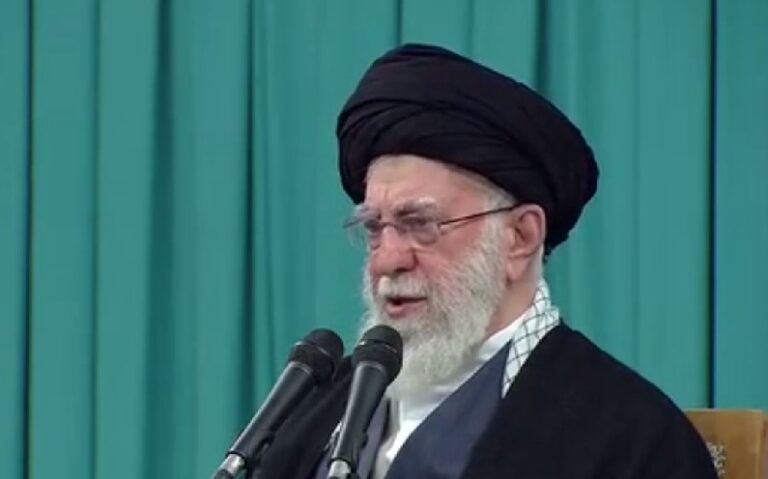
The project of burying Ali Khamenei has long been a subject of discussion among the leaders of Iran’s regime. Regime officials are allegedly seeking to stage a lavish spectacle around the burial of a bloodstained ruler in order to gain political advantage and conceal what they view as the regime’s loss of power and balance. In recent days, a series of analyses and claims have circulated on social media centered on a topic referred to as the “Khamenei Burial Project.” These narratives attempt to present a political and media-oriented picture of how ceremonies following Khamenei’s death might be managed. Within this framework, Khamenei’s burial is described not merely as a religious ritual but as an organized propaganda campaign. According to these claims, the objective of delaying the burial of Khamenei’s corpse for 100 days and synchronizing it with religious mourning ceremonies would be to counter a popular uprising. Through such a display, the regime would seek to show both the Iranian people and the international community that it still retains a social base and possesses the “resilience” to withstand both domestic unrest and foreign conflict.
Mojtaba Khamenei; From the Shadow Power Network to the Leadership of the Iranian Regime
The Scenario of Public Display and Transfer in the Khamenei Burial Project
According to these claims, the Khamenei Burial Project would involve transferring his body to cities such as Tehran, Qom, and even religious cities in Iraq including Najaf and Karbala. Under this scenario, the main focus would be the final transfer to Mashhad and coordinating the burial with major religious mourning periods. It is claimed that the organizers would seek to use the religious atmosphere of Muharram to strengthen the emotional and religious impact of the ceremonies. Such manipulative planning could be used to link religious rituals with political objectives. In this narrative, Khamenei’s burial is presented as a tool for managing public emotions and whitewashing his image as a bloodstained and criminal ruler, particularly regarding the killings of January 2026.Manufacturing Statistics and Social Imagery
Another aspect of these claims concerns the reported size of the funeral crowds. It is alleged that figures of 15 to 20 million participants would be promoted to portray broad social support. According to these allegations, regime leaders intend to reinforce this narrative through extensive propaganda campaigns, media manipulation, and large-scale filming operations. By comparing the funeral to that of regime founder Ruhollah Khomeini, they would seek to portray Khamenei as enjoying greater popularity among the public than Khomeini himself, thereby allowing Mojtaba Khamenei to use such purported support as a foundation for his own claim to leadership. Within this framework, the Khamenei Burial Project becomes a stage for media competition and the reinforcement of an image of political power. Critics of this scenario argue that even if such plans were implemented, the country’s fundamental problems would remain unresolved. In their view, the Khamenei Burial Project would not affect Iran’s economic, social, or political crises and would remain merely a propaganda exercise. Ultimately, Khamenei’s burial has become one of the more controversial topics in the media sphere, viewed less as an operational reality than as a reflection of competing political and media narratives during a sensitive period. It can therefore be concluded, according to this perspective, that a project built with the full resources of the regime and enormous financial expenditures would amount to a propaganda bubble that eventually bursts and fades away. Mojtaba Khamenei reportedly believes that by publicly displaying and transporting his father’s remains, he can purchase greater legitimacy for his own political survival. However, according to this viewpoint, the reality is that Ali Khamenei himself was widely hated by the Iranian people.Agreement Between Iran’s Regime and the United States Highlights a New Rift Within the Ruling Establishment
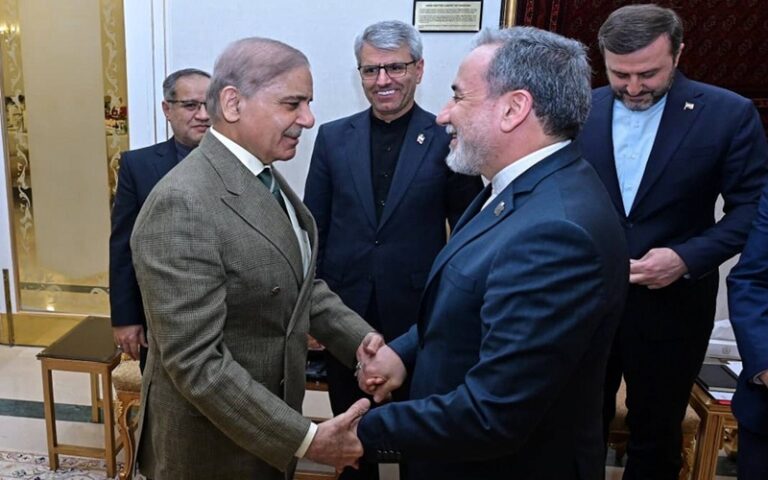
Disagreements over the course of negotiations between Tehran and Washington have once again become public. While some media outlets and figures close to the government speak of progress in the talks and the possibility of reducing tensions, other factions within the ruling establishment present a different narrative. The latest example of these disputes is the remarks of Mahmoud Nabavian, a member of the National Security Commission of the Iranian regime’s Majlis (parliament), who has sharply questioned claims regarding the achievements of the negotiations.
The IRGC Affiliate with A 400 million Euro Empire in EuropeOn June 12, Nabavian commented on the course of talks between Iran’s regime and the United States. He rejected claims that the United States had retreated from its previous demands and said that such narratives are highly inaccurate and even completely false. The member of parliament emphasized that, contrary to the publicity surrounding the talks, the text of the potential agreement has not only failed to address past shortcomings but also includes additional restrictions.
Disputes Over an Agreement With the United States
Nabavian’s remarks come as numerous reports have emerged in recent hours about the possibility of a new agreement between Tehran and Washington. Supporters of the negotiations have spoken of the potential for reducing economic pressure and achieving progress in certain areas. However, critics of the process argue that the concessions made by Iran’s regime will outweigh any potential gains. In his remarks, Nabavian sought to challenge the perception that the United States has backed away from its positions. He stressed that all the issues criticized in previous negotiations remain present in the new text. According to him, some factions inside the country are attempting to portray an agreement with the United States as a political victory, while the reality of the negotiations is quite different. These positions reflect the continuing struggle among different power factions over how to deal with the United States. Although officials of Iran’s regime have repeatedly spoken of complete coordination regarding the negotiations, contradictory statements by regime figures indicate the existence of serious disagreements on the issue.An Agreement With the United States and the Battle of Narratives
The issue of an agreement with the United States has for years been one of the most significant sources of disagreement within the political structure of Iran’s regime. Whenever negotiations have entered a new phase, one part of the ruling establishment has presented them as a means of reducing international pressure, while another has warned about their consequences. The increase in public verbal disputes among regime figures may be a sign of intensifying political competition ahead of important decisions. In such an environment, each faction seeks to present its own narrative of the negotiations to the public. Mahmoud Nabavian’s remarks have once again exposed internal divisions within the ruling establishment over a potential agreement with the United States. While part of the power structure speaks of the possibility of an agreement and reduced tensions, internal critics view the process as lacking any real achievements.Renewed Protests Erupt in Iran
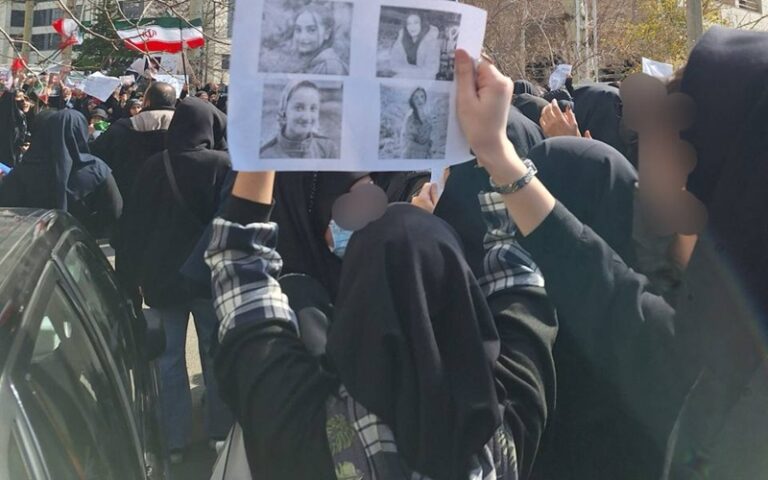
In recent days, Iran has witnessed fundamental changes in the nature of popular protests. The movement has evolved from economic, and livelihood demands to direct political demands and then to widespread student protests involving both university and high school students, encompassing all of these grievances. The protests have spread across dozens of cities, from Tehran, the capital, to Mashhad, Ahvaz, Tabriz, and Isfahan.
This movement, which reached its peak on June 6, 2026, is a real test of the cohesion of the educational system and the effectiveness of policies adopted by the body known as the “Supreme Council of the Cultural Revolution,” an institution responsible for setting cultural and educational policies in Iran. This reflects a structural gap in the development-oriented approach of Iran’s regime.
Widespread Student Protests Across the Country; Opposition to Educational Policies
Educational Inequality; The Structural Roots of the Crisis
The essence of this crisis lies in the widespread perception of a “lack of justice” within educational institutions. Field reports and independent observers indicate that policies governing the national university entrance examination and university admissions have entrenched a clear class divide in education, with private schools and social groups connected to government circles monopolizing most seats at the country’s top universities. This discrimination is not merely an administrative failure but reflects a structural breakdown in “equality of opportunity.” As a result, students from disadvantaged and marginalized backgrounds increasingly feel that educational and career paths have been closed to them in advance, a sentiment reflected in the slogan of protesting students: “We saw no justice, we only heard promises.”The Psychology of Protest; From Fear to Solidarity
What distinguishes the current protests is the shift in the protesters’ “critical mass,” as high school students have now emerged as an active and powerful force. Slogans such as “Don’t be afraid, don’t be afraid, we are all together” and “Students may die, but they will not accept humiliation” indicate a transformation in public psychology toward breaking the barrier of fear. This organized solidarity between high school and university students reflects a complete erosion of trust in official institutions, as the younger generation views the policies of the body known as the “Supreme Council of the Cultural Revolution” not as a bridge to social advancement but as a tool for institutionalizing discrimination and oppression. This anger, combined with youthful awareness, has confronted the Iranian regime with a domestic challenge regarding how to address the educational demands of a generation that sees both its present and future in jeopardy.Political Consequences: The Student Movement as a Barometer of Uprising
Calls by Maryam Rajavi, president-elect of the National Council of Resistance of Iran (NCRI), for expanding solidarity among school students, university students, and educators place these protests within a broader political framework. From a strategic analysis perspective, the current student movement functions as a “thermometer” measuring social stability and the extent of confrontation with the ruling authoritarian system. Regimes that are unable to understand and accommodate the aspirations of a rising generation and rely solely on security or bureaucratic solutions place themselves in direct conflict with society’s most vital force. The spread of protests to major cities such as Karaj, Shiraz, Rasht, and Kermanshah demonstrates that the education crisis is neither regional nor sector specific. Rather, it is a comprehensive national crisis tied to a social contract that now urgently requires revision.Strategic Outlook and the Outcome of Current Policies
A deep examination of the movement’s structure indicates that any attempt to contain the situation through superficial measures will fail when confronted with the roots of the crisis. Student slogans have now moved beyond educational demands and evolved into calls for “social justice.” The movement once again raises questions about the nature of the Iranian regime’s strategic planning, including whether the regime can balance preserving its ideology with meeting the demands of a generation that possesses communication tools and spontaneous organizational capabilities beyond the reach of traditional censorship mechanisms. In conclusion, Iran today stands at a critical and decisive juncture. The young generation that has taken to the streets is not merely demanding improvements to the educational system; it is rejecting the entire regime and its integrated structure of systematic discrimination. The success or failure of the Iranian regime in managing this crisis will largely determine the nature of political developments in the period ahead, as educational justice and social fairness will remain the primary driving forces behind any future movement aimed at reshaping the structure of the state and society in Iran.Rising Crime and Social Breakdown After 47 Years of Clerical Rule in Iran
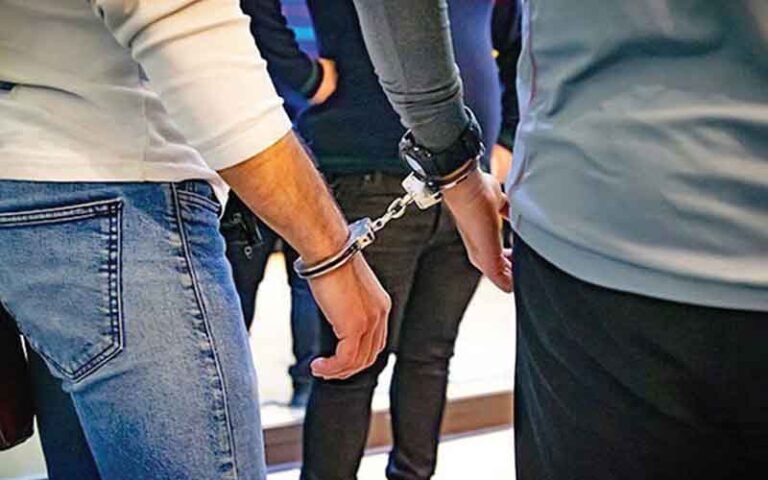
While Iran’s regime has spent much of its resources and capabilities over more than four decades suppressing opponents, silencing advocates of freedom, executing critics, and demonizing the opposition, the consequences of these policies are now visible not only in the political sphere but also in social and criminological indicators. Rising theft, expanding social harms, increasing divorce rates, weakening social cohesion, and deepening economic crises are not phenomena that can be attributed solely to the individual behavior of citizens.
For years, social sciences and criminology have emphasized that crime and social harms are less the product of individual morality and more a direct reflection of governing structures and the social relations they create. In this context, legal expert Kambiz Norouzi, in an article published on June 10 in the state-run Shargh newspaper, warned about the social consequences of accumulated economic and political crises and wrote: “Data from criminology and criminal sociology show that this situation is extremely fertile ground for the growth of weeds called crime and social harm.”
This assessment effectively confirms one of the fundamental principles of modern criminology: crime does not emerge in a vacuum but develops in environments shaped by poverty, inequality, economic instability, corruption, and the mismanagement of government institutions.
In the article, Norouzi points to a notable statistic: despite harsher punishments and intensified policing measures, theft in the country increased by 600% between 2006 and 2023. He emphasizes that during the same period, the country’s population grew by only 21%. In other words, the growth in theft was nearly 30 times greater than population growth, and this trend has shown a significant correlation with inflation and unemployment rates.
These statistics reveal an important reality: policies based solely on repression and punishment are incapable of resolving social crises. If expanding security forces and increasing penalties were effective solutions, such a dramatic rise in crime rates would not have occurred after four decades of expanding control and surveillance institutions.
What Makes a Society Vulnerable to Crime?
Émile Durkheim, the prominent French sociologist, viewed crime as a social phenomenon and believed that its prevalence depends on the health and cohesion of social structures. In his theory of anomie, he explained that whenever society experiences economic disruption and the breakdown of shared norms, conditions become favorable for increased deviant and criminal behavior. Meanwhile, Jürgen Habermas, the German philosopher and political theorist, has repeatedly emphasized that the legitimacy of governments depends on their ability to solve public problems and build social trust. The greater the gap between government and society, the more social capital and public cohesion will erode. Norouzi also refers to the rising trend of divorce and writes: “In 2018, the ratio of divorces to marriages was 26.7%… This figure reached 39% in 2025, and in Tehran the divorce-to-marriage ratio increased to 52.5%.” These figures indicate that the economic crisis has not only reduced people’s purchasing power but has also had direct effects on the institution of the family. Rising living costs, job insecurity, diminishing hope for the future, and psychological pressures caused by chronic economic and social crises are among the factors identified by social research as major drivers of family breakdown. Norouzi further warns: “The persistence of these crises leads to the development of criminal or harmful behavioral patterns across different social groups, and their continuation will result in the institutionalization of criminal and harmful behaviors as part of everyday survival.” This statement describes a stage that many social theorists consider the most dangerous point of a crisis: when social harms cease to be exceptional and become part of everyday life. The reality is that after 47 years of rule characterized by the suppression of freedoms, imprisonment, torture, executions, structural corruption, a rent-seeking economy, and the plundering of public resources, statistics on theft, divorce, and other social harms reveal more about the performance and record of the ruling system than about society itself. The increase in crime cannot be attributed solely to the people, because crime and social harm are, above all, products of the conditions imposed on society by political, economic, and social structures. When inflation, unemployment, corruption, discrimination, and hopelessness become chronic conditions, society ultimately pays the price through rising crime, family breakdown, and the weakening of social cohesion.Seventy-Eight Nobel Laureates Urge UN Action Amid Rising Executions in Iran
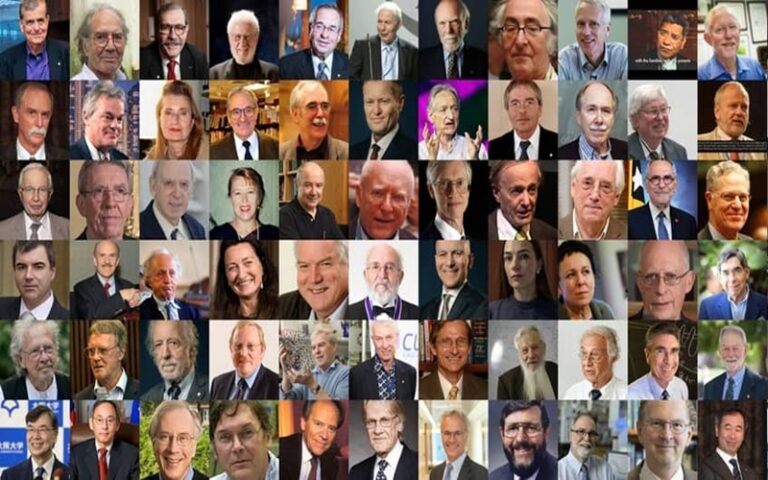
A coalition of 78 Nobel Prize laureates has issued a joint appeal to United Nations Secretary-General António Guterres, calling for urgent international action in response to what they describe as escalating human rights violations and a growing wave of executions in Iran.
The statement, signed by Nobel laureates from a broad range of disciplines—including Peace, Medicine, Physics, Chemistry, Literature, and Economics—raises concerns about developments following the widespread protests that took place across Iran in January 2026. The signatories warn that the international community must not remain passive as reports emerge of executions, mass arrests, and increasing pressure on political prisoners.
The appeal represents one of the most prominent international interventions by a group of Nobel laureates on Iran in recent years, bringing together leading figures from more than two dozen countries.
Concerns Over Executions and Arrests
According to the statement, Iranian authorities intensified their crackdown on dissent in the aftermath of the January protests. Citing reports from the United Nations High Commissioner for Human Rights, the Nobel laureates state that dozens of political prisoners have already been executed. Those reportedly targeted include participants in the January demonstrations, political activists, and individuals accused of links to the People’s Mojahedin Organization of Iran (PMOI/MEK). The statement also refers to reports indicating that more than 4,000 people have been arrested on security-related charges.In addition, the signatories point to information from internal sources suggesting that the initial suppression of the protests may have resulted in several thousand casualties. The laureates describe the situation as a “widespread, systematic, and ongoing” violation of fundamental rights. Their statement emphasizes the consequences of international inaction, warning that silence from the global community risks emboldening further repression.On March 15, in a joint letter to the President of the Council of Europe, 24 Nobel Prize winners expressed their support of #IranRevoIution and the 10-point plan of NCRI President-elect @Maryam_Rajavi. pic.twitter.com/W9ERcz8PE1
— NCRI-FAC (@iran_policy) March 19, 2023
Four Demands Directed at the United Nations
At the center of the appeal are four specific requests directed toward the United Nations and the wider international community. First, the signatories call for a complete halt to the use of the death penalty, particularly in cases involving political charges. Second, they demand the immediate release of political prisoners and individuals detained during recent protests. Third, they urge the establishment of unrestricted international monitoring of Iranian detention facilities. The statement calls for independent oversight mechanisms capable of assessing prison conditions and monitoring the treatment of detainees. Finally, the laureates encourage democratic governments around the world to reconsider their diplomatic and economic engagement with Iran. In their view, progress toward abolishing the death penalty should become a central benchmark in relations with Tehran. Together, these demands reflect an effort to place human rights concerns at the forefront of international discussions regarding Iran.Position on Iran’s Political Future
Beyond addressing the immediate human rights situation, the statement also outlines a broader vision regarding Iran’s future political trajectory. The Nobel laureates explicitly reject both foreign military intervention and any return to previous authoritarian forms of governance. They state that the future of Iran should be determined exclusively by its citizens through a democratic process based on free choice and national sovereignty. The statement argues against what it describes as dictatorship in either monarchical or religious forms, emphasizing that political change should occur without war and without outside military involvement. In this context, the signatories express support for the National Council of Resistance of Iran (NCRI) and its proposed framework for political transition. They specifically reference the Ten-Point Plan presented by NCRI President-elect Maryam Rajavi, describing it as a democratic roadmap for a peaceful transfer of power through a temporary transitional government.Timing Ahead of June 20 Gathering
The release of the statement comes shortly before June 20, 2026, a date observed as the Day of Martyrs and Political Prisoners. According to the report, more than 100,000 Iranians and international supporters are expected to participate in a major gathering in Paris to draw attention to the issues raised in the appeal. Organizers intend to use the event as an opportunity to amplify calls for international action and to highlight concerns regarding political prisoners and executions in Iran. The timing of the Nobel laureates’ intervention is likely to increase international attention on the event and on the broader human rights situation in the country.A Diverse Coalition of Nobel Laureates
One of the most notable aspects of the appeal is the breadth of support behind it. The 78 signatories come from countries including the United States, France, Germany, the United Kingdom, Japan, Canada, and Ukraine. Their backgrounds span a wide range of academic, scientific, literary, and humanitarian fields. According to the statement, the coalition includes 22 Nobel laureates in Chemistry, 21 in Physics, 18 in Medicine, seven in Literature, six Peace Prize recipients, and four laureates in Economics. Among the signatories are José Ramos-Horta, President of Timor-Leste and recipient of the 1996 Nobel Peace Prize; Geoffrey Hinton, the 2024 Nobel laureate in Physics and a leading figure in artificial intelligence research; and John Mather, senior project scientist for NASA’s James Webb Space Telescope. Other participants include Nobel Peace Prize laureates Oscar Arias and Oleksandra Matvichuk, as well as internationally recognized literary figures Kazuo Ishiguro, Wole Soyinka, and Herta Müller. The list also features prominent scientists and medical researchers such as Victor Ambros, Harvey J. Alter, and Sir Peter Ratcliffe. The involvement of figures from such diverse backgrounds highlights the international visibility the issue has gained and reflects a shared concern among signatories regarding recent developments in Iran. As attention turns toward the June 20 gathering in Paris, the joint appeal places renewed focus on reports of executions, political detentions, and the broader debate over international responses to events unfolding inside Iran.Bread Prices and the New Wave of Price Increases and Rationing in Iran
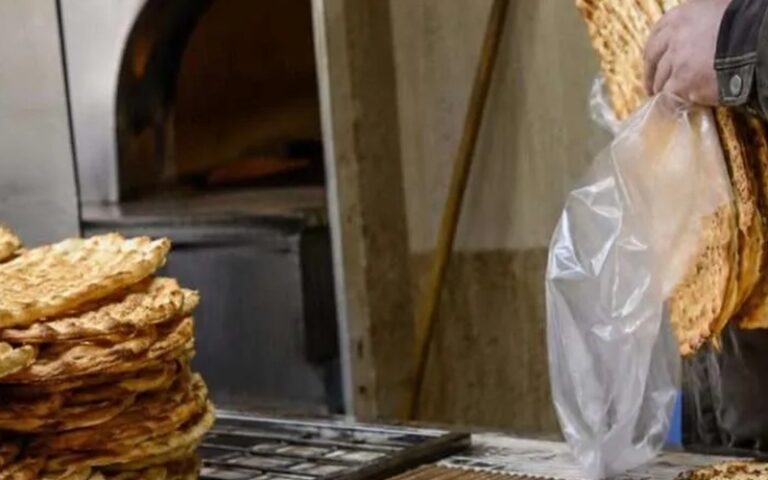
In recent days, the issue of bread prices has become one of the most important livelihood concerns in Iran. Reports from various provinces indicate that alongside official price increases, restrictions have also been imposed on sales. This situation has emerged while bread remains the primary staple food for a large portion of Iranian households. State-run media outlets such as Tabnak, Donya-e-Eqtesad, and several other media organizations have published reports on rising bread prices.
Reviews of public messages and reports from domestic media indicate that bread prices have increased by 50% to 80% in some areas. At the same time, some bakeries have introduced daily purchase limits. These changes have been reported in cities such as Tehran, Mashhad, Isfahan, and several other provinces.
Widespread Student Protests Across the Country; Opposition to Educational Policies
Bread Price Increases Across the Provinces
In various provinces, including Zanjan, Yazd, Razavi Khorasan, North Khorasan, and Markazi, local officials have announced official increases in bread prices. Some reports put these increases at approximately 60% to 80%. These changes have caused significant fluctuations in bread pricing structures across the country. At the same time, bread prices in the open market have not moved in line with the officially approved rates. In some areas, bakers have applied different prices for various types of bread. Reports indicate that the lack of unified oversight has resulted in significant differences in pricing.Rationing and Purchase Restrictions
Alongside rising bread prices, purchase rationing has also been observed at some bakeries. According to field reports, certain bakeries receiving government-subsidized flour have announced that each customer is allowed to purchase only a limited number of loaves. In some cases, purchases of more than three loaves of bread per bank card have reportedly been restricted. As a result, some citizens have resorted to using multiple bank cards to buy larger quantities. This situation has been observed particularly in densely populated urban areas. Meanwhile, some bakers have stated that rising production costs, reduced flour allocations, and increasing energy prices have placed substantial pressure on their operations. In their view, changes in bread prices without reforms to the support system have made continuing their businesses increasingly difficult.Public Reaction and Living Conditions
The increase in bread prices has generated widespread reactions among the public. Some citizens report declining purchasing power and growing pressure on household food budgets. In public comments, bread has been described as the last stable item on the family table, which has now also become subject to price increases. Economic reports have also identified rising agricultural input costs as one of the factors contributing to higher bread prices. Increased costs of wheat production, transportation, and energy have been cited among the drivers of this trend. Recent developments indicate that bread prices in Iran have entered a period of volatility and rising costs accompanied by supply restrictions. This situation has placed pressure on both consumers and bakers. Under current conditions, the gap between official and open-market prices, combined with purchasing restrictions, has created a complex picture of the bread market. Overall, the continuation of this trend could have a direct impact on household consumption patterns and further affect the role of bread as a staple item in the family food basket. Rising prices are not limited to bread; many other goods that were once part of people’s basic living expenses have also been affected by inflation, placing significant strain on household budgets. This has had a deeply negative impact on people’s ability to afford essential goods and could contribute to broader public unrest and protests.Privatization: The Transfer of Wealth to Power Circles in Iran’s Regime
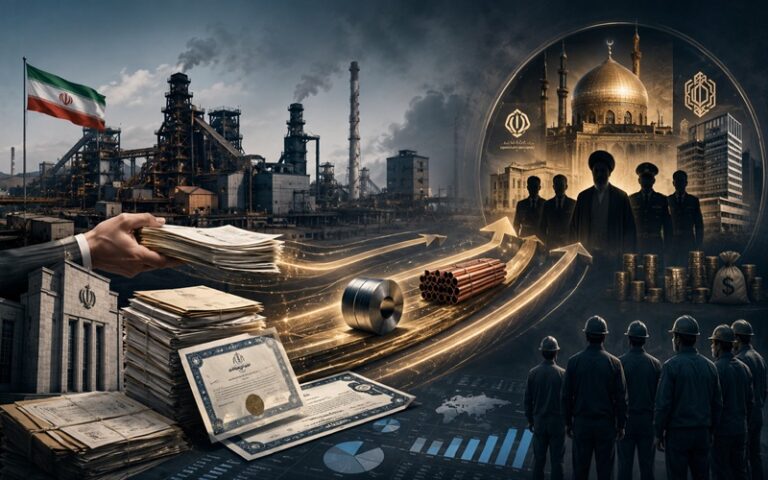
Privatization has been one of the most significant economic policies of Iran’s regime over the past three decades. Regime officials have repeatedly presented this policy as a way to reduce the size of the government, increase efficiency, and strengthen the private sector. However, statistics published by official institutions show that a large portion of these transfers has been made not to an independent private sector but to entities affiliated with the ruling establishment, often through debt settlements. An examination of official data and recent examples of asset transfers presents a different picture of the privatization process in Iran.
Privatization and the Real Share of the Private Sector
The privatization policy entered a new phase on a large scale in 2005 following the implementation of the policies associated with Article 44 of the Constitution. Under these policies, approximately 80% of state-owned companies were supposed to be transferred to the private sector.40 million Iranians Below Poverty LineHowever, official statistics published in recent years indicate that the share of the private sector in these transfers has been very limited. On June 7, the state-run Jahan-e Sanat newspaper, citing data from the Privatization Organization, reported that of the total 78.36 quadrillion rials in transfers carried out between 2011 and 2024, approximately 44.98 quadrillion rials were conducted through debt settlements. This figure represents about 57% of all transfers. Abdolnasser Hemmati, the former Minister of Economic Affairs and Finance, stated in November 2024 that only 11% of transfers had been made to the private sector. According to him, 29% of transfers went to public institutions, while 56% were carried out through debt settlements. These statistics indicate that the majority of the privatization process has not resulted in the transfer of ownership to independent investors but rather in the redistribution of assets among various entities linked to the ruling structure, including the Islamic Revolutionary Guard Corps (IRGC).
