

Lawyer of Executed PMOI Members Was Unaware of ExecutionAt the same time, political figures and human rights organizations, pointing to the risk facing other political prisoners, have called for urgent action by the international community to stop this trend. Reuters reported that two prisoners were executed on Tuesday on charges of ties to the PMOI/MEK, noting that two similar executions had also taken place on Monday. The Associated Press, referring to the executions of Babak Alipour and Pouya Ghobadi, emphasized that according to Amnesty International, they had been convicted of armed rebellion in October 2024 after an unfair trial conducted under pressure and torture. The Washington Post also covered the news and referred to Amnesty International’s previous efforts to prevent the implementation of these sentences. The Friends of a Free Iran group in the European Parliament announced that it had previously launched a campaign to save the lives of Mohammad Taghavi and Akbar Daneshvarkar. The Justice for the Victims of the 1988 Massacre organization also stated that these individuals were executed on charges of membership in the PMOI/MEK and attempting to change the ruling system, warning that other prisoners remain at risk. Mai Sato, the United Nations Special Rapporteur on human rights in Iran, also referred to the executions and said that she and other UN experts had previously called for these sentences to be halted. She stressed that the executions were accompanied by serious violations of fair trial standards and, in some cases, were carried out even during a complete internet shutdown. Meanwhile, regional media outlets also covered the issue. The London-based Arabic newspaper Al-Quds Al-Arabi linked the executions to allegations of planning armed operations, while the National Council of Resistance of Iran described them as a brutal act aimed at suppressing domestic resistance. Raialyoum newspaper also reported that the sentences were carried out because of membership in the PMOI/MEK and efforts to overthrow the government.
Global Reactions to Execution of Four PMOI Members in Iran
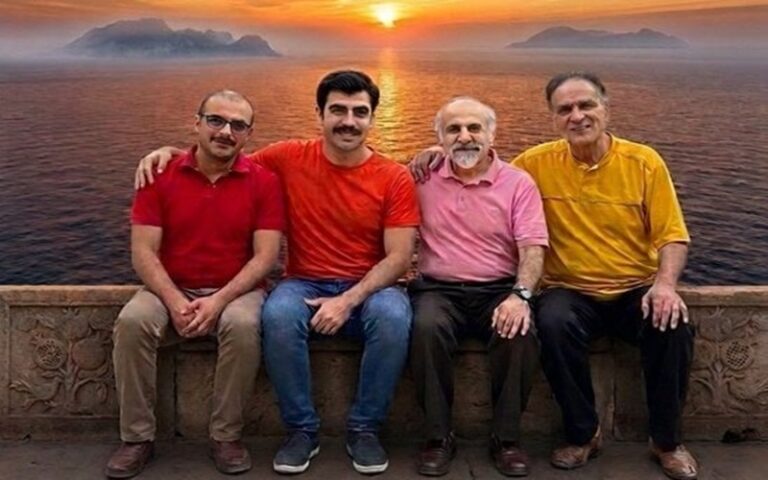
Following the execution of four political prisoners affiliated with the People’s Mojahedin Organization of Iran (PMOI/MEK), a broad wave of international reactions and condemnations has emerged, all warning against this action.
On Monday, March 30, Mohammad Taghavi and Akbar Daneshvarkar were executed, followed on the morning of Tuesday, March 31, by two other political prisoners, Babak Alipour and Pouya Ghobadi. The event has intensified concerns about the escalation of repression in Iran.
Day 32 Of Iran War: Continued Large-Scale Attacks on Iranian Cities and Uncertainty in Negotiations
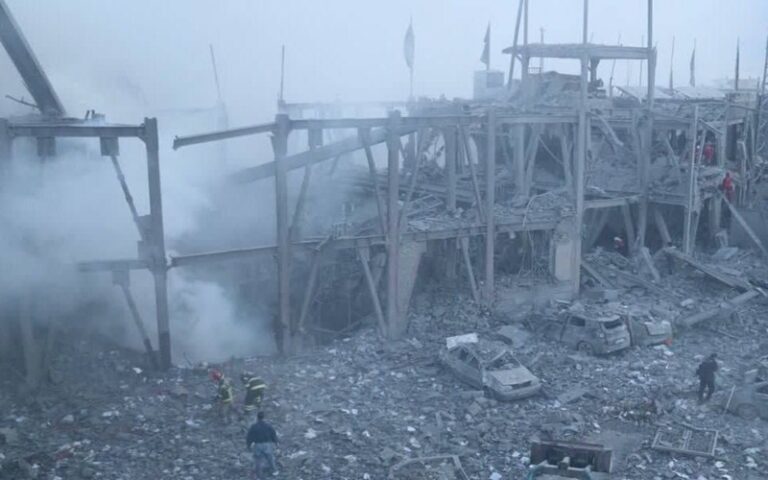
On Tuesday, March 31, as the war between the Iranian regime, the United States, and Israel reached its 32nd day, reports indicated the continuation of heavy bombardments in Tehran, Isfahan, and other Iranian cities. At the same time, reports suggest that the current negotiations between the United States and the Iranian regime are facing uncertainty because the position and authority of the negotiating figures remain unclear.
Amnesty International: possible war crime in the Iranian regime’s missile attack on Israel
In a new report, Amnesty International stated that the Iranian regime’s missile attack on the city of Beit Shemesh in Israel, which led to the killing of 9 civilians including four teenagers, should be investigated as a war crime.Day 31 Of Iran War: Trump: If the Strait of Hormuz Is Not Reopened, Power Plants and Kharg Will Be BombedThe attack took place on March 30, during which a synagogue and an underground shelter were destroyed. At least 46 people were also injured. According to the report, no indication of a legitimate military target was found near the impact site, and the nearest military target was approximately 3.5 kilometers away.
The New York Times: the Iranian regime’s inability to make decisions is intensifying U.S. pressure
The New York Times reported, citing American and Western officials, that Donald Trump’s recent threats against the Iranian regime’s infrastructure reflect the inability of the regime’s leaders to make coordinated decisions regarding U.S. peace proposals. According to the report, the recent war has led to the deaths of dozens of senior officials and has severely weakened the Iranian regime’s decision-making structure. Disruptions in communication between military and political institutions have also caused serious problems for operational coordination. Western officials emphasized that hardliners within the Islamic Revolutionary Guard Corps (IRGC) have gained greater influence, and in many cases decisions are being made in a fragmented and uncoordinated manner. This situation has reduced the Iranian regime’s ability to carry out large-scale attacks or to enter negotiations effectively.Large-scale U.S. and Israeli attacks on military targets in Isfahan
As clashes continued, the United States and Israel targeted several cities in Isfahan Province on Monday night and early Tuesday morning, including Isfahan, Najafabad, Mobarakeh, Kashan, and Shahreza, in a series of airstrikes. According to reports, powerful explosions occurred around Isfahan. A U.S. official stated that in these attacks, a large ammunition depot was struck using 2,000-pound bunker-buster bombs.Chinese ships pass through the Strait of Hormuz amid restrictions
While the Iranian regime has restricted passage through the Strait of Hormuz, maritime data shows that two large container ships belonging to a Chinese company have successfully passed through this strategic waterway. The two ships passed near Larak Island within a short interval and entered the Gulf of Oman.CNN: U.S. doubts the authority of the Iranian regime’s negotiators
CNN reported that U.S. officials doubt whether the Iranian regime’s negotiators have sufficient authority to reach an agreement. According to informed sources, due to the weakening of the ruling structure and the killing of several key figures, it is unclear who makes the final decision in Tehran. At present, indirect contacts are underway between the United States and several officials, including Abbas Araghchi, the foreign minister of the Iranian regime, and Mohammad Bagher Ghalibaf, speaker of the regime’s Majlis (parliament). However, ambiguity in the power structure has complicated the negotiations, and even selecting credible representatives for dialogue has become challenging.Araghchi’s position on Saudi Arabia amid the tensions
In a message, Abbas Araghchi described Saudi Arabia as a brotherly country and called for the withdrawal of U.S. forces from the region. This comes as, alongside the escalation of the conflict, several Arab Gulf countries, including Saudi Arabia and the United Arab Emirates, have been targeted by missile and drone attacks carried out by forces affiliated with the Iranian regime. According to various sources, these attacks have targeted not only military objectives but also civilian infrastructure, including airports, hotels, and energy facilities. The overall recent developments indicate the simultaneous intensification of military conflict, increased international pressure, and the weakening of the Iranian regime’s decision-making structure. While military attacks continue, the prospects for peace negotiations have also become seriously complicated due to ambiguity in the power structure and the lack of coordination within the ruling establishment.Lawyer of Executed PMOI Members Was Unaware of Execution
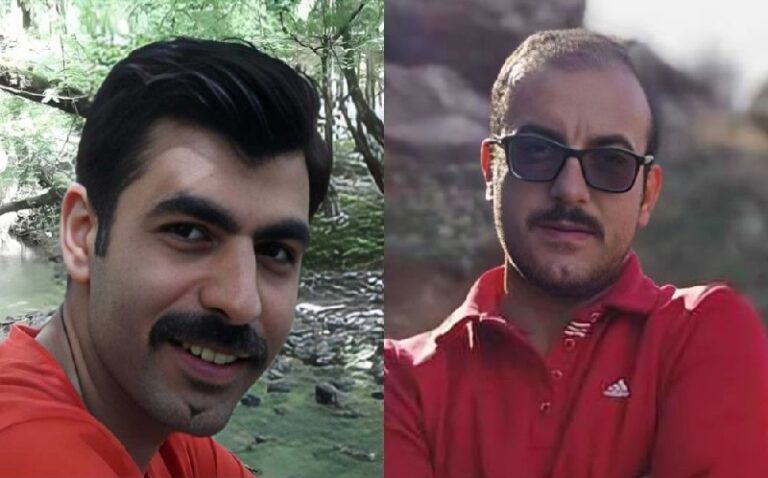
Babak Paknia, a lawyer and the attorney for Akbar Daneshvar Kar and Mohammad Taghavi Sangdehi, announced that despite the execution sentence against his clients being carried out in the early hours of March 30, the ruling still had not been officially served to him or the other lawyer in the case. In this case, Babak Paknia and Mostafa Nili were the attorneys for Akbar Daneshvar Kar, Mohammad Taghavi Sangdehi, Babak Alipour, Pouya Ghobadi, and Vahid Bani Amerian.
Iran’s Regime Executes Two Members of the People’s Mojahedin Organization of Iran (PMOI/MEK)Babak Paknia wrote on his X social media account: “As of the moment of writing this tweet, no ruling has been served to us, and fundamentally we are not even aware of the outcome of the final proceedings, nor do we know whether this sentence has also been upheld for our clients or not.” He continued: “Before carrying out the sentence, it is necessary that its contents be served to the defense lawyers or at the very least to the defendant himself; the bare minimum right of a condemned person is to be able to benefit from the right to retrial and a stay of execution.” The Iranian regime’s judiciary announced yesterday that two prisoners accused of membership in the People’s Mojahedin Organization of Iran (PMOI/MEK) were executed in the early hours of March 30. This morning, two other members of the PMOI were also executed by Iran’s regime. Pouya Ghobadi, 33, an electrical engineer, and Babak Alipour, 34, who held a bachelor’s degree in law, were hanged this morning. Amid the ongoing war, Iran’s regime intends to prevent future protests and uprisings through fear and intimidation.
Iran’s Regime Executes Two More PMOI Members, Pouya Ghabadi and Babak Alipour, In Ghezel Hesar Prison
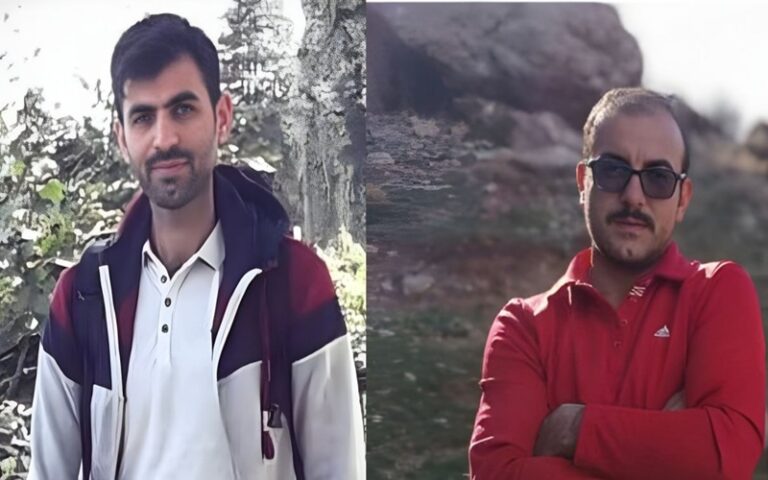
In another criminal act, the Iranian regime’s judiciary executed two members of the People’s Mojahedin Organization of Iran (PMOI/MEK), Pouya Ghabadi and Babak Alipour, in Ghezel Hesar Prison. The two political prisoners were hanged on Tuesday, March 31.
It should be recalled that two other PMOI members, Mohammad Taghavi and Ali Akbar Daneshvarkar, were executed on Monday, March 30. Mizan, the state-run news agency linked to the Iranian regime’s judiciary, said the charges against these two PMOI members were participation in armed operations aimed at striking the regime’s security apparatus.
Iran’s Regime Executes Two Members of the People’s Mojahedin Organization of Iran (PMOI/MEK)Mizan wrote: Babak Alipour was an organizational member of the PMOI who had a history of ties with the group going back years, and his father had also been affiliated with the PMOI in the 1980s. Mizan said Pouya Ghabadi was charged with taking part in multiple armed operations linked to the PMOI and carrying out repeated actions against the regime’s security.
Biography of Pouya Ghabadi
Former political prisoner Pouya Ghabadi, born in 1992 in Sonqor, was an electrical engineering graduate. He was most recently arrested on December 22, 2023, and transferred to Ward 209 of Evin Prison, where he was tortured and interrogated. He was later moved to the prison’s general ward. His trial, along with seven political prisoners—Seyed Mohammad Taghavi, Mojtaba Taghavi, Babak Alipour, Vahid Bani Amerian, Ali Akbar Daneshvarkar, and Abolhassan Montazer—was held in a joint case at Branch 26 of the Tehran Revolutionary Court, presided over by Judge Iman Afshari, on October 6, 2024. On November 30, 2024, he, along with five other political prisoners—Vahid Bani Amerian, Babak Alipour, Seyed Abolhassan Montazer, Seyed Mohammad Taghavi, and Ali Akbar Daneshvarkar—was sentenced to death and prison terms. The charges against Pouya Ghabadi included acting against national security through membership in and effective cooperation with the PMOI, propaganda against the Iranian regime, destruction of state property, and assembly and collusion with intent to act against national security.Political prisoner Pouya Ghabadi had previously been arrested by security forces in April 2018 and, after four months of interrogation and torture, was transferred to the general ward of Evin Prison. In October 2019, he was moved from Evin to Greater Tehran Prison. After serving a one-year period under charges of “enmity against God,” he was sentenced in November 2021 to 10 years in prison.Breaking:
— People's Mojahedin Organization of Iran (PMOI/MEK) (@Mojahedineng) March 31, 2026
Iran's regime has executed PMOI members Babak Alipour and Pouya Ghobadi. The political prisoners were hanged a day after the regime's criminal authorities executed two other PMOI members, Mohammad Taghavi and Ali Akbar (Shahrokh) Daneshvarkar.
Pouya Ghobadi, 33, an… pic.twitter.com/oKhiPV7CLu
Biography of Babak Alipour
Political prisoner Babak Alipour, born in 1991 and originally from Amol, held a bachelor’s degree in law. He and his brother Roozbeh Alipour were arrested on November 4, 2018, at the Rasht produce market. Babak Alipour was sentenced by Branch one of the Rasht Revolutionary Court to 7 years in prison on charges of PMOI membership and insulting the supreme leader. The sentence was upheld in full appeal. He was ultimately taken into custody on July 3, 2019, to serve his sentence in Lakan Prison in Rasht. He was released after 2.5 years in prison. He was arrested for a second time in Shahriar in November 2021 and, after serving 2 years of his sentence, was released from Ward four of Evin Prison in March 2023. During his previous imprisonment, Babak Alipour developed an intestinal infection and prostate disease and spent long periods in severe pain without medical treatment. He was arrested for a third time in Tehran in January 2024 and transferred to Ward 209 of Evin Prison. He remained in legal limbo there for four months. In May 2024, after four months of uncertainty and detention in Ward 209, he and Vahid Bani Amerian were charged with “armed rebellion, membership in and cooperation with the PMOI, and assembly and collusion against the country’s security through cooperation with the PMOI.” These charges were formally communicated to him. On May 21, 2024, Babak Alipour, along with four other political prisoners—Vahid Bani Amerian, Abolhassan Montazer, Pouya Ghabadi, and Seyed Mohammad Taghavi—was transferred from Ward 209 of Evin to the quarantine section of Ward four. The execution of four PMOI members—Mohammad Taghavi, Ali Akbar Daneshvarkar, Pouya Ghabadi, and Babak Alipour—amid conditions of war and bombardment reflects the regime’s fear and terror of its real and deeply rooted alternative, namely the Iranian Resistance. It also shows that the criminals, fearing the people’s anger and uprising, have no tool other than repression.Day 31 Of Iran War: Trump: If the Strait of Hormuz Is Not Reopened, Power Plants and Kharg Will Be Bombed
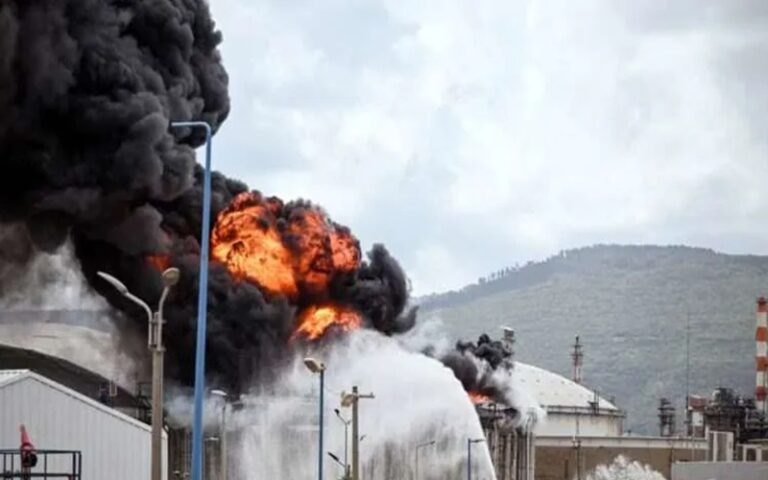
On the 31st day of the war, U.S. President Donald Trump once again issued a sharp warning to the Iranian regime, stating that if the Strait of Hormuz is not reopened immediately, the United States will launch widespread military strikes. On Monday, March 30, Trump wrote on Truth Social that if an agreement between Tehran and Washington is not reached soon and the Strait of Hormuz is not promptly reopened for commercial transit, the United States will conclude its military campaign by targeting Iran’s vital infrastructure. He specified that such attacks could include the destruction and complete annihilation of power plants, oil wells, Kharg Island, the country’s main oil export terminal—and even desalination facilities.
Iran’s Regime Executes Two Members of the People’s Mojahedin Organization of Iran (PMOI/MEK)
Renewed Israeli strike on an IRGC military university in Tehran
The Israel Defense Forces announced that, as part of their ongoing military operations, they have once again targeted one of the most important military centers affiliated with the Islamic Revolutionary Guard Corps (IRGC) in Tehran. According to a report published on Monday, the strike targeted military infrastructure located within the Imam Hossein University complex, which is known as the IRGC’s primary military training and research institution. The Israeli military stated that several key facilities at the site were destroyed in the recent attacks, including underground wind tunnels used for ballistic missile testing, a chemical center linked to chemical weapons research, as well as technology and mechanical engineering departments involved in the development of missile systems. The New York Times reported that hundreds of U.S. special forces have been deployed to the Middle East to join thousands of Navy personnel and Army paratroopers. This move is part of an expansion of the U.S. military presence, aimed at providing President Donald Trump with more operational options for continuing the war with Iran, which has now lasted more than one month. Among the operational options for these forces are securing the Strait of Hormuz, which Iran has effectively blocked, as well as the possibility of participating in the control of Kharg Island, Iran’s main oil export hub, or carrying out operations against uranium enrichment facilities in Isfahan.Shutdown of Khondab facility; a blow to the Iranian regime’s nuclear program
The International Atomic Energy Agency (IAEA), a United Nations-affiliated body, announced that the Khondab heavy water production facility is no longer operational and has lost the ability to continue functioning. Citing its assessments, the agency emphasized that the site has suffered severe damage following recent attacks and is currently unusable. According to reports, the facility—considered an important component of the nuclear program—has effectively been taken out of operation after being targeted. However, the agency clarified that no declared nuclear material was being stored at the site.Diplomatic crisis in Lebanon; ambassador at an impasse
In an unprecedented development in regional relations, Lebanon declared the Iranian regime’s ambassador persona non grata over what it described as interference in internal affairs and set a deadline for him to leave the country. As the deadline expired, reports indicate that Mohammadreza Raouf Sheibani remains inside the embassy building and has no intention of leaving. Informed sources say that exiting the embassy could result in the loss of his diplomatic immunity, placing him in a complex and high-risk situation.Explosions and power outages in Tehran and Karaj; signs of growing insecurity
At the same time, numerous reports have emerged of powerful explosions in Tehran and Karaj. These blasts, heard across various parts of the capital—from north to south and east to west—have been accompanied by widespread power outages in some neighborhoods.Islamabad seeks a swift end to the war between Iran, the U.S., and Israel
Pakistan’s Foreign Minister Ishaq Dar announced on Sunday that his country, along with Saudi Arabia, Turkey, and Egypt, has entered intensive discussions to explore possible ways to bring about an early and lasting end to the war. According to him, the foreign ministers of these four countries met in Islamabad to examine strategies for reducing tensions and containing the regional crisis; a meeting held without representatives from the Iranian regime, the United States, or Israel. Meanwhile, The Wall Street Journal reported that senior officials from Turkey and Egypt have begun talks with their Pakistani counterpart aimed at finding a solution to end the war, and a multilateral meeting is expected to take place on Monday. Within this multinational initiative, Pakistan has played a key role in efforts to bring the United States and Iran to the negotiating table.Iran’s Regime Executes Two Members of the People’s Mojahedin Organization of Iran (PMOI/MEK)
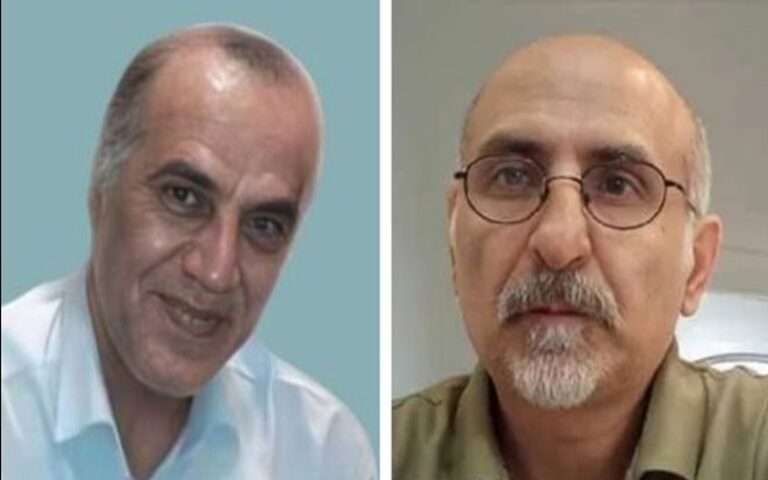
The judiciary of Iran’s regime announced the execution of two PMOI members. According to the report published in the early hours of Monday, March 30, Akbar Daneshvar Kar and Mohammad Taghavi Sangdehi were executed.
Breaking:
— People's Mojahedin Organization of Iran (PMOI/MEK) (@Mojahedineng) March 30, 2026
Iran's regime has executed political prisoners and PMOI members Mohammad Taghavi and Ali Akbar (Shahrokh) Daneshvarkar this morning, as announced by the IRGC-affiliated Tasnim News Agency.
Ali Akbar (Shahrokh) Daneshvarkar, 59, a civil engineer, was arrested in January… pic.twitter.com/ibm5QmYhev
The life of Akbar (Shahrokh) Daneshvarkar
Akbar (Shahrokh) Daneshvarkar, born in September 1966, was a civil engineer, married, and had one child. He was from and lived in Tehran and had also come under pressure years earlier because of his political activities. He was arrested at his home on January 3, 2024, and transferred to Ward 209 of Evin Prison, a section known as one of the main interrogation centers of the regime’s security apparatus. After the interrogation period, he was transferred to Ward 4 of Evin Prison. Daneshvarkar was tried in a joint case with several other political prisoners on charges including membership in the PMOI, “armed rebellion against the state,” “assembly and collusion,” and “forming a group.” His trial was held in October 2024 in Branch 26 of the Revolutionary Court, and he was ultimately sentenced in November of that year to death as well as prison terms. At the same time, according to claims made by Iran’s regime security bodies, he had participated in some organized activities and communications linked to PMOI networks; accusations that formed the basis for the severe sentence issued against him.Mohammad Taghavi Sangdehi
Seyed Mohammad Taghavi Sangdehi, born in 1966, held a bachelor’s degree in graphic design from the University of Tehran and lived in Tehran. He was among the political prisoners of the 1980s and had spent a significant portion of his life in prison because of his political activities. Taghavi was arrested multiple times across different decades, including the 2000s, 2010s, and recent years. His latest arrest took place on February 24, 2024, in Chaldoran, a city in northwestern Iran near the Turkish border, and after being transferred to Ward 209, he was later moved to Ward 4 of Evin Prison. He had previously also been arrested in 2021 on charges of “assembly and collusion against national security” and sentenced to 5 years in prison and 2 years of internal exile. After his release in February 2023, he was transferred to Kahnooj, a city in Kerman Province in southeastern Iran, to serve his exile term. Official reports stated that he had been involved in some field and reconnaissance activities in connection with networks affiliated with the PMOI; accusations that were cited during the judicial proceedings against him. According to reports published by the judiciary of Iran’s regime, these two individuals became involved in organized activities linked to PMOI networks during past protests and unrest. The reports state that through internet communications, especially via the Telegram messaging app, they were in contact with PMOI outside the country and had entered an operational phase. According to the regime’s judiciary, Mohammad Taghavi Sangdehi was responsible for leading a team and worked on identifying targets and organizing field operations. It was also said that by securing financial resources, he arranged locations for housing personnel and storing equipment. Regime reports referred to the discovery of equipment including explosive launchers and related materials at locations used by these individuals. It was also stated that they had built this equipment and participated in some operations. The regime claimed that Akbar Daneshvarkar had also been present in protest activities and participated in some disruptive and reconnaissance actions. The regime claimed to have obtained items related to these activities at his residence. Iran’s regime deals harshly and violently with members and supporters of the PMOI and has killed 120,000 members of this organization over the past 47 years. In the summer of 1988, Iran’s regime hanged 30,000 members of this organization in just a few weeks.Day 30 of Iran War: Unprecedented Escalation of Clashes and Attacks on Economic Infrastructure
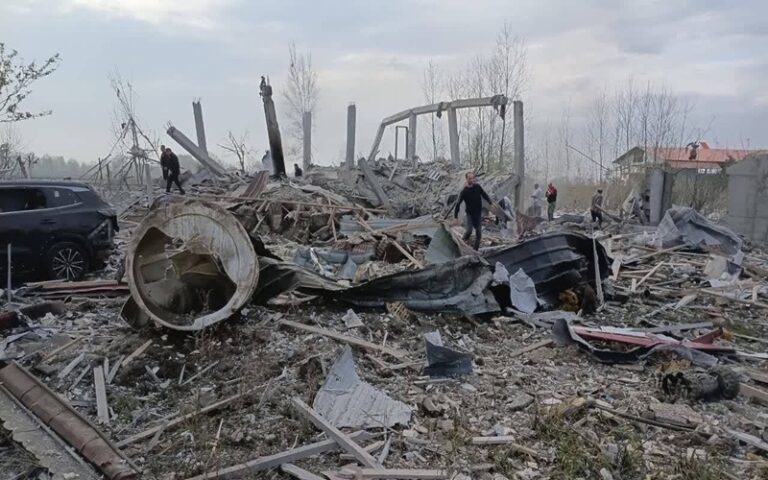
Reports published in recent days indicate that the war crisis involving Iran has moved beyond limited clashes and now encompasses vital infrastructure, trade routes, and residential areas.
In one of the most significant developments, in the early hours of Sunday, March 29, the pier of Bandar Pol in Hormozgan Province in southern Iran was targeted in an attack. According to the official news agency of the Iranian regime, five people were killed and four others were injured in the attack. Two vessels and one vehicle were also damaged. However, official sources have not released further details about the scope of the attack. Meanwhile, the Israeli military, without directly referring to this incident, stated that it has targeted regime infrastructure in Tehran and other areas. Local officials in Hormozgan emphasized that despite the attack, operations at Bandar Pol and the nearby port of Laft continue without disruption.
Day 29 of Iran War: Houthis Enter Conflict, Attacks Escalate Across Middle EastOn a broader level, the scope of the conflict has extended to the region’s economic infrastructure. Aluminum Bahrain (Alba), one of the world’s largest aluminum producers, announced that its facilities were targeted by the Iranian regime, leaving two people injured. Meanwhile, the Islamic Revolutionary Guard Corps (IRGC) claimed that the attack was carried out in response to strikes on steel factories inside Iran. The consequences of these attacks have quickly become evident in the region’s industrial and commercial sectors. Major industrial companies in Bahrain and the United Arab Emirates have reported disruptions to their operations, with some production lines halted due to insecurity and logistical challenges. This situation is particularly significant as the Strait of Hormuz, one of the world’s most vital energy transit routes, faces increasing threats.
The entry of the Houthis into the war
In this context, Yemen’s Houthi group has further complicated the situation by increasing its involvement in the crisis. Mohammed Mansour, the group’s information minister, stated that closing the Bab el-Mandeb Strait is one of the options on the table in confronting the United States and Israel. He emphasized that Houthi decision-making is independent and that the group is expanding its operations step by step. At the same time, the Houthi military spokesperson announced a second attack on Israel within less than 24 hours and pledged that such attacks will continue. These actions could seriously threaten the security of one of the world’s most important maritime chokepoints. Inside Iran, reports indicate an increase in attacks on sensitive military and nuclear sites. According to Russia’s state-run TASS news agency, about 400 Russian personnel have been evacuated from the Bushehr nuclear power plant. The head of Russia’s state nuclear energy corporation described the situation at the facility as deteriorating, stating that installations related to the reactor have been targeted multiple times. This has significantly raised concerns about nuclear safety. In addition to Bushehr, there are reports of attacks on other military and nuclear sites, including Parchin and the Kouhak military base. In Tehran, multiple areas—such as Masoudieh, Sohrevardi, Mahallati Town, Pasdaran, and areas around Mehrabad Airport—have been targeted by airstrikes. These attacks have also spread to other cities, including Isfahan, Arak, Karaj, and Kashan. In the capital, the security situation has noticeably worsened. Reports indicate an explosion near Evin Prison, a facility known for holding political prisoners, raising concerns among inmates’ families. Although it has been stated that the prison itself was not directly targeted, increased security measures around it are evident. At the same time, a residential area in Saadat Abad has been struck, and search operations for individuals trapped under rubble are ongoing. In areas such as Jannat Abad and Masoudieh, building destruction and power outages have also been reported.Expansion of the conflict
According to reports, the Pentagon is reviewing plans for potential ground operations in Iran. Meanwhile, the amphibious assault ship USS Tripoli, along with thousands of military personnel, has entered the region. These movements indicate that broader military options are under consideration, although no final decision has been announced. Taken together, these developments indicate that the crisis has entered a complex and multi-layered phase—one in which not only military targets but also economic infrastructure, residential areas, and vital global trade routes are under threat. The continuation of this trend could have far-reaching consequences for regional security and the global economy, especially if key chokepoints such as the Strait of Hormuz and Bab el-Mandeb face serious disruption.The Importance of the Strait of Hormuz as a Vital Artery of the Global Economy

The importance of the Strait of Hormuz is not only political; it is considered a vital artery of the global economy. The Strait of Hormuz is the only narrow maritime passage connecting the Persian Gulf to the Gulf of Oman and international waters. It serves as the sole export route for many of the world’s largest oil producers.
Why is the Strait of Hormuz so vital?
1.The world’s energy highway
The most important reason for the strait’s significance is the massive volume of oil that passes through it. About 20% to 25% of the world’s total oil consumption and a large portion of exported liquefied natural gas (LNG) are transported through this route. If this passage were closed even briefly, global energy prices would surge dramatically.Day 29 of Iran War: Houthis Enter Conflict, Attacks Escalate Across Middle East
2. Strategic and geographic position
At its narrowest point, the Strait of Hormuz is only about 33 kilometers wide. The shipping route consists of two channels, each approximately 3 kilometers wide (one for inbound and one for outbound traffic), separated by a 2-kilometer buffer zone. This means massive vessels have very limited maneuvering space, and the security of this area directly impacts the entire global supply chain.3. Dependence of major industrial countries
Developed and developing countries—especially in Asia, such as China, Japan, India, and South Korea—are heavily dependent on the oil and gas passing through this strait. Any disruption in Hormuz could halt industrial activity in these countries. If, for any reason, the strait becomes impassable, oil prices could reach unprecedented levels, triggering global inflation. Many refineries worldwide would face shortages of raw materials. Although efforts have been made to build alternative pipelines through Saudi Arabia or the United Arab Emirates to transport oil to global markets without passing through the Strait of Hormuz, the capacity of these pipelines remains far below the volume of oil that passes through the strait daily. Three key aspects that elevate the region from a simple trade route to a sensitive geopolitical hotspot:First: The concept of a chokepoint in maritime trade
In maritime strategy, the Strait of Hormuz is recognized as the world’s most important chokepoint. Unlike the Suez or Panama Canals—where ships can reroute around Africa at higher cost and time—there is no alternative maritime route for Persian Gulf oil. About 80% of the crude oil passing through this strait is destined for Asian markets such as China, India, and Japan. This means the energy security of emerging economic powers is tightly tied to this narrow passage.Second: Psychological security and financial markets
The importance of the Strait of Hormuz lies not only in the physical passage of oil barrels but also in “market expectations.” Verbal or military threats immediately raise insurance premiums for oil tankers. These increased costs are quickly reflected in stock markets in London and New York and ultimately raise the price of goods even in the most distant parts of the world.Third: A tool of power in diplomacy
For neighboring countries—especially Iran and Oman—the Strait of Hormuz is not merely a maritime boundary but a strategic leverage point. This is why naval fleets of major powers maintain a constant presence in the area to preserve the balance of power. These dynamics have made the region one of the most complex areas in the world for crisis management.A technical point:
The water depth along the main route of the Strait of Hormuz is sufficient for the world’s largest oil tankers (ULCC), whose length can equal four football fields, to pass through easily. This feature makes Hormuz the only cost-effective route for large-scale oil exports.Security doctrine: for all or for no one
If countries in the region—especially Iran, which has the longest coastline along the strait—are unable to export their oil or their security is threatened, they will have little incentive to ensure the security of others. This creates a form of asymmetrical deterrence. In other words, a country with less conventional military power than superpowers can, by controlling this chokepoint, bring major powers to the negotiating table. This is because they understand that any conflict in this area would paralyze the global economy. In current global dynamics and recent conflicts, the Strait of Hormuz is less a physical weapon and more a psychological and deterrent one, because it can paralyze the global economy. For regional countries, it serves as a shield to compel others toward restraint. The harsh reality is that closing the strait is like a nuclear bomb in diplomacy—its power lies in not using it. Therefore, for regional countries, the Strait of Hormuz is like the pin of a grenade—no one wants to pull it, because it would harm everyone, and no one would cross that line without risking being consumed by the resulting fire.Day 29 of Iran War: Houthis Enter Conflict, Attacks Escalate Across Middle East
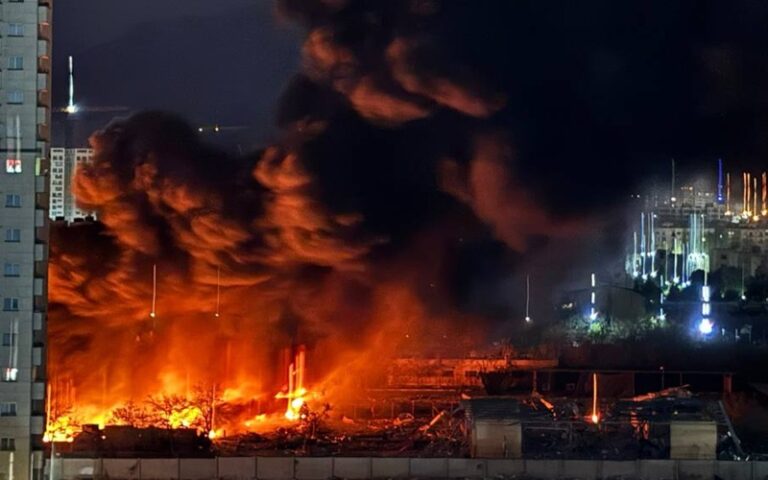
On Saturday, March 28, amid the continuation of the war and heightened tensions in the Middle East, and alongside the widening scope of conflicts, a series of military and political developments across different parts of the world—from Yemen and the Persian Gulf to Europe and Ukraine—indicate the entry of new actors and an escalation of the crisis.
Missile launched from Yemen toward Israel; possible Houthi entry into the conflict
Reuters news agency reported that early Saturday, the Israeli military announced it had detected the launch of a missile from Yemeni territory toward Israel. If confirmed, this would be the first such attack from Yemen against Israel since the start of the Iran-related war.An Analytical Look at One Year of Persistence by the People of IranThis incident occurred only hours after Yemen’s Houthi group, an ally of the Iranian regime, warned in a statement that they would take military action if attacks continued or intensify. The statement اشاره mentioned the possibility of targeting the United States and Israel but did not provide details about the nature of the operations. While groups aligned with the Iranian regime in Lebanon and Iraq had previously entered the conflicts, the Houthis had so far refrained from direct military action. This launch may be seen as a sign of the group’s practical entry into regional confrontations.
France and the United States aligned on securing the Strait of Hormuz
Jean-Noël Barrot, France’s foreign minister, announced that Paris and Washington are aligned on restoring freedom of navigation in the Strait of Hormuz. Quoting U.S. Secretary of State Marco Rubio, he said that the United States’ primary objective is the destruction of the Iranian regime’s ballistic missile capabilities. Barrot emphasized that France is also pursuing shared goals with the U.S. to ensure maritime security and reopen vital energy routes in the region. The Strait of Hormuz, one of the world’s most important energy transit routes, has faced serious threats in recent weeks due to military tensions.U.S. use of drone boats in the Middle East
The Pentagon announced that the United States has for the first time confirmed the use of unmanned fast boats in an active conflict. According to military officials, these vessels have been deployed as part of operations against the Iranian regime in the Middle East. Tim Hawkins, spokesperson for U.S. Central Command, stated that American forces will continue using unmanned systems, including surface drones, in the region. This move reflects the growing use of advanced technologies in modern warfare and the U.S. effort to reduce risks to its personnel in combat zones.Airstrike on Firouzabad cement factory; casualties and damage
Inside Iran, Jalil Hassani, acting deputy for political and security affairs of Fars Province Governor’s Office, reported an airstrike on the mine of the Firouzabad cement factory. According to him, the attack left at least two dead and two injured. Hassani emphasized that the targeted site was a non-military industrial facility, and that part of the equipment and machinery was damaged in the attack. Several workers present at the site were also injured. So far, no information has been released about the perpetrator of the attack or the exact extent of the damage.Ukraine–Saudi defense agreement; expansion of military cooperation
Ukrainian President Volodymyr Zelenskyy announced the signing of a defense cooperation agreement between his country and Saudi Arabia. The deal could pave the way for expanded military, technological, and investment cooperation between the two countries. According to Zelenskyy, the agreement was finalized before his meeting with Saudi Crown Prince Mohammed bin Salman. He stated that Ukraine is ready to share its technical expertise and systems with Saudi Arabia. Zelenskyy also emphasized that Saudi Arabia has capabilities that are valuable to Ukraine, and that this cooperation could bring mutual benefits to both countries. Overall, these developments indicate that the ongoing crisis is rapidly expanding into new levels of conflict and international cooperation.29 U.S. Figures Back NCRI Interim Government
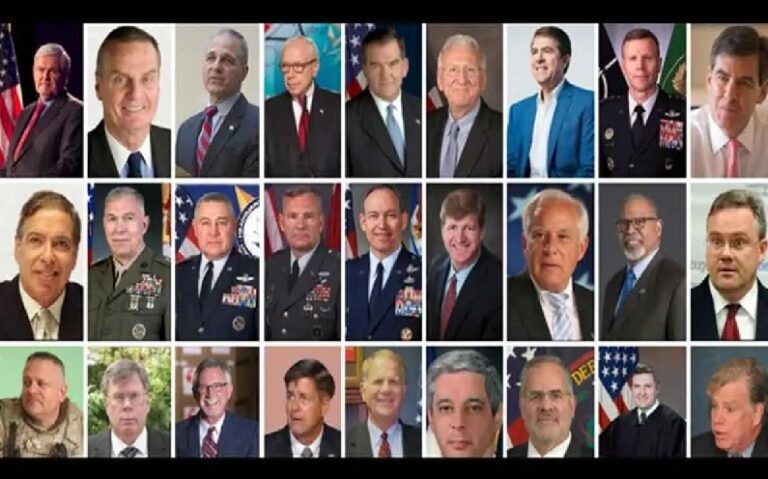
In a joint statement, 29 American political figures supported the formation of an interim government in Iran and announced their backing for Maryam Rajavi’s Ten-Point Plan, describing it as a suitable framework for a transition to a democratic system. Maryam Rajavi is the leader of the National Council of Resistance of Iran, an opposition coalition.
The statement, referring to Iran’s historical developments, says that the Iranian people in 1979 ended a period of repression that had begun during the rule of Mohammad Reza Pahlavi and his SAVAK security apparatus. However, Iranians’ efforts to achieve freedom and democracy failed again with the establishment of a religious government.
Announcement of a Provisional Government by the National Council of Resistance of IranThe signatories emphasized that over past decades, the people of Iran have been deprived of their fundamental rights and have not been able to enjoy freedoms such as expression, religion, and personal security. According to them, the ruling security and military structures have controlled the social space through various means, including repression and arrests. Another part of the statement refers to the four fundamental freedoms proposed by Franklin D. Roosevelt during World War II: freedom of speech, freedom of religion, freedom from want, and freedom from fear. The authors stressed that these principles must also be guaranteed as universal rights for the people of Iran. The group also referred to protests in recent years in Iran, stating that there is a widespread demand to end the current rule, and emphasized that the Iranian people now more than ever seek to determine their own destiny. They stressed the need to draft a new constitution based on popular sovereignty, legal equality, and the separation of religion from the state. In this context, Maryam Rajavi’s Ten-Point Plan has been introduced as a roadmap for Iran’s future. The plan includes principles such as establishing a democratic republic, guaranteeing human rights, equality between women and men, separation of powers, abolishing laws based on Sharia, and creating a country free of weapons of mass destruction. The statement also refers to political support in the United States for this approach and mentions a proposal in the U.S. House of Representatives aimed at supporting the Iranian people’s demand to establish a democratic republic. It further mentions the announcement of the formation of an interim government by the National Council of Resistance of Iran on February 28, stating that its goal is to transfer sovereignty to the people and create conditions for holding free elections. The signatories also referred to the role of the People’s Mojahedin Organization of Iran (PMOI/MEK), describing it as a movement that has stood against various governments in Iran over past decades and has paid a heavy price. According to them, despite significant losses, the organization has remained committed to the goal of establishing a system based on the people’s vote. In conclusion, these political figures, referring to historical events including the 1953 coup against Prime Minister Mohammad Mossadegh and the developments of 1979, emphasized that the Iranian people have repeatedly been deprived of achieving democracy. They believe that under current conditions, a new opportunity for change has emerged and Western countries should support the democratic movement of the Iranian people. The statement concludes by emphasizing firm support for the cause of a free and democratic Iran.
