

Educational Disaster in Iran: 70% of Students Suffering from Learning PovertyAccording to Mousavi-Nik’s statistics, during the 2010s the share of children’s education expenses from total household expenditures was about 4%, but this figure has declined to 2% in recent years. This official from the Majlis Research Center attributed this issue to declining household incomes and added that with the decrease in per capita income, families’ financial ability to pay for educational expenses has weakened. As a result of the Iranian regime’s ineffective policies in the economic, domestic, and foreign policy spheres over recent decades, runaway inflation has severely affected citizens’ lives, especially low-income groups, and the prices of basic goods have seen an unprecedented surge. Numerous reports have also highlighted the impact of the economic crisis on citizens’ mental and physical health and its consequences across various sectors, including the education system.
Economic Crisis Intensifies Academic Decline in Iran
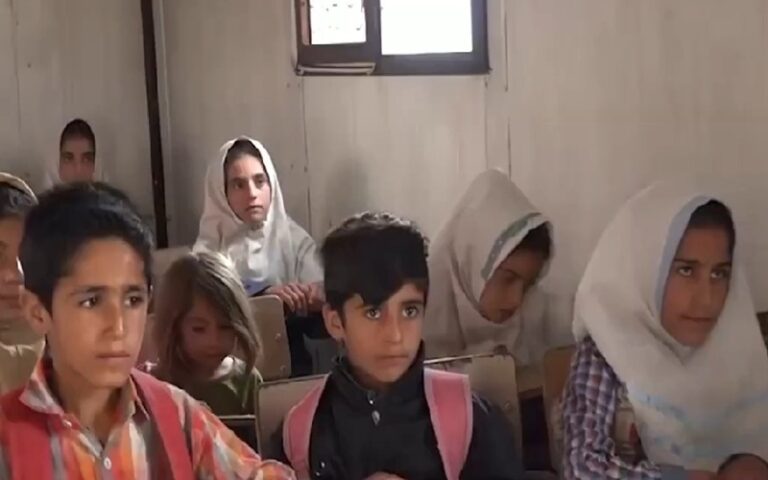
Iran, the state-run newspaper of the Iranian regime, reported that due to cuts in the Ministry of Education’s budget and the decline in people’s incomes, the government and families no longer have the same capacity as before to spend on students’ education.
The newspaper Iran wrote on Monday, December 22, quoting Hadi Mousavi-Nik, head of the Social Protection and Poverty Alleviation Policy Group at the Majlis Research Center of the Iranian regime: “Over the past 15 years, government spending on the country’s education system has decreased by 12%, and on the other hand, households no longer have the same ability as before to pay for education.”
Grossi: Bulk of Iran’s Highly Enriched Uranium Stockpiles Remain Inside Country
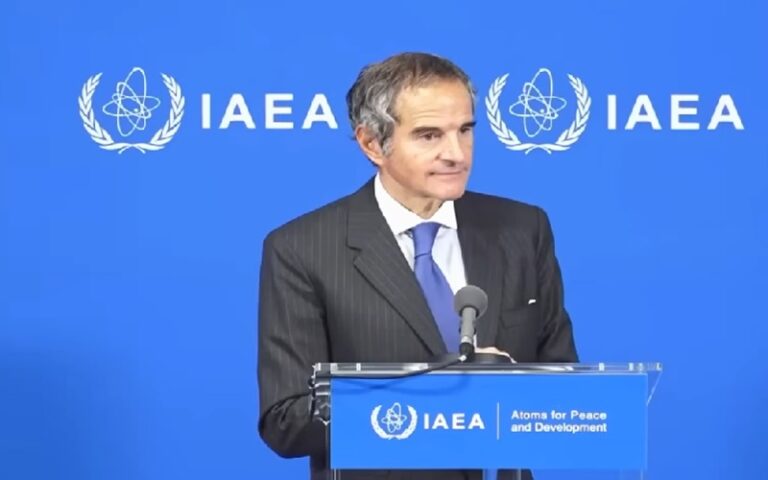
Rafael Grossi, director general of the International Atomic Energy Agency (IAEA), said the agency believes that the bulk of the Iranian regime’s highly enriched uranium stockpiles still remain inside Iran.
Grossi said in an interview with the Russian state news agency RIA Novosti on Monday, December 22: “Undoubtedly, we are facing a serious lack of information regarding Iran’s nuclear program, which from a non-proliferation perspective is a very negative matter.”
According to him, even despite severe damage to the Fordow, Natanz, and Isfahan facilities in U.S. and Israeli bombings, there is a clear understanding that the bulk of the Iranian regime’s highly enriched uranium is being kept inside Iran.
Grossi Rejects Tehran’s Claim That Nuclear Facilities Are Out of ReachThe director general of the International Atomic Energy Agency stressed that this issue is of extraordinary importance from a non-proliferation standpoint. Grossi did not provide details about the status or location of the remaining portion of the Iranian regime’s uranium stockpiles. It is unclear whether his statement that most of these stockpiles are kept inside Iran implies that another portion may have been transferred out of the country and destroyed in the attacks. The Iranian regime possesses more than 400 kilograms of highly enriched uranium and following U.S. and Israeli attacks on nuclear facilities in Iran during the 12-day war, various speculations have been raised about their fate. Grossi stated on October 19 that the Iranian regime keeps most of its enriched uranium stockpiles at the Isfahan, Fordow, and Natanz nuclear facilities, to which agency inspectors do not have access. He later warned on October 29 that agency inspectors had observed movements around the locations where uranium stockpiles are stored. Abbas Araghchi, the Iranian regime’s foreign minister, said in an interview with the Al Jazeera network on November 3 that the highly enriched uranium stockpiles are buried under the rubble of bombed facilities. He said that until these stockpiles are pulled out from under the rubble, it is not possible to assess how much has remained intact and how much has been destroyed. On November 20, the Board of Governors of the International Atomic Energy Agency adopted a resolution calling on Tehran to immediately inform the agency about the status of enriched uranium stockpiles and bombed nuclear facilities. Reza Najafi, the Iranian regime’s permanent representative to international organizations in Vienna, said Tehran considers this resolution “unconstructive and political.” The director general of the International Atomic Energy Agency had previously warned that if the Iranian regime decides to militarize its nuclear program, the amount of enriched uranium stockpiled in Iran could be sufficient to build about 10 atomic bombs.
Iranian Regime FM Spokesperson Calls Missile Program ‘Non-Negotiable’
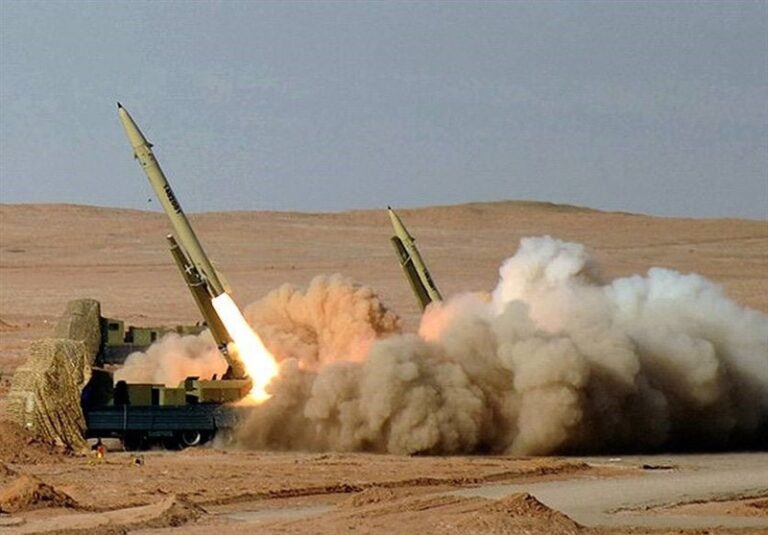
Esmaeil Baghaei, spokesperson for the Iranian regime’s Ministry of Foreign Affairs, reacting to reports about a focus on Tehran’s missile program during the upcoming meeting between the Israeli prime minister and the U.S. president and the possibility of another attack on Iran, stated that the regime’s missile capability is “non-negotiable.”
Baghaei said at a press conference on Monday, December 22, that the Iranian regime’s missile program was developed with the aim of “defending national security” and, therefore, is not a subject for “negotiation or bargaining.”
Iran’s Regime Imported 2,000 Tons of Missile Fuel Material from ChinaHe added that these capabilities were formed to prevent “any potential aggression” and are “inviolable.” Referring to speculation about another attack on Iran, the foreign ministry spokesperson added: “Media hype is part of a hybrid war designed against Iran. Nevertheless, the country’s armed forces, with full readiness, know their duties well.” On December 21, during a visit to Israel, Lindsey Graham, a Republican U.S. senator, said there was evidence indicating efforts by the Iranian regime to enrich uranium and revive its missile program. He added that if this is confirmed, Iran should be attacked before it is implemented. NBC News reported on December 20 that Israeli officials believe the Iranian regime is expanding its ballistic missile program and intend, during the upcoming meeting between Benjamin Netanyahu, Israel’s prime minister, and U.S. President Donald Trump, to present options for Washington to join or assist Israel in a potential attack on Iran. Axios wrote on December 21 that the Netanyahu government warned the United States about an IRGC missile exercise, describing it as “a cover for preparing” a potential attack on Israel.
Baghaei rules out inspections of bombed facilities
Continuing his remarks, the Iranian regime’s foreign ministry spokesperson rejected reports about Tehran’s role in the killing of Nuno Loureiro, a Jewish nuclear scientist, in the United States, saying: “Criminals assume everyone follows their own creed.” The Israeli newspaper Maariv reported on December 17, 2025, that Israeli officials were examining information about a possible link between Iran’s regime and the killing of this senior nuclear scientist from the Massachusetts Institute of Technology. At the same press conference, Baghaei also addressed the outlook for relations between Tehran and the International Atomic Energy Agency and recent remarks by Rafael Grossi, the agency’s director general, regarding the Iranian regime’s obstruction of inspections of bombed Iranian facilities. He said: “There is no reason for a crisis to form, because the matter is clear: as long as we are a member of the Non-Proliferation Treaty and committed to the Comprehensive Safeguards Agreement, we know well how to implement our obligations.” Grossi said in an interview with the Russian news agency RIA Novosti on December 15 that the agency’s activities in Iran are very limited and inspectors only have access to facilities that have not been targeted by U.S. and Israeli attacks. He also rejected Tehran’s narrative on December 20 that these sites are “unsafe” and inaccessible. Baghaei continued that there is no “protocol” regarding how to inspect damaged facilities and that Grossi’s insistence on inspecting the Fordow, Natanz, and Isfahan sites shows he is “seeking political exploitation” of the issue. Criticizing the agency’s stance, he added: “Over a long period, we had the highest number of inspections by the agency, but they did not fulfill their responsibilities and had no reaction against the United States and Israel regarding their actions against Iran’s nuclear facilities.” On December 8, Abbas Araghchi, the Iranian regime’s foreign minister, said that resuming agency inspections is currently not possible because there is “no protocol or guideline” for inspecting facilities he described as “peaceful.” Grossi had previously confirmed that Tehran still possesses the capacity to build a nuclear weapon. On May 31, before the war, the International Atomic Energy Agency stated in a confidential report that Iran had carried out clandestine nuclear activities at three locations that have long been under investigation. The Ynet news website reported on December 19 that before the 12-day war, the Iranian regime had been researching the development of fourth-generation nuclear weapons based on pure fusion. According to the report, this research concerned a completely new type of nuclear weapon that no country has so far succeeded in producing.Rising Food Prices Threaten Health of Iran’s Population

Ahmad Esmailzadeh, director general of the Community Nutrition Improvement Office at the Health Ministry of the Iranian regime, warned about the negative consequences of rising food prices—especially dairy products and protein sources—on the nutritional health of Iran’s population.
In an interview with ISNA, a state-run news agency, on Sunday, December 21, Esmailzadeh referred to the continued price hikes in the country and said: “In recent months, concerns about people’s nutrition have multiplied, and there is a fear that people may suffer from nutrient deficiencies.”
Runaway Price Increases and the Shadow of Hyperinflation Over Iran’s EconomyHe added that the Health Ministry has repeatedly warned that rising food prices could lead to people’s “malnutrition,” because “even middle and higher income deciles” under current conditions have reduced their consumption of dairy and protein. In recent weeks, an unprecedented rise in food prices and basic goods in Iran has placed heavy pressure on citizens’ lives. Experts and social activists have warned that the continuation of this trend could have serious consequences, including damage to public health, the spread of malnutrition, and intensified psychological pressure on society.
The need to allocate subsidies for people’s nutrition
Continuing his interview, Esmailzadeh called for the allocation of subsidies in the field of nutrition and stressed that such a subsidy is “not a waste of resources.” He said: “A subsidy for the nutrition sector is a form of prevention against the emergence of chronic diseases in the coming years, which costs far less than treatment.” According to this Health Ministry official of the regime, if the government allocates “one percent of the taxes from food factories” to the Community Nutrition Improvement Office, these resources “could significantly reduce the burden on the country’s healthcare system in the coming years.” On October 20, the Rouydad24 news website reported that with the intensification of the economic crisis and a sharp decline in people’s purchasing power, a growing number of Iranian citizens have lost the ability to secure essential food items, and malnutrition has now become a factor in about 35% of deaths in the country.Warning about the consequences of malnutrition
Esmailzadeh also warned about the long-term consequences of the food crisis in the country and said: “Suffering from malnutrition leads to a reduction in the workforce in the future.” He added: “The effects of reduced consumption of dairy, fruits, vegetables, and legumes will appear in the form of increased chronic diseases such as cardiovascular diseases, strokes, osteoporosis, fractures, and other health problems.” According to Esmailzadeh, the burden resulting from such conditions “will fall on this ministry,” forcing it to spend more on treatment. Following the Iranian regime’s ineffective policies in economic, domestic, and foreign affairs over recent decades, runaway inflation has severely affected citizens’ lives, and the prices of basic goods have faced an unprecedented surge. This comes as Gholamreza Nouri Ghezeljeh, the agriculture minister of the Iranian regime, on October 8 described the trend of rising prices in the country as “logical” and said that food prices in Iran are “cheap even compared to global prices.”Criticism over the lack of practical action to improve conditions
Esmailzadeh stated that if resources are allocated to the Community Nutrition Improvement Office of the Health Ministry, programs such as the distribution of milk in schools would be implemented. At the same time, he acknowledged: “The current situation is such that we constantly have to talk about the worsening of malnutrition or point to the reduction in calcium and protein consumption. Unfortunately, many issues remain only at the level of words and talk, and there is no practical action beyond that.” In November, media in Iran reported that despite the Education Ministry’s promise to distribute milk in Iranian schools, the plan has been implemented in only four provinces. This is while in the current year’s budget, 65 trillion rials (approximately 50 million dollars) had been allocated for the implementation of this plan.Iranian Workers Have No Table to Put Food on as Poverty and Destitution Intensify
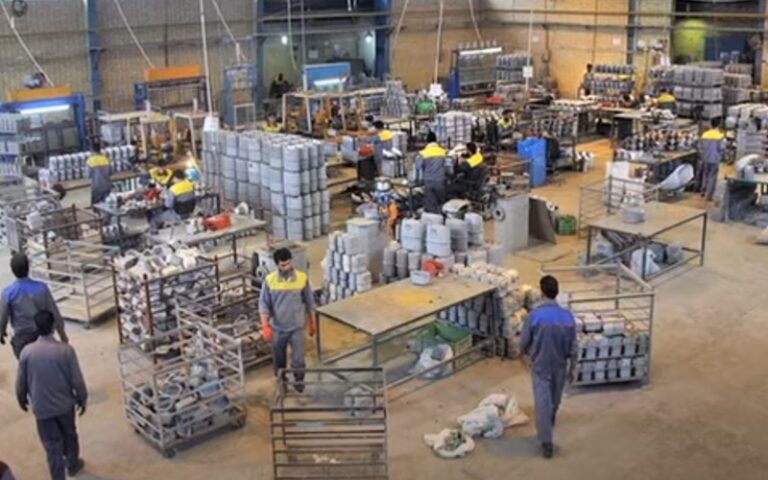
At the same time as the deterioration of living conditions for working-class households and wages falling far behind living costs, an inspector from the Iranian regime’s Supreme Council of Islamic Labor Councils said that with this runaway inflation and soaring prices, there is no longer any table left for workers.
Habib Sadeghzadeh Tabrizi told ILNA, a state-run news agency, on Sunday, December 21: “One gram of gold is equivalent to about one month of a worker’s minimum wage,” describing this as indicative of the deep gap between wages approved by the Supreme Labor Council and the real cost of living.
Labor Organizations Indicate that Iran’s Minimum Wage Next Year Must Be 600 Million RialsCurrently, the base wage for workers covered by the Labor Law is close to 110 million rials (approximately 85 dollars) per month. This amount, including benefits, reaches about 150 million rials (approximately 115 dollars) per month. In contrast, some government-aligned labor groups have said that the monthly cost-of-living basket has reached 580 million rials (approximately 654 dollars). Previously, the Haft-Tappeh Sugarcane Workers’ Syndicate, the Coordinating Committee to Help Form Labor Organizations, Khuzestan retired workers, and the Eighth of Azar Retirees’ اتحاد group had stressed in a joint statement that the minimum wage for the coming year should be 600 million rials (approximately 462 dollars). These independent labor and retiree groups had called in 2024 for setting a wage of 400 to 450 million rials (approximately 308 to 346 dollars) for the current year. Referring to Article 41 of the Labor Law, adopted in 1990, Sadeghzadeh Tabrizi said that this legal article, which was supposed to set wages based on inflation and living costs, has today turned into an ineffective text. The two notes of Article 41 of the Labor Law stress that the minimum wage for workers must be set based on the inflation rate and the cost of living of a working-class household. However, over the years, members of the Supreme Labor Council have ignored the second note and set the following year’s wage at a level that has been even lower than that same year’s living costs. Labor activists and independent labor organizations have described this approach as a policy of “wage suppression.” Sadeghzadeh Tabrizi added in his interview with ILNA that the Supreme Labor Council sets wages at the end of each year, but those wages lose their value even before being deposited into workers’ accounts. He added that the wage for 2025 was set based on a dollar exchange rate of 850,000 rials, while now, with only three months remaining until the end of the year (the Iranian New Year begins on March 21, 2026), the dollar has reached a rate of 1.31 million rials. Sadeghzadeh Tabrizi pointed out that the stark gap between official decisions and economic realities has placed workers in a situation where they no longer have the ability to plan their daily lives. In this regard, Majid Rahmati, a board member of the Islamic Labor Council Association of Tehran Province, told ILNA on Friday, December 19: “According to a report by the Ministry of Cooperatives, Labor, and Social Welfare that I reviewed in Azar, household calorie consumption has dropped by about 30% compared to ten years ago.” Emphasizing that reduced consumption of dairy products and basic food items carries social consequences and serious health impacts, he said: “When a family cannot provide an adequate food basket, especially for its child or infant, the ground is effectively laid for illness and malnutrition.” Also according to ILNA, Sadeghzadeh Tabrizi in part of his remarks referred to workers paying taxes and stressed: “Workers whose wages do not even cover basic living expenses should not be subjected to additional tax pressure.” Earlier, Somayeh Golpour, head of the Supreme Association of Workers’ Trade Unions, had suggested to the Eghtesadnews website on Friday, December 19 that because inflation for 2026 is not considered in the cost-of-living basket, “the equivalent of one and a half grams of gold per month from Farvardin to Esfand should form the basis of the minimum wage.” She added that this measure should “also include those who work in contracting jobs, employees who receive the minimum wage, and retirees who are affected.” Golpour also said that another proposal is for the constitutional legal obligations—namely the provision of housing, full and free healthcare, free education, and free transportation—to be implemented. According to her, these are matters that “have existed in the heart of the constitution for years, and deprived groups, lower deciles, workers, and retirees have suffered from their non-implementation.” Golpour noted in this interview that 80% of workers’ wages are spent on housing costs. At the same time as criticism mounts over the living conditions of workers and other wage earners, the government of Iranian regime president Masoud Pezeshkian is seeking, through parliament, to amend Article 41 of the Labor Law by removing the “cost of living” criterion from minimum wage calculations and limiting wage increases solely to the official inflation rate. Ahmad Meydari, the minister of Cooperatives, Labor, and Social Welfare, said on Wednesday, December 17 about the government’s plan to raise workers’ wages next year: “A law is under review in parliament according to which wage increases must be at least in line with inflation, which we are also taking into account, and after reviewing all these issues, it will become clear how the matter can be pursued with workers and employers.” In this way, the Pezeshkian government is seeking to remove the second note—namely “living costs”—from wage determination calculations. The publication of these remarks has sparked criticism from users in workers’ Telegram groups, with one user describing the labor minister’s proposed move as “decision-making against the people.”
Iran’s Regime Executes Architecture Student on Espionage Charges
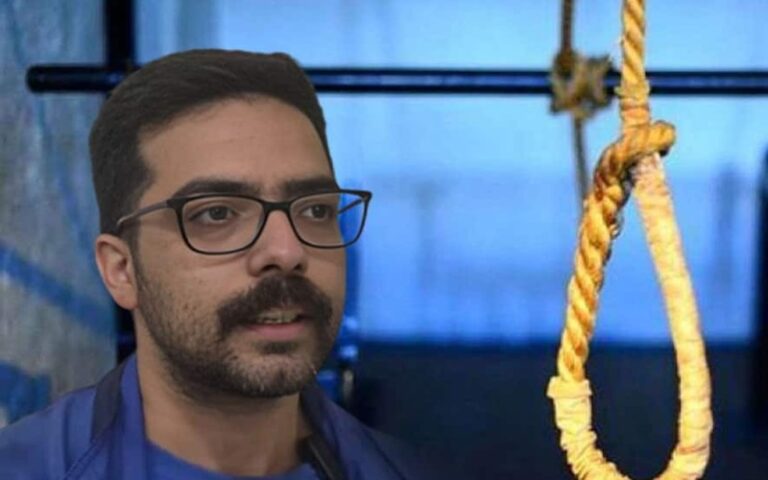
The judiciary of the Iranian regime announced that the death sentence of Aqil Keshavarz, an architecture student at Shahrud University, was carried out on charges of “spying for Israel.” Keshavarz’s family had their final visit with him on Friday, December 19, at Urmia Prison.
Mizan News Agency, a media outlet affiliated with the judiciary of the Iranian regime, reported that he was executed on the morning of Saturday, December 20, “after the sentence was confirmed by the Supreme Court and following legal formalities.”
Hours before Keshavarz’s execution, some student and human rights media outlets reported growing concerns about the imminent implementation of his death sentence.
This student from Isfahan had been transferred to a solitary confinement cell at Urmia Prison on December 17 in preparation for the execution.
Iran: 304 Executions in One Month, 1,735 In 2025 So FarOn Thursday afternoon, Keshavarz’s family went to Urmia Prison, but they were told that their son had been transferred to Tehran. They ultimately managed to have a final visit at noon on Friday. During the in-person visit, his mother lost consciousness due to severe emotional stress. Keshavarz had previously been arrested in June, coinciding with the 12-day war with Israel, and was sentenced to death by the Iranian regime’s judiciary on charges of “spying for Israel.” Meanwhile, Mizan News Agency, affiliated with the judiciary, stated that Keshavarz was arrested in May and, without specifying the exact date, wrote that he was detained by patrol agents of the Iranian regime’s army protection unit. In its report, Mizan described Keshavarz as an “agent of Mossad and the Zionist regime’s army,” and listed his alleged “crime” as “espionage” in favor of Israel, “intelligence communication and cooperation” with the country, and “photographing military and security sites.” Earlier, the Kurdistan Human Rights Network had reported that Keshavarz, an architecture student at Shahrud University from Isfahan, was held “for one week” after his arrest at an IRGC Intelligence Organization detention center in Urmia, where he was “interrogated and tortured in order to extract a forced confession of spying for Israel.” According to this report, he was then transferred to Evin Prison and was there at the time of Israel’s bombing of Evin Prison, after which he was moved to another detention facility. Meanwhile, the announcement of Keshavarz’s execution has sparked a wave of criticism and condemnation from social media users. Officials of the Iranian regime have stated that following the 12-day war, more than 700 people have been arrested on suspicion of spying for or collaborating with Israel. According to human rights reports, in addition to prisoners convicted of ordinary crimes, around 70 prisoners facing political charges in Iranian prisons are currently at risk of having their death sentences approved or carried out, and more than 100 others face the possibility of receiving death sentences on similar charges. The issuance and implementation of death sentences by the Iranian regime have drawn widespread international criticism.
Amnesty International Calls for Immediate Release of Imprisoned 16-Year-Old Baluch Child
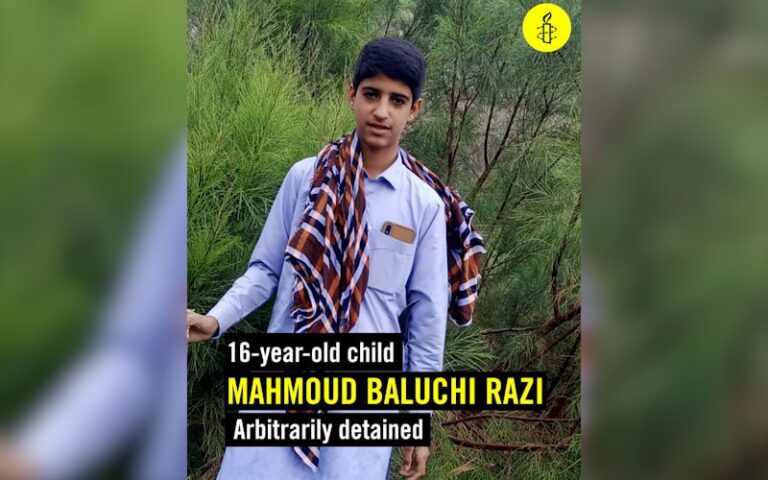
Amnesty International urged the authorities of Iran’s regime to immediately release Mahmoud Baluchi Razi, a sixteen-year-old child. According to the human rights organization, he was arbitrarily arrested about two weeks ago and subjected to torture and other ill-treatment in order to force his father to surrender.
In a statement issued on Friday, December 19, Amnesty International referred to the arrest of Baluchi Razi at his school in Nikshahr County in Sistan and Baluchestan province by agents of the Ministry of Intelligence, Iran’s main intelligence agency, on December 7, writing that by refusing for several days to disclose his fate and place of detention to his family, the authorities exposed him to enforced disappearance.
Iran Marks 99th Week of ‘No To Executions Tuesdays’ Campaign in 55 Prisons NationwideAccording to the statement, Amnesty International researchers learned that interrogators subjected Baluchi Razi to “beatings” and forced him to contact his family and tell them that his father must surrender in order to secure his son’s release. Amnesty International noted that Baluchi Razi has been denied access to a lawyer and stated that he is being held in a juvenile detention center in Kerman province, about 800 kilometers away from his family’s place of residence. The organization called for him to be protected against torture and any further ill-treatment and to be granted immediate access to his family and a lawyer. The human rights organizations had previously reported that the arrest of Baluchi Razi, a sixteen-year-old Baluch child, was carried out by forces of the Intelligence Department of Kerman province through a raid on his school in the village of Chanf, located in Nikshahr County. The organization added that the arrest was carried out “without presenting a judicial warrant.” According to the reports, security institutions of the Iranian regime have repeatedly used the arrest of children and relatives of wanted individuals or dissidents as a means of pressure, and this practice has a long history in Sistan and Baluchestan province and has consistently raised concern among human rights organizations. Iran’s regime repeatedly uses pressure on the families and children of political activists and opponents as a tool of repression. This method has intensified in recent years and is employed to force detainees into cooperation or televised forced confessions.
Grossi Rejects Tehran’s Claim That Nuclear Facilities Are Out of Reach
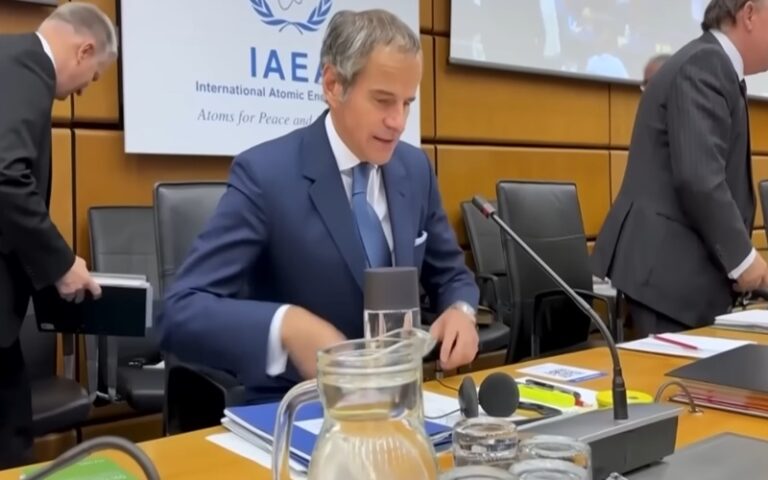
The director general of the International Atomic Energy Agency questioned Tehran’s claim that Iran’s nuclear facilities are “unsafe” and stated that IAEA inspectors must determine whether access to these facilities is possible or not. At the same time, the spokesperson of Iran’s Atomic Energy Organization said the agency’s demand in this regard is “unreasonable.”
In an interview with the Russian news agency RIA Novosti published on Saturday, December 20, the director general of the IAEA said Iranian regime officials claim that “the facilities are unsafe and cannot be accessed,” but in that case, inspectors must be allowed to verify whether access is truly impossible.
Trump Threatens to Destroy Tehran’s Nuclear Weapons Capabilities If It Rebuilds ItRafael Grossi added that this issue is now the subject of discussions between the agency and Tehran, and he expressed hope that a certain degree of progress could be achieved. The issue of Iran’s enriched uranium has become a serious challenge for the IAEA following the 12-day war. In August, Fatemeh Mohajerani, spokesperson for the government of Iranian regime president Masoud Pezeshkian, stressed during her weekly press conference that the enriched uranium was “buried somewhere” and that there is no access to it. Abbas Araghchi, the foreign minister of the Iranian regime, also said in an interview with the regime’s state broadcaster on September 12 that Iran’s stockpile of enriched uranium is “under the rubble of bombed nuclear facilities.” Sergey Lavrov, Russia’s foreign minister, said on Friday, December 19, that Moscow wants the director general of the IAEA to adopt a “professional and impartial approach” in assessing the Iranian regime’s nuclear program.
The agency’s emphasis on the need for access to all of Iran’s nuclear facilities
In another part of the interview with RIA Novosti, Grossi said that first of all, Iran possesses far more than these three facilities. While these three sites are very important in terms of reprocessing, conversion, and uranium enrichment, Iran’s nuclear program is not limited to them. He continued that Iran has a very advanced nuclear program with a strong research and scientific component and numerous other facilities across the country. There is also a nuclear power plant in Bushehr, and plans have been discussed for building new plants as well, including, if he was not mistaken, jointly with Russia. Therefore, work continues in all these areas.Kamalvandi: Inspecting sites is an unreasonable demand
At the same time as Grossi’s remarks, Behrouz Kamalvandi, spokesperson and deputy head of Iran’s Atomic Energy Organization, described the agency’s request to inspect the Iranian regime’s nuclear facilities as “unreasonable.” He told the state-run ISNA news agency on December 19: “We need to take measures and see whether it is possible to carry out material accountancy through other means and inform the agency, without inspectors going to the site in question. Some ideas and methods are coming to mind, but these issues need to be negotiated.” This senior Iranian regime official added: “The agency’s insistence that Iran must allow access and inspections of materials and sites or report to the agency strictly in accordance with the safeguards agreement, which was written for non-war conditions, is an unreasonable demand.” While Tehran has announced that the agreement reached with the agency in Cairo has been canceled, Kamalvandi warned: “Whether they like it or not, conditions have changed, and if we want to resume serious negotiations with the agency, Iran’s considerations must be taken into account.” In recent months, a number of Iranian regime officials have labeled Grossi a “Mossad agent,” and the state-run Kayhan newspaper, overseen by a representative of Iranian regime supreme leader Ali Khamenei, even called for his execution on charges of “spying” for Israel. The Ynet news website reported on December 19 that prior to the 12-day war with Israel, the Iranian regime was researching the development of a fourth generation of nuclear weapons based on pure fusion. According to the report, published on Friday, December 19, research in Iran has focused on a completely new type of nuclear weapon that no country has yet managed to produce. The report stated that this type of fusion does not require uranium or plutonium and leaves almost no radiation or radioactive contamination behind. The report was published amid rising speculation in recent days about the fate of the Iranian regime’s nuclear program and the potential reactions of the United States, Israel, and the European troika.Cities Across Iran Face Severe Pollution
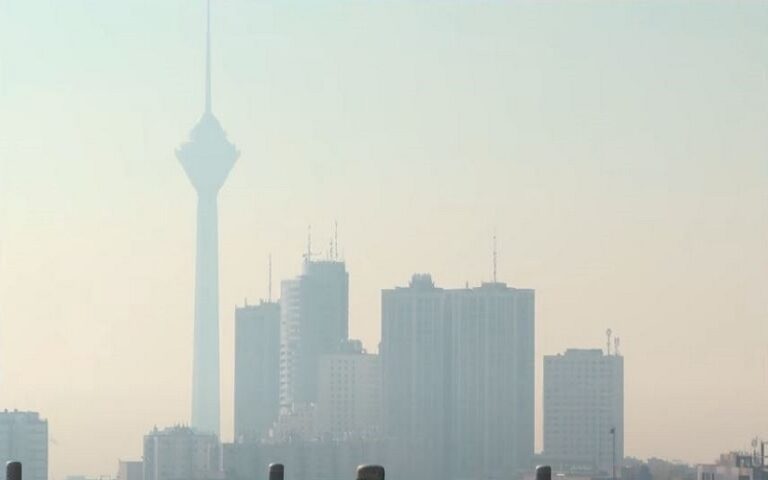
Media outlets in Iran reported the return of air pollution to Tehran, writing that based on air quality indices, the capital’s air has entered an unhealthy condition for sensitive groups. At the same time, six cities in Khuzestan province have also been affected by this crisis.
According to a report by the Tehran Air Quality Control Company, the average air quality index on Friday, December 18, reached 116, indicating an orange status, meaning unhealthy for sensitive groups.
This comes as the average air quality index in Tehran over the past 24 hours was 83, which corresponds to a yellow, or acceptable, status.
Air Pollution in Late November Sent 170,000 People to Emergency in IranSince March 2024, Tehran has experienced only six days of clean air. In the current year, the capital has recorded 130 acceptable days, 113 days unhealthy for sensitive groups, 20 unhealthy days, two very unhealthy days, and two days classified as hazardous. IRNA, the official news agency of the Iranian regime, wrote on December 19, referring to the renewed air pollution in Tehran: “Heart and lung patients, children, pregnant women, and the elderly should stay at home and avoid unnecessary travel.” Air pollution in Iran, especially in recent years, has become one of the most serious environmental and public health crises, with major cities such as Tehran, Isfahan, Mashhad, and Ahvaz continuously facing unhealthy air. The Iranian regime’s inability to manage this crisis, alongside policies such as burning mazut fuel at power plants, has played a direct role in intensifying air pollution and has placed the health of millions of citizens at serious risk. Akbar Nouralizadeh, a faculty member at Shahid Beheshti University of Medical Sciences, warned on December 18 that air pollution, alongside tobacco use, is considered one of the main factors contributing to bladder cancer.
Continuation of air pollution in Khuzestan province
Data from the country’s Air Quality Monitoring Center show that as of nine a.m. on December 19, the air quality index in the cities of Khorramshahr reached 153 and in Mollasani reached 152 micrograms per cubic meter, figures that indicate red status and unhealthy conditions for all population groups. The air quality index was also reported at 133 in Abadan, 108 in Shushtar, 119 in Karun, and 136 in Haftkel micrograms per cubic meter, all of which fall within the orange range. The Young Journalists Club, a media outlet affiliated with the Islamic Revolutionary Guard Corps, wrote with reference to air pollution in some cities of Khuzestan that under such conditions, individuals with heart or lung diseases, the elderly, and children are advised to avoid heavy or prolonged outdoor activities.357 Dead From Air Pollution In Tehran In One WeekAt the same time as the intensification of the influenza wave and the increase in air pollution in Iran’s major cities in recent days, citizens have been facing a new wave of respiratory infections. In August, Abbas Shahsouni, deputy head of the Air Quality and Climate Change Research Center at Shahid Beheshti University of Medical Sciences, said that in 2024 alone, more than 35,000 deaths attributed to air pollution were recorded in the country.
UN General Assembly Adopts Resolution Condemning Human Rights Violations In Iran
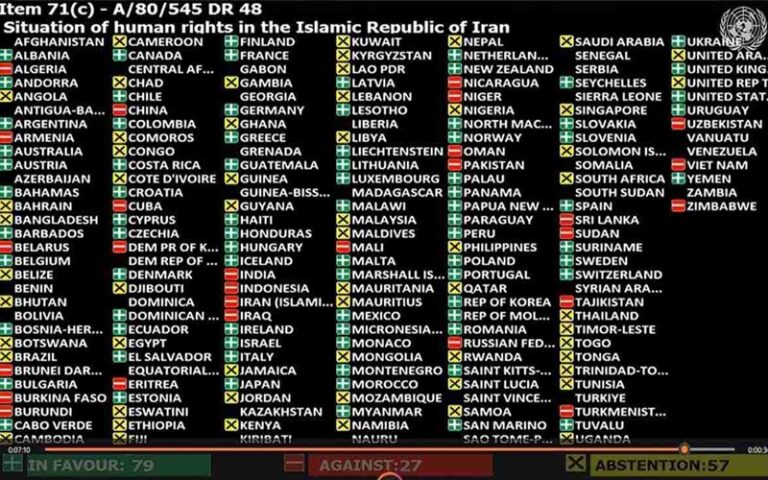
The United Nations General Assembly adopted its annual resolution on the human rights situation in Iran with 78 votes in favor, 27 votes against, and 64 abstentions.
According to the voting results, which took place during a Thursday afternoon session on December 18 in New York, the number of votes in favor slightly decreased compared to last year, and the number of abstentions also declined.
Last year, the proposed resolution was adopted with 80 votes in favor, 27 votes against, and 68 abstentions. A comparison with the vote in the UN General Assembly’s Third Committee last month also shows that most of the differences stem from the absence or presence of certain countries.
Iran’s Regime Upholds Death Sentence of Political Prisoner Mohammad Javad Vafaei SaniEarlier, the Third Committee of the United Nations General Assembly approved the resolution condemning human rights violations in Iran on Wednesday morning, November 19, with 79 votes in favor and 28 against; a text that this year placed broader emphasis on executions, women’s rights, the repression of protesters, and transnational repression.
Transnational repression; an unprecedented reference in an official UN document
One of the most significant parts of this year’s resolution is the direct reference to “transnational repression,” an issue recorded for the first time in a General Assembly document concerning Iran. The text states that dissidents, journalists, human rights defenders, and even their families abroad are subjected to pressure, threats, cyberattacks, and surveillance. The resolution stresses that the families of these individuals inside Iran are harassed and intimidated as a means of silencing critics abroad. It also expresses serious concern over threats against the families of victims of Flight PS752 and the survivors of the 2022 protests.Executions; grave concern over sharp increase and lack of fair trials
A major portion of the resolution is devoted to executions. The text expresses concern over the “alarming and significant increase in executions” in Iran, particularly executions carried out based on forced confessions and without respect for due process rights. The resolution emphasizes that executions in Iran are disproportionately applied against Baluch, Kurdish, and Arab minorities, and that the number of executions of Afghan citizens is also rising. The execution of juveniles, secrecy surrounding executions, failure to return bodies to families, and the use of the death penalty as a tool to suppress protests are among the other key issues in this section. The resolution calls on Iran’s regime to move toward an official suspension of the death penalty.Deteriorating Conditions of Two Political Prisoners in Iran
