

The Karaj Dam’s Reservoir Can Only Supply Tehran’s Drinking Water for Two WeeksAccording to official data from the Water Resources Management Company, from the beginning of the current water year (September 23) to October 25 — a period of 33 days — Iran received only 2.3 millimeters of rainfall, and 21 out of the country’s 31 provinces saw no rain at all. With water levels in Tehran’s and Karaj’s dams dropping to their lowest in 60 years and wells in Mashhad drying up, water scarcity in Iran has reached one of its most critical stages. Despite serious criticism of the Iranian regime’s mismanagement of water resources, provincial officials speak of the need for rationing and conservation. Mohsen Ardakani, CEO of the Tehran Water and Wastewater Company, announced on Thursday, November 6, that the capital’s surface water resources are currently in a “red and very fragile condition.” Ardakani stressed that there has been no recorded rainfall in the new water year in Tehran, adding that this is the sixth consecutive drought for the capital, while the previous water year was the driest in the past century. He added: “Last year at this same time, rainfall in Tehran was 20 millimeters, and the long-term average is 30 millimeters, but now it has dropped to zero.” Behzad Parsa, CEO of Tehran’s Regional Water Company, announced on November 2 that currently only 14 million cubic meters of water remain behind the Karaj (Amir Kabir) Dam, which can supply Tehran’s drinking water for only two more weeks. He stated that the inflow to Tehran’s dams has decreased by 43% compared to last year. Ardakani also emphasized the need for water conservation and said that if Tehran residents could save an additional 10% on top of the 10% reduction already achieved since the start of the year, “we can overcome the current crisis.” In recent months, as the water crisis has intensified, Iranian regime officials have repeatedly blamed the public and urged citizens to “conserve water,” warning of declining dam reserves.
Pezeshkian: If It Doesn’t Rain, Tehran Must Be Evacuated
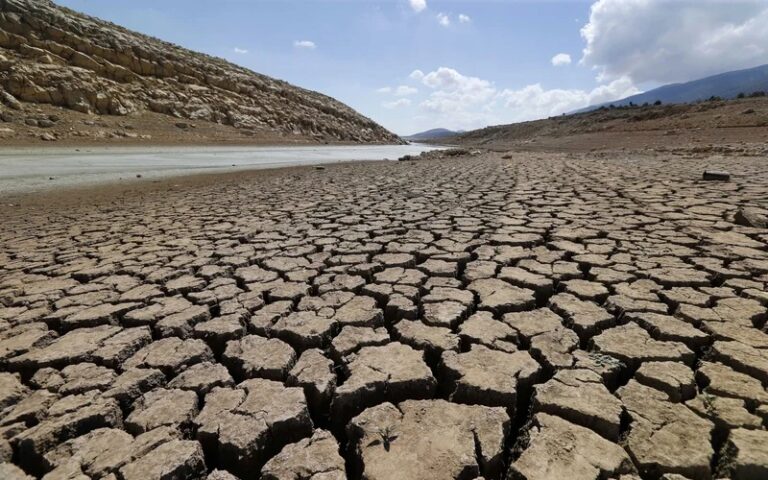
Masoud Pezeshkian, the president of Iran’s regime, warned about the water resource crisis, saying that if it doesn’t rain in December, water in Tehran will be rationed, and if the drought continues, Tehran will have to be evacuated.
During his trip to Kurdistan Province on Thursday, November 6, he added: “If after water rationing there is still no rain, then we will have no water at all, and Tehran must be emptied.”
As the water crisis continues across many provinces of Iran, the director-general of Tehran’s Water and Wastewater Company said that the capital’s water situation is at a “red” and alarming level.
Iran 20-Year-Old Sets Himself on Fire Over Kiosk Demolition

Ahmad Baledi, a 20-year-old student, set himself on fire in protest against the demolition of his family’s kiosk by the Ahvaz municipality. He suffered burns on about 70% of his body and has been hospitalized in Taleghani Hospital in Ahvaz, where his condition is reported to be critical.
The Karun Human Rights Organization reported that on the morning of November 2, municipal forces from District 3 of Ahvaz, accompanied by police officers, went to the workplace of Mojahed Baledi in Zeytoon Park and demolished his kiosk without notifying him or securing his presence.
At the time, Mojahed Baledi’s wife and their son Ahmad were present at the scene and staged a sit-in inside the kiosk to prevent its destruction. However, the agents continued with the demolition.
According to the report, the deputy for services at Ahvaz District 3 municipality “acted violently and unprofessionally,” grabbing Mojahed Baledi’s wife by the hand and throwing her out of the kiosk.
One-Third of Iranians Deprived of Basic NeedsIn response to this “violent and unjust act,” Ahmad Baledi poured gasoline on himself and set himself on fire in front of the officers as an act of protest against the “injustice committed.” According to eyewitnesses, some officers at the scene made no effort to prevent the tragedy and instead watched indifferently — even mockingly. In recent years, there have been numerous cases in Iran of workers setting themselves on fire or committing suicide due to dismissals, harsh working conditions, delayed or unpaid wages, economic hardship, and other pressures. In one of the most recent cases, on November 3, another Arab citizen in Ahvaz, named Kamal Baledi, took his own life due to psychological distress and financial hardship.
A kiosk that had official permission 25 years ago
The Karun Human Rights Organization reported that about 25 years ago, Mojahed Baledi obtained an official municipal license to set up a small kiosk and restaurant in Zeytoon Park, Ahvaz. According to the organization, this kiosk was one of the few Arab-owned establishments among more than 400 kiosks operating across the city of Ahvaz. In recent years, he had repeatedly been subjected to pressure and discriminatory treatment by some local officials, and there had been several prior attempts to demolish his kiosk. The Karun Human Rights Organization expressed deep regret over this incident, calling for serious legal action against those responsible for this inhumane act, and emphasized that the violated rights of the Baledi family must be restored and properly addressed. As of the time of this report, neither the Ahvaz municipality nor the police had issued any response regarding the incident.Anonymous Hackers Tied to Iran’s Regime Targeted American Researchers with Fake e-Mails
Proofpoint, a U.S. cybersecurity firm, reported that an anonymous group of hackers tied to Iran’s regime used sophisticated deception and social-engineering techniques to target academics and foreign-policy experts in the United States.
According to the firm’s researchers, the attack campaign — active between June and August 2025 — represents an evolution in Iranian state cyber espionage, where attackers combined traditional phishing techniques with legitimate remote-management tools to infiltrate sensitive targets.
Tehran-Backed Hackers Carried Out a Cyber Intrusion Against Mediators in the Gaza Ceasefire NegotiationsProofpoint says the group used Iran-related political topics — including social changes and research into the militarization of the Islamic Revolutionary Guard Corps (IRGC) — as lures to deceive victims. The hackers sent seemingly innocuous e-mails containing fake health-related links, bogus OnlyOffice hosts (a document collaboration platform), and remote-management tools. Analysts say the tactics and tooling closely resemble those used by several known Iran-linked groups, but because of a lack of definitive evidence, Proofpoint has classified this actor independently. Investigators found the attack chain began with a simple conversation and an e-mail about Iran’s economic and political situation, followed by efforts to steal account credentials. Then links containing archive files and malicious code were sent to victims that installed remote-management software on the target machines. In the group’s first campaign in June 2025, the hackers impersonated a Brookings Institution staffer and contacted more than 20 U.S. researchers. The technique was technically similar to previous attacks by one of the known groups. The e-mails used the fake name “Susan Maloney,” presented as a director of the foreign-policy program at the Brookings Institution (a U.S. think tank). Victims then received a link that appeared to point to OnlyOffice but redirected to a fake Microsoft login page hosted on a health-themed domain. After one target became suspicious of the phishing page, the attackers modified the login page and used the new version to continue the attack. Later, zipped files contained programs that launched “PDQ Connect” (a remote-control application). In some cases, another tool called “ISL Online” was also installed, which provided attackers with direct access to the victim’s system. Proofpoint said the high similarity in methods and infrastructure makes firm attribution to a specific known organization difficult. Nevertheless, the review shows the new actor’s tactics and targets align with the established patterns of Iran-linked groups. Researchers say the continuous targeting of Iran-related foreign-policy experts remains a priority for Iran’s regime intelligence efforts.
Iran’s Regime Executes 20 Prisoners in Three Days
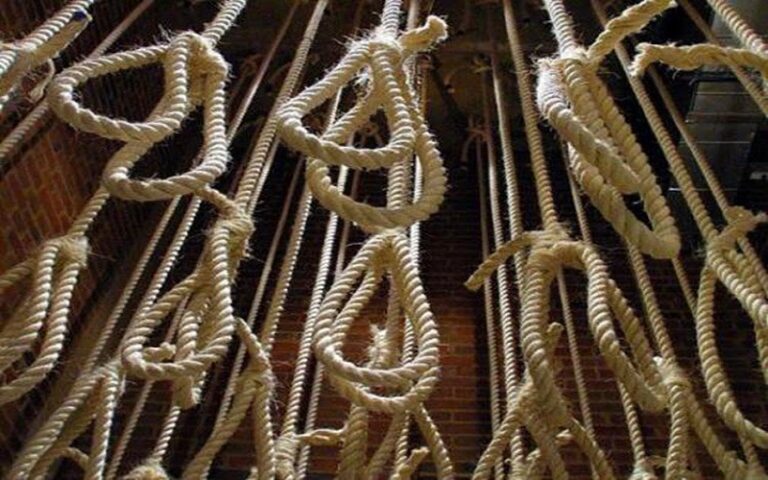
The significant increase in executions reflects the regime’s anxiety over widespread protests and the people’s demands for freedom. This policy is considered an attempt to instill fear and maintain social control.
Twenty prisoners were executed in the prisons of Shiraz, Yazd, Kermanshah, Ilam, Mashhad, Kashan, Rasht, and Isfahan. These executions took place over a three-day period, from Monday, November 3 to Wednesday, November 5, 2025.
Iran’s ‘No To Execution Tuesdays’ Campaign Enters 93rd Week
Execution of 5 Prisoners in Adelabad Prison of Shiraz
On the morning of Wednesday, November 5, 2025, five prisoners were executed in Adelabad Prison of Shiraz. The identities of two of them are as follows: – Fayez Abusheh, 43 years old, son of Mohammad Saleh, married, father of two children, and a resident of Bandarpol in Khamir County. He was accused of drug-related charges. – Habib Zare, from Marvdasht, was accused of murder. The other three prisoners, all of whom were Baluch, were reportedly charged with drug-related offenses.Execution of Vahid Arman in Yazd Prison
At dawn on Wednesday, November 5, Vahid Arman was executed in Yazd Prison. He was married and from Kermanshah. He had been previously arrested and sentenced to death on drug-related charges, which he had consistently denied.Execution of Ali Karimi in Dizelabad Prison of Kermanshah
At dawn on Wednesday, November 5, Ali Karimi was executed in Kermanshah Prison. He was accused of murder.Execution of Qobad Olfati in Ilam Prison
On the morning of Wednesday, November 5, Qobad Alvandi was executed in Ilam Prison. He had previously been arrested and sentenced to death on charges of murder.Execution of 3 Prisoners in Vakilabad Prison of Mashhad
The state-run newspaper Khorasan reported the execution of one prisoner at dawn on Tuesday, November 4. The paper identified him as “Majid Sh.,” 29 years old, who had been arrested in May 2021 on murder charges and sentenced to death. The second prisoner was named Rasoul Kohzadi. He had been arrested in 2022 during a trip to Mashhad, also on murder charges, and sentenced to death. The identity of the third prisoner is still under investigation.Execution of 2 Prisoners in Kashan Prison
At dawn on Tuesday, November 4, two prisoners were executed in Kashan Prison. Their identities are still under investigation, but they were reportedly charged with drug-related offenses.Execution of 2 Prisoners in Lakan Prison of Rasht
On the morning of Tuesday, November 4, two prisoners were executed in Lakan Prison of Rasht. Their names are as follows: – Ali (Yasser) Madadi, who was single and had been arrested five years earlier on drug-related charges and sentenced to death. – Homayoun Jabari, who was also charged with drug-related offenses.Execution of One Prisoner in Dastgerd Prison of Isfahan
At dawn on Tuesday, November 4, one prisoner was executed in Dastgerd Prison of Isfahan. He was accused of murder. His identity is still under investigation.Execution of 2 Prisoners in Central Prison of Yazd
At dawn on Tuesday, November 4, two prisoners were executed in the Central Prison of Yazd. Their identities are as follows: – Farzad Hosseini, who had been arrested four years ago on charges of murder and sentenced to death. – Rasoul Karimi, who had been arrested two years ago on drug-related charges and sentenced to death.Execution of 2 Prisoners in Adelabad Prison of Shiraz
At dawn on Monday, November 3, two prisoners were executed in Adelabad Prison of Shiraz. Their identities are as follows: – Soheil Yousefi, 46 years old, from Bandar Abbas. – Hojjat Abdollahnejad, 50 years old, from Bandar Abbas.Iranian Regime’s Failure to Curb Inflation Fuels Economic Anxiety and Distrust
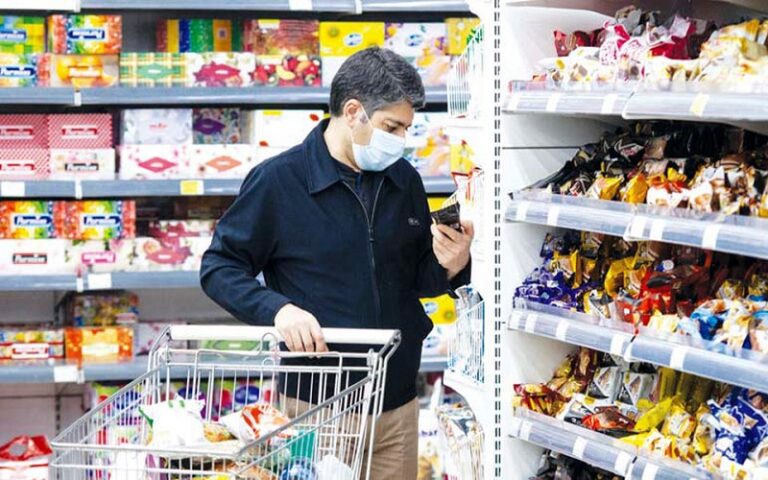
The state-run Mehr News Agency, citing data from Iran’s Statistical Center showing widespread food price hikes, reported that the failure of anti-inflation policies and the government’s poor communication have created a wave of public distrust and economic anxiety.
The report, published on Wednesday, November 5, stated that in recent months, price trends in the market have painted “a worrying picture” of the government’s economic policymaking.
World Bank: Iran’s Economy Continues to ShrinkAccording to the report, data from Iran’s Statistical Center shows that in the year ending October 2025, bread, grains, fruits, and nuts have doubled in price, while vegetable inflation exceeded 77%. Mehr wrote that the current crisis does not merely stem from weak anti-inflation policies but from structural imbalances and managerial inefficiencies throughout various layers of the national economy. The report also highlighted a “significant gap” between the exchange rate’s growth and the increase in commodity prices, noting that while the currency rate rose by around 30–40% in the first half of the year, most goods—including cars, food, clothing, and housing—experienced price hikes between 60% and 100%. Under these circumstances, according to official reports, rural inflation has surpassed 53% and food inflation has exceeded 60%, deepening class divides. The performance of regime president Masoud Pezeshkian’s government has previously been criticized by the media. For example, the state-run Khabar Online website wrote on October 31 that “the scope of poverty is expanding,” noting that while the parliament’s Research Center had previously reported 30% of the population living in poverty, new estimates indicate an increase to 36%. Khabar Online also referred to discussions about a “hunger crisis,” adding that given the current high inflation, “both the intensity of hunger and the number of the hungry are expected to increase in the coming years.” In addition, Morteza Afghah, an economist and faculty member at Ahvaz University, warned in an interview on November 1 that if Pezeshkian’s government fails to control tensions, Iran will face “a major stagflation crisis,” predicting that the inflation rate may exceed 60% by the end of the year (March 21, 2026). In this context, the state-run Rokna website reported on Wednesday, November 5, that thousands of government employees in ministries such as Agriculture, Welfare, and Education speak of “living below the poverty line.” Rokna quoted employees of the Ministry of Agriculture saying that their base salaries range from 13 to 15 million tomans (130 to 150 million rials, roughly $130), and even with overtime and benefits, they cannot afford rent or daily expenses. This situation also applies to workers in Iran. Currently, the minimum monthly wage for laborers under the labor law is less than 11 million tomans (110 million rials, roughly $100), and with benefits included, around 15 million tomans (150 million rials). Meanwhile, some official labor organizations have estimated the cost of living in Iran at around 50 million tomans (500 million rials, approximately $435). In contrast, Fatemeh Mohajerani, the government spokesperson, said on October 21 that the poverty line in 2024 was estimated at 6,128,739 tomans (61,287,390 rials, roughly $55) per person. Her comments drew widespread criticism. For instance, the state-run ILNA news agency wrote on Wednesday, November 5, that the absolute poverty line announced by the Central Bank for 2024 (the previous year) was 11.2 million tomans (112 million rials, about $100) per person. In part of its Wednesday report, the state-run Mehr News Agency described the government’s short-term and reactive market control policies as insufficient, emphasizing that “institutional incoherence and lack of coordination among economic agencies” are major challenges facing the government. One issue raised in the report was instability in the supply of livestock feed and the continual rise in feed prices, leading to reduced poultry production and even the slaughter of breeding animals—“a warning sign for food security in the coming months,” according to experts. Mehr urged the government to rebuild public perception of the economic situation, warning that otherwise, even improvements in economic indicators, without trust-building and managing public sentiment, will not lead to “the restoration of people’s psychological security and social stability.” Following decades of the Iranian regime’s failed economic, domestic, and foreign policies, soaring inflation has severely impacted citizens’ lives—especially low-income groups—causing an unprecedented surge in the prices of essential goods.
Afghan National Arrested in Denmark on Suspicion of Spying for Iran
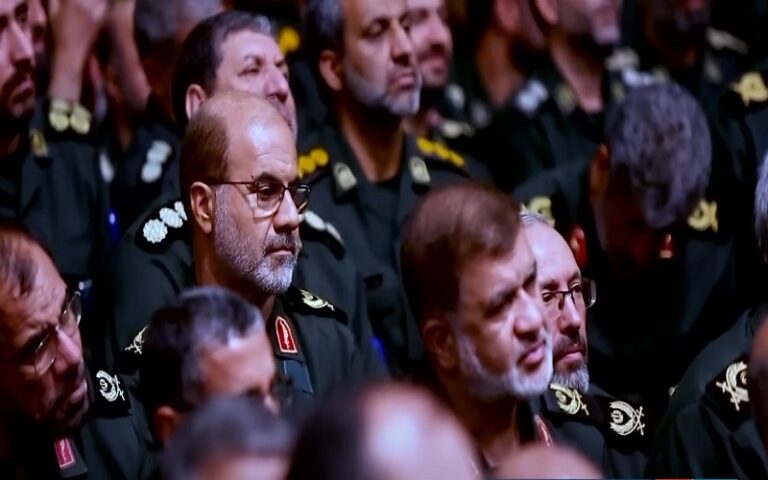
Danish police have arrested a 42-year-old Afghan man in the city of Aarhus on suspicion of spying for the Iranian regime and participating in a plot to attack Jewish targets in Germany.
According to a police report published on Wednesday, November 5, the arrest took place in the suburb of Risskov, in cooperation with the Danish Security and Intelligence Service and the East Jutland Police.
Police stated that the man was arrested based on a German arrest warrant, and German officers were also present during the operation.
The Iranian Regime’s Mafia, Khamenei’s Wealth, and the IRGC’s Smuggling OperationsGerman prosecutors have said that the man is suspected of acting as a liaison in a network linked to Iranian regime intelligence operations. He had reportedly been trying to procure a weapon for another individual who was arrested in late June and charged with gathering intelligence on Jewish sites in Berlin. German media had previously identified the earlier suspect as a man named “Ali S.,” a 53-year-old dual Afghan-Danish national. According to the German newspaper Bild, Ali secretly traveled to Iran after collecting surveillance photos and information from Jewish institutions. The report stated that he met in Tehran with an officer of the Quds Force—the foreign operations arm of Iran’s Islamic Revolutionary Guard Corps (IRGC)—and handed over photos, videos, and details about potential targets, including offices and restaurants belonging to the Jewish community. Ali was extradited to Germany after being arrested in Denmark and now faces charges of espionage and plotting an attack on behalf of the IRGC. The newly arrested man has also been charged in Germany with “attempted murder.” According to police, he is scheduled to appear before a court in Aarhus on November 5 to determine his provisional detention and extradition to Germany. The Danish Security and Intelligence Service stated that this case is part of a broader pattern of Iranian regime espionage and intelligence operations against its dissidents in Europe. According to the report, Tehran has in recent years expanded its activities to include targeting Israeli and Jewish interests.
Unprecedented Volume of Iranian Oil Lingering in Ships Due To Sanctions
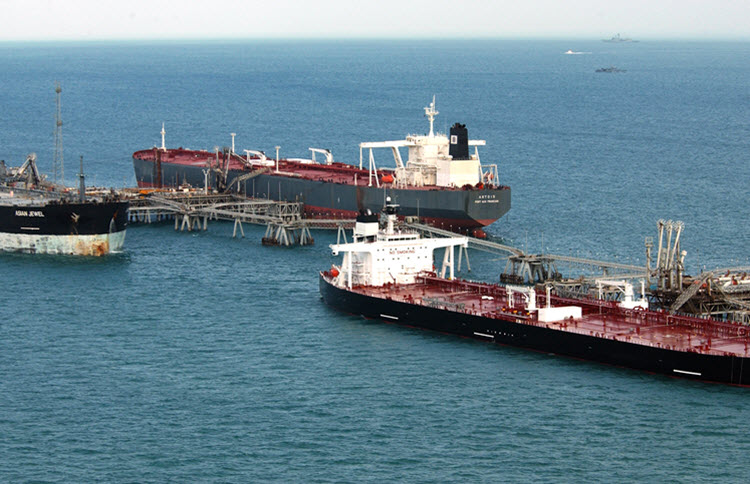
Torbjörn Törnqvist, CEO of Gunvor Group (an energy commodities trading company), announced that Western sanctions against the Iranian and Russian regimes have led to an unprecedented volume of oil being stored on ships.
Reuters reported on Wednesday, November 5, from the ADIPEC Energy Conference in Abu Dhabi, quoting Törnqvist as saying:
“This is unprecedented, the size of that. Therefore, obviously, if all sanctions would disappear, this market would clearly be quite oversupplied.”
According to him, sanctions have led to the storage of a massive amount of oil, part of which is being kept in tankers.
After Years of Concealment, Iranian Oil Tankers Have Reappeared on the Global Positioning SystemOn November 4, the maritime security company Dryad Global reported that Tehran exports between 1.5 and 2 million barrels of oil per day, generating around $54 billion annually, with 80% to 90% of it going to Beijing. The Islamic Revolutionary Guard Corps (IRGC) and the General Staff of the Iranian regime’s Armed Forces, through their commercial networks in China—including oil brokers—are reportedly negotiating to obtain Chinese weapons such as missiles, drones, and air defense systems. According to Dryad Global, Iranian crude oil is labeled as “Malaysian” and transferred ship-to-ship to Chinese refineries, particularly in Shandong province. In addition to the Iranian regime, Russia has also been sanctioned by the European Union, the United Kingdom, and the United States over the war in Ukraine. Global oil prices declined in October for the third consecutive month. As the Organization of the Petroleum Exporting Countries (OPEC) and its allies increase production and non-OPEC countries also expand output, concerns over an oil surplus have grown. Marco Dunand, CEO and co-founder of Mercuria (another major energy trading company), said at the Abu Dhabi conference that Western sanctions remain a destabilizing factor in oil supply. He added that the world may move from an oversupply of 2 million barrels per day to 1 million barrels per day. Dunand emphasized: “Despite low global oil inventories, there is a lot of oil at sea. Therefore, oversupply is slowly building up and will likely reach the market in the coming months.”
UN Rapporteur Warns About Execution of Six Iranian Political Prisoners
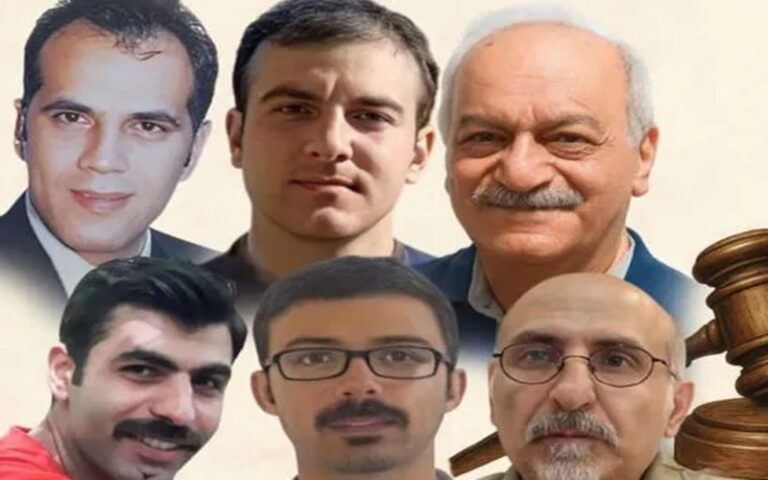
Mai Sato, the United Nations Special Rapporteur on Human Rights in Iran, has expressed serious concern in an official letter to the Iranian regime over the situation of six political prisoners sentenced to death.
She emphasized that carrying out the death penalty for the charge of “baghi” (meaning rebellion or armed uprising against the ruling authority) is inconsistent with the International Covenant on Civil and Political Rights—of which Iran is a signatory—and is considered illegal under international law. According to the letter—published by Mai Sato along with the Iranian regime’s response on Wednesday, November 5—Babak Alipour, Vahid Beni-Amrian, Akbar (Shahrokh) Daneshvarkar, Pouya Ghobadi, Abolhassan Montazer, and Seyed Mohammad Taghavi Sangdehi are facing imminent execution following ambiguous judicial proceedings, torture, prolonged solitary confinement, and denial of fair trial rights. The Special Rapporteur emphasized that under international law, the death penalty can only be justified for “the most serious crimes,” such as intentional murder, and extending it to charges such as “baghi” (armed rebellion against the ruling authority) or armed insurrection against the regime is inconsistent with Iran’s legal obligations. Mai Sato also wrote that these individuals were arrested and convicted on the charge of “baghi” (armed rebellion against the ruling authority) due to their alleged links with the People’s Mojahedin Organization of Iran (PMOI/MEK), the largest opposition group to the Iranian regime. According to the information in the letter, the six were arrested between December 22, 2023, and February 23, 2024, in various locations including Tehran and the Chaldoran border, without judicial warrants and through the use of violence and intimidation. The UN official called on the Iranian regime’s authorities to halt the executions and ensure proceedings in line with fair trial principles and human rights standards.اخیراً در یک مکاتبهی رسمی با دولت جمهوری اسلامی ایران، نگرانی عمیق خود را نسبت به پروندهها و احکام بابک علیپور، وحید بنیامریان، اکبر (شاهرخ) دانشورکار، پویا قبادی، ابوالحسن منتظر و سید محمد تقوی سنگدهی ابراز کردم. گفته میشود این افراد پس از روند قضاییای که همراه با ادعاهای…
— Mai Sato (@drmaisato) November 5, 2025
Nurses, Workers, Army Retirees, And Poultry Farmers Hold Protests In Cities Across Iran
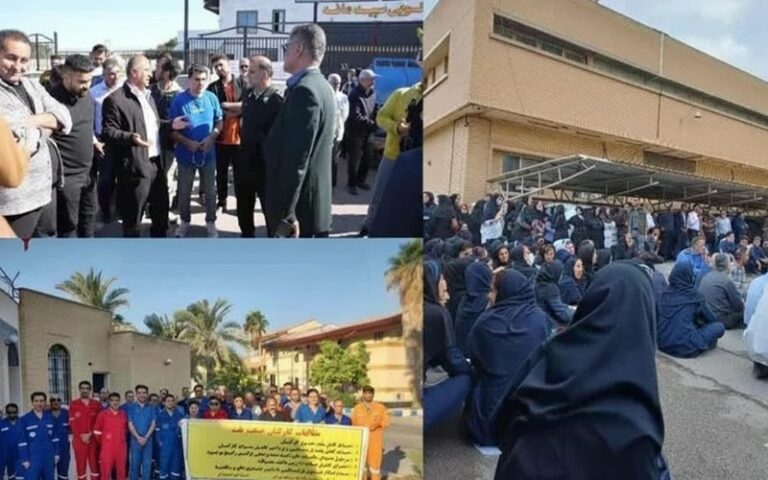
As the Iranian regime continues to fail to address the demands of various social groups, nurses in Ahvaz and Mashhad, permanent employees of the Behregan oil region, army retirees in Tehran, poultry farmers, and municipal workers in Ilam gathered to protest the authorities’ neglect of their demands.
A video obtained by Iran International on Wednesday, November 5, shows a group of nurses from Qaem Hospital in Mashhad protesting officials’ disregard for their demands, low service rates, and delayed payments.
Low tariffs, delays in wage payments, and increasing exhaustion among healthcare staff are among the main reasons behind the nurses’ protests.
Retired Oil Industry and Social Security Workers Hold Protest Gatherings in Several Iranian CitiesThese nurses told the state-run ILNA news agency: “We can’t make ends meet with these salaries.” Images circulating on social media also show a group of nurses in Ahvaz holding a simultaneous protest. Nurses and healthcare workers in Iran have repeatedly held demonstrations, sit-ins, and strikes in recent years to protest the authorities’ failure to address their grievances.
Protest by permanent oil workers in the Behregan region
The state-run ILNA news agency reported that permanent employees of the Behregan oil region protested on Wednesday, November 5, against unfulfilled promises and the government’s failure to meet their professional demands. Their demands included an increase in the minimum wage, complete removal of salary caps for operational staff, elimination of the retirement ceiling, and reimbursement of excessive taxes collected in violation of existing laws. Oil workers in Behregan had previously staged several protests over similar unfulfilled demands in past months.Protest by army retirees
A group of army retirees gathered on the morning of Wednesday, November 5, in front of the central Army Association building in Tehran to protest the unfulfilled promises regarding their rights. They demanded transparent reports on how the association spends retirees’ membership fees, as well as clear information on the association’s construction projects in Iran’s northern cities and Kermanshah. According to ILNA, the retirees also insisted that receiving war compensation is their legitimate right and called for transparent and fair handling of their legal entitlements and justice in payments.Protest by poultry farmers in Tehran
A group of poultry farmers from across the country held a protest on Wednesday, November 5, in front of the main building of the Ministry of Agriculture in Tehran, decrying the shortage of livestock feed required for chicken and egg production. The farmers said they had not received feed supplies for about two months, putting production and jobs in the poultry sector in serious jeopardy. Representatives of the protesters stressed that during this period, no feed shipments had been distributed and officials had ignored their follow-ups.Protest by contract workers of Ilam Municipality
A number of contract workers of Ilam Municipality protested on the morning of Wednesday, November 5, first in front of the municipality building and later in front of the governor’s office, objecting to unfulfilled promises regarding their unpaid wages. The protesting workers said that contrary to the promises made by city officials, their two to three months of back pay had not yet been settled. One of the workers told ILNA: “The main problem is the two to three-month delay in our wages and insurance payments. Contract-based workers haven’t been paid for three months, and permanent and fixed-term employees for two. At the same time, due to the nature of our contracts with private contractors, we have no job security.” At the same time, farmers from Mazandaran and Golestan provinces held protests in front of rice mills over unpaid debts of 2 trillion rials (approximately 1.739 million dollars) from last year’s harvest. According to other reports, a group of pharmacists and pharmacy owners in Fars Province gathered in front of the Social Security Office in Shiraz. The demonstrators demanded the settlement of overdue payments and resolution of bounced insurance checks. The deteriorating living conditions of retirees, pensioners, nurses, and workers have led to a sharp rise in the number of protest gatherings in recent years.IAEA Director: Iran Must Improve Cooperation to Prevent Tensions with West
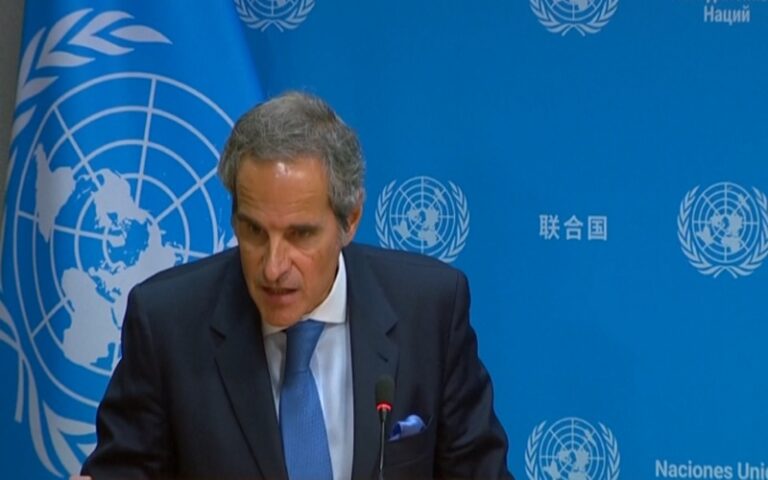
Rafael Grossi, Director General of the International Atomic Energy Agency (IAEA), warned that Iran must “seriously improve” its cooperation with UN inspectors to prevent escalating tensions with the West.
In an interview published by the Financial Times on Wednesday, November 5, Grossi said that since the outbreak of the Iran–Israel war in June, the agency has conducted about 12 inspections in Iran but has not been granted access to key nuclear facilities, including Fordow, Natanz, and Isfahan — all of which were bombed during U.S. airstrikes.
Conflict And Disputes Over the Agreement with Rafael Grossi in Iran Regime’s ParliamentAccording to Grossi, although the strikes caused serious damage to the facilities, the fate of 408 kilograms of uranium enriched to near weapons-grade remains unknown, creating a growing sense of urgency to resume inspections. He added: “We should have already resumed the inspection work.” The IAEA Director General said that while the agency strives to handle its strained relations with Iran with understanding and restraint, Tehran must still honor its obligations. He added: “You cannot say, ‘I remain within the Non-Proliferation of Nuclear Weapons Treaty,’ and then not comply with obligations.” Grossi also told the Al Arabiya network on October 31 that the Iranian regime has restricted its cooperation with the IAEA following the U.S. attacks. A day earlier, Esmaeil Baghaei, spokesperson for Iran’s regime Foreign Ministry, told Al Jazeera that Grossi is well aware of the peaceful nature of Iran’s nuclear program and should refrain from making “baseless comments” about Tehran’s nuclear activities. Baghaei’s remarks came in response to Grossi’s earlier comments about movements around the regime’s nuclear sites and the IAEA’s limited presence in Iran. In a confidential report dated May 31, the IAEA stated that Iran had previously conducted undeclared nuclear activities at three sites that have long been under investigation.
