

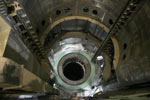
 Reuters: Major powers appear to have made only limited headway in making sure Iran will not be able to build an atomic bomb any time soon, underlining the uphill task they face after talks that began in February were extended by four months. Western officials say some progress was achieved during the most recent round of negotiations with Iran – enough to justify continuing the high-stakes diplomacy.
West still struggles to cut feared bomb risk in Iran nuclear talks
EU extends Iran sanctions hold-off until November

AP: The European Union has agreed to keep holding off on some sanctions against Iran as negotiations continue on a comprehensive deal. Before the negotiations began in January, the EU agreed to suspend for six months a ban on insuring and transporting Iranian oil, as well as a trade ban affecting Iranian petrochemicals, gold and other precious metals. The EU extended its suspension of those sanctions, also until Nov. 24.
Persian nuclear carpet ride
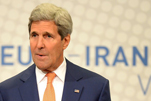
Wall Street Journal:The Administration was right in January when it said that six months was more than enough time to test Iran’s sincerity. The main point of the extension seems to be to give the U.S. and Europe more time to dress up the concessions that Iran is demanding to continue its program while claiming it isn’t.
UN: Iran gets rid of sensitive nuclear material

AP: Iran has turned all of its enriched uranium closest to the level needed to make nuclear arms into more harmless forms, the United Nations’ nuclear agency said Sunday. The move was expected. Tehran had committed to convert or dilute its 20-percent enriched stockpile under an agreement with six powers last November that froze its atomic programs pending negotiations on a comprehensive deal. Those talks were extended Saturday to Nov. 24.
Iran warned of ‘last chance’ in nuclear talks after deadline missed
Reuters: Iran faced Western pressure on Saturday to make concessions over its atomic activities after it and six world powers failed to meet a July 20 deadline for a deal to end the decade-old dispute but agreed to keep talking. The countries agreed to extend the high-stakes negotiations by four months, and let Iran access another $2.8 billion of its cash frozen abroad during that period.
Iran won’t slow down on ballistic missiles
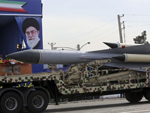
USA Today: With time for nuclear diplomacy between Iran and the P5+1 nations (the U.S., UK, Russia, China, France and Germany) running out, and with the White House scrambling to cobble together some sort of deal with Tehran, it’s perhaps not surprising that Pentagon’s latest annual assessment of Iran’s military capabilities has so far garnered little attention, either within the Washington Beltway or outside it.
Iran nuke talks to be extended for 4 months

AP: Iran and six world powers failed Saturday to meet their target date for cutting a nuclear deal but agreed to extend the talks until Nov. 24 in a bid to overcome stubborn differences over the size and capacity of activities by Tehran that could be used to make nuclear arms. Ed Royce, a Republican and chairman of the House Foreign Affairs Committee criticized the extension shortly after it was announced.
U.S. ‘comfortable’ with Iran’s oil exports

UPI: The U.S. federal government is “comfortable” with the amount of crude oil exported from Iran, a spokeswoman for the State Department said. Iran secured consent to export around 1 million barrels of oil per day as part of a November agreement to curb its nuclear activity. U.S. State Department spokeswoman Jen Psaki said Iran has been operating according to the terms of agreement.
A mother asks Obama: ‘please remember my Amir’

New York Times: The mother of Amir Hekmati, an American of Iranian descent imprisoned in Tehran for nearly three years, has written to President Obama, asking him to “please remember my Amir” in the negotiations with Iran over its disputed nuclear program. The letter from the mother, Behnaz Hekmati, appeared timed to convey the family’s wish that the United States use its leverage in the nuclear talks to win his release.
Iranian commanders on front line of Iraq’s fight
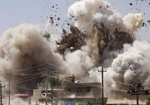
AP: The startlingly hands-on role of Iranian Gen. Ghasem Soleimani points to the extent of the Shiite-led Iraqi government’s reliance on its ally Tehran. Shiite fighters have come to idolize the Iranians who have moved into the heat of battle alongside them – with two Iranian advisers killed in fighting – while government officials grumble the United States has failed to come to their aid.
