


By Pooya Stone
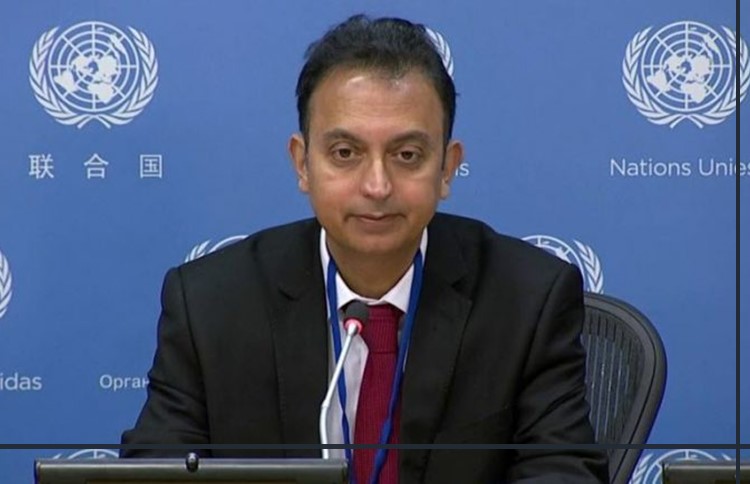
The United Nations Special Rapporteur on the situation of human rights in Iran is “shocked” over the number of deaths, injuries, arrests, and ill-treatment of those detained during the November 2019 protests.
In his latest report, released on February 19, Javaid Rehman wrote: “According to reports, detainees are being tortured or are suffering other forms of ill-treatment, sometimes to extract forced confessions. There are also reports of denials of medical treatment, including for injuries caused by the excessive use of force by the security forces, with some other detainees being held incommunicado or being subjected to enforced disappearance.”
He explained that he was “concerned” over reports that the families of the at least 1,500 peaceful protesters murdered by the security forces during the uprising have been “threatened” against speaking out or even holding funerals for their loved ones.
In his report, Rehman explained that images and reports came out in the days following the start of the protests, despite the internet shutdown, which showed the security forces using brutal methods to suppress the protests, including shooting directly at unarmed citizens or randomly into crowds.
He then cited a member of Iran’s parliamentary Foreign Affairs and Intelligence Committee, who said on November 25 that over 7,000 protesters had been arrested. The protesters were being detained in overcrowded, inhumane conditions, without access to their lawyers. They were then tortured, mistreated, and put under pressure to make false confessions.
Rehman said that reporters in Iran had been ordered not to criticize the authorities’ treatment of the protesters or else risk arrest themselves.
He called on the Iranian government to release all peaceful protesters arrested in November 2019, as well as to inform their family about their location and their condition.
Other troubling things in Iran that Rehman cited in his report, which is due to be presented to the UN Human Rights Council gathering on March 9, include:
- the execution of minors
- executions in public
- the murder of those who carry goods and fuel on their shoulders (porters) in the border regions of Kurdistan and Baluchestan
- the dire conditions in the detention centers
- use of brute force and violence against ethnic and religious minorities
- discrimination against women
Javaid Rehman said that he has received reports of discrimination against women and minorities and has expressed concern about the lack of laws protecting vulnerable groups, including children.
He criticized the continued detention of women such as human rights lawyer Nasrin Sotoudeh, protesters of forced veils such as Yasaman Aryani, Monireh Arab-Shahi, Mojgan Keshavarz, and Saba Kord Afshari.
This report by Rehman was compiled under the UN General Assembly (UNGA)’s Resolution 74/167.
Read more:


