


By Jubin Katiraie
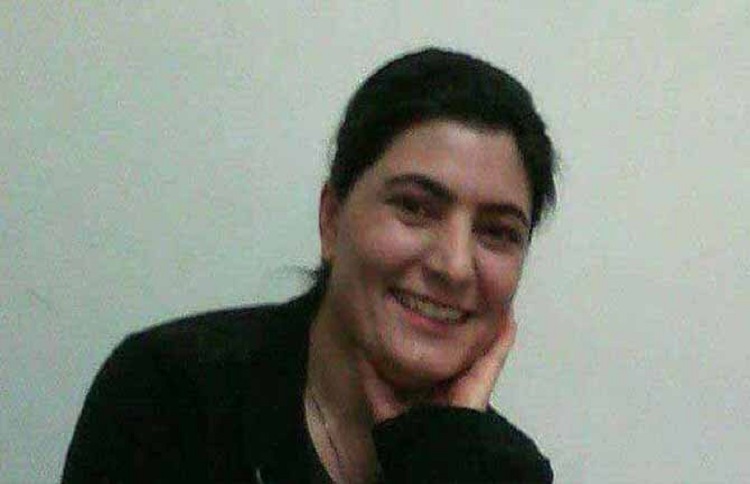
Kurdish political prisoner Zeinab Jalalian contracted coronavirus at Qarchak Prison in Varamin and the Ministry of Intelligence isn’t allow her to be taken to a hospital, her father said.
Ali Jalalian said his daughter was moved to the prison’s medical center on June 2, with severe shortness of breath. She was examined by a doctor and tested for coronavirus, before finally being diagnosed.
The Kurdistan Human Rights Network reported that Zainab, who was already suffering from eye, heart, intestinal, and kidney problems, is being held on the quarantine ward of Qarchak Prison, along with several other prisoners infected with the coronavirus. She still has a high fever and shortness of breath, with the prison doctor telling her that the virus had spread to her lungs and that she needed medication to control the infection.
The United Nations and various human rights groups have repeatedly called for Zeinab to be released from her life sentence and to receive medical treatment, the denial of which is terrorism.
In 2018, Amnesty International said: “She has repeatedly asked the prison authorities to take her to a hospital outside the prison for specialized testing and treatment for her health problems but the authorities have either rejected outright her requests or have accepted them on the condition that she make videotaped ‘confessions’.”
Zainab has moved miles away from her family to Qarchak Prison – one of the most notorious in the country – from Khoy Prison in May, even though the Prisons Organization is obligated to house prisoners in the prison closest to their families.
Human rights organizations and Iranian prisoners have warned that Qarchak Prison is overcrowded and unsanitary, which will help spread the coronavirus. Even before the coronavirus, Qarchak Prison, which used to be an industrial chicken farm, was regarded as one of the most dangerous prisons for women.
A 2019 article by Iran Human Rights Monitor, revealed that hundreds of women are held in conditions that fall way the UN Standard Minimum Rules for the Treatment of Prisoners, with the most common complaints being:
- urine-stained floors
- lack of ventilation
- insufficient and filthy bathroom facilities
- prevalence of contagious diseases
- poor quality food containing small pieces of stone and salty water
- fumes escaping from the drainage system
The prison does not divide prisoners based on their crimes, which means that violent offenders are housed alongside political prisoners and is also severely lacking in medical care.
Read More:


