


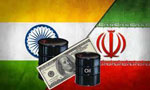
 Reuters: India removed a hefty tax and took other steps to ease payments in its rupee currency for some imports of Iranian oil as it seeks to continue purchases – albeit reduced — in face of Western sanctions that blocked an earlier payment method. By Rajesh Kumar Singh and Nidhi Verma
 NEW DELHI, June 14 (Reuters) – India removed a hefty tax and took other steps to ease payments in its rupee currency for some imports of Iranian oil as it seeks to continue purchases – albeit reduced — in face of Western sanctions that blocked an earlier payment method.
India, Iran’s second-biggest oil client, won a waiver this month from tough new U.S. sanctions in return for significantly cutting purchases of Iranian oil.
After earlier Western measures directed against Iran’s nuclear programme hit the then existing payment conduit in December 2010, India has been using Turkey’s Halkbank for its $10 billion plus annual oil import bill with Tehran.
Tehran and New Delhi agreed in January to settle 45 percent of the oil trade in rupees, which are not freely traded.
Iran planned to use the rupees to pay for imports from India but tax issues and lack of advance payments for Indian exporters were barriers.
India on Thursday finally exempted payment in rupees for oil imports from Iran from the local tax and allowed advance payment for exports to the sanctions-hit nation, officials said.
“Yes”, said D. K. Mittal, banking secretary in the finance minister, when asked if o fficial notifications on the tax waiver for Iran payments in rupees and for advance payment to Indian exporters for shipments to Tehran had been issued.
India’s finance minister in March proposed to exempt oil payments to National Iranian Oil Co in rupees from the local tax, which is 40 percent. But without notifications, the system remained a non-starter.
Earlier this week, Iran’s Bank Parsian stopped issuing payment guarantees for Iranian importers who buy Indian goods, because its account for the rupee payment mechanism did not have the necessary funds.
“I have just received the notification … we will decide when we can start making payment. At this moment I can’t say whether we will start paying tomorrow or next week,” said a source at refiner Hindustan Petroleum Corp.
A second source at another refiner said: “There are certain terms that we have to fulfil then we can start making rupee payment.”
The news is a relief to Indian exporters who had hoped to boost sales under the rupee scheme and create a new market for their goods in Iran, which has reduced imports from western countries under pressure from the sanctions.
India wants more exports of food and other items allowed under sanctions such as engineering goods to strengthen its own economy and fix a trade imbalance tilted in favour of Iran.
“No doubt, this could be of help but the trade under the rupee mechanism has to take off smoothly,” said M P Jindal, president of the All India Rice Exporters’ Association.
Jindal had earlier said Iranian importers now owe Indian rice exporters about 10 billion rupees ($179 million).
India, the world’s second-biggest rice producer, exports about 1 million tonnes a year of mostly basmati to Iran, a leading importer of the aromatic grain.
“It is a big relief now. We hope to realise our pending payments running in millions of rupees and also expect this rupee payment mechanism to work fine without any hiccups,” said Pankaj Bansal, a partner at engineering goods maker TMA International.
“Now we can hope to expand our business with Iran,” he said.
Also on Thursday, India’s government said its was seeking extra oil supplies from Saudi Arabia, Qatar and Algeria, members of the Organization of the Petroleum Exporting Countries (OPEC), to feed the country’s expanding refinery capacity.


