


By Pooya Stone
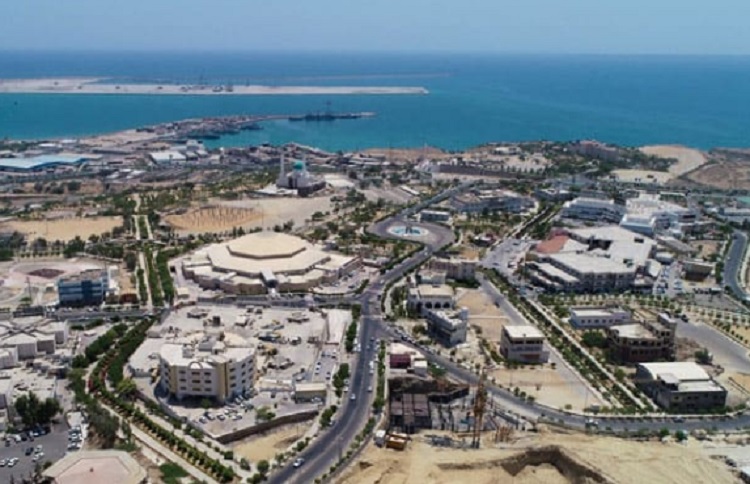
Free Trade Zone (FTZ), also known as the Special Economic Zone (SEZ), is defined as a geographic area that provides special exemptions and facilities for investors. FTZs are generally located around major seaports, international airports, and national borders. Factually, these areas have been organized to foster economic activity and employment by reduction of taxes and customs duties.
The theory of the creation of special zones for businesses dates back to the post-World War II era. At the time, nations that were freshly able to obtain their independence, intended to remove their traces of backwardness using this idea. Therefore, they flowed into an economic-industrial process that guided them to perfect independence.
In 1990, the Iranian Parliament (Majlis) initially attended to the creation of the investment promotion zones. Subsequently, Majlis declared three areas including Kish Island, Qeshm Island, and Chabahar Seaport, as Iran’s free trade zones. Later, the Iranian government established and organized several more FTZs like the Anzali FTZ, located in the namesake seaport; Arvandkenar, on the shore of Arvand river; Aras, on the sidelines of Aras river; Khomeini Airport, Macu, and Macran in different cities.
The Rouhani Administration invested in forming more special economic zones to compensate for the country’s budget deficit. However, this calculation paradoxically contradicts the main purpose of FTZ due to the extensive corruption and mismanagement which have engulfed the government. But Iran’s budget bill for next year gave impressive credence to this plan. Factually, Iran’s economy experiences a sharp drop in terms of production. Every year, many factories and manufacturing plants are shutting down. In these circumstances, the formation of the free zones merely paves the way for Mafia gangs to misuse these areas’ advantages to line their pockets without paying taxes and toll. Some of these government-backed gangs are the Revolutionary Guards (IRGC) and its affiliated construction headquarters and economic institutes such as Khatam al-Anbya Construction Headquarters, several banks, etc.
Why Iranian #Protesters Are Setting Banks on Fire? read more… https://t.co/4FwGLJBTIB via @iranfocus #Iranfreedom #freeiran #MEK #Iran @USAdarFarsi pic.twitter.com/AivZwA8yA9
— Iran Focus (@Iran_Focus) November 25, 2019
IRGC’s Abuse of FTZs Is Not Hidden from Officials
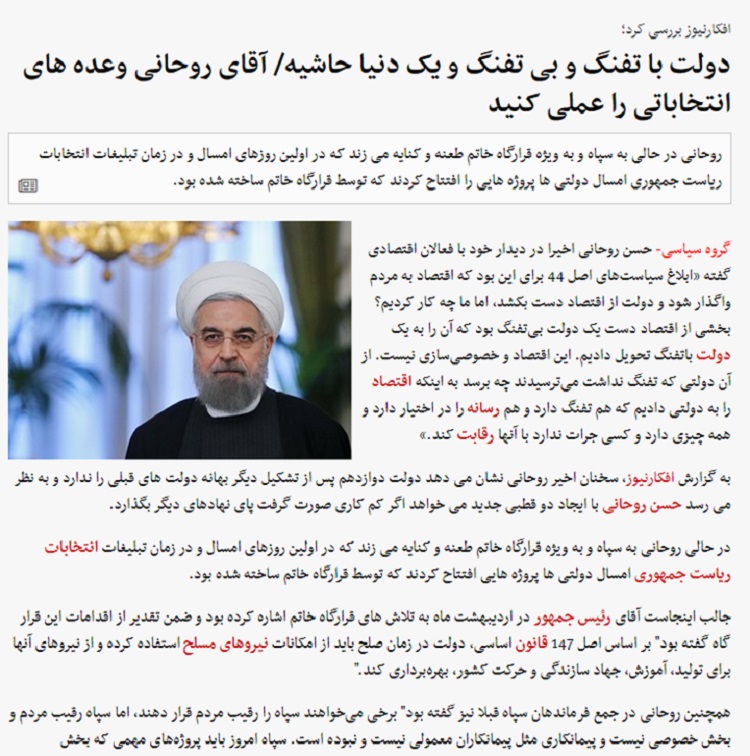
In June 2017, President Hassan Rouhani was complaining that two administration is governing in the country: non-military administration and the military-administration. While blaming the huge empire of the IRGC which is exempted from any taxes and accountability, he said, “The announcing of article 44 was supposed to deliver the economy to the people and detach the administration from the economy. But what have we done? We have delivered part of the country’s economy from a non-military administration to a military administration [read the IRGC]. This is not economy and privatization,” Afkar News website quoted Rouhani as saying on June 25, 2017.
In July 2011, former President Mahmoud Ahmadinejad also described IRGC’s agents as “smuggler brothers” and pointed out to the huge profits the IRGC gains through controlling seaports. He said, “The annual cost of smoking [estimated 2 trillion tomans in 2011] entices all world’s top smugglers, let alone our smuggler brothers!” Persian DW reported on July 5, 2011. Notably, until then, more than 80 illegal wharves were managed by the IRGC that counted as free trade zones.
However, with a glance at the background of free trade zones in Iran, which are organized to improve the industry and employment, there is a question that why did these free zones not achieve their purpose so far? Instead, they have resulted in the growth of a kind of broker boom in the country and closure of factories and manufacturing institutes, in addition to raising the unemployment population, in particular among the graduated and elite stratum of the society.
Of course, under the rule of corrupt government which squanders the national assets on irresponsible and costly foreign policies, various factions compete on how to gain more profits rather than overcoming economic obstacles in the status quo. Therefore, it is unsurprising that free trade zones, like many other economic concepts, have turned into a mere means in the favor of rulers.


