Home Blog Page 131

Iraq Repays Its Debt to Iran with Fuel Oil To Avoid Running Afoul of Sanctions

Due to U.S. sanctions against Iran, which prevent Baghdad from directly repaying its debt to Tehran, the Iraqi government has delivered quantities of fuel oil to traders designated by the Iranian regime as a means of partial debt settlement.

According to specialized oil and gas media in the region, this type of exchange has recently been employed by Iraq as a strategy to ease its debt burden to Tehran.

Two senior officials in Iraq’s Ministry of Oil, familiar with these exchanges, told the Iraq Oil Report website in Baghdad that Prime Minister Mohammed Shia’ Al-Sudani’s government has recently been delivering 190,000 barrels of fuel oil (mazut) per day to traders linked to the Iranian regime.

These sources stated that such transactions are based on an agreement between the two governments. However, the names of the Iranian-linked traders receiving the fuel oil have not been disclosed in reports.

One of the sources noted that the Baghdad government cannot directly pay Iran for its past debt due to sanctions against Tehran.

Over the past decade, Iraq has accumulated debt to Iran, primarily for electricity and gas imports. In the last week of spring 2023, the Iraqi government announced that it would pay $2.76 billion of its debt.

Fuad Hussein, Iraq’s foreign minister, stated in June 2023—during a meeting with his U.S. counterpart Antony Blinken on the sidelines of a conference in Riyadh—that Baghdad had secured a waiver from Washington to pay this amount to Iran. However, it remains unclear whether the payment was made.

Meanwhile, Yahya Al-Ishaq, head of the Iran-Iraq Chamber of Commerce, told Tehran-based media that part of Iran’s frozen funds in Iraq had been allocated for “pilgrims” and another portion had been used for essential goods.

The Washington-based think tank Foundation for Defense of Democracies estimated Iraq’s debt to Iran at $11 billion a year and a half ago.

Following the inauguration of Masoud Pezeshkian’s government in June 2024, Tehran-based economic media reported that some experts had suggested he shift away from government-to-government agreements and instead empower the private sector to facilitate debt collection from Iraq more effectively.

On the other hand, some experts in Tehran referred to “bitter past experiences,” including with China, which did not guarantee the repayment of Iran’s debts.

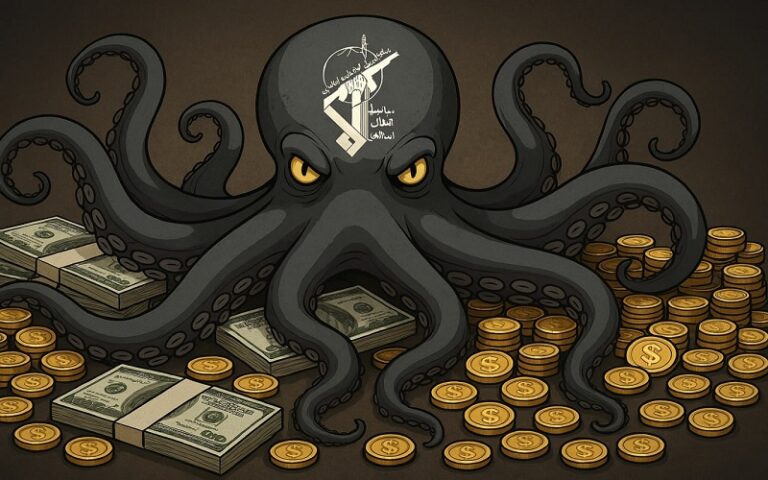
In this context, Western and Iranian officials told Reuters last month that the Islamic Revolutionary Guard Corps (IRGC) had increased its influence over Iran’s oil exports and is estimated to control half of them.

Iran’s Need for $45 Billion to Develop Its Gas Industry and Infrastructure

Meanwhile, the specialized website Oil Price reported on Thursday, January 2, citing a ship-tracking company, that Iran’s crude oil exports increased again in the second half of December after declining in the previous two months.

Conversely, data from Turkey’s Energy Market Regulatory Authority showed that Iran, despite facing a domestic gas crisis, has increased its gas exports to Turkey in hopes of generating revenue.

The Oil Price report indicates that Iran’s gas exports to this western neighbor surged 11 times in the fall compared to the same period last year.

This comes as Iran has been facing a significant domestic gas shortage since the beginning of fall, leading to a sharp reduction in fuel supply to industries, the agricultural sector, and power plants, disrupting daily life and production across the country.


Road Accident Fatalities in Iran at Highest Level In 10 Years

0

Iranian media have reported a record-breaking number of road accident fatalities over the past decade. Citing the head of Iran’s Legal Medicine Organization, they stated that more than 20,000 people lost their lives in traffic accidents last year.

Abbas Masjedi, head of Iran’s Legal Medicine Organization, warned on Friday, January 3, that the rising number of road accident fatalities in the country is a “serious alarm bell.”

He stated: “Unfortunately, last year, for the first time in a decade, the number of fatalities from road accidents exceeded 20,000.”

Masjedi added: “This situation has been reported to decision-making centers. During the COVID-19 pandemic, the number of fatalities from traffic accidents decreased to some extent, but last year, due to an increase in travel and the presence of unsafe roads and vehicles, the numbers rose again.”

Masjedi called for improving road and vehicle safety, as well as providing necessary public education to reduce the number of fatal accidents in Iran.

Siavash Mohebbi, deputy commander of Iran’s Road Police, announced on September 3, 2024, that, according to statistics, an average of 45 to 50 people die daily in traffic accidents in Iran, while another 1,000 people are injured.

He described the victims of traffic accidents as “casualties of poor-quality vehicles and roads” and noted that, on average, 100 of the injured suffer permanent disabilities, while 200 families experience severe income loss and poverty.

Mohebbi warned: “Unfortunately, in addition to human factors, some vehicles lack the necessary quality, and road infrastructure is also inadequate.”

He also identified speeding, reckless overtaking, lane deviations, fatigue, and drowsiness as major causes of traffic accidents in Iran.

An analysis of Legal Medicine Organization statistics shows that between March 21 and June 20, a total of 4,688 people died in road accidents across the country within just three months.

Timeline of Road Traffic Fatalities in Iran

In 2005 and 2006, the total number of road accident fatalities in Iran was around 28,000 per year.

In 2007, the number of fatalities dropped by approximately 17% to around 23,000 and remained at this level in 2008 and 2009.

In 2010, another 10% reduction brought the number of road traffic fatalities down to around 21,000.

In 2011, the number of traffic accident fatalities nationwide reached 20,000.

In 2012, the downward trend continued, with the death toll dropping to 19,000.

The declining trend in road accident fatalities persisted throughout the 2010s, reaching an annual death toll of around 16,000 between 2015 and 2017.

In 2020, likely due to the COVID-19 pandemic, the nationwide road accident death toll reached its lowest point at 15,396.

From 2021 onward, the number of road accident fatalities began rising again: in 2021, the death toll reached approximately 17,000, and in 2022, it increased to 19,490.

The 20,045 fatalities recorded in 2023 mark an unprecedented high since the early 2010s, setting a new record.


Iranian Regime’s Expresses Readiness for Nuclear Talks

The Iranian regime’s foreign minister has stated that Tehran is ready to resume nuclear talks with the West based on the “previous JCPOA formula,” which, according to him, involves “building confidence in Iran’s nuclear program in exchange for sanctions relief.”

Abbas Araqchi, speaking during a trip to China in an interview with the CCTV network, which was broadcast by Iranian media on Friday, January 3, described the Joint Comprehensive Plan of Action (JCPOA) as the result of “good-faith negotiations” and called the U.S. withdrawal from the deal a “major strategic mistake.”

He further emphasized that diplomatic solutions remain viable and stated that the new U.S. administration must formulate its policy, upon which Iran will make its decisions accordingly.

The Iranian regime’s foreign minister also highlighted the “constructive role” of China and Russia in past negotiations and called for continued cooperation.

He also referenced developments over the past 10 years, reaffirming that Iran is prepared for constructive negotiations to reach a new agreement and expressed hope that diplomatic efforts would lead to a favorable outcome.

Donald Trump, the newly elected President of the United States, repeatedly stressed during his recent election campaign that he would reinstate the “maximum pressure” policy against the Iranian regime and criticized the 2015 nuclear deal between world powers and Iran as insufficient, citing its failure to address Iran’s missile program and destabilizing activities in the Middle East.

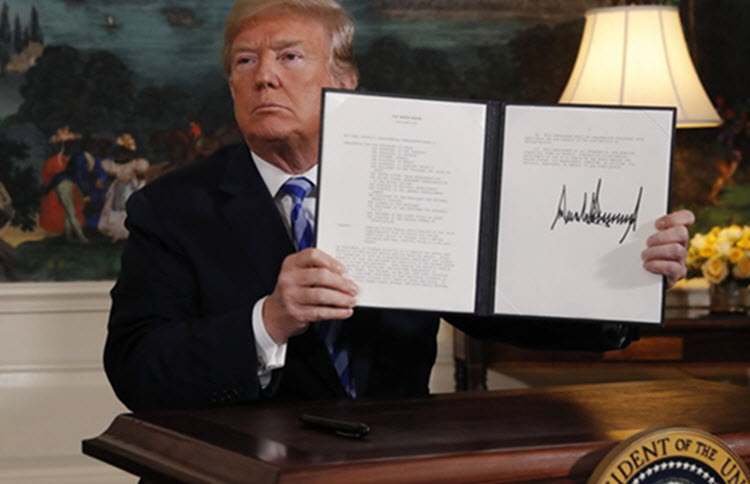
During his first presidential term, Trump withdrew from the nuclear agreement, known as the JCPOA, which had been brokered under Democratic President Barack Obama.

Some senior U.S. officials have expressed concerns that Iran, weakened by recent developments in the Middle East, may move toward nuclear weapons production.

Iranian Officials Threaten Nuclear Weapon Development; U.S. Considers Strike Options

Meanwhile, senior officials close to Iran’s Supreme Leader and several Iranian parliament members have repeatedly threatened the West with nuclear weapon development.

On Thursday, Axios reported, citing three informed sources, that Joe Biden had recently discussed military options with his national security team, including a possible strike on Iran’s nuclear facilities if Tehran moves toward developing nuclear weapons.

Araqchi, speaking at a press briefing in Portugal on November 28, 2024, warned that if Western countries persist in their threats to reinstate all UN sanctions on Iran, Tehran may shift its strategy toward nuclear weapons development.

However, about 10 days ago, Jake Sullivan, Biden’s National Security Advisor, stated that considering regional shifts and Iran’s weak standing, the Trump administration has a chance to engage diplomatically with Tehran and strike a nuclear deal to restrain Iran’s long-term nuclear ambitions.


Unprecedented Inflation And Rising Prices In Iran’s Food Market

With the ongoing rise in currency exchange rates and industrial power and gas outages, general price levels in Iran are climbing, and media outlets report unprecedented inflation in the food market.

The website Nournews, affiliated with the Iranian regime’s Supreme National Security Council, reported on Thursday, January 2, that consumer goods prices are surging. Tomatoes experienced a 76% price hike, making them the most affected agricultural product, followed by potatoes and onions, with increases of 74.3% and 71.1%, respectively.

According to official statistics cited in published reports, sugar prices rose by 66%, Iranian rice by 56%, and cooking oil by 40% in December compared to the same month the previous year.

In protein products, chicken prices increased by 40%, and red meat by 39%.

Reports indicate that machine-made Taftoon bread and Lavash bread had the smallest price increases, at 23% and 31.5%, respectively.

The price hikes come as Iran’s regime Central Bank recently claimed that the 12-month inflation rate reached 36% in November 2024, the lowest in 50 months.

Analysts attribute the disparity between Central Bank figures and market realities to data manipulation, as the bank adjusts base years in its calculations to favor the regime.

Reports, however, indicate that rising prices for goods and services persist, with media attributing one of the main causes to currency exchange rate fluctuations.

Nournews stated, “Many goods and production inputs in the country are supplied through imports, and currency fluctuations directly impact prices.”

Nournews emphasized that, in addition to increasing production costs, rising exchange rates exacerbate inflationary expectations, causing market volatility and consumer anxiety.

The outlet also warned that if exchange rate increases continue, further price hikes and issues such as shortages and hoarding in the market are likely.

In this context, a letter published in the media revealed that household cooking oil prices increased by 15%, while industrial oil prices rose by 21%.

The latest report from Iran’s regime Center shows that in the final month of autumn 2024, 26 out of 53 selected food items in urban areas experienced price increases exceeding the annual urban point-to-point inflation rate of 31.7%.


At Least 22 Prisoners Executed in Iran in Recent Days

Human rights and news sources reported on Thursday, January 2, that the Iranian regime’s judiciary has executed at least 22 prisoners in various cities across the country in recent days.

According to HRANA, the Human Rights Activists News Agency, the Iranian judiciary executed three prisoners on charges related to drug offenses and murder on Tuesday, December 31, at Choobindar Prison in Qazvin.

HRANA further reported that on the first day of the new year, at least 15 prisoners were executed in various prisons in Iran, including in Malayer, Bandar Abbas, Yasuj, and Ghezel Hesar in Alborz Province.

The human rights organization identified two of the ten prisoners executed in Karaj as Mohammad Hossein Mohammadi-Far and an Afghan national named Pasha, stating that their executions were related to drug charges.

According to the report, the other eight prisoners were executed on murder charges.

Additionally, the judiciary executed at least five prisoners, including three Afghan nationals, at Bandar Abbas Central Prison early Wednesday, January 1.

Iran Human Rights Organization reported that the judiciary executed a 25-year-old prisoner named Pejman Masoudi Koushk on charges of “premeditated murder” early Wednesday at Yasuj Central Prison.

A source informed the human rights organization that Pejman Masoudi had been detained four years prior and was transferred to solitary confinement with another prisoner named Abolfazl Hassani on Monday, December 30, for the execution.

The Iran Human Rights Organization also reported that two prisoners, Esmail Mirzaei and Fattah Mahmoudi, were executed on drug-related charges at Rasht Central Prison (Lakan).

The organization further stated that a 52-year-old citizen, identified as Mohammad Shafi’ Mousavi, was executed on charges of “premeditated murder” at Malayer Prison.

The execution of this individual reportedly occurred on November 30, but it had not been disclosed by official or human rights sources until now.

Previously, political prisoners involved in the “No to Executions Tuesdays” campaign have repeatedly stated that the issuance and execution of death sentences by the Iranian regime are intended to “create fear and intimidation.”

Mai Sato, the UN Special Rapporteur on Human Rights in Iran, has previously criticized the human rights situation and the increasing number of executions in Iranian prisons, calling for a reduction in death sentences in Iran.

Executions related to drug offenses have continuously increased over the past four years in Iran. According to Iran Human Rights Monitor, the number of executions last year rose by 17% compared to the previous year, reaching “993 executions.”

Despite the judiciary’s frequent lack of formal acknowledgment, independent human rights organizations’ evidence shows that Iran has the highest number of executions globally.


The Biden Administration Ignored Report on Iran’s Oil Sanctions Evasion

According to a report published by the Washington Free Beacon on Thursday, January 2, U.S. officials received intelligence about Iran’s oil smuggling scheme but the Biden administration disregarded it.
The report states that in 2024, Biden administration officials reviewed intelligence indicating Iraq’s pivotal role in a billion-dollar oil smuggling operation by the Iranian regime.
Free Beacon, citing informed sources, claims Biden officials ignored much of the information and allowed Iran to bypass U.S. sanctions and earn illicit money, as described by a former U.S. official.
In April, U.S. officials from the State Department, Treasury, and intelligence community reviewed a 45-page report prepared by international organizations.

This report, also reviewed by the Washington Free Beacon, identified Iraq, the world’s fifth-largest oil producer, as the central hub for Iran’s oil and fuel smuggling operations in 2022 (during Biden’s presidency).
The intelligence report lists a network of companies in Iraq, Iran, and other Middle Eastern countries that divert portions of Iraq’s fuel exports to the black market for illicit profits. This money is then funneled to Iranian-backed militias in Iraq and the Islamic Revolutionary Guard Corps (IRGC), which oversees these militias.

In addition to smuggling operations, Iraq’s oil industry blends illicit fuel products from Iran with its legal outputs, enabling the Iranian oil to be legally sold in international markets, in direct violation of stringent U.S. sanctions.

According to the intelligence report, revenues from these sales are also funneled back to Iranian regime proxies and the IRGC. The information indicates that Iraq’s offshore oil sites have effectively become “laundromats” for Iran’s sanctioned crude oil.

Iranian Plane Inspected in Beirut Airport on Suspicion of Carrying Aid to Hezbollah

Israeli media outlet Ynet, citing “reports from Lebanon,” stated that Beirut Airport security forces inspected an Iranian Mahan Airplane on the night of Thursday, January 4, on suspicion that it was carrying financial aid for Hezbollah.

According to Ynet, Lebanese Interior Minister Bassam Mawlawi said, “This plane is currently being inspected.”

According to the report, Lebanese officials stated that any money found on the plane would be handed over to the Lebanese authorities.

Ynet reported that an Iranian regime diplomat was detained in the airport’s passenger hall after refusing to allow security officers to inspect his bag. No further details about this diplomat have been released so far.

The inspection of this plane took place after Al Hadath, a Saudi Arabian media outlet, reported on Thursday, citing Western sources, that the Iranian regime “intends to transfer millions of dollars to Hezbollah today via a Mahan Air flight from Tehran to Beirut.”

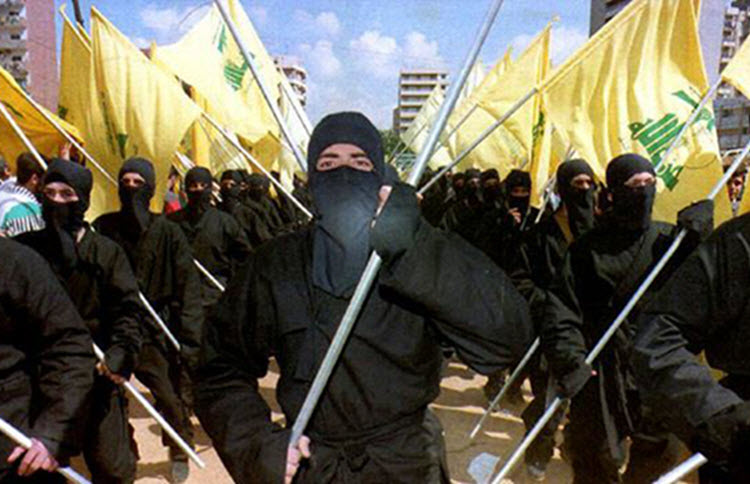
Hezbollah in Lebanon is an Iran-backed group that has received extensive financial and military support since its founding.

Meanwhile, the news of the Mahan Air plane inspection was widely covered in Iranian regime media, which described the action as “unusual,” “unconventional,” and a “strict inspection.”

In this context, Hezbollah’s deputy leader, Naim Qassem, announced on December 5 that the Iranian regime was providing financial assistance to the group to compensate “families affected by the war with Israel.”

According to Reuters, he stated that Hezbollah had distributed over $50 million in cash handouts to families affected by the war with Israel.

Reuters noted that Hezbollah is seeking to bolster support for itself following the devastating conflict with Israel.

According to the report, in a pre-recorded speech, Naim Qassem thanked the Iranian regime for its financial aid, stating that payments ranged between $300 and $400 per person, adding that more than 230,000 families had registered for financial assistance.

According to the leader of this Iran-backed group, the total cost of providing payments to these families will be at least $77 million.

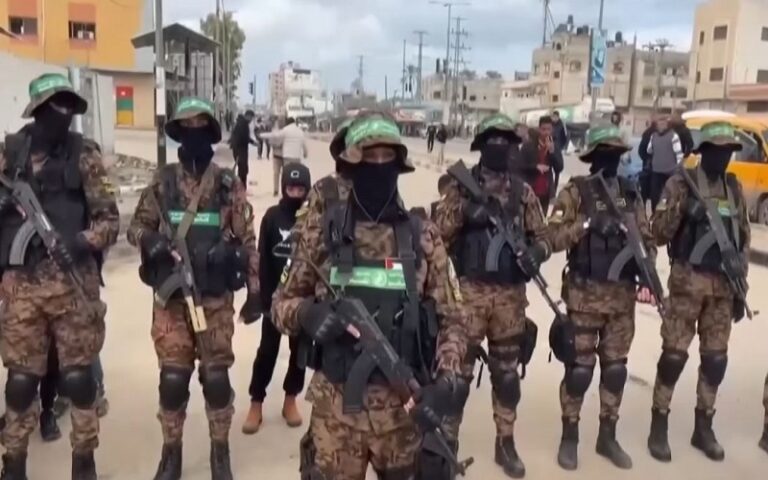
There have been multiple reports in the past regarding the Iranian regime’s financial and military aid to its proxy groups, such as Hezbollah and Hamas.

In this regard, Hassan Nasrallah, the Hezbollah leader who was killed in an Israeli airstrike, stated in July 2016 that all of Hezbollah’s funding came from Iran.

The Iranian regime’s support for these groups has been repeatedly criticized by protesters in Iran over the years. One of the slogans chanted during protests has been: “No to Gaza, No to Lebanon, My Life for Iran.”


Khamenei Says Lebanon and Yemen Remain “Symbols of Resistance”

0

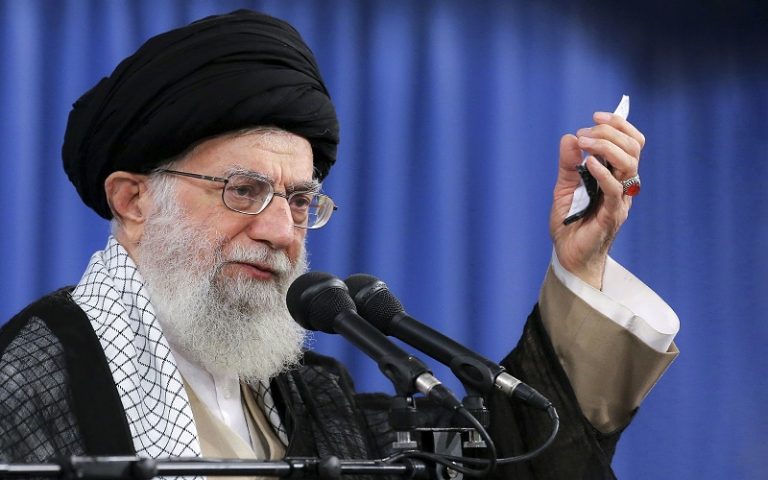
Ali Khamenei, the leader of the Iranian regime, stated during a speech on the fifth anniversary of the death of Qassem Soleimani, the commander of the IRGC’s Quds Force, that Lebanon and Yemen remain “symbols of resistance.”

He said, “Lebanon is a symbol of resistance. It has been hit, but it has not knelt.” He also described Yemen as another symbol of resistance, stating, “It will prevail.”

The Houthis, who control northwestern Yemen, began attacking Israel and international ships after the Gaza conflict erupted in October 2023.

In his January 1 speech, Khamenei said, “The U.S. and its allies will ultimately leave this region in disgrace.”

He claimed that the U.S., Israel, and other foreign countries have “violated” Syrian territory and reiterated that “they cannot remain in this country and will be forced to retreat before the Syrian youth.”

He added, “National power in any country relies on certain elements that must be preserved. One of the major mistakes of some countries is removing the elements of stability and power. A group of devout youth willing to sacrifice their lives are the factors of stability and power.”

The Iranian regime’s leader further stated, “If the elements of power are removed, something like what happened in Syria will occur, leading to chaos.”

According to Khamenei, “The events of the past few years in which Qassem Soleimani and his colleagues were active, including the defense of the shrine (intervention in Syria under the pretext of protecting sacred sites), demonstrated that the revolution and the Islamic Republic are alive.”

Responding to critics of Iran’s regional presence, he said, “It is a grave mistake for some to think that the blood spilled in the defense of the shrine was in vain.”

According to the Iranian leader, “If these lives were not sacrificed and this struggle had not taken place, there would be no news of Zaynabiyah (a pilgrimage site in Damascus) and Karbala today.”

The Iranian regime has cited the defense of Shiite holy sites as one of the reasons for its presence in the Middle East.

According to Khamenei, Qassem Soleimani’s enduring strategy was the “revival of the resistance front,” which meant utilizing “the youth of the same country.”

Khamenei stated, “In matters related to him [Soleimani], he believed that any significant regional and global event also affected our country’s affairs, and with this perspective and calculation, he identified threats from beyond the borders and acted to prevent and address them.”

While Khamenei emphasizes “resistance,” senior Iranian officials continue to signal an interest in diplomatically resolving certain tensions. However, history has shown that the regime persistently pursues its destabilizing activities under the cover of negotiations with the West.

Hezbollah’s Secretary-General: “Patience” is our current strategy

Meanwhile, today, Naim Qassem, the Secretary-General of Hezbollah, said in a speech in Tehran, “The resistance continues and has regained its strength.”

In a video message, Qassem referred to the recent war with Israel, stating, “We must assess the events that occurred during this aggressive war, learn from its outcomes, and improve our actions based on its lessons and experiences.”

He also noted Israel’s attacks in southern Lebanon following the ceasefire, saying, “Hezbollah’s current strategy is ‘patience.'”


Iran’s Central Bank Claims Reduced Inflation Rate

Amid public protests over living conditions and the soaring exchange rate, Iran’s Central Bank reported that the annual inflation rate in December reached its lowest level in four years.

The Central Bank, which has long ceased regular publication of inflation data, released a chart indicating that consumer inflation is at its lowest since fall 2020.

The Central Bank likely issued this report to convey that inflation is under control and the burden of high prices on citizens has lessened. However, the reality is different.

Regardless of whether the inflation rate is 20% or 60%, if people’s incomes do not increase proportionately, their purchasing power declines. This has been the case in recent years for many groups, including retirees.

In reality, an inflation rate of 36.3% is high even by the standards of the past 35 years in Iran. According to the Central Bank’s own data, between 1990 and 2019, inflation exceeded this rate in only one year out of 30.

Furthermore, the Statistical Center of Iran, designated as the official source for inflation figures, reported an annual inflation rate of 32.5% in December. Thus, according to the Central Bank’s narrative, inflation is even higher than the official rate.

It should be noted that these are official statistics from the Iranian regime, which are significantly removed from the realities of Iran’s economy.

Official Inflation vs. Perceived Inflation

Each organization calculates inflation by selecting a set of goods and services representing the average consumption basket of all households—in the Central Bank’s case, urban households. Changes in the prices of these items are analyzed to determine the inflation rate. However, this basket often differs significantly from the consumption patterns of most households.

For example, about one-third of this basket comprises housing rent. If you are not a renter, the composition of this reference inflation basket does not align with your living expenses.

On the other hand, if you are a renter and spend more than half of your income on rent, and your rent has doubled compared to last year, the inflation rate you feel differs significantly from the reference rate.

Income levels also affect each household’s inflation rate. For instance, bread constitutes a significant portion of the expenses of low-income households. Therefore, when bread prices rise, it impacts their cost of living and perceived inflation rate more intensely than it does for higher-income households.

The selective, irregular, unofficial, and delayed release of economic statistics, coupled with the omission of details, has called into question the Central Bank’s position as a supposedly independent authority from the government.

For example, the inflation data was only published as a chart on the bank’s website, with no detailed figures for previous months. The Central Bank has generally stopped providing such details since early 2023.

Additionally, the release of “unfavorable” statistics is sometimes delayed to the point that they become outdated and lose their news value.

One example is household income and expenditure reports, which were typically released each summer until 2017.

However, after 2017, these reports were not released for several years. Then, a few months ago, reports for 2018 to 2022 were abruptly published together, but many details on household income, expenses, and provincial breakdowns were omitted.

In a ludicrous statement, Mohammadreza Farzin, the governor of the Central Bank, dismissed regional developments and the Iranian regime’s inability to stabilize rates or improve livelihoods, attributing the rising dollar value to a U.S.-registered website.


Quds Force Commander Calls For “Retribution” Against Trump for Qasem Soleimani’s Death

0

Iraj Masjedi, deputy coordinator of the Quds Force of the Iranian regime’s Islamic Revolutionary Guard Corps (IRGC), stated that Donald Trump, during his previous presidency, ordered the killing of Qasem Soleimani and must therefore face “retribution.”

On Wednesday, January 1, Masjedi said that Trump had officially announced his order to kill Soleimani, thereby performing the greatest service to “the terrorist movement.”

The Quds Force commander added, “We call on all governments and nations to loudly convey to the world that Soleimani was sacrificed by the hapless U.S. president.”

He described Soleimani as the “symbol and main agent in combating terrorists” and said that Trump must “face retribution and be prosecuted” for killing him.

Soleimani, commander of the IRGC’s Quds Force, was killed in a U.S. airstrike at Baghdad airport on January 3, 2020.

In late June 2024, Tehran Province Judiciary announced the issuance of indictments against 73 U.S. officials in connection with Soleimani’s killing.

Earlier, a Tehran court had ordered the U.S. government and 41 other individuals and entities to pay a total of $49.77 billion in this case.

Since Soleimani’s death, Iranian regime officials, including Supreme Leader Ali Khamenei, have repeatedly vowed “severe revenge” against those responsible for and involved in his killing.

In January 2022, Khamenei threatened Trump with “retribution,” reiterating a statement from December 16, 2020: “They must face revenge, and this revenge is certain whenever it becomes possible.”

In December 2020, Khamenei’s Twitter account posted a poster showing Trump on a golf course under the shadow of a drone, implicitly referencing an intent to assassinate him. This post was later removed from Khamenei’s account on X (formerly Twitter).

In January 2024, Hossein Salami, commander of the IRGC, stated that contrary to comments by the IRGC’s spokesperson, the Iranian regime had not yet taken revenge for the deaths of Soleimani and Abu Mahdi al-Muhandis, the regime’s key operative in Iraq who was also killed in the drone attack, adding that this action “will be carried out at the appropriate time.”

Despite these threats, Iranian regime officials have denied accusations of attempting to assassinate Trump in recent months.