Home Blog Page 166

International Experts and Advocates Demand Accountability for the Iranian Regime’s Atrocities

On August 24, an international conference titled “Crimes Against Humanity: Time for Accountability and an End to Impunity” brought together former UN officials, legal experts, and human rights advocates to emphasize the necessity of justice for the victims of the 1988 massacre in Iran. The conference, which included participation from Maryam Rajavi, President-elect of the National Council of Resistance of Iran, underscored ongoing efforts to hold Iranian regime officials accountable for their past and present crimes.

Maryam Rajavi’s speech focused on the continuing human rights abuses in Iran, urging international action against the regime. She contrasted the principles of the Universal Declaration of Human Rights with the actions of the Iranian regime, which she described as reliant on human rights suppression and violence. Rajavi highlighted the 1988 massacre, where 30,000 political prisoners, predominantly members of the People’s Mojahedin Organization of Iran (PMOI/MEK), were executed, calling it one of Iran’s most significant human rights violations. She emphasized the justice-seeking movement fueled by this atrocity and showcased a book documenting 5,000 of the PMOI victims.

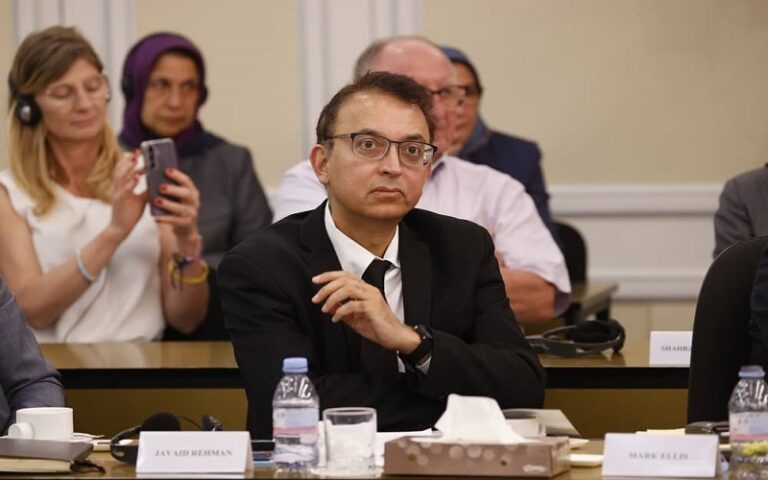
Professor Javaid Rehman, the UN Special Rapporteur on human rights in Iran from 2018 to 2024, presented a detailed report on the Iranian regime’s atrocities, including the 1988 massacre. He highlighted the systematic and widespread attacks on civilians, resulting in mass executions and enforced disappearances, particularly targeting PMOI members. Rehman argued that these actions were carried out with genocidal intent, as the regime viewed the PMOI as a deviant religious group, justifying their extermination. He called for an international investigative and accountability mechanism to address these crimes, stressing the importance of preventing further violations and ensuring justice for the victims.

Dr. Chile Eboe-Osuji, former President of the International Criminal Court (ICC), stressed that international law no longer grants immunity to government officials who commit atrocity crimes. He pointed out that the ICC has jurisdiction over crimes in its member states if those states fail to act. Eboe-Osuji commended Professor Rehman for exposing the truth about the 1988 massacre and suggested that the targeted killings of PMOI members could meet the legal definition of genocide, further emphasizing the need for international action.
Dr. Chile Eboe-Osuji, former President of the International Criminal Court (ICC)

Professor Leila Nadya Sadat, former Special Adviser on Crimes Against Humanity to the ICC Prosecutor, discussed the urgent need for accountability for the 1988 massacre and other crimes committed by the Iranian regime. She warned that impunity for the 1988 crimes has emboldened the regime to continue its oppressive practices. Sadat advocated for the establishment of an international investigative mechanism to collect evidence and facilitate prosecutions, similar to those established for Syria and Myanmar. She also highlighted the importance of universal jurisdiction, urging countries to prosecute perpetrators within their borders. While acknowledging the challenges in legally defining the 1988 massacre as genocide, Sadat argued that pursuing such charges is essential to mobilizing global support and pressing the international community to act.

Professor Leila Nadya Sadat, former Special Adviser on Crimes Against Humanity to the ICC Prosecutor

Dr. Mark Ellis, Executive Director of the International Bar Association, emphasized the importance of universal jurisdiction in prosecuting crimes such as genocide and crimes against humanity. He highlighted the precedent set by the trial of Hamid Noury in Sweden, the first legal proceeding related to the 1988 massacres, and urged other nations to adopt similar frameworks. Ellis called on European countries to use universal jurisdiction to investigate and prosecute Iranian officials for their crimes, emphasizing that the suspects and victims are well-known, and that decisive action is needed.
Dr. Mark Ellis, Executive Director of the International Bar Association (IBA)

Tahar Boumedra, President of JVMI and former Head of the UN Human Rights Office in Iraq, delivered a powerful testimony about the atrocities he witnessed against Iranian dissidents at Camp Ashraf. Boumedra recounted his experiences during his time with the UN mission in Iraq, where he had unrestricted access to the camp, home to many PMOI members. He described his role in documenting the crimes against the residents and criticized the UN’s inaction, which ultimately led to his resignation. Despite attempts by the UN to silence him, Boumedra continued to speak out about the abuses he witnessed. He expressed his support for Professor Rehman’s efforts to document the regime’s crimes. Boumedra’s remarks underscored the ongoing need for accountability and international solidarity with the Iranian people.

Tahar Boumedra, President of JVMI and former Head of the UN Human Rights Office in Iraq

The conference also featured the testimonies of the families of the 1988 massacre victims. They shared their personal experiences and grievances, holding up pictures of their lost loved ones and highlighting the immense suffering they have endured. Their stories emphasized the human cost of the regime’s brutality and reinforced the urgent need for justice and accountability from the international community.
 

Iranian Officials Downplay the Number of Dropout Students

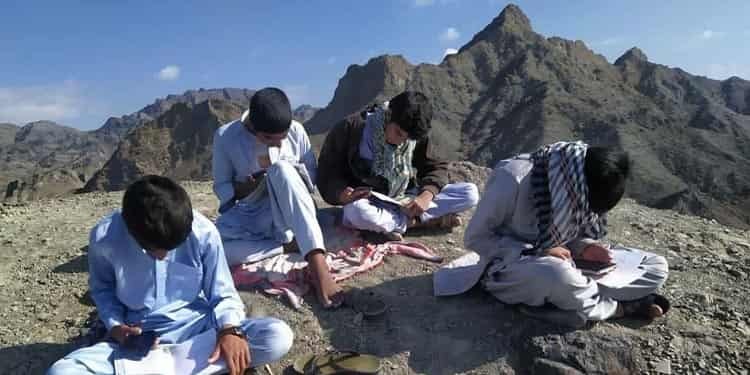
Rezvan Hakimzadeh, the Primary Education Deputy of the Iranian regime’s Ministry of Education, announced that there are 164,000 children in Iran who have dropped out of school.

The official IRNA news agency quoted Hakimzadeh as saying, “We compare the statistics of children who reach the age of six with registration data, and those who are not registered in the system are considered dropouts.”

Experts believe that the statistics announced by the Ministry of Education only account for children who are unable to enter the education system, and that the overall number of dropouts is significantly higher.

These experts cite statistics from the regime’s Majlis (parliament) Research Center, which reported that the number of dropouts in the country in 2023 was 930,000.

On July 24, the Deputy Chairman of the Education Committee of the Majlis also stated that the number of children who have dropped out of school in Iran is 911,000, including 400,000 primary school students.

On August 19, 2023, Hakimzadeh also reported an increase in primary school dropouts, with the latest figures indicating that 160,000 primary school students have dropped out.

A review of official statistics shows that 70% of “dropouts” belong to the lowest five income deciles.

In this context, Mohammad Molavi, a member of the Education Committee of the Islamic Consultative Assembly, stated in July that 279,000 children had dropped out of school due to “financial problems.”

This trend is also evident in the statistics provided by the Iranian Statistics Center, which reported that the number of dropouts in the 2022-2023 school year exceeded 929,000, an increase of 2% compared to the previous year.

In November 2023, an expert from the Majlis Research Center expressed concern about the situation of children in Iran, stating that 1.5 million children are at risk of dropping out, and 14 million children live in households that cannot afford even the basic food basket.

The over-40% inflation rate in recent years has caused housing costs to consume 70 to 80 percent of the expenses of low-income households, leaving them unable to meet other essential needs, including food, healthcare, clothing, and education.

Forced Labor in Iran’s Prisons is Slavery, UN Warns

For years, the Iranian regime has exploited cheap labor by using thousands of prisoners as a source of significant income. This issue has now caught the attention of United Nations reporters. In one of the latest reports on this matter, the regime was accused of running the most prominent form of modern slavery.

On August 28, the United Nations website published a written statement submitted by a non-governmental organization condemning the use of prisoners in Iran as labor, labeling it as the most prominent form of contemporary slavery. The statement examines the conditions under which Iranian regime officials rent out prisoners’ labor to private and public sectors.

Prisoners Subjected to Forced Labor

The report states that prisoners’ labor is attractive to exploiters due to its very low cost. Meanwhile, prison authorities seize at least three-quarters of the prisoners’ meager wages, presenting this situation as a clear example of human exploitation in the modern era.

The statement raises deep concerns about human rights violations and the use of prisoners as a tool for profiteering, calling for immediate action by the international community to address these conditions.

The report reads in part: 

“In the same context, estimates indicate that Iranian authorities rent labor force from prisoners to private and government sectors because it is very cheap labor compared to its counterparts in both sectors.

“Those in charge of prison administration seize at least three-quarters of prisoners’ salaries, and prisoners are usually employed in prison workshops or transferred to places outside them, such as mines and quarries, where they work long hours without time to rest. Female prisoners are forced to work in sewing workshops, packing goods, cooking, and baking for very low wages – estimated at $2.9 per month for bakery workers in 2020, which is not enough to provide for their basic needs or help their families.

“Guards in Tehran Grand Prison and Fashafuyeh Prison threaten prisoners with torture to encourage them to increase their productivity.”

Iran’s Regime Stresses On “No Deviation” In Nuclear Program

Mohammad Eslami, the head of Iran’s Atomic Energy Organization stated on the evening of Saturday, August 31: “There is no deviation in our nuclear program, and we have the authority to accept or reject inspections and to prevent inspectors from entering the country.”

Eslami  stated, “We are monitored by the agency, and cameras and inspectors observe our activities daily, unannounced, and regularly,” noting that “the cutting of the International Atomic Energy Agency’s (IAEA) access to inspection cameras at Iran’s nuclear sites is related to the JCPOA (Joint Comprehensive Plan of Action), because according to the JCPOA, if the other party does not fulfill its commitments, we must also reduce our commitments.”

In another part of his remarks, Eslami referred to international criticism regarding the denial of entry to some IAEA inspectors into Iran, saying, “We have the authority to accept or reject inspections, and this is our legal right, not due to pressure, politics, or force. They propose [inspectors], we evaluate. If we determine that an inspection is not a problem, we approve it, and if we do not approve it, no one can pressure us to accept.”

Referring to the possible visit of IAEA Director General Rafael Grossi to Tehran, Eslami added that the approach of the Atomic Energy Organization under the 14th administration will not differ from previous governments, as “we operate based on programs and are accountable to program obligations.”

While Eslami claims that there is no deviation in Iran’s nuclear program according to IAEA reports, the IAEA on August 29 released a confidential report stating that the Iranian regime has defied international demands by increasing its stockpile of enriched uranium to a level “close to weapons-grade.”

The IAEA also noted in its new report that the Iranian government has not yet reviewed its previous decision to ban IAEA inspectors from its nuclear program, and the agency’s monitoring cameras remain disabled.

One Month of Nurses’ Protests in Iran

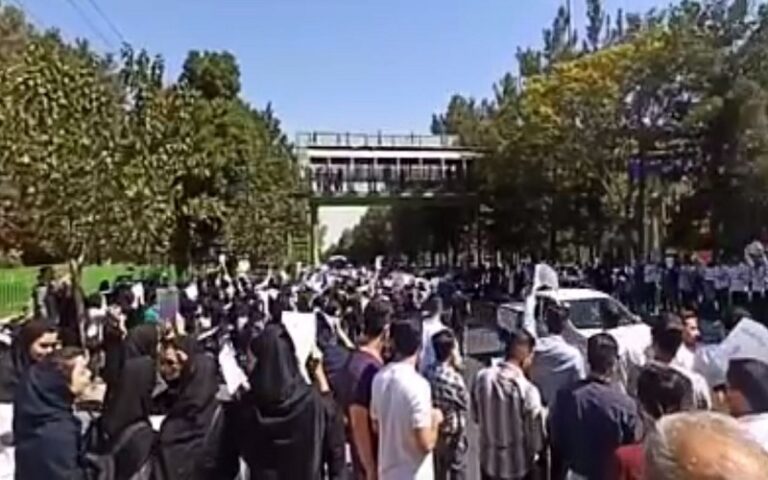
It has been a month since the protests by nurses and healthcare workers began. Instead of addressing the nurses’ demands, the Iranian regime has resorted to suppressing them. Labor and professional organizations have now expressed solidarity with the nurses’ protests and strikes.

Although a month has passed since the nationwide protests and strikes by nurses and healthcare workers in various cities across Iran, the wave of protests has not subsided. Human rights and professional organizations have repeatedly warned in the past month about the suppression of the healthcare sector.

Iranian workers and nurses, lacking the freedom to organize and the presence of independent unions, face severe retaliatory measures from the government merely for pursuing their legitimate demands.

One-Month of Nurses’ Protests and Strikes  

The nurses’ protests and strikes began on August 2nd in the city of Karaj. On this day, a group of nurses working in Karaj went on strike in protest against their working conditions and the repeated disregard by government officials. The nurses’ protests continued in the following days, spreading to over 20 cities and 50 hospitals and government-run healthcare centers.

Suppression of Protests and Arrest of Nurses  

The nurses’ protests and strikes in some cities have been met with confrontations, clashes, and even the arrest of several protesters. As the nurses’ protests expand, so does the level of suppression against them.

The police and plainclothes agents attacked some of the nurses’ gatherings and arrested a number of protesting nurses.

Main Demands of Protesting Nurses  

The protesting nurses are demanding the fulfillment of their rights, including wage increases in line with the actual inflation rate, the implementation of the Nursing Services Tariff Law, resolving the issue of mandatory overtime, addressing staff shortages and difficult working conditions, halting layoffs, and the reinstatement of dismissed nurses. However, the government has ignored the demands of the nurses and healthcare workers.

The situation of nurses has been steadily worsening for years, driving more nurses to emigrate.

Fereydoun Moradi, a member of the Supreme Nursing Council, states: “The living conditions of nurses have become unbearable, and 150 to 200 nurses emigrate from the country each month.”

Ali Jafarian, head of the Ministry of Health, Treatment, and Medical Education’s Strategic Council under the Masoud Pezeshkian government, has reported a wave of nurse emigration to Germany, describing the rate of emigration or job abandonment as “horrifying.”

Many of these demands related to livelihood, wages, and welfare are shared by workers, teachers, retirees, and other wage earners.

Protesting retirees in various cities across the country have also supported the nurses’ and healthcare workers’ protests by chanting slogans during their own professional gatherings.

For years, workers and retirees have been holding weekly protests and gatherings to claim their overdue rights. Now, for a month, nurses have joined teachers, retirees, and other segments of society in protesting against the government ministries and institutions despite continuous pressure and repression.

Undoubtedly, it is unrealistic to expect the Iranian regime, which is facing a budget deficit of several trillion rials, to address the issues of the nursing community and healthcare workers. Currently, their demands amount to approximately 75 trillion rials (about 125 million USD). How the government, with an empty treasury, plans to meet these demands is highly questionable, and the likely outcome is further repression.

The Role of Hossein Shamkhani in Iran’s Oil Smuggling Network

Bloomberg News published an exclusive report on Friday, August 30, investigating how Iran’s smuggled oil is sold and the role of Hossein Shamkhani, the son of Ali Shamkhani, advisor to the Iranian regime’s Supreme Leader Ali Khamenei, as one of the key figures in this operation.

According to Bloomberg, Milavous Group Ltd in Dubai, led by a trader known as Hector, has become one of the most important distributors of Iran’s smuggled oil in the global energy market. Bloomberg states that Hector is actually Hossein Shamkhani, the son of Ali Shamkhani, and the key player in selling Iranian oil.

The news outlet, citing more than 12 unnamed sources, reported that Milavous Group has earned billions of dollars from selling goods originating from Iran and Russia. According to Bloomberg, Hossein Shamkhani, known as Hector, is a senior executive at Milavous.

According to informed sources, Hossein Shamkhani plays a significant role in selling sanctioned Iranian and Russian oil to customers worldwide. He also sells oil and petrochemical products from non-sanctioned countries and sometimes blends crude oil from various countries to obscure the origin from buyers.

Bloomberg’s exclusive report is based on documents and interviews with informed domestic and international sources.

The report also highlights the growing cooperation between Tehran and Moscow in response to the tightening of global sanctions against both countries.

According to the news agency, the United States faces challenges in curbing this trade due to the risk of rising oil prices during the presidential election year in November.

Bloomberg reports that the U.S. has imposed restrictions on the sale of Iranian and Russian oil, but many countries, including the United Arab Emirates and China, are not subject to these restrictions. Hossein Shamkhani is not under U.S. sanctions, and UAE law does not prohibit companies from trading crude oil from Iran or Russia.

Meanwhile, on Thursday, August 29, the organization United Against Nuclear Iran (UANI) released its report on the status of Iranian oil shipments by tankers in July.

The report states that Iranian oil, which is under international sanctions, is being transported to various parts of the world by tankers flying the flags of other countries.

UANI, referencing its global campaign to combat Iran’s oil smuggling via these tankers, states that since the beginning of this year, Panama has removed about 109 ships from its registry of tankers. These ships had been using Panama’s flag to participate in the transportation of sanctioned Iranian oil to buyers.

However, according to UANI, the Cook Islands, a small island nation in the South Pacific in free association with New Zealand and with a population of about 15,000, has become a significant player in this area.

This year, the Cook Islands registered the highest number of ships under its flag.

According to UANI’s data, the Cook Islands has registered approximately 35 tankers involved in transporting Iranian oil and provided them with its flag.

Comoros, Palau, Barbados, and Gabon rank next after the Cook Islands in UANI’s report.

According to UANI, the easy availability of flags from countries like the Cook Islands is an essential part of Iran’s illegal oil trade, allowing Tehran to export nearly two million barrels of oil per day. China is considered the largest buyer of Iranian crude oil.

Iran Increases Near-Weapons-Grade Uranium Stockpile Amid Ongoing International Tensions

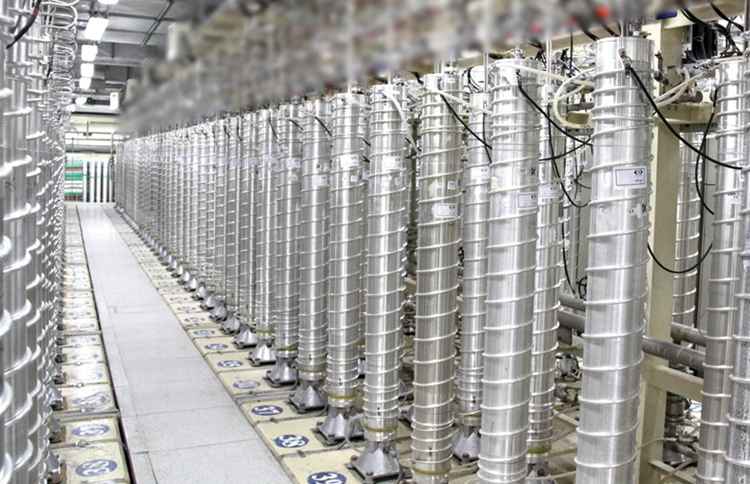
In a confidential report, the International Atomic Energy Agency (IAEA) revealed on August 29 that the Iranian regime, defying international demands, has increased its stockpile of enriched uranium at a level “close to weapons-grade.”

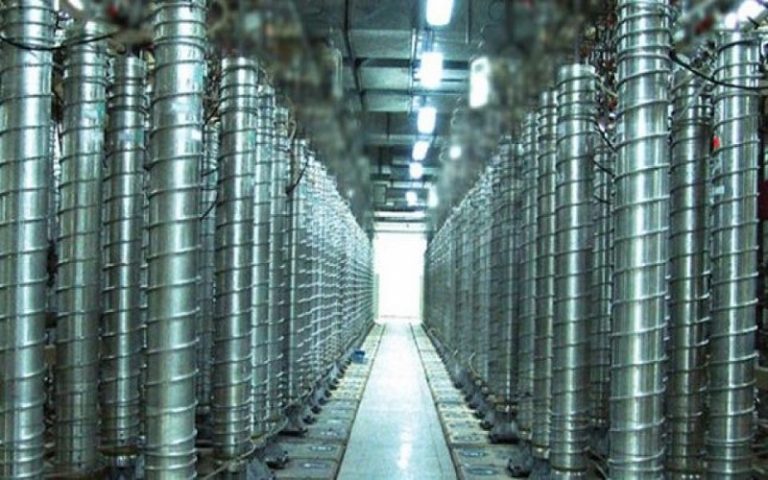
According to the IAEA report, as of August 17, Iran’s stockpile of 60% enriched uranium reached a total of 164.7 kilograms, an increase of over 22 kilograms compared to the previous IAEA report in May 2024.

Experts say that converting 60% enriched uranium to weapons-grade 90% purity requires only “a short technical step.”

According to the Associated Press, the IAEA noted in its new report that the Iranian government has not yet reviewed its previous decision to ban IAEA inspectors from its nuclear program, and the agency’s surveillance cameras remain disrupted.

In another part of the report, the IAEA mentioned that on August 8, it sent a letter to the Iranian government requesting access to the centrifuge production facilities in Isfahan to service its surveillance cameras but has not yet received a response from Tehran.

According to the IAEA, Iran has still not responded to the years-old questions about the origin and location of man-made uranium particles found at two previously undeclared sites known as Varamin and Turquzabad.

On June 3, IAEA Director General Rafael Grossi also stated that Iran’s enriched uranium stockpile, including 60% enriched uranium, continues to grow.

On June 5, the IAEA Board of Governors called on Iranian authorities to take steps to cooperate with the agency more swiftly and to lift the ban on the entry of experienced inspectors from this UN nuclear watchdog into Iran.

The UN Security Council’s periodic meeting to review the implementation of Resolution 2231 and the Joint Comprehensive Plan of Action (JCPOA) was held in July 2024, during which member states, particularly the European Troika, expressed concern over Iran’s nuclear activities and warned about the potential activation of the “snapback mechanism.”

The U.S. Deputy Representative to the United Nations, speaking at the meeting on Monday, June 24, stated that Iran continues to violate the 2015 nuclear agreement and obstruct the IAEA inspectors’ monitoring efforts, adding that there should be no hesitation in condemning this behavior.

The UK’s Permanent Representative to the United Nations also warned at the meeting that the European Troika might activate the snapback mechanism against the Iranian regime.

The activation of the snapback mechanism, which is provided for under UN Security Council Resolution 2231 to enforce the 2015 nuclear agreement with Iran, would result in the reinstatement of all international sanctions against Tehran.

Under Resolution 2231, the UN Secretary-General’s report on Iran’s nuclear activities is presented and discussed by the Security Council members every six months during their regular session.

Young Man Dies from Torture in Custody of Iranian Regime’s Security Forces

Reports from several local media outlets in Gilan province, Iran, indicate the death of a young man due to “torture and beating” at the Langarud police station.  

According to the state-run Borna News Agency, in a statement from the Public and Revolutionary Prosecutor’s Office of Lahijan published on Wednesday, August 28, the identity of the young man was not disclosed. However, local media in Gilan province identified him as “Mohammad Mir-Mousavi.”

This statement was issued after several local media in Gilan published images of a bloodied young man’s body being washed at a morgue, reporting that signs of severe “torture and beating” were evident on his body.  

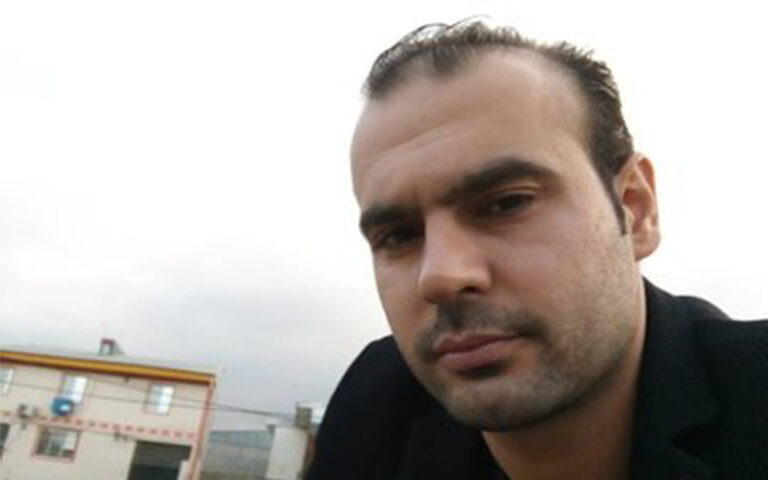
Following the release of this shocking video, the identity of the young man was confirmed as “Mohammad Mir-Mousavi,” 36 years old.

According to reports, he was arrested by special unit forces of the county’s police during a local altercation and died after being “severely beaten” at the Langarud police station.

Reports indicate that the young man died on the day of his arrest but given the autopsy marks on his chest and abdomen seen in the video, it is unclear when his body was handed over to his family.

His burial ceremony was held on August 27.

The death of this young man comes on the eve of the anniversary of Mahsa Zhina Amini’s death while in the custody of the Morality Police in 2022, which sparked widespread protests across Iran.

This is not the first time news has emerged about the deaths of prisoners and detainees in Iranian prisons and detention centers.

The death of this young man has been compared on social media to the death of Sattar Beheshti, a worker and blogger who was killed under interrogation after being arrested by the Cyber Police (FATA).

Amnesty International had previously reported that between January 2010 and September 15, 2021, at least 72 deaths occurred in 42 prisons and detention centers across various cities in Iran.

According to this report, in 46 of these deaths, torture or other physical abuse by prison officers and authorities was the main cause.

Director of Iran-Backed Islamic Center of Hamburg Ordered to Leave Germany

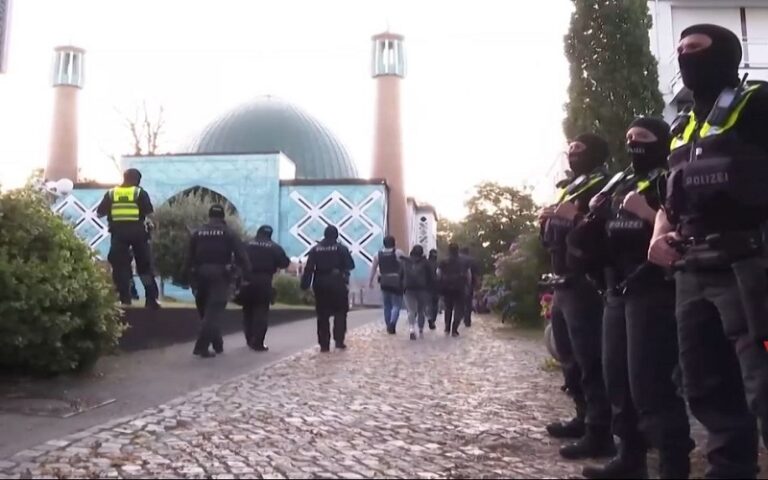
One month after the Islamic Center Hamburg was banned from operating in Germany, a spokesperson for the Hamburg Ministry of Internal Security announced on Thursday, August 29, that the deportation order for Mohammad Hadi Mofatteh, the director of the center, had been issued this week and communicated to him.

According to this report, Mofatteh, 57, has been asked to leave Germany within 14 days or face deportation to Iran at his own expense. His deadline expires on September 11.

Furthermore, Mofatteh is prohibited from re-entering Germany, and if he ignores this order, he faces up to three years in prison.

Mofatteh has been the director of the Islamic Center Hamburg since the summer of 2018.

“Islamic Center Hamburg, Promoter of Extremist and Totalitarian Islamist Ideology in Germany”  

On the morning of Wednesday, July 24, German police raided the Islamic Center Hamburg and more than 50 affiliated centers, banning their activities.

The German Interior Minister declared in a statement that the evidence collected during the investigations “confirmed serious suspicions to such an extent that we issued the ban order today.”

Meanwhile, Iran’s Foreign Ministry summoned the German ambassador to protest the ban on the activities and closure of the Islamic Center Hamburg and more than 50 affiliated centers.

Germany’s Office for the Protection of the Constitution had previously stated that there was evidence indicating that this Islamic center was “an important propaganda center for Iran in Europe” and “a branch of the Islamic Republic.”

According to the ruling of the Hamburg Administrative Court, the Islamic Center in this city, also known as the “Blue Mosque,” has been classified as an “extremist Islamist organization.”

Hamburg government officials issued the deportation order for “Soleiman Moussavi-Far,” the deputy director of the “Islamic Center Hamburg,” in June 2022, and he was deported from Germany three months later.

At that time, German officials expressed confidence that Soleiman Moussavi-Far supported extremist Shia paramilitary organizations as well as terrorist groups.

The Islamic Republic’s Retaliation against “Goethe”  

Last week, Iranian regime security agents attacked two branches of the German language Goethe Institute in Tehran, forcefully removing teachers, staff, and visitors, and tearing down the sign of this center, which operated under the supervision of the German embassy.

The Sabereen News Telegram channel, affiliated with the Islamic Revolutionary Guard Corps (IRGC), announced that “this is a retaliatory measure for the closure of cultural and Islamic centers in Germany.”

Mizan News Agency, the media outlet of the Iranian regime’s judiciary, also issued a statement calling the Goethe Institute “illegal centers affiliated with the German government” and accusing it of “violating national laws.”

The Goethe Educational Institute, with years of experience, offers various German language courses for adults at different levels and conducts official and international language proficiency exams.

The Iranian Regime Collaborates with Ransomware Criminals  

0

U.S. intelligence agencies have warned that the Iranian regime is collaborating with cybercriminal groups to conduct ransomware attacks against organizations in the United States, Israel, Azerbaijan, and the United Arab Emirates.

On Wednesday, August 28, the FBI, the Pentagon’s Cyber Crime Center, and the U.S. Cybersecurity and Infrastructure Security Agency (CISA) announced that in recent times, Iran has targeted not only government institutions but also educational, healthcare, and defense sectors in these countries.

The FBI’s assessment indicates that a significant percentage of these Iranian cyber hacking operations have been conducted to gain access to the networks of these institutions through ransomware.

In addition to deploying ransomware, hackers linked to the Iranian regime have pursued extensive campaigns to steal sensitive technical data from Israeli and Azerbaijani institutions.

The three U.S. intelligence agencies based their report on data provided by several organizations that had been affected by these malicious activities.

The findings of these three agencies indicate that hackers linked to Iran either use ransomware themselves or collaborate with prominent ransomware operators in espionage and data theft operations.

U.S. agencies have concluded that hackers associated with Iran, in exchange for assisting in deploying ransomware, receive a share of the information obtained through these cyber traps.

In some cases, hackers have collaborated with ransomware groups that lock victims’ networks and seek to extort them.

Multiple hacking operations targeting Israeli organizations and companies  

The report by these three U.S. agencies noted that cyber actors linked to the Iranian regime have been behind multiple hacking operations targeting Israeli organizations and companies over the past four years. The primary motive was not financial extortion but rather to embarrass Israel by sharing the stolen data from these Israeli entities online.

The report mentioned the Iranian technology company “Danesh Novin Sahand,” which it described as a “cover for the cyber activities” of the Iranian regime. According to U.S. agencies, this company exploited vulnerabilities in cybersecurity products such as Check Point or Palo Alto Networks VPN equipment.

Hackers backed by the regime, upon entering the victim’s network and before expanding their infiltration operations and data theft, created a user account under the name “John McCain,” a prominent late U.S. senator.

The hackers disable antivirus programs or security software on the victim’s computer to freely operate within the compromised network without triggering any warnings, allowing them to carry out their intended actions, steal information, and monitor the victim’s activities.

U.S. government cybersecurity experts believe that the hackers typically do not conceal their affiliation with the Iranian regime and deliberately keep the origin of their actions ambiguous.

In their advisory, the three U.S. intelligence agencies wrote that merely addressing the vulnerabilities in the software used on victims’ computers is insufficient for protection. Instead, organizations must take additional measures to protect themselves from these traps and report any ransomware attack or cyber incident.

The U.S. agencies identified four specific vulnerabilities in the software used on computers that need to be addressed.

The report by the three U.S. agencies was released amid renewed attention by U.S. intelligence organizations on Iran’s cyber activities aimed at influencing the upcoming U.S. presidential election.

Microsoft also reported on Wednesday that hacking agents linked to the Islamic Revolutionary Guard Corps (IRGC) have installed malware on computers in the satellite, oil, gas, and communications sectors of the United States and the United Arab Emirates.

The Iranian regime, in its effort to bolster its intelligence capabilities, is increasingly using cyberattacks and, more recently, artificial intelligence.