Home Blog Page 201

Iran’s Regime Faces Political Turmoil As It Approaches Parliamentary Elections

0

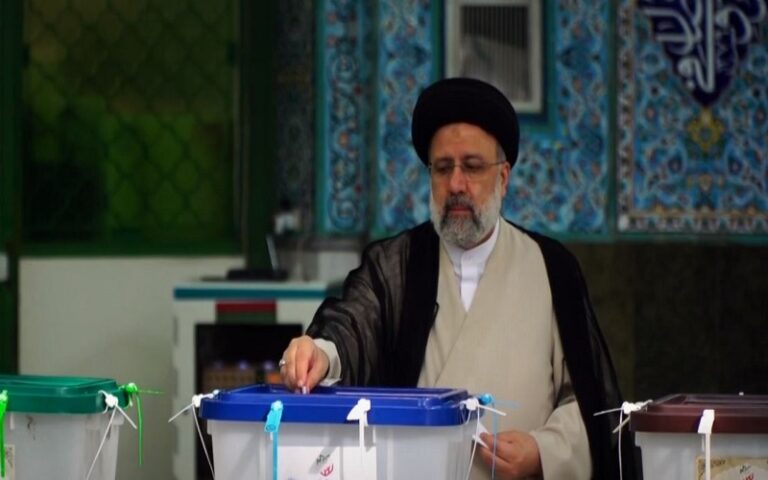
Iran’s forthcoming parliamentary and Assembly of Experts elections, scheduled for March 1, are shrouded in predictability and controversy, underscoring a regime grappling with internal discord and widespread public disillusionment. The National Council of Resistance of Iran (NCRI) has highlighted the regime’s deep-seated crises in its latest analysis. The report dives into the unprecedented election boycott anticipated by the regime, the disqualification of key regime figures, and an overarching inability to address its multifaceted crises.

The election boycott represents a significant challenge to the regime’s legitimacy. The NCRI article points out a record-high anticipated boycott, driven by a broad societal disenchantment. Abdolvahed Mousavi Lari, a former Minister of Interior, expressed concerns that “people’s anger towards the ballot boxes may be more serious than in 2019,” a year when voter turnout plummeted to the lowest since the mullahs’ rise to power in 1979. This anticipated boycott underscores a pervasive belief among the populace that abstention is a more principled stance than participation in a flawed electoral process.

Further complicating the regime’s predicament is the major disqualification of security veterans and political figures. Notably, the exclusion of Hassan Rouhani, a two-term president and long-time member of the Assembly of Experts, along with three former intelligence ministers and other high-profile officials, signals a significant purge within the regime’s own ranks. The NCRI article underscores the severity of these disqualifications: “The most prominent person to be eliminated from the race is Hassan Rouhani.” This wave of exclusions reveals deep internal rifts and a strategy aimed at consolidating power, eliminating dissent, and ensuring the survival of the ruling clique.

Amidst these challenges, the regime’s inability to resolve its crises becomes glaringly apparent. Iran is entangled in a web of interconnected and intricate crises, with economic and social turmoil, political grievances, and regional and global isolation threatening the regime’s stability. The NCRI describes a regime that “cannot afford any missteps or criticism,” relying heavily on repression and a shrinking circle of loyal officials to maintain its grip on power. This approach, however, fails to address the underlying issues, instead exacerbating the regime’s isolation and the public’s discontent.

Attempts by regime supreme leader Ali Khamenei to leverage the elections to project strength and legitimacy is indicative of a broader strategy to navigate these crises. By engineering the electoral process to ensure a high turnout, the regime seeks to present an image of social support and stability. However, the NCRI highlights the inherent flaws in this strategy, noting that “in Iran’s ruling religious dictatorship, genuine partisanship and ideological divides that prioritize public interest are nonexistent.” This lack of genuine political competition and the suppression of dissenting voices only further alienate the populace and undermine the regime’s credibility.

The disqualifications and the anticipated election boycott are not merely symptoms of a political system in distress; they are indicative of a deeper, systemic inability to engage with the public’s demands for change. Ahmad Zeydabadi, a state-affiliated analyst, warns of a “very, very dangerous downhill slide,” highlighting the regime’s precarious position and the urgent need for a fundamental shift in approach.

The NCRI’s report reveals a regime that is facing insurmountable challenges. The unprecedented election boycott, the disqualification of key figures, and the regime’s overarching crises are interwoven elements of a system struggling to maintain its legitimacy and control. As the regime tightens its grip, it inadvertently highlights its vulnerabilities, driving the country further into turmoil.

“Despite  his efforts to purge his own ranks ‘for purity’ to stave off the overthrow of his regime, Khamenei overlooks the very fact that his regime becomes weaker by the day, while the people and the Iranian Resistance become bolder and more determined,” the NCRI writes.
Annual Inflation Rate For Housing In Tehran Surpasses 82%

0

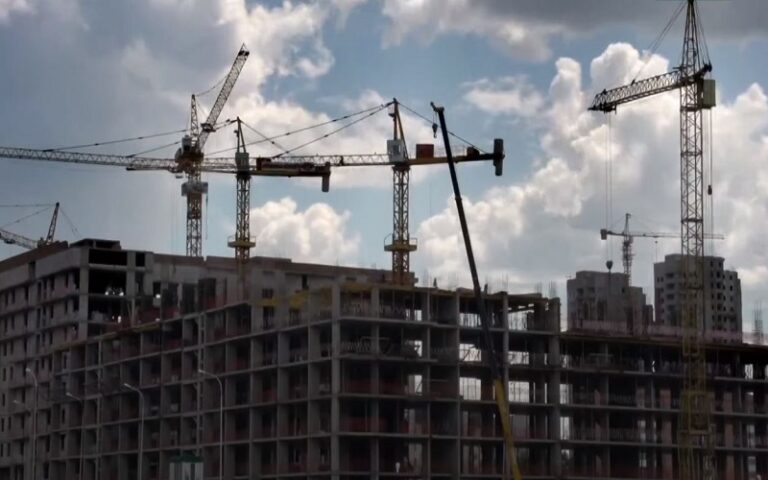
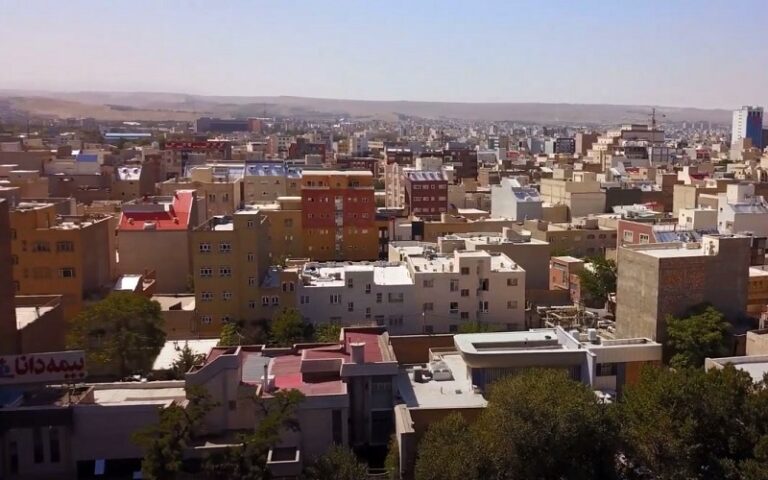
The Research Center of the Iranian Regime’s Parliament (Majlis) announced in August 2023 that various government initiatives in the Islamic Republic to reduce housing prices have failed. The latest official report from the Iranian regime indicates that the surge in housing prices in Tehran continues, with the annual inflation rate for residential apartments in this city reaching 82.8% in January.

The Statistical Center of Iran, affiliated with the Organization of Planning and Budget, declared on February 12 that the monthly housing inflation rate in Tehran for January 2024 was 2.2%. The center mentioned that the average price of sold residential apartments in the capital of Iran has reached 806.1 million rials per square meter (approximately $1,450).

Previously, in October 2023, after months of discontinuing the publication of government statistics, the Statistical Center of Iran announced that in September 2023, compared to the same month in 2022, housing prices had experienced a 75% surge.

In August 2023, the Majlis (Parliament) Research Center also reported an increase in various homelessness methods in Iran, stating that this is an “indicator of the severe failures of the country’s housing system.”

The research center wrote that in past decades, the initiatives of various governments “have been entirely detrimental to low-income and vulnerable groups lacking housing assets.”

The cessation of housing statistics publication by the Statistical Center and the Central Bank started in winter 2023 (from January to March 2023). Meanwhile, the new report from the Statistical Center shows that in winter 2023, the housing price growth suddenly intensified, reaching 120% inflation even in May 2023. In August 2023, housing inflation was also above 84%.

The Iranian governments have consistently halted the publication of the economic section in a highly critical situation, including the monthly statistics of the Central Bank regarding the state of government general budgets, which have been discontinued since autumn 2018.

One of the significant reasons for the notable increase in housing prices in Iran is related to the halving of the rial’s value over the past year. Additionally, the higher inflation in housing compared to the growth rate of the dollar in spring 2023 also indicates a severe recession in new construction projects in the country.

During the electoral campaign and the initial months of the presidency, Ebrahim Raisi promised to build one million housing units annually. This claim was met with widespread skepticism from experts at the time.

In another report, the Statistical Center states that in spring 2023, fewer than 30,000 building construction permits were issued by the country’s municipalities, showing a 27% decrease compared to winter 2022.

In Tehran, less than 10,000 housing construction permits were issued in spring 2023, which is 28% less than the first three months of 2023.

Iran: Even Living in Basements is a Dream

These days, the cost of renting a house in Iran has become so high that some people are considering renting basements for living.

According to advertisements on real estate platforms, a 60-square-meter basement in the city of Shiraz is being offered for a monthly rent of 130 million rials upfront (approximately $2,347).

In Mashhad, a 50-square-meter basement is advertised for 500 million rials upfront (approximately $903) and a monthly rent of 50 million Iranian rials (approximately $90).

In Tehran’s Tehranpars district, a 180-square-meter basement is listed for a monthly rent of 300 million rials (approximately $542) with an upfront payment of 2 billion rials (approximately $3,610).

It is worth noting that the approved minimum wage in 2023 is approximately 90 million rials (approximately $163). Iran has an inflation rate of around 50 percent.

The state-run Shargh newspaper reported on February 10 that the construction of “micro-apartments” has begun to address the housing crisis. It mentioned a planned city in Tehran province covering one million square meters, with the capacity to build 20,000 affordable housing units. Preliminary infrastructure work has already started for the construction of affordable housing in this city.

In recent days, media reports have highlighted the extreme rental prices, such as a 10-square-meter single room in Tehran’s Amin Hozoor neighborhood being offered for a monthly rent of 100 million rials (approximately $180) and an upfront payment of 30 million rials (approximately $55).

Media also reported in November 2023 that a record-breaking rent had been set in Tehran, the highest in the last 30 years.

Despite this, there seems to be a preference for 10-square-meter rooms. However, Donyaye Eghtesad wrote on November 7, 2023, that statistics indicate a record in residence registrations for homes up to 40 square meters in the capital during the current year.

Iran’s Statistical Center indicates that the average price per square meter of an apartment has risen from 62 million rials (approximately $1,000) in the spring of 2018 to over 808 million rials at present (approximately $1,462) (considering 50 percent inflation).

In August 2023, the Research Center of the Iranian government reported on the increase in eviction notices from the housing market, stating that households with one to three eviction notices and even some in the “relatively” sixth category are unable to secure the housing they need for residence.

The Tasnim news agency, affiliated with the Islamic Revolutionary Guard Corps (IRGC) in Iran, reported the ineffectiveness of a nearly 10 billion rials housing loan for citizens becoming homeowners.

According to the agency, the average housing price has exceeded 800 million rials, and with a 9.6 billion rials loan (approximately $17,329), considering loan expenses, one can only buy an eight-and-a-half-square-meter house.

Iranian media also reports the continuation of a recession in the housing market and the concerns of construction companies about the ongoing recession. They have announced that the buying and selling statistics in Tehran alone amount to only 3,000 cases in a month.

The regime’s Donyaye Eghtesad  daily wrote on January 7 in this regard that transaction volume has dropped by over 70% compared to the first half of the 2010s decade, before the onset of price hikes.

During his presidential election campaign, Ebrahim Raisi promised to build one million homes annually, a commitment he has reiterated in recent years.

In recent months, the regime’s officials have claimed to be in the process of constructing close to two million housing units. However, experts reject these claims based on the statistics of issued permits for housing construction.

In the latest decision by the Tehran municipality, it was announced that reserve lands in some areas will be allocated to Chinese companies for construction.

Fire Department: Tehran has 18,000 High-Risk Buildings

0

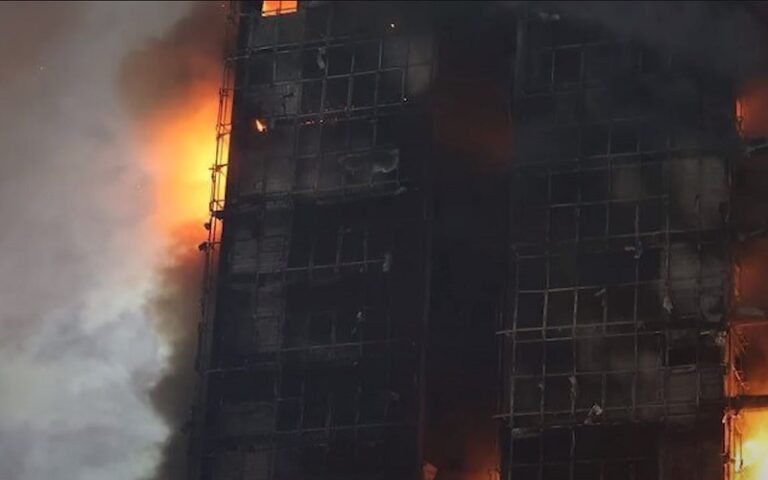
Jalal Maleki, the spokesperson for the Tehran Fire Department, announced that there are 18,000 high-risk buildings in the city and stated that these buildings pose a danger to the city’s future.

Maleki also declared that 75 buildings in Tehran are in a critical condition.

Incidents such as the Plasco Building collapse, Gandhi Hospital fire, and Sina At’har Medical Center have raised concerns among the public.

Following the fire at Gandhi Hospital in Tehran on January 25, sensitivity towards high-risk buildings has increased. Maleki mentioned that out of 2,300 medical centers examined, only 1,800 have received certification from the firefighting department.

Since the Plasco Building fire in the center of Tehran on January 19, 2017, which claimed at least 22 lives, until the collapse of the Metropol tower in Abadan (southwest Iran) on May 23, 2022, resulting in 43 fatalities, numerous warnings have been issued regarding the safety of public buildings in the country, especially in Tehran.

In this regard, 129 public and government buildings have been identified as high-risk, according to the Tehran Fire Department. This list includes Boali, Fajr, Yafteh Abad, Fiaz Bakhsh, Ghiasy, Ziaian, Tarfeh, and Shah Abadi medical centers, as well as Shahid, Technical and Vocational University, and Yadegar-e Imam universities.

On May 8, 2023, the regime’s Farhikhtegan newspaper wrote that, based on available information, due to the age, concentration, and density in districts 11 and 12, these two areas in Tehran host the most unsafe buildings and structures. Only in district 11, 129 buildings are considered very high-risk.

Names of compromised shopping centers have also been mentioned, including Aluminum, Alaeddin, Mahistan, Azad, and Champs-Élysées.

These incidents and various lists of unsafe, high-risk, and very high-risk buildings in Tehran occur while Ali Reza Zakani, the mayor of Tehran, denies the existence of such a list, stating that our duty is only to identify.

High-risk and unsafe buildings are divided into two categories: old and new. Old buildings need renovation or closure due to their age and the absence of many safety principles and equipment during construction. In new buildings, the only factor contributing to their insecurity is the municipality’s approach in issuing permits, supervision, and reducing penalties for violations.

The Central Bank of Iraq Revokes Operating License of of Bank Melli Iran.

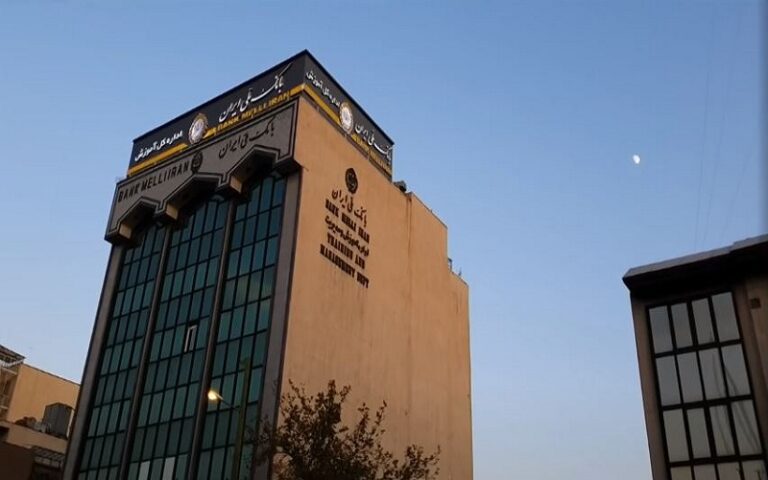
The Central Bank of Iraq has revoked the operating license of Bank Melli Iran, the largest Iranian bank, as reported by Reuters on Thursday, February 8. According to a document from the Central Bank of Iraq dated January 31, confirmed by two senior officials of the bank, the reason for this decision is the international sanctions imposed on Bank Melli Iran.

A section of the document from the Central Bank of Iraq states: “Due to the losses incurred by your branch in Iraq, its restricted operations, and the inability to expand banking activities, as well as being listed in the international sanctions, it has been decided to revoke your operating license.”

In 2018, the U.S. Department of the Treasury sanctioned Bank Melli Iran for its use by the Islamic Revolutionary Guard Corps (IRGC) to distribute financial resources among Shiite militia groups in Iraq. The U.S. Treasury claimed that the activities of Bank Melli Iran in Iraq were part of the financial network supporting these groups.

More than $100 billion of Iraq’s foreign exchange reserves, closely tied to both Iran and the U.S., is held in special accounts in the United States. Iraq relies on the goodwill of the U.S. to access funds from its oil revenues and financial resources.

Despite the current Iraqi government coming to power with the support of Shiite groups and Iran-backed militias in October 2022, it has collaborated with the U.S. in restricting the financial activities of the Iranian regime in Iraq.

The Iraqi government recently prohibited the operations of eight local commercial banks in dollar transactions and exchanges. It has also taken measures against bank fraud, money laundering, and other forms of illegal use of U.S. dollars, actions that have been welcomed by the U.S. Treasury.

According to Iraqi and U.S. officials, in July 2023, the Iraqi government, at Washington’s request and as part of the fight against dollar smuggling, revoked the licenses of 14 Iraqi banks for the transfer and trading of dollars through the Iraqi banking network to Iran.

Iran’s Judiciary Issued 35 Death Sentences in One Month, Human Rights Activists Warn

0

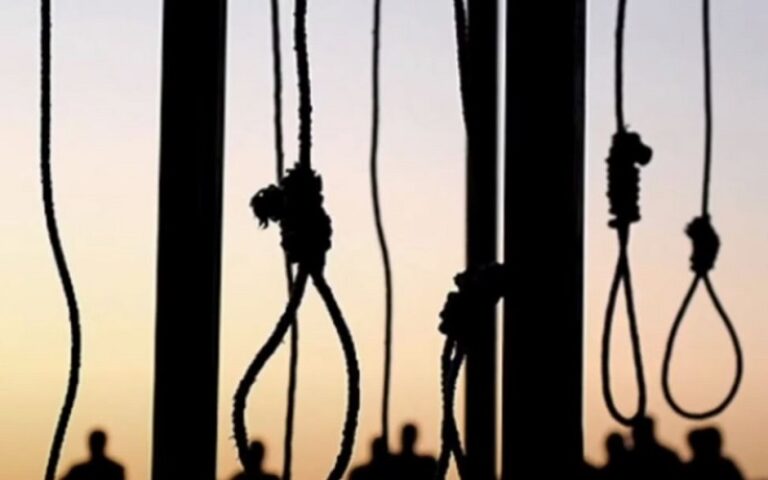
Human rights activists in Iran state that in January, the Iranian regime’s judiciary set a new record for issuing death sentences in the past year with 35 death sentences. The regime also executed 86 individuals in the same month.

On February 8, the  Human Rights Activists News Agency (HRANA) reported that the examination of the issuance and execution of death sentences from January 2023 to January 2024 indicates a continuous increase in the number of executions compared to the number of newly issued death sentences.

The recent intensification of issuing and executing death sentences in Iran has been met with strong reactions. In this context, the European Parliament passed a resolution on Friday, February 8, calling for the immediate release of all those sentenced to death and political prisoners in Iran.

Earlier on January 15, Abram Paley, the Deputy of the Special Representative of the United States for Iranian Affairs, strongly condemned the Iranian regime’s use of the death penalty, one day after the execution of 13 Iranian citizens.

Human rights activists in Iran also published a report on October 9, 2023, simultaneous with the “World Day Against the Death Penalty,” detailing the extent of executions from October 9, 2022, to October 7, 2023, to draw public attention to the situation of “thousands awaiting the execution of their sentences.”

According to this report, at least “659 individuals” in various regions of Iran have been executed by “hanging” during this period, representing an approximately 24% increase compared to the same period in the previous year.

Also according to a report by the Iran Human Rights Monitor (Iran HRM) in January 2024, the statistics of executions in Iran have seen a significant increase, with the Iranian judiciary executing 88 individuals. This marks a 39% growth compared to January 2023 when the Iran regime executed 63 people, and a staggering 91% growth compared to January 2022 when 46 individuals were executed. These calculations indicate a disturbing upward trend in the number of executions in Iran, and the Iranian judiciary has employed a ruthless approach in carrying out these executions, which is highly concerning.

The Hengaw Human Rights Organization also stated in a report on the human rights situation in Iran in the year 2023 that the Islamic Republic had detained at least 2,342 citizens and handed over a minimum of 823 prisoners to execution squads during the year.

Fire Department: Tehran has 18,000 High-Risk Buildings

0

Jalal Maleki, the spokesperson for the Tehran Fire Department, announced that there are 18,000 high-risk buildings in the city and stated that these buildings pose a danger to the city’s future.

Maleki also declared that 75 buildings in Tehran are in a critical condition.

Incidents such as the Plasco Building collapse, Gandhi Hospital fire, and Sina At’har Medical Center have raised concerns among the public.

Following the fire at Gandhi Hospital in Tehran on January 25, sensitivity towards high-risk buildings has increased. Maleki mentioned that out of 2,300 medical centers examined, only 1,800 have received certification from the firefighting department.

Since the Plasco Building fire in the center of Tehran on January 19, 2017, which claimed at least 22 lives, until the collapse of the Metropol tower in Abadan (southwest Iran) on May 23, 2022, resulting in 43 fatalities, numerous warnings have been issued regarding the safety of public buildings in the country, especially in Tehran.

In this regard, 129 public and government buildings have been identified as high-risk, according to the Tehran Fire Department. This list includes Boali, Fajr, Yafteh Abad, Fiaz Bakhsh, Ghiasy, Ziaian, Tarfeh, and Shah Abadi medical centers, as well as Shahid, Technical and Vocational University, and Yadegar-e Imam universities.

On May 8, 2023, the regime’s Farhikhtegan newspaper wrote that, based on available information, due to the age, concentration, and density in districts 11 and 12, these two areas in Tehran host the most unsafe buildings and structures. Only in district 11, 129 buildings are considered very high-risk.

Names of compromised shopping centers have also been mentioned, including Aluminum, Alaeddin, Mahistan, Azad, and Champs-Élysées.

These incidents and various lists of unsafe, high-risk, and very high-risk buildings in Tehran occur while Ali Reza Zakani, the mayor of Tehran, denies the existence of such a list, stating that our duty is only to identify.

High-risk and unsafe buildings are divided into two categories: old and new. Old buildings need renovation or closure due to their age and the absence of many safety principles and equipment during construction. In new buildings, the only factor contributing to their insecurity is the municipality’s approach in issuing permits, supervision, and reducing penalties for violations.

Iranian Political Prisoners on Hunger Strike in Protest to Uptick in Executions

0

Continuing the protests against the issuance and implementation of death sentences in Iran, 439 political and civil activists have signed a statement demanding a halt to executions in Iran. The signatories of this statement expressed solidarity with the families of those executed in recent weeks and showed support for the global campaign “No to Execution.”

According to these activists, the death sentences are driven more by revenge and are leading to the prosecution of young protesters.

The signatories of the statement believe that most recent executions should not have taken place even according to the judicial standards of the Iranian regime.

In the past months, following the intensification of the wave of executions in Iran, numerous gatherings have been held in various parts of the world.

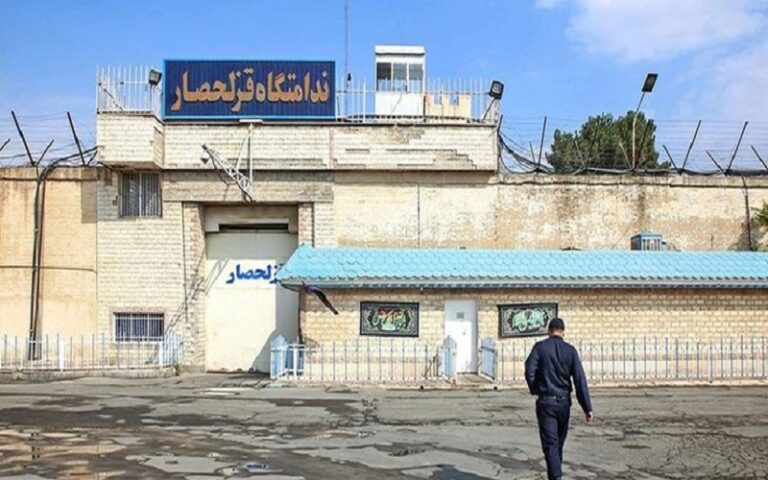
On January 29, political prisoners in Karaj’s Ghezel Hesar Prison declared they are going on a hunger strike every Tuesday in protest against the widespread executions in this prison and other prisons. This hunger strike is in solidarity with the hunger strike of prisoners condemned to death in this prison.

Political prisoners in Karaj’s Ghezel Hesar Prison issued a statement announcing the hunger strike and wrote the following:

“Since our exile until now, we have witnessed the expansion of the wave of executions of prisoners (both political and non-political), and we have reacted and informed the public in any possible way about this crime. For this reason, on January 28, security forces stormed the political prisoners’ ward to silence this voice of protest and prevent the disclosure of the wave of executions. They resorted to beating, threatening, insulting, and confiscating and damaging belongings. All this savagery is aimed at preventing the disclosure of executions and state-committed murders.”

Another group of prisoners declared: “We, political prisoners from Evin Prison, join the hunger strike every Tuesday along with the prisoners of Ghezel Hesar and other prisoners in protest against executions.”

The names of some of the prisoners are Behrouz Ehsani, Reza Akbari Monfared, Khosrow Rahnama, Kamran Rezaei Far, Reza Rezaei, Hossein Shahsavari, Nasrollah Falahi, Masoud Moeini, Ali Moezi, Shahab Nadali, Ali Bahiraei, Arash Moradi, and Yasin Mokhtari.

Iran’s Regime Bypassing Sanctions Through 2 British Banks

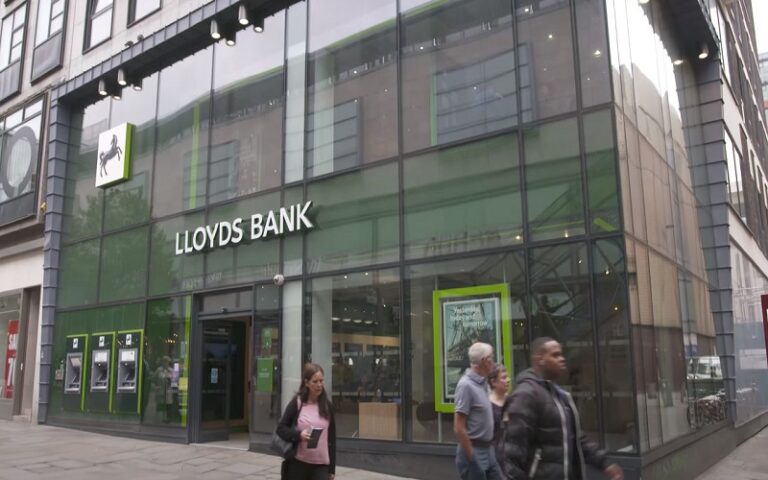
According to a report by the Financial Times on Sunday, February 4, the Iranian regime has exploited two major British banks to carry out covert money operations worldwide as part of an extensive network to evade sanctions, supported by Iranian government intelligence agencies.

Based on documents obtained by Financial Times, Lloyd’s and Santander UK have allocated several cover accounts to British companies secretly owned by a sanctioned Iranian petrochemical trading company based in London.

The report further states that the mentioned petrochemical trading company is part of a network that the United States accuses of collecting hundreds of millions of dollars for the Quds Force of the Islamic Revolutionary Guard Corps (IRGC) and cooperating with Russian intelligence organizations to finance proxy paramilitary forces associated with the regime.

This covert money movement around the world has taken place while the petrochemical trading company and its British cover company, PCC UK, have been under US sanctions since November 2018.

The report reveals that the Iranian regime has abused the complex structures of Lloyd’s and Santander UK to evade sanctions and conceal ownership.

Revelations about the regime’s sanctions evasion operations in the heart of London came after the Royal Air Force of Britain joined the US airstrikes against Houthi rebels in Yemen, who are supported by the Iranian regime.

According to the UK Companies House, Pisco UK is wholly owned by a British citizen named Abdollah Siavash Fahimi. However, internal documents, some of which have been published online by a website, indicate that Pisco is fully controlled by the British cover company PCC UK, and Fahimi takes possession of it as a trustee under a contract.

Fahimi has used the email address of the petrochemical trading company to communicate with officials of the company in Tehran. According to British company files, he served as the manager of the British cover company PCC UK from April 2021 to February 2022.

Earlier, the British Foreign Secretary David Cameron mentioned in an interview with The Sunday Times that he had a frank conversation with the Foreign Minister of the Iranian regime and said they needed to send the clearest possible message to Iran that their activities through proxies are unacceptable.

Cameron said, “I’ve met with the Iranian foreign minister and had a very robust conversation where I said that these proxies are your proxies, you cannot disclaim your responsibility for them.

“Of course, you can claim they have a certain amount of independence, but you created them, you backed them, you financed them, you provided them with weapons, and you will ultimately be held accountable for what they do.”

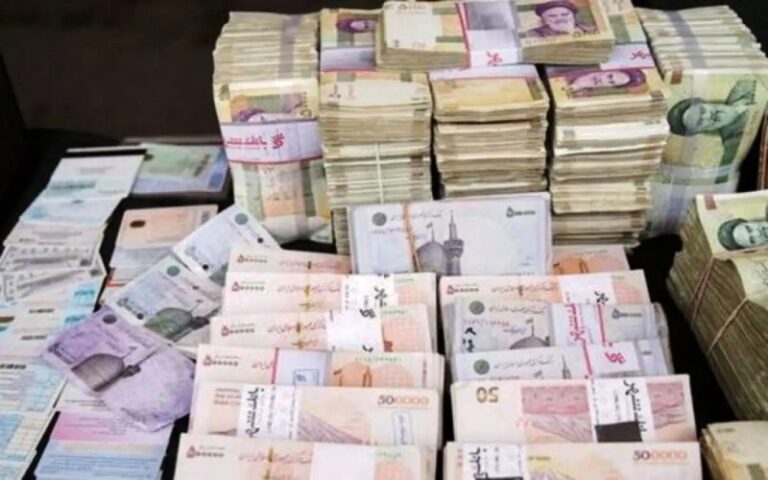
Central Bank of Iran: Liquidity at Unprecedented 80 Quadrillion Rials

In response to Iranian regime’s supreme leader Ali Khamenei’s statements regarding the need to halt the growth of liquidity, the Central Bank of Iran has published a report indicating a close to 32% increase in the inflation rate in December 2023 compared to the same period in 2022.

On January 30, Khamenei called for a halt or reduction in the growth of liquidity in Iran and claimed that the dissatisfaction of producers was a result of the government’s failure to heed his warnings in the past year.

The Central Bank of Iran’s report highlights the significant increase in the rate of liquidity growth, which contradicts the estimate of the International Monetary Fund.

The report does not mention the actual amount of liquidity in the country but emphasizes the reduction in the pace of liquidity growth. The report on the January liquidity level from the Central Bank of Iran has not been published yet.

However, it is widely acknowledged that the distorted growth of liquidity, resulting from the government’s pressure on the central bank to print banknotes without adequate backing to cover budget deficits, is considered the primary factor contributing to the rampant inflation in Iran.

However, the Central Bank’s statistical archive shows that liquidity was equivalent to 59,070 trillion rials (approximately $107.2 billion) in December 2022. With a growth rate of 31.7% over the course of a year, this figure has reached 77,800 trillion rials (approximately $141.197 billion) in December 2023.

At the beginning of Ebrahim Raisi’s presidency, the liquidity in the country was 39,210 trillion rials (approximately $71.161 billion), which means that it has doubled in just two years.

Over the past decade, Iranian governments have resorted to extensive borrowing from the Central Bank, other banks, and the National Development Fund to cover budget deficits, forcing the Central Bank to print banknotes without sufficient backing. This has been the main factor contributing to rampant inflation in Iran.

While the Central Bank’s report does not provide details about the money supply volume, the estimates from the International Monetary Fund suggest that the pace of liquidity growth in Iran is increasing this year.

According to these estimates, which were published in the fall of this year, the average annual liquidity growth in Iran over the past decade was around 25%, but it reached 31% last year and is expected to be around 47% this year.

Iran has the highest liquidity growth among Middle Eastern and African countries. For comparison, Iran’s money supply growth is five times that of Saudi Arabia, and the inflation rate in Iran is more than 17 times higher than that of Saudi Arabia.

The International Monetary Fund has assessed the inflation rate in Iran to be 47% this year.

The report also states that Iran’s government debt has reached $112 billion in the current Iranian year and is projected to increase by another $6 billion next year. Iran’s government debt is equivalent to one-third of the country’s gross domestic product (GDP).