Home Blog Page 239

Iran: Estehban Flood, Warning of Disaster in Other Provinces

Iran is currently facing many natural disasters due to the Iranian regime’s destruction of the country’s natural environment. One such disaster is major floods. Last Friday, as the seasonal rain soaked the regions around the counties of Estehban and Darab in the Fars province, a terrible flood formed.

That day, many people had traveled to the countryside to enjoy their weekend near the Rudbal river, which later turned into a nightmare. No one expected such a flood would occur while the sky had been clear for most of the day and, as usual, none of the regime’s organizations gave warnings of the dramatic change in weather.

Reports stated that at least 31 people, including three children, lost their lives in the flood. If there hadn’t been sacrifices made by the people living and working in the region, the number of deaths would have likely exceeded those published by the regime’s media.

Despite the regime’s officials evading any responsibility and attributing the cause of the floods to unpredictable events, meteorological data indicates that summer rainfall in southern Iran has the potential to cause monsoon floods.

Flooding of the Sarbaz river and other rivers of Baluchistan during the summer months is not an unfamiliar phenomenon. Due to the changes in the weather, the regime should be prepared to anticipate such a situation and think of necessary measures to put in place to protect Iran’s citizens.

This issue requires the repair and reconstruction of infrastructures or the creation of new infrastructures. Forecasting and warning systems should be improved and increased, and people should be trained for such critical events.

The catastrophic flood of Shiraz in March 2020 showed that the infrastructure of the country had been destroyed in astronomical dimensions due to the regime’s policies. However, the regime did not take any new measures to solve the problems because the budget for renewing the infrastructures was relocated to the regime’s nuclear, missile, and malign regional activities.

Developed countries generally invest 10 to 20 percent of the generated wealth in the field of safety and risk reduction, as well as public health. In Iran, this has never been and is unlikely ever to be the case while the country is under the rule of the tyrannical regime.

For example, 60 years ago, a sea storm occurred off the coast of the Netherlands and spread inland, killing at least 2 thousand people. Following that incident, the Dutch government spent 20% of the country’s gross national product (GNP) on the huge Delta project to protect the country and its citizens from sea storms.

Around the same time, there was a typhoon in Japan that killed 5,500 people, and after that, a series of laws were passed that greatly helped to reduce human casualties in natural disasters. As a result, compared to the last 40 years, the ratio of the number of casualties in Japan to the population has greatly decreased from such disasters.

35 years after the terrible floods of Golab Dareh and Darband in 1987, which led to the death of more than 300 people, the flood forecasting and warning system of these two basins has still not been launched in the most important parts of the capital. In the event of a flood like in 1987, and if water enters the Tajrish metro, a great disaster with a huge number of casualties is likely to occur.

In many cases across the country, the construction budget of Raisi’s government has been basically eliminated or considered to be at a minimum. Along with Fars province, the provinces of Kerman, Hormozgan and Sistan, and Baluchistan are also exposed to potential floods.

Kamran Emami, one of the regime’s experts and the head of the comparative flood management working group in the ICID Commission, spoke about the Estehban flood, saying, “Unfortunately, in Iran, flood management discussions and methods of reducing casualties and damages are not addressed very seriously, and with every flood, several lives are taken, and the public’s attention is attracted for a while, and then everything is forgotten until the next flood. One of the reasons for this neglect is that we have become a short-term society.”

The only thing that Raisi’s government has improved is the number of executions and their guidance patrols to repress the country’s women in the hope they will divert the minds of the people from the country’s environmental and economic crises. Not long after the flood rampaged Estehban, the regime executed Iman Sabzekar, a construction worker, in public, along with a further ten inmates in the Sistan and Baluchestan province.
Meaningless Iran Regime and Russia’s Economic Relations

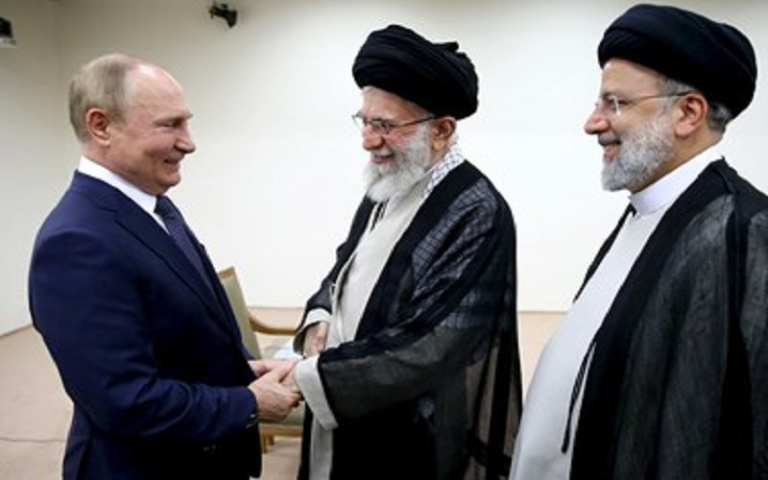
The Iranian regime has considered Russia’s President’s latest visit as an influencing trip on the regime’s problems, especially in the field of international challenges and its nuclear case. However, the events and remarks following their meeting have shown that the international community has expressed their growing concern about the meeting and the regime’s decision to hand over the killer drone to the Russian government for support in their Ukraine invasion.

After eight rounds of talks on revitalizing the Joint Comprehensive Plan of Action (JCPOA) over the past year, the latest indirect talks between the regime and the US government in Doha, mediated by the European Union, ended without compromise, and now the prospect of an agreement seems dimmer than ever.

Nearly 18 months into Joe Biden’s presidency, despite indicating a desire to revive the 2015 nuclear deal, there have been no signs that a breakthrough is imminent. Instead of canceling the sanctions against the regime, the US government threatened to intensify the sanctions and even imposed some new sanctions.

On a daily basis, Western countries continue to warn the regime that the time to revive the JCPOA is coming to an end and the regime will face severe consequences if no agreement is met. This should be considered a turning point for the regime’s decision to invite Putin as a vanishing point to curb its increasing economic crisis, which is only fueling the fire of the Iranian people’s dissatisfaction.

This type of diplomatic interaction can have a direct effect on the economic interactions of the two countries, but in the case of the regime and Russia, it seems that this was not the correct discussion.

The reality is that in the past few years, there was interest in expanding cooperation between the two countries. Both sides were constantly talking about the need to expand cooperation at the political level, but practically there has been no significant leap in the economic relations between them.

In part, it refers to the capacities and facilities that two countries must supply each other, while the other part refers to the economic structure of the two countries. The current situation is that the Iranian regime is facing a totally collapsed economy, and they are desperate for help.

The capacities and facilities that both sides can provide to each other are very limited. In addition, in the financial field, the financial exchange conditions between the two countries would still face obstacles, due to the regime’s banking sanctions.

The projects and agreements that have been announced will not be fulfilled due to the regime’s political and international conditions, and it is likely that many of the plans for cooperation will be abandoned or forgotten. The latest discussion is about Russia’s investment in the regime’s gas industry, but this too is just an illusion.

The truth about the regime is that its economic plans, and efforts for economic cooperation with other countries, do not originate from the country’s needs and the people’s needs, but instead are subject to political goals, especially in the field of the regime’s support of international terrorism.

Therefore, this meeting should be considered as the regime’s political clamour to present its circumstances as ‘progressive’. With the help of Russia, it will be able to end any deadlock, and that is the reason why the regime’s supreme leader Ali Khamenei has shown strong support for Russia’s invasion of Ukraine.

Trilateral Astana Summit, Multiple Covert Conflicts

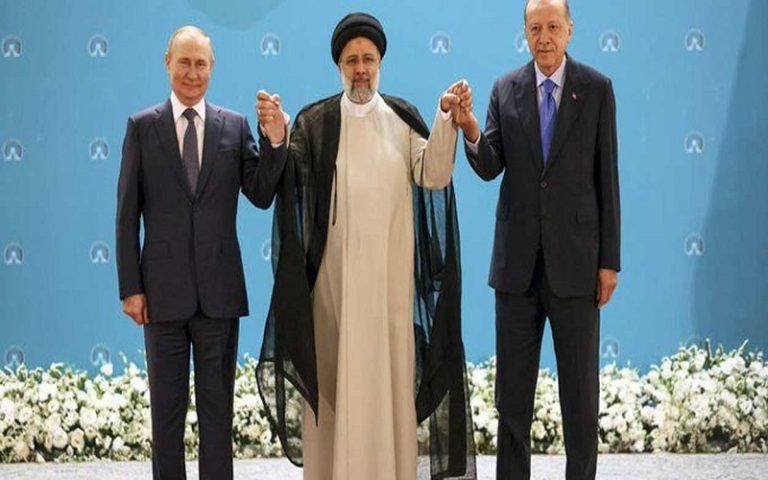
In recent weeks, the Iranian state-run media have been boasting about the ‘Trilateral Astana Summit’ that took place on Tuesday, July 19. However, the participants of the conference showed their divisions more than their unities.

Syria and Turkey’s Concerns

Turkish President Recep Tayyip Erdoğan asked Russia and Iran to back Turkey’s incursion into northern Syria during the summit. The Iranian regime’s Supreme Leader Ali Khamenei explicitly declared his objection to the assault, while the Russian President also opposed Erdoğan’s plan.

However, the Turkish army is continuing to scope out Syrian areas in defiance of the Astana Summit, showing that the talks have detached ties between the countries instead of fastening them. Tehran and Moscow, and their allies in the region, all raised their condemnation against Turkey’s attack despite their smiles and inking collaboration accords during the summit.

Tehran-Moscow Military Ties

On July 13, US National Security Advisor Jake Sullivan revealed that the Iranian regime plans to send hundreds of UAVs [unmanned aerial vehicles] to Moscow. Iranian Foreign Minister Hossein Amir-Abdollahian has apparently rejected the contract, but the facts speak louder.

The Times reported, “US intelligence believes that Iran will provide President Putin’s army with several hundred drones that were originally intended to help rebels in Yemen to fight the Saudi-backed government there.”

In a White House briefing, Sullivan stated, “Iran is preparing to train Russian forces to use these UAVs.”

On July 16, CNN reported that a Russian delegation had visited an airfield in central Iran at least twice in the last month to examine weapons-capable drones. Their broadcast stated, “Iran began showcasing the Shahed-191 and Shahed-129 drones, also known as UAVs or Unmanned Aerial Vehicles, to Russia at Kashan Airfield south of Tehran in June. Both types of drones are capable of carrying precision-guided missiles.”

Of course, this is not the whole story. Behind the scenes, there are severe clashes between Tehran and Moscow. However, both countries are trying to conceal them to save their view at the international level.

In an interview with the semiofficial Sharq daily on July 18, the Russian Ambassador in Iran Levan Dzhagaryan revealed that Tehran owes over hundreds of billions of euros to Moscow. According to Dzhagaryan, this considerable debt is related to Bushehr nuclear plant. However, he refused to leak further details.

He said, “Iran owed us and had yet to pay for building the Bushehr plant. Foreign Minister Sergey Lavrov has also discussed this issue with the Iranian foreign minister.”

The daily also questioned the ambassador about the Bushehr nuclear plant situation. One reporter asked, “Why is this plant incapable of providing power even for Bushehr?” In response, Dzhagaryan said, “You don’t know many things, and I cannot say details. There are some things I don’t want to expose unveil. However, it is obvious that Iran has a multi-hundred-billion-euro debt to us and refuses to settle it.”

Further Distinctions Between Iran-Russia

The differences are not limited to debts alone. There is also severe competition between Tehran and Moscow in financial and trade aspects.

On July 16, the Wall Street Journal revealed, “Iran and Russia are engaged in a fierce competition for sales of oil, refined crude products and metals in India, China and across Asia, as Moscow sells at prices that are undercutting one of its few supporters during the Ukraine invasion.”

WSJ Benoit Faucon wrote, “‘It’s murderous,’ an Iranian trader said of the $30 a ton discounts that Indian and Chinese buyers wanted to match Russian steel prices. ‘They are destroying the market,’ said Hamid Hosseini, the spokesman for the Iranian Oil, Gas and Petrochemical Products Exporters Union, speaking of Russia.”

In conclusion, not only did the Astana Summit fail to reduce the rifts between the three participants, but it also revealed profound and complicated distinctions.

However, only Tehran has addressed its vulnerability versus the international community and ongoing public protests, which have severely challenged the entire ruling system in recent months.

Meanwhile, US Special Envoy for Iran Rob Malley, who played a crucial role in closing the nuclear deal with the mullahs, has now expressed disappointment over Tehran’s nuclear ambitions. In an interview with CNN on July 20, he said that the “window to revive nuclear deal is rapidly closing.”

He added, “Iran has a choice now. It can opt for a position of relative dependency on Russia—Russia itself has been isolated internationally and have a very narrow economic opportunity with Russia which really can’t go very far, or it can choose to come back into the deal. If it chooses the path of not getting back into the deal, of greater isolation and then having to turn to Russia, having to sell armed drones to Russia, that’s a choice that is not a particularly attractive one.”

On July 19, US State Department Spokesperson Ned Price said, “With each passing day it is– we’re not just treading water, but we’re losing ground. And Iran is sending a signal to us and to the rest of the world that it has no interest in mutually returning to compliance with the JCPOA. If Iran makes clear that it has no intention of doing so and the deal that’s on the table is obviated by Iran’s continuing advancements in its nuclear program, we will pursue another path.”

400 Dangerous Projects Destroy Iran’s Nature

In all civilized nations preserving the environment is a must. Still, when it comes to the Iranian regime, this does not apply, and the regime itself is the source of the destruction of the environment.

The most significant environmental resources that the regime has destructed over the past years are the country’s water resources, lakes, and forests.

The destruction of these resources is not just damaging herbal and animal health; it is causing demographic changes, social crises in the surrounding area of these regions, and decreasing national security.

In a recent article, the state-run Etemad daily referred to the regime’s corruption in macro projects, which are a danger to the environment, writing, “According to statistics, there are more than 400 large infrastructure projects in the country that lack the necessary environmental permits. Naturally, such unlicensed projects should be stopped by the environmental organization. But these projects not only have not been stopped to date but according to wrong procedures, large budget allocations have been made for them so that their owners can continue their destructive activities.”

They added, “This is even though in the end, these projects lead to the destruction of the environment and destroy intergenerational wealth.”

Regarding the environmental organization of the regime, we face unprofessional officials, who are one of the main factors of decades of ecological destruction and have caused severe and irreparable damage to Iran’s environment.

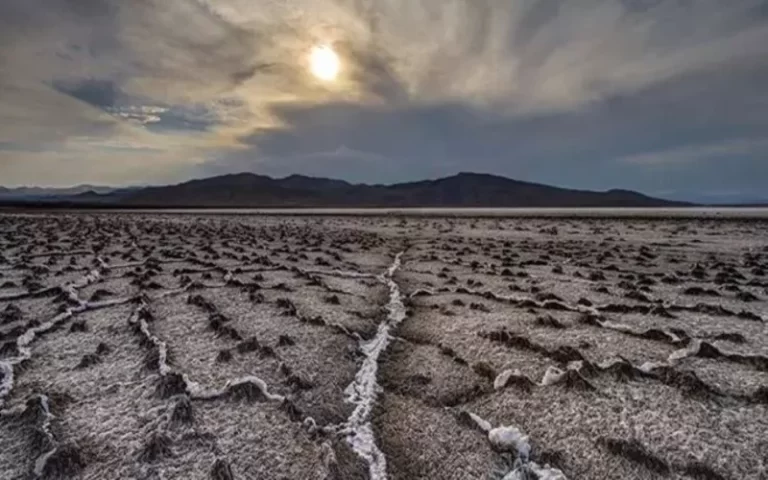
The drying up of Lake Urmia, located in the northwest of the country, is one of the clear examples of environmental destruction in Iran. During the last four decades, this lake has largely been deprived of its natural water resources due to numerous non-scientific and non-expert activities in agriculture. This has created a dangerous, polluting crisis in this region.

With the gradual drying up of Lake Urmia, the following serious damages have been inflicted on the region and will grow over time:

  1. The decrease in population and the changing of the settlement pattern on both sides of the lake
  2. Natural hazards such as the loss of agricultural land, destruction of orchards, reduction of pasture, and salt-carrying winds.
  3. Mass migrations, ethnic tensions, and continuous popular protests
  4. Occurrence of incurable diseases

Discussing the destruction of Lake Urmia, Etemad also wrote, “Let’s be honest with ourselves. Lake Urmia had never been revived, and that is now drying up again. Urmia is on the path of absolute destruction, turning into a desert or salt marsh Urmia, and all Iranian governments were and are the cause of this situation in recent decades. Urmia will never be revived again.”

In recent decades, more than 50 percent of the 18 million hectares of forest land has been reduced. Forty-two percent of the forests in the country’s north are declining; since 1996, about 300 to 350 hectares have been damaged by pests and diseases.

For example, the boxwood species of plant, which is native to Iran and is known as Ruscus Hyrcanus, is currently used for AIDS and anti-cancer drugs, and so far, around 40 million of them have been lost.

Every year, three thousand hectares are reduced from the remaining area of the Caspian Hyrcanian mixed forests in the north of the country, which is on the UNESCO natural heritage list. Forests with 90 species of trees, 211 species of shrubs, and the last reserves of broad-leaved trees with unique characteristics in the world exist naturally in Iran. Currently, the share of two sawmills in the east and west of this area is the annual harvest of 400,000 cubic meters of wood. Every year, 2 million cubic meters of timber are smuggled from Hyrcanian forests, and 400 hectares of forest lands are considered waste disposal sites.

These sites have ended the 50-million-year sustainability of this area due to the leakage of contaminated leachates.

The conditions of Zagros forests are not much better than what is happening in the north and northwest of the country. In the forests of Zagros, environmental destruction continues. In just four years, 2 million hectares of oak forests in this region have dried up.

Belgian Treaty Offers Major Concession, Ignores Real Prospects for Regime Change

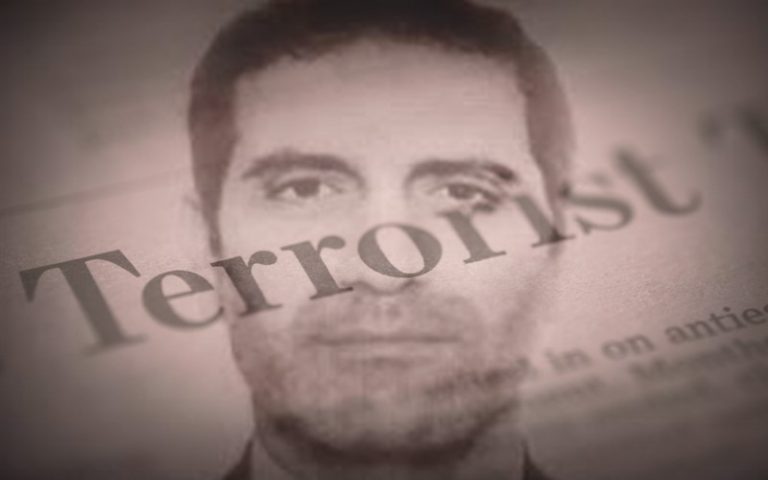
This week that the Belgian parliament ratified a treaty that is expected to set the stage for the exchange of an Iranian terrorist for a Belgian national who is being held hostage in the Islamic Republic. Olivier Vandecasteele was taken into custody by Iranian authorities in February, approximately one year after a Belgian court handed down a 20-year sentence for the Iranian diplomat Assadollah Assadi, for his leadership of a plot to bomb an Iranian opposition gathering near Paris in 2018.

The timing of the arrest left little question about Tehran’s intention to link the cases, and opponents of the treaty for “Transfer for Sentenced Persons” are understandably concerned that Assadi’s release could give the Iranian regime clear incentives to accelerate its practice of hostage-taking. Awareness of these concerns no doubts influenced the Belgian government’s decision to keep the treaty a secret until it was presented to parliament at the end of last month. It was reportedly negotiated roughly four months earlier, following bilateral meetings between the Iranian and Belgian foreign ministers on the sidelines of the Munich Security Conference.

As Iranian state media described it, Hossein Amir-Abdollahian presented his Belgian counterpart with the regime’s “position and views” on the Assadi case during those meetings and reiterated longstanding demands for his immediate and unconditional release. Ever since his arrest, Assadi and his handlers in Tehran have been repeating the argument that because his activities took place under diplomatic cover, he is entitled to blanket immunity, regardless of the location or severity of his crimes.

The Belgian-Iranian treaty effectively provides that immunity after the fact, by allowing for an Iranian citizen in the Belgian prison system to be returned to his homeland, where authorities are explicitly vested with the power to grant him amnesty upon arrival. Tehran’s persistent narrative about this case should leave no doubt that that is exactly what the regime will do if the treaty is fully implemented.

Despite yea votes from 79 of the Belgian parliament’s 131 members, that implementation is still not a foregone conclusion. Perhaps the principal source of lingering doubt is the National Council of Resistance of Iran’s assurance that it will continue to pursue challenges and political action to prevent Assadi’s transfer.

“Any relocation of criminals that are responsible for terrorism and human rights violations, without serving legally mandated punishment, is to encourage and offer a ransom for terrorism and human rights violations and a breach of international laws,” said Maryam Rajavi, leader of the NCRI coalition and the person designated to serve as transitional president in Iran following the current regime’s overthrow.

Endorsement of that coalition generally presupposes serious frustration with existing policies toward the Islamic Republic. NCRI officials have variously accused Western nations, both individually and collectively, of “appeasing” the theocratic regime in hopes of encouraging its internal reform. Outrage over the Belgian treaty is one of the strongest recent examples of this phenomenon, insofar as it highlights appeasing gestures as they relate to what could have been the worst terrorist attack on Europe by a foreign entity.

The trial of Assadollah Assadi confirmed that he had not been acting as a rogue agent but had been directly ordered to target the NCRI and Mrs. Rajavi specifically, by officials at the very top of the ruling system. As a result, Assadi procured 500 grams of high explosives and a detonator from the regime and smuggled it into Europe on a commercial flight, using a diplomatic pouch, before handing it off to two co-conspirators.

Experts testified that the explosives in question had the potential to kill hundreds of people in the initial blast, which would have no doubt sparked a stampede that could have raised the death toll into the thousands. The 2018 Free Iran World Summit was estimated to have been attended by around 100,000 people, including many of the aforementioned American and European supporters.

It is easy to understand the NCRI’s criticism of any policy that seems to downplay the significance of such a plot, and that is exactly what the Belgian treaty does by setting the stage for Assadi’s release just four years into his unquestionably well-deserved 20-year sentence. Others have argued and will continue to argue that his release is necessary to free Vandecasteele, a Belgian aid worker, from conditions that have already had a serious impact on his health and well-being. But there are other means of accomplishing that aim, which unfortunately remains little-explored by Western policymakers.

The NCRI and its supporters have long maintained that comprehensive pressure on regime institutions is the only way of impeding malign activities such as hostage taking. But regime change is the only means of halting those activities once and for all.

Iran Regime’s Economic Promises Led to Growing Poverty

Despite the promises of the Iranian regime that they would prevent increasing prices after they decided to remove the subsidized currency of essential goods in the name of the so-called ‘economic surgery,’ prices are again growing steadily.

In a surprising claim, while the number of people living under the poverty line is increasing, the regime has said it will decrease the inflation rate in the coming month.

Producers have stated that the decrease in the purchasing power of consumers and the sharp increase in production costs, along with the imposition of mandatory prices by the government, have destroyed all economic incentives for production, and they predict that the situation will become even worse.

Iran’s economy has become so unstable that producers suggest that the Iranian people buy their necessities as soon as possible, as no one can predict the prices of the goods in the coming months.

There have been goods that have witnessed a price increase of up to 200 and 300 percent in recent months. This has happened in the market for basic goods and other areas, and almost all goods have experienced multiple increases in price.

In recent days, as the price of a box of 30 eggs reached 100 thousand rials, a video of Javad Sadati Nejad, the regime’s Minister of Agricultural Jihad, was republished and widely viewed on the internet, where he said his government would deliver chicken at 20 thousand rials per kilo and a box of 30 eggs at 43 thousand rials to the Iranian people at their homes.

Just two months after this promise, the preferential currency of eggs was removed, and its price suddenly exceeded 75 thousand rials. As a result, poverty is increasing rapidly.

The latest official statistics on poverty in Iran are related to 2019. The 57-page report ‘Monitoring poverty in 2019’ can be considered the most documented report in this field if we trust the regime’s statistics. The report was prepared and published in May 2021.

This report confirms that the people of Iran are living in a dire situation as it read, “The inflation rate during a year, while incomes are constant, repeatedly reduces the purchasing power of the household and causes the household to achieve less well-being with previous incomes.”

It continued, “Also, in the years when the inflation rate is higher than the country’s long-term average rate, usually the incomes, especially the incomes of the low-income groups, do not grow according to inflation, and as a result, the purchasing power and well-being of the low-income groups decrease year by year.”

It added, “In fact, compared to the previous year, citizens have paid 48% more for basic goods, durable goods, and services. Therefore, if their income is stable or does not increase with the inflation rate, this group of citizens has become poorer than last year.”

The report added that unemployment is one of the main factors making some households fall below the poverty line. In its conclusion, the report confirmed that about 5.26 million people in Iran are living below the poverty line, in a situation where we could trust the regime’s statistics.

But that is not all. A recent article published by the state-run daily Bahar News on July 17 stated that a rampant increase in rental rates has heavy consequences for city dwellers and the urban environment. One of these consequences is shared rental houses. The number of these shared houses is increasing rapidly, and the demand for roommates to reduce costs has intensified.

IRIB, Sixth Force of Iran Regime’s IRGC Is Declining

Usually, the media is held in high regard in the modern world, considered the indicator of democracy and the freedom of speech in a country. In most countries where democracy is established, the freedom and independence of the media play an important role in guiding and managing public opinion, especially the improvement of the thinking of future generations. 

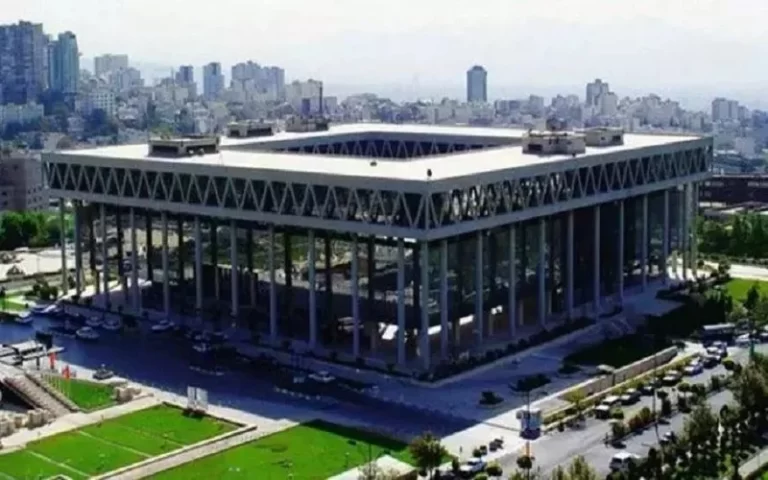
However, in Iran under the rule of the Iranian regime with reactionary thoughts, things are very different, and like in any other dictatorship the media is used as the regime’s propaganda apparatus. It should be noted that the IRIB’s main duty is protecting the regime, in some cases even more than any other institution, in balance with the regime’s Revolutionary Force (IRGC). 

Under the regime’s current constitution, this organization is one of the subsets of the regime’s leadership, the Velayat-e Faqih, parallel to other major organizations and mouthpieces of the regime like Kayhan and the IRGC. This has made the regime’s media unrivaled, leaving no space for independent media to have the chance to grow. 

Another main constant duty of IRIB is the concept of the sodoure enqelab (the export of revolution), which is one of the main clauses of the regime’s constitution. The regime started its Arabic Service following its establishment in 1980. These days, the IRIB world service runs fourteen satellite TV channels, three internet TV channels, and thirty-two radio stations, of which several are broadcasting in Arabic. 

When it comes to international security and peace, the Iranian regime’s propaganda machine is a serious security threat, while its Arabic-language media, encompasses more than two hundred entities. Domestically, however, the regime’s media is facing a dramatic decline in audiences. 

On July 17, the state-run Khorasan daily published an article highlighting some miserable statistics about the decline in the IRIB’s audiences, which is proof of the people’s ongoing hatred of the regime. 

The daily wrote, “Yesterday, IRIB’s Public Relations published the results of two surveys of this organization’s research center about TV series and programs. On Thursday, in a report titled ‘Radio and TV Polls in the Dark Room’ published on this same page, we pointed out the lack of clarity in the polls of TV programs, and now in the results of the new poll, the statistics of only four popular TV programs were announced. And there are countless TV shows whose audience statistics have not been published for a long time.” 

Highlighted in the IRIB’s non-transparent survey it states, “According to this survey, ‘Asr Jadid 3’ is the most watched television program in May 2022 with 44.4 percent of viewers, and ‘Khandewane’ is the second most watched program with 39.2 percent of viewers. Therefore, no TV program has reached the 50% audience mark, which shows the relative weakness of television these days.” 

The daily added, “The sad thing is the number of viewers of TV series. The figure of 15% viewership for any series was considered a low figure, but in the recent survey of series which belongs to the first half of July 2022, Channel One’s ‘Mastooran’ with 15.4% of viewers has been announced as the most popular TV series these days! Meanwhile, the situation of the rest of the series is much worse.” 

The Khorasan daily concluded, “The audience of 10% for most TV series shows that the TV series of recent months is on the border of crisis; A crisis that may lead to the decline of the next series (which may be better) by the abandon of the audiences from the evening broadcast of the IRIB.”  

It should be noted that the Iranian people frequently introduce the IRIB as one of the main enemies in their protests, chanting slogans of ‘shame of state TV and Radio’. 


Iran: “Reformist” Admits to Regime’s 43 Years of Financial Failures

Speaking to the semiofficial Ruidad 24 website, ‘reformist’ Mehdi Pazoki criticized Kayhan daily’s piece about financial dilemmas, arguing, “Instead of dealing arbitrarily, handle it scientifically.” Kayhan is the mouthpiece of the regime’s Supreme Leader Ali Khamenei.

Since May, the Iranian regime’s president Ebrahim Raisi made a series of decisions under the banner of ‘economic surgery’. The surgery, however, has shrunk people’s food baskets more than ever.

In a televised interview on May 11, Raisi’s interior minister Ahmad Vahidi declared that several food staple prices would soar, saying, “The cost of chicken, egg, dairy, and cooking oil will [increase] according to the reforming plan.”

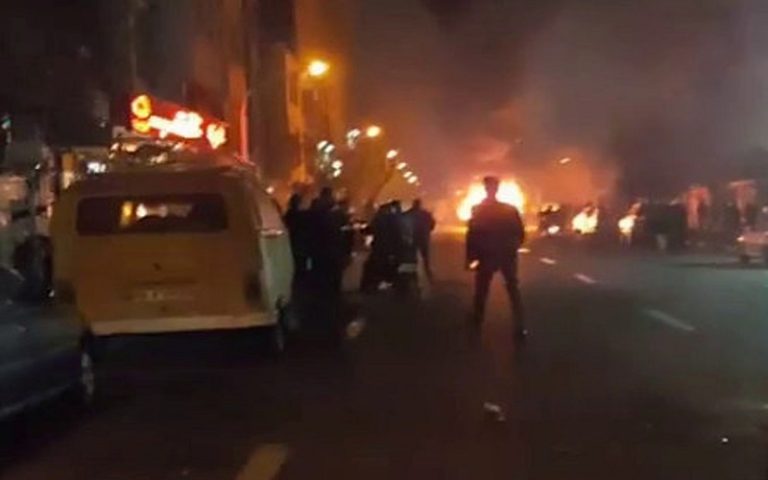
The Iranian government has removed subsidies, prompting public protests across the country. In response, authorities have mercilessly quelled demonstrations with teargas, birdshot, and even live ammo. Security forces murdered at least five people and detained many more.

It appears that public protests have ignited political rivalries. Observers believe this shows that the cruel crackdown on defenseless people has failed, and the continuation of public grievances has disappointed some authorities with oppressive measures.

Kayhan wrote, “If the people pay for economic reforms, they will receive subsidies.” Pazoki responded by stating, “Kayhan’s thinking is outdated and fundamentally wrong. Had the people known in 1979 that ‘Kayhan mentality’ would rule the country, they would not have revolted.”

Raisi’s allies are claiming that citizens are receiving compensation for removing subsidies. Pazoki added, “Unfortunately, financial assistance has yet to be objectivized in Iran, and we are only distributing money.” He also admitted to the extension of poverty across society and the country’s vulnerable economy, stating, “According to official statistics in March, we are paying subsidies to more than 95 percent of the population, while we should try to make the economy healthy again.”

He further stated, “[Officials] irrationally and uneconomically say we increased prices but will pay the difference as a subsidy. We may only control inflation via exercising monetary discipline in the banking system, financial discipline in the budget bill, and administrative discipline across the country.”

Pazoki also challenged the Raisi cabinet’s claims about increasing prices for a limited number of goods, saying, “These people either don’t live in society or don’t understand. Of course, I believe that they do not understand, and we suffer from ignorance. They have not felt that the prices of hundreds of items have been raised.”

In another quote, he admitted that the regime has auctioned national resources for political advantage. He said, “The foreign policy is in service of the country’s development and progress in all developed countries. However, the economy depends on foreign policies, leading to the greatest damages to Iran’s economy.”

Pazoki slammed Raisi’s foreign policies, particularly regarding the nuclear deal, stating, “This government ignores the country’s interests. They did not send [former deputy foreign minister Abbas] Araghchi, a principlist loyal to the Supreme Leader to negotiations. Instead, they have sent [Ali Bagheri Kani], who opposes the deal and does not understand English.”

He added, “Had the government been smart, it would have established relations with the rest of the world. Why can’t officials realize that joining the Financial Action Task Force organization is in our favor? Why are their close allies, China and Russia, the FATF permanent members? But they avoid joining while we are supposed only to be an associate member?”

Aside from his political views, Pazoki has highlighted a precise fact about the Raisi cabinet, concluding, “All of these are due to several inexperienced people taking the reins of power. They suddenly traveled outside and took government posts. They did not care about national interests.”

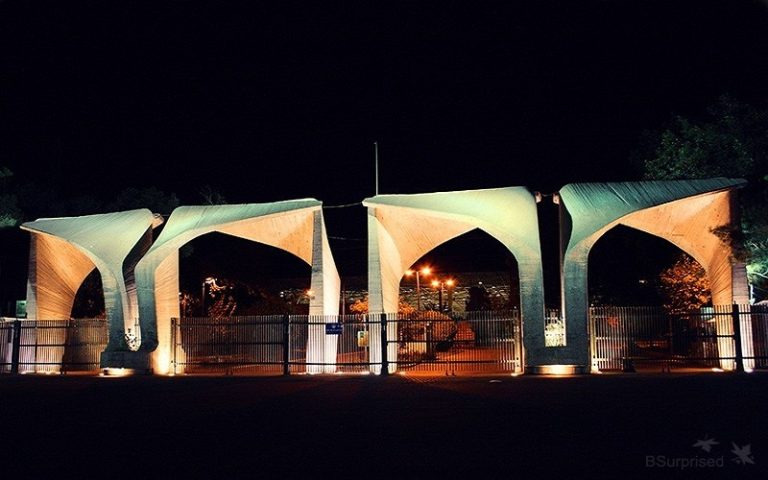
Iran’s Universities Lost Their Credibility Due to the Regime’s Policies

Almost everything in Iran has been influenced in some way by the Iranian regime’s medieval ideology. One of the main areas that have suffered the most is the country’s education system and its universities. Since the inception of this regime, it has shown its enmity with higher education, universities, and students.

As the regime’s founder Ruhollah Khomeini once said, the main cause of all major problems in the country is rooted in the universities. When he started his so-called cultural revolution, he closed the universities for several years and eliminated many of the country’s intellectuals. Now after 40 years, we are still witnessing the destructive effects of such a policy. Iranian universities are being removed from the world rankings.

The QS ranking is one of the most reliable international ranking systems that is conducted annually in England. Among the criteria for this ranking is the reputation of the university; the level of education; the number of citations to the articles and content produced by the university, and its access to international scientific indexes; the number of scholarships; and even the number of students enrolled.

According to the latest QS World University Rankings for 2023, none of Iran’s six major universities (Sanati Sharif, Amirkabir Industrial, Tehran, Elm and Sanat, Shiraz, and Beheshti) has been able to get anywhere near the top of the table in this ranking, in a global comparison of around 1,422 universities worldwide. In addition, none of the names of Iran’s university cities are included in the list of 120 student-friendly cities in the world.

The highest-ranking institution was the Sharif University of Technology which reached the rank of 380, the Amir Kabir University of Technology ranked at 443, Tehran’s rank went from 501 to 510, Science and Technology of Iran dropped nine ranks from 531 to 540, Shiraz dropped from 751 to 800, and finally Beheshti University had the furthest drop from 1001 to 1200.

Students’ livelihood and economic problems, the repressive environment of the university which kills the motivation for any progress in professors and students, the political and social challenges of the society that distorts the focus and perseverance of students and professors on progress and effort, the weakness and obsolescence of the educational system, and the backwardness of educational resources from the latest global scientific changes are the major reasons for the current situation.

The decline in the quality of education in 35 universities and institutions of higher education across Iran has made even Iraqi students shy away from enrolling. State news confirmed that the Iraqi government has removed 35 Iranian universities and educational institutions from its list of foreign higher education institutions. Iraq’s Ministry of Higher Education stated that the degrees of these universities and higher education centers are not approved by the Iraqi government due to the decline in educational quality.

According to the state-run website Fararu, in a meeting with the Iraqi ambassador to Iran, the regime’s deputy minister of science in international affairs ridiculously claimed that the removal of 35 Iranian universities and educational institutions from the list of foreign higher education institutions approved by the Iraqi government, “is because many of the scientific productions of these universities are in the fields of humanities, they are not highly ranked in the Times and Shanghai rankings.”

Contrary to the opinion of this regime official, more than half of the removed centers are specialized technical, engineering, or medical universities, whose field of activity and educational category have nothing to do with humanities.

Iran Regime’s $60 Billion Expenses but Zero Percent Growth

The constant behavior of the Iranian regime is looting, impoverishing, and ruining the country. Sometimes, parts of this disaster have been exposed by the regime’s media.

In an interview on July 3 with the state-run broadcaster about the collapse of the country’s economy, Massoud Mir Kazemi, the regime’s head of Planning and Budget Organization, said, “The size of the economy has shrunk in the past years, and it is not advisable to continue with this situation. A fundamental revision should be made in the formulation of plans.”

He ridiculously claimed that the government’s economic apparatus, “does not move according to the plans made and all this has caused the decline of macroeconomic indicators.”

Apart from wasting 60 billion dollars, taken from the country’s development fund with the permission of the Supreme Leader, Kazemi admits that although “535 trillion rials of principal and interest of bonds were paid, the amount of investment reached minus 4.6%, was not even as much as capital depreciation.”

In another part of the interview, he laid bare the catastrophic situation, saying, “If the country experiences an economic growth of 8% in six consecutive years, the size of the economy will return to 2011 after this period.”

This is in a situation where the regime has no economic growth at all, and the economy is in a free fall. Following this revelation, the regime’s central bank said that until the beginning of 2022, “The amount of liquidity has reached 48,320 trillion rials, which represents a growth of 39%. Meanwhile, this index has grown by 40.6% compared to the end of 2020.”

The debt of state companies and institutions to the central bank during this period was equivalent to 132.2 trillion and 46.4 trillion rials, respectively, each of which faced a growth of 14.8 and 36.1 percent.

At the end of March 2022, the debt of banks and credit institutions to the central bank had reached 146.2 trillion rials with a growth of 24.9%. The amount of debt of specialized banks to the central bank is reported to be 49.2 trillion rials, which has increased by 9.7% compared to the end of 2020.

In a new confession, published by the state-run daily Khabar Online on July 3, about the corruption in the regime, Abdonnaser Hemmati, the regime’s former governor of the Central Bank said, “Despite the announcement of the tripling of oil revenues in 2021, the monetary base growth was 32% and equal to 145 trillion rials. But in fact, part of government financing was through indirect borrowing from the central bank.”

Examining the record of nearly one year of Raisi’s government shows that none of society’s classes can make ends meet and nearly all of them are living below the poverty line.

Eliminating the dependence of basic goods on the exchange rate, reducing the budget deficit and liquidity, lowering the exchange rate, building four million housing units, creating one million jobs, and controlling inflation were all hollow promises that Raisi had made after his ascension to the presidency.

What is worse is that the regime has added at least 12% to the official inflation rate by clumsily removing the preferred currency, which of course favors itself.

On July 3, in a surprising twist, the state-run daily Donya-e Eghtesad confessed that some of the regime’s officials had decided to leave the country due to the critical economic situation and corruption. They wrote, “Shortly after receiving the Pledge Medal, they were accused of embezzling billions and fled the country to Canada to escape from justice.”