Home Blog Page 240

New Coronavirus Wave Sweeps Iran

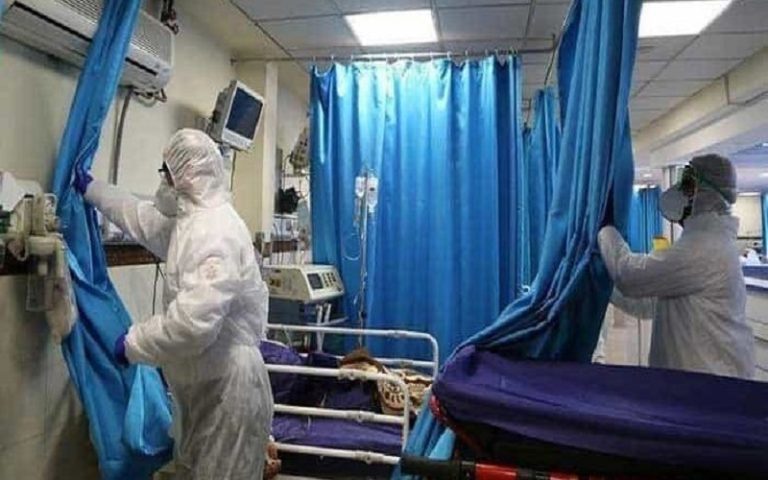
During the past week, Iranian citizens are facing a sharp increase in the number of new Covid-19 patients and those hospitalized due to the viral disease. The provinces of Tehran, Khorasan Razavi, and Khuzestan have had the lion’s share in these figures. According to the Health Ministry’s stats, the death toll has now become two-digit.

On July 10, the Health Ministry declared, “At least 10 coronavirus patients lost their lives on Sunday. Since yesterday, 2,375 new Covid-19 patients were identified across the country based on the definitive diagnostic criteria, 296 of whom were hospitalized.”

However, according to health officials’ previous remarks, the real figure is much higher in Iran. In an interview with the state-run daily Vatan-e Emruz on April 28, 2020, Dr. Mohammad Reza Mahboubfar, a member of the National Covid-19 Task Force, said, “The current Covid-19 numbers are twenty times what is being announced by the Health Ministry.”

Since May 4, the Health Ministry has been declaring the Covid-19 fatalities with one-digit numbers. Ebrahim Raisi’s cabinet touted it as a glorious achievement. However, the government continues to lay the blame on people for disobedience to health protocols.

Health Officials Conceal Real Statistics

The Health Ministry has refused to declare the official number of hospitalized coronavirus patients. However, it had been announced that nearly 400 people are in critical condition and have been placed in ICU sections. This number has tripled in recent weeks.

Officials from the Medical Sciences University are warning about a heavy wave in the coming weeks. The Ahvaz Medical Sciences University deputy dean said, “We are facing a sharp increase in the number of coronavirus patients. A heavy coronavirus wave and mass infection are not unexpected with this trend.”

In its July 10 statement, the Iranian opposition group, the People’s Mojahedin Organization of Iran (PMOI/MEK), declared the number of hospitalized patients in Gilan had increased by 350 percent. This number in South Khorasan, Khuzestan, and Khorasan Razavi has reached 400,100, and 97 percent, respectively.

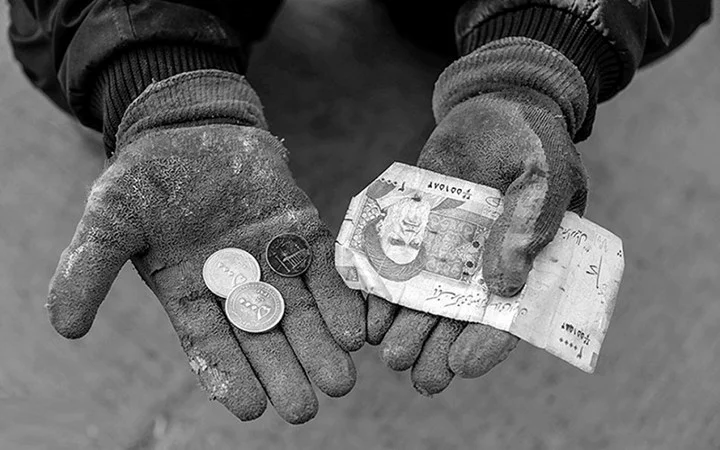
The coronavirus resurgence is thought to be accompanied by severe socioeconomic consequences. More than four million workers have been laid off since the pandemic began in December 2019. In the years since, many citizens, particularly low-income classes, have lost their entire properties and saved whatever little money they have for treating their loved ones.

The regime’s indifference to the situation has added insult to the injury of millions of people. Observers believe that the regime’s Supreme Leader Ali Khamenei exploited the deadly virus as a human shield as the anti-establishment protests have severely shaken his grip on power. Notably, Khamenei described the pandemic as a “blessing” in March 2020. He also banned the import of reliable Covid-19 vaccines in January 2021, leading to more casualties.
Appeasing Iran Regime’s Terrorism, Instant Profits at the Cost of Lives

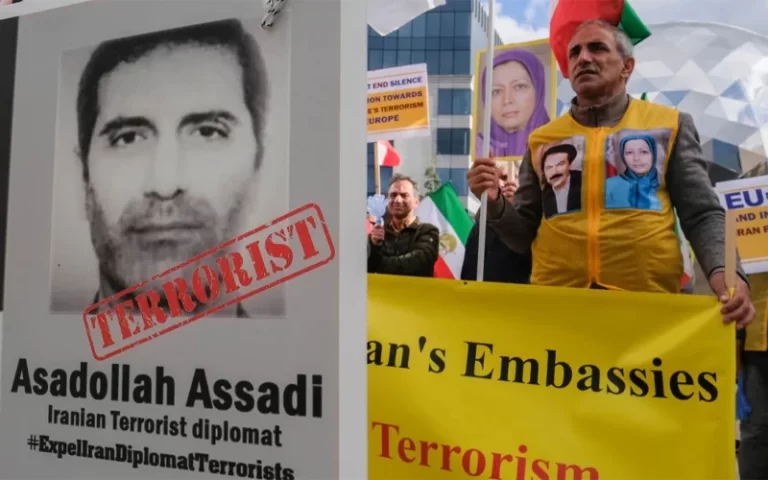
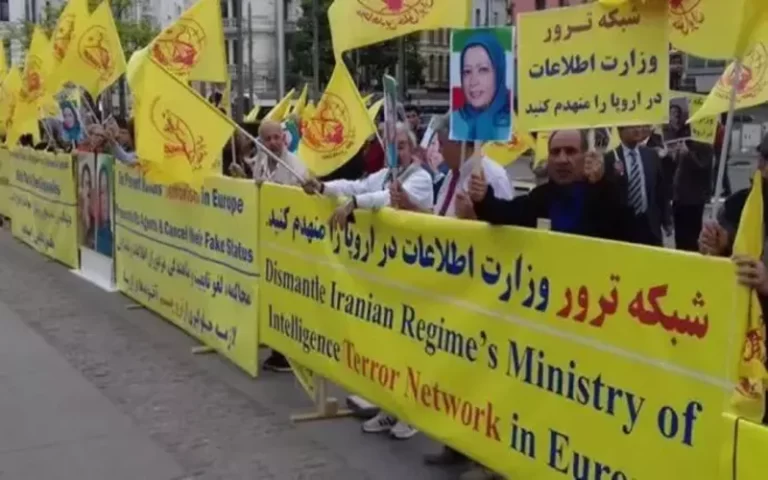
The Iranian regime’s diplomat-terrorist Assadollah Assadi, who tried to blow up the Resistance’s annual conference in France in 2018, threatened the Belgian police about the consequences of being trialed during his interrogation before he ever stepped foot in the court.

He stated that the regime’s foreign proxies around the world ‘will not remain silent’ and that the Western countries will face the consequences of any trial.

As judicial systems in Western countries are essentially independent, they are less influenced by appeasement policies. Therefore, they did not pay any attention to his threats, and he was prosecuted. This was the first time that one of the regime’s diplomats was prosecuted and sentenced to 20 years in prison.

Assadi’s crime was so obvious that no one could ignore its dangerous and catastrophic consequences and circumvent justice. Any attempt to do so would have created a big scandal for the Belgian government, exacting a high political and moral price.

Assadi refused to appeal against the court’s verdict because he knew that he had no chance to escape justice. It turned out that the prolongation of the trial process would reveal more sensitive information about the terrorist activities by the regime’s diplomatic apparatus.

The grounds for that ‘next opportunity, for which the regime was waiting, were already being planned before the final verdict. A treaty to ‘swap’ prisoners with the regime was signed in maximum secrecy and had been ‘sandwiched’ between two trade issues with two other countries in the bill proposed for passage to the Belgian Chamber of Representatives.

This way, the Iranian regime would be able to take back its diplomat terrorist.

Reacting to the shameful deal, the Iranian Resistance started a global campaign, which quickly attracted the support of many dignitaries around the world. As a result, the bill, which was supposed to be approved in silence, without any statement of concern or was subjected to two days of intense debate by the Belgian Parliament’s Foreign Relations Committee.

The presentation of the bill to the parliament was postponed to Thursday, July 14.

Obviously, keeping silent in the face of such cases will only encourage the Iranian regime to expand its terror acts. Therefore, the case of swapping Assadi will have dire consequences moving forward because it sets a dangerous precedent, encouraging other countries to do the same.

Endangering the lives of Iranian refugees in Europe and America will also endanger the lives of the citizens of these countries too, something that appeasers have been ignoring for more than four decades.

Forty Percent of Iran’s Mines Shut Down

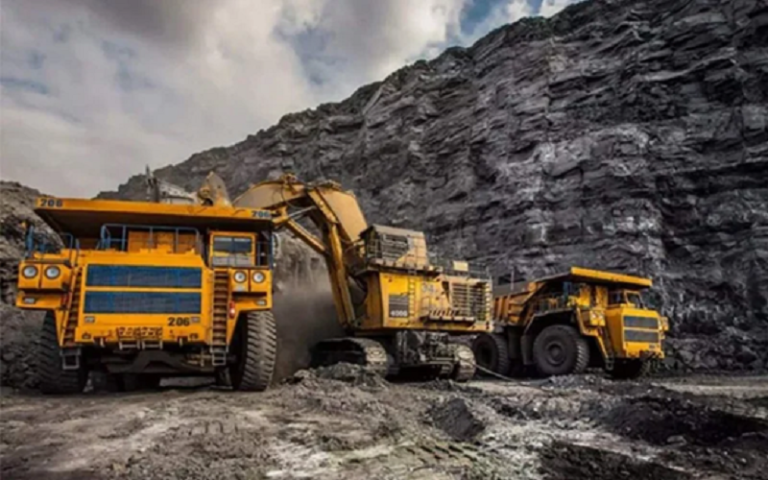
Official statistics for the mining sector in Iran have shown a sharp drop in financial indicators, as well as a significant recession. According to experts, the country possesses at least 43 billion tons of discovered mineral reserves, but at present, nearly 40 percent of the country’s mines have been shut down.

On July 10, the Iran Kargar [Workers] website wrote, “The shutdown and recession began in the last decade and has continued. In the past decade, the growth rate of the country’s mines has constantly been negative or close to zero.”

The website added, “Iran’s mining sector is dire despite its potential capacities. At the time, the country ranks 10th among the world’s 15 leading countries in a diversity of mineral reserves.”

For the first time, Bahram Shakuri, a member of the mining sector’s delegation in the chamber of commerce, revealed that 40 percent of the country’s mines are now closed. Speaking with the semiofficial Fararu website, he also pointed to the officials’ failure to lift international sanctions despite their previous promises.

He stated, “The active part [of the mining sector] has become half-dead and does not work with its entire capacity due to the increase in sanctions. The mineral industry is one of the sectors that could be replaced by the petroleum industry if it received adequate support. However, abandoning the projects prevents this goal from being realized.”

Unreasonable Pressure on Contractors

The Iranian regime routinely imposes unreasonable pressure on contractors for further revenue, forcing many contracting companies to abandon their activities, leading to the shutdown of many mines across the country.

The shutdown of these mines has caused the unemployment of not only the miners but other relevant employees like engineers, transformation workers, etc. In recent months, miners have repeatedly protested the Iranian regime’s destructive policies, demanding that officials allocate ample budgets to allow for the reopening of mines so that they can resume their activities, but their requests have been disregarded.

Sajjad Gharghi, the Mine Commission deputy chair of the Tehran chamber of commerce, said, “Currently, we have around 12,000 licenses for mines exploitation. However, there are only 5,600 active mines, based on the Industry, Mines, and Trade Ministry’s official stats.”

Equipment Depreciation and Mining Operations Reduction

Gharghi also admitted that the regime’s laws and export duties are uneconomical. He also pointed to equipment depreciation as one of the main reasons for uneconomic exploitation, stating, “One of the main challenges in the mining sector is that 80 percent of mineral operations are carried out through equipment. However, this fleet suffers from an extreme shortage in equipment, and in-use equipment is too depreciated and out of work.”

Over the past 43 years, the Iranian authorities’ policies have led to catastrophic results in the country’s mining sector. In addition to the mines’ miserable conditions, the fate and living conditions of thousands of miners and their families remain unclear.

Meanwhile, the government has left the fate of the industry ambiguous by allocating thousands of mines to the “private sector”—which is dominated by officials’ children or relatives beyond the law. Observers believe that the incompetency of Ebrahim Raisi cabinet’s in addressing miners’ essential needs poses another major challenge for the entire theocracy.

Belgium: A Deal, A Destiny

On July 6, the Foreign Relations Committee of Belgium’s lower chamber voted for a treaty with the Iranian regime to exchange ‘sentenced prisoners.’ The treaty had already been signed on March 11, but it was kept secret until June 30, then hastily pushed through the parliament for approval.

The treaty faced severe objections, both from inside Belgium and abroad. Almost all of the objectors agreed that the ‘treaty’ had been designed to secure the release of the convicted and imprisoned Iranian terrorist Assadollah Assadi, the former third counselor of Iran’s embassy in Vienna, Austria.

In February 2021, a court in Antwerp sentenced Assadi to 20 years in jail for masterminding a bomb plot against the Iranian opposition, the National Council of Resistance of Iran (NCRI), and their gathering near Paris in June 2018.

Farzin Hashemi, the deputy chair of the NCRI Foreign AffairsCommittee, stated, “If he had succeeded, hundreds would have been killed.”

Iranian dissidents, the potential victims of Assadi’s plot, have repeatedly held protest rallies in Brussels, Stockholm, London, Oslo, Aarhus, and Malmo, as well as many cities in the United States and Canada over the past week. They called the treaty a ‘shameful deal’ and demanded that Belgian authorities keep Assadi in jail.

Iranians around the world reminded Belgian lawmakers of the treatment received by several terrorists who were repatriated to Iran in recent years, stating that “All of them received a hero’s welcome by the regime.”

On July 5, hundreds of NCRI members and supporters chanted outside Prime Minister Alexander De Croo’s office, saying, “Don’t free terrorist Assadi.”

The Iranians were not alone in concerns over the treaty. Many Belgian lawmakers voiced their protest against the ‘Iran deal’ as well.

Opposition lawmaker Michael Freilich stated, “This is an erosion of the legal system. Iran has publicly made it clear that they don’t see Assadi as a terrorist but as a diplomat. He will be freed as soon as he steps foot on Iranian soil.”

Iranian-born lawmaker Darya Safai, who personally experienced life in an Iranian prison, said, “Black day for Belgium. Undermining our security to give in to blackmail from the mullahs. This deal makes Belgium a safe haven for terrorists. The government should be ashamed. Can those who voted for Iran Deal still look in the mirror?”

Opposition leader Peter De Roover said, “The Iran deal intended to release the convicted terrorist, approved in committee. ‘A turning point to undermine international justice’ as 12 European ministers wrote to the House in one of the numerous pleas.”

Many transatlantic dignitaries joined the campaign titled “Don’t Free Terrorists,” including former International Criminal Court judge Chris van den Wyngaert, the U.S. Senate Foreign Relations Committee Chair Bob Menendez; U.S. Senators Ted Cruz and Marco Rubio; former U.S. Justice Minister Michael Mukasey; former UK House of Commons speakers John Bercow and Baroness Boothroyd; several former European foreign ministers, such as Italian FM Giulio Terzi; and even the 2018 Nobel laureate in Physics and chief scientist of the James Webb Space Telescope program, Prof. John Mather.

The Belgian government, mainly Justice Minister Vincent Van Quickenborne, has ignored the warnings about dealing with the world’s state-sponsor of terrorism. On July 5, pointing to dozens of Europeans taken hostage in Iran, he told MPs, “Lives are at stake if the bill is not approved.”

It is apparent that the government is putting the lives of many innocent people—even inside Belgium—at risk because the mullahs have proven that they do not recognize borders. Weakness and concessions only inspire them to take more hostages in order to gain more concessions, including the return of the convicted terrorists to Iran.

Paradoxically, the Iranian Judiciary spokesperson has declared that two French nationals have recently been subjected to legal proceedings in Iran, charged with “acting against Iran’s national security.” The Islamic Revolutionary Guard Corps (IRGC) claimed it detained Giles Whitaker, the deputy head of mission at the British Embassy in Tehran, and several other foreign nationals. The Foreign Office rejected that claim, saying Whitaker had left Iran in December.

Indeed, Europe is on a course to counter state-backed terrorism or succumb to it, feigning ignorance for further unreasonable privileges. Belgium has seemingly chosen the latter, but its counterpart, the Iranian regime, will never be satisfied.

Read More:

Iran’s New Piracy and Blackmail

Iranian Regime’s Policy, Starving the Poor

The inflation rate in Iran in June was like an earthquake for the Iranian people, with many of them now facing empty fridges. After two decades of wasting the country’s wealth in Hassan Rouhani and Mahmoud Ahmadinejad’s governments, Ebrahim Raisi’s turn is to put more pressure on the people by increasing the cost of living.

No one in Iran dares to speak about development and progress because these days, around 90 percent of society is struggling to buy staple foods such as bread while obtaining foodstuffs such as fruits, vegetables, and meat has become all but a dream.

A recent report from the regime’s Statistics Center shows that in June of this year, the monthly inflation rate for the poorest decile of the country was more than twice the highest income decile. The reason is apparent: the Iranian regime’s merciless, so-called ‘economic surgery.’

On June 22, the ILNA news agency reported, “According to the Statistics Center, the prices of goods and services of the first decile increased by 19.5 percent from May to June, while the average price increase for the tenth decile (the richest ) is less than 8.4 percent.”

This agency added, “The price of consumer goods and services for the first 10 percent of the country’s low-income group has increased by 64 percent over the past year, and the price growth rate for the highest-income decile has been 49 percent during the same period.”

In other words, the regime has created a class gap that is now impossible to close. The Statistics Center’s report shows that the price of food consumed by the first decile of the poor has increased by an average of 31 percent in June compared to the previous month, while the inflation for food rate for the wealthiest decile in June was less than 22.3 percent.

According to the surveys of the Statistics Center, in November 2019, the monthly inflation rate for the first decile was 8.5 percent. However, by June of this year, it has reached 19.5 percent.

This trend was also repeated for the second to the ninth deciles. The monthly inflation rate for these deciles has been recorded to be 10 to 18 percent. In comparison, the monthly inflation rate in the 10th decile only reached eight percent, having previously reached around 10 percent in October 2020.

By observing the price of food consumed by the middle and lower classes, the question that occupies the mind of any observer is how can people survive with their meager incomes and the increase in the prices of goods? A look at the current food prices shows the catastrophic situation of people’s livelihoods.

On June 22, the state-run website Momtaz News reported, “The price of one kilogram of chicken is 64,000 rials,  a 30-piece egg pack is 98,000 rials, and 810 grams of consumer oil  is 69,800 rials.” It wrote, “4.5 kilograms of solid oil tin will increase to 400,000 rials, and 16 kilograms of solid oil tin will increase to 1,1 million rials. The same holds true for dairy products. The price of 1.5 percent fat pasteurized milk has increased by 19,000 rials.”

The rapid increase in food prices has annihilated the welfare of millions. The same day, the state-run daily Donya-e Eghtesad wrote, “Research shows that the trend of increasing poverty in the 2000s has gone upwards and encompassing 23 million people in 2020 up from 12.5 million people in 2011. An increase in inflation in these deciles can aggravate this damage.”

The situation has reached such a critical state that some of the regime’s media are reporting about the situation in fear of the Iranian people’s fury, with the hope to escape from the people’s revenge.

Iranian Regime’s Head of Prisons Organization Confesses to the Catastrophic Situation of Iran’s Prisons

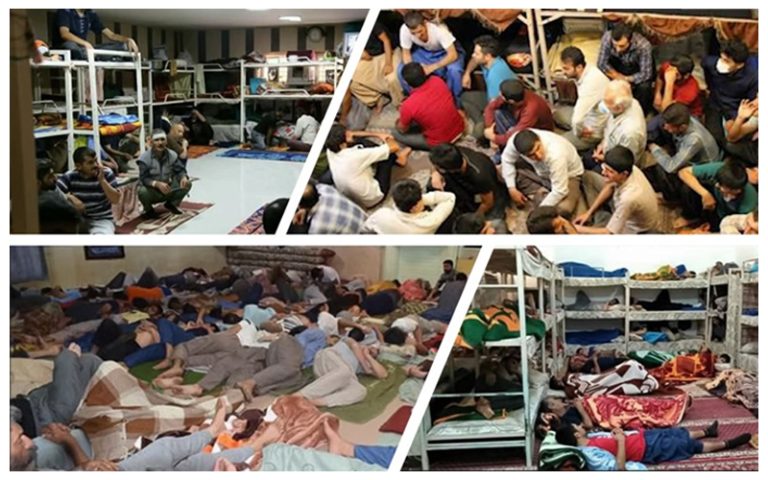
It is no secret that the Iranian regime’s prisons are some of the worst in the world, with catastrophic and unbelievable conditions, condemned many times by international human rights organizations. Prisoners are suffering from psychological and physical pressure in these prisons, some of which were built more than 50 years ago and as a result, the buildings are extremely outdated and a danger to the health of the prisoners.

On August 25, 2021, a report about the situation and torture of prisoners in Iran, said the following, “Methods of torture in Iran documented by Amnesty International over the past years include floggings, electric shocks, mock executions, waterboarding, sexual violence, suspension, force-feeding of chemical substances, and deliberate deprivation of medical care.”

In Iran, people often say that you enter the regime’s prisons as an ordinary prisoner and leave as a criminal or an addict. The next issue, of which there is clear evidence, is the regime’s lies about complying with international human rights norms as the country’s prisons are grossly overcrowded.

Recently, in a series of revelations, the Iranian opposition group, the National Council Resistance of Iran (NCRI), shed light on overcrowding in Iranian prisons. On May 14, in a statement entitled, “The appalling and inhumane situation in the prisons of the clerical regime 100 photos of suppressive prison authorities in 23 provinces,” the NCRI wrote, “For example, as can be seen in the document, the ‘nominal capacity’ of Tabriz Prison is 1,500, but the ‘number of beds’ is 2,660, and the ‘number of prisoners’ is 3,788, which is over 2.5 times the ‘nominal capacity’. In one of the prisons in Sanandaj, the ‘nominal capacity’ is 290, the ‘number of beds’ is 651, and the ‘number of prisoners’ is 978, i.e., 3.37 times the ‘nominal capacity’”.

It added, “In several cases, the regime judiciary document deliberately does not state ‘nominal capacity,’ ‘number of beds,’ or ‘number of prisoners.’ For example, in the Evin and Ghezel Hesar prisons in Tehran, the ‘number of prisoners’ is left empty. The ‘nominal capacity’ of Karaj Prison is also not shown, while the number of beds is 2,150, and the ‘number of prisoners’ is 7,800, which is 3.6 times more than the number of beds. As a result, prisoners struggle with another painful phenomenon called sleep deprivation.”

Following the NCRI’s revelations, the regime’s head of the prison organization, Gholam-Ali Mohammadi, was forced to confess to the catastrophic and inhumane situation in Iran’s prisons in an interview.

The Moderator asked him, “Dr. Mohammadi, what is the current situation of our prisons if we want to have an overview in terms of population density in prisons, what are our conditions now?”

Mohammadi replied, “The density of the criminal population in the prisons of the Islamic Republic of Iran is not at the desired level now. Because in any case, we are facing an increase in the density of the criminal population. Therefore, policies to reduce the criminal population have been approved.”

He added, “That is if we did not face the density of the criminal population, the highest level of decision-making in the system, which is the Expediency Council, would not have approved the policies related to reducing the criminal population of prisons. If we had not faced this density, this issue would not have been addressed in the Judicial Transformation Document.”

Mohammadi further stated, “There are several other prisons, which are typically old and dilapidated in the cities that we could not renovate. In these old prisons, the container (prison) and the population do not fit together. And if we speak about the issue of the criminal population density, our instance for that is those old prisons in which the number of prisoners is much more than their nominal capacity.”

Recently, in an unprecedented and illuminating revelation, the human rights center “No to prison, No to execution (Javanehha) reported about the inhuman conditions in the regime Sheiban Prison. According to this human rights center, the collection of this information has been made possible by the efforts of people from inside Iran, and they are seeking to reveal the names and details of all those who torture prisoners in Iran’s prisons.

The Ahvaz Sheiban Prison, also known as ‘Ahvaz Central Prison’ and ‘Ahvaz Vocational Training Complex’, is located on the 12th kilometer of Ahvaz-Masjed Soleiman Road.

The capacity of Sheiban prison is about 3,200 people. But most of the time, the number of prisoners in this prison is more than its capacity and sometimes it increases up to 4,500 people.

Iranian Regime and the Humiliating Failure of the Nuclear Talks

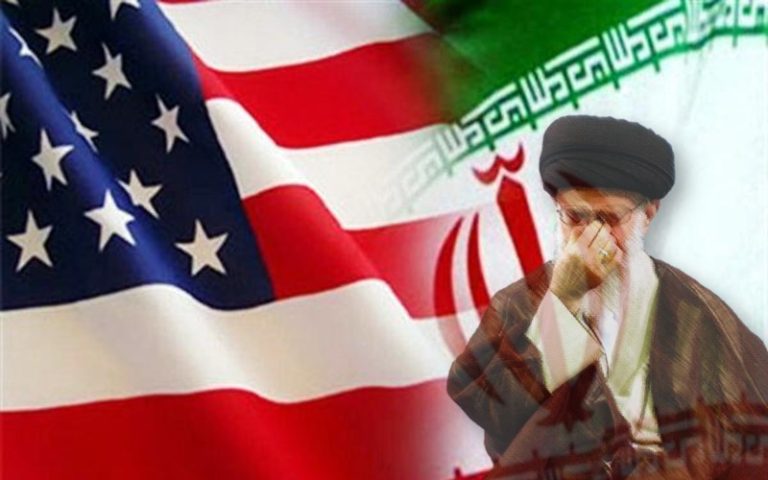
The nuclear talks and their ups and downs have become an endless series of stalemates in recent years. As we are approaching the final parts of these discussions, it should be noted that the crises that the Iranian regime is facing these days have reached a turning point and it is clear that their nuclear ambitions will not cure any of their pains.

Following the inconclusive indirect negotiations in Doha on June 28 and 29, between the Iranian regime and the US government, moderated by Enrique Mora, the representative of the European Union, the regime’s media is broadcasting contrary positions on this round of talks.

The state-run news agency ILNA wrote, “The adviser to Iran’s nuclear-negotiating team said the Doha talks had not failed. Mohammad Marandi, one of the advisers to the regime’s nuclear-negotiating team, stressed that the Doha talks had not failed, saying ‘we do not take the media statements of Washington officials seriously’.”

“Speaking to Al-Mayadin, he added that talks on the remaining controversial issues in Vienna had not failed and that the process would continue. Negotiations with a positive solution were not expected to end in just two days. The Americans must provide guarantees that we are seeking and ensure that they do not stab us in the back like in the past.”

In an article published by the state-run news agency Fars, the mouthpiece of the regime’s supreme leader Ali Khamenei and the managing director of Kayhan, Hossein Shariatmadari, said, “The U.S. in Qatar is the same as of in Vienna” and added,

“Iran’s negotiations with the 4 + 1 which took place in Vienna, were halted because of the U.S. government’s objections to the lifting of the sanctions and its refusal to present credible assurances on fulfilling its obligations.”

He went on to claim that “the United States and its European allies need and pursue ‘fruitless negotiations’ to preoccupy our country with its harmful consequences such as controlling the price of currency and gold, creating price turmoil and dozens of other upheavals caused by these ups and downs in our country’s economy.”

This ridiculous claim about the regime’s economic turmoil was even mocked by the regime’s own media. On June 25, the state-run daily Jomhouri Eslami wrote, “Let us analyze the sad story of inflation in two periods. In the previous government (inflation) was a sign of westernism, lack of management, and even indifferences, but today it has become a subject of the divine test. By interpreting it, an objection will be considered as opposing the will of God.”

Kayhan’s editor-in-chief Hossein Shariatmadari complained about the US government’s positions, saying, “Now look at the report by Robert Mali, the US Special Representative for Iran, which was submitted to the US Senate Foreign Relations Committee on June 27. As can be seen, Mali explicitly states that we will never lift sanctions.”

On June 29, the state-run news agency Tasnim admitted to the failure and wrote, “The two-day talks in Doha are over, but the deadlock between us and the United States has not yet been broken. Washington is still reluctant to offer guarantees. What prevented the talks from coming to fruition was the US insistence on the text of its draft proposal in Vienna, which has no guarantees for Iran’s economic interests.”

In a tweet on June 30, Enrique Mora wrote, “Two intense days of proximity talks in Doha on JCPOA. Unfortunately, not yet the progress the EU team and coordinator had hoped-for.”

As one of the main reasons for the stalemate of the negotiations, some international media outlets wrote that the regime has raised old issues that have been resolved and some other issues that are new but have nothing to do with the nuclear deal.

Earlier, the US government had stated that it will not negotiate any new cases that are not relevant to the JCPOA. The regime’s insistence shows that they have the lower hand and are practically begging for some cases that are vital for their survival.

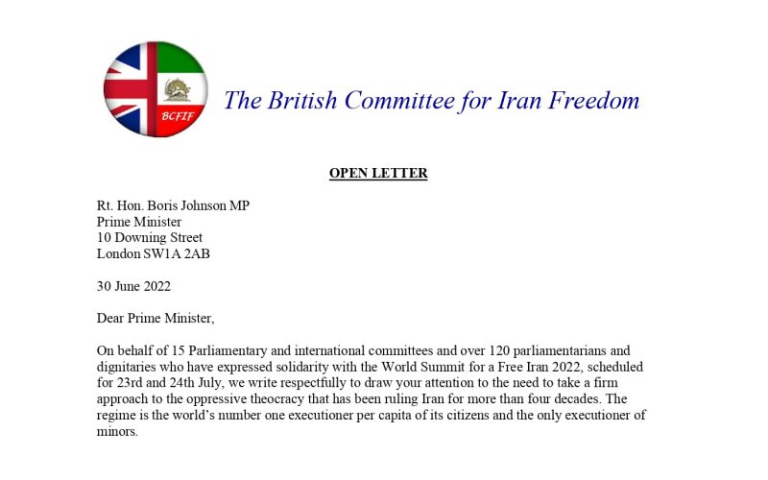
Open Letter to Rt. Hon. Boris Johnson, MP To Support the Iranian Resistance

Since 2004, after the failed coup against the Iranian Resistance in 2003, carried out by the then French government at the behest of the Iranian regime, Iranian expats are holding a summit known as “The Free Iran World Summit”.

This event is dedicated to focusing attention on the task of liberating Iran from religious fascism, holding Iran and its people captured, and paving the way for a free, democratic, and sovereign future. Since then, lawmakers, former senior government officials, distinguished personalities, human rights activists, and advocates from around the world join in-person or online in solidarity with the Iranian people’s unrelenting struggle for freedom.

On June 30, 2022, in an open letter to the UK Prime Minister Boris Johnson, the Rt Hon Davis Jones MP, on behalf of 120 MPs and UK dignitaries, wrote and endorsed the upcoming Free Iran 2022 World Summit and urged the Prime Minister to adopt a new strong approach to the Iranian regime.

“On behalf of 15 Parliamentary and international committees and over 120 parliamentarians and dignitaries who have expressed solidarity with the World Summit for a Free Iran 2022, scheduled for 23rd and 24th July, we write respectfully to draw your attention to the need to take a firm approach to the oppressive theocracy that has been ruling Iran for more than four decades,” the letter said.

The signatories reminded the UK’s Prime Minister that the Iranian regime, “is the world’s number one executioner per capita of its citizens and the only executioner of minors. It has ruthlessly suppressed all forms of peaceful dissent and protests by teachers, educators, workers, farmers, retirees, pensioners, nurses, and students, among others. No sector of Iranian society has been spared.”

They noted that the Iranian regime has not plundered the nation’s wealth and resources, but also is arming and training its terrorist proxy forces in the Middle East, is advancing its dangerous missile and nuclear programs in defiance of its international obligations, and that all by squandering the nation’s wealth.

They emphasized that the carefully engineered presidential election which brought Ebrahim Raisi into office, who is infamous for his role in the 1988 massacre of 30,000 political prisoners, most of whom were members or supporters of the PMOI/MEK democratic opposition, is considered to have the free rein to “suppress any form of dissent.”

In their letter, they saluted the MEK’s Resistance Units and praised their struggle against the regime, while pointing out that these brave people, “have waged a nationwide campaign to break the wall of repression and have inspired the protests and demonstrations to a point where outright opposition to Khamenei and Raisi is openly and enthusiastically voiced.”

They called for the support of the Iranian Resistance and added, “On 23rd July, thousands, including colleagues from five continents, will be joining the Free Iran World Summit 2022, to voice our support for Iranian people’s Resistance and its 10 Point Plan for a secular republic in Iran and to reiterate that the people of Iran have the right to resist the regime for freedom.”

Finally, they underscored to the UK’s prime minister that, “the experience of the past 40 years has made it palpably clear that appeasement has never worked.”

Partial list of supportive parliamentarians & dignitaries:

Parliamentarian Committees for a Free Iran:

  • British Committee for Iran Freedom (BCFIF)
  • International Committee of Parliamentarians for a Democratic Iran (ICPDI)
  • European Parliament Friends of a Free Iran (FoFI)
  • Le Comité français pour un Iran démocratique (CFID)
  • Comitato dei Senatori Italiani per un Iran Democratico
  • Comitato italiano di parlamentari e cittadini per Iran Libero
  • Deutsches Solidaritätskomitee für einen freien Iran (DSFI)
  • Comité Belge des Parlementaires et Bourgmestres pour un Iran Démocratique
  • Comité suisse pour la démocratie et laïcité en Iran
  • Canadian Friends of a Democratic Iran (CFDI)
  • Australian Supporters of Democracy in Iran
  • Friends of a Free Iran & Against Fundamentalism (Nordic)
  • Comitetul Parlamentarilor Romani Pentru Iranul Liber
  • The Dutch Group of Friends of a Free Iran

ISJ – International Committee in Search of Justice

  • Alejo Vidal-Quadras, Vice-president of the European Parliament (1999 – 2014), ISJ President
  • Ambassador Giulio Terzi, former foreign minister of Italy (2011-2013)
  • Struan Stevenson, former MEP-President of the European Parliament’s Delegation for Relations with Iraq (2009 – 2014)
  • Paulo Casaca, former MEP-former Chair of European Parliament’s delegation for relations with the NATO Parliamentary Assembly

United Kingdom:

  • Rt Hon David Jones MP, former Secretary of State
  • Dr Matthew Offord MP
  • Bob Blackman MP
  • The Baroness Verma, former Baroness in Waiting (HM Household) (Whip) and Parliamentary Under Secretary (Department for International Development)
  • The Baroness Harris of Richmond DL, Deputy Speaker of the House of Lords
  • The Lord Clarke of Hampstead CBE
  • The Rt Hon. the Baroness Boothroyd OM, former Speaker of the House of Commons
  • Steve McCabe MP, former Shadow Minister, and Opposition Whip
  • The Rt Hon. the Lord Dholakia OBE DL, Co-Deputy Leader of the Liberal
  • Democrat Peers and former Party Chair
  • The Prof. Lord Alton of Liverpool
  • The Rt Rev. the Lord Harries of Pentregarth DD, former Bishop of Oxford
  • Rt Hon Sir Roger Gale MP, former Vice-Chair of the Conservative Party
  • Rt Hon John Spellar MP, former Minister
  • John Cryer MP
  • Ian Mearns MP
  • Jim Shannon MP

France:

  • André CHASSAIGNE MP
  • Bertrand PANCHER MP
  • Brahim HAMMOUCHE MP
  • Yannick FAVENNEC MP
  • Philippe GOSSELIN MP
  • Constance LE GRIP MP
  • Éric DIARD MP
  • François PUPPONI MP
  • Frédéric REISS MP
  • Hervé SAULIGNAC MP
  • Hubert WULFRANC MP
  • Jean-Michel CLEMENT MP
  • Nadia ESSAYAN MP
  • Pierre-Yves BOURNAZEL MP
  • Yannick FAVENNEC MP
  • Alain VIVIEN, former Minister
  • Alain VIDALIS, former Minister
  • Alain NERI, former Senator
  • Jean-Pierre BRARD, former MP
  • François Colcombet, former MP
  • Martine PINVILLE, former MP
  • Jean-Pierre BRARD, former MP
  • Michèle de VAUCOULEURS, former MP
  • Jacques Boutault, former Mayor & MP
  • Guy Schmitt, Mayor
  • Bruno Macé, Mayor
  • Jacky Duminy, Mayor
  • Jean-François Legaret, former mayor
  • Jean-Pierre BEQUET, former Mayor
  • Yves BONNET, former director of DST
  • Gilbert MITTERRAND, Chair of Danielle Mitterrand foundation

Italy:

  • Senator Roberto Rampi
  • Stefania Pezzopane MP
  • Antonio Tasso MP
  • Elisabetta Zamparutti, former MP
  • Carlo Ciccioli, former MP
  • Antonio Stango
  • Cristina Belpassi, Mayor
  • Donatella Paganelli, Mayor
  • Emanuele Faduzzi, Mayor
  • Francesco Cavallero, Mayor
  • Giovanni De Michelis, Mayor
  • Luca Panetta, Mayor
  • Mauro Giuseppe Castelli, Mayor
  • Paolo Bodoni, Mayor
  • Ricardo Travaglini, Mayor
  • Toni Matarrelli, Mayor
  • Roberto Rossini, Confederazione Generale Italiana del Lavoro (CGIL)

Germany:

  • Hermann-Josef Scharf, Deputy Chairman of the Christian Democratic Party of
  • Saarland
  • Martin Patzelt, former MP
  • Belgium:
  • Senator Mark Demaesmaker
  • Dirk Claes, honorary Senator
  • Pierre Galand, honorary Senator, chairman of OMCT – Europe
  • Serge de Patoul, honorary MP
  • Nordic Countries:
  • Kimmo Sasi, former MP and Minister from Finland
  • Jan-Erik Enestam, former Minister from Finland
  • Lars Rise, former MP from Norway
  • Edvard Julius Solnes, former Minister from Iceland

Switzerland:

  • Laurence Fehlmann-Rielle, Federal MP
  • Pagani Remy, Geneva MP
  • Jean-charles Rielle, Geneva MP
  • Eric Voruz, former MP
  • Nils de Dardel, prominent lawyer
  • The Netherlands:
  • Henk de Haan, former MP, chair of the Foreign Affairs Committee

Poland:

Marcin Swiecicki, former Minister

Romania:

  • Romeo Nicoara, former MP
  • Maria Grecea, former MP
  • Maria Eugenia Barna, former MP
  • Mihai Deaconu, former MP
  • Andreu Gerea, former MP
  • Daniel Buidurescu, former MP
  • Liviu Titus Pasca, former Senator
  • Moldova:
  • Petre Stirbate, former MP
  • Sergiu Ceaus, former MP

Canada:

Tony Clement, former Minister

Australia:

  • Meredith Burgmann, former President of NSW Parliament House
  • Penny Sharpe MLC MP, Leader of the opposition in the legislative council &
  • Shadow Minister of Environment
  • Anna Watson MP
  • Lynda Voltz MP
  • Sonia Hornery MLA MP
  • Claire Moore MP
  • Bruce Childs, former Senator
  • Doug Cameron, former Senator
  • Dr Arthur Chesterfield-Evans, former MP
  • Don Nardella, former MP
  • Sylvia Hale, former MP
  • Rev Brian Medway, National President of CrossLink Christian Network Australia
  • Father Claude Mostowik, National President of Pax Christi Australia
  • Phil Glendenning, Director of Edmund Rice Center

Iranian Regime Ignores Its Main Demand in the Qatar Talks

On the evening of Friday, June 24, the High Representative of the European Union Josep Borrell traveled to Iran to ask the Iranian regime’s leaders to sign a draft agreement to revive the JCPOA. Upon his return to Europe, Borrell announced that nuclear talks would soon resume.

This news was confirmed by the regime’s foreign ministry, whose spokesman Saeed Khatibzadeh announced on June 27 that the nuclear talks would be held this week, adding that the United States has promised to guarantee Iran’s economic benefits from the JCPOA.

Khatibzadeh stated, “During Mr. Borrell’s visit to Tehran, detailed talks were held. Mr. Borrell said on behalf of the United States that the Americans were committed to acting within the framework of UN Security Council Resolution 2231, adhering to its commitments in this regard, ensuring Iran’s economic cycle of recovery from the revival of JCPOA, and resolve the remaining disputes.”

Following these remarks, many of the regime’s media outlets, and some of its hardline officials, called this a disgrace.

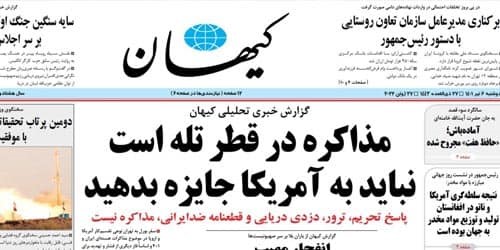
On June 28, while quoting Russian newspaper Nezavisimaya Gazeta that negotiations will be held in Qatar, the state-run Kayhan daily wrote, “Iran is ready to give up one of its main demands in the nuclear talks. Iran does not oppose keeping the Revolutionary Guards on the list of terrorist organizations but expects that the sanctions against the IRGC’s internal structures be weakened, but observers doubt that the Biden government can even agree to this option.”

Hossein Shariatmadari, the managing editor of Kayhan, warned Raisi’s government. “Negotiation in Qatar is a trap. You should not reward the United States. Westerners expect the system to welcome the continuation of negotiations (i.e., retreat) in the face of the US-European trap,” he wrote.

Kayhan warns the regime that negotiation in Qatar is a trap, and the regime should not reward the US.

Kayhanadded, “The start of indirect talks between Iran and the United States in Qatar sends the wrong message to the other side. Recent decisions at the macro level damage this principled policy.”

Frustrated, Kayhan questioned Raisi, asking, “Didn’t the 13th government say that we would not tie our livelihood to the JCPOA? So why does Raisi want to negotiate with America?!”

Despite Iran’s critical situation and the struggles of its people, the activities of the Iranian Resistance have forced the regime’s supreme leader Ali Khamenei to send a negotiator into this ‘trap’ This is a reality that is looming, regardless of the outcome of the talks.

Kayhan counted some of the blows that the regime has received in recent weeks:

  • The anti-Iranian resolution in the IAEA Board of Governors.
  • The activation of Zionist intelligence services.
  • The assassination of Martyr Sayad Khodaei.
  • The sabotage of nuclear facilities.
  • The recent sanctions on Iran in the field of petrochemicals.
  • The theft of Iranian tanker cargo in Greek waters.
  • Announcing an award for information about the IRGC.

In fear of an implosion, Khatibzadeh tried to justify the regime’s decision, saying, “The talks are not about the ‘nuclear dimension’ and will only be about ‘the few remaining issues in the lifting of sanctions’ and ‘nothing will be added or diminished to the Vienna Accords’.”

Submerged in the quagmire of internal and global deadlocks, Khamenei has once again accepted a humiliating retreat in order to save his regime. However, nothing will change, and the latest nuclear talks are unlikely to bring any positive outcome for the regime.

On June 29, the regime reported that the indirect talks with the US government ended without any result. This was not a surprise to the regime’s lack of capacity to step back. Any retreat will cause the unraveling of the regime as Khamenei has said repeatedly. This is precisely what Shariatmadari was warning about.

Regime’s Negligence Makes Iran the Main Loser in Oil Competitions

Last Friday, the Iranian regime’s president Ebrahim Raisi claimed in a meeting that his regime could be a ‘stable’ and ‘viable’ partner for the members of the BRICS group to access the ‘energy bottlenecks’ and ‘major world markets’.

This is while, according to the Oil Price website, Iran is exporting just 961,000 barrels per day. This number shows that the regime is not a stable and viable partner for business as it claims. It should be further noted that the regime is forced to smuggle and sell this oil at a very low price due to the US sanctions.

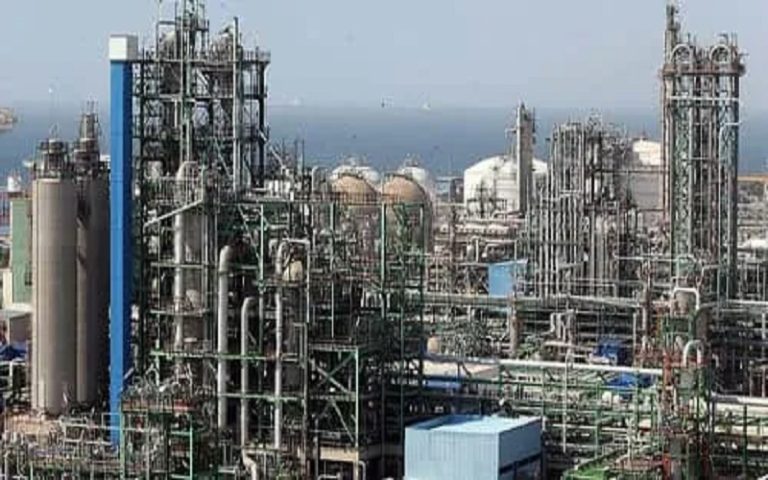
Iran’s oil and gas industry is now in a critical situation because of the regime’s corruption and mismanagement, as well as the economic sanctions.

The regime is not in a position to benefit from the common gas and oil fields with neighboring countries, as most of the extracted resources from these oil fields are done by those countries. A clear example is the joint gas field of South Pars between Iran and Qatar.

Officials have previously stated that Iran’s dilapidated oil and gas industry needs tens of billions of dollars in investment each year to maintain its current level of field production. Oil and gas industry experts have also stated that obsolete equipment and outdated rigs can no longer pull anything from the ground, let alone compete with giants such as Saudi Arabia’s ARAMCO or the United Arab Emirates’ ADNOC.

According to the statistics, Iran ranks fourth in proven oil reserves, which is roughly 10 percent of the world’s total proven petroleum reserves and would last 145 years if no new oil was found. The estimated amount of the country’s oil as of 2021 is about 155 billion barrels. Iran currently has the second-largest gas reserves in the world after Russia.

All of Iran’s natural resources have been left unused due to the regime’s mismanagement, widespread corruption in the Ministry of Oil, and sanctions, as no international company has been able to invest to increase the extraction of these reserves.

The severe lack of investment has greatly reduced Iran’s oil extraction. While the official figure naturally varies for different fields according to different conditions, in general, the average extraction rate of Iranian oil barely reaches 20 percent.

In November last year, at a coordination meeting for the 2022 budget, Iran’s oil minister Javad Owji announced the need for $160 billion for Iran’s oil and gas projects, stating that the necessary investment had not been made in the oil and gas industry in recent years.

He warned that Iran would become an importer of these products in the future if no money was allocated to the development of the oil and gas industry.

Just last week, Qatar signed three new gas contracts with three major European and American companies, showing its serious determination to increase gas production and accelerate the development of the joint gas field with Iran. These contracts will prevent Iran from reaching Qatar in the field of gas extraction any time soon.

Qatar seeks to replace Russian gas in Europe following the Russia-Ukraine war, as they are aware that Europe warmly welcomes the reduction of dependence on Russia. Meanwhile, Iran could have taken away the competition from its neighbors by further developing and extracting South Pars, Arash, Farzad, Azadegan, and five other fields.

These days, Qatar, the United Arab Emirates, and Saudi Arabia are taking control of the energy markets, especially the world gas market, promoting energy diplomacy in the best possible way. On the other hand, the regime, which has traditionally been unaware of international economic opportunities and instead focused on other priorities, first and foremost among them regional meddling and the costly pursuit of missile and nuclear programs, is apparently set to miss this great and unrepeatable opportunity.