Home Blog Page 253

By Shooting Down PS752 Iran’s Government Further Erodes Public ‘Trust’

Some events cause erosion of ‘trust,’ particularly when these events are carried out by a government or its officials.

One of the events that further diminished public ‘trust’ in the regime was the criminal downing of the Ukrainian passenger plane. flight PS752. This ‘operation’ was carried out by the regime’s Revolutionary Guards (IRGC) to provide cover for its missile attack on the US base Ain al-Assad in Iraq, on January 8, 2020.

The state TV’s coverage of the incident reflected the regime’s desperation and concern vis-s-vis the consequences of this crime.

Immediately after this crime and before the results of the investigation of the plane’s black box were announced, state TV blamed ‘technical problems as the main cause of the ‘plane crash,’ and blamed the ‘enemy’ for spreading ‘lies,’ ‘deceptions’ and ‘psychological warfare operations’ to damage the regime’s reputation.

With great fanfare, the state TV, went out of its way to “expose the commotion, espionage, and fabrications of the dissident media. The truth was something else, however. And when that truth came out, the regime further undercut public trust in an already loathed regime.

The reaction of social media speaks volumes about the extent to which the regime has been discredited in the eyes of Iranians.

A blogger asked:

“Why did you hit the passenger plane with a rocket?
Why did you hit it twice?
Why did you deny and lie for three days?
Why did you drive a bulldozer over the wreckage?
Why did you not allow an independent international investigation?
Why were the main perpetrators not tried and punished?

All these questions still remain unanswered.”

Another social media user said: “On the 2nd  anniversary of flight #PS752, we stand with the families of its 176 passengers, including 15 children who were brutally killed.”

Another social media user added: “Two years have passed, and justice hasn’t been served yet. The Iranian regime has refused to accept any accountability for the killing of 176 innocent people aboard Ukrainian Int’l Airlines Flight #PS752 with multiple surface-to-air missiles. We will never forget.”

Another social media user said: “Too painful to remember, too painful to forget.”

Another social media user said: “I will hurt you for this. I don’t know how yet but give me time. A day will come when you think you are safe and happy, and suddenly your joy will turn to ashes. With love and fond memories of victims of flight #PS752.”

Another social media user paid homage to her sister and wrote: “Two years ago #IRGC brutally killed my sister and niece by shooting down Flight #PS752 … for Parisa and Reera and all the other 174 passengers and crew #IWillLightACandleToo.”

Finally, the official Twitter account of the victims wrote:

“Families carry placards to send their messages. Loud and clear.

“The right to life is a human right. Killing a human being is destroying a generation. Justice is not negotiable. Truth should not be sacrificed for expediency. As the next of kin, we will not forgive. …”

Iran: IRGC Commander Admits That Protesters Were Targeted at Violent Crackdown of Isfahan Protests

Following the brutal crackdown of the demonstrations over the mismanagement of water resources in Isfahan in November 2021, the commander of the Iranian regime’s anti-riot police has admitted that his forces purposely targeted protesters. The unarmed protesters were shot by pellet guns at close range, leaving over three dozen people with severe eye injuries, with some losing their eyesight completely.

In an interview published on January 9, Brigadier-General Hassan Karami stated that his forces used ‘shotguns that discharged pellets’ to quell the unrest. Karami is already sanctioned by both the United States and the European Union due to his history of using repressive acts against ‘innocent civilians, political opponents, and peaceful protesters’, and other serious human rights abuses.

During the protests in Isfahan as special forces attacked the protesters, numerous images of many pellet bullets hitting the bodies, eyes, and faces of protesters were posted on social media.

Many state-run news outlets in Iran, including the Fars News Agency, which is closely affiliated with the Islamic Revolutionary Guard Corps (IRGC), published quotes from Nourrodin Soltanian, the spokesperson for the hospitals in Isfahan. Soltanian said, “40 people with eye injuries came to the hospitals. Twenty-one of those people were hospitalized, two in intensive care.”

However, the true number of people who sustained head injuries and lost their eyesight is likely to be much higher than the official figures. Many injured protesters avoided going to the hospital following the violent crackdown as they feared being arrested by security forces for taking part in the protests.

According to the People’s Mojahedin Organization of Iran (PMOI/MEK), at least 100 people were wounded some 300 detained when the suppressive forces attacked the protests on November 26.

Following a week of demonstrations at the dried-up riverbed of the Zayanderoud River in Isfahan by local farmers, the largest protest over the water shortage in the region began on November 19, with large groups of supporters, from all walks of life, joining the farmers in solidarity.

In a bid to prevent the protests from spreading to other cities across Iran, the regime enlisted their security forces and the anti-riot police to crack down on the unrest, which ended in violent clashes across the city of Isfahan.

Throughout 2021, daily protests were held across Iran by people from across all social sectors of society, with each pocket of unrest further highlighting the explosive state of Iranian society. Along with the major protest in Isfahan, two other major protests took place last year, with one in Khuzestan in the southwest of the country, and in Sistan and Baluchistan in the southeast.

To maintain control, the Iranian regime has resorted to more suppression and violent crackdowns of the protests in recent months and carried out more executions. If anything, the crackdowns reflect the desperation of the ruling mullahs in dealing with a nation on the verge of revolt.

Destruction of Iran’s Villages Intensifies

Many villages in Iran have become depopulated due to the destructive policies of the Iranian government, and the migration of villagers from rural to urban areas has increased in recent years.

According to the latest statistics from the Statistics Center of Iran, the number of empty villages in Iran is 45,000 villages, and only 25 percent of the country’s population lives in rural areas.

There are many reasons for the migration of the villagers to the outskirts of cities, which has created a huge problem for metropolises.

Lack of proper management, wasteful consumption of groundwater, and drying up of water resources in many villages on which agricultural and livestock jobs are directly dependent can be considered as among the main reasons for rural migration to cities.

According to the Statistics Center of Iran, the population of the country will reach 89 million in 2027, of which nearly 69 million, or about 77 percent of the population will live in cities and 20 million, or about 23 percent in rural areas.

According to these statistics, in 2027, the growth rate of the rural population of 21 provinces in Iran will be negative, and a large part of the rural population will leave their place of residence in the hope of finding a better life in the cities.

This will lead to the death of villages over time. And the distribution of the human settlements in all parts of the country, which most important factor that depicts the geographical and demographic shape of Iran, is fading.

For a long time in history, villages, or ethnic and nomadic populations have been formed or settled in different parts of the country and have played an important role in the development of agriculture, animal husbandry and they also supplied many necessities of the cities.

The number of uninhabited villages has reached 45,000 units. Dehydration, inflation, and the high cost of basic agricultural products, such as seeds, fertilizers, and pesticides, have severely affected the economic life of many villages.

The lack of medical, educational, and other basic services, such as drinking water, electricity, and gas, has destroyed the country’s villages.

In the early 2000s, the country’s rural population was 68 percent. But now this population has reached less than 25 percent. This statistic does not mean that the villages of the country have become cities. Rather, it indicates that many villages have been destroyed and their populations have become the residents of the city’s outskirts.

One of the important reasons for the destruction of villages is the change of use of agricultural lands. This change of use is the product of the acquisition of agricultural lands by the regime’s Revolutionary Guards (IRGC), which has intensified in recent years.

In most cases, the judicial process has been carried out to reclaim the lands in favor of government institutions, and officials.

“Only half of the remaining villagers are engaged in agriculture,” said Mustafa Aghaei, deputy director of agricultural education and extension.

He added: “70 percent of these people are elderly and illiterate. Employment is no longer possible for the young forces of the villages. Because they cannot make agriculture, horticulture, or animal husbandry their occupation is at risk.”

Improper import of food is another effective factor in the destruction of the country’s villages. Government policies are based on importing more food products instead of supporting producers.

Iran was once an exporter of wheat and rice but is now one of the main importers of these products. Iran’s sugarcane products supplied sugar to the entire Middle East, but Iran is now a serious importer of sugar.

The same is true for other agricultural and livestock products. For this reason, it can be said that the intensification of the destruction of the country’s villages is a clear sign of the destruction of the entire economy.

Iran’s Usual and Disastrous Response to Seasonal Floods

Due to the recent heavy rains in Iran in the past days, 17 provinces have been flooded and suffered many damages. The worst hit provinces are Fars, Kerman, Sistan and Baluchestan, and Hormozgan.

Many base structures, agriculture fields, houses, and businesses of the people have been damaged. Thousand were forced to leave their houses and have been left homeless for many days.

Destructions in Iran’s recent floods

Flooding of 2000 houses in five counties of Sistan and Balutchestan province. Because of the poor construction, while most of the houses are built with adobe bricks, they are facing the danger of collapse.

Flooding of 1100 houses in the south of the Fars province. About 600 houses are completely damaged. The costs of the damages in this province are now close to $37 million.

Other damages include the flooding of 1725 rural houses in the south of the Kerman province. About 117 villages are suffering from floods in this province.

Urgent housing of 200 households and destruction of 1000 houses in Minab of the Hormozgan province

The flood-hit at least 17 provinces of the country from north to south until January 6. This is more than half of Iran’s provinces.

Flooding of more than 1000 houses in the Hormozgan province.

More than 2000 houses and 25 villages of the Minab and Rudan counties are flooded. In Rudan 130 houses are destroyed completely.

In Hormozgan province, 12,350 hectares of agricultural and orchard fields have been damaged, especially in the eastern regions.

The governor of Dashtiari, south of Sistan and Baluchestan, said: “The flood caused $9 million of damage to the roads of this city and the people of 18 villages are surrounded by floods due to the lack of access roads.”

The most damaged villages are in the regions of South Rudbar, Ghaleh Ganj, Menujan, and the Jazmourian section.

Six days after the rains and floods, 31 roads in the flood-hit provinces are still closed due to dangerous safety conditions.

How many people did the regime mobilize to help 17 provinces? Some 1926 Red Crescent operational force, which is the equivalent of 113 people for each province. Where it faces protests by the local population, the regime immediately attacks the people like in the last incident in Sistan and Baluchestan where the regime attacked the people with artillery.

The list of meager government aid adds insult to the Iranian people’s injuries:

44 kg of dates for 17 provinces.
993 food packages for 17 provinces
1600 carpets or 3,000 blankets for 17 provinces
3000 kilos of rice for the flood victims of 17 provinces
150 cans and 307 petroleum heaters for flood victims in 17 provinces

Even the regime’s carelessness has become the subject of reports in many state-run media, which is a usual thing and has no place for any surprise.

The state-run daily Aftab-e Yazd wrote on January 5: “The people of the south of the country, who until a week ago were facing the challenge of supplying agricultural and drinking water, have faced widespread floods in the past two days, and it is important to note that, as usual, crisis management officials are surprised and act like crisis-hit people.

“It seems that being crisis hit in the country’s crisis management headquarters has become a natural thing in recent years, and in critical moments, this headquarters is surprised instead of managing the crisis.

“It does not matter if the government is reformist or principled. The routine of the surprise of the Crisis Management Headquarters is repeated every year, and the result of this repetition is nothing but excessive harm to the people, and that the people who live in difficult conditions and low-income cities.”

Joint Statement Issued by UN Security Council Amid Nuclear Negotiations Shows Highlights Unity

On Tuesday, a joint statement from the five permanent members of the United Nations Security Council was issued, highlighting their shared commitment to the non-proliferation of nuclear weapons, and urging that nuclear conflicts must be avoided at all costs.

A day earlier, officials from the five-member states – the United States, the United Kingdom, France, Russia, and China – along with their counterparts from Germany, resumed the eighth round of negotiations with the Iranian regime, after a brief break over the Christmas and New Year period, in a bid to restore the 2015 Iran nuclear deal.

Iran returned to the negotiations with an expansion of its demands for up-front sanctions relief without pre-condition. Each of the Western participants in those negotiations declared that Iran was moving away from earlier compromises during the seventh session, and even Russia and China were reportedly taken aback.

The UNSC statement clearly shows the unity between the member states in their efforts to deter the regime’s nuclear advances. In an excerpt from the statement, it read, “For as long as they continue to exist, [nuclear weapons] should serve defensive purposes, deter aggression, and prevent war. We believe strongly that the further spread of such weapons must be prevented.”

Boris Johnson, the British Prime Minister spoke out on Tuesday, stating that while “the diplomatic door is open, time is running out to reach an agreement.”

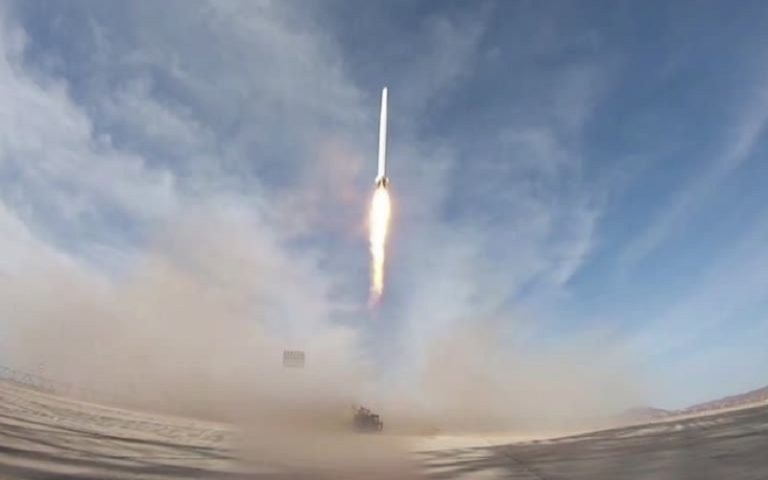
Iranian authorities seemingly undermined the negotiations by carrying out a space launch with the apparent intention of warning their adversaries about Tehran’s missile capabilities.

The goal of the launch was to place three items into the Earth’s orbit, which turned out to be a complete failure. However, the attempt has showcased how much the regime has progressed towards its plan to develop ballistic missiles. Including this launch, there have been six in total since 2016, with only one being successful.

Since 2020, the Iranian regime has been working to produce uranium metal on a grand scale, a product that has no purpose other than being used as part of the core of nuclear weapons. They have also enriched some of that material using advanced centrifuges, completely defying the terms of the nuclear deal.

The UNSC resolution governing the agreement does “call upon” Iran to avoid work on weapons “designed to be capable” of carrying a nuclear warhead, but Iran has exploited the vagueness of this language to move ahead with activities that are deemed violations by the Western signatories.

During the current talks, Iran’s negotiators have convinced themselves that their hardline approach is working effectively. The spokesperson for the Foreign Ministry, Saeed Khatibzadeh claimed that the Western powers ‘recognized the need to abandon their own “maximalist” positions’, while Ali Bagheri Kani, the lead negotiator, denied that the talks were focused on the regime’s compliance.

Western officials, on the other hand, have already declared that if Iran refuses to ‘change its posture and negotiate in good faith’, they are ready to walk away from the discussions entirely. Despite Russia and China’s allied history with Iran, given the UNSC statement, it appears that all member states agree with this plan.

It remains to be seen not just whether those states will follow through on their supposed commitments, but also whether the Western powers will take assertive measures such as the expansion of sanctions or even military action to prevent Iran from narrowing its breakout window even more.

Maximum Uproar and Praising Qassem Soleimani

On the second anniversary of Qassem Soleimani’s killing, many Iranian officials spoke about extracting ‘cold-blooded’ revenge. In coordinated propaganda, they advertised and introduced Soleimani as a national hero and the only man that confronted terrorism in the Middle East and eliminated them.

Officials’ expressions included: “We will take such revenge that you have never witnessed it in your life.” Or “We will squeeze the throat of the enemy at the proper time.” Or “We will avenge Qassem Soleimani’s murder. We will not determine any time or place.”

The most ridiculous claim came from the regime’s president Ebrahim Raisi, while mispronouncing the word strategic as a strategist he said:

“The then president of the United States, who ordered the assassination of Martyr Soleimani, must be tried and face retaliation, and God’s judgment must be carried out on him. If the mechanism for the trial of Trump, Pompeo, and others in court is provided and they are punished, so be it, or else revenge will come out of the nation’s sleeve.”

In a strange expression, the state-run daily Javan on January 4, called these positions of the regime’s officials the “Maximum acceleration equation.”

“Iran has the ‘maximum acceleration equation’ on the agenda in all areas, in the face of the approach and policy of negotiation and maximum pressure. This maximum acceleration is not limited to legal steps in the nuclear program and includes regional dimensions, eastward diplomacy, revitalization of the national and international economy, scientific and military capabilities, and other areas.”

The question is why is the regime taking such a position? What is it showing its fear by carrying out such propaganda about a man that is hated by the people and is very infamous because of his crimes and terrorism in the Middle East over the past years? With this smokescreen which reality does the regime try to hide?

To explain this issue, three parameters must be considered:

  1. People’s protests and uprisings are lurking behind the regime. Society is in a critical situation and every moment it could explode. This subject is so serious that Raisi was forced to call the regime’s officials of unification for the “preservation of the system” while referring to Soleimani’s testament he said:

“The testament of Qassem Soleimani says that today the preservation of this system in the name of the Islamic Republic if this tent stays, all the shrines are safe. If this shrine suffers the slightest damage, you should know that other shrines are also in danger, so try to keep this Islamic system.”

  1. The regime’s deadlock in the Vienna nuclear talks and complying with the demands of the counterparts to get rid of some of the crippling sanctions or to face the consequences by disobeying them. In this regard, the state-run daily Mostaghel on December 4 wrote:

“Based on the evidence, it seems that Iran’s motives and goals for the nuclear negotiations at this stage of the negotiations have changed in a way that under its influence a clear vision for the success of the negotiations cannot be imagined. It seems that the Iranian authorities now find themselves in a situation where negotiations will increase the risk of losing assets as usual.”

  1. The decline of the position of the regime’s supreme leader Ali Khamenei within the ruling factions and the increase in the spirit losses of the regime’s forces. Other positions and practices of the regime in this period can also be analyzed in this context, such as launching a missile maneuver to destroy hypothetical targets or forcing Ismail Haniyeh, Chairman of the Hamas Political Bureau, to admit that he received 70 million from the regime to build missile power, etc.

None of this propaganda will be able to save the regime, but it is like playing with fire, observers say. Praising the dead Soleimani and speaking about “hard revenge” will not intimidate dissatisfied people, nor will it affect the fate of the nuclear talks.

Iran’s Reign of Terror Disguised As Diplomacy Confirmed by Its Former Foreign Minister

In his recent article at the official website of the National Council of Resistance of Iran (NCRI) Foreign Affairs Committee, Mr. Shahin Gobadi highlighted the Iranian regime’s foreign ministry’s involvement in terrorism for decades.

For the Iranian regime, diplomacy and terrorism go hand-in-hand, as acknowledged by Ali Akbar Salehi, the regime’s former Foreign Minister and Head of the Atomic Energy Organization. He also stated that all the regime’s major agencies and ministries are involved in its policy of exporting terrorism.

He made this unprecedented admission in his January 1, 2022, interview with the state-run Akharin Khabar website, on the second anniversary of Qassem Soleimani, the eliminated commander of the Revolutionary Guards (IRGC) Quds Force.

Salehi explained that the regime coordinated with Soleimani and the Quds Force to appoint ‘special’ ambassadors to Libya and Tunisia. He said, “In other words, our ambassadors to those countries should have been diplomats and have field experience at the same time.” In the case of ‘field experience’, this is a phrase that the regime uses to reference terrorist activities.

In another acknowledgment, Salehi stated how many tactics were used by the regime to infiltrate disturbances in other Arab countries. One such method was having officials posing as workers for Iran’s Red Crescent, a non-governmental humanitarian organization.

It is worth noting that Saeed Ghasemi, one of the former IRGC top commanders, revealed in 2019 an interview with the state-run internet channel, Aparat, that in the 90s, he had visited Bosnia to train Muslim fighters against the Serbs while wearing the Iranian Red Crescent uniform.

Salehi stated, “When conflicts happened in Libya, I consulted [Soleimani], and he told me to travel to Libya. This trip coincided with Gadhafi’s downfall, and the conflict had not fully ended. In Libya, I saw our friends at the Quds Force had provided the means to produce prosthesis with the help of the Red Crescent to help the revolutionary Libyan forces.”

Salehi went on to claim that the IRGC’s Quds Force isn’t just a military force, but also partakes in humanitarian aid and promoting cultural activities. However, in practice, the Quds Force’s idea of providing humanitarian aid is far from the truth. Scenes of Syrian children butchered by them, or innocent Iraqis who were decapitated showed the IRGC’s true colors to the world.

Salehi also acknowledged Soleimani’s destructive role in Iraq and the use of proxy terrorist groups to implement the regime’s doctrine of exporting ‘revolution’ to the region.

He explained how many officials in Iraq befriended Soleimani, remained in close contact with him, and were in assistance during his achievements in Iraq. These officials were also operatives working on behalf of the Iranian regime. According to the Iranian Resistance, around 30,000 agents in Iraq were found to have been on the regime’s payroll in the early 2000s.

Amid the regime’s factional feuding, Salehi’s successor, Mohammad Javad Zarif, had also acknowledged in a leaked interview in April 2021 that the regime’s ‘Foreign Ministry had a security structure’.

Zarif, who previously had regular meetings with Soleimani, stated that in the 1990s, the regime closed down the economic branch of the Foreign Ministry and replaced it with ‘more political-security orientations’ as part of a regional administration.

With the Iranian regime having agents disguised as officials based in Iraq throughout the early 2000s, it came as no surprise when it was discovered that even Europe had been infiltrated by terrorist agents posing as diplomats in the late 2010s.

In 2018, Vienna-based Iranian diplomat Assadollah Assadi, along with three accomplices, were arrested by European authorities for their terrorist attempt to bomb an Iranian Resistance rally in France. The men were later tried and convicted to lengthy prison sentences in 2021.

This startling admission reaffirms what the Iranian Resistance has underscored for four decades, that Tehran uses its diplomatic outposts as a hub for espionage and terrorism. As such, it is high time for the West to take firm action and shut down the regime’s embassies and expel its agents.

Raisi’s Upcoming Trip to Russia: A Lost Bet

According to Iran’s state-run media, the regime’s president Ebrahim Raisi is scheduled to meet the Russian president Vladimir Putin in the coming days to extend the 20-year pact with Moscow.

The state-run daily Farhikhtegan wrote on January 1, 2022: “The president will leave for Russia on January 19 at Putin’s invitation.”

The trip comes as the state media and many of the regime’s officials, including some former officers of the regime’s Revolutionary Guards, have on different occasions criticized Russia’s stance on the regime.

Hossein Alai, the former commander of the IRGC Aerospace Force, was quoted by state-run daily Arman on January 2 as saying, “Russia has never considered Iran a strategic ally. Russia has always used Iran as a card in resolving its issues with the United States. Russia is a rival to Iran in the field of oil and gas and does not agree with the export of Iranian gas to Europe, because it considers it as its market.

“Russia has always voted against Iran’s nuclear program in the UN Security Council, and some of them were proposed by the Russian government during Ahmadinejad’s presidency when most resolutions were issued against Iran. Russia does not agree with the enrichment cycle in Iran and does not consider the expansion of nuclear knowledge in Iran to be in its interest.”

The same day, the state-run newspaper Jahan-e-Sanat also described the relationship between Russia and the regime as being non-strategic.

“In the best of circumstances, it can be said that Russia’s relationship with Iran is tactical,” it wrote.

Jahan Sanat wrote that Russia has betrayed the regime many times, like when Security Council resolutions against the regime’s nuclear program were passed. Russia either sided with the West, especially the United States and voted in favor of many of them or abstained from vetoing them.

The state-run daily Jomhouri Eslami also criticized Raisi:

“Now, by moving to long-term agreements with China and Russia, we are not moving in the context of a balanced relationship, and we have turned the ‘neither East nor West’ policy into a one-way street that goes East.

“Russia has refused to support us in the face of Israeli attacks on Iranian bases in Syria, despite making the most of our military power in Syria to protect its strategic regional interests.

“Russia’s presence in Syria is aimed at guarding its sphere of influence and protecting its regional sovereignty. The Russians refused to give Iran the weapons they gave to some of our neighbors in our region,” the Jomhouri Eslami wrote on January 2.

The fact is that the benefits of Russia’s relationship with other countries, especially the Western countries, far outweigh its benefits with the Iranian regime.

Against that backdrop, many regional observers believe that Russia is not a strategic ally of the regime, and on many issues in the region, Central Asia, and the Caucasus, Russia’s interests run counter to those of the regime.

Another issue is that whenever the regime is grappling with a crisis at home and becomes more further isolated regionally and internationally, countries such as Russia inevitably distance themselves from it and pursue their own interests with other countries, including those in the region.

Nevertheless, given Tehran’s isolation on the world stage, the regime is compelled to deal with Russia and China, which explains why Raisi must travel to Russia to extend his 20-year pact.

As was the case with the 25-year “strategic pact” with China, the pact with Russia will also be the subject of scorn and opposition by the Iranian people, who reject auctioneering Iran’s resources to preserve the regime’s tenuous grip on power.

Latest Round of Nuclear Negotiations With Iran Proving Fruitless Again

With the 2015 nuclear deal talks still taking place in Vienna, this is just the latest round of meaningless negotiations that are not likely to be resolved in the way that most of the signatories of the deal would hope. The talks seem to be going round and round over the same issues, with no clear decisions made moving forward.

To recap, this deal also known as the Joint Comprehensive Plan of Action (JCPOA) was made with the Iranian regime in 2015 by the Obama administration to prevent the regime from gaining access to nuclear weapons.

This happen years later after the Iranian opposition, the People’s Mojahedin Organization of Iran (PMOI/MEK) revealed that the Iranian government had created a secret nuclear program and was in the process of building several nuclear facilities.

The secrecy sparked the International Atomic Energy Agency (IAEA) to investigate and to this day, the Iranian regime’s true intentions for their nuclear program are a curiosity.

Once again in 2015, the National Council of Resistance of Iran (NCRI) announced in a press conference in the US that they had acquired evidence from sources inside the regime that there was a secret underground facility near Tehran that was engaged in enriching uranium.

The secretive nature of Iran’s nuclear development and Iran’s unwillingness to reveal the full scope of its program became one of the world’s most critical security issues, with fears centering on the overwhelming likelihood of Iran’s pursuit of nuclear weapons.

Between 2006 and 2015, the United Nations Security Council (UNSC) passed eight resolutions on Iran’s nuclear program, including one in December 2006 imposing sanctions.

In a bid to curb the nuclear intentions of the Iranian regime, the Iran nuclear deal was agreed in 2015 between Iran and the following member states: the United States, the United Kingdom, France, Germany, Russia, China, and the European Union (EU). The purpose of the deal was to resolve the concerns over the regime’s nuclear program, but to this day, the JCPOA has not achieved its goals.

Finally, on May 8, 2018, then US President Donald Trump announced that the United States would cease its participation in the JCPOA.

Then the Trump administration said that the US intends to impose ‘the highest level of economic sanctions’ against Iran, targeting ‘critical sectors’ of Iran’s economy, such as its energy, petrochemical, and financial industries.

But until now this has not made any changes in the regime’s behavior and this regime is continuing its nuclear project toward a bomb with a quite pushed gas pedal.

Now with the new US administration, the US is trying to stop the regime’s nuclear project in the hope to revive the JCPOA.

The negotiations are currently in their eight-round, which started on December 27, and while the regime has expressed its optimism over the current progress, other parties involved in the talks do not share the same position.

Ned Price, the U.S. State Department’s spokesperson stated, “Iran has, at best, been dragging its feet in the talks while accelerating its nuclear escalation. We’ve been very clear that that won’t work. Iran needs exercise restraint in its nuclear program and adds real urgency in Vienna.”

During negotiations, the Iranian regime has made three demands to the other signatories of the nuclear deal. The first is that all U.S. sanctions placed on them must be lifted, and no further sanctions to be imposed on them in the future. The second is a guarantee that no future administrations will withdraw from the agreement, and finally, guarantees that any companies that enter trade deals with Iran will not exit Iran’s markets, and will not be subjected to sanctions.

As experts have already pointed out, the regime’s demands are impossible to meet, and the demands have only caused the talks to be pushed into a possible deadlock.

The regime is faced with two decisions. Either to give in and comply to the demands of the international community by agreeing to the terms of a new deal or continue its current stance of hostility and confrontation. Both paths have consequences and will only spell disaster for them whichever route they decide to go down.

Even if a deal with Iran is reached, experience tells us that the Iranian regime cannot be trusted because all its actions are based on lies, deception, and are not transparent. The international community should be careful not to get deceived once again by the regime after many of the regime’s officials stated implicitly that the regime will not stop its nuclear program and sees its right to gain nuclear weapons.

This should happen, especially after the world’s nuclear powers have agreed to work together to stop the further spread of nuclear arms and to avoid nuclear conflicts, according to a joint statement.

“We believe strongly that the further spread of such weapons must be prevented,” said the five permanent U.N. Security Council members China, France, Russia, Britain, and the United States, collectively known as the P5. We affirm that a nuclear war cannot be won and must never be fought.”

Therefore, there is absolutely no place in the world for a clerical regime like Iran, which is supporting global terrorism and tries to achieve nuclear weapons.

Iran Richest and Only Charity-Receiving Country of the Region

These days Iran regime’s president Ebrahim Raisi and its economic team are continuing the same of the previous president Hassan Rouhani in increasing the prices and aggravating the people’s daily lives. Now the increasing prices of goods are hitting new records.

The red meat’s price has passed the 170,000 tomans each kilo and other price increases are on the way as many of the regime’s media are warning.

Its consumption has also dropped catastrophically. Iran’s Statistics Center wrote in its report:

“Per capita consumption of red meat in Iran has halved over the past 10 years, but this trend of declining purchasing power of citizens has continued since 1979.

“The annual consumption of red meat per Iranian family of four has decreased from 57 kg to 24 kg. This means that each member of the family, in the most optimistic case, consumes an average of 500 grams of fish and 16 grams of red meat a day.” (State-run daily Donya-e Eghtesad, September 1, 2021)

Making each other responsible for this catastrophe

Now the regime’s officials are making thousands of excuses for the situation and laying the blame on each other. Ali Asghar Maleki, president of the Mutton Union, believes that the reason for this price increase is the ongoing exports.

But on the other hand, the CEO of the Light Livestock Union generally denies these rumors and says that we have not exported single livestock yet.

He blamed the lack of coordination between the relevant agencies for the failure in this regard and added: “The Veterinary Organization, Customs, and the Deputy Minister of Commerce of the Ministry of Agriculture Jihad are among the institutions involved in the export process, and the lack of coordination between these institutions has made it impossible for us to succeed in this field, and while passing one stage (problem) a new one appears.” (State-run daily Tejarat, January 1, 2021)

Retirees and employees; 89% of the country’s poor

Now let us imagine that the people forego the consumption of red meat and other meat products which are necessary for their health and use their low income to heal other wounds in their lives. But the question is in this situation that the regime has created will this solve any of the problems?

About this, an economic expert said: “Official reports tell us that 89% of Iran’s poor are former employees. In Iran, we have moved towards the collapse of the base of the production. See what a humiliation they have created for governments that the ceiling of a government’s desire is to provide wages and salaries to employees. (State-run website Taadol, December 2, 2021)

And why is this all happening? The answer to this question can be read in the regime’s media.

“In the Iranian political economy, no element can explain why the scope of corruption is increasing so much as the systematic will to conceal or delete key data that allows for specialized civilian oversight.

“When you make the relations through inflationary policies rent-seeking, marginalize producers, put freeloaders at the forefront, and increase justified inequalities, this vicious circle is automatically activated, leading to a weakening of productivity and a breeding ground for corruption.” (State-run daily Eghtesad Pouya, December 28, 2021)

The underground economy of the side effects of the regime’s corruption

The underground economy in Iran is booming due to the regime’s corruption. The regime is trying to introduce the people as the main operators of this economy. But the reality is that more than 90 percent of it is controlled by the regime.

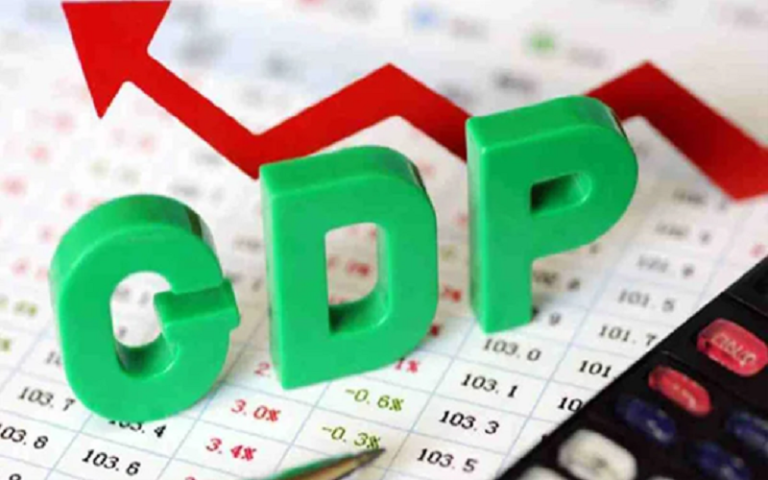
“The longest period studied to measure the volume of the underground economy in Iran is 40 years from 1974 to 2013. According to this study, the volume of the underground economy has increased from 7 percent of GDP in 1974 to 38.5 percent in 2013.

“Forecasts also indicate the continuation of the upward trend in the sixth program period (2016-2020). One of the reasons for the expansion of the underground economy is the institutional instability in the country. In an inefficient government plagued by widespread corruption, citizens’ trust in the government is severely diminished.” (Eghtesad Pouya, January 1, 2022)

Iran is the only country in the Middle East that is receiving charities

The result of the regime’s economic policies and corruption is that now after 42 years of the mullahs’ rule, Iran is the only country in the Middle East that is receiving charities from rich countries in many fields. And the country is now at the same level as the poorest countries in the world.

In this regard, Mohammad Reza Mahboobfar, an expert in the field of health, has inevitably made confessions that are shocking to any reader. He says the German government has pledged to give the coronavirus vaccine to poor countries, and that Iran is one of them.

“Iran, along with poor countries such as Ethiopia, Uganda, Afghanistan, Mozambique, Madagascar, Nigeria, Burkina Faso, Mali, Malawi, Chad, Zimbabwe, Guinea, and Rwanda, will receive the coronavirus vaccine from Germany. The vaccine will be donated, or at least part of it will be paid from the fund of COVAX International Vaccination Fund.” (Eghtesad Pouya, January 1, 2022)