Home Blog Page 254

While Iran’s Economy Continues Its Downward Spiral, President Raisi Remains Optimistic

On a recent trip to Qom province, the Iranian regime’s president Ebrahim Raisi claimed that the decisions made by his government have led to a decrease in Iran’s inflation rates. However, not even the regime’s officials and Iran’s state media are falling for his lies as they refute and mock the claims.

Former Iranian MP, Mohammad Reza Kabaz stated, “One of the problems with the system is that our officials don’t claim responsibility for their statements.”

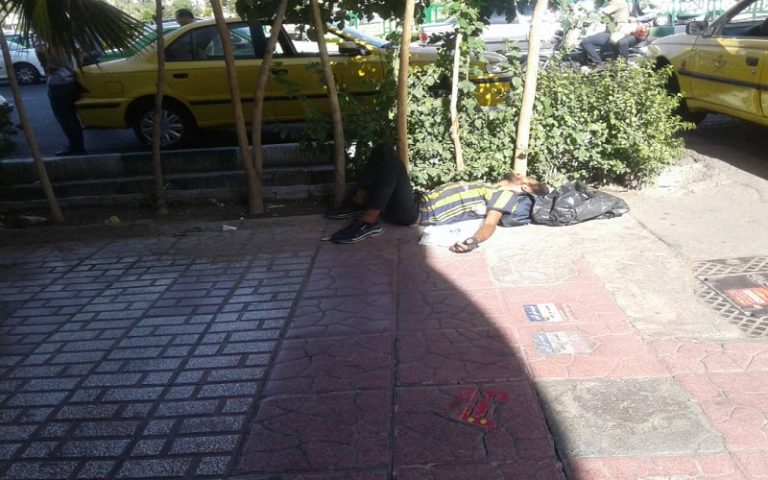
In reflection of Raisi’s first hundred days as the regime’s president, the state-run Eghtesad-e Puya media outlet noted that the economic situation in Iran ‘has worsened to the point that people are sleeping in buses because they can’t pay the rent’.

The Hamdeli newspaper reported on the declining economic situation, stating that Iran’s inflation rate has already exceeded 45 percent. With the minimum expenditures of Iranian families reaching 115 million rials, the salaries of workers only equate to between a third and half the costs of living, leaving many families forced to live below the poverty line.

In a quote from the Kar Va Kargar website regarding the recently announced 2022-2023 government budget, it stated, “The budget for next year will result in more poverty for the people.”

At the same time, the Emrooz website predicted that Raisi’s administration will likely raise more taxes to try to cover up further budget deficits.

The Mardom Salari newspaper wrote that even though Raisi has reportedly promised that he will bring Iran’s inflation rates down to a single digit, experts have warned that because the ‘economic meltdown’ is so severe, “the continued trend is indicating that the government is reaching the end of its honeymoon.”

On the other hand, different experts and officials are warning about poverty, hunger, and the critical situation of life for millions of people across Iran.

Every day, the state media publish articles regarding the tragic living conditions of Iranians struggling to survive. The stories range from people living in buses to women having to sell their hair to make what little money they can to help support their families, and most common is the plight of workers across the country who are protesting for their most basic rights.

With the latter issue, the regime continues to refrain from addressing the demands of protesters, instead choosing to focus on its bid to repress unrest at all costs. As seen in this year’s budget bill, a large chunk of the budget has been allocated to the Islamic Revolutionary Guard Corps (IRGC), raising their budget by 240 percent. The IRGC has long been involved in assisting the regime in cracking down on dissent and unrest and this latest boost of financial support for them will only embolden them to continue fighting against the Iranian people on behalf of the mullahs.

The situation is so severe within the regime itself that members of the Majlis (parliament) have admitted that the regime is ‘facing serious challenges and have warned Raisi that the conditions of livelihoods within Iranian society ‘are turning into a serious problem’.

As has been in the past decades, the regime’s response has not been to address the people’s needs but to suppress them with violence. But suppression and violence are proving to be more and more futile against an outraged society that has nothing to lose but poverty and tyranny.

Charity Institutions, a Means for State-Backed Plundering in Iran

0

With a precise glance at the function of state-backed charity institutions in Iran, everyone realizes that these institutions are merely a means for plundering the underprivileged. In other words, the government lines its pockets with poor people’s money when it can no longer find “legal” excuses.

Notably, these institutions are run by current or former officials, who have longstanding records in plundering and oppressive apparatuses and exploit their title to exempt taxes. Indeed, they have shaped a complicated mafia through their influence and power, untransparent plans, and recruiting low-cost human resources under the banner of charity.

Skyrocketing Growth in Charity Institutions

As a routine, Islamic Republic officials justify plundering methods via religious explanations. Then, state-aligned individuals begin their “invasion” to enjoy windfall opportunities at the expense of low-income classes.

In this respect, statistics show that charity institutions exploit the workforce covertly and take huge advantages. These institutions in actual perform such as a private company—of course with unlimited facilities and permissions.

They falsely claim that our business is to service impoverished people. Indeed, they shed crocodile tears for those whose poverty and misery directly result from these institutions’ plundering performance. Nevertheless, these charities are not the sole liars within the theocracy in Iran.

In June 2018, the Young Journalists Club affiliated with the Islamic Revolutionary Guard Corps (IRGC) reported that these institutions are more than 8,200. “Currently, more than 8,200 charity institutions have received permissions and licenses from the country’s Social Welfare Organization Behzisti and are working,” said Mohammad Ali Kuzehgar, the public participation and empowerment deputy at the Behzisti.

This is while that the number of these “charity institutions” is on the rise due to uncountable privileges and tax exemptions. There is no genuine estimation of the number of active, semiactive, and inactive units in this respect. However, it has undeniably surpassed 10,000 during the past three years.

Charity Institutions Enjoy Tax Exemption

Undoubtedly, these institutions have not been exempted from taxes due to their services or charity, but they enjoy their influence and lobby within government officials the other way round.

“All of these charity institutions are exempted from taxes regardless of their function, balance sheet, the success rate in goals, activity era, and their method for charity,” reported the semiofficial ILNA news agency on December 25.

“This means that more than 10,000 institutions, mostly earn huge revenues through financial activities under the privilege of charity, pay no tax to the government.”

Charity Institutions’ Plundering Tricks and Powerful Lobbies

Furthermore, ILNA explains how these ‘charity institutions’ take advantage of plundering tricks and powerful lobbies. “For many years, these charity institutions attempt to demonize the labor law in public view. In particular, they describe the minimum wage as the main enemy of entrepreneurism and the boom production.”

In other words, the mafia of charity institutions reckons that the workers’ salaries should be set in an agreement with workers, which shapes the central part of their hostility with the labor law. Indeed, the mafia pursues this explanation to easily loot the salaries of low-income working families.

In this context, Hossein Habibi, a member of the managing board of the Supreme Labor Councils, shed light on these looting methods. “Some institutions, for instance, charity ones, sometimes recruit vulnerable workers and those who are exposed to risk and refuse to provide insurance services for them, profiting from religious beliefs,” he said.

“Using their powerful and constant lobbies in the Parliament [Majlis], they have forced representatives to sign the plan which refers the minimum wage in rural workplaces to agreements between employers and employees.”

Hungry Society, an Opportunity for Further Plundering

Hungry society endures any hardship to make ends meet, mainly when the ayatollahs promote poverty and misery instead of welfare and prosperity. In this respect, rural areas and slums are considered the best places for the government-backed mafia to profit.

“‘Target community’ for several profiteering institutions is mainly villages and slums, where are the geographic areas of vulnerable strata. The same strata, which these institutions have been made up to aid these people. However, not only do not these people benefit from the institutions but also these ‘charities are easily exploiting these people,’” Habibi explained.

High Levels of Unemployment and Low Production Rates Neglected in Iran’s 2022–2023 Budget

With the Iranian economy practically decimated, Iran’s major woes, as a result, are the low production rates, and high unemployment levels. With the country’s 2022-2023 budget announced last month, it appears that this has completed neglected both factors.

The Iranian regime’s president Ebrahim Raisi announced his government’s budget for the Persian year of 1401 (which begins in March 2022) and claimed that it would result in 8 percent of economic growth. On the other hand, regime experts have acknowledged that his budget will only increase the poverty that Iranians are already suffering from.

Last month, the state-run Setar-e Sobh daily wrote that the Ministry of Cooperatives, Labour and Social Welfare had suggested back in 2019 that the number of Iranians living below the poverty line would be at 30 million by 2021.

For the regime’s 2022-2023 budget, the resources include: Iran’s oil export (1.2 BPD); an increase in taxes; the sale of government securities and bonds; a reduction in salaries in accordance with the rising inflation rate; and the limited revenue received from petrochemical and steel exports.

Selling oil, especially 1.2 BPD, is impossible due to the international sanctions and the damaged infrastructures of Iran’s oil sector. Even selling oil at $60 per barrel would not cover the regime’s expenses entirely. It is worth noting that the oil market has had a significant decline and fluctuated due to the Covid-19 pandemic.

According to Iran’s state media, the balanced budget is 15,052 trillion rials, which equates to 50.2 billion dollars at the free-market exchange rate of 300,000 rials to every dollar.

As expected, the largest share of the budget has been allocated to the regime’s military affiliations, including the Army and the Islamic Revolutionary Guard Corps (IRGC), the latter of whom have a prominent control over Iran’s economy. Several institutions controlled by the regime’s Supreme Leader Ali Khamenei are set to receive a great share of budget funds also.

Alongside the resources mentioned in the budget bill, the sources of money that the regime has not been so forthcoming about include: the printing of banknotes; service revenues; the extraction of cryptocurrencies; and the income from the capital market.

What is evident from the new budget bill is that the regime has no desire to increase production within Iran, and this includes the increase of agricultural, livestock, and industrial production rates.

It is worth noting that the country’s liquidity will increase by banknote printing. The inflation rate will soar since the regime refuses to increase production and employment.

This situation is what has led the regime to find itself at the bottom of the table in the global statistics of entrepreneurship, ranking 41st out of 45 countries in the 2020 report of the Global Entrepreneurship Watch (GEM) consortium.

Notably excluded from the budget bill are the Iranian people and their demands, given the dire socio-economic issues they are facing daily.

The state-run ILNA News Agency wrote on December 13, 2021, that, “The least attention has been paid to the welfare of the family in the country’s budget.”

They suggested that during 2022, we will witness the gap within society widening further, along with an increase in ‘relative poverty and absolute poverty’.

In a nutshell, the Iranian regime has dug deeper in people’s pockets by increasing taxes, banknote printing, inflation, and hiking prices of basic goods and essential foodstuffs.

Iran’s Government-Run Pesticides Mafia Harms the People

The Iranian regime is intensely busy hurting the people in any way. Last month for the first time the news appeared on social media that Russia did not accept the imported Paprika from Iran and sent the cargo back.

Shortly after that news spread that Iraq and Uzbekistan sent back Iran’s potatoes too. Some of the regime’s media tried to whitewash this scandal and as usual, said that there are hidden hands behind this news and are trying to harm the relation between Iran and Russia.

But not a long time has passed after the regime’s claim, news spread again, that the decision of all these countries was due to the regime’s use of non-standard pesticides.

Finally, state-run news agency ISNA wrote: “This bitter news has saddened the agricultural sector and the people. Russia has returned the paprikas, and the Iranian tomatoes and eggplants have suffered a similar fate. Iraq and Uzbekistan recently returned Iranian potatoes. India has also returned to Iranian kiwi.” (State-run news agency ISNA, December 28, 2021)

And about the negligence of the regime’s ministries, it added: “The Ministry of Industry, Mine and Trade and the Ministry of Agriculture must find a solution.

“What are these two ministries doing? Why is there no monitoring of technical raw materials of imported pesticides? Why are the pesticides and fertilizer mafia allowed to play with our expensive agricultural products like this?” (State-run news agency ISNA, December 28, 2021)

And about the regime’s crime in poisoning the people this news agency wrote: “It is not acceptable that agricultural products that have been returned from the destinations countries because being recognized as non-standard to be distributed and consumed domestically.

“Consider the horrible statistics of diseases caused by these foods. Cancers, gastrointestinal diseases, and dozens of other diseases, and on the other hand, the consumption of medicines and the costs of treatment, etc., are a burden that the pesticides and fertilizer mafia have added on other destructive costs of people’s lives.” (State-run news agency ISNA, December 28, 2021)

The disaster is so serious that the regime was not able to hide it, and the disputes about this issue were drawn into the regime’s parliament sessions.

Alireza Pak Fetrat, MP, on December 29 said: “My reminder to the Ministry of Jihad for Agriculture and the Ministry of Health, is why should we hear from neighboring countries that our food products are non-standard? Why should 9 neighboring countries return our agricultural products because they are non-standard?”

And Mohsen Alizadeh, MP, uncovered the government-controlled mafia behind this crime and said: “We learned that in the past few days, some of our products that were exported to neighboring countries have been returned. In this regard, we were informed that, unfortunately, there is a large mafia in the country that works only to import toxins and does not care about the health of society.

“There are managers in the Plant Protection Organization a subdirectory of Ministry of Jihad for Agriculture who are taking special bonuses. They are creating rent-seeking.”

This was so scandalous for the regime that the parliament speaker muted his microphone and warned him not to continue.

And the state-run daily Jahan-e Sanat while quoting an environmental activist, exposed the dirty hands of the regime’s mafia behind this crime and wrote:

“The amount of lead in onions grown in the south of Tehran is more than 8 times the world standard, and they practically announced that we could not announce these statistics, and at that time I published some of that material and I was warned about why I have published confidential statistics. While the main question is why contaminated food is given to people.

“Statistics released by the Ministry of Health clearly show that the costs and consumption of medicine in Iran are increasing.” (State-run daily Jahan-e Sanat, December 30, 2021)

Iran’s Shaky Chair in Nuclear Negotiations

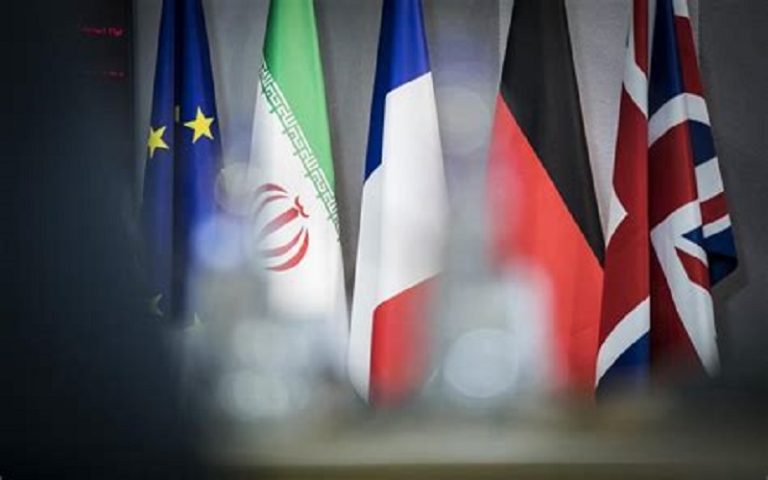
Iran’s nuclear case is entering a very dangerous phase. The conflicts between this regime and the US government are intensifying and are increasing this concern that the revival of the JCPOA is becoming impossible.

Enrique Mora the representative of the EU in the negotiations said previously that they are speaking about weeks and not months to reach an agreement with the regime, and analyzers interpreted this period as the left chance until the 2015 JCPOA lose its meaning and purpose.

After a call between the US Secretary of State Antony Blinken and his European counterparts of France, Germany, and the UK, the Secretary’s spokesperson Ned Price stated:

“The Secretary and his counterparts also discussed their shared concerns about the pace of developments in Iran’s nuclear program as time runs short for Tehran to return to the JCPOA.” (Office of the Spokesperson, December 29, 2021)

This indicates clearly that the regime has entered the crisis phase and extending the negotiation time is becoming impossible for them.

On the other side, every desk is prepared for any negotiation both sides of the desk are obligated to put their concessions on the desk and play with their cards, to reach any agreement. And, that one who is not able to make a deal has the lower hand in the negotiation and is in a deadlock.

And the envoys of the countries participating in these erosive negotiations, as much as they should be in love with the appeasement policy with this regime, are not sitting behind the desk with the regime’s envoy to blindly accept the demands of this regime.

“Of course, the last couple rounds also started with new nuclear provocations and then were characterized by, in some cases, vague, unrealistic, unconstructive positions on the part of Iran.

“Iran has, at best, been dragging its feet in the talks while accelerating its nuclear escalations. We’ve been very clear that that won’t work. Iran needs to exercise restraint in its nuclear program and add real urgency in Vienna.” (Ned Price, US Department of State briefing, December 28, 2021)

Even the regime’s temporary allies know that this path taken by the regime is very dangerous and by supporting the regime they will not survive the dangers of this path. Therefore, all of them are agree on it that the regime should not be allowed to get access to a nuclear bomb, and this must be prevented.

“All the while, however, we have made the point that we are not sitting on our hands. We are actively engaging with our allies and partners, both in the P5+1 context, but also beyond that to include our regional partners on alternatives. And we are very ready and willing to pursue those alternatives if Iran demonstrates that it is not sincere and steadfast in negotiating a potential return to compliance with the JCPOA.” (Ned Price, US Department of State briefing, December 28, 2021)

The regime is really on the horns of a dilemma. It must choose between continuing with full speed its nuclear games to reach the atom bomb or to accept the demands of the negotiating countries, sit back and accept its collapse while facing intensifying protests.

The situation is so critical for the regime that it fears giving suppressive orders while the number of daily protests is increasing, which will finally result in a nationwide protest like in November 2019. And nearing this horizon many of the regime elements and officials are begging the head of their regime to accept the negotiations, and retreat from its maximalist demands.

“Such a situation is like a time bomb planted under the skin of our society. Underestimate this potential danger and the day this time bomb explodes, there will be nothing left of the (regime).” (Stater-run daily Jahan-e Sanat, February 28, 2021)

Iranians With No Shelter Forced To Sleep on Buses During Winter

0

The ever-increasing levels of poverty in Iran are leaving the country’s citizens must resort to extreme measures to survive. This ranges from people collecting trash to make what little money they can to support their families, to families renting rooftops and people resorting to sleeping in public transportation buses (BRT).

The state-run Tejarat news wrote on December 29 that, “Sleeping on BRTs is their only choice, and a seat on the bus is their cheap castle in the capital. But this cheap house costs them between 3.5 to 7.5 million rials (20-30 USD) per month. They are employed, but their menial jobs prevent them from renting a room.”

They stated that as we are currently during winter, the temperature in Tehran at night barely exceeds three degrees Celsius. In a bid to keep warm, people from all walks of life head to Tehran’s bus station to take refuge every night on the buses, paying between 15,000 to 24,000 rials (7-10 USD) for the shelter. However, they are forced to change buses every 45 minutes. One driver explained that his boss has threatened to fire him if any passengers remain on the bus at the end of the line.

This dire situation, coupled with the Covid-19 pandemic, high housing prices, worsened by the regime’s ineptitude, mismanagement, and corruption, has resulted in the emergence of various social tragedies in recent years.

Iranian sociologist, Mohammad Reza Mahboubfar spoke to the Etemadonline website last year, stating that many women, who are heads of households, do not have appropriate housing and are forced to live in shantytowns in tents, or even in underground holes.

He said, “Previously, the number of slum-dwellers was said to be around 25 million, but today it has risen to 38 million. We can surely say that slum dwellers in Tehran have increased by 60%.”

Reports from last year also indicated that many people cannot afford to rent a house or even a room, so resort to renting rooftops just so they have somewhere to sleep. The current poverty line in Iran sits at around 120 million rials, so many Iranians have fallen under this line due to extremely low salaries. Iranian teachers earn around 60 million rials, while ordinary workers are lucky to receive 25 million rials, and with the skyrocketing prices of food and housing, they are struggling to survive.

Poverty is not a crime. But the ones causing it are certainly criminals. The criminal mullahs’ regime should be blamed for the extreme poverty, like any other problems in the country.

Iran’s wealth from their oil and gas resources and reserves has been squandered greatly by the regime, who have used it to fund their terrorist proxy groups and support their nuclear program, instead of being used to help the country’s citizens. The extent of poverty in Iran has even left some people forced to sell their body parts just to make money to keep their families afloat.

In his recently announced 2022-2023 budget plan, the regime’s president Ebrahim Raisi has ignored the millions of Iranians who are desperate for help and has instead increased the budget of the regime’s terrorist organizations, such as the Revolutionary Guards (IRGC). The IRGC’s budget has increased by 58% whereas salary increases for ordinary Iranians have only been boosted by 10%, which keeps them way below the poverty line.

Even if one were to assume that those sanctions are the real cause of Iran’s economic woes, the regime could immediately end them by stopping its malign activities such as terrorism and human rights violations. But it is either willing or capable of doing so because the survival of Iran’s ruling theocracy depends on them.

Iran: The Poor Outraged at the Wealth of Ruling Elite

The war of the rich with poor is the title of an article published by the state-daily Etemad on December 27, 2021, which is confessing about the deep class gap in Iran society and warned the regime’s officials that, “this will operate as a very dangerous poison.”

About the unbridled poverty and “dimension of the gap between the rich and the poor” in the mullahs’ regime it added:

“Unfortunately, in our society, the gap between the poor and the upper class is widening day by day, and if someone claims that we are moving towards a completely bipolar society with incredible speed, this claim cannot be reasonably and documented rejected. The middle class is being divided between the rich and the poor with a completely unequal ratio.

“In other words, the travel of the middle class to the queue of the lower class is much than those who become rich by rent-seeking and corruption. The middle class which is responsible for the progression, stability, consciousness, and calmness of the society is getting less populous day by day.”

The truth is that according to the regime’s officials more than 40 million Iranians need immediate help. They are warning each other that poor people contrary to the middle class are in sheer silence, but their cry will be heard on the street suddenly and it will be very loud.

It seems that now the regime’s officials are understanding and feeling the numbers of inflation, liquidity, poverty line, million people living in the margins, budget deficit, and the money needed for investment.

But this is too late for a regime with a case of forty-year of destruction. The only solution for any real change in Iran is the overthrow of this regime. No hope is left for the people. The state-run daily Aftab-e Yazd in an article entitled, “Iranians the saddest people of the world”, pointed to the situation of the people under the grimy reign of this regime and wrote:

“Our society has lost its joy. The mental state of the people and the sadness of the people are evident in the normal events of life.

“According to a 2015 survey, Iran was ranked 105th out of 115 countries surveyed for happiness factors.

About seven years have passed since this research, and without any doubt, due to the increasing economic and psychological pressures in recent years, Iran is close to the end of the table, and now the Iranian people are among the saddest people in the world. An important part of the fact that Iranians today have become sad people is rooted in the problems they face daily.

“The tolerance threshold of the people has dropped sharply, and they will lose their patience with the slightest provocation. Undoubtedly, a person who is not spiritually secure easily has the opportunity to become destructive.”

The misery of the regime and the deadlock of the regime’s supreme leader Ali Khamenei and his president Ebrahim Raisi can be seen in this short paragraph. In which the state-run daily Etemad is begging them to accept the nuclear negotiations as a solution to pull out the regime from this misery.

“It is hoped that with this new understanding, they will look at the Vienna talks and, in this way, they provide the possibility of immediate assistance to the deprived and prevent that the wealth and palaces of the rich ignite the anger of the poor. Our society needs real peace, and any unrest will act as a deadly poison.”

All the wealth in the country is in the hand of the regime’s elements and officials and the anger of the people is pointed at them.

Iran’s Narcotic Forces Open Fire and Kill Civilians in South-Eastern Iran

On December 25, reports from Rasanak, a regional human rights news agency in Iran, stated that two men in Sistan and Baluchistan province were shot and killed by the Iranian regime’s narcotic forces.

One of the men was identified as a fuel carrier, Mahmoud Brahui who died in hospital on Sunday due to the severity of his injuries. His car was targeted and fired at by the narcotic forces on the suspicion that he was transporting drugs. Reports indicated that they found his car to be empty, but the agents then fired at him without warning.

The terms ‘fuel carrier’ and ‘border porter’ are an unfortunate consequence of 42 years of corruption and mismanagement under the Iranian regime which has resulted in a significant lack of job opportunities, especially for Iranians in north-western and south-eastern Iran.

The other man killed by the narcotic forces was identified as 26-year-old father Hamid Siahani. Yet again, his car was fired at under the suspicion that he was carrying drugs and trafficking smuggled goods. Only after he had been murdered did the forces find that the car contained no smuggled goods or drugs.

The Iranian regime’s security forces and police have a history of shooting and killing civilians. There are almost daily reports of police and border guards opening fire on Kurd border porters in western Iran and civilians carrying fuel in south-eastern Iran.

On December 24, a Baluch child was killed in the city of Saravan, also in the Sistan and Baluchistan Province. Osman Bameri was riding his motorcycle transferring fuel when he was shot and killed by officers from the Islamic Revolutionary Guard Corps (IRGC), who are closely affiliated with the Iranian regime and hold a large portion of control over local economic and military operations.

An annual report by a human rights group said that at least 204 Iranian citizens were directly or indirectly killed or wounded by Iran’s state security forces in 2020. According to the report, at least 74 citizens were killed, including 36 kolbars, five fuel carriers, and 33 other citizens. The 2020 arbitrary shootings injured at least 130 people.

A Baluch prisoner was killed under torture on June 26 in a detention center in Suran, southeastern Iran, the Baloch Campaign website reported. The man was identified as Masoud Kahanki Gongi

Over the past year, the Iranian regime killed many of Iran’s Baluch citizens by unlawful excuses. On June 15, 2021, according to news reported by people of the Sistan and Baluchestan province two fuel carriers were killed by the IRGC in Mirjaveh county. The two men were identified as Saeed Shahouzehi and Naeem.

On May 25 the regime executed six Baluch men in Birjand prison on drug charges. Only one of them was identified. His name is Javad Nakhaei. The regime did not report the execution.

On April 16, 2021, a Baluch fuel carrier identified as Fazl Sabzel, who was caught at the zero-point border of Iran’s Sistan and Baluchestan and Pakistan among many others, died because of hunger and thirst. This is a criminal plan implemented by the regime’s IRGC forces to kill Baluch people.

On February 24, 2021, two Baluch citizens while protesting were shot and killed by the IRGC in Qaleh Bid Base of Zahedan. One of them was only 13 years old. They were identified as Hassan Mohammadzehi, 13, and Mohammad Saleh Motaghedi.

On February 15, 2021, a young Baluch citizen was killed by the IRGC. He was identified as Mohammad Sanjarzehi. He was carrying a 60L gas can when the regime’s security force shot at his car without warning.

On February 2, 2021, a Baluch citizen was killed by the IRGC forces riding a motorcycle in Saravan. He was identified as Naser Fazeli. On the same day in another incident in Minab, the regime another one carried fuel.

On January 30, 2021, the regime hanged Javid Dehghan, 31 in Zahedan Prison. The execution was done despite the plea of the UN to halt his execution.

Baluch prisoner Hassan Dehvari, 28, was executed along with 21-year-old Elias Qalandarzehi, and Omid Mahmoudzehi on January 3, 2021, in the city of Zahedan, Sistan and Baluchestan province, southeast Iran.

Slow Death of Iran’s Gorgan Bay, a Prediction That Realized

0

Iran’s Gorgan Bay is the largest bay in the Caspian Sea, which was formed because of the advance of the Miankaleh Peninsula in the southeast of the Caspian Sea.

Not only this subcontinent but also the surrounding areas, including the Miankaleh Peninsula and the Gomishan International Wetland, are valuable ecological complexes.

Drought and water management change, changes in wetland land use and improper exploitation, entry of industrial, agricultural, and urban pollutants, destruction due to increasing population pressure on the wetland, implementation of development projects in the west and northwest of the wetland, sedimentation, and others natural and human factors have devastating effects on this ecosystem, but the declining water level of the Caspian Sea in recent years is the most important threat to Gorgan Bay, which has affected many other challenges.

The environmental reaction of the largest lake on Earth to climatic factors during the last seventy years has been such that the decrease in the water level of the Caspian Sea has caused the drying of a large area of ​​the coastal lagoon of Gorgan Bay.

In recent years, due to the increasing drought along with the reduction of water entering the Gulf of Gorgan, a large percentage of the bay has dried up and is extinct.

According to the data of Iran’s National Mapping Organization, more than 27 percent of the 400 square kilometers of Gorgan International Bay has dried up in recent years, and the lack of the regime government attention to it has intensified the possibility of the increase of this area.

Experts warn that with the disappearance of the water exchange between the Gulf of Gorgan and the Caspian Sea will stop in the next decade and no trace of this water zone will remain except a desert.

For many years, a large volume of agricultural and even domestic wastewater from urban or rural population centers around the Gulf of Gorgan is running into the Gulf of Gorgan, reducing the water quality of Gorgan Bay and it has caused the accumulation of toxins from agricultural activities on the coast.

At present, the water level of the Chapaghli canal, as the only connecting route between Gorgan Bay and the Caspian Sea, is only a few centimeters, and not even a rowing boat can cross it, which is unprecedented.

Ignoring this issue threatens the lives of millions of residents of Gorgan Bay in Golestan and Mazandaran.

In a few decades ago, Gorgan Bay, in addition to benefiting from the water supply of the rivers leading to it, exchanged water with the Caspian Sea through three canals, Khazini, Ashuradeh, and Chapaghli, and thousands of cubic meters of Caspian water entered Gorgan Bay through these three canals.

The accumulation of mud in the Khazini and Chapaghli canals as the water connection of Gorgan Bay and the Caspian Sea and the neglect of the regime to solve this problem has reduced the water level of Gorgan Bay and has gradually drought out this area.

In addition, climate change and the construction of water structures in the upstream areas of the rivers caused the inflow of water to the Gorgan Bay from the rivers to reach its lowest level in decades.

Around the 90th, the Khazini Canal and this year the Ashuradeh Canal (Ara Kanal) dried up completely, and except for a few centimeters of water from temporary lagoons, there is no water exchange from the Caspian to the Gulf of Gorgan through this route.

Gorgan Bay, which in previous centuries, with its abundant water, provided the ground for the creation of ports such as Gaz and Turkaman and increased the prosperity of these areas, has been suffering from drought for several years and there is nothing left from all that glory, and it struggles with a slow death.

Gorgan Bay with its economic and ecological function is important in aquatic reproduction and the attraction of migratory birds and preserving the life cycle of the Caspian Sea and has a direct and important role in the livelihood of local communities.

Gorgan Bay is also one of the largest reservoirs of freshwater connected to the Caspian Sea and the survival of many living things in the largest lake on earth depends on its connection with this bay.

Change in Iran Is Inevitable As Unrest Continues To Grow

Back in July, a three-day conference was held by the National Council of Resistance of Iran (NCRI) to discuss the future of Iran and the prospects of a change of government. In the wake of the presidential election boycott the month before, these prospects already appeared to be substantial.

Bruce McColm, the Director for Institute for Democratic Strategies said, “Before the pandemic, Iran was experiencing a virtually unprecedented growth in that unrest, with one nationwide uprising encompassing more than 100 localities in January 2018 and another being nearly twice as large in November 2019.”

In both of those uprisings, protests chanted slogans such as ‘death to the dictator’, emphasizing the public’s want for regime change. This message has since featured in many smaller-scale demonstrations and was firmly behind the boycotts of both the parliamentary and presidential elections.

The Iranian regime’s opposition, the People’s Mojahedin Organization of Iran (PMOI/MEK) had a great influence over those boycotts, as it had done during the major uprisings in the past few years. The regime’s Supreme Leader Ali Khamenei acknowledged back in 2018 that the MEK had ‘planned for months’ to lead protests across Iran and popularize anti-government slogans.

In the subsequent uprising that year, Khamenei and regime officials violently suppressed the movement, but later warned about the potential of the MEK leading further protests to expand ‘its social profile’. These warnings have persisted through new recent waves of protests.

McColm said, “While many of those protests have been focused on specific grievances such as poverty-level government wages, poor resource management, water shortages, and blackouts, many of them have still featured the demands for regime change that defined the uprisings in 2018 and 2019.”

These demands have been reiterated by the Resistance Units during their public displays, including burning public images of the regime’s Supreme Leader and risking arrest from regime authorities by displaying photos of the NCRI’s president-elect, Maryam Rajavi.

Spurring these activities is the growing sense that the only way that the problems that Iranian citizens are currently facing can only be resolved with the overthrow of the Iranian regime. Maryam Rajavi highlighted this during the conference in July, stating that it would be a driving force behind the increase of ‘hostility and enmity between the Iranian regime and society’.

It appears that both the regime and the Resistance groups agree that with the unrest in society, the regime is in a vulnerable position. However, while the regime is working to conceal this fact, the Resistance groups are working towards exploiting this fact.

McColm said, “The outcome of this competition may very soon be determined by whether Iran’s foreign adversaries are also able to recognize the same vulnerability, and whether they choose to facilitate Tehran’s concealment or to join the NCRI in adding to pressure on the regime.”

By installing Ebrahim Raisi as the regime’s new president earlier this year, the regime has shown clearly just how threatened they are by the growth of unrest in Iran over the past few years. Raisi is known for his legacy of awful human rights abuses, including his involvement in the massacre of 30,000 political prisoners in Iran in 1988, and his part in overseeing the crackdown of the 2019 uprising during his role as the head of the judiciary.

The question now remains whether the international community will continue to turn a blind eye to his crimes against humanity, instead of holding him accountable for his actions, or whether they will decide to put more pressure on the regime.

McColm said, “Only by adopting the latter option will Western powers be fulfilling their solemn duty to safeguard human rights for vulnerable groups throughout the world. But what is just as important is the fact that this strategy will challenge Tehran’s longstanding impunity and thus make it less likely that the regime will expand its nuclear activities, it is the financing of international terrorism or any of its other malign activities.”