Home Blog Page 86

The Continuation Of The “No To Executions Tuesdays” Campaign In Its Seventy-Fifth Week Across 47 Prisons In Iran

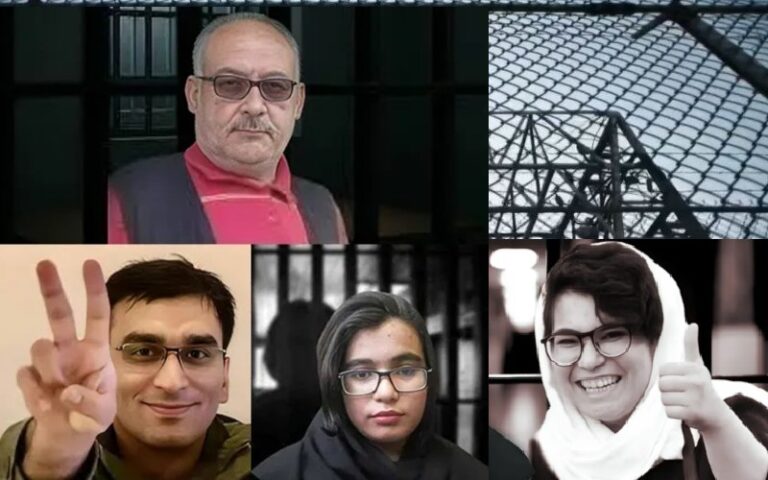
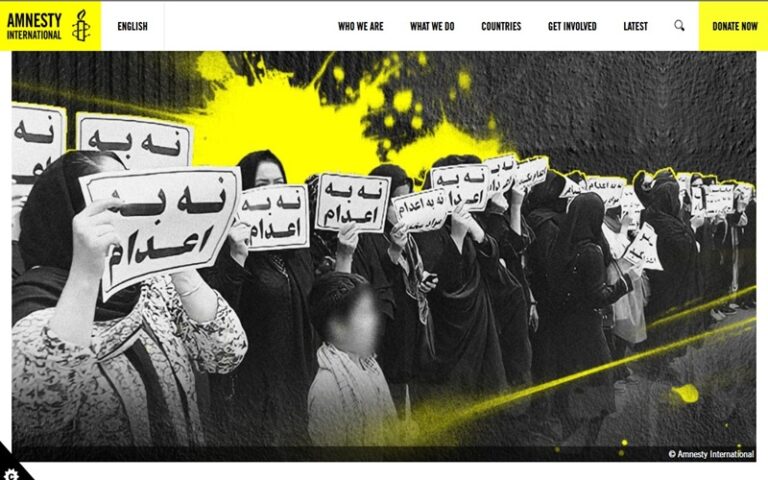
In the seventy-fifth week of the “No to Executions Tuesdays” campaign, political prisoners in 47 prisons across Iran once again raised their voices against the escalating executions and systematic repression by going on hunger strike. In a statement, they warned about the wave of recent executions and arrests, referred to the execution of three Kurdish kolbars (border couriers), the denial of fair trials to detainees, and the transfer of prisoners from Evin Prison to Qarchak and Greater Tehran Prison. The full text of the statement follows:

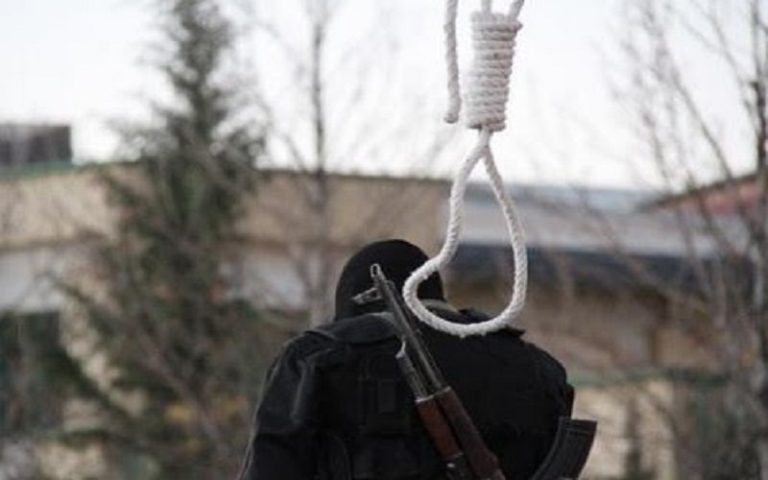
The corrupt and repressive regime continues its arbitrary executions and systematic suppression in response to public uprisings and protests. Between June 22 and June 26 alone, at least 17 prisoners — including one woman — were executed. Since March 21, 2025 (the beginning of the Iranian new year), at least 424 people have been hanged. Last week alone, 18 prisoners were executed — a horrifying figure unprecedented in recent years.

Iran’s Regime Lays Groundwork for Expanded Executions

The recent legislation passed by the Iranian regime’s Majlis (parliament) to intensify repression and increase executions — particularly targeting dissidents and political prisoners — alongside the growing pace of executions, points to an explosive society and a repressive, illegitimate regime that sacrifices its citizens’ “right to life” to preserve its own survival.

Last Wednesday, the Iranian regime executed three Kurdish kolbars — Azad Shojaei, Edris Ali, and Rasoul Ahmad Mohammad — on espionage charges in a non-transparent and unjust process.

In recent weeks, a widespread wave of arrests has taken place in various cities across Iran under false political and security pretenses, raising serious concerns about the fate of the detainees. There are fears that many of them may face heavy charges and be denied their right to a fair trial.

Under these circumstances, the lives of political prisoners sentenced to death are in greater danger than ever. We, the members of this campaign, along with the people of Iran, demand the abolition of the death penalty and the release of all political and ideological prisoners.

The “No to Executions Tuesdays” campaign calls on the international community, human rights organizations, and all awakened consciences to be the voice of prisoners sentenced to death. Let it not be forgotten that the tyrannical regime not only failed to protect prisoners during times of war and bombing, but now, after the crisis has passed, seeks revenge on the people and the prisoners. We also urge the families of the detainees—especially those whose loved ones have recently been arrested—not to remain silent. Publish their names and demand their unconditional release.

It is worth noting that, with the closure of Evin Prison and the transfer of its inmates to Greater Tehran and Qarchak prisons, Qarchak will now be listed as the substitute for Evin among the hunger-striking prisons in this campaign.

On Tuesday, July 1, political prisoners of the “No to Executions Tuesdays” campaign will continue their hunger strike across 47 prisons in the seventy-fifth week.

The Return of Power Outages in Iran Amid Intense Summer Heat

Iran’s national electricity distribution company has released a new schedule of rolling blackouts across various provinces, signaling the return of power outages following the 12-day war between Iran’s regime and Israel.

The schedule comes after a 12-day period of uninterrupted power supply during the attacks. Now, in an effort to compensate for a nationwide capacity shortage, the Ministry of Energy has reinstated its model of region-based and scheduled blackouts.

What makes this decision more significant are recent remarks by Mohammad Allahdad, Deputy for Transmission and Foreign Trade at Tavanir (Iran Power Generation, Transmission and Distribution Company). Explaining the impact of the war on the national grid, Allahdad stated that electricity consumption dropped sharply during the internet shutdown that occurred over this period.

According to him, at least 2,400 megawatts of load were shed from the national grid during the days of conflict. This drop was primarily due to the shutdown of more than 900,000 cryptocurrency mining machines across the country, which were forced offline because of their dependence on internet connectivity.

Allahdad emphasized that the 2,400-megawatt reduction accounts for roughly 15% of the country’s electricity shortfall—indicating that cryptocurrency mining contributes significantly to the pressure on Iran’s energy infrastructure.

The Hidden Shadow of Crypto Miners on the Power Grid

At the same time, domestic reports indicate that some crypto miners continued operations even during the internet shutdown by connecting to satellite networks such as Starlink.

A statistical comparison of electricity consumption during the internet blackout and after its restoration allows for the identification of regions with unusually high energy usage caused by mining machines. These data could provide a geographic map of mining concentration across the country.

Another strong indicator of Iran’s growing role in the global cryptocurrency mining market is the recent sudden drop of more than 5% in the global Bitcoin hash rate during Iran’s internet blackout. Some analysts interpret this decline as evidence of Iran’s significant share in global Bitcoin production.

Iran’s estimated 5% share in the Bitcoin network translates to roughly 500 megawatts of power consumption, while the country’s current electricity deficit is estimated at around 20,000 megawatts. This discrepancy, especially when compared to the sharp 2,400-megawatt drop in power usage during the internet blackout, raises numerous questions about the real sources of energy consumption in the country.

Some analysts believe that the reduction in electricity use may be less about the halt of crypto mining and more about behavioral changes during wartime, including evacuations, temporary relocations to safer areas, and reduced household consumption. However, the lack of transparency in official reporting on the actual figures for electricity production, consumption, and loss in the national grid has left room for speculation and doubt.

Under these circumstances, the role of cryptocurrency mining in the ongoing power crisis has once again become a contentious issue—especially since in February 2025, the Ministry of Energy stated that miners accounted for more than 20% of the country’s electricity consumption. If accurate, this figure would suggest a widespread, networked presence of mining operations across the nation.

This claim also strengthens suspicions that the government is unable—or unwilling—to shut down or control these operations, due to their deep ties with military and intelligence institutions such as the Islamic Revolutionary Guard Corps (IRGC). Exposés on mining activity in places like dairy farms, factories, mosques, and even schools reveal that owners of these devices, confident in their legal immunity, have established a vast and protected nationwide network.

At the start of this year, Energy Minister Abbas Aliabadi acknowledged the rise in unauthorized mining and stated that such operations are secretly expanding.

Widespread Blackouts as Summer Peaks: Miners Profit, Citizens Suffer

Mohammad Allahdad, Deputy for Transmission and Foreign Trade at Tavanir, had earlier stated that cryptocurrency mining in Iran began in 2019. According to him, miners initially installed their machines openly in industrial facilities. However, following the authorities’ initial crackdown, violators began hiding the equipment among Iran’s 42 million household, commercial, and agricultural electricity users. Due to their small size, concealing these devices in various locations is easy and inexpensive.

Nonetheless, Allahdad admitted that over 50% of the active mining devices are still installed in industrial zones, which receive subsidized electricity intended for manufacturing and essential goods production.

Iran’s Meteorological Organization has warned that temperatures in Tehran will soon exceed 40°C, while many parts of the country are already approaching 50°C. In such conditions, power outages—especially given that residential water pumps rely on the national grid—will pose serious public health risks to citizens.

Many experts believe the persistence of this situation reflects the inability or unwillingness of responsible bodies to crack down on profiteers in the crypto mining sector. The vast and opaque network operating without licenses—and protected by quasi-governmental entities—feeds off subsidized electricity and constitutes a powerful shadow structure that benefits only a select few.


Worsening Conditions for Political Prisoners in Iran After Israeli Strike on Evin Prison

Concerns have escalated over the condition of political prisoners formerly held in Evin Prison after their transfer to Qarchak Varamin, Greater Tehran, and Ghezel Hesar prisons in Karaj. Reza Valizadeh, an Iranian-American journalist currently imprisoned, described the situation as “critical” in a phone call with his brother.

On Wednesday, June 18, the family of political prisoner Ali Younesi reported that he had been forcibly and abruptly transferred from Evin Prison to an undisclosed location. Younesi, born in March 2001, is a computer science student at Sharif University of Technology and the recipient of a gold medal at the 2018 International Olympiad on Astronomy and Astrophysics (IOAA) held in Beijing, China.

Eleven Days of Silence on Political Prisoners Abducted From Iran’s Evin Prison

In March 2020, he was arrested along with Amir Hossein Moradi, another elite student at Sharif University. A Revolutionary Court sentenced both of them to 16 years in prison on charges of “destruction and arson of public property, assembly and collusion against national security, and propaganda against the regime.” Both are supporters of the People’s Mojahedin Organization of Iran (PMOI/MEK).

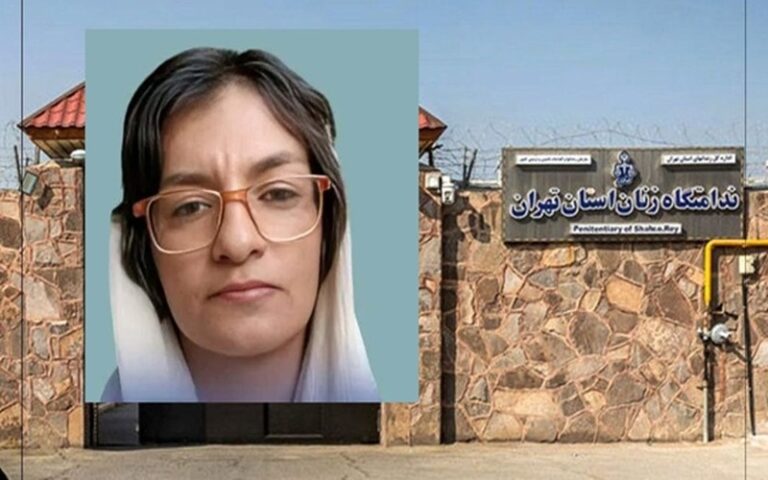
There has also been no news about political prisoner Arghavan Fallahi following her transfer from Evin to Qarchak Varamin prison. Arghavan, a supporter of the PMOI/MEK, has been imprisoned since the 2022 protests.

Mohammadreza Valizadeh, quoting his brother Reza Valizadeh—an Iranian-American journalist who was arrested after returning to Iran in early March following 15 years abroad—has expressed concern about the mass transfer of prisoners without adherence to basic standards such as separation based on charges, proper living conditions, access to essential services, and the right to contact family members.

Dire Conditions in Qarchak Women’s Prison: Inmates Endure Cold, Illness, and Deprivation

In his message, the journalist’s brother described the dire and deplorable conditions of political prisoners, including Reza himself, in Greater Tehran Prison. Quoting his brother, he said: “Prisoners were transferred under harsh conditions, shackled together with shared handcuffs and leg irons from Evin Prison to Greater Tehran Prison, and the living quarters they have been placed in—previously used for housing methadone-addicted inmates—are extremely unsanitary and contaminated.”

Two areas of Evin Prison were reportedly targeted by Israeli military strikes on Monday, June 23.

Following the release of initial reports on the deteriorating conditions of prisoners, it was announced that they would be transferred to Qarchak Varamin, Greater Tehran, and Ghezel Hesar prisons.

HRANA, the news agency affiliated with the Human Rights Activists in Iran, also reported on the poor conditions of these prisoners and wrote: “Following the mass transfer of male political prisoners from Evin Prison, more than 70 individuals have been moved to quarantine unit 3 of Ghezel Hesar Prison in Karaj. These individuals are facing a severe shortage of basic necessities and restrictions on contact with their families.”

HRANA also reported on the condition of female political prisoners: “Many of these women were suddenly and forcibly transferred to Qarchak Varamin Prison. At first, they were held in a small and unsanitary quarantine area and later moved to a gymnasium lacking any facilities, including beds. After some time, the prisoners were returned to the quarantine ward, where they now remain in conditions that do not observe the principle of separating prisoners based on charges, nor even minimal living standards.”

The sanitary conditions in Qarchak and Greater Tehran prisons have been reported as extremely poor. Relatives of one of the transferred female prisoners told HRANA: “In the gymnasium and quarantine ward of this prison, there are only two toilets and one shower for dozens of prisoners. The quarantine area is very small and unhygienic, and during the hot summer weather, using the outdoor yard is practically impossible.”

Food quality and access to clean water in Qarchak and Greater Tehran prisons have also been described as critical. Female prisoners in Qarchak Varamin and a large number of transferred prisoners in Greater Tehran Prison have also been deprived of access to medical services.

Bloody Day for Tehran Stock Exchange After 12-Day War: Billions of Rials Exit Market

Tehran’s stock exchange opened with a sharp crash on the first day of trading following the 12-day war between Israel and Iran’s regime. More than 99% of listed stocks fell, triggering an unprecedented sell-off of 350 trillion rials (approximately $407 million).

By the end of trading on Saturday, June 28, the sell-off — or capital flight — in Iran’s stock market had exceeded 350 trillion rials (around $407 million).

The main index of the Tehran Stock Exchange dropped by 62,503 points — a 2.1% decline — closing at 2,922,101.

The equal-weight index also fell by 15,522 points, settling at 908,163.

Tehran’s stock market, long sensitive to political and security developments, appears to have entered a deeper phase of distrust and anxiety.

Iran’s stock market has repeatedly dropped in response to the regime’s foreign policy adventurism.

In past incidents such as the so-called “True Promise” military operations and the death of Ebrahim Raisi, the stock exchange organization reduced the daily trading limits to prevent major crashes.

In Iran’s stock market, the daily price limit restricts how much a stock can rise or fall in a single day. The standard limit is 5%.

99% of Market in the Red

The stock market reopened Saturday after a 9-day closure due to the war, and within the first 90 minutes, signs of severe crisis emerged as more than 99% of stocks traded in negative territory.

The main index fell nearly 1%, dropping to 2,957,000.

The equal-weight index dropped by 3,800 points and was on the verge of falling below the 920,000 mark.

During the first 90 minutes, total trades exceeded 20 trillion rials (about $23.25 million), with real investor outflows accounting for roughly 12 trillion rials (around $14 million).

The state-run newspaper EghtesadNews described the current state of the stock market as a “full-blown crisis” and wrote that Tehran’s exchange had endured one of its bitterest trading days.

The state-run daily EghtesadOnline also noted that the end of military clashes did not restore calm but instead deepened uncertainties, as market participants remained skeptical about the ceasefire and anticipated renewed conflict in their analysis.

The massive sell queues, absence of buyers, widespread cash outflows, and the overall red market are all signs that analysts describe as “the beginning of a psychological and structural crisis.”

Amid these developments, the Stock Exchange Organization’s market oversight director announced the activation of the Market Stabilization Fund, stating it has begun support purchases using available resources and that the process will continue.

He added that the activities of market makers and institutional investors are being closely monitored, though no structural changes are currently planned for the market.

Iranian Regime Officials Threaten to Cut Ties with IAEA at Funeral for IRGC Commanders

Iranian regime officials emphasized cutting ties with the International Atomic Energy Agency (IAEA) during the funeral of key figures behind Iran’s nuclear program and military commanders killed in Israeli attacks.

Gholamhossein Mohseni Ejei, the regime’s judiciary chief, said during the ceremony on Saturday, June 28: “Naturally, cooperation with the International Atomic Energy Agency must be suspended.”

He accused the agency of “collaborating with the enemy” and added that Iran’s regime cannot continue its relationship with the IAEA “as before” under the current circumstances.

Hamid-Reza Haji Babaee, deputy speaker of the regime’s Majlis (Parliament), also criticized Rafael Grossi, the IAEA Director General, over his stance on Iran’s nuclear file, stating: “We will no longer allow Grossi’s presence or the installation of agency cameras at nuclear facilities.”

Khamenei: U.S. Interference In Uranium Enrichment Issue Is Nonsense

He implicitly accused the agency of spying for Israel and added: “We saw our facility data in documents obtained from Israel.”

Following U.S. strikes on Iran’s regime nuclear facilities in Natanz, Fordow, and Isfahan, Iranian officials have intensified their rhetoric against the IAEA and Grossi personally.

On June 24, the IAEA Director General sent a letter to Abbas Araghchi, Iran’s regime foreign minister, requesting access to inspect the regime’s nuclear facilities.

U.S. President Donald Trump also stressed on June 27 that either the IAEA or the United States must be granted access to inspect Iran’s nuclear facilities.

Ali Nikzad, another deputy speaker of the regime’s Majlis, called Grossi a “liar” at the funeral and threatened: “He will certainly pay for what he has done.”

Ebrahim Azizi, head of the regime Majlis’s National Security Committee, stated: “Majlis has approved that until the security of nuclear centers is ensured and the right to enrichment is recognized, the government will refrain from cooperating with the IAEA.”

Mojtaba Zonnour, a member of the regime Majlis’s National Security Committee, also attacked the agency at the ceremony, saying that Grossi had “betrayed us and the NPT.”

MP Hamid Rasaee also declared that the agency’s director general and inspectors would no longer be allowed into Iran.

Saeed Jalili, a member of the Expediency Council, echoed the same stance, asserting: “The suspension of cooperation with the agency was necessary.”

In recent days, speculation has grown over the fate of Iran’s regime’s enriched uranium stockpiles following the U.S. attacks.

Olli Heinonen, former deputy director general of the IAEA, warned in an interview that unless the agency verifies the storage location of these materials, the threat will remain serious.

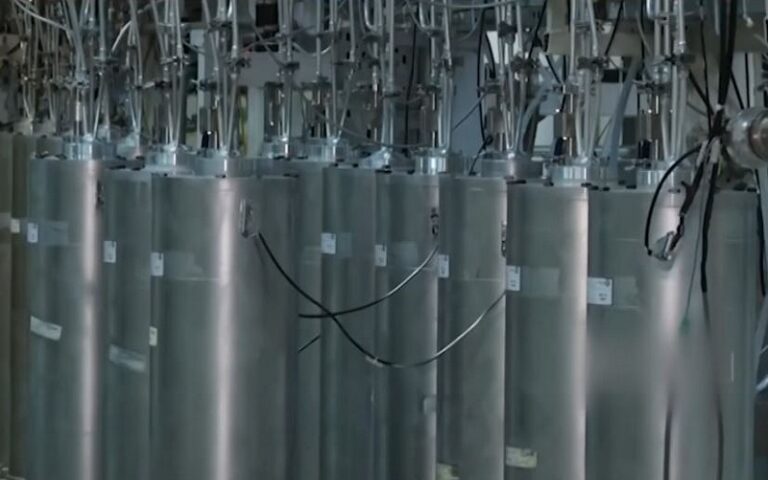
Iran’s regime possesses around 400 kilograms of uranium enriched to 60%, and it remains unclear where it is stored. If further enriched to 90%, this amount would be sufficient to produce 10 nuclear bombs.

Eleven Days of Silence on Political Prisoners Abducted From Iran’s Evin Prison

Eleven days have passed with no information about Ali Younesi, the imprisoned elite student who was abducted from Evin Prison, or about other detainees.

Amid the ongoing wave of repression in Iran’s prisons, Aida Younesi, sister of Ali Younesi — the imprisoned elite and top student from Sharif University — reported that there has been absolutely no news from her brother for eleven days.

Eleven days ago, Ali Younesi was abducted from the kitchen of Ward 4 in Evin Prison by intelligence agents, and since then, no information has been available about his condition or whereabouts.

Amirhossein Moradi And Ali Younesi on Mahsa’s Anniversary: A Spark Can Ignite The “Uprising Until Khamenei’s Overthrow”

According to Aida Younesi, intelligence agents told some of Ali’s cellmates that he had been temporarily transferred for “interrogation” and would return soon. However, nearly two weeks have passed with no news, and his family remains in complete distress.

She emphasized:
“This complete silence is unbearable. Where is Ali?”

At the same time as Ali Younesi’s abduction, many political prisoners — including Aida Younesi’s father — were transferred to the Greater Tehran Prison. According to families and human rights sources, conditions there are even worse than in Evin: shortages of water, food, and medicine, lack of phone access, and forced transfers without personal belongings.

Aida Younesi described this situation as a continuation of the Iranian regime’s crimes, stating that even after external attacks, the regime has intensified its internal war against the people and its opponents.

The “WhereIsOurPrisoner” campaign, now widely followed on social media, has become a symbol of protest by the families of prisoners who — amid repression and censorship — are forced to endure the disappearance of their loved ones with no answers.

Arghavan Fallahi, a political prisoner and supporter of the

While other female political prisoners held in Evin Prison were transferred to Qarchak Prison following the explosion and attack on June 23, no information has yet been released about Arghavan Fallahi, a political prisoner and supporter of the People’s Mojahedin Organization of Iran (PMOI/MEK). Concerns over her well-being have increased.

Arghavan, her brother Ardavan, and their father Nasrollah Fallahi were arrested in November 2022 and faced severe charges of “moharebeh” (waging war against God) and “corruption on earth” through their support for the PMOI/MEK.

Iman Afshari, the head of Branch 26 of the Revolutionary Court, sentenced them and another co-defendant to eleven years in prison.


Iranian Regime’s Oil Exports to China Surge Sharply in June

Amid rising demand in China, Iran’s oil exports to the country hit a new record in June. According to a Reuters report, orders for oil shipments—particularly from China’s independent refineries—saw a significant increase.

According to data from the maritime tracking firm Vortexa, from June 1 to June 20, 2025, China imported more than 1.8 million barrels of Iranian crude oil per day on average.

Data analytics company Kpler also reported that Iranian crude oil and condensate exports to China reached 1.46 million barrels per day as of June 27, a sharp increase from approximately one million barrels per day in May.

Iranian Oil Shipments Stranded at Sea Without Buyers

On June 25, U.S. President Donald Trump, speaking at the close of the NATO summit in The Hague, Netherlands, stated that the United States does not intend to seize Iran’s oil resources. He added that while maximum pressure on the regime will continue, he does not aim to halt Iran’s oil exports.

Impact of Delivery Delays and Political Signals

The surge in China’s imports of Iranian oil in June largely reflects the export spike from Iran during May.

In May, Iran’s oil loadings reached the rare level of 1.83 million barrels per day.

Given that it typically takes several weeks for Iranian oil to reach China, the bulk of those shipments were delivered in June.

Most of Iran’s oil is purchased by small refineries in northeastern China known as “teapots.”

These refineries rely on cheap oil for profitability and sell their products domestically in local currency, shielding them from secondary sanctions.

Kpler had previously reported that as U.S. pressure intensified, China refrained from placing new orders for Iranian crude oil, and even small private refineries stopped making new purchases.

The U.S. Sanctions Iranian Oil Transport, Purchase, And Processing Network

Some analysts believe the rise in Iran’s oil exports to China may reflect market expectations of potential easing of U.S. sanctions by the Trump administration.

Nevertheless, all official U.S. sanctions on Iranian oil remain in place, and no formal changes have been announced.

Energy analysts say the real market impact of these statements may be limited, as Iran’s oil production and export capacity continues to face structural constraints.

High Exports, Limited Growth: Warning in Confidential Oil Ministry Report

Despite the recent export surge, serious doubts remain about Iran’s ability to sustain high levels of oil exports.

According to a confidential report from Iran’s Oil Ministry, even if sanctions are completely lifted, Iran’s daily export capacity will remain severely limited.

The report, citing Kpler data, states that in the first half of 2025, Iran exported an average of 1.4 million barrels per day of crude and condensate to China—12% less than the same period last year.

According to the report, aging oil fields, rising domestic consumption, and lack of investment are among the main obstacles to expanding Iran’s export capacity.

Meanwhile, Iran’s floating oil storage—unsold shipments held on tankers at sea—has reached around 40 million barrels, signaling the regime’s difficulty in offloading its stockpiles.

Argentina Orders Trial in Absentia for Iranian Regime Officials over 1994 AMIA Bombing

An Argentine judge has ordered that ten individuals—including several senior officials of Iran’s regime and a number of Hezbollah members—stand trial in absentia for their alleged involvement in the 1994 bombing of the Jewish community center (AMIA) in Buenos Aires.

According to the ruling issued on Thursday, June 26, Ali Fallahian (former Minister of Intelligence), Ali Akbar Velayati (former Foreign Minister), Hadi Soleimanpour (former Iranian regime ambassador to Argentina), Mohsen Rezaei (former commander-in-chief of the Islamic Revolutionary Guard Corps), and several staff members of the Iranian regime’s embassy in Buenos Aires will be tried.

In March 2024, Argentina’s judiciary officially declared Iran’s regime and Hezbollah responsible for the AMIA bombing.

In April 2024, the Argentine government requested Interpol to arrest Ahmad Vahidi, the former commander of the IRGC Quds Force and then interior minister in Ebrahim Raisi’s government, due to his role in the AMIA bombing.

Officials of Iran’s regime have so far denied any involvement in this deadly attack.

The bombing at the Argentine Jewish Mutual Association (AMIA) center nearly three decades ago left 85 people dead and more than 150 injured.

Previously, in March, Argentina’s Clarin newspaper reported that Sebastián Basso, the prosecutor in the case, had asked the judge to issue an arrest warrant for Ali Khamenei, the leader of Iran’s regime, for his alleged role in the AMIA bombing.

Basso believes that Khamenei “issued a fatwa” for the execution of the attack and is considered one of Hezbollah’s main sponsors.

Support from Iran’s Regime, Execution by Hezbollah

Reuters reported on June 26 that among the suspects in the Buenos Aires Jewish center bombing case are several Lebanese and Colombian nationals accused of having ties to Hezbollah.

Argentina’s judiciary has identified the suspects—some of whom have been wanted since 2003—as fugitives from justice.

The Argentine judiciary believes the attack was carried out by Hezbollah with backing from Iran’s regime.

In February 2025, a law was passed in Argentina allowing judges to try suspects in absentia if they have been fugitives for an extended period.

The judge handling the AMIA case has cited this law to approve the trial in absentia of the Iranian regime officials and Hezbollah members.

The former prosecutor in the case, Judge Alberto Nisman, was shot dead in his home the night before a major exposé he was preparing against Iran’s regime.

Alberto Nisman, a martyr of people of Iran and Argentina

The Iranian Resistance, which first exposed the Iranian regime’s criminal role in the AMIA case in Washington in 1994 and has presented extensive evidence over the past 30 years, strongly welcomes the trial of the regime’s leaders and commanders.


Iran’s Regime Lays Groundwork for Expanded Executions

The Iranian regime’s Majlis (parliament) has passed a bill to intensify punishments related to espionage charges, coinciding with the arrest of more than 500 people accused of collaborating with Israel and about 300 others for their activity on social media platforms. These developments point to an increasingly repressive political environment in Iran.

This trend has raised fears about the possible onset of a new wave of executions.

Following Israel’s strikes on Iranian regime military and nuclear facilities on June 13, at least six individuals have been executed on charges of collaboration with Israel.

Repeated warnings by regime officials to citizens about cooperation with “hostile governments,” coupled with the hasty passage of legislation imposing harsher penalties for espionage-related charges, have heightened concerns that the regime is preparing to issue and carry out severe sentences, including executions, under the pretext of national security.

What Does the Bill on “Tougher Punishments for Collaborators with Hostile Foreign States” Say?

The bill titled “Intensifying Punishment for Collaborators with Hostile Foreign States,” whose double-urgency status was approved just four days after the start of the twelve-day conflict between Israel and Iran’s regime, was passed by Majlis in under a week.

For the bill to become law, it must be approved by the Guardian Council. While its full text has not yet been officially released, comments from lawmakers who support it indicate that it will impose far stricter restrictions on civil society activists and citizen-journalists.

Ebrahim Azizi, a former commander in the Islamic Revolutionary Guard Corps (IRGC) who now chairs the regime Majlis’s National Security and Foreign Policy Committee, said about the bill: “In this bill, any collaboration in conducting media and propaganda activities—including sending videos or images to hostile or foreign networks that weaken public morale or cause division—is considered a threat to national security and will be met with severe judicial action.”

IRGC Intelligence Chief Mohammad Kazemi Killed in Israeli Strike

Meanwhile, citizen reports indicate that Iran’s judiciary’s Department of Social Affairs and Crime Prevention has sent SMS warnings stating that “following or joining pages affiliated with the Zionist regime” constitutes a “prosecutable offense.”

On Monday, June 23, Alireza Salimi, spokesperson for the Iranian regime Majlis’s presidium, stated in an interview with the media that under the new law, any activity deemed as “practical action benefiting the Zionist regime, hostile governments such as the United States, or any of their affiliates that undermines national security and interests” constitutes corruption on Earth and is “subject to the punishment stipulated in Article 286 of the Islamic Penal Code.”

Under this legal provision, such charges can result in a death sentence.

According to Salimi, “manufacturing, assembling components, supplying, transporting, trading, carrying, storing, importing into the country, or using any kind of firearms, melee weapons, chemical or unconventional weapons—whether traditional or modern—that have the capacity to kill or incite fear and terror” will carry the death penalty.

Six Executions in the Final Seven Days of the Conflict

Just three days after the start of Israel’s attack, Esmail Fekri was executed on charges of spying for Israel. Media outlets affiliated with the IRGC claimed that he intended to provide classified information—including sensitive locations and data related to specific individuals—to Mossad officers in exchange for money.

On June 22, another individual named Majid Mosayebi was executed in Isfahan on charges similar to those attributed to Esmail Fekri.

On June 24, Mohammad Amin Mahdavi Shayesteh was executed on charges of membership in a cyber network allegedly directed by Mossad. One day later, reports emerged that three Kurdish border couriers (kulbars) were executed in Urmia Central Prison on charges of transporting equipment allegedly used in the assassination of nuclear scientists.

Iran’s regime can arrest anyone on charges of espionage and sentence them to death without a fair trial. These court proceedings often last only a few minutes, and defendants are denied access to legal counsel.

In Amnesty International’s latest statement, the Deputy Regional Director for the Middle East and North Africa said that Iranian regime officials’ calls for the swift prosecution and execution of detainees accused of collaborating with Israel show that the government is using the death penalty as a tool to intimidate and control the population.


Iran-Linked Hackers Intensify Attacks on U.S. Financial and Military Infrastructure

The cyberattacks by hacker groups affiliated with Iran’s regime have escalated following U.S. strikes on Iran’s nuclear facilities. American banks, military contractors, and oil companies have been targeted in recent days.

In a report, the Associated Press quoted cybersecurity experts saying that although the growing cyberattacks by Iran-backed hackers have not yet caused widespread disruption to U.S. critical infrastructure or its economy, the situation could quickly change if the ceasefire collapses.

The report, published on Wednesday, June 25, warned about the possibility of an emerging digital war against the United States by independent hacker groups supporting Iran’s regime.

Massive Data Breach Exposes Personal Information of 30 Million Hamrah Aval Users in Iran

According to Arnie Bellini, a tech entrepreneur and investor, U.S. attacks could even encourage Iran, Russia, China, and North Korea to invest further in cyber warfare.

He pointed out that hacking operations are far cheaper than warfare involving bullets, military aircraft, or nuclear weapons, saying: ”

“America may be militarily dominant,” he said, “but its reliance on digital technology poses a vulnerability.”

U.S. federal officials have stated that they are currently on high alert to counter increasing efforts by hackers attempting to infiltrate US networks.

On Tuesday, June 24, the US Cybersecurity and Infrastructure Security Agency (CISA) instructed all organizations that manage critical infrastructure—such as water systems, pipelines, or power plants—to remain fully vigilant.

According to the Associated Press, not all hacker groups involved in these attacks are working with Iran’s military or intelligence agencies—some operate entirely independently.

The cybersecurity company Trustwave has so far identified over 60 hacker groups that support the Iranian regime.

Possible shift in objectives of hacker groups supporting Iran’s regime

Iran’s regime and its allies—particularly Russia—have in recent years attempted to influence U.S. domestic politics and harm Israel through cyberattacks.

Between 2011 and 2013, a series of cyberattacks under the name “Operation Ababil” targeted the websites of more than 40 American banks—including Bank of America, Chase, Wells Fargo, and JPMorgan—causing temporary disruptions to online banking services.

Groups such as Charming Kitten, Phosphorus, and APT33—believed to be connected to Iranian regime security agencies—have repeatedly targeted U.S. critical infrastructure.

Jake Williams, a former analyst with the U.S. National Security Agency (NSA) and now vice president of research and development at Hunter Strategy, told the Associated Press:

“It’s fairly certain that these limited resources are being used for intelligence collection to understand what Israel or the U.S. might be planning next, rather than performing destructive attacks against U.S. commercial organizations.”

Intelligence agencies, including the CIA, the National Security Agency (NSA), and others have also faced staff reductions.

Ziv Mador, vice president of security research at SpiderLabs, an Israel-based firm, told the Associated Press:

“The Israel-Iran conflict shows the value of investments in cybersecurity and cyber offense, Mador said. He said Israel’s strikes on Iran, which included attacks on nuclear scientists, required sophisticated cyberespionage that allowed Israel to track its targets.”

Bellini also said that expanding U.S. cyber capabilities requires investment not only in technology but also in public education, to ensure that devices and networks are properly protected.

“It’s Wile E. Coyote vs. the Road Runner,” Bellini said. “It will go back and forth, and it will never end.”