Home Blog Page 99

Billions Invested by Iranian Regime in Syria

Reuters news agency, in a special report published on Thursday, May 1, 2025, revealed confidential documents obtained from Iran’s embassy in Damascus. The documents expose the scale of the Iranian regime’s ambitious plan to rebuild Syria’s economy and turn the country into a hub for regional influence. The report illustrates Tehran’s expansionist ambitions in Syria, which ultimately failed with the fall of Bashar al-Assad’s regime.

Since the start of Syria’s civil war in 2011, the Iranian regime became one of the main backers of Bashar al-Assad’s regime. Iran provided logistical, financial, and training support, and deployed military forces, including Quds Force units and Shiite militias, playing a critical role in keeping Assad in power. These efforts were aimed at maintaining Iran’s regional influence, securing supply routes to Hezbollah in Lebanon, and countering regional rivals such as Israel and Arab states.

Bashar al-Assad’s Actions Cost Iran’s Regime Dearly

During the Syrian civil war, the Iranian regime spent billions of dollars in support of Assad. These investments included infrastructure projects, reconstruction of war-torn areas, and the creation of economic networks aimed at cementing Iran’s economic and political influence in Syria. Abbas Akbari, who was appointed in 2012 as head of Iran-Syria Economic Relations Development Headquarters, played a key role in advancing these projects. Documents reveal that he was inspired by the U.S. Marshall Plan (the post-World War II European reconstruction program) as a model for rebuilding Syria.

However, these ambitions faced numerous obstacles. Financial corruption, mismanagement, and resistance from opposition groups in Syria, along with international pressure and sanctions, prevented the full realization of the plans. In December 2024, with the offensive by opposition rebels and the fall of Damascus, Assad’s regime collapsed. The remaining documents in the Iranian regime’s embassy, discovered by opposition forces and the media, revealed the details of these ambitious programs.

Syria’s “30 Billion Dollar” Debt to Iran

In April 2024, an airstrike attributed to Israel targeted the Iranian consulate building in Damascus, killing seven senior Quds Force members, including Brigadier General Mohammad Reza Zahedi, and escalating tensions between the Iranian regime and Israel. The attack was condemned by many countries, but Israel claimed the target was a covert Quds Force military base.

According to Reuters, a 33-page document prepared in May 2022 by the political-economic department of Iran’s embassy in Damascus reveals that Iran had an ambitious plan to rebuild Syria and establish an economic empire in the country. The document details Iran’s multi-billion-dollar investments in infrastructure, agriculture, and industry.

The document refers to economic opportunities in Syria amounting to over $400 billion and suggests that Iran could deepen its influence over Assad’s government through the country’s reconstruction. However, the rapid fall of Assad’s regime at the hands of opposition rebels, along with the hasty withdrawal of Iranian regime diplomats and militias, shattered these ambitions.

Reports also indicate that other documents, including folders containing intelligence information, were discovered by an Israeli journalist from Israel’s Channel 12 inside the Iranian embassy. These documents reveal Iran’s covert activities in Syria, including surveillance of opposition groups and coordination with proxy militias.

These plans completely collapsed with the fall of Assad’s regime and the swift political changes in Syria. The failure rendered Iran’s substantial financial and human costs in Syria fruitless and highlighted the high risks of Tehran’s regional interventions.


“Silenced Tragedy: The Bandar Abbas Explosion and the Iranian Regime’s Denial and Suppression”

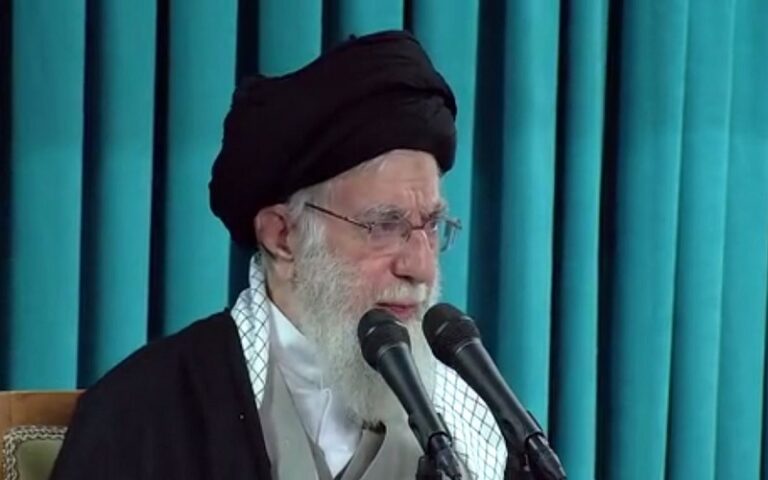
Six days have passed since the explosion at Rajaei Port in Bandar Abbas. Yet no reliable statistics have been released by official sources about the number of those killed, injured, or missing. Regime authorities, who themselves have acknowledged 70 deaths, dozens missing, and hundreds wounded, have urged the public not to “exaggerate” the incident. Tehran’s prosecutor’s office has filed charges against those disseminating news about Bandar Abbas. Meanwhile, the public blames the regime and is outraged by the declaration of just one day of public mourning for Bandar Abbas compared to five days of mourning for Hassan Nasrallah, the slain leader of Hezbollah in Lebanon, as well as by Supreme Leader Ali Khamenei’s delayed condolence message, in which he merely “prayed for mercy” for the victims.

Around noon on Saturday, April 26, a massive explosion occurred at Rajaei Port, a vital economic artery of Iran, and the resulting fire still has not been extinguished. In the early hours following the blast, harrowing videos and images circulated showing desperate people searching for missing loved ones and hospitals filled with victims, sparking widespread reactions.

Explosion at Rajaee Port in Bandar Abbas Leaves Over 700 Injured and 5 Death

The grief of citizens over the tragedy that struck their loved ones, neighbors, and compatriots—grief that resonated across Iran and the world—turned into anger when Khamenei, after a day of silence, issued a condolence message merely “praying for mercy” for the victims. Masoud Pezeshkian, the regime’s president, told an injured man lying in a hospital bed, “If I were in your place, I’d get up and leave right now.”

Then came a wave of denial from regime officials. For instance, Farzaneh Sadegh, Minister of Roads and Urban Development, who visited Bandar Abbas, claimed that life in the city was “normal.”

At the same time, reports emerged that the judiciary was prosecuting those who reported on the suffering of the people. Mizan News Agency, affiliated with the regime’s judiciary, announced one day after the Rajaei Port explosion that, following the publication of “some content and differing accounts of the Bandar Rajaei incident in Bandar Abbas,” Tehran’s prosecutor had filed legal cases against several media outlets and social media activists. The outlet also reported that other media organizations and users had received official warnings. On the same day of the explosion—while eyewitnesses described scenes of devastation and bloodshed—the national prosecutor’s office issued a statement warning the media and online activists to refrain from covering topics that could “disrupt the psychological security of society.”

But the censorship didn’t stop there. While official entities censored information regarding the cause of the explosion and ignored the Iranian public’s demand for answers, the regime’s official ISNA news agency published a report quoting Iran’s Customs Administration regarding the exploded cargo. Hours later, the article was deleted. The ISNA report had stated that the cargo in question was not under the jurisdiction of Customs—a claim that aligned with early speculations that the blast was caused by ballistic missile fuel belonging to the Islamic Revolutionary Guard Corps (IRGC).

The regime-affiliated news agency Tabnak reported that hours after Esfandiar Momeni, the regime’s Minister of Interior, claimed that no Russian aircraft had been involved in the firefighting operation, the Russian Embassy in Iran released videos showing their aircraft participating.

Earlier media reports had revealed that sodium perchlorate, which arrived at the port from China in March, was being stored at the site. This chemical is used in solid fuel for long-range missiles. Regardless, Rajaei Port is entirely under the control of the IRGC, and the responsibility for this national disaster lies with Iran’s regime. So far, 70 people have been confirmed dead, and many more remain missing.


Concerns Over the Health Condition of Reza Ramazanzadeh in Greater Tehran Prison

According to received reports, Reza Ramazanzadeh, a Kurdish political activist imprisoned in Greater Tehran Prison, is in critical health condition due to severe gastrointestinal problems and stomach pain. Reports indicate that this political prisoner, who had previously suffered from digestive issues as a result of a hunger strike, has recently experienced worsening stomach pain. However, prison authorities and the facility’s medical center have refused to provide necessary medical care. This has raised serious concerns about his well-being.

The life of political prisoner Kamran Rezaeifar is in danger.

According to the information received, Reza Ramazanzadeh is being held in the violent crimes ward of Greater Tehran Prison, where the principle of separation based on charges has not been observed. He has been denied access to necessary medications and appropriate treatment, and the poor prison conditions — including lack of basic facilities and medical attention — have further deteriorated his physical health. Sources close to the prisoner reported that his previous hunger strikes, carried out in protest against his detention conditions and rights violations, have resulted in chronic digestive issues.

Ramazanzadeh has previously been arrested and imprisoned due to his political activities. He has been sentenced to a total of two years and six months in prison and is currently serving his sentence in Greater Tehran Prison. His transfer to the violent crimes ward, despite his poor physical condition and need for medical care, constitutes a clear violation of prisoner rights and the principle of separation based on offenses.


Iranian Regime Foreign Ministry Spokesperson Calls Recent French Foreign Minister’s Remarks “Baseless and Absurd”

Esmaeil Baghaei, spokesperson for the Iranian regime’s Foreign Ministry, described the recent remarks by France’s foreign minister about the regime’s nuclear program as “completely baseless and absurd.”

Jean-Noël Barrot, France’s foreign minister, warned that if negotiations between Iran’s regime and the United States fail to ensure the security interests of European countries, the three European powers will immediately trigger the snapback mechanism to reinstate all United Nations sanctions against Iran.

Iran’s Nuclear Power Dream: From Fantasy to Reality

On Monday, April 28, during a joint press conference with Rafael Grossi, the Director General of the International Atomic Energy Agency (IAEA), Barrot stated that Iran’s regime is pursuing nuclear weapons and has exceeded all of its uranium enrichment commitments.

Barrot added that Europe’s interest lies in ensuring that Iran never obtains a nuclear weapon, and for that reason, they support and encourage the ongoing talks between the U.S. and Iran’s regime. He added that they are working closely with [U.S. politicians] Marco Rubio and Steve Witkoff, because each week they get closer to the expiration of the JCPOA.”

Esmaeil Baghaei, spokesperson for Iran’s regime Foreign Ministry, said: “These false remarks, coupled with threats to reimpose sanctions against Iran, reinforce the suspicion that France’s critical stance is morphing into a disruptive role.”

Baghaei added: “Such an approach will certainly add nothing to France’s credibility or its standing in Europe and the world.”

Iran’s regime has surpassed the limits set in the nuclear agreement and has produced stockpiles of highly enriched uranium — enrichment levels that, from the perspective of Western countries, go far beyond the needs of a peaceful energy program and are approaching the threshold required for producing a nuclear warhead.

Meanwhile, Mohammad Hossein Ranjbaran, an advisor to Abbas Araghchi, the Iranian regime’s foreign minister, wrote on X (formerly Twitter) that he rejects reports by Reuters and the New York Times regarding the regime’s nuclear program.

Earlier, Reuters had reported — citing eight officials and diplomats familiar with the negotiations between the Iranian regime and the United States — that the talks are moving toward an agreement to limit, but not dismantle, Tehran’s nuclear program, which would not differ significantly from the original JCPOA.

In its 20 years of negotiations with Western governments, Iran’s regime has proven it has no intention of dismantling its nuclear weapons program. The world first became aware of this program when the National Council of Resistance of Iran (the largest political coalition opposing the regime) exposed it.


Execution Wave in Iran: Six More Prisoners Hanged

As part of the ongoing wave of executions in Iran’s prisons, six more prisoners were hanged in Vakilabad Prison in Mashhad.

According to the human rights agency HRANA, on Wednesday, April 30, the execution sentences of Abdolghaffar Barahouei, Parviz Dastkaleh, and Abdolsamad Gorgij were carried out in this prison. Three additional prisoners were also hanged on the same day, two of whom have been identified as Mehdi Azizi from Mashhad and Javid Gallehbacheh.

All of these individuals had previously been sentenced to death by Iran’s Revolutionary Courts on drug-related charges. The identity of the sixth executed prisoner has not yet been confirmed.

As of the time of this report’s publication, none of the official bodies or responsible authorities have commented on the executions.

With these executions, the total number of documented executions in Iran over the past four months has reached at least 345.

In its latest report on Iran published on April 28, Amnesty International stated that the death penalty was applied widely, arbitrarily, and unfairly in Iran over the past year, with hundreds executed for crimes such as drug trafficking, which do not qualify as “most serious crimes” under international standards.

Amnesty International Annual Report Warns About Systematic Human Rights Violations in Iran

The organization reported that the Iranian regime has used capital punishment as a political tool to suppress protesters, dissidents, and ethnic minorities such as the Baluch and Afghan nationals, who have been disproportionately represented among those executed.


International Workers’ Day: Australian Associations and Unions Express Support for Iranian Workers

On the occasion of International Workers’ Day, a group of Australian labor associations and unions issued a statement expressing their support for Iranian workers. These organizations, which include some of Australia’s largest trade unions and associations, declared their solidarity with Iranian workers in their struggle to achieve their rights.

The associations and unions that signed the statement are as follows:

The Independent Education Union of Australia (IEUA) – Representing over 75,000 members, the IEUA is one of Australia’s largest unions in the education sector, advocating for teachers, support staff, and administrators across non-governmental institutions.

  • The Edmund Rice Centre (ERC) – A human rights organization with UN consultative status, ERC has a long-standing mission to advance justice for Indigenous communities, asylum seekers, and populations affected by climate change.
  • The Rev. Bill Crews Foundation – A leading Sydney-based charity founded in 1989 that supports homeless and disadvantaged populations with the help of over 1,500 volunteers, including 300 full-time.
  • Crosslink Christian Network (CLCN) – A global Christian network of around 130 churches in Australia and 20–30 in other countries, founded in 1997.

The statement calls on the International Labour Organization (ILO) to blacklist the Iranian regime for its “systematic and ongoing violations of labor rights,” despite Iran being a signatory to key international labor conventions.

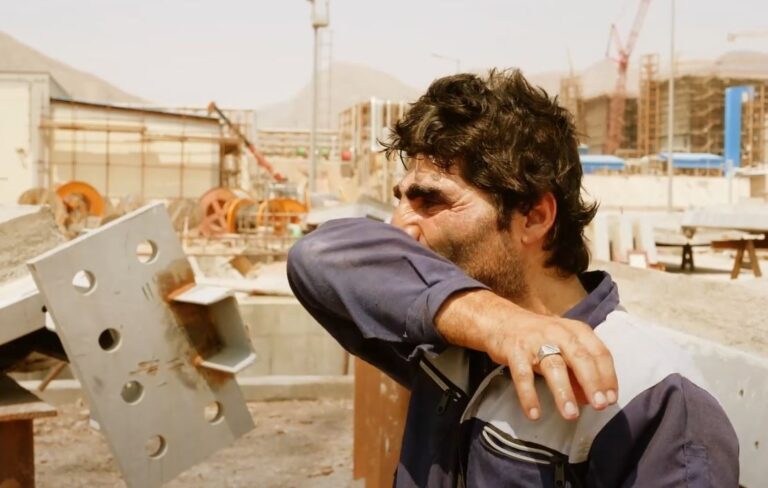
Over 2,000 Workers Killed in Iran in the Past Year

“Iranian workers have endured both monarchist and theocratic repression,” the statement reads. “They are denied the right to organize, forced to work under exploitative conditions, and paid poverty wages. These are not just labor violations—they are acts of structural violence.”

The Australian groups urge increased international pressure, including demands for:

  • Recognition of independent labor unions
  • Living wages indexed to the actual cost of living
  • Enforceable workplace safety standards

They also call on labor unions and rights groups worldwide to stand with Iranian workers, particularly as those who organize strikes or demand rights often face arrest, torture, or execution under Iran’s judiciary.

In the statement, they declared that Iranian workers are widely employed under temporary and precarious contracts, with 94% of them lacking any form of job security.

They are deprived of the right to form independent labor unions.

For over forty-five years, they have faced minimum wages that are significantly lower than the actual cost of living.

They work in unsafe conditions, with nearly 40 workers losing their lives each week due to workplace accidents.

Iranian workers also face severe gender discrimination, particularly against female workers.

In their statement, they called on the International Labour Organization (ILO) to blacklist the Iranian regime for its systematic violations of labor rights and to increase international pressure to guarantee workers’ rights, including the right to form unions, receive fair wages, and work in safe conditions.

On March 16, 2025, Iranian regime’s labor minister announced the minimum wage for the new year at approximately 100 million rials (about $122).

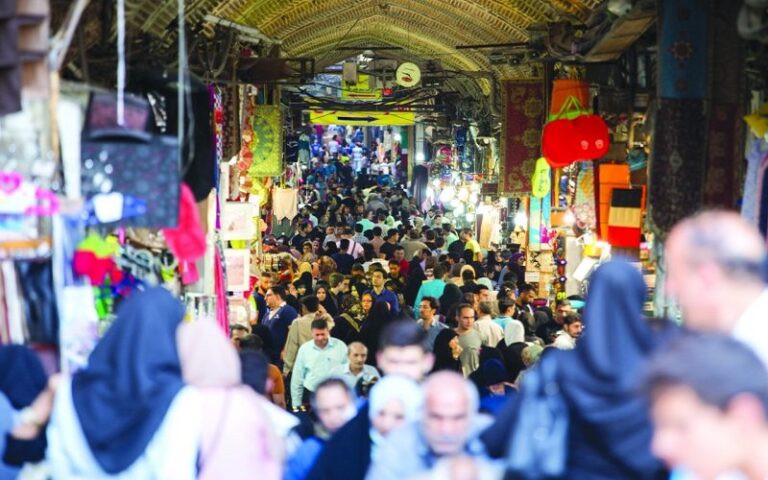
The state-run newspaper Jahan-e Sanat reports: “The basic household living basket costs around 350 million rials (approximately $427) or more, and this figure continues to rise daily.”

Living conditions for workers are so dire that, according to the regime-aligned newspaper Arman-e Emrooz on October 11, 2023: “Some workers do not even consume meat more than three times a year.”


U.S. Sanctions Seven Companies Tied to Iranian Regime’s Oil Network

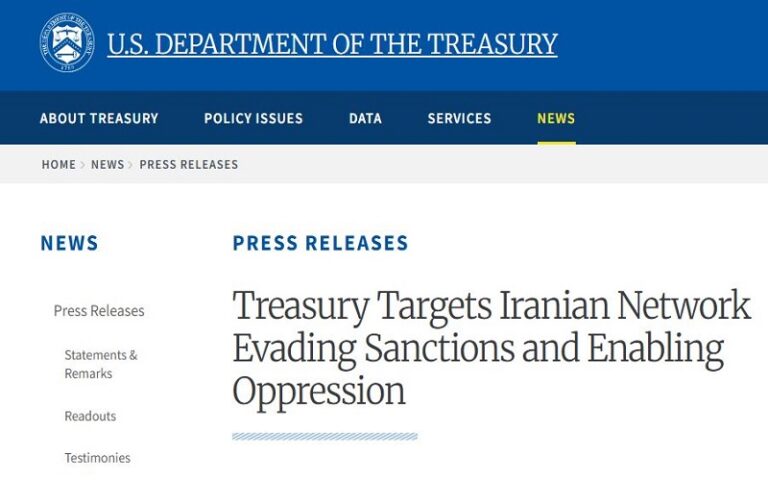
Ahead of a new round of talks between Tehran and Washington, the United States sanctioned seven companies in Iran, the United Arab Emirates, and Turkey for their involvement in the Iranian regime’s oil and petrochemical trade. Two oil tankers were also included in the latest U.S. sanctions list.

The U.S. State Department announced on Wednesday, April 30: “The Iranian regime continues to fuel conflict in the Middle East, advance its nuclear program, and support its terrorist partners and proxies. Today, the United States is taking action to stem the flow of revenue that the regime uses to fund these destabilizing activities.”

According to the department, four companies selling petrochemical products on behalf of the Iranian regime, one purchasing company, one maritime management firm, and one cargo inspection company were targeted in this new round of U.S. sanctions.

Of these, five companies are based in the UAE, one in Turkey, and one in Iran. The U.S. Department of the Treasury identified the Iranian company as “Keyhan Sanjesh Azma International cargo surveyor/inspection.”

On April 29, the U.S. Treasury also sanctioned six entities and six individuals in Iran and China for their roles in a network that procures materials for ballistic missile fuel on behalf of the Islamic Revolutionary Guard Corps (IRGC).

This new package of sanctions from Washington comes as senior officials from both countries have already held three rounds of nuclear talks in Muscat and Rome. The next round is scheduled to be held again in Rome.

Two Oil Tankers Added to U.S. Sanctions List

In its April 30 statement, the U.S. State Department announced the sanctioning of two oil tankers, ELOISE and OLIA, for their involvement in the Iranian regime’s oil trade. The OLIA tanker had previously been sanctioned for its role in helping circumvent sanctions against Russia.

The U.S. State Department’s statement added: “Iran’s energy exports are enabled by a network of such illicit shipping facilitators in multiple jurisdictions who, through obfuscation and deception, load and transport Iranian petroleum products for sale to buyers in Asia.”

Under the new sanctions, all assets and interests of the designated individuals and entities that are within the United States or held by U.S. persons—whether individuals or companies—are frozen and must be reported to the U.S. Department of the Treasury’s Office of Foreign Assets Control (OFAC).

U.S. Slaps New Sanctions on Tehran’s Missile Fuel Supply Network

On February 5, 2025, U.S. President Donald Trump signed an executive directive to resume the “maximum pressure” campaign against the Iranian regime and bring its oil exports down to zero, aiming to pressure Tehran into halting its nuclear program.


Senator Ted Cruz Calls for Expulsion of Iranian Regime Agent from the U.S.

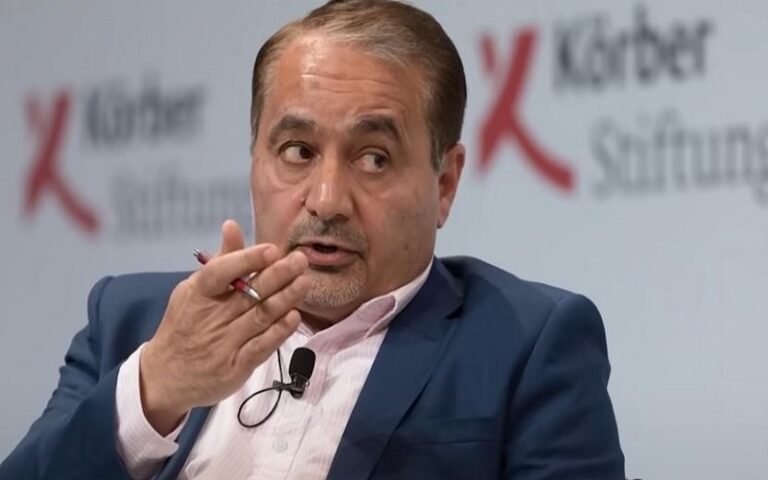
Republican Senator Ted Cruz rejected the debate invitation from Hossein Mousavian, a former Iranian regime diplomat, and stated that he should be expelled from the United States.

On Tuesday, April 29, Cruz responded to Mousavian—who formerly served as the regime’s ambassador to Germany and is currently a researcher at Princeton University—after Mousavian invited him to a debate or to read his books. Cruz wrote:

“I try not to be in the room with people linked to Iranian terrorists who have murdered dozens of dissidents.”

Tensions between Cruz and Mousavian began on Monday, when Cruz, in an interview with Fox News, called on Princeton University to expel Mousavian, arguing that his presence created insecurity for students.

Cruz, himself a Princeton graduate, said Mousavian’s presence caused unease among students and accused the university of neglecting the health and safety of the academic environment.

He stated that associating with someone close to the Iranian regime’s terror campaigns reflects a dangerous ideological bias within the university, which was one of the reasons the Trump administration reconsidered federal funding to Princeton.

Congress Begins Investigation into Iranian Regime’s Influence at Princeton University

In response to Ted Cruz’s remarks, Hossein Mousavian posted on the social media platform X, rejecting the accusations and inviting Senator Cruz to read his books and participate in a public debate. He said such a discussion could explore what he called “the facts” and leave the judgment to the American public.

Cruz rejected the invitation and said: “Your books are unreadable, and the only debate you should be having is with DHS agents, at the end of which you should be deported.”

In his post on X, Mousavian referred to what he called his “academic background” in Iran-U.S. relations and emphasized that all his research has been in support of peace, disarmament, and regional de-escalation.

Previous Protests and Pressure on Princeton University

The recent reactions are only part of a broader wave of protests and pressure against Hossein Mousavian’s presence at Princeton University.

The media outlet Semafor revealed in an investigative report in April 2023 that during the Obama administration’s de-escalation efforts, Princeton University sought to play a central role in improving diplomatic relations between Iran and the U.S.

According to the report, Princeton had launched an Iran Studies Center, invited Mousavian as a researcher, and even developed plans for student exchange programs with Iran.

Mousavian, who is affiliated with Princeton University, is accused of involvement in the assassination of 24 Iranian dissidents in Europe during the 1990s.


Mohsen Langar-Neshin, a prominent cybersecurity expert, was executed in Ghezel Hesar Prison

According to the Iran Human Rights Society, on the morning of Wednesday, April 30, the execution of 34-year-old political prisoner Mohsen Langar-Neshin was carried out at Ghezel Hesar Prison in Karaj.

The website of Mizan News Agency, affiliated with the Iranian regime’s judiciary, confirmed the news and cited his charges as “enmity against God and corruption on earth through intelligence cooperation and espionage for Israel.”

On Saturday, April 26, Mohsen Langar-Neshin was transferred to solitary confinement in preparation for the execution. Prior to that, on February 15, he had been moved from Ward 4 of Evin Prison to Ghezel Hesar Prison.

He was arrested on July 3, 2023, by agents of Tehran’s Intelligence Department and was held in solitary confinement under harsh interrogations for 43 days. He was then transferred to Evin Prison, where he spent around 20 months of his total 665-day detention. A significant portion of this time was spent in Ward 209 of Evin, which is operated by the Ministry of Intelligence.

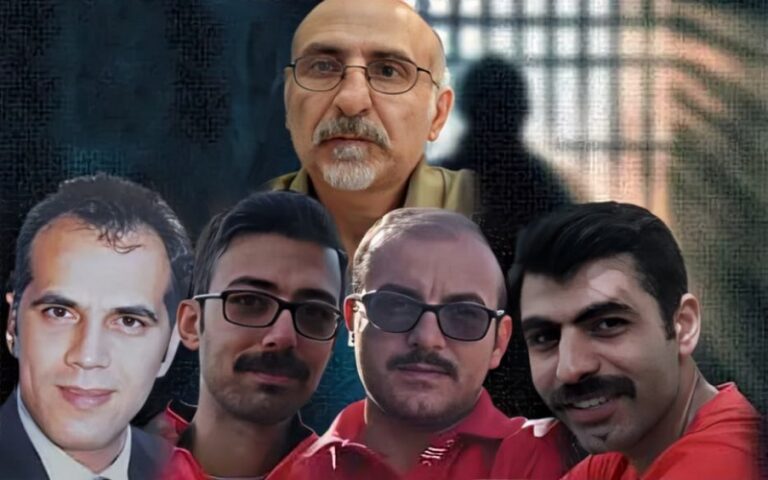
Forced Transfer of Five Political Prisoners Sentenced to Death in Iran

He was reportedly a network security specialist who had previously collaborated with Imam Hossein University, a military-affiliated institution in Tehran. He later resigned from this position and worked in the private sector.

He was subjected to severe physical and psychological torture and forced to make false confessions in cases including the assassinations of Hassan Tehrani Moghaddam and Sayyad Khodaei—allegations that were denied by his family and lawyers.

The Revolutionary Court, presided over by Judge Abolqasem Salavati, sentenced him to death based on these coerced confessions. His three requests for retrial were rejected by Iran’s Supreme Court.

Langar-Neshin’s family gathered in front of Ghezel Hesar Prison the night before the execution but remained unaware of his fate until the sentence was carried out.


Amnesty International Annual Report Warns About Systematic Human Rights Violations in Iran

Amnesty International released its 2024 annual report on April 29, detailing human rights violations in Iran.

In Amnesty International’s 2024 annual report on the human rights situation in Iran, widespread and systematic violations of fundamental rights in the country are addressed. The report emphasizes that Iran’s regime continued suppressing freedom of expression, association, and peaceful assembly over the past year and carried out hundreds of arbitrary executions. Victims of this repression included women, children, religious and ethnic minorities, migrants, and asylum seekers.

Amnesty International documented cases of arbitrary arrests, torture, amputations, flogging, unfair trials, and widespread use of the death penalty, even against juvenile offenders. Additionally, regime officials have refused to pursue legal accountability for crimes such as the 1988 massacre of political prisoners, and the perpetrators have enjoyed impunity.

According to the report: “Systemic impunity prevailed for past and ongoing crimes against humanity relating to prison massacres in 1988 and other crimes under international law.”

The report criticizes the systemic impunity enjoyed by Iranian regime officials regarding past and ongoing crimes and notes that efforts to uncover the truth about cases such as the downing of the Ukrainian plane or the 1988 massacre have yet to yield results.

In the area of civil liberties, Iran’s regime has severely restricted public space through heavy media censorship, blocking of social platforms, and bans on political and union activities. Labor activists, teachers, and workers faced harassment for peaceful protests. The so-called “Protection of Cyberspace” plan and increased security measures following the death of former regime president Ebrahim Raisi were also cited as signs of intensified repression.

 Amnesty International added: “Authorities censored media, jammed satellite television channels, and continued to block or filter mobile apps and social media platforms.”

In detention facilities, reports show individuals had forcibly disappeared in secret detention centers and tortured to extract confessions. These confessions continued to be broadcast on state media, and political detainees were denied medical care. Psychiatric facilities were also used to suppress dissent.

The report states: “Several individuals arbitrarily detained for political reasons in psychiatric facilities were subjected to torture and other ill-treatment, including through enforced administration of pharmaceuticals.”

In the area of women’s and girls’ rights, structural discrimination continued in areas such as marriage, inheritance, and employment. Women who defied compulsory hijab laws faced punishments including imprisonment and flogging. Enforcement of hijab was intensified through facial recognition technology and digital surveillance, and women faced violence in public spaces.

Ethnic and religious minorities continued to face structural discrimination, arbitrary arrests, and violence. Groups such as Kurds, Baluch, and Arabs were denied access to education, employment, and public services. Security forces opened fire on cross-border porters and fuel carriers. Bahá’ís, Christians, and other religious minorities faced property confiscation, arrests, and the destruction of religious sites.

In the area of executions and impunity, hundreds of executions were carried out for offenses unrelated to the “most serious crimes,” including drug-related charges and political dissent. Minorities, especially Baluch and Afghan individuals, faced the highest risk of execution. Even juveniles were executed for crimes committed while underage, in violation of international law.

Finally, Amnesty International’s report highlights the Iranian regime’s failure and negligence in managing the environmental crisis. The drying of water resources, air and soil pollution, and disregard for marginalized communities such as those in Khuzestan and Sistan and Baluchestan provinces have contributed to the deaths of thousands and a widespread humanitarian crisis.