Home Blog Page 113

Isfahan Erupts: Farmers Clash with Riot Forces in Shatur over the Plundering of Zayandeh Rud Waters

Tensions and clashes continue to escalate in the city of Eslamabad Shatur, in Isfahan Province, where courageous farmers persist in their struggle to reclaim their natural right to irrigation water. In response to their legitimate and vital demands, riot forces affiliated with the Iranian regime have been deployed, meeting the farmers with batons, tear gas, and rubber bullets in an effort to silence and suppress them.

This struggle is no longer just about water—it has become a fight for dignity, justice, and the right to life. Despite injuries, including several cases of farmers losing their eyesight due to direct fire, the protesters remain resolute. They have declared their intention to continue sit-ins, vowing to hold Eid al-Fitr prayers on the dry bed of the Zayandeh Rud River, specifically on the historic Khaju Bridge, as a symbolic act of defiance against years of neglect and broken promises.

Today witnessed one of the fiercest confrontations in Shatur, where a farmer drove his vehicle toward riot police in a dramatic protest. The situation remains highly volatile, with limited information emerging from the ground.

Isfahan Farmers Protest Against Water Shortages; Protesters Break Water Pipeline to Yazd

At the heart of the crisis lies the systematic diversion of Zayandeh Rud’s water to steel industries controlled by the Islamic Revolutionary Guard Corps (IRGC). Farmers accuse the IRGC of running a mafia that monopolizes national resources for profit, leaving agricultural communities to suffer the consequences. They are no longer willing to remain silent and view their current resistance as a fight against the institutionalized corruption of the regime and the IRGC’s stranglehold over the country’s lifelines.

One farmer from eastern Isfahan stated: “They think they can blind us and silence us with teargas and bullets, but each shot only makes us stronger and more united. We are standing here for our rights, and this fight will continue until we reclaim what is rightfully ours.”

The farmers’ uprising in Isfahan is not just a local protest—it is a national cry for justice, and a stand against the oppressive grip of the IRGC mafia over the lives and livelihoods of Iran’s people.

Surging Inflation in the New Iranian Year

In the early days of the new Iranian year (which began on March 21), Iran’s economy is grappling with crises such as the rapid depreciation of the national currency, a lack of investment, inflation of at least 35%, a noticeable decline in people’s purchasing power, and issues arising from energy imbalances.

The Research Center of the Iranian Parliament previously reported that in the year 1404 (starting March 21, 2025), Iran’s economy will face serious challenges, including declining economic growth, rising inflation, and increasing poverty.

These economic issues, combined with sanctions and regime’s diplomatic crises, have led many experts—and even some government officials in Iran—to warn about the country’s economic situation in 1404 (2025).

The Iranian regime neither has the ability nor the intention to control inflation. Even raising nominal interest rates is not an option, as it could lead to the collapse of Iran’s already fragile banking system and widespread bankruptcies.

Iran: Rising Inflation and Exchange Rates, Economy on the Brink of Collapse

The policy of “artificial exchange rate control” requires constant currency market interventions, which is a continuation of the failed strategy of past years. This policy has led to the depletion of over $100 billion (and, according to some estimates, more than $200 billion) in foreign exchange reserves over the past decade, while the price of the US dollar has continued to rise.

As the most indebted economic entity in the country, the Iranian regime actually benefits from inflation—as long as it does not trigger social unrest—because higher inflation erodes the real value of government debt.

The root cause of Iran’s economic problems, including inflation, lies within the regime and its policies. In other words, while external factors such as sanctions, global political conditions, and geopolitical risks do have an impact, they are not the main causes of these issues; rather, they only exacerbate the existing problems.

The Iranian regime has estimated oil exports at two million barrels per day, but given the policies of the new U.S. administration, this target is unlikely to be achieved, which will further deepen Iran’s budget deficit.

Severe Inflation Wave and the Legitimacy Crisis of the Iranian Regime in 2025

All these factors indicate that Iran’s economy will face a severe wave of inflation in 2025, with some economists predicting inflation rates as high as 50%.

A functional government would never block its own paths to free trade and economic, political, and cultural exchanges with the world. However, the Iranian regime, in order to maintain its grip on power and continue its dictatorship, will never abandon its interventionist policies in the region or its expansion of terrorism.

Ali Khamenei, the Supreme Leader of the Iranian regime, will intensify repression in parallel. The prospect of change through negotiations with the Iranian regime is nothing but a mirage. This claim is backed by 45 years of deception, hostage-taking, warmongering, torture, and executions—all tactics the regime has used to maintain its grip on power.

In the year 1403 (March 21, 2024 – March 21, 2025), the Iranian regime executed more than 1,153 people.

Widespread government corruption and a lack of investment in the oil and gas sector have prevented these resources from meeting the needs of society, causing people to become increasingly impoverished. This mounting economic and social pressure will ultimately lead to large-scale uprisings in Iran.

In 2024, following the killing of Mahsa Amini by the regime’s security forces, the Iranian regime was on the brink of collapse. However, through extreme repression and the killing of more than 750 protesters, it temporarily managed to suppress the nationwide uprising.

In the oil and energy sector, external pressures and sanctions have eliminated any possibility of short-term solutions or temporary relief. These pressures will only intensify further.

Iran is currently deprived of any cooperation, services, or technology from Western companies. Due to limited oil exports and a lack of investment, it cannot even procure these resources indirectly through intermediaries except at significantly higher costs. As external pressures mount, Iran’s energy sector will continue its downward spiral at an accelerated pace.

All these factors highlight the Iranian regime’s inability to resolve crises and mega-crises, the roots of which date back many years. Not only has the government failed to implement any real solutions, but in many cases, its officials have actively worsened these crises.

However, the fundamental issue is the Iranian regime’s legitimacy crisis among the public. This crisis has manifested in various ways, from widespread anti-government uprisings to historically low voter turnout in elections.

Despite all this, Iranian officials continue to insist on maintaining their past approaches, particularly in domestic, foreign, and economic policies. Given the escalating economic and social crises in Iran, it is inevitable that new waves of anti-regime uprisings will emerge, and the Iranian regime should brace itself for major upheavals.


Cancer Surge in Iran; Cases Expected to Double in 15 Years

Jafar Jandaghi, the director of the Center for Non-Communicable Disease Management at Iran’s Ministry of Health, stated that the number of cancer-related deaths in the country will double within the next 15 years.

According to him, 79,000 people die from cancer in Iran each year. This statistic comes at a time when rising drug prices have made the treatment of chronic illnesses, such as cancer, accessible only to a privileged economic class.

In 2024, the World Health Organization (WHO) warned that the number of new cancer cases worldwide will exceed 35 million by 2050.

In early March 2025, Jafar Jandaghi reported that approximately 390 new cancer cases are identified daily in Iran, totaling 142,350 cases annually. He also stated that 216 people die from cancer every day, amounting to 79,000 deaths per year.

Pharmacists and Doctors Concerned Over the Impact of Rising Drug Prices and Shortages in Iran

Last year, two contradictory statistics were reported regarding the incidence and detection of cancer in Iran.

In November 2023, the director of the Office for Non-Communicable Disease Management at the Ministry of Health stated that between 85,000 and 90,000 new cancer cases are detected annually in Iran, which translates to 233–247 cases per day. A comparison between last year’s figures and this year’s data shows a 58–67% increase in cancer case detection.

However, in February 2024, the Ministry of Health reported that cancer incidence in Iran had reached 150,000 cases annually—contradicting both the previous year’s figures and the latest data. This discrepancy might suggest a declining trend, though no official source has confirmed or supported such a claim.

Drug Price Surge and Halted Cancer Treatment

Jandaghi’s warning about rising cancer mortality rates comes amid a sharp increase in drug prices over recent months. Multiple sources have raised alarms about an impending pharmaceutical crisis.

Iranian Families Forced to Abandon Children’s Cancer Treatment

The state-affiliated newspaper Ham-Mihan reported, citing the CEO of the Institute for Supporting Children with Cancer in Khorasan, that in February 2025, some families abandoned their children’s cancer treatment due to financial difficulties.

Additionally, the president of Iran’s Radio-Oncology Association stated that new cancer drugs have not been included in the insurance coverage lists.

According to him, immunotherapy and targeted therapy drugs cost between 100 million and 1 billion rials per treatment cycle (approximately $100 to $1,000), while the minimum wage for a worker with two children is about $15 per month.

Poverty and Healthcare Crisis in Iran

In January 2025, Iran’s Statistical Center reported that 27% of Iranians—approximately one-third of the population—earn only $2 per day. This means they cannot afford medical treatment if they become ill.

Ham-Mihan reported: “It is estimated that 68% of cancer patients face catastrophic healthcare costs, meaning they spend more than one-third of their income on treatment. The lowest-income 30% of the population cannot afford these expenses, as most healthcare costs are paid out-of-pocket rather than covered by insurance.”

The most common cancers in Iran are breast, prostate, colorectal, non-melanoma skin, and stomach cancer.

Global Warning: The Rising Tide of Cancer Cases

In February 2024, the World Health Organization (WHO) warned that new cancer cases worldwide could surpass 35 million by 2050.

Although Iran is not considered a developed country, it is expected to bear a significant portion of this increase. Previously, cancer was the second leading cause of death in Iran, following cardiovascular diseases.

The lack of a centralized data collection system is a major issue, and the actual number of cancer cases is likely higher than reported. The Iranian regime has no structured cancer detection program, posing a serious public health risk.

Conflicting reports on cancer incidence and mortality, skyrocketing drug prices, lack of insurance coverage for many essential medications—forcing patients to buy from the black market where drug authenticity and expiration dates are uncertain—along with negligence in cancer prevention efforts, could make cancer control even more challenging. Iran may reach the predicted doubling of cancer cases in less than 15 years.


Isfahan Farmers Protest Against Water Shortages; Protesters Break Water Pipeline to Yazd

As the water crisis and drought persist in Iran, a group of farmers from Isfahan province once again gathered in protest against water shortages and the drying up of the Zayandeh Rud River. Some protesters also broke the water pipeline supplying Yazd.

Videos circulated on social media show that a group of farmers from eastern Isfahan continued their protest on Saturday, March 29, demanding their water rights.

The gathering was held in protest against the authorities’ failure to fulfill their promises regarding the allocation of Zayandeh Rud’s water rights.

Yazd’s Water and Wastewater Company also reported damage to the drinking water pipeline supplying the province and urged citizens to minimize their water consumption to prevent shortages.

Jalal Alamdari, the CEO of Yazd Water and Wastewater Company, described the province’s drinking water situation as critical, citing the destruction of the water transfer pipeline. He warned that Yazd is now facing a shortage of 1,400 liters of water per second.

He announced that 13 water tankers would be used to combat the water shortage.

Protests by Isfahan’s farmers over the drying up of the Zayandeh Rud and the unfulfilled allocation of their water rights have repeatedly made headlines in recent years.

The protesting farmers argue that Isfahan’s rightful water share is being diverted to other provinces, including Yazd.

Isfahan is considered one of Iran’s most water-stressed provinces. Its residents have repeatedly protested against the Iranian government’s mismanagement of the water crisis.

In some instances, these protests have been met with violent crackdowns by Iranian security forces.

The first reported instance of the water transfer pipelines from Isfahan to Yazd being broken dates back to 2012, highlighting the severity of the crisis, which has only worsened in subsequent years.

It is worth noting that one of the major causes of water shortages in Isfahan is the allocation of the majority of freshwater resources to industries controlled by the Islamic Revolutionary Guard Corps (IRGC).


US State Department Condemns Human Rights Violations by Iran’s Regime

Tammy Bruce, the spokesperson for the U.S. State Department, referred to the arrest of Kurdish citizens in Iran for participating in Nowruz celebrations, calling the Iranian regime one of the worst human rights violators in the world. She stated that the Trump administration would continue to support and defend the human rights of the Iranian people.

On Friday, March 28, in a press conference, the U.S. State Department spokesperson stated that the Iranian regime is one of the worst human rights violators in the world. She emphasized that the regime suppresses its people to maintain power and prevents them from enjoying fundamental freedoms.

Following the Nowruz celebrations (the Persian New Year, which begins on March 21) in Kurdistan, Mohammad Jabari, the province’s prosecutor, announced the arrest of individuals labeled as “leaders and main agents of propaganda activities against the regime under the cover of Nowruz celebrations.”

In recent days, several human rights websites have published the names of a number of Kurdish citizens who have been arrested in connection with Nowruz ceremonies in Kurdish-majority cities in Iran.

As large crowds gathered at tourist sites in Fars province at New Years’ time, which included dancing and anti-government slogans, Kamran Mirhaji, the province’s prosecutor, announced on Sunday, March 23, that action had been taken against some of the attendees, and several individuals had been arrested.

At the same time, following the chanting of anti-government slogans at Ferdowsi’s tomb on New Year’s Day, Mohammad Hossein Doroudi, the prosecutor of Razavi Khorasan province, reported that action had been taken against several individuals whom he described as “norm-breakers” during the New Year’s ceremony at Ferdowsi’s tomb.

The U.S. State Department spokesperson added on Friday that Iran executes more people than any other country in the world in an unjust manner, persecutes religious and ethnic minorities, and uses methods such as arbitrary detention, torture, and other human rights violations to intimidate political opponents and suppress any dissenting voices.

Tammy Bruce stated that the U.S. government would continue to support and defend the rights of the Iranian people against the regime’s ongoing human rights violations and authoritarian repression.

In March 2025, the commander of the Islamic Revolutionary Guard Corps (IRGC) in Ilam announced that no institution would be allowed to issue permits for Nowruz celebrations.

Nowruz 1404 (which began on March 21) coincided with the month of Ramadan, and Sadegh Hosseini had threatened that there would be a “serious crackdown” on individuals who organized or raised funds for celebrations, either online or in person.

The U.S. State Department’s comprehensive report on human rights in Iran highlighted widespread and systematic human rights violations, including discrimination against women—particularly the enforcement of compulsory hijab—an increase in executions, censorship and severe restrictions on freedom of speech, the arrest and intimidation of journalists, transnational repression, violations of religious freedom, child rights abuses, particularly regarding child labor, and many other extensive human rights abuses in Iran.


Another Round of Iran’s Nuclear Talks with Three European Countries Held in Geneva

Kazem Gharibabadi, Deputy for International Affairs at Iran’s Ministry of Foreign Affairs, stated that Iranian diplomats and representatives from the United Kingdom, France, and Germany held “technical and expert-level discussions” on the nuclear file in Geneva on Thursday, March 27.

On Friday, March 28, Gharibabadi wrote on his X account that these discussions took place within the framework of the “understanding reached during the fourth round of negotiations” between Iranian diplomatic officials and the three European countries.

Esmail Baghaei, the spokesperson for Iran’s Ministry of Foreign Affairs, also confirmed the negotiations, stating that this new round of talks aimed to “discuss and exchange views on various aspects of the issue in both the sanctions relief and nuclear domains.”

Russia Defends Iranian Regime’s Right to a Nuclear Program

A month ago, Gharibabadi had also reported holding talks with senior political officials from the three European countries regarding the nuclear issue.

On February 26, Gharibabadi wrote on X that, on the sidelines of Iranian Foreign Minister Abbas Araghchi’s visit to Geneva to attend the High-Level Conference on Disarmament and the Human Rights Council, a new round of “constructive talks” had been held with senior political officials from the three European countries.

He stated, “We exchanged views on nuclear issues and sanctions relief.”

This Foreign Ministry official did not name the European countries involved in the talks with Tehran. However, Germany, the United Kingdom, and France issued a statement regarding their political directors’ meeting with Iranian representatives in Geneva, stating that they “reaffirmed their firm and principled positions and their commitment to finding a diplomatic solution” and agreed that the discussions should continue.

Earlier, on November 25, 2024, Esmail Baghaei, the spokesperson for Iran’s Foreign Ministry, had confirmed negotiations with France, Germany, and the United Kingdom on “bilateral, regional, and international issues, as well as the nuclear issue.”

Rafael Grossi, Director General of the International Atomic Energy Agency (IAEA), warned the international community on February 15, 2025, on the sidelines of the Munich Security Conference, that time was running out to contain Iran’s nuclear program and that the global community needed to reach an agreement with Tehran before it was too late.

The Iranian government has so far denied any attempts to acquire nuclear weapons. However, in recent months, some Iranian officials have called for a shift in Tehran’s nuclear doctrine toward “developing nuclear weapons for deterrence purposes.”

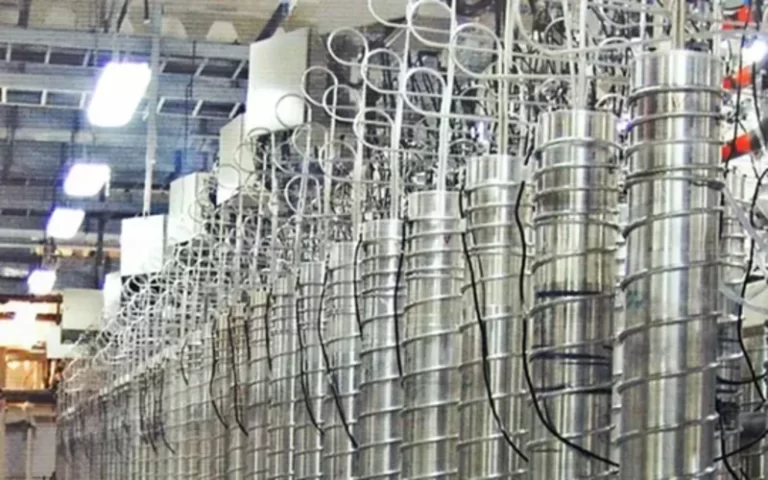
According to IAEA estimates, Tehran currently possesses enough enriched uranium to build a nuclear bomb.

Although uranium enriched to 60% purity cannot serve as fissile material for a weapon, the Iranian government could elevate it to weapons-grade levels within two to three weeks.

This situation is often referred to as a “nuclear threshold state,” indicating that if Tehran possesses the necessary expertise to construct a functional bomb, it could quickly become a nuclear power.

Before the new Donald Trump administration took office, the U.S. State Department had announced that the United States would not participate in the negotiations between Iran and the three European powers in Geneva regarding nuclear and regional issues.


Appeasement Iran’s Regime is Complicity in the Suppression of its People

It is no surprise that Ali Khamenei, the Iranian regime’s supreme leader, has taken a firm stance in rejecting the U.S. proposal for negotiations. Throughout various stages of international talks on its nuclear program, the Iranian regime has always sought negotiations that would allow it room for deception and maneuvering.

Meanwhile, the Iranian regime’s covert efforts in its nuclear program are fundamentally aimed at acquiring nuclear weapons, allowing it to impose itself and its policies on the region and the Iranian people. Iran’s nuclear program was first exposed by the National Council of Resistance of Iran (NCRI), the largest Iranian opposition group, which brought the issue to the attention of the global community.

Khamenei and the Strategy of Prolonging Negotiations

Another crucial point to consider is the regime’s deliberate effort to prolong negotiations and create excuses around issues far removed from the core subject and demands at hand. By doing so, Khamenei aims to drag negotiators into a critical and decisive phase, such as the end of Donald Trump’s presidency—just as he did during Barack Obama’s presidency in 2015.

The Iranian regime, through delays and stalling tactics, extended negotiations until the final days of Obama’s presidency. Obama was eager to conclude his presidency with a nuclear deal that aligned with the Iranian regime’s interests. Ironically, they attempted to repeat the same scenario with Joe Biden in the final days of his presidency, but their expectations were ultimately shattered.

Khamenei’s Admission of Mistakes and the Price to Pay

Khamenei knows that Trump’s demands are very different from those of Obama and Biden. Trump does not seek a superficial agreement like the July 2015 deal. In his letter to Khamenei, he outlined eight demands, three of which specifically address Iran’s interventions in Yemen, Lebanon, and Iraq. This indicates that Trump’s demands go far beyond those of Obama and Biden.

It is clear that if the Iranian regime agrees to such demands—especially the “complete cessation of its nuclear program and the closure of all uranium enrichment facilities”—it would be admitting that it has been wrong since its inception and would have to pay the price against its will!

A Firm and Strict Approach in Dealing with Khamenei

Without a doubt, the international community in general, and the U.S. in particular, must adhere to a firm and strict approach in negotiations and dealings with this regime. The only effective way to counter the Iranian regime is through decisiveness, a stance that the National Council of Resistance of Iran (NCRI) has repeatedly emphasized.

Mrs. Maryam Rajavi, the President-elect of the NCRI, has stated: The religious dictatorship, with all its evils, must be uprooted entirely—from its torture chambers and IRGC bases to its nuclear weapons program.

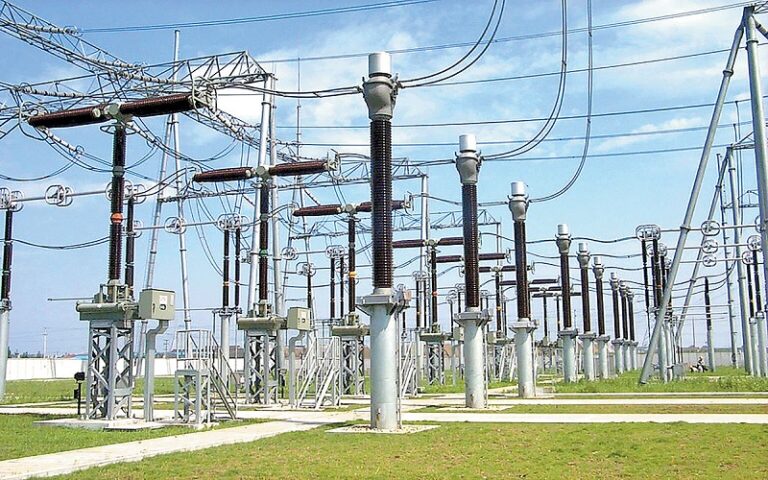
Iranian regime leaders attempt to portray their nuclear program as peaceful, but they have spent over two trillion dollars of the deprived Iranian people’s money on a secret nuclear program over the past 30 years. Meanwhile, this ominous project does not even supply 2% of the country’s electricity needs.

Now, both in summer and winter, people’s lives, education, healthcare, production, and businesses are deteriorating due to electricity shortages, leading to continuous disruptions and crises.

Mrs. Rajavi continued: The people of Iran are determined to put an end to this. For years, we have declared and we repeat today: A free and non-nuclear Iran, with the separation of religion and state, and a democratic republic free from both mullahs and monarchs.

The International Community and the Need for Decisive Action

In confronting the regime’s malign activities, the international community must not further delay activating the snapback mechanism.

This regime is a threat to global peace and security and must be placed under Chapter VII of the UN Charter.

However, the ultimate solution to the mullahs’ terrorism, warmongering, and nuclear bomb program is the overthrow of the regime by the Iranian people and their resistance movement.


Approximately 17 million Barrels of Iranian Crude Oil Stranded Near Malaysia Without Buyers

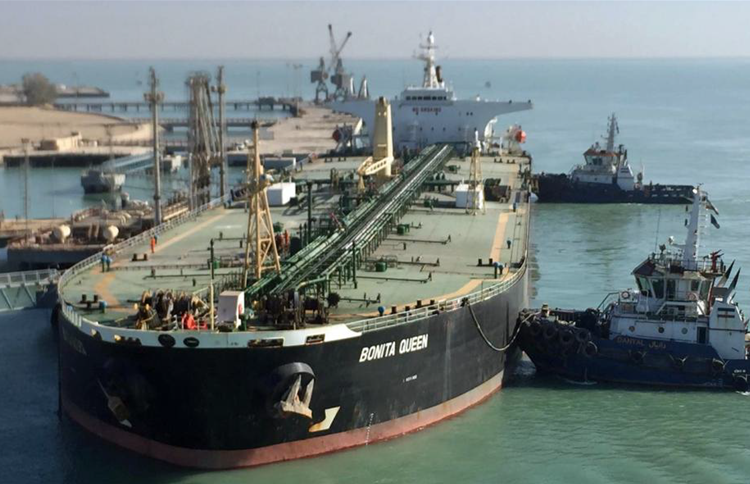
Bloomberg reports that more than 10 tankers carrying crude oil from the Iranian regime, which have been sanctioned by the United States, are stranded near the shores of Malaysia. This could be a sign of a slowdown in Iran’s oil shipments to China.

In a report published on Thursday, March 27, Bloomberg also stated that some of these tankers have been anchored in Malaysian waters for over a month and still have no buyers.

According to the report, based on ship-tracking data, at least 11 tankers carrying crude oil from the Iranian regime were either halted around Malaysia this week or moving at a very slow pace.

Bloomberg states that these ships are carrying approximately 17 million barrels of Iranian oil and have gathered in an area west of the Malaysian peninsula, a location commonly used for ship-to-ship transfers of Iranian oil.

IEA Weighs in on The Impact of New U.S. Sanctions on Iran’s Oil Exports

According to previously released information, Iranian oil in these waters is transferred to tankers with unclear or obscure ownership before continuing its journey to China or other destinations.

Since returning to the White House, Donald Trump has once again adopted the “maximum pressure” policy against Iran. This policy includes efforts to “reduce Iran’s oil exports to zero” to prevent the regime from funding its regional proxy militant groups and acquiring nuclear weapons.

Bloomberg’s Thursday report states that the transfer of crude oil from Iran’s main export terminals, such as Kharg Island, to ship-to-ship transfer areas like Malaysia has been closely monitored in recent months due to the implementation of the U.S. president’s policy on Iran.

The publication, citing data from OilX, has reported that the volume of Iranian oil stranded near Malaysia and Singapore is the highest since August of this year.

It is unclear whether these shipments are waiting for ship-to-ship transfers or if they are awaiting buyers from China’s private refineries.

In recent years, the Iranian regime has used a “ghost fleet” to transfer and sell its oil. These tankers turn off their automatic identification systems, conduct ship-to-ship transfers in the middle of the ocean, rebrand the oil, and employ other tactics to ultimately deliver Iranian crude to Chinese ports.

The Trump administration, in addition to sanctioning Iran’s oil minister, has announced four rounds of economic sanctions against Tehran in just the past two months. These sanctions also target Iranian oil tankers as well as small and private refineries in China.

According to Bloomberg’s data, more than two-thirds of the tankers carrying Iranian crude oil have been sanctioned since late February.

However, the publication predicts that U.S. actions are unlikely to completely halt oil trade between Iran and China.

Meanwhile, on Wednesday, the U.S. government announced that it had filed a lawsuit in a Washington, D.C. court to seize revenue from one million barrels of Iranian oil as compensation due to its links to the Islamic Revolutionary Guard Corps (IRGC).


Systemic Corruption Sinking the Iranian Regime’s Ship

In a rare admission that reflects the depth of Iran’s economic collapse and political unrest, Majid-Reza Hariri, head of the Iran-China Chamber of Commerce, exposed unprecedented levels of financial corruption and organized smuggling within state institutions. He warned that the “’Iranian ship”’ is on the verge of sinking unless the many holes of corruption are urgently sealed.

According to his candid statements, Iran is witnessing an annual capital outflow of $25 billion—an average of approximately $68 million per day—in an economy that has lost all forms of transparency and oversight. Hariri explained that nearly $20 billions of this figure is due to unregulated imports, while $10 billion is smuggled out of the country as capital flight, invested in real estate in cities such as Toronto, Barcelona, Dubai, Istanbul, and Muscat. He stressed that this ongoing financial hemorrhaging is driven by a corrupt environment that pushes the wealthy to transfer their fortunes abroad in search of safety.

Iran Ranks 151st in Global Corruption Perception Index Among 180 Countries

What is most striking in Hariri’s statements is not only the staggering figures, but his emphasis that corruption in Iran is systematic and institutionalized. It is not confined to a single sector; it permeates public institutions, government bodies, and even the private sector. He declared bluntly: “‘No one is exempt; corruption has become a system in itself… those who do not participate in it are seen as weak.”‘ He pointed out that this phenomenon is not new, dating back to the mid-2000s, when major embezzlement scandals began to multiply, with individual cases now reaching tens of trillions of tomans, largely ignored by the state.

Against this backdrop, Hariri issued a grim warning: 70% of the Iranian population now lives on or below the poverty line—particularly workers, small tradespeople, and farmers. He noted that the country’s minimum wage today does not exceed $40 per month, amid a relentless surge in prices and the collapse of purchasing power. “‘We argue for months over minor salary increases, then approve a one or 20 million rials raise. This is not a solution; it is an economic farce,”‘ he lamented.

Hariri’s words also betray a genuine sense of fear within the regime—not only of financial ruin, but of a looming social explosion. His acknowledgment that “‘everyone is sinking”‘—from the wealthy to the poor, from hardliners to reformists—reveals a growing internal awareness that the ship is heading toward disaster, and that the continuation of the current path could trigger a massive, uncontrollable wave of public anger.

Iran is now at a critical juncture. The country’s social and economic foundations are disintegrating, and trust between the regime and its people has all but vanished. In the face of this fragmentation, ideology can no longer obscure reality, and security crackdowns are insufficient to suppress the escalating public discontent. Even voices from within the regime now admit that corruption has reached existential levels, and that a social eruption is not merely a possibility—but an imminent reality. The urgent question remains: will the regime reform before it collapses, or has the moment of explosion already drawn near?

U.S. Imposes New Sanctions on Iran’s Drone Program

The U.S. Department of Commerce has announced a new package of sanctions targeting 80 entities across several countries, including Iran, China, the UAE, Taiwan, and South Africa, due to ‘activities contrary to the national security and foreign policy interests of the United States.’

In a statement issued by the Department’s Bureau of Industry and Security, the move aims to “disrupt Iran’s procurement of unmanned aerial vehicles (UAVs) and related defense items”, in addition to “impair the development of unsafeguarded nuclear activities and ballistic missile program.”

The statement confirmed that among the sanctioned entities are two Iranian and two Chinese organizations involved in the procurement of U.S.-origin equipment for use in Iran’s defense industries and drone programs.

The U.S. Sanctions Iranian Oil Transport, Purchase, And Processing Network

Other objectives of the sanctions include curbing China’s ability to access advanced computing and quantum technologies for military purposes and preventing the development of hypersonic weapons programs.

In this context, U.S. Secretary of Commerce Howard Lutnick emphasized on March 25, 2025, that “under the strong leadership of President Donald Trump, the Commerce Department is taking decisive action to protect America.” He added, “we will not allow adversaries to exploit American technology to bolster their own militaries and threaten American lives,” 

Jeffrey Kessler, Assistant Secretary for Industry and Security, stated that “American technology should never be used against the American people,” reaffirming the administration’s commitment to protecting national security.

Previously, on February 27, 2025, the U.S. Treasury Department imposed sanctions on six institutions in Hong Kong and China for their role in purchasing and supplying key drone components for the Iranian regime.

It is noteworthy that on February 5, 2025, U.S. President Donald Trump issued an executive directive to reinstate the ‘maximum pressure’ policy against the Iranian regime, aiming to bring its oil exports to zero and force it to abandon its nuclear program.

In a statement dated March 22, 2025, Trump warned that Washington will hold the Iranian regime accountable for any attacks carried out by the Houthis, while U.S. National Security Advisor Mike Waltz declared on March 23, 2025, that the American administration seeks to completely dismantle Iran’s nuclear program.