Home Blog Page 125

High-Ranking Iranian Regime Judges Mohammad Moghiseh and Ali Razini Killed

0

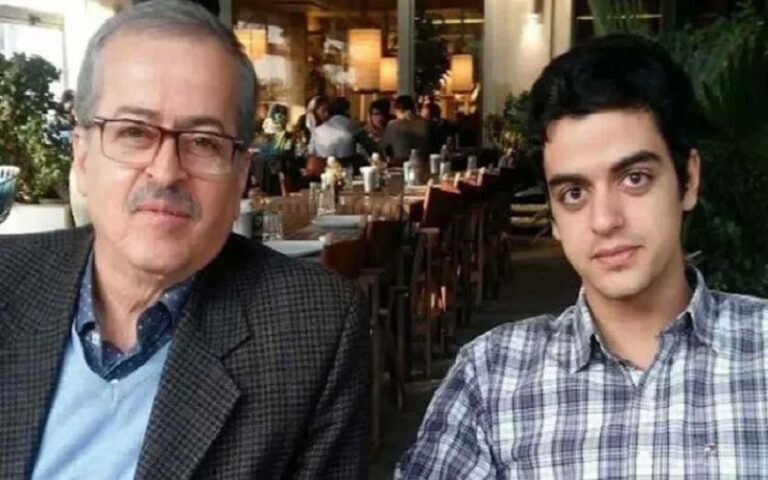
Mohammad Moghiseh and Ali Razini, two high-ranking judges of the Iranian regime, were assassinated. IRNA, the official news agency of the Iranian regime, reported that the incident occurred at the office of these judges, while some other outlets stated that the attack took place in front of the Supreme Court building.

It has been reported that the assailant committed suicide after the shooting.

Iranian media state that the assailant neither had a case in the Supreme Court nor was a visitor to its branches.

Who Was Ali Razini?

Ali Razini was a prominent judicial official of the regime. After the 1979 revolution, he joined the judiciary in 1980.

In 1981, as a judge of the Tehran Revolutionary Court, he was tasked with confronting the Mojahedin-e Khalq Organization (MEK), the largest opposition group in Iran, in Khorasan Province.

In 1981, he became the head of the Khorasan Provincial Court and was notorious for issuing harsh sentences, including numerous death sentences for opponents.

In 1984, Ali Razini became Tehran’s prosecutor and later the head of the Armed Forces Judiciary Organization. In 1987, Ruhollah Khomeini appointed him as the Sharia judge of the Special Clergy Court, and in 1988, as the head of special courts handling war-related violations.

During Mohammad Yazdi’s second term as head of the judiciary, Razini served as Tehran’s prosecutor. Later, under Mahmoud Hashemi Shahroudi, he became the head of the Administrative Justice Court.

Who Was Mohammad Moghiseh?

Mohammad Moghiseh was one of the controversial judges handling political and security cases in Iran.

He played a role in Iran’s judiciary from the early years following the 1979 revolution.

Some political prisoners from the 1980s claim that he served as a deputy prosecutor at Evin Prison during that period.

Moghiseh played a key role in the 1988 massacre of political prisoners at Gohardasht Prison. During the summer of 1988, the Iranian regime executed 30,000 political prisoners, most of whom were members of the MEK.

In recent years, Mohammad Moghiseh presided over Branch 28 of the Tehran Public and Revolutionary Court, where many political and security-related trials were held, earning a reputation for issuing harsh sentences.

In this position, Moghiseh issued numerous death sentences.

Throughout his life, Razini openly boasted about the crimes he committed, stating: “We had the courage to write down the reasons for every execution we carried out, signed under it, and this is a source of pride for us.”

Razini also commented on the 1980s massacres, saying: “The Imam [Khomeini] stated that if an armed group rises against the regime, all its members are considered adversaries, even those who are not in its military branch. The state began to confront them accordingly.”


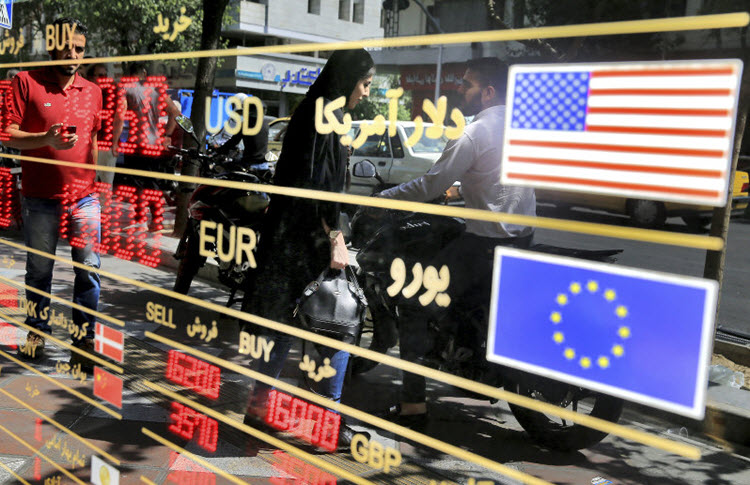
The Departure of Foreign Investors from Iran Amid Rising Exchange Rates

0

Following the exodus of foreign investors from Iran, Fatemeh Maqsoudi, spokesperson for the regime’s Majlis (Parliament) Economic Commission, stated that exchange rate fluctuations and the decline in people’s purchasing power have rendered economic activities in Iran unjustifiable, leading foreigners to leave the country.

Media outlets, however, attribute the primary cause of investors’ departure to Donald Trump’s return to the White House. In this context, the state-run Tejarat News website reported that the domino effect of the withdrawal of the few foreign investors in Iran has begun.

According to this news website, following the departure of Saudi Arabia’s Savola from Iran, the Hyperstar chain stores will leave next. The Tehran City Council has agreed to transfer ownership of the Hyperstar property in the Bakri branch, located in District 5 of Tehran, to Bank Shahr.

Masoud Daneshmand, a member of the regime’s Chamber of Commerce Board of Representatives, told Tejarat News, “Trump may have an impact in this regard, but it depends on how Iran responds. If Iran acts wisely, it can partially neutralize the effects of these decisions.”

Many experts believe that the accelerated withdrawal from Iran reflects the impact of Trump’s presence in the White House on global economic relations. In this regard, the state-run Armanmeli newspaper wrote that the domino effect of foreign investors leaving Iran has reached Digikala. The European investment company IIIC, which owns about 33% of Digikala’s shares, is expected to exit Iran soon.

Earlier, Steven Mnuchin, the former U.S. Treasury Secretary under Donald Trump, had called for intensified sanctions against the Iranian and Russian governments. According to Reuters, Mnuchin emphasized the need for stricter financial sanctions and additional measures to reduce the oil revenues of Iran and Russia.


Former French Hostage: The Iranian Regime Treats Prisoners Like “Animals”

Louis Arnaud, a French citizen who was released from Iran’s Evin Prison last June after two years of detention, spoke about his arrest, imprisonment, and release in his first media interview since his release.

He was arrested during the nationwide protests in 2022 and sentenced to five years in prison by the regime’s judiciary on security-related charges.

Louis Arnaud, who was held in solitary confinement for an extended period, told France 24 television that the authorities do everything to destroy the personality, dignity, and human identity of the detainee.

According to Louis Arnaud, the Iranian regime has taken seven French citizens hostage in recent years, three of whom remain imprisoned in Iran.

Expressing regret over the continued detention of these French citizens, he noted that several other foreign hostages, including Ahmadreza Djalali, an Iranian-Swedish citizen sentenced to death, are also imprisoned by the Iranian regime.

Swedish Scientist to face death penalty in Iran

Louis Arnaud went on to describe his difficult conditions in prison, including his detention in the secretive Ward 209, which he said is a well-known location among Iranians.

He stated that he was confined in a small, eight-square-meter cell with no windows and a light that remained on 24/7, constantly monitored by cameras.

According to Louis Arnaud, prison officers under the regime treat inmates like “animals” and take every measure to break their spirit.

He further explained that in such a cell, prisoners are cut off from their families, friends, and the outside world, hearing only the cries, groans, and screams of other detainees.

Louis Arnaud stated that he spent six months in this cell, during which he was only able to make three phone calls to his family and French officials under strict security supervision. The authorities dictated to him what he was allowed to say.

Louis Arnaud said that the officers are “masters” of torture, using both physical and psychological methods to drive prisoners to the point where they would confess to anything the authorities demanded.

He further added that the six months he spent in solitary confinement felt like six years and were an unending nightmare.

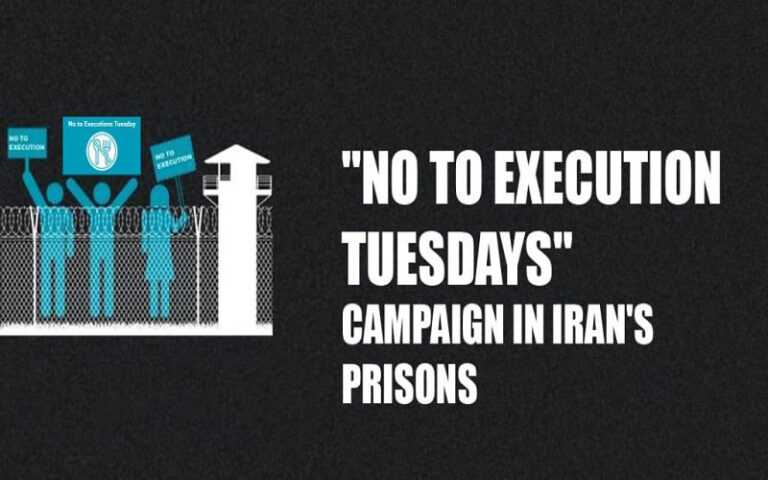
Louis Arnaud noted that thousands of Iranians opposed to the regime are also imprisoned and subjected to brutal physical and psychological torture. The regime has executed some of them, while others are on the brink of execution.

France Summons Tehran’s Ambassador Over Hostage-Taking

The three other French prisoners are Cécile Kohler, her partner Jacques Paris, and a man named Olivier Grondeau.

In May of this year, the French Ministry of Foreign Affairs described the detention of these four individuals as “state hostage-taking” and “continuous extortion” by the Iranian regime, strongly condemning this action.

The Iranian regime seeks to extort other countries by detaining foreign nationals. The ruling clerics in Iran have pursued this policy since coming to power to achieve their objectives.


Iran: UN Special Rapporteur Condemns Execution Ruling for Pakhshan Azizi

Mai Sato, the United Nations Special Rapporteur on Human Rights in Iran, expressed concern on Thursday, January 16, over the Supreme Court of Iran’s regime upholding the death sentence of Pakhshan Azizi, a civil activist and social worker imprisoned in Evin Prison.

Ms. Sato, while reposting a January 14 statement by a group of UN experts on X, referred to reports of Ms. Azizi being tortured in solitary confinement and denied a fair trial and access to legal representation.

She wrote that Pakshan Azizi’s case reflects the broader persecution of women activists from ethnic minority groups.

According to the website of the United Nations Human Rights Council, the experts stated that the charges against Pakhshan Azizi do not meet the threshold of the most serious crimes required under international law for imposing the death penalty. They emphasized that her death sentence constitutes a serious violation of international human rights law.

On July 23, 2024, Pakhshan Azizi was sentenced to death and four years in prison by Branch 26 of Tehran’s Revolutionary Court, presided over by Judge Iman Afshari, on charges of “rebellion through membership in opposition groups.” She had been arrested in Tehran by Iranian intelligence forces in the summer of 2023.

The UN experts noted that Ms. Azizi’s arrest and conviction appear to be solely due to her legitimate activities as a social worker, including supporting refugees in Iraq and Syria.

These experts added that several members of Pakhshan Azizi’s family had also been temporarily detained and faced national security charges, likely as a means of pressuring her into making a forced confession.

In their statement, these experts expressed deep concern over the increasing issuance and implementation of death sentences in Iran, stating that the number of executions in the country had surpassed 900 in 2024, with a rise in the execution of women.

The National Council of Resistance of Iran (NCRI), the main opposition coalition against the Iranian regime, had announced that over 1,000 people had been executed in Iran in 2024.

The UN experts further stated that Ms. Azizi’s case exemplifies the intensified persecution of female activists from ethnic minority groups in Iran and reflects the continued efforts to punish and silence them through a climate of intimidation.

The Supreme Court’s decision to uphold Pakhshan Azizi’s death sentence has sparked widespread protests and criticism.

In this regard, the Deputy Special Envoy of the United States for Iran called on Tuesday for the cancellation of Pakhshan Azizi’s death sentence. Azizi is a Kurdish activist and social worker.

Abram Paley, in a post on X, stated that the United States urges the Iranian government to revoke the death sentence of the humanitarian worker Pakshan Azizi following her sham trial.

Paley emphasized, “The Iranian regime must stop targeting Kurdish minorities and using the death penalty to silence peaceful dissent.”


“70 Percent” of Iranian Farmers Are Illiterate

0

Shahpour Alaei-Moghaddam, an official from Iran’s Ministry of Agriculture , stated that out of the 4.5 million farmers in the country, 70 percent do not even have basic reading and writing skills.

Alaei-Moghaddam, the Deputy for Management Development and Human Resources at the Ministry of Agriculture, emphasized in an interview with the state-run ILNA news agency—published on Thursday, January 16—that the low literacy levels among the agricultural workforce make it difficult to conduct educational programs, transfer research findings, and implement agricultural extension initiatives.

According to Alaei-Moghaddam, only 0.8 percent of Iranian farmers are university graduates and participate in the agricultural sector through cooperatives, associations, organizations, and knowledge-based companies.

The agriculture ministry official also pointed to a decline in personnel at rural agricultural service centers, stating that while the average number of employees at these centers used to be 12 per center, it has now dropped to fewer than five.

In Iran, five nationwide agricultural censuses have been conducted in the years 1973, 1988, 1993, 2003, and 2014.

Iran’s Regime Owes 1.1 Quadrillion Rials to Wheat Farmers

According to the latest agricultural census in 2014, among nearly 4 million agricultural landowners across the country—90 percent of whom operated in rural areas—approximately 1.4 million, or 34 percent, were classified as illiterate.

The latest nationwide agricultural census began on November 2, 2024, conducted by Iran’s Statistics Center, and was scheduled to last approximately 45 days.

The Statistics Center has stated that the collected data is “confidential” and “cannot be published,” but once the results are processed, the final information will be provided to the relevant authorities.

Some reports indicate that 5.2 million agricultural landowners are active in Iran, but the Statistics Center reports this number as 4 million.

However, the illiteracy crisis in Iran is not limited to agricultural landowners, and national statistics do not present a better picture. According to a report published by the state-run Ham-Mihan newspaper in September 2024, data and studies indicate that in Iran as a whole, five out of every 20 people are illiterate.

Earlier, EcoIran, a statistical analysis news platform, reported—citing the “latest published statistics”—that the illiteracy rate in 2021 was 12 percent, meaning that 12 out of every 100 Iranians lacked basic literacy.

According to this report, out of Iran’s 31 provinces, only four have a single-digit illiteracy rate.


Iraq Seeks to Disarm Iran-Backed Militias

“Iraq is trying to convince powerful armed factions… to lay down their weapons or join official security forces,” Fuad Hussein, Iraq’s Foreign Minister, told Reuters in an interview.

According to Reuters, this move by the Iraqi government comes amid significant changes in the Middle East, including the severe weakening of Hezbollah in Lebanon and Hamas, Iran’s two major proxy groups, due to heavy Israeli strikes, as well as the overthrow of Bashar al-Assad’s government in Syria.

Several prominent figures in the incoming administration of U.S. President-elect Donald Trump have pledged that with his return to the White House, pressure on the Iranian regime will intensify.

Khamenei Calls for Strengthening Iraq’s Hashd al-Shaabi

Given the close ties between Iraqi Shiite militias and the Iranian regime, as well as the significant shifts in the regional balance of power, some Iraqi officials are concerned about political stability in the country.

However, in his interview with Reuters during his visit to London, Fuad Hussein stated that he does not believe the storm of regional changes will sweep through Iraq.

The Iraqi Foreign Minister noted that two or three years ago, discussing the disarmament of militia groups in the country was impossible, but now, the presence of armed groups outside government control is unacceptable.

Fuad Hussein highlighted that many political leaders and groups have initiated discussions with militia leaders on this issue and expressed hope that these groups will lay down their weapons and join the armed forces under the control of the central government.

These remarks can be seen as Baghdad’s response to the statements made by the Iranian regime’s Supreme Leader Ali Khamenei during his meeting with Iraqi Prime Minister Mohammed Shia’ Al-Sudani on January 8, in which Khamenei called for strengthening the Shiite militia group Hashd al-Shaabi in Iraq.

Khamenei told the Iraqi Prime Minister: “Hashd al-Shaabi is one of the key components of power in Iraq, and it must be strengthened more than ever before.”

Hashd al-Shaabi is one of Iran’s proxy groups in the Middle East.

Iraq’s Foreign Minister also expressed hope that the “good relations” between Baghdad and Washington would continue during Donald Trump’s second term as U.S. president. However, he added that it is still too early to predict Trump’s foreign policy toward Iraq or the Iranian regime.

“The government was in talks to rein in the groups while continuing to walk the tightrope between its ties to both Washington and Tehran.”
Referring to Iraq’s mediating role in normalizing relations between Iran and Saudi Arabia, he stated: “The government was in talks to rein in the groups while continuing to walk the tightrope between its ties to both Washington and Tehran.”

Regarding Syria, Fuad Hussein emphasized the importance of an inclusive political process in the country and stated that Baghdad would resume oil and grain exports to Damascus once it is assured that they reach all Syrian citizens.


State Media Slam Pezeshkian for NBC Interview, Call for Retribution Against Trump

Following reactions to Masoud Pezeshkian’s interview with NBC News, Hossein Shariatmadari, the representative of Iran’s regime Supreme Leader Ali Khamenei in the Kayhan newspaper, wrote that raising the issue of negotiations with the United States was beyond Pezeshkian’s authority and that his duty was to work toward the killing of Donald Trump.

On Thursday, January 16, Shariatmadari described retribution (execution) and death as the “minimum punishment” for Trump and his former Secretary of State, Mike Pompeo, addressing Pezeshkian by writing: “Your duty as an honorable Iranian and Muslim is to carry out this divine ruling, not to negotiate [with him].”

In the editorial of Kayhan newspaper, he continued addressing Pezeshkian: “You do not own Iran. You are the president of Iran, entrusted with the executive branch of the country for four years as a temporary responsibility.”

Shariatmadari described Pezeshkian’s statements in his NBC News interview as “beyond his authority” and “a message of humiliation to the sworn enemy.”

Intensified U.S. Sanctions and Trump’s Potential Clampdown on Iran’s Oil Exports

In his interview with NBC News, Pezeshkian stated that the Iranian regime had never intended to assassinate Trump and would not do so in the future.

Kayhan also attacked Pezeshkian’s statements and the topic of negotiations with the U.S. in several articles published on Wednesday.

On Thursday, the newspaper further accused Pezeshkian of taking a “strange and thought-provoking position” in his NBC interview, calling it part of the “continued contradictory stances that conflict with the overall policies of the system and the leadership.”

Kayhan compared Pezeshkian’s stance to the policies of former President Hassan Rouhani’s administration, while at the same time describing the positions of Abbas Araghchi, the foreign minister, as “revolutionary and based on the fundamental principles of the system’s foreign policy.”

Shariatmadari had previously written in the editorial of Kayhan on Saturday, January 4: “Those who bring up the issue of negotiations with the U.S. are either asleep, drunk, or insane.”

Op-ed by a Member of Khamenei’s Office on Negotiations with the U.S.

Mehdi Fazaeli, a member of the Office for the Preservation and Publication of Khamenei’s Works, wrote in an op-ed that negotiations between the Iranian regime and the United States would play a “very significant role in reviving American hegemony” and that “this is a betrayal of the entire world.”

He stressed that after the fall of Bashar al-Assad, the United States perceives Iran as “weak” and is “seeking to extort concessions.”

On January 8, Iran’s Supreme Leader Ali Khamenei called supporters of negotiations with the U.S. “intimidated by the enemy” and urged government officials not to consider the “unreasonable expectations of the Americans” in their decision-making on various issues, including hijab, inflation, and currency.

Other newspapers close to Khamenei have also reacted to Pezeshkian’s interview. For instance, Vatan-e Emrooz newspaper confirmed Pezeshkian’s statement that the Iranian regime had not attempted to assassinate Trump but simultaneously emphasized that the regime had not abandoned his “punishment.”


UN Experts Challenge Death Sentence of Iranian Political Prisoner Pakhshan Azizi

UN human rights experts have expressed deep concern over the confirmation of the death sentence of Iranian political prisoner Pakhshan Azizi’s.

On Tuesday, January 14, UN human rights experts issued a statement expressing deep concern over the Iranian regime’s Supreme Court’s confirmation of the death sentence for Pakhshan Azizi, a human rights activist and social worker. The experts described the ruling as a blatant violation of international human rights laws and called the charges against her entirely baseless.

According to UN experts, Azizi’s arrest and conviction were solely due to her lawful activities as a social worker, particularly her support for refugees in Iraq and Syria. She has been sentenced to death for her civil activism.

Furthermore, UN experts cited reports of psychological and physical torture against Azizi in prison and the violation of her right to a fair trial. Additionally, several of her family members have been temporarily detained and charged with security-related offenses—actions that appear to be aimed at pressuring Azizi into making a forced confession.

The experts also voiced serious concerns over the rising number of death sentences and executions in Iran and called for an end to the targeting of female activists, particularly Kurdish women.

UN Fact-Finding Committee: Azizi’s Execution is an Attack on the 2022 Uprising

The UN Fact-Finding Committee on Iran has also endorsed the human rights experts’ call, describing Azizi’s death sentence as an attack on the 2022 uprising. The committee has demanded the immediate revocation of her sentence and urged countries worldwide to respond to Iran’s human rights violations.

Iran: Confirmation of Death Sentences for Political Prisoners – 54 Political Prisoners on Death Row

Pakhshan Azizi, a social worker and human rights activist, was sentenced to death in August 2024 by Branch 26 of Tehran’s Revolutionary Court, presided over by Judge Iman Afshari, on charges of “rebellion against the state” (Baghi). Despite multiple legal flaws in the case, the Supreme Court upheld the verdict. Azizi’s lawyer has stated that the ruling must be overturned due to its procedural and substantive defects.

Aziz Azizi, Pakhshan’s father, released an audio statement asserting that his daughter was not affiliated with any political party and had only traveled to Syria to aid vulnerable individuals. He added that case documents confirm Pakhshan worked as a social worker in Syria for six to seven years.


U.S. Calls for “Immediate and Decisive Action” Against Iran-Backed Houthis

0

Dorothy Shea, Deputy U.S. Ambassador and Representative to the United Nations, called on the international community to take immediate and decisive actions against the Tehran-backed Houthis in Yemen and their supporters during a UN Security Council meeting on January 15, citing the group’s growing threats to international peace and security.

During this session, which focused on Yemen’s crisis-stricken situation, Shea highlighted the Houthis’ attacks on international shipping in the Red Sea. She also pointed out that, in addition to their sabotage activities in international waters, the Houthis have recently begun detaining innocent Yemenis and even targeting former embassy employees and NGO workers.

Shea also condemned the Houthis’ hostage-taking of the crew of the “Galaxy Leader” ship, which has been held captive for over a year. She stressed that it is time for the UN Security Council to hold the Iranian government accountable for its support of all Houthi sabotage activities.

Iran-Backed Houthis Sink Second Commercial Ship in the Red Sea

The acting U.S. representative at the UN stated that the United States is calling for serious measures to cut off the Houthis’ financial resources and to use targeted sanctions to prevent their connections with other terrorist groups, such as Al-Shabaab.

Shea reaffirmed the U.S. commitment to alleviating the suffering of the Yemeni people. She noted that while more than half of Yemen’s population still relies on humanitarian aid, the Houthis continue to impose restrictions, worsening the situation. As the largest donor to Yemen, the United States urges the international community to increase financial support to address this crisis.

More than 19.5 million people in Yemen will require humanitarian assistance in 2025—an increase of 1.3 million compared to last year. This warning was issued on Wednesday by Joyce Msuya, the acting head of the UN Office for the Coordination of Humanitarian Affairs (OCHA), regarding the worsening humanitarian crisis in Yemen.

Additionally, it is estimated that around 4.8 million people remain internally displaced, the majority of whom are women and children.

Nearly half of Yemeni children under the age of five suffer from moderate to severe stunting due to malnutrition. Meanwhile, the country’s healthcare system is under immense pressure due to a widespread cholera outbreak.

The Iranian regime continues to provide financial and military support to Yemen’s Houthis. After the weakening of its proxy groups in the region, such as Hezbollah in Lebanon and the collapse of Bashar al-Assad’s rule in Syria, the Houthis have gained significant importance in Iran’s regional strategy.


IEA Weighs in on The Impact of New U.S. Sanctions on Iran’s Oil Exports

The International Energy Agency (IEA) states that recent U.S. sanctions on the “shadow fleet” of Russia and Iran will likely have a “significant” impact on the oil revenues of both countries.

The report adds that approximately one-third, equivalent to 500,000 barrels per day, of Iran’s oil exports in 2024 were carried out using tankers that have recently been added to the U.S. blacklist.

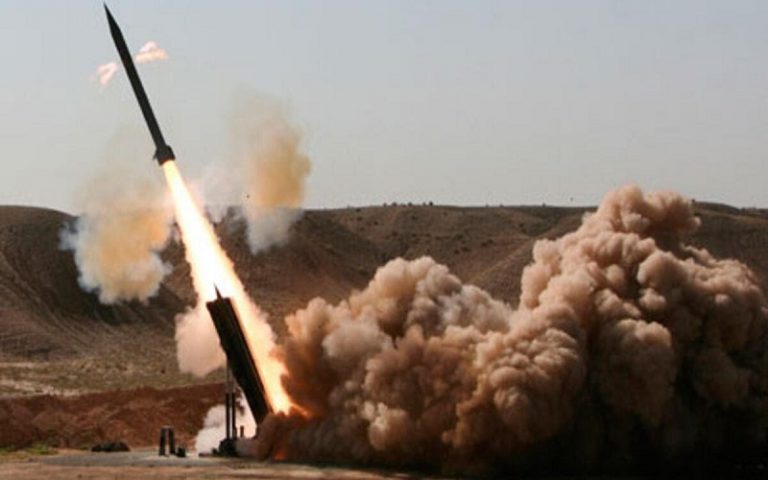
After Iran’s second missile attack on Israel, the United States sanctioned 35 tankers belonging to Tehran’s “shadow fleet.” Last Friday, it also imposed sanctions on more than 160 tankers involved in Russian oil exports, eight of which were also engaged in smuggling Iranian oil.

The “shadow fleet” or “ghost fleet” refers to a network of oil tankers that evade sanctions by turning off their automatic identification systems and falsifying documents to smuggle sanctioned oil. So far, nearly 500 tankers linked to Iran’s shadow fleet have been identified, with half of them already sanctioned.

Iran Races To Sell Its Stranded Oil In China To Strengthen Its Allies

The International Energy Agency states that while the new U.S. sanctions against the “shadow fleet” will significantly impact the oil revenues of Russia and Iran, Russia—unlike Iran—can still export its oil within the framework of existing sanctions.

Under sanctions imposed by the U.S., European Union, and other G7 countries, Russia is only permitted to export oil at prices below $60 per barrel. If it complies with this price cap, it can even use Western companies for shipping and insurance services.

Russia is making every effort to sell its oil at prices above $60 per barrel. However, unlike Russia, U.S. sanctions do not permit the purchase of Iranian oil under any circumstances or at any price. As a result, Iran’s regime relies solely on its “shadow fleet” and rebranding its oil, selling shipments under the names of Malaysian, Singaporean, Iraqi, Emirati, and Omani crude to small independent Chinese refineries known as “teapots.”

The price of Brent crude oil, the international benchmark, is currently above $81 per barrel, an increase of $8 compared to last month.

Meanwhile, the Shandong Port Group in China, which operates the largest oil terminals receiving Iranian crude, recently banned the entry of tankers sanctioned by the U.S. This has made it increasingly difficult to transport sanctioned Iranian oil to China.

Data from the commodities intelligence firm Kpler shows that Iran’s daily oil exports have dropped by around 500,000 barrels in the last two months of 2024 compared to previous months, falling below 1.3 million barrels per day.

This comes as Iran’s budget plan for the next fiscal year, starting on March 21, 2025, sets a target of exporting 1.85 million barrels of oil per day, with one-third of these exports managed by the Islamic Revolutionary Guard Corps (IRGC) and the remainder by the government.