


 USA Today: History, it is said, doesn’t repeat itself, but occasionally it does rhyme. So it is with Western policy toward Iran, which is on the verge of returning to the costly rhythm of the past. To understand why, it’s necessary to recall the summer of 1997. That was when a relatively obscure, soft-line cleric named Mohammad Khatami unexpectedly emerged as the front-runner for the Iranian presidency.
Iran’s new president wants to build trust with West, but won’t budge on key issues.
USA TODAY
By: Ilan Berman
History, it is said, doesn’t repeat itself, but occasionally it does rhyme. So it is with Western policy toward Iran, which is on the verge of returning to the costly rhythm of the past.
To understand why, it’s necessary to recall the summer of 1997. That was when a relatively obscure, soft-line cleric named Mohammad Khatami unexpectedly emerged as the front-runner for the Iranian presidency. Khatami’s subsequent victory electrified policymakers and the mainstream news media in Washington and European capitals, all of whom were eager for some sort of détente with Tehran after nearly two decades of unremitting hostility. Khatami, in turn, fanned those desires by calling for a “dialogue of civilizations” with the West.
Hope trampled
This enthusiasm, however, turned out to be misplaced. At home, Khatami, despite campaign rhetoric about the need for social reform, presided over a worsening human rights situation, culminating in the regime’s infamous July 1999 suppression of protests at Tehran University, an incident that left at least four dead and hundreds injured. As for the civilizational dialogue envisioned by Khatami, it turned out to have less to do with genuine reconciliation with the U.S. and Europe than with an effort to lessen Tehran’s deepening diplomatic isolation. Western outreach predictably fizzled, despite repeated overtures on the part of the Clinton administration and various European governments.
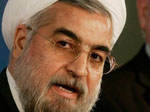
Fast-forward 16 years, and the situation is eerily similar. The June 14 election of Hasan Rowhani, a purported “moderate,” to the Iranian presidency has reignited hopes in many quarters that some sort of negotiated settlement with Tehran might be within reach. Rowhani has deftly played upon those hopes, offering his own, updated version of Khatami’s dialogue of civilizations in calling for “constructive interaction” with the West on a range of issues.
The devil, however, is in the details. Already, Rowhani has made plain that the Iranian regime won’t budge on the two matters preoccupying Western policymakers the most: Iran’s nuclear program, and its support for the regime of Bashar Assad in Syria. In his first news conference as president-elect, Rowhani ruled out a cessation of Iran’s uranium enrichment activities and made clear that the Iranian government will continue to try and keep Assad in power with both diplomacy and materiel.
Promised dialogue
But Iran’s incoming president also held out the promise of dialogue with the U.S. “Wisdom tells us both countries, both nations, need to think more about the future and try to sit down and find solutions to past issues and rectify things,” Rowhani told reporters on June 17. On the nuclear front in particular, Rowhani has pledged to “build trust” with the West and “engage in more active negotiations” with the U.S. and Europe.
That has been more than enough to spark Western enthusiasm. The White House has waxed guardedly optimistic about the possibility of renewed engagement with Tehran. The French government, too, has signaled to Rowhani that it is “ready to work” with him on a range of foreign policy matters. And the Western news media writ large have rushed to highlight Rowhani’s “moderate” views, and to expound upon the need to seize the opportunity afforded by Iran’s apparent political turnaround.
Moderate in name only
That, of course, is music to the ears of Iran’s ayatollahs, who are now weathering serious economic hardship as a result of Western sanctions. To them, having Rowhani’s kinder, gentler face at the political helm is liable to be a boon — one that might just succeed in changing the policy of Washington and European capitals from confrontation to engagement precisely when such a shift is needed most.
If they are right, Tehran will have just bought itself precious time to regroup economically and to forge ahead on the nuclear front. Washington, by contrast, might soon feel a distinct sense of déjà vu.
Ilan Berman is vice president of the American Foreign Policy Council.


