

— U.S. Central Command (@CENTCOM) July 30, 2026The Wall Street Journal reported that a proposal for a 10-to-14-day air campaign to weaken the Iranian regime’s missile capabilities is under consideration. U.S. Central Command (CENTCOM) announced early Thursday, July 30, the completion of a new round of military operations against targets in Iran. According to CENTCOM, the operation, which began at 8:00 p.m. Eastern Time, was carried out in response to missile attacks by the Islamic Revolutionary Guard Corps (IRGC) against U.S. forces and bases in the Middle East, particularly in Jordan. CENTCOM described the operation as “a powerful response” to attacks by the Iranian regime. At the same time, a U.S. official told The Wall Street Journal that the latest strikes were broader in scope than previous operations, targeting multiple locations across Iran. Axios also quoted a U.S. official as saying that the United States had launched a new wave of airstrikes against targets in Iran.
United States Launches Major Attack on Iranian Regime Targets
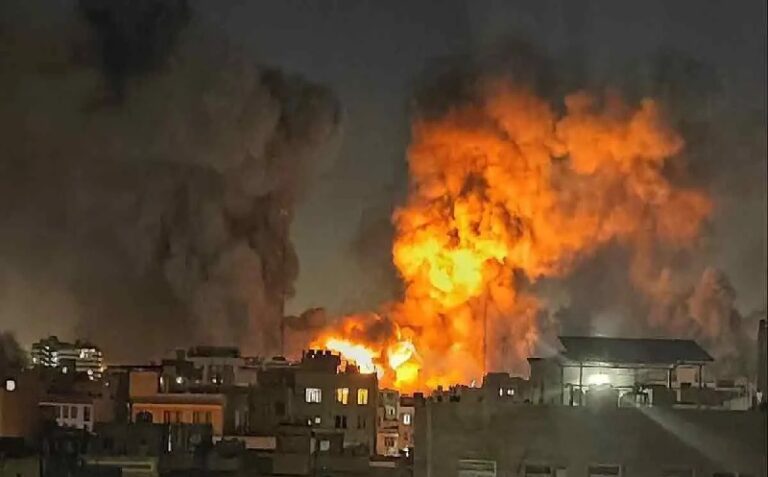
U.S. Central Command (CENTCOM) says the latest strikes were a response to missile attacks by the Islamic Revolutionary Guard Corps (IRGC) against American forces in the region.
Iranian Regime Backs Down on Executions Over Ghezel Hesar Prison Hunger Strike
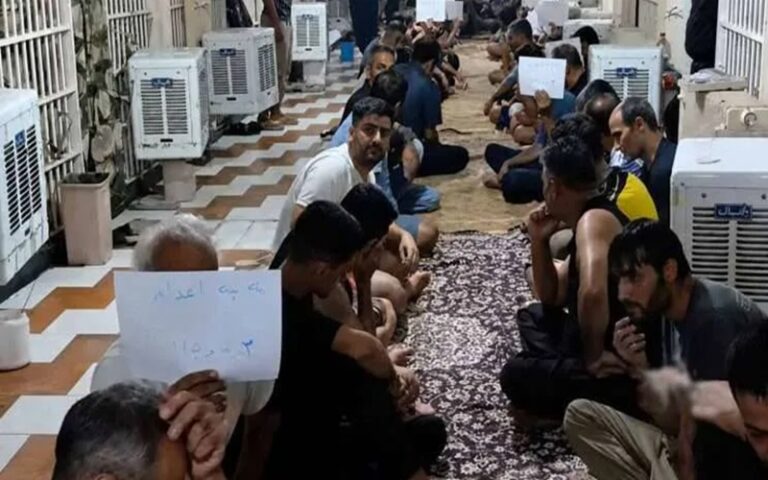
After 16 days of a widespread hunger strike by approximately 1,500 death row prisoners in Unit 2 of Ghezel Hesar Prison, the Iranian regime’s judiciary and officials from the Prisons Organization were forced to negotiate with the prisoners’ representatives. They offered promises to halt executions, return six prisoners from solitary confinement, and review the cases of those sentenced to death.
According to published reports, on Tuesday, July 28, a delegation consisting of officials from the Iranian regime’s Prisons Organization and administrators of Ghezel Hesar Prison—including the director general of Tehran Province’s prisons, the head of Tehran Province’s Clemency and Pardons Commission, the warden of Ghezel Hesar Prison, and several prison security and administrative officials—met with representatives of the prisoners in Unit 2.
Hunger Strike By 1,500 Death Row Prisoners in Ghezel Hesar Prison Marks 15th DayThe meeting took place as the prisoners’ collective hunger strike, launched in protest against executions and the transfer of several death row inmates to solitary confinement, entered its 16th day, raising growing concerns about the physical condition of the hunger strikers. According to the sources that published the report, prison officials announced during the meeting that executions in drug-related cases in Unit 2 of Ghezel Hesar Prison would be suspended until amendments to the anti-narcotics law are finalized. They also promised that the six death row prisoners who had been transferred to solitary confinement for execution would be returned to the general wards. Another commitment made during the meeting was to re-examine the cases of all death row prisoners in the unit. According to the officials, the cases will be reviewed by Clemency and Pardons Commissions through a process that could take up to six months. Reports indicate that prison officials initially attempted to persuade the prisoners’ representatives to end the strike. However, the prisoners insisted on maintaining their unity and pursuing their demands, stating that only the actual implementation of the promises could serve as the basis for deciding whether to continue or end their protest. The prisoners also warned that they would resume their hunger strike if executions restart or if the officials fail to fulfill their commitments. This is the second time in the past year that the Iranian regime’s judiciary has been forced to back down and make concessions following an organized protest by death row prisoners at Ghezel Hesar Prison. However, past experience has led both the prisoners and human rights organizations to view the implementation of these promises with skepticism. In recent weeks, the hunger strike by prisoners in Unit 2 of Ghezel Hesar has become one of the largest collective protests by death row prisoners in Iran, once again placing the expansion of executions and the condition of prisoners sentenced to death at the center of public attention and the focus of human rights organizations.
Reuters Reveals the Credibility Crisis at the Heart of Reza Pahlavi’s Campaign
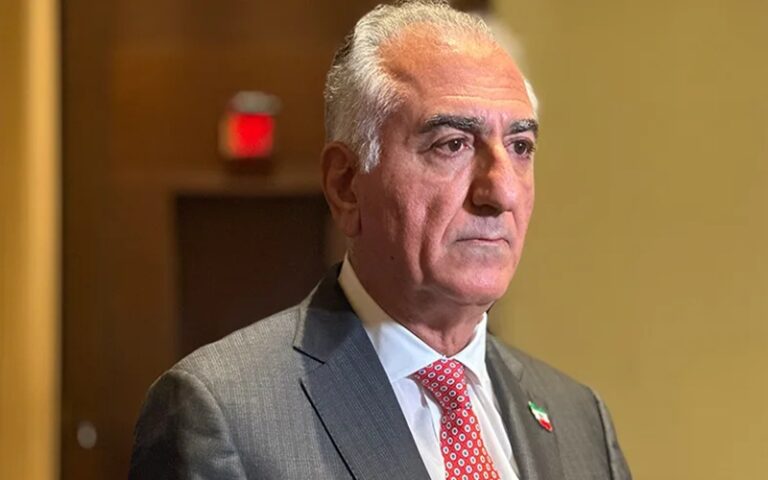
A major Reuters investigation has cast serious doubt on Reza Pahlavi’s attempt to present himself as the natural leader of a transition in Iran. Behind the speeches, foreign meetings, wealthy donors and social-media declarations, Reuters found a campaign struggling with political isolation, failed coalition-building, donor disillusionment, violence and intimidation by some supporters.
Reuters’ headline was itself revealing: “Regime change? Inside Reza Pahlavi’s faltering bid to lead Iran.” The word “faltering” was not merely rhetorical. It reflected the central finding of an investigation based on interviews with more than 50 people, including current and former associates, as well as a review of legal records, videos, photographs and social-media material.
A moment of prominence followed by political rejection
Pahlavi appeared to reach the height of his political visibility when he received an enthusiastic reception at the Conservative Political Action Conference in Texas. Supporters treated him as a potential future leader, and a group of wealthy Iranian-American business figures reportedly contributed more than $3 million to his campaign. But Reuters concluded that the event may have represented the high-water mark of his rise rather than the beginning of a successful leadership project.Why Can Reza Pahlavi Not Learn to Remain Silent?The Trump administration subsequently distanced itself from him. The US President Donald Trump publicly questioned whether Pahlavi would be accepted inside Iran. According to Reuters, a senior American diplomat also urged an Iranian-American activist addressing the United Nations Security Council not to mention Pahlavi by name. Vice President JD Vance later stated explicitly that the United States had never said it intended to install Pahlavi as Iran’s next leader. The message was unmistakable: despite years of lobbying in Washington and cultivating relationships with Western political circles, Pahlavi had failed to secure official American recognition as a credible governing alternative. Some of his own financial backers were also becoming dissatisfied. Reuters reported that donors advised him to work more seriously toward opposition unity and to respond more forcefully to harassment and violence by radical supporters. According to people familiar with those discussions, he listened but did not follow their advice. One donor stopped contributing after concluding that Pahlavi was not responding to the concerns of those financing his political activities.
Visibility is not an organized movement
Pahlavi’s greatest political asset remains his name. But recognition and nostalgia are not the same as possessing an organized democratic movement capable of surviving repression, directing events and managing a national transition. Reuters noted that Pahlavi does not appear to command a mass organization inside Iran comparable to those built by successful historical opposition leaders. Pahlavi countered that he communicated with leaders of more than 1,000 groups spanning labor, universities, religious communities and ethnic organizations. Reuters, however, said it could not independently confirm how many such groups were actually working with him. That distinction is central. A political leader seeking responsibility for a country of more than 90 million people cannot rely solely on social-media popularity, unverifiable contacts or crowds at diaspora events. He must demonstrate an accountable organization, identifiable leadership structures, a coherent strategy and the ability to unite people beyond his existing base. Reuters found little evidence that Pahlavi had achieved this.A record of failed coalition-building
Pahlavi repeatedly presents himself as a unifying transitional figure rather than a candidate seeking personal power. Yet Reuters documented the collapse of several efforts in which he participated to unite Iran’s deeply divided opposition. The most prominent example was the 2023 coalition formed by Pahlavi and several other opposition figures. The initiative quickly disintegrated amid disputes over leadership, direction and representation. Reuters also reported allegations that Pahlavi’s wife had dismissed other opposition figures as “nobodies” compared with her husband. The significance of the incident goes beyond the disputed quotation. Other members of Pahlavi’s circle have used rhetoric portraying criticism of him as collaboration with the Islamic Republic. One senior aide wrote that people were either with Pahlavi or with the regime and suggested that anyone weakening him was serving the enemy. Such rhetoric is fundamentally incompatible with democratic pluralism. A movement that treats criticism of its leader as treason is not demonstrating readiness for democratic government; it is reproducing the political intolerance it claims to oppose.Violence and intimidation by some supporters
The most damaging part of the Reuters investigation concerns a series of violent or threatening incidents involving Pahlavi supporters in Britain, Austria, the Netherlands and Canada. Reuters documented allegations involving the beating of a Kurdish journalist, threats against restaurant owners who refused to display the pre-revolutionary flag, harassment and publication of personal information, intimidation of political opponents, and confrontations outside opposition meetings. Two Pahlavi supporters were also charged in Canada with the murder of a former supporter who had become a critic. They had not been convicted at the time of the report. When violence, threats and accusations of treason repeatedly emerge from sections of a political movement, its leader has an obligation to confront them consistently, publicly and before the damage becomes impossible to ignore. Critics interviewed by Reuters argued that Pahlavi had not spoken clearly, frequently or forcefully enough against intimidation conducted in his name. His later promise to establish stricter rules for aides raises another question: why were such standards not already in place in a movement claiming to be prepared to lead a democratic transition?The IRGC contradiction
Reuters also raised questions about Pahlavi’s record regarding the Islamic Revolutionary Guard Corps. Pahlavi has repeatedly portrayed himself as an early and determined advocate for designating the IRGC as a terrorist organization. But two activists involved in a campaign to secure that designation told Reuters that his practical involvement was limited largely to social-media statements and an opinion article. According to their accounts, he declined to sign a joint statement, did not attend major campaign demonstrations and did not send a representative. One activist said Pahlavi had effectively boycotted their campaign. Pahlavi responded that some activists may have wanted to use his name to advance their own initiatives rather than the broader cause. This discrepancy between public positioning and reported conduct becomes more serious when examined alongside Pahlavi’s changing claims about contacts inside the regime’s military and security institutions. For years, Pahlavi presented outreach to members of the armed forces, the Basij and the IRGC as a central component of his transition strategy. A Washington Examiner opinion article by academics Kazem Kazerounian and Hossein Saiedian reviewed statements attributed to Pahlavi over more than two decades. The authors noted that in 2002 he spoke of communicating with clerics, Revolutionary Guards and bureaucrats by telephone, fax and email. In 2018, he described increasingly frequent direct communication with representatives of military and paramilitary forces. In 2025, Pahlavi launched what was presented as a secure channel through which military, police, security and government personnel could indicate willingness to break with the regime. By July 2025, he reportedly claimed that more than 50,000 government and military insiders had registered. He later suggested that large sections of the armed and security forces had quietly signaled support. In a February 2026 interview with Hugh Hewitt, Pahlavi said more than 160,000 people had applied through the initiative and that many were members of the security forces, military or civilian bureaucracy who wanted to participate in a future transition. The figure was politically extraordinary. If Pahlavi truly had access to such a large network of prospective defectors, it should have represented one of the most significant organized challenges ever faced by the Islamic Republic. Yet no independently verified list, representative sample, command structure or visible wave of institutional defections has been produced publicly. Nor did the reported network demonstrate a measurable ability to change the balance of power during the major confrontations that followed.From extensive contacts to informal messages
The Washington Examiner authors contrasted Pahlavi’s earlier descriptions with Reuters interview in which he denied communicating with the IRGC’s senior command and characterized his contacts as individual regime members discreetly reaching out through social-media messages. The authors argued that this was not a minor clarification but a substantial retreat from earlier claims of phone calls, faxes, daily communication with representatives and a secure platform attracting tens of thousands of applicants. The deeper problem, however, remains unanswered. What happened to the claimed 160,000 applicants? How many identities were verified? How many were members of the military, the IRGC, police or civil administration? What structure connected them to Pahlavi’s team? What evidence demonstrates that they represented real institutional defections rather than unverified online submissions? Neither the Reuters investigation nor Pahlavi’s public statements cited in these reports provide independent confirmation answering those questions.A leader by declaration, not demonstrated capacity
Pahlavi says the Iranian people have asked him to lead the transition and that he has accepted the responsibility. But leadership cannot be established through self-declaration. Reuters’ investigation depicts a political figure who remains famous but has failed to convert recognition into unity, discipline or an independently verifiable organization inside Iran. His coalition efforts have collapsed. Some donors have become disillusioned. Washington has declined to endorse him. Some supporters have engaged in behavior that damages any claim to democratic tolerance. And his claims of extensive support within Iran’s coercive institutions remain unsupported by evidence accessible to independent scrutiny. Pahlavi describes himself as a bridge to democracy. But a bridge must be anchored on both sides. On one side, he has foreign media visibility. On the other, Reuters found no clearly demonstrated mass organization inside Iran ready to assume responsibility for a transition. The distance between those two realities is not a minor weakness in his campaign. It is the central reason his bid to lead Iran is faltering.US, Saudi Arabia Strike Iran Regime-Backed Militias
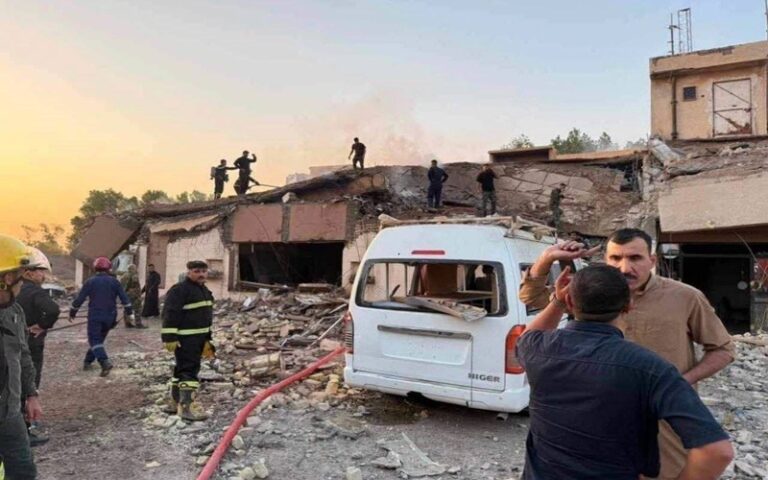
The U.S. military announced that U.S. and Saudi Arabian fighter jets carried out a joint operation early Wednesday, July 29, targeting positions of militias backed by the Iranian regime in Iraq. According to U.S. Central Command (CENTCOM), the strikes were conducted in response to more than 30 drone attacks launched over the previous 72 hours against U.S. forces and Saudi Arabia’s energy infrastructure.
CENTCOM said in a statement that the operation targeted terrorists aligned with Iran’s regime—groups that, according to the command, had been directed by the Islamic Revolutionary Guard Corps (IRGC) to attack U.S. forces and Saudi energy facilities.
— U.S. Central Command (@CENTCOM) July 29, 2026According to the statement, U.S. and Saudi aircraft carried out precision strikes against multiple logistics centers, weapons depots, and positions belonging to these groups in several areas of eastern Iraq. CENTCOM also emphasized that the recent attacks against U.S. forces had been unsuccessful. U.S. Central Command stated that Iran-aligned militias had attempted more than 600 attacks against American citizens and facilities between February and April 2026. The command warned that if the attacks continue, the IRGC and its proxy groups will face further military responses from the United States.
Reports of Casualties Among Popular Mobilization Forces
At the same time, the state-run Fars News Agency, citing Iraqi and “local sources,” reported that several bases of the Popular Mobilization Forces (PMF) in the provinces of Karbala, Nineveh, and Diyala were targeted in the U.S.-Saudi strikes. According to the report, the headquarters of Brigade 30 in the Nineveh Plains and the second headquarters of the Badr Organization in Diyala Province were among the targets.Migration from Southern Iran in the Shadow of the Iranian Regime’s WarmongeringFars also reported that seven members of PMF Brigade 30 were killed. It added that fighter jets were seen flying over Karbala, Babil, and Najaf, while several explosions were heard south of Baghdad. Meanwhile, Iraq’s official news agency reported that two members of the Popular Mobilization Forces were wounded in an airstrike on the organization’s command headquarters in Basra. The PMF also said in a statement that the attacks killed and injured several of its members and caused material damage to several buildings.
Saudi Arabia: We Are Not Seeking Escalation
Saudi Arabia’s Ministry of Defense announced that the kingdom’s armed forces, in coordination with U.S. Central Command, carried out targeted strikes against groups backed by the Iranian regime in Iraq. Riyadh holds these groups responsible for the recent drone attacks on Saudi oil facilities. The ministry stressed that Saudi Arabia is not seeking escalation but will respond to any aggression against its security and interests. The announcement came just hours after Riyadh reported intercepting and destroying several drones launched from Iraqi territory. According to Saudi officials, this was the second such drone attack in less than two days. Turki Al-Maliki, spokesperson for Saudi Arabia’s Ministry of Defense, also said on Tuesday that the intercepted drones had been launched by groups backed by the Iranian regime in Iraq, adding that Saudi Arabia reserves the right to respond at a time and place of its choosing.Iranian Regime Rejects the Allegations
The Iranian regime, however, denied any role in the attacks against Saudi targets. An unnamed Iranian military official told Iranian state television on Wednesday that attributing the attacks on U.S. and Saudi interests to Iran was “a major miscalculation.” Meanwhile, Iraqi Prime Minister Ali al-Zaidi ordered an investigation into the recent drone attacks, saying that Baghdad would not allow Iraqi territory to be used to launch attacks against neighboring countries. The Popular Mobilization Forces (PMF) are a coalition of predominantly Shiite militias that has been formally integrated into Iraq’s security forces and includes several groups closely aligned with the Iranian regime.Iranian Regime Executes Two More Protesters from the January Uprising
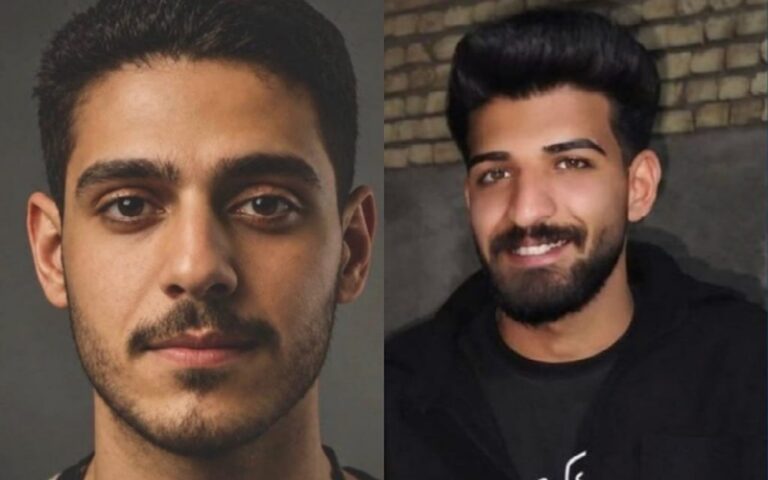
State-run media in Iran reported on Tuesday, July 28, that the Iranian regime had carried out the executions of Abolfazl Sepahi Badjani and Amirhossein Safari Hosseinabadi in connection with the January 2026 protests in Malek Shahr, a district of Isfahan.
With these executions, four of the 12 defendants in this case in Isfahan have now been executed.
News of the executions of these two additional defendants in the so-called Alikhani Square case in Isfahan was released as numerous messages and videos on social media showed overnight gatherings of people protesting the executions, coinciding with the dawn call to prayer.
The state-run Fars News Agency and Mehr News Agency published identical reports stating that the executions were carried out publicly in Alikhani Square.
Iranian Regime Executes Two Defendants in Isfahan ProtestsState-run media, including the Mizan News Agency, affiliated with Iran’s judiciary, identified the two men as “among those responsible for the killing of four Law Enforcement Command officers” in Isfahan’s “Alikhani Square” and claimed that during the January 8 protests they had “injured and set these officers on fire.” The case relates to the events of January 8 in the area around Ali Khani Square, where officials of the Iranian regime said that four members of the Basij paramilitary force and the Special Units police were killed. Following those deaths, 59 people were arrested in Isfahan, and a large criminal case was opened against them. Meanwhile, several citizen reports and videos posted on social media early Tuesday showed large numbers of people gathering in streets near the execution site to protest the executions, amid a heavy security presence and heightened tensions. Some of the videos show and capture protesters chanting “Shameless, shameless” while the dawn call to prayer was broadcast during the executions, as security forces rode motorcycles through the crowd. Reports have also circulated on social media of clashes between protesters and the Special Units police at the site, as well as internet disruptions across Isfahan. Radio Farda said it could not independently verify these reports. The executions were carried out early Tuesday, July 28, 2026, just hours after Mai Sato, the United Nations Special Rapporteur on the situation of human rights in Iran, announced that a group of UN experts had urged the Iranian regime to immediately revoke the death sentences of the remaining 10 young men charged in this case in Isfahan.
Earlier, the UN Independent International Fact-Finding Mission on Iran had also called on the Iranian judiciary to halt the executions of protesters arrested during the January demonstrations, including the defendants in this case. The 12 protesters arrested in Isfahan, who were in their late teens or early twenties at the time of their arrests, were sentenced to death in a closed-door mass trial. Before the two men executed on Tuesday morning, two others—Gol Mohammad Mohammadi and Erfan Esfandiari—were executed on July 19. According to experts, the defendants’ closed-door mass trial violated fair trial standards. They say the death sentences were based on forced confessions broadcast on state television, while the charges and individual criminal responsibility of each defendant were not clearly established.کارشناسان سازمان ملل احکام اعدام صادر شده برای ۱۲ مرد جوان به دلیل مشارکت در اعتراضات ژانویه ۲۰۲۶ را محکوم کرده و خواستار توقف فوری اعدامها شدند.
— Mai Sato (@drmaisato) July 27, 2026
کارشناسان اعلام کردند که محاکمه گروهی و غیرعلنی این متهمان با استانداردهای دادرسی عادلانه مغایرت دارد و نسبت به بازداشتهای…
‘No to Executions Tuesdays’ Campaign Marks 131st Week Across Iran
On Tuesday, July 28, the “No to Executions Tuesdays” campaign entered its 131st week. In a statement reaffirming its commitment to continuing the protests, the campaign announced that it was honoring the memory of its executed members, Behrouz Ehsani and Mehdi Hassani.
The statement also condemned the continued executions of political prisoners and called on the international community to respond appropriately to the ongoing crimes committed by the Iranian regime. The campaign’s statement reads as follows:
Continuation of the “No to Executions Tuesdays” campaign in its 131st week across 59 prisons
The “No to Executions Tuesdays” campaign commemorates the anniversary of the executions of Behrouz Ehsani and Mehdi Hassani, two political prisoners and members of the campaign. On July 26, 2025, during a raid by prison guards on the political prisoners’ ward at Ghezel Hesar Prison, the two men were beaten and transferred for execution. Other political prisoners in the ward were also subjected to a brutal assault, and their families still do not know where they were buried.Global Condemnation of the Execution of Behrouz Ehsani and Mehdi HassaniThe regime of the Supreme Leader’s rule continues to ignore protests against executions, erecting gallows every day and taking the lives of citizens. During the past week, in addition to dozens of prisoners convicted of ordinary crimes, political prisoner Mehdi Khanaki was also hanged in complete secrecy and without receiving the right to a fair trial.
Iran’s Regime Executes PMOI Member for Participating in January UprisingAs part of the same wave of repression, death sentences have also been issued against political prisoners Isa Chari, Amirhassan Akbari Monfared, Sepehr Amirzadeh, Akbar Arabzadeh, and Mehdi Arabzadeh. The number of executions since March 22, the beginning of the Iranian calendar year, has reached at least 303.
Iran’s Regime Escalates Death Sentences and Pressure Against Political PrisonersAmong the international reactions to the executions and death sentences, the UN Independent International Fact-Finding Mission on Iran warned this week about the death sentences imposed on prisoners in the so-called “Ali Khani Square” case in Isfahan and called for them to be halted. The European Union has also sanctioned five judges involved in issuing death sentences and other inhumane punishments. The judges are: Mostafa Narimani, Head of Branch Three of the Revolutionary Court in Karaj. Abolfazl Ameri Shahrabi, Head of Branch 1191 of Tehran Criminal Court Two. Mehdi Rasekhi, Judge of Branch Three of the Revolutionary Court in Rasht. Mohammad Reza Amouzad, Head of Branch 28 of the Tehran Revolutionary Court and associate judge of Branch 15 of the same court. Mohammad Reza Tavakkoli, Head of Branch One of the Revolutionary Court in Isfahan. In another protest campaign, the strike by 1,500 prisoners in Unit Two of Ghezel Hesar Prison has continued for two weeks. However, prison authorities and no other officials in this execution-driven regime have responded to their demands.
Hunger Strike By 1,500 Death Row Prisoners in Ghezel Hesar Prison Marks 15th DayThe “No to Executions Tuesdays” campaign stands alongside the prisoners of Unit Two, supports their legitimate demands and strike, and calls on people of conscience and the international community to be the voice of these prisoners and all those sentenced to death. In hope of freedom and equality for Iran’s oppressed and resilient people. Members of the “No to Executions Tuesdays” campaign are on a hunger strike on Tuesday, July 28, during the campaign’s 131st week in 59 prisons across the country.
Iranian Regime Proxy Forces Face Decline After War with United States
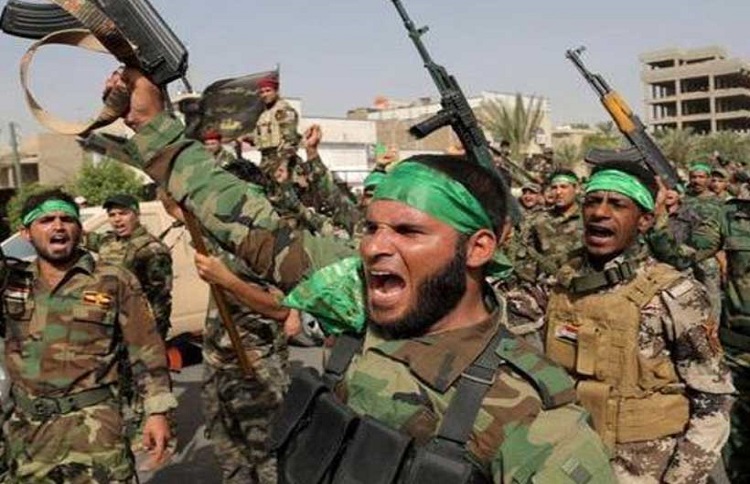
For years, one of the favorite expressions used by officials of the Iranian regime was “strategic depth.” The argument was straightforward: if the Iranian regime was to be defended, it was better to do so not at Iran’s borders but hundreds or even thousands of kilometers away.
The result of this policy was the creation of a network stretching from Hezbollah in Lebanon and the Palestinian Islamic Jihad to Iran-backed militias in Iraq, the government of Syrian President Bashar al-Assad, and the Houthis in Yemen. The Iranian regime called this network the “Axis of Resistance” and presented it as one of the most important symbols of its regional power.
Saudi-Led Coalition Bombs Hodeidah Port Are in Escalation of Clashes with Tehran-Backed HouthisBut the map that once stretched from Tehran to the Mediterranean is no longer what it used to be. Developments following October 7, the Gaza war, the blows inflicted on Hezbollah, the fall of Bashar al-Assad, and mounting pressure on armed groups in Iraq have, one after another, placed every link of this chain under strain.
A Blow to Hezbollah, the Regime’s Primary Ally
The developments in Gaza and Lebanon dealt a blow to Hezbollah, which for Tehran was not merely a regional ally but the Iranian regime’s most important and best-equipped military arm near Israel. The group has now suffered military setbacks and is also facing growing domestic pressure in Lebanon to disarm. The issue of placing weapons under the control of the Lebanese government is no longer a marginal topic. For Tehran, the weakening of Hezbollah means losing part of the deterrence capability it built over decades at enormous cost. The main blow, however, came elsewhere: Syria. The fall of Bashar al-Assad may be the most significant development affecting the future of the Iranian regime’s “strategic depth.” Throughout these years, Syria was more than just an ally of Tehran. Its territory served as the link connecting Iraq to Lebanon and as the primary route for supporting Hezbollah. For this reason, preserving Assad’s rule was far more important to the Iranian regime than simply maintaining a friendly government. With his fall, one of the most important links in the Tehran-Baghdad-Damascus-Beirut corridor disappeared. This cannot be viewed merely as a change of government in Damascus. Tehran has lost one of its principal logistical and political routes to the eastern Mediterranean, making the transfer of equipment and support to Lebanon far more difficult than before.Iraq: The Next Link?
It is still too early to speak of the end of the Iranian regime’s influence in Iraq. Armed groups aligned with Tehran continue to possess military strength, weapons, and political influence. However, conditions there have also changed. Pressure on the Iraqi government to restrict the activities of armed groups and bring their weapons under official state institutions has increased. The United States has also intensified economic pressure on financial networks linked to some Tehran-backed groups. Some of these groups have entered negotiations over surrendering or limiting their weapons, while others continue to resist. Therefore, Iraq has not yet been lost to Tehran, but it is no longer the low-cost backyard it once was.Yemen: A Proxy That Still Functions
The Houthis are in a different situation. They still retain the ability to attack shipping lanes, regional facilities, and create crises in the Red Sea. They too have suffered devastating blows during recent developments, and years of blockade have weakened their capabilities. Nevertheless, it is not possible to place all of the Iranian regime’s proxy groups in the same category. Tehran’s problem is that the Houthis cannot replace Syria or Lebanon. The Houthis can create crises in the Red Sea, but they cannot restore the missing link between Tehran, Baghdad, Damascus, and Beirut. That is the crucial difference between today’s situation and that of just a few years ago.The War That Was Never Supposed to Reach Tehran
The logic of “strategic depth” was to keep war away from Iran’s borders. The regime invested heavily to ensure that battlefronts remained in Gaza, Lebanon, Syria, Iraq, and Yemen—a strategy repeatedly emphasized by Iranian regime supreme leader Ali Khamenei in speeches over recent years. Yet, in the end, exactly what this strategy was designed to prevent occurred: war reached Iran itself, and that war was not only fought in the skies but also in the streets of Iranian cities as the people confronted the regime. This has happened at a time when the regime no longer enjoys the domestic conditions it once did. The consequences of the January 2026 uprising, the economic crisis, widespread public discontent, and the regime’s lack of legitimacy are weighing heavily alongside external pressure on Tehran. What has clearly changed is the cohesion and strength of the network that the Iranian regime built over four decades and regarded as its defensive shield. Syria has been removed from this chain, Hezbollah has suffered severe blows, and the future of Iran-backed groups in Iraq is also under growing pressure.Migration from Southern Iran in the Shadow of the Iranian Regime’s Warmongering
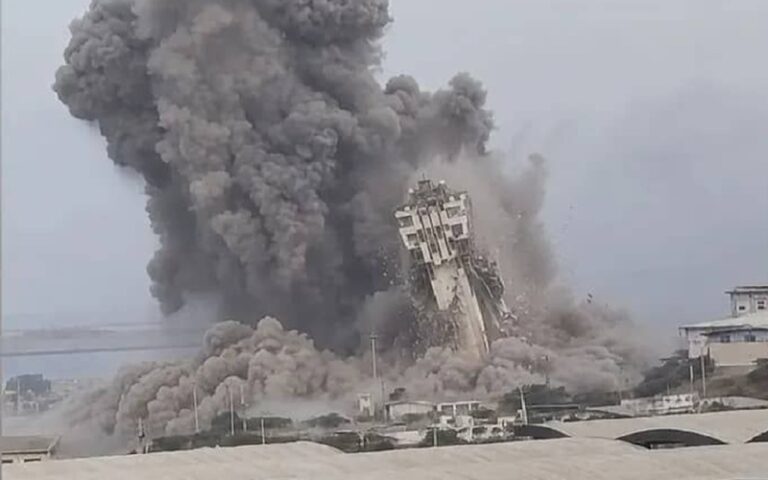
The migration and displacement of people from cities in southern Iran is one of the consequences of the war that has affected the lives of millions of people in recent weeks. Some media outlets have compared the current situation to the mass displacement of people from southern and western Iran during the eight-year Iran-Iraq War.
During that period, thousands of families in Khuzestan Province and other war-affected regions abandoned their homes and moved to safer areas. Now, nearly four decades after the end of that war, the same sense of fear has once again fallen over southern Iran. This time, in addition to the threat of war, people are also struggling with economic hardship, temperatures exceeding 50°C (122°F), and repeated water and electricity outages.
A war that may serve the Iranian regime as a means to further securitize society and intensify repression has a very different meaning for the people of southern Iran: concern for their lives, homes, jobs, and future.
Prospect of Renewed U.S.-Iranian Regime Talks Drives Oil Prices Lower
The Return of Painful War Memories
On July 16, the state-run news website Fararu published a report titled “The Return of War to the Memory of Cities; Residents of Abadan and Ahvaz Recall the Return of Fear and Wartime Memories,” examining the resurgence of memories from the eight-year Iran-Iraq War among people in southern Iran. The report describes today’s conditions as “an echo of the days of the eight-year war,” a conflict whose scars remain visible in war-affected cities, from “mine warning signs” to “shrapnel embedded in walls.” This time, however, another factor has heightened public concern: the proximity of some military bases and facilities to residential areas. The tragic incident involving a school in Minab and the exposure of civilians to the consequences of military attacks have increased concerns about the safety of ordinary people.Life, Livelihood, or Migration?
For many people, leaving their city is not easy, even if they wish to do so. What should a family do if it has no car, cannot afford to rent a home in another city, or has no relatives or acquaintances in other provinces if the danger escalates? Water and electricity outages during the extreme southern heat have further worsened the situation, especially for families with children or elderly members. On July 19, the state-run newspaper Shargh addressed the same issue, writing that the shadow of war and fears of displacement have spread across regions that were already suffering from economic hardship, poor living conditions, and inadequate infrastructure. For many people in southern Iran, the issue is no longer simply choosing whether to stay or leave; it has become a choice between survival, livelihood, and displacement.“Where Should We Go?”
In another report published on July 21 titled “What Is Happening in the South? Where Should I Go?”, Fararu voiced the concerns of local residents, asking: “Is the city going to be emptied? Where should we go?” The outlet writes: “No one understands the condition of the south except the people of the south.” If people are forced to leave their cities and have no relatives or place to stay in another province, where should they go? How will they cover their living expenses? What will happen to their jobs and their children’s education? At the same time, the war has also disrupted many businesses. Under these circumstances, Alireza Noura, deputy governor of Sistan and Baluchestan Province and special governor of Chabahar, announced that no official order had been issued to evacuate Chabahar. However, official assurances that conditions are normal have done little to ease the concerns of people who are already experiencing the effects of the war in their daily lives.“Life on Hold” in Southern Iran
Euronews also examined the situation in Iran’s southern provinces in a report published on July 19 titled “Hostages of Geography: The Lives of 11 Million Civilians in Southern Iran Trapped by Warmongering.” The report describes the situation as a “life on hold,” stating that the war has disrupted normal life across four southern provinces—regions that are simultaneously facing water shortages, electricity outages, extreme heat, and economic difficulties. Not everyone in southern Iran has left, and many do not want to abandon their homes and cities. The concern is that if conditions deteriorate further, a large portion of these residents will have no clear or safe alternative. People who have had no role in the Iranian regime’s military or regional decision-making are now paying the price with their security, livelihoods, and future.Prospect of Renewed U.S.-Iranian Regime Talks Drives Oil Prices Lower
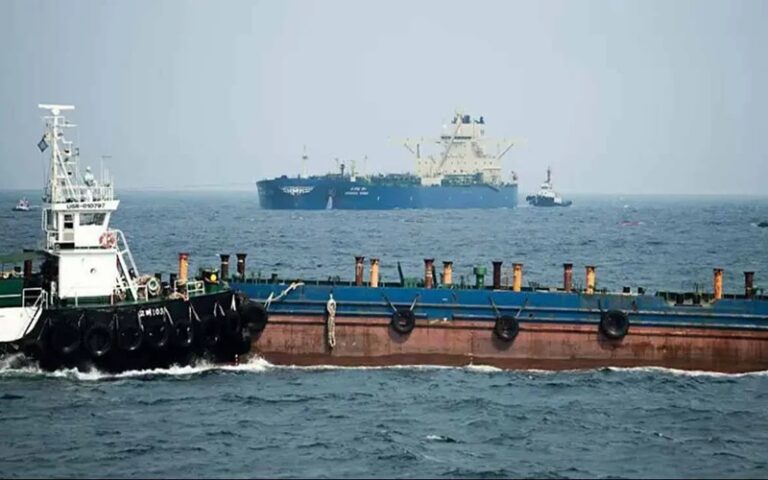
Esmaeil Baghaei, spokesperson for the Iranian regime’s Ministry of Foreign Affairs, said in an interview with Austria’s state broadcaster that indirect contacts between Tehran and Washington are continuing, with mediators including Pakistan and Qatar facilitating the exchange of messages between the two sides.
Baghaei said, “The Americans are exchanging messages with us, and under the current circumstances, mediators, including Pakistan and Qatar, are active and are conveying messages between the parties.”
He also stressed that the existence of an appropriate framework is essential before any talks can begin, claiming that the United States has undermined such a framework.
Three European Embassies in Tehran Evacuate Staff Amid Escalating Regional TensionsBaghaei also claimed: “Negotiations aimed at dictating or imposing demands will certainly not be acceptable to us.” His remarks came after he also stated on Sunday, without providing details, that there had been “progress” in discussions and exchanges between Tehran and Muscat, the capital of Oman. His comments followed the departure of an Omani delegation from Iran on Saturday evening after it had traveled to Tehran for consultations regarding the management of the Strait of Hormuz.
Oil Prices Fall More Than 5% Amid Hopes for Continued Talks
As speculation grew over the possibility of continued negotiations between the Iranian regime and the United States, and after two consecutive nights without a U.S. military strike on Iran, oil prices fell by more than 5% at the opening of Monday’s trading in Asian markets. In Monday morning trading, the price of Brent crude fell by 5.58% to $91.38 per barrel. U.S. West Texas Intermediate crude also declined by 5.46%, reaching $84.43 per barrel.Hunger Strike By 1,500 Death Row Prisoners in Ghezel Hesar Prison Marks 15th Day
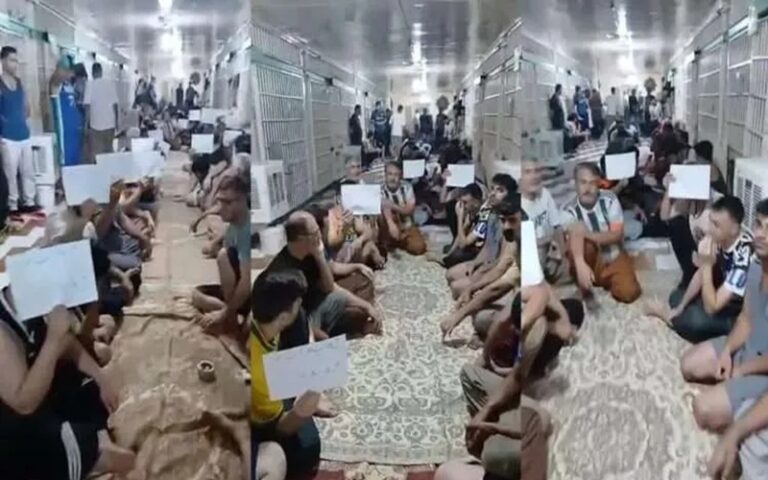
The hunger strike by approximately 1,500 death row prisoners in Unit 2 of Ghezel Hesar Prison entered its fifteenth day on Monday. Reports and videos released from inside the prison indicate the deteriorating physical condition of a number of the strikers, as well as the continued inattention of officials from Iran’s judiciary and prison authorities to their health and demands.
Deteriorating Health Conditions and Continued Inaction by Iranian Regime Officials
The prisoners’ hunger strike, which began in protest against the continued implementation of death sentences, has continued despite more than two weeks having passed. According to the prisoners, no effective action has been taken so far to address either their demands or the physical condition of the hunger strikers.Collective Hunger Strike at Ghezel Hesar Prison Calls for Halt to ExecutionsIn one of the videos released from inside Unit 2 of Ghezel Hesar Prison, a prisoner says that despite 15 days of hunger strike, none of the officials from Iran’s Judiciary or prison administrators have visited the ward to assess the condition of the strikers. Informed sources have also reported worsening physical problems among many of the prisoners. Severe weakness, low blood pressure, weight loss, fatigue, dizziness, and reduced physical strength are among the reported symptoms. Some of the hunger strikers have largely lost the ability to carry out their daily activities due to the prolonged strike. According to these sources, despite the prisoners’ deteriorating health, no independent medical team has been sent to examine them. Prison authorities and the prison infirmary have also failed to take effective action to address the condition of the hunger strikers. The prisoners have warned that the continuation of this situation could place the health and lives of many of them at serious risk.
