

Iran’s Energy Minister Warns of a “Difficult Summer” Ahead
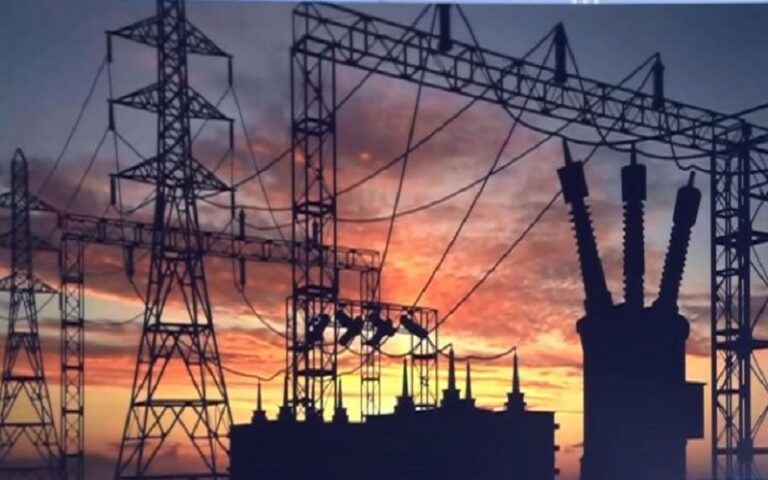
As Iranian regime officials face multiple crises—including energy shortages, severe air pollution, and the daily rise in the U.S. dollar exchange rate, which has led to prolonged shutdowns across the country—Iran’s Minister of Energy announced that the government is preparing for a “difficult summer,” warning that overcoming it “won’t be easy.”
Abbas Ali-Abadi, Iran’s Minister of Energy, stated that last summer, Iran faced a 20,000-megawatt energy shortfall and predicted: “This figure will rise to 25,000 megawatts in the upcoming summer. God willing, it won’t!”
He added: “The reality is that there is an energy imbalance. The reality is that there is not enough gas in winter. The Ministry of Oil cannot compensate for it within two months. It’s simply not possible.”
Speaking at a special session of the Iranian regime’s Energy Commission in Majlis (parliament), attended by Speaker Mohammad Bagher Ghalibaf, Ali-Abadi emphasized that a “major energy imbalance” is on the way for the hot summer. He added: “In a cold winter, we wear coats or warm clothing, but getting through summer won’t be that simple.”
Many independent economists argue that “imbalance” is a term coined by Iranian regime officials to avoid admitting to the country’s deep economic crises.
Meanwhile, Iran’s energy crisis continues to worsen daily, with experts warning of a looming “economic collapse.” The Secretary-General of the Petrochemical Employers’ Association has announced that gas supply to 12 petrochemical plants has been cut off.
Iranian regime officials have failed to resolve crises such as air pollution, power shortages, and foreign currency devaluation, instead attempting to blame these issues on what they call “enemy psychological operations.”
On Sunday, January 5, Salman Zakir, a member of the parliamentary Industry Commission, warned of potential famine in Iran, stating that if “economic imbalances continue at this level, famine could become a reality.”
The Iranian rial’s decline against the U.S. dollar has spiraled out of the regime’s control, and the government has proven incapable of managing the country’s financial situation. According to experts, Iran’s economy is collapsing, yet the regime continues its warmongering policies in the region.
Protests in Iran: A New Wave of Popular Anger Threatens the Stability of the Regime
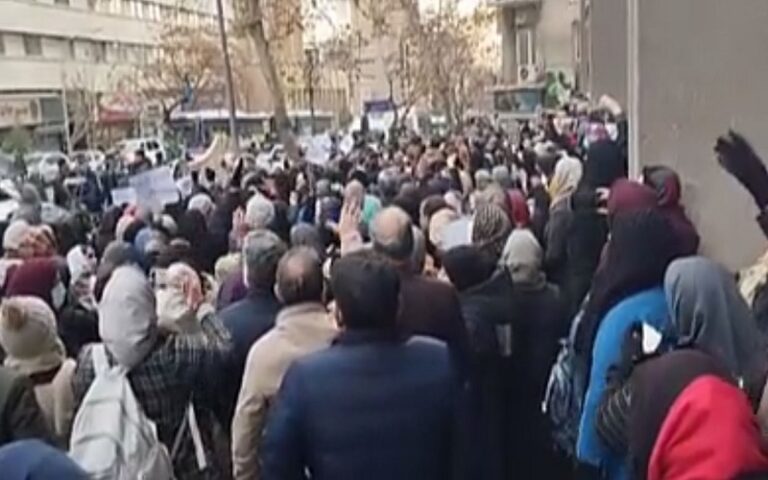
Iran is witnessing a significant escalation in popular protests that extend across various sectors and regions, reflecting deep discontent among a broad spectrum of society. These protests are not just an expression of economic problems but rather an indication of a comprehensive crisis that encompasses all aspects of life in the country.
In Tehran, hundreds of retirees from the education and communications sectors gathered to protest the delay in disbursing their retirement benefits and the failure to meet their basic demands. Retirees from the Ministry of Education raised slogans such as “With all these resources, Iran’s situation is bad,” referring to government corruption and mismanagement of national resources. This group demanded the disbursement of 60% of the retirement benefits that have been delayed for more than sixteen months, reflecting a severe crisis in the management of public funds.
In the telecommunications sector, retirees expressed their dissatisfaction with the organization for the Execution of Imam Khomeini’s Order (EIKO) and the Basij Cooperative Foundation, chanting slogans such as “Unite against oppression and corruption.” These protests indicate that popular anger is no longer limited to the working classes but has extended to include those who have spent their lives serving the state.
The protests were not limited to retirees; other sectors witnessed waves of anger, most notably:
– The steel and metal sector: Workers in cities such as Tehran, Isfahan, and Damghan took to the streets to demand improved working conditions and salaries.
The economic deterioration contributed to fueling the protests, as the dollar exchange rate has reached 810,000 rials, leading to a wave of exorbitant inflation and the closure of many shops. This rise indicates the government’s failure to control the market, which deepens the living crisis and increases feelings of frustration among citizens.
The protests were not limited to the capital, Tehran, but extended to other cities such as Kermanshah, Ahvaz, and Shush, where citizens took to the streets to express their anger. The main demands of these protests range from improving economic and social conditions to calling for regime change.
The current protests reflect a multi-faceted crisis that includes:
– Economic problems: Inflation and rising prices have led to the collapse of citizens’ purchasing power.
– Loss of confidence in the regime: Demands for accountability and transparency are increasing, reflecting the people’s lack of trust in state institutions.
As protests escalate and spread across regions, fears are growing that they could turn into a full-scale uprising against the ruling regime. Slogans such as “Workers and retirees, unite!” and “We will fight and will not accept humiliation” indicate the rising spirit of defiance among the demonstrators, warning that the country may be on the cusp of a new phase of popular unrest.
Today’s protests in Iran represent a call for radical change in the country. As popular anger continues and spreads, the question remains: Will the authorities respond to the people’s demands, or will the protests develop into a full-scale confrontation that threatens the stability of the regime? The coming days will hold the answer.
Iran’s Health Minister Claims Drug Price Hikes Due to Currency Fluctuations
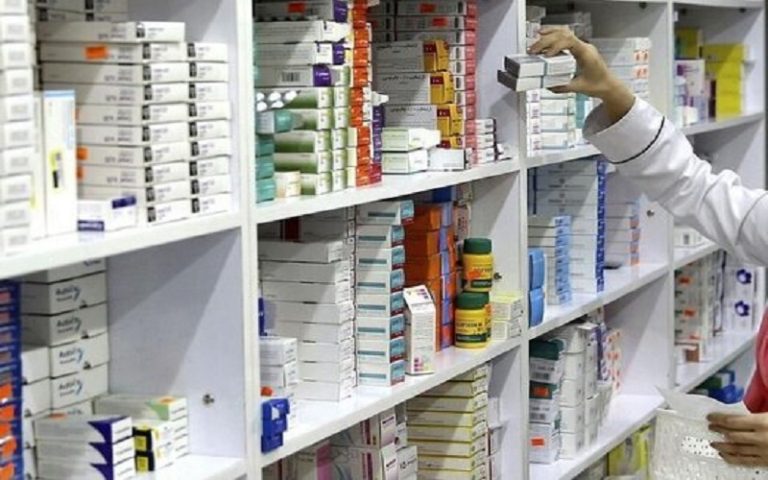
As reports emerge of a renewed shortage of medications for chronic illnesses, Mohammad-Reza Zafarghandi, the Iranian regime’s Minister of Health, announced that drug prices are rising due to currency fluctuations, stating that exchange rate instability directly impacts medication costs.
On Sunday, January 5, the health minister also promised that to prevent further price hikes, the government would compensate insurance companies for the currency fluctuations so that the public would not have to bear the extra costs.
This pledge comes as Mehdi Pirsalahi, head of the Food and Drug Administration, revealed that the government owes 360 trillion rials (approximately $444.5 million) in pharmaceutical debts.
He also noted that the government has 200 trillion rials (approximately $247 million) in outstanding debts for medical equipment, adding that the long-standing nature of these debts is exacerbating liquidity issues.
On November 29, 2024, Iran’s health minister announced the removal of preferential exchange rates for pharmaceuticals and medical equipment, stating that medications would now be imported using the NIMA exchange rate.
The NIMA exchange rate, set within the “Integrated Foreign Exchange System” by Iran’s Central Bank, currently stands at 510,000 rials per U.S. dollar, whereas the open market rate has surged to 810,000 rials per U.S. dollar.
However, the health minister backtracked on his stance just a day later, stating that these government subsidies would continue into the following year.
The 42,000-rial preferential exchange rate for pharmaceuticals was eliminated last year, and the exact rate for next year remains undetermined.
Iran’s 2025 Budget Reduces Essential Goods Imports; Drug Shortages Worsen
On October 22, 2024, as the general outline of the 2025 budget bill was released, it became clear that President Masoud Pezeshkian’s government plans to reduce the allocation of foreign currency for essential goods imports to 12 billion euros, 20 percent less than the current level. Additionally, the exchange rate for these imports will rise from 285,000 rials per euro to 385,000 rials, a 100,000-rial increase. In the summer of 2022, Ebrahim Raisi’s government abruptly removed the preferential exchange rate for pharmaceuticals—which had previously been set at 42,000 rials per U.S. dollar—under a plan known as “DaroYar” (Medicine Supporter). According to a May 2024 report from the Parliament’s Health and Treatment Commission, the cost of purchasing medicine for patients has increased by over 110 percent in practice. Meanwhile, the number of scarce and unavailable medications has increased significantly compared to the period before the plan was implemented. In recent days, multiple reports have highlighted severe medication shortages across the country. Meanwhile, Mehdi Pirsalahi, head of Iran’s Food and Drug Administration, identified the severe liquidity crisis facing pharmaceutical suppliers as the primary cause of drug shortages. He cited “oppressive price controls” as the second major factor in drug shortages, explaining that some medicines—mainly hospital-grade drugs—have been discontinued due to their lack of profitability.Russia Denied Iran Permission to Use Its Airbase for Troop Transfers
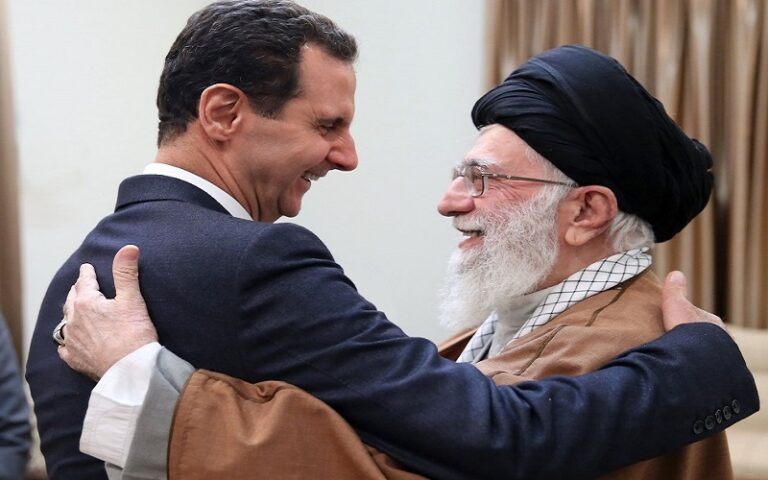
Kamel Saqar, former head of the media office at the Syrian presidency, stated that Russia ignored Bashar al-Assad’s request to use the Hmeimim airbase for transferring Iranian military aid to the Syrian army following the fall of Aleppo.
In an interview with the Al-Mazij podcast, Kamel Saqar revealed that Iranian officials informed Assad they had not received any guarantees allowing Iranian aircraft to land at Hmeimim Airbase or to transit through Iraqi and Syrian airspace.
According to Kamel Saqar, after this, Assad formally requested permission from Russian authorities to allow Iranian planes to land at Hmeimim, but the request went unanswered.
Neither Russian nor Iranian officials have directly addressed this matter. However, Russian President Vladimir Putin stated on Thursday, December 19, 2024: “Previously, our Iranian friends wanted us to help them transfer their units into Syria. Now, they are asking us to remove them from there.”
He further claimed that Russia had withdrawn 4,000 Iranian regime fighters from Syria.
Iranian Supreme Leader Ali Khamenei stated on December 11, 2024, that Iranian forces had prepared the necessary resources to assist Bashar al-Assad but that the U.S. and Israel had blocked both air and land routes to Syria.
Meanwhile, Kamel Saqar reported that Iranian officials informed Assad that the U.S. had threatened to shoot down any Iranian aircraft attempting to cross Iraqi airspace en route to Hmeimim Airbase.
Kamel Saqar also claimed that Russia had urged Assad to meet with Turkish President Recep Tayyip Erdoğan, but Assad refused, which reportedly displeased Moscow.
Russia Removed Assad from Syria, Moscow Forms New Ties with Damascus
Abbas Araghchi, Iran’s Foreign Minister, stated that Tehran had repeatedly advised Bashar al-Assad to engage in negotiations with Turkey and had also proposed political reforms to Damascus. Turkey, which had supported Assad’s opposition, was the first regional country to send its foreign minister to Damascus. On December 16, Bashar al-Assad stated that he had not been willing to leave Syria, but the Russians had forced him out of the country. Reuters reported that just hours before fleeing to Moscow, Assad had held a meeting with around 30 military and security commanders, assuring them that Russian military support was on its way. Russian officials have expressed optimism about maintaining good relations with the new rulers in Damascus and keeping their military bases in Syria. Meanwhile, on Thursday, December 26, 2024, Russian Foreign Minister Sergey Lavrov stated that Ahmad Al-Sharaa, leader of Hayat Tahrir al-Sham, had described relations between Syria and Russia as “long-term and strategic,” and Moscow agreed with this assessment. However, during her visit to Damascus on Friday, January 3, German Foreign Minister Annalena Baerbock stated that Russia must withdraw its military bases from Syria.Iran Executes Over 1,000 Individuals In 2024 Amidst Intensifying Domestic Crises
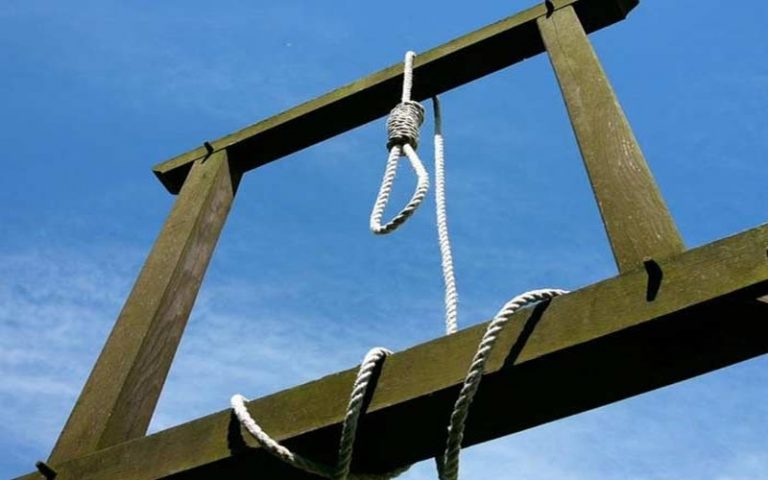
In 2024, the Iranian regime executed no fewer than 1,000 individuals across 86 prisons, marking a record high under Supreme Leader Ali Khamenei. Among the executed were 34 women, seven minors, and 119 members of the Baluchi ethnic minority, with four executions carried out publicly. This marks a 16% increase compared to 2023, which saw 864 executions.
The escalation in executions aligns with mounting political and economic crises within Iran. The final quarter of 2024 witnessed 47% of the year’s executions, underscoring the regime’s attempt to suppress dissent and maintain control amidst growing discontent. In contrast, the first quarter accounted for only 11% of the executions, and the second quarter saw 17%. The trend correlates with significant political events, such as the parliamentary elections in February and the presidential elections in June.
Shocking Start to 2025
On January 1, 2025, the regime continued its brutal campaign with the execution of 12 individuals in prisons located in Ghezel Hesar, Bandar Abbas, Yasuj, and Malayer. This surge in executions has drawn sharp criticism from human rights advocates. Maryam Rajavi, the President-elect of the National Council of Resistance of Iran, condemned the regime’s actions, stating, “Khamenei resorts to these executions to suppress the people’s uprising demanding the regime’s overthrow. However, these atrocities only strengthened the determination of Iran’s youth to overthrow the religious dictatorship.” She further for the Iranian regime to be “ostracized by the international community” and any dealings with it be “conditioned on halting executions and torture. Its leaders must be held accountable before justice.”Execution Patterns and Ethnic Discrimination
Executions were carried out in 86 prisons across Iran’s 31 provinces. Approximately half took place in eight major prisons, including Ghezel Hesar (165 cases), Shiraz (97 cases), and Isfahan (61 cases). Remote prisons reported fewer executions due to the difficulty of documentation. Ethnic minorities, particularly the Baluchi population, faced disproportionate repression. Of the 1,000 documented executions, 119 were Baluchi individuals, reflecting systemic discrimination. Furthermore, 34 women and seven minors, who were under 18 at the time of their alleged crimes, were among those executed. The average age of the 491 identified victims was 36 years.Public Executions and Human Rights Violations
The Iranian regime also carried out four public executions in 2024. Beyond executions, the regime employed severe punishments, including amputations. For example, two brothers in Urmia had their right-hand fingers amputated, as did two prisoners in Qom, while authorities ignored widespread corruption among high-ranking officials. Additionally, the judiciary ruled to blind a detainee accused of injuring a police officer during the 2017 protests. In what the regime touted as a “humanitarian” reform; it announced that thieves would be anesthetized before undergoing amputations.Drug-Related Executions
More than half of the executions (502 cases) were drug-related, despite the regime’s involvement in drug trafficking through networks controlled by the Revolutionary Guards. These networks reportedly generate billions of dollars across the region and internationally, with some of their activities exposed following the collapse of the Syrian regime.Calls for International Action
Maryam Rajavi emphasized that the “Silence and inaction in the face of such savage executions not only trample on recognized human rights principles but also embolden the regime to continue its executions, terrorism, war-mongering, and pursuit of nuclear weapons.” She urged global powers to hold the Iranian regime accountable for its human rights violations, terrorism, and pursuit of nuclear weapons. Rajavi reiterated the need for the regime’s leaders to face justice for their 45-year record of crimes against humanity and genocide. The record number of executions in 2024 underscores the Iranian regime’s reliance on fear and repression to maintain its grip on power. As calls for justice grow louder, the international community faces increasing pressure to take decisive action against Tehran’s escalating human rights abuses.Economic Protests in Several Iranian Cities: “Enough Warmongering, Our Tables Are Empty”
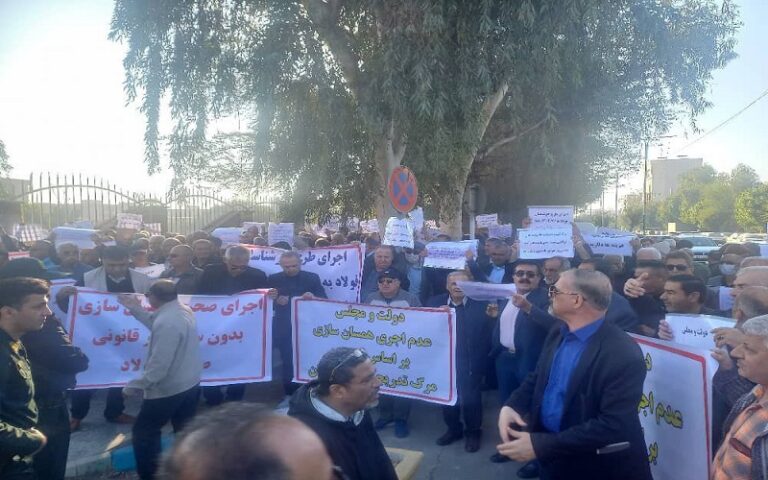
Economic protests continued in Iran on Sunday with demonstrations by retired steel and mining industry workers in several cities, alongside strikes by oil and gas industry employees. Protesters chanted “Enough warmongering, our tables are empty,” criticizing various domestic and foreign policies of the Iranian regime.
According to citizen reports and social media posts on Sunday, January 5, retirees from various industries and organizations staged protests in several cities, including Isfahan, Rasht, Kermanshah, Ahvaz, Shush, and Bushehr.
Retirees from the Social Security Organization in Rasht protested against the neglect of their labor rights and the failure to meet their demands, chanting: “Cry out, cry out, against all this oppression.”
Retired protesters in Kermanshah chanted, “Looting the nation’s pockets under the slogan of justice,” denouncing the false promises of regime officials.
They also chanted “Enough warmongering, our tables are empty,” condemning the regime’s domestic and foreign policies and its role in fueling tensions and conflicts in the region.
A group of retirees from the Khuzestan steel industry held a “silent march” to protest the government’s failure to implement the pension adjustment law, which is supposed to adjust pensions to account for the changing costs of living.
Another group of retirees in Ahvaz protested against the Iranian regime’s focus on restricting women’s freedoms instead of addressing economic hardships, chanting: “Forget the headscarves, control inflation.”
Retired protesters in Shush, another city in Khuzestan province, chanted: “A retiree’s salary lasts only a week.”
In Isfahan, retired steel industry workers held protest marches with placards, demanding their labor rights be fulfilled.
In Bushehr, a group of retired teachers who had retired last year gathered in front of the provincial governor’s office to protest the “delayed end-of-service bonuses.”
Expansion of Economic Protests in Iran; Warning of Famine
Alongside pensioners’ economic protests, a group of workers from the Haft-Tappeh Sugarcane Company gathered in front of the Khuzestan province governor’s office in Ahvaz, insisting on their labor demands and chanting: “A worker may die but will not accept humiliation.” Additionally, a group of applicants for the National Housing Plan in Ahvaz staged a protest in front of the Khuzestan governor’s office. Employees of the Iran Ofoq Company at the Yadavaran oil field in Khorramshahr also held a protest to demand their unmet labor rights. The expansion of economic protests comes as state media reported that Iran’s monthly minimum wage, which was approximately $113 in early 2024, has dropped to around $88 in the final months of the year due to ongoing currency fluctuations in January. The growing labor protests among various groups—including retirees, workers from different industries, teachers, nurses, and healthcare staff—highlight the worsening economic hardships in Iran and authorities’ disregard for citizens’ demands. In response to these protests, the regime has intensified security crackdowns and legal actions against independent labor activists, teachers, and retirees. Currently, several of these activists are imprisoned on security-related charges. As the Iranian rial continues to depreciate against foreign currencies—especially the U.S. dollar, which recently surged to approximately 820,000 rials in the open market—Salman Zaker, a member of the Iranian regime’s Majlis (parliament) from Industry Commission, warned of potential famine, stating that if “economic imbalances persist at this level, famine could become a reality.”Iran: 50% Reduction in Industrial Production Due to Power Shortages
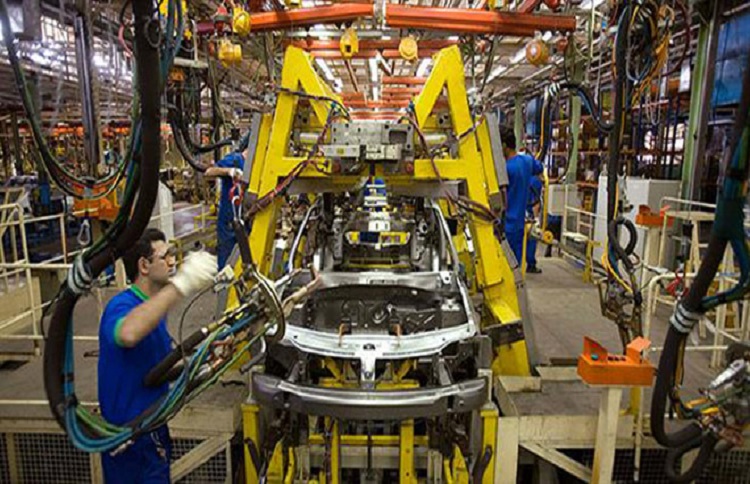
While industrial business owners report various negative consequences of power outages on production—such as a 50% reduction in industrial park production capacity, the shutdown of 22 cement factory kilns, the closure of many manufacturing units, and a decline in steel production—the CEO of Tavanir (Iran’s Power Generation, Transmission, and Distribution Management Company) has announced that the electricity supply-demand imbalance will worsen next year.
Reza Shahrestani, a steel producer, highlighted the dire situation of the steel industry due to energy imbalances. Speaking to Tejarat News, he stated that Turkish and Arab traders are the biggest beneficiaries of steel production in Iran. He added: “It is estimated that due to energy shortages, Iran has lost at least eight million tons of production capacity, equivalent to a $5 billion loss.”
Meanwhile, Mostafa Rajabi Mashhadi, CEO of Tavanir, announced that the 20,000-megawatt electricity shortage experienced this summer will increase to a 24,000-megawatt deficit next year.
Rajabi Mashhadi attributed the main cause of this shortage to the country’s low electricity tariffs, which he claimed have made “all types of businesses and activities economically viable” in Iran.
Ali-Asghar Ahaniha, the representative of employers in the Supreme Council, recently announced that 50% of the production capacity in industrial parks has been halted due to power outages.
Alireza Kolahi Samadi, chairman of the Industry Commission of the Iran Chamber of Commerce, told Khabar Online: “In some industrial companies, power outages have reached 50%, but this situation is not uniform across the country.”
Private sector representatives report that the damage from power outages has reached $20 billion. In this regard, the head of the National Union of Alternative Fuels and Related Services stated that power outages are causing extensive harm to industries. According to studies, last year alone, power cuts inflicted $11 billion in damages on the country.
Alireza Kolahi also commented on the losses caused by industrial shutdowns, stating: “Our conservative estimate is around 2,500 trillion rials (250 hemats, approximately $5 billion).”
Experts believe that $30 billion is needed to improve Iran’s electricity production and distribution infrastructure—provided that fuel supply issues do not arise. Analysts estimate that if a 20-year outlook is considered, this figure could reach $50 billion or more. However, at present, such investment resources are not available in Iran.
Over 8,000 Unsafe Classrooms in Tehran
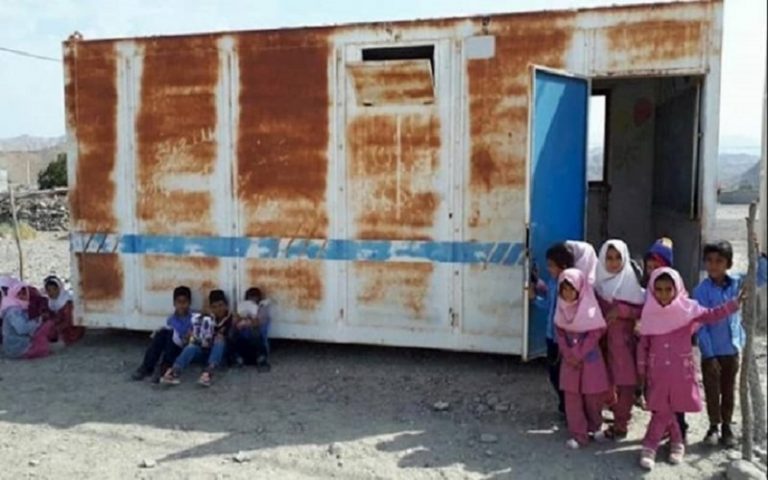
The Director-General of Renovation, Development, and Equipping of Schools in Tehran Province has announced that 8,532 classrooms in the province require “demolition and reconstruction.” Experts believe this indicates these classrooms are unsafe, raising concerns about the continuation of education in such facilities.
The state-run IRNA news agency reported on this issue, highlighting the shortage of educational facilities in the capital: “In the city of Tehran, 928,659 students are studying with an educational space per student of 16.5 square meters, whereas the national standard is 28.5 square meters per student—a significant gap.”
In an interview with IRNA, Abbas Zare, Director-General of School Renovation in Tehran Province, said, “To reach the standard educational space per student, Tehran Province needs 13,000 new classrooms to be built.”
The poor condition of educational infrastructure in Tehran has also drawn criticism from Hamshahri, a newspaper linked to the Tehran Municipality.
On October 24, 2024, Hamshahri wrote, “People across Iran assume that Tehran has the best schools and that its educational conditions are far better than other cities. However, interestingly, the educational space per student in many other cities is better than in Tehran.”
Unsafe Schools in Tehran: Over 50% Lack Fire Safety Certification
In addition to the shortage of educational space in Tehran, the lack of safety in existing schools remains a major challenge and a serious threat to the education system. In this regard, Ghodratollah Mohammadi, head of the Tehran Fire Department, told the state-run Mehr News Agency, “So far, out of 4,538 schools in Tehran, only three schools have received the fire safety certification from the Fire Department.” The newspaper Javan, affiliated with the Islamic Revolutionary Guard Corps (IRGC)—which controls a large portion of Iran’s economy—cited Mohammadi’s remarks and wrote, “Why have officials at the Ministry of Education ignored the warnings from the Fire Department about the unsafe conditions in these schools?” Javan further emphasized,“Children and teenagers attending school cannot ensure their own safety; this responsibility lies with officials and school administrators.” Experts argue that education based on global scientific standards and balanced development in Iran has been overshadowed by the ideological policies of decision-makers. As a result, the budget allocated to education—one of the key pillars of national development—fails to meet even the basic needs required to maintain current conditions.Iran: Dozens of Airports, Railway Stations, and Metro Stations at Risk of Land Subsidence
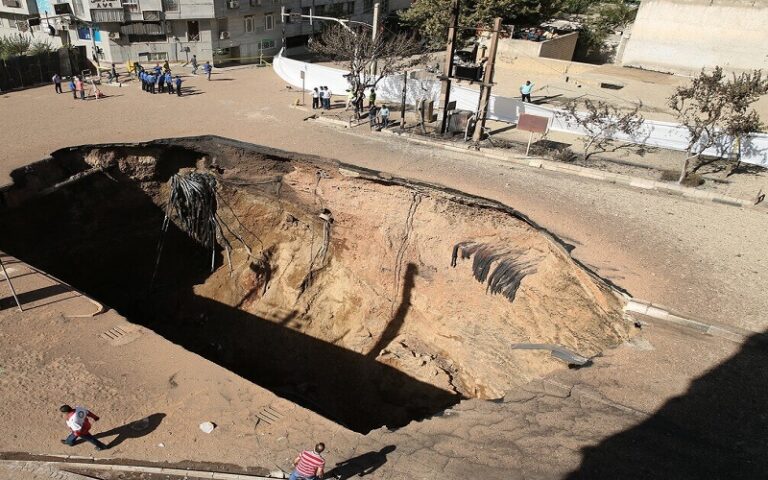
Media reports on Iran’s land subsidence crisis indicate that 56,000 square kilometers of the country’s landmass is at risk of subsidence. Within this area, eight airports, 54 railway stations, 25 metro stations, and 14 million people are vulnerable to the effects of ground subsidence.
The state-affiliated website Didban Iran described the issue in a report, stating: “A monster called subsidence is devouring Iran.”
The author of the report attempts to provide a clear picture of what is happening across Iran’s geography and outlines the dangers. According to an official report provided to Didban Iran by the Iranian Department of Environment, “Currently, 256 out of 429 cities in Iran are affected by land subsidence.”
The report emphasizes that eight counties in Iran have experienced subsidence over an area exceeding 1,000 square kilometers.
A section of the report highlights the impact of subsidence on infrastructure, stating: “Metro lines, highways, main roads, railway tracks, and truck routes are among the infrastructures at risk of damage from land subsidence.”
According to the report, approximately 15% of railway lines, equivalent to 1,380 kilometers, are affected by subsidence. Additionally, eight major and mid-sized airports, including Tehran’s Imam Khomeini International Airport, which serves over 8 million passengers annually, along with Isfahan and Urmia international airports, as well as Kerman, Gorgan, and Shahr-e Kord airports, are at risk of infrastructure damage due to subsidence.
14 Million People Severely Affected by Land Subsidence in Iran
The report highlights that approximately 14 million people—one-fifth of Iran’s current population—are affected by severe land subsidence. The Iranian Department of Environment report also states that over 3,000 square kilometers of land in the country is experiencing subsidence of more than 10 centimeters per year, with some areas sinking by up to 35 centimeters annually. Reports indicate that, contrary to public belief, subsidence has also affected Iran’s northern and lush provinces. In this regard, Ali Baitollahi, an Iranian geologist and expert on geological hazards, warned about the “consequences of excessive groundwater extraction in Mazandaran Province” in recent years, reporting significant land subsidence in the eastern part of the province. Similarly, the state-affiliated newspaper Donya-e-Eqtesad reported on January 3 that, based on the latest analyses by Iran’s National Cartographic Center, 4,100 square kilometers in eastern Mazandaran—including some urban areas—are now affected by land subsidence. On December 13, 2024, Donyaye Eghtesad newspaper reported, “Cracks in Isfahan’s historical structures not only signal an impending disaster for Iran’s ancient heritage and history but also warn of an ecological catastrophe in the country. This disaster threatens the very survival of life in Iran’s central plateau.” In October 2024, the spokesperson for Iran’s water industry stated that 422 plains across the country are facing land subsidence crises due to excessive groundwater extraction. In October 2024, the spokesperson for Iran’s water industry stated that 422 plains across the country have been classified as either restricted or critically restricted due to excessive water extraction. Additionally, 359 plains are facing the risk of land subsidence. According to several critical experts, misguided policies, lack of proper planning, and mismanagement by the Islamic Republic in the water sector are key factors contributing to land subsidence and the environmental crisis in Iran.Major Saudi Food Company Exits Iran After 20 Years
The Saudi Arabian group SAVOLA has sold all its assets in Iran for 705 million Saudi riyals (approximately $188 million) and is exiting the country.
SAVOLA, the largest Saudi investor in Iran, had invested in the production of cooking oils, including the brands Ladan, Bahar, and Nastaran.
SAVOLA Food Company in Iran, a subsidiary of the larger SAVOLA Group, was engaged not only in the production and distribution of edible oils but also in seafood, industrial bread, and confectionery products.
Iranian media outlets, including 7sobh, have speculated that the decision to sell and exit the country is linked to Donald Trump‘s re-election in the U.S. and his impending return to office.
However, according to a statement issued by SAVOLA Group on Wednesday, January 1, the company’s withdrawal from Iran was “in line with the group’s strategy to exit non-core markets at the right time.”
The statement also noted that the group had previously withdrawn from its investments in Morocco and Iraq in 2023.
Iran’s state-run ISNA news agency had previously reported that SAVOLA expressed interest in investing in Beheshti Industrial Company in 2004 and initially purchased a 49% stake. Later, in 2007, the company acquired an additional 31%, bringing its total ownership in Beheshti Industrial Company to 80%.
In 2015, Tasnim News Agency, affiliated with Iran’s Islamic Revolutionary Guard Corps (IRGC), reported that SAVOLA supplied 40% of Iran’s edible oil consumption and had full ownership of SAVOLA Behshahr Sugar Company as well as the distribution company Tolou Pakhsh Aftab.
