

Political Prisoner Mohammad Javad Vafaei Thani Sentenced to Death for Third Time
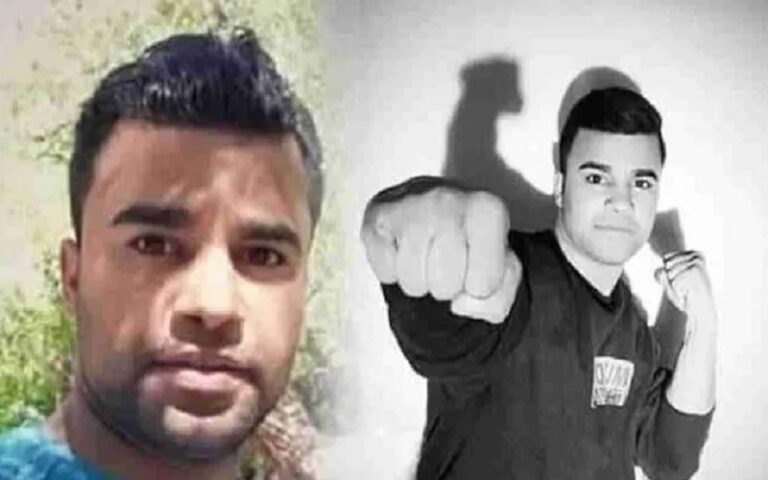
Reports from Mashhad indicate that political prisoner Mohammad Javad Vafaei Thani has been sentenced to death for the third time. This political prisoner, a supporter of the People’s Mojahedin Organization of Iran (PMOI/MEK), the country’s largest opposition group, is also one of Iran’s boxing champions. Iran’s judiciary has sentenced Mohammad Javad Vafaei Thani to death for the third time due to his support for the PMOI.
Mohammad Javad, 29 years old, a champion and boxing coach at clubs in Mashhad, was arrested in March 2020 in Mashhad and subjected to severe physical and psychological torture. In January 2022, the fourth branch of the Mashhad Revolutionary Court sentenced him to death on charges of “corruption on earth, arson, and destruction of specific buildings, including the government’s Disciplinary Organization building.”
This sentence was referred to the second branch of the Mashhad Revolutionary Court by a branch of the Supreme Court in December 2022. In August 2023, this court sentenced Mohammad Javad to death for the second time. In June 2024, the Supreme Court referred the case to another court. On Wednesday, September 18, 2024, for the third time, two judges named Saadi Makan and Yazdan Khahar issued the death sentence, which was conveyed to Mohammad Javad in written form. This ruling was issued even though the regime’s judiciary laws were ignored in the process.
Earlier this week, the 26th branch of the Tehran Revolutionary Court sentenced two PMOI supporters, Behrooz Ehsani and Mehdi Hassani, to death.
In an effort to suppress growing public outrage and in fear of the increasing youth support for the PMOI and resistance, the Iranian regime sees torture and execution as the only solution. The National Council of Resistance of Iran (NCRI) on the UN High Commissioner, the Human Rights Council, the UN Special Rapporteur on Human Rights in Iran, the international fact-finding committee, the European Union, and its member states to take immediate action to free political prisoners and save the lives of Mohammad Javad Vafaei Thani, Behrooz Ehsani, Mehdi Hassani, and other prisoners facing execution.
The Central Bank of Iran: Economic Growth Has Halved This Spring
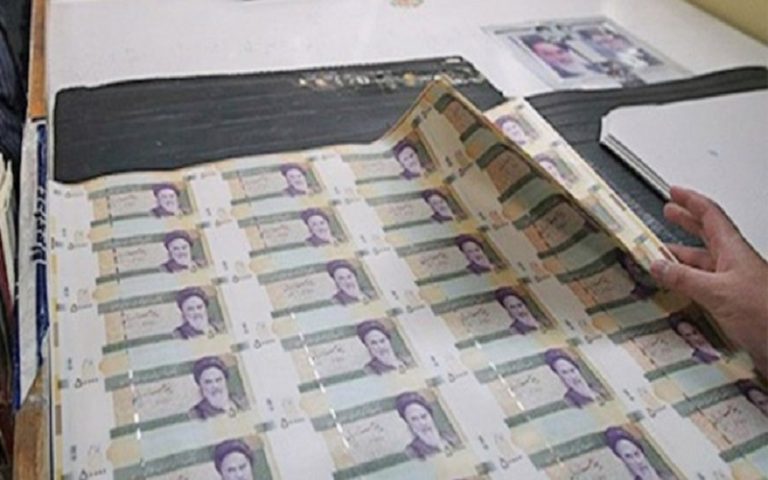
In its latest report, the Central Bank of Iran states that the country’s economic growth in the spring was 3.2%, nearly half of the 2023 spring growth rate.
According to the Central Bank, the country’s economic growth in the spring of last year was 5.7%.
This sharp decline in economic growth is mainly attributed to the halving of the value-added from the oil sector, which was 16.5% in the spring of last year and about 9.5% this year.
Previously, the International Monetary Fund (IMF) along with the World Bank had predicted that Iran’s economic growth rate would slow significantly this year and continue to decline next year.
According to IMF estimates, Iran’s economic growth was 4.7% last year, but is expected to drop to 3.3% this year and 3.1% next year.
The relatively strong economic growth in Iran last year was due to a significant increase in oil production and exports, as well as a surge in government spending. Neither of these factors, however, has a direct impact on the welfare of the people or the prosperity of the market and industries.
On the other hand, OPEC data shows that Iran’s oil production growth has nearly stalled since mid-spring, meaning that the oil sector’s added value is expected to decrease significantly this summer compared to the same period last year.
The 12th and 13th Iranian administrations had set an 8% growth target in the Sixth Development Plan, which was not achieved. The Seventh Plan, which will be implemented for five years starting this year, once again emphasizes the need for 8% economic growth.
On August 31, Iranian regime President Masoud Pezeshkian announced that reaching an 8% economic growth rate would require $200 billion in investments.
Pezeshkian said, “The total money we have in the country is not more than $100 billion. Therefore, we need $100 billion in foreign investment, and this depends on our relations with the outside world, neighboring countries, and Iranians abroad.”
However, according to UN statistics, Iran attracted less than $1.5 billion in foreign direct investment last year.
Iranian Authorities Block Roads to Burial Site of Teenager Killed by Security Forces

On the occasion of the second anniversary of the death of Nika Shakarami, a teenage protester who died during the nationwide protests in Iran in 2022, her family reported that the roads leading to the cemetery where she is buried have been blocked.
According to these reports, officials are not even allowing Nika’s family to enter the cemetery and visit her grave.
Nika Shakarami was one of hundreds of protesters killed during the protests that erupted after the death of Mahsa Jina Amini, who died in the custody of Iran’s morality police in 2022. Government authorities forced her family to bury Nika in a remote village near Khorramabad in the Lorestan province.
Similarly, on the second anniversary of the death of Mahsa Jina Amini, a comparable situation occurred at the Aichi cemetery in Saqqez, where she is buried, and officials prevented her family members from leaving their home to visit the grave and pay tribute to this young woman.
Seventeen-year-old Nika Shakarami disappeared on the night of September 19, 2022, during the first days of the nationwide protests, on Keshavarz Boulevard in Tehran, and her body was handed over to her family eight days later.
On May 10, 2024, BBC World Service reported that it had obtained a “highly confidential document” from the Iranian regime, indicating that Nika Shakarami was sexually assaulted and killed after being arrested by security forces.
The Iranian regime has a long history of sexually abusing political prisoners and using it as a tool to suppress protests and break the prisoners’ spirit.
Aging and Low-EfficiencyPower Plants Worsen Iran’s Electricity Shortage
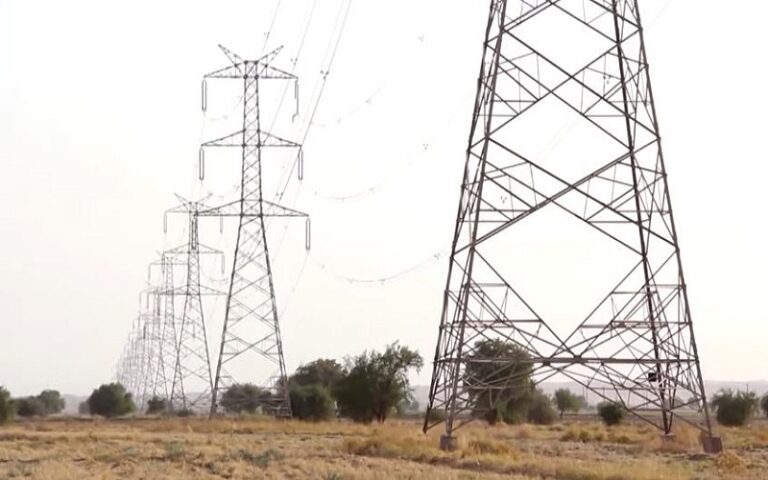
Several organizations active in Iran’s power industry have warned that the country’s electricity shortage in the summer of 2024 will reach 26,000 megawatts, equivalent to over 30% of peak electricity demand during the summer. This report is by Dalga Khatinoglu, an energy expert.
Ali Nikbakht, Chairman of the Board of the Iranian Power Plants Association, has stated that the current summer electricity shortage is between 19,000 to 20,000 megawatts, warning that if no measures are taken now, the shortage will reach 26,000 megawatts next year.
Hamidreza Salehi, Chairman of the Board of the Federation of Energy Exports and Related Industries, along with Hassanali Taghizadeh, Chairman of the Power Syndicate, have recently issued similar warnings.
All three power industry experts believe that not only is it impossible to address the current electricity shortfall in the short term, but there is little hope of even maintaining the current level of imbalance.
Nikbakht also highlighted the aging and deterioration of a significant portion of Iran’s power plant capacity, stating that plants currently out of service for repairs are contributing to the imbalance. Proper planning, including ordering parts two years ago, could have prevented this situation.
He further noted that the nominal capacity of all power plants in the country is currently around 92,000 megawatts: “Of the 15,000 megawatts generated by steam power plants, over 12,000 megawatts are over 30 years old, and among gas plants, 2,700 megawatts are also over 30 years old.”
Thus, 80% of steam power plants and 11% of gas power plants in Iran are effectively outdated. Together, low-efficiency steam and gas plants account for 43% of the country’s total nominal power capacity.
The extent of the deterioration in thermal power plants, combined with the sharp decline in hydroelectric generation due to drought, is so severe that despite around 93,300 megawatts of installed nominal capacity, the actual electricity generation is only about 61,000 megawatts. In other words, 30% of Iran’s electricity production capacity is currently out of service.
The Cause of Iran’s Growing Power Shortage
Iran should have increased its electricity production by at least 7% annually over the past decade to meet the growing demand. However, the last time it achieved this was in 2010. Since then, the country’s electricity consumption has consistently grown at twice the rate of production. As a result, Iran, which had net electricity exports of 8 terawatt-hours annually until the mid-2010s, is now facing a massive power shortage. The problem is that Iran now faces electricity shortages not only in the summer but in all seasons.Government Deflection
On September 5, Hassanali Taghizadeh criticized Iranian regime officials for blaming the public for excessive electricity consumption, stating that household electricity consumption per capita is not only below the global average but about half that of Europe. Losses in Iran’s outdated transmission and distribution networks amount to 40% of household electricity consumption, a staggering figure that, at current regional electricity prices, equates to an annual loss of four to five billion dollars. On the other hand, the majority of Iran’s power plants are steam or gas-powered with an efficiency of 29% to 33%, meaning that a significant portion of fossil fuels like gas, diesel, and mazut is lost during the process of electricity generation. Over the past decade, Iran has been unable to implement plans to convert its steam and gas power plants to combined-cycle systems with 45% efficiency. Currently, combined-cycle plants account for 39% of the country’s nominal power generation capacity. Low-efficiency steam and gas power plants collectively make up 43% of the country’s electricity generation capacity. Nuclear power and renewable energy sources each account for 1% of Iran’s total electricity generation capacity. The rest of the country’s nominal power generation capacity comes from hydroelectric power.Three Million Tehran Residents Living in High-Risk Subsidence Zones
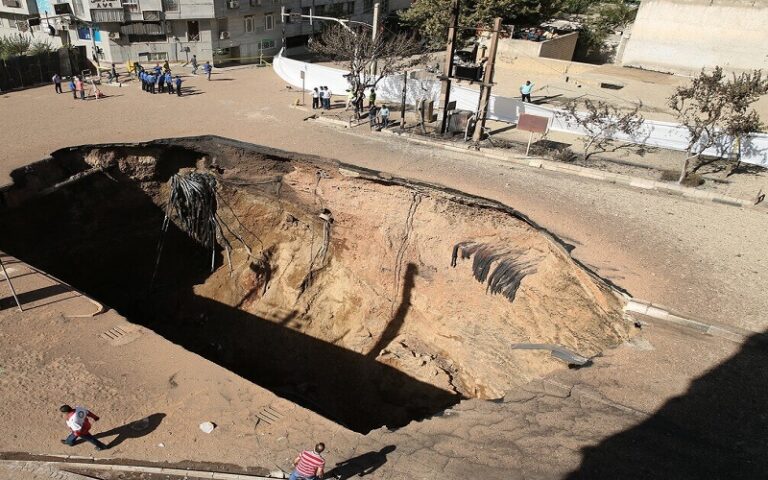
Ali Beitollahi, the head of the Risk Management Division of the Road, Housing, and Urban Development Research Center, says the rate of subsidence in Tehran has reached 20 centimeters, and 3 million people in this city live in a “subsidence zone.”
On Wednesday, September 18, Beitollahi told ILNA news agency, “The subsidence zone in Tehran has reached 50 kilometers in length and 30 kilometers in width, and based on studies, including Tehran and its surrounding cities, more than three million people are living in the subsidence area.”
According to this official from the Iranian regime’s Ministry of Roads and Urban Development, in previous years, subsidence in Tehran was only observed in parts of districts 17, 18, and 19 and had not reached its current extent, but now it occupies a vast area.
Beitollahi warned about the consequences of subsidence in Tehran, noting that the presence of fuel reservoirs in subsidence areas could have significant economic as well as social consequences.
According to him, the Rey fuel reservoir, which is the largest supplier of gasoline for Tehran, is located directly on the subsidence zone. The southern Tehran refinery is also situated within this same subsidence area.
He also identified industrial areas as part of the high-risk regions of Tehran, stating that many factories and facilities are located directly on subsidence zones.
Geology experts assess that the mismanagement of water resources is the main reason for the worsening of subsidence in various parts of Iran.
Official reports indicate that at least 14 provinces in Iran are affected by subsidence, with subsidence rates exceeding 10 centimeters.
Previously, the head of the Department of Environment and Sustainable Development at the Tehran Municipality referred to subsidence as a “silent earthquake” or “earth cancer,” stating that “Tehran holds the global record for ground subsidence.”
Despite the threat that subsidence poses to the safety of citizens, a comprehensive solution to address it has yet to be implemented.
Beitollahi had previously criticized the inaction of institutions in addressing subsidence, stating, “There is no provision regarding subsidence in any of the country’s construction laws or regulations.”
Ali Javidaneh, the head of Iran’s National Cartographic Center, also described the phenomenon of land subsidence in May 2024 as a “time bomb,” saying, “We have sent maps of the country’s subsidence zones to the responsible agencies, and these agencies must explain why they are not using this information for their planning and actions.”
The critical situation of land subsidence in Iran is not limited to Tehran and threatens many other major cities and even historical landmarks.
In recent months, experts have also warned about the increasing rate of land subsidence in historical areas and its destructive impact on historical monuments such as Persepolis and Naqsh-e Jahan Square.
Iranian Regime Sentences Two Political Prisoners to Death
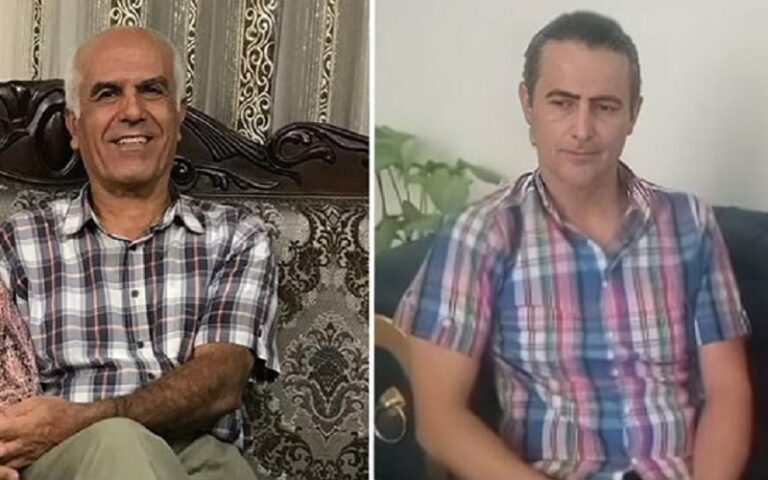
The Iranian regime’s judiciary sentenced Behrouz Ehsani and Mehdi Hassani, two political prisoners, supporters of the People’s Mojahedin Organization of Iran (PMOI), the largest opposition group in Iran, to death. The sentence, communicated to the prisoners’ lawyer, was issued by the notorious judge Iman Afshari, head of Branch 26 of Tehran’s Revolutionary Court. These two political prisoners were sentenced to death on charges of “armed rebellion, enmity against God, corruption on Earth, membership in the PMOI, gathering classified information, and conspiring against national security.”
Behrouz Ehsani, a 69-year-old political prisoner, was arrested on December 6, 2022, in Tehran and transferred to the Ministry of Intelligence detention center (Ward 209 of Evin Prison), where he was tortured. He is currently being held in Ward 4 of Evin Prison.
Mehdi Hassani, 48, was arrested on September 11, 2022, in Zanjan and transferred to Ward 209 of Evin Prison, where he was subjected to physical and psychological torture. He is currently held in Ward 8 of Evin Prison.
It is worth noting that on April 8, 2024, the National Council of Resistance of Iran (NCRI) announced the arrest of Behrouz Ehsani and Mehdi Hassani and reported that the regime’s prosecutor had requested the death penalty for several political prisoners, including Hassani and Ehsani.
The issuance of death sentences for these political prisoners comes as over 21 prisons across the country have joined a widespread campaign against executions. This week, the prisoners in the “No to Executions Tuesdays” campaign marked their 34th hunger strike.
Mrs. Maryam Rajavi, the president-elect of the NCRI, previously stated that the clerical regime aims to use executions and killings, particularly around the anniversary of the 2022 uprising, to prevent the eruption of public anger against the regime. She added that the regime views the international community’s inaction in the face of the wave of executions as a green light to continue its crimes and violations of international law.
Face And Eyes of Iran’s Regime Ambassador Seriously Injured Due to a Pager Explosion

On Tuesday, September 17, the state-run Kayhan newspaper wrote on its Telegram channel: “According to reports, contrary to claims that the injuries to Iran’s ambassador to Lebanon were superficial, his face and eyes have been seriously injured.”
Earlier, according to the Rouydad24 website, the editor of Mashregh news had written on the social media platform X that “the ambassador’s eye was severely damaged.”
Meanwhile, the state-run Tasnim news agency quoted “an informed source” stating that Mojtaba Amani-Hamedani was injured in the hand and face due to the explosion of a pager belonging to one of his bodyguards.
He described the overall condition of Iran’s regime ambassador in Beirut as “stable” and added that he is under medical treatment.
After the explosions of pagers in Lebanon, which mainly targeted members of Hezbollah, it was reported that Mojtaba Amani-Hamedani was also injured and transferred to a hospital in Beirut.
According to state media in Iran, images showed that he had been injured in both eyes, face, and hands.
Meanwhile, The New York Times, citing a person described as “a member of the Islamic Revolutionary Guard Corps (IRGC),” wrote that pagers distributed by Hezbollah emitted a sound a few seconds before the explosion, causing users to hold them close to their eyes and faces to read the messages.
He said the pager belonging to the Iranian regime’s ambassador in Beirut emitted a sound a few seconds before he picked it up.
According to this report, the ambassador has lost one eye, and his other eye has been severely injured due to the explosion.
Thousands of pager devices exploded simultaneously on Tuesday, September 17, in various regions of Lebanon, particularly in southern Beirut and southern Lebanon—two Hezbollah strongholds. These explosions resulted in at least nine deaths and around 3,000 injuries to different parts of the body.
According to reports, the condition of 200 of the injured is described as “critical.”
Many of the dead and injured were members of Hezbollah, a militia group supported by Iran’s regime.
Lebanese officials, along with Hezbollah, Hamas, and their backer—Iran’s regime—have pointed the finger at Israel. However, Israel has not yet claimed responsibility for these explosions.
Meanwhile, on Tuesday, following the explosion of thousands of pagers used by Hezbollah members in Lebanon, the United States urged Iran’s regime to refrain from actions that lead to “further instability” and “increased tensions.”
Price of Consumer Goods Continue to Spike in Iran
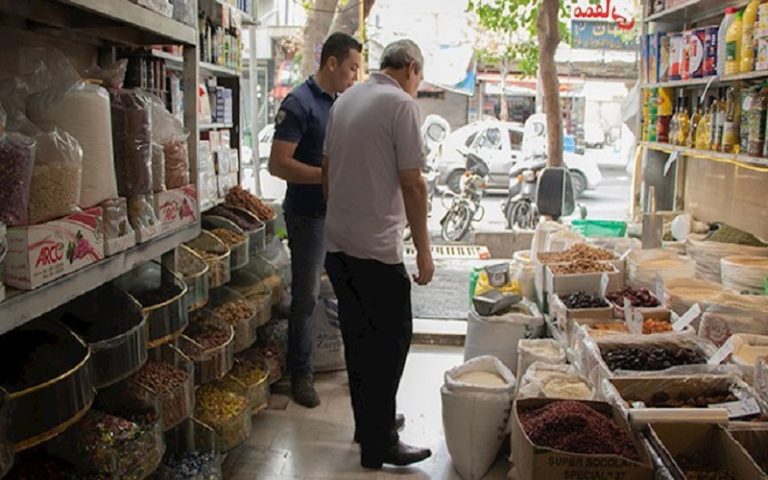
Ali-Ehsan Zafari, chairman of the Dairy Products Union, announced on Tuesday, September 17, a 25% increase in the price of dairy products due to a 20% rise in the price of raw milk.
However, Zafari warned that the higher prices for dairy products would not benefit producers but would instead lead to reduced consumption, which in turn would lower production and profitability.
Zafari added that if these price increases continue, public dairy consumption will decline.
He pointed out that the solution to preventing this price increase is “government subsidies,” but noted that “the related decree has not yet been officially issued by the government.”
Referring to the products that will see the biggest price hikes, Zafari added that “products like cheese will experience the largest price increases.”
He emphasized that “the government must first find a way to stop the rising prices of dairy products,” and added that under these circumstances, subsidies to dairy producers are the only solution.
In recent days and weeks, the price of bread has increased by up to 66% in some provinces of Iran. In this regard, the rise in bread prices in Tehran has led to increased protests.
In this context, labor activist Faramarz Tofighi told the state-run ILNA news agency on September 9: “The occasional price hikes of key factors affecting household living expenses, whether denied or confirmed by officials, have now become routine,” and added, “We usually see these price surges in the second half of each year.”
He mentioned that “in the food sector, we have three strategic goods: oil, sugar, and bread,” and added, “They handle bread, this strategic commodity, so carelessly as if they don’t understand the impact of its rising price on people’s tables.”
Faramarz Tofighi added: “Don’t they realize that other items in people’s food basket have become extremely expensive, forcing the lower classes to rely on bread? The rise in bread prices is another blow to their livelihood.”
Meanwhile, in line with what Iranian regime president Masoud Pezeshkian, along with his economic advisors and some of his ministers, have described as “economic surgery” or giving the people a “bitter medicine,” there is a possibility of an increase in energy prices, especially gasoline.
Some economic experts also predict that water and electricity prices are set to rise, although the Ministry of Energy has not yet officially confirmed this. However, indirect increases have already been applied through utility bills.
Protests By Oil and Gas Workers and Retired Telecommunication Employees in Iran
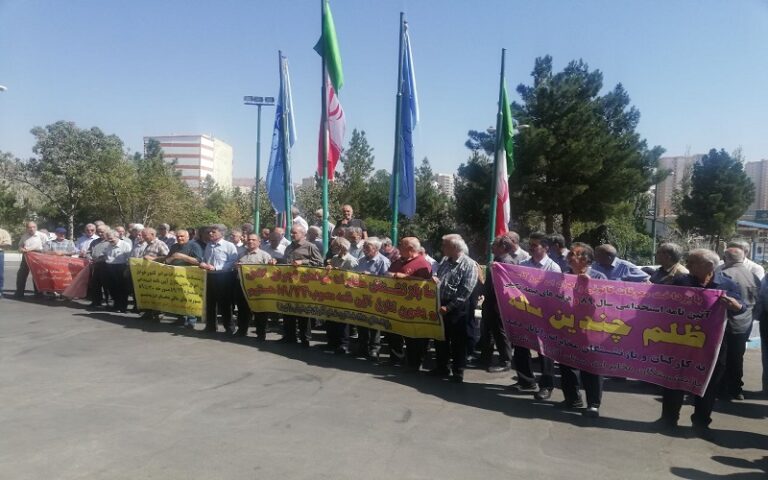
Economic protests in Iran continued yesterday with weekly gatherings of retired employees from the Telecommunication Company of Iran in several cities, marches, and protests by oil and gas industry workers in the provinces of Bushehr, Khuzestan, and Hormozgan, as well as a rally of retirees from various organizations in Tehran.
According to reports on social media on Monday, September 16, a number of protesting retirees from the Telecommunication Company held simultaneous gatherings in several cities, including Tabriz, Isfahan, Ahvaz, Sanandaj, Marivan, and Bijar.
These retirees are protesting against poor living conditions, wages below the poverty line, ineffective supplementary insurance, the removal of grocery benefits from their job perks, and the failure of major shareholders to implement the 2010 regulations after the privatization of the state-owned Telecommunication Company of Iran.
The protesting retirees in Khuzestan province also chanted slogans such as “From Khuzestan to Tehran, shame on the oppressors” and “Frozen livelihoods don’t help us.”
Retired protesters in Kurdistan province also joined the demonstrations.
The series of protests by Telecommunication Company retirees, which are held simultaneously across various regions of Iran every Monday, were also held this week in other cities, including Isfahan, Tabriz, and Marivan.
Protests by Retired Telecommunication Employees in Tabriz
The weekly protests by Telecommunication Company retirees have been ongoing for months. Key reasons for these protests include the failure to update welfare allowances in 2022 and 2023 and the non-payment of previous years’ dues at current rates.Protests by Retired Telecommunication Employees in Isfahan and Kurdistan
The executive regulations of Article 24 of the Civil Service Law, passed in 2010, pertain to the tasks that can be outsourced and how services can be procured from the private sector. According to these regulations, until the obstacles to privatization are removed, the provision of services to the workforce remains the responsibility of the government. However, 14 years after the regulation’s approval and despite continuous and repeated protests by these retirees, it appears that neither have the privatization barriers been resolved, nor has the government fulfilled its responsibilities toward the protesters.Protests by Oil and Gas Industry Workers
In another event, workers at petrochemical terminals and storage facilities in Bandar Mahshahr, Khuzestan province, held a protest. According to the Iranian Retirees Council, the reasons for this protest include the “failure to implement employee status conversion in line with neighboring companies, non-payment of petro-cards, deductions from productivity bonuses, failure to implement the job classification plan for contract employees, and repeated issues with timely payment of social insurance.” Additionally, a number of workers from the Fajr Jam Gas Refinery in Bushehr and Pars Oil and Gas Company in Assaluyeh held protests and marches on Monday to express their dissatisfaction with unfulfilled contracts and deductions from their payments. At the protest, workers chanted slogans such as “Employment contracts must be implemented, illegitimate deductions must be canceled.” Protests by oil and gas industry workers have also taken place in previous days. The expansion of labor protests among various groups, including retirees, workers from different industries, teachers, defrauded investors, nurses, and healthcare workers, reflects the growing economic challenges in Iran and the disregard of Iranian regime officials.The Head of Iran’s Pharmacists’ Association: Over 60% of Domestically Produced Medicines Are “Low-Quality”
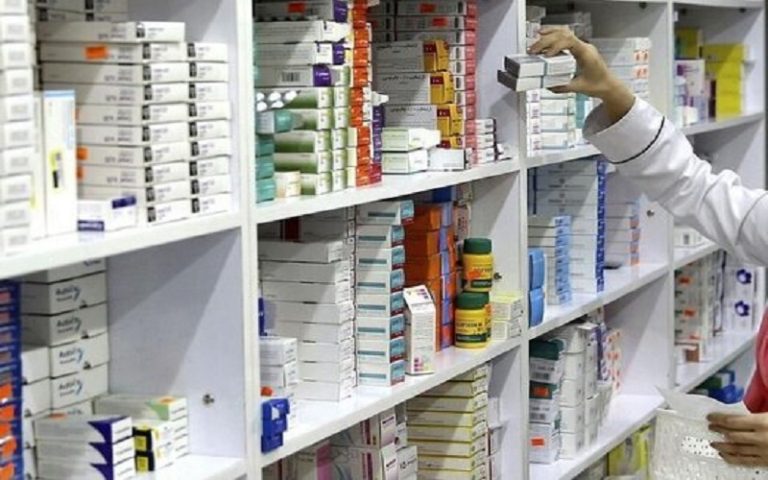
Bahman Sabour, the head of the Pharmacists’ Association, says that the Iranian government purchases and sets prices for over 60% of the medicines produced by domestic pharmaceutical companies, and this is the main reason for the low quality of these drugs.
On Saturday, September 14, Sabour told Rokna news agency that “the majority of medicines are produced under fixed pricing.” For products without price regulation, “the producer sets the price based on the materials used and the production cycle costs.”
Sabour further added that patients compare domestically produced medicines to a dish missing its key ingredient, saying, “Domestic medicines meet the minimum standards, while foreign medicines are above the normal standard.”
Meanwhile, drug production in Iran is facing a crisis due to the lack of liquidity to purchase raw materials for manufacturing plants.
Following increased criticism of the critical situation regarding medicine, on August 9, Mohammad Jafar Ghaempanah, Executive Vice President and acting head of the Presidential Institution, announced that Massoud Pezeshkian had ordered the head of the Central Bank to resolve the liquidity issue for the supply of raw materials for pharmaceutical factories and the import of medicine.
Earlier in May, the regime’s president, Massoud Pezeshkian, who at the time was still a member of the Health and Medical Commission of the regime’s Majlids (Parliament), revealed that the government owed 6 trillion rials (nearly $1 billion) to pharmaceutical companies.
A month after Pezeshkian’s remarks, Mohammad Ali Bandpay, a member of the Health and Medical Commission’s presidium, warned that medicine had become a “crisis,” announcing that the number of scarce medicines had surpassed 200 types.
