

Deputy Officer of Evin Prison Beat Female Prisoners Protesting Execution of Reza Rasaei
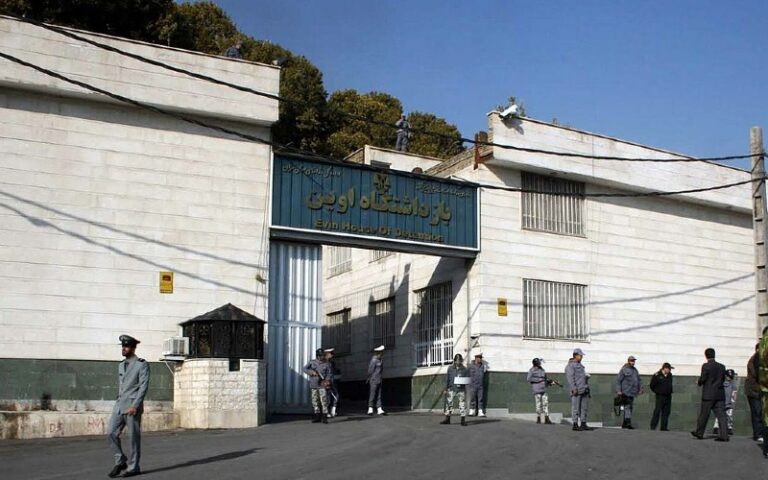
Reports from Evin Prison indicate that following an attack by the prison guards on female political prisoners protesting the execution of Reza Rassai, at least 17 prisoners were injured or fainted. According to this information, Hadi Mohammadi, the deputy officer of Evin Prison, was the main perpetrator and commander of the assault on these prisoners.
Varisheh Moradi, Samaneh Asghari, Reyhaneh Ansari-Nejad, Sarina Jahani, Mahboubeh Rezaei, Narges Mohammadi, and Pariyoush Moslemi are some of the prisoners who were injured on Tuesday, August 6th, in the attack by prison protection guards.
According to received information, Nasrin Khezri Javad, Rana Korkor, Narges Mohammadi, Sornaz Ahmadi, and Houra Nikbakht are also among the prisoners who lost consciousness due to the psychological pressure from the guards’ attack.
Prisoners’ Protest Against the Execution of Reza Rasaei
Reza Rasaei was arrested during the 2022 protests in the city of Sahneh, Kermanshah, and was executed on the morning of Tuesday, August 6th, in Dieselabad Prison in Kermanshah on charges of killing a member of the IRGC Intelligence.
Following the protest by female prisoners in Evin Prison against Rasaei’s execution and the ensuing attack by the prison guards, several prisoners were injured and transferred to the infirmary.
Prison officials cut off the prisoners’ phone calls, leaving their families unaware of their situation.
After the news of Rasaei’s execution reached Evin Prison, female political prisoners gathered in the women’s ward courtyard and chanted slogans against the death penalty.
They then proceeded towards the women’s ward guard room, and after encountering a locked door, they continued to chant slogans against the death sentences and the execution of Rasaei.
Prison Guard Attack on Protesting Women
After the prisoners’ protest began, Rana Korkor, the sister of Mojahed Korkor, a protester sentenced to death, fainted upon hearing the confirmation of Rasaei’s execution.
When prison officials refused to open the door to transfer Korkor to the infirmary, the female prisoners pounded on the door with their fists and feet to get Korkor to an ambulance waiting in the prison yard.
After the door was opened and the female prisoners entered the area outside the ward, the prison guards, who were trying to close the door, push them back, and prevent Korkor’s transfer to the infirmary, clashed with the prisoners and severely beat them.
Hadi Mohammadi, the deputy officer of Evin Prison, was the main perpetrator of the assault on the women protesting Rasaei’s execution.
Mohammadi attacked the female prisoners with kicks and punches and ordered the beating of all the protesting prisoners.
According to a source close to the prisoners’ families, Mohammadi treated the female prisoners brutally, kicking them in the stomach, thighs, hands, chest, and head.
Mohammadi insulted the protesting prisoners with obscene language, spat on them, and shouted at the women who stood firm in their beliefs and risked their lives for justice and freedom, saying, “You were paid to shout here, and you must say who you are working for.”
In previous years, Mohammadi, as the deputy officer of the prison, also had a history of violent behavior and violating the rights of political prisoners.
Currently, at least 15 female prisoners in Evin’s women’s ward, despite injuries in various parts of their bodies, are still deprived of proper medical care and access to hospital.
In recent weeks, this ward has repeatedly witnessed protest actions, including sit-ins and hunger strikes by prisoners protesting the issuance and execution of death sentences.
25% Increase in the Price of Bread in Iran as Government Faces Budget Deficit for Cash Subsidies

According to media reports in Iran, bread prices are set to increase by up to 25% in more than 10 provinces.
Government subsidies to control bread prices are one of the measures the Iranian regime takes, but in recent years, financial shortages have led to an increase in bread prices.
According to the newspaper Etemad, in traditional bakeries, 80% of the final bread price is covered by government subsidies, and people pay 20% of the actual price. Thus, the real price of bread is 4 to 5 times the current price, and given the poverty line in Iran, a significant portion of the population below this line would face additional pressure if such subsidies were removed. Bread is highly consumed in Iran and is one of the main food items.
Therefore, wheat is always considered a strategic commodity that directly affects bread and its price. The government in Iran buys wheat from farmers at a guaranteed price and sells it at a subsidized rate for bakery use. However, this year, as in recent years, the government has faced issues in timely payment for the wheat purchased from farmers, leading to protests.
A few days ago, the Court of Audit reported deviations in financing targeted subsidies and borrowing from Treasury and Central Bank resources, stating that the regime’s Ministry of Economic Affairs and Finance paid 420 trillion rials (approximately $685.714 million) for payments to wheat farmers from trust funds, and the Central Bank also paid 315 trillion rials (approximately $514.285 million) for farmers’ claims “without observing legal regulations.” Meanwhile, Mohammad Jalal, an advisor to the Minister of Economy, also reported increased bakery costs and said bread prices must rise.
In this context, the Deputy for Economic Coordination of South Khorasan Province also announced a 25% increase in bread prices. This decision has been made while the claims of the province’s wheat farmers remain unpaid, and farmers face financial problems.
The increase in bread prices in 10 provinces occurs while the Parliamentary Research Center previously deemed the bread subsidy amount for 2024 insufficient.
According to Etemad, the government estimated the bread subsidy in the 2024 budget bill at 1.43 quadrillion rials, (approximately $2.334,693 billion) a 150% increase from 2023. The Parliamentary Research Center estimated the required credit for bread subsidies in the 2024 budget bill to be about 1.92 quadrillion rials (approximately $3.134,693 billion) in the first scenario and 1.78 quadrillion rials (approximately $2.906,122 billion) in the second scenario.
The state-run Etemad newspaper stated that the difference between the two estimated scenarios is only “in the guaranteed purchase price of wheat,” with all other factors being equal. Thus, in the “most optimistic scenario,” the bread subsidy for this year will have a deficit of about 280 trillion rials (approximately $457.142 million), and in the “most pessimistic scenario,” a deficit of 420 trillion rials (approximately $685.714 million), making a bread price increase inevitable.
The issue of bread and the subsidies paid for it is a sensitive topic in Iran, as budget deviations to provide bread subsidies have occurred under various administrations.
Housing Prices Continue to Soar in Iran with A 70% Increase in Rent
A few days after a housing sector official reported a 50% increase in rents in some areas of Tehran, the regime’s ISNA news agency reported that “field studies in Tehran show that some landlords have increased rents by 50 to 70%.”
ISNA wrote that “given that the 25% cap on rent increases over the past three years has not been very successful, tenants do not have much hope for controlling rates this year either.”
In June 2024, rent inflation in the capital was 43.2%, about twice the set cap, breaking the 12-year record for rent inflation in Tehran.
Hossein Janati, Director General of Roads and Urban Development of Tehran Province, stated that the rental rate ceiling in Tehran is set at 25% and no landlord has the right to increase rents beyond this rate. He said: “We remind all landlords not to set rates higher than this amount. Landlords and lessors should act fairly and reduce tenants’ concerns by setting a 25% rent ceiling.”
Previously, while the Iranian regime had set a 25% cap on rent increases nationwide, Iranian media reported a 43% growth in rent and the failure of the government’s regulatory policy in the rental market.
The rapid increase in housing rents has occurred as the Parliamentary Research Center reported in the summer of 2023 on the increase in the number of lower-income groups being pushed out of the housing market, stating that income deciles one to three are absolutely unable, and deciles three to five and even part of decile six are relatively unable to secure the necessary housing for themselves.
In this context, Yasser Dastmalchian, secretary of the Real Estate Market Regulation and Control Working Group, stated that the official registration of sales transactions and obtaining tracking codes for transactions are essential, and reported that there are over 5,000 “unauthorized real estate agencies” operating in Tehran.
According to the “Land, Housing, and Rent Market Regulation” law, if a landlord does not adhere to the annual rent increase rate, and if the tenant files a complaint, the landlord will be fined up to five years after the contract is signed and upon confirmation of the violation by the competent authority. The landlord must pay the excess amounts received as a fine to the tenant and comply with the maximum permissible rate set by the Supreme Housing Council.
This law, passed by the Parliament, was approved by the Guardian Council on May 7 this year.
Some experts say this law reduces the attractiveness of the rental market, which can lead to increased demand pressure and higher rates, while others believe it will strengthen tenants’ positions. However, what we are witnessing in practice are continuous record-breaking rent increases in various cities, including the capital of Iran, indicating the inefficiency of the Iranian regime’s governance system in regulating and controlling the housing market.
Iran: 22 Prisoners Executed in Ghezel Hesar Prison in One Day
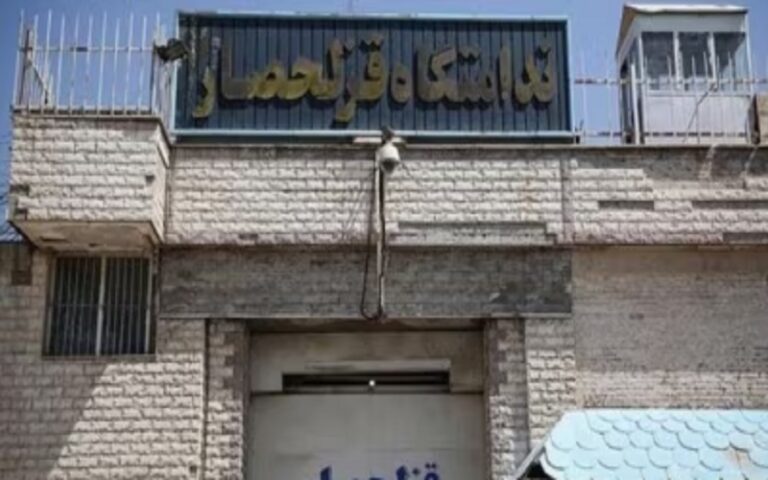
In the early hours of Wednesday, August 7, the execution of 22 prisoners, including seven Sunni prisoners and three Afghan nationals, was carried out in Ghezel Hesar Prison in Karaj. Human rights activists are expressing concern over the increase in executions in Iran.
Just one day after the execution of political prisoner Reza Rasaei, and amidst ongoing criticism and reactions to his execution, reports indicate that Iranian regime officials executed 22 prisoners in Ghezel Hesar Prison near Tehran on Wednesday, August 7.
The report adds that seven prisoners were executed for drug-related offenses, four for murder, three Afghan nationals, and one other prisoner with unspecified charges.
One of them was executed without a final meeting with his family. He, along with six other prisoners, including two female prisoners, had been transferred to solitary confinement for execution. At dawn today, their executions were carried out without a family visit, only a phone call for goodbyes, and the bodies of most of them have been handed over to their families.
So far, Iranian officials and media have not reported these executions, as the authorities do not officially announce every case of capital punishment carried out.
Human rights activists believe that Iranian regime officials have significantly increased the use of the death penalty, as published statistics indicate a rise in executions in the country.
On Tuesday noon, August 6, coinciding with the hunger strike of prisoners on the 28th “No to Executions Tuesday” campaign, political female prisoners in the women’s ward of Evin Prison protested the execution of Reza Rasaei in Kermanshah by chanting “Death to the dictator” and “Death to the executioner regime.” The prison guards attacked and beat the protesting prisoners, injuring several of them who were then transferred to the prison infirmary.
Mrs. Maryam Rajavi, the President-elect of the National Council of Resistance of Iran (NCRI), expressed sympathy with the grieving families and said that the foundation of this regime is built on torture, execution, massacre, and genocide, continuously shedding blood for 45 years. She stated that the machinery of repression and killing does not stop for a moment to block the anger of the people and popular uprisings, but these bloodsheds make the people and rebellious youth more determined to overthrow the regime.
Pakistan National Arrested in U.S. On Charges of Trying to Hire a Hitman on Behalf Iran’s Regime
The U.S. government has charged a Pakistani national who has been in contact with the Iranian regime, accusing him of conspiring to hire a mercenary to assassinate American politicians and government officials.
A knowledgeable American official stated that FBI investigators believe Donald Trump and other current and former U.S. government officials were the primary targets of this plot.
The U.S. Department of Justice announced this matter in a statement issued on Tuesday, August 7.
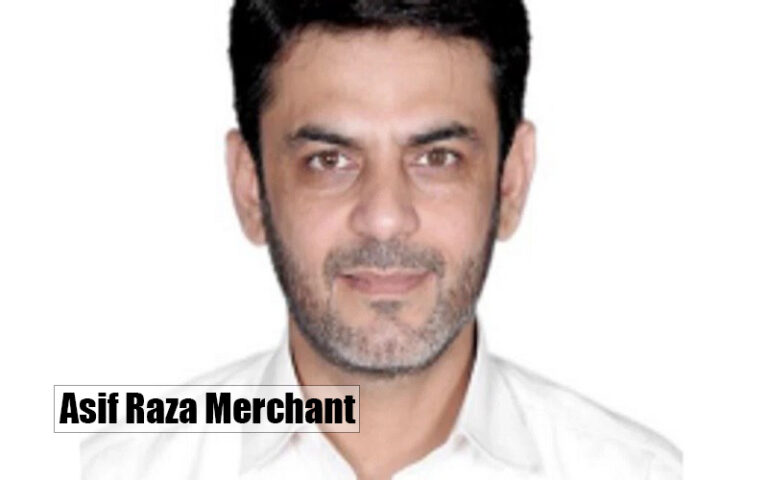
The name of the 46-year-old accused is reported to be Asif Raza Merchant.
A photo of him has also been released, and the U.S. Department of Justice stated that fortunately, the “hitmen” Asif Raza intended to hire were actually undercover FBI agents.
The U.S. Department of Justice has stated that this Pakistani national was born in Karachi and claims to reside in Pakistan, but he has a wife and several children in Pakistan as well as a wife and several children in Iran.
The department has accused Asif Raza of intending to target an American politician or government official on U.S. soil.
The Department of Justice’s statement says that law enforcement agents foiled the Pakistani national’s plot before any attack could take place, and Asif Raza has been in federal custody since July 12.
This is not the first time U.S. officials have claimed to have thwarted similar plots by the Iranian regime.
The FBI is still investigating the case of Asif Raza Merchant.
Women Protest in Iran’s Evin Prison, Attacked by Guards on Prisoners
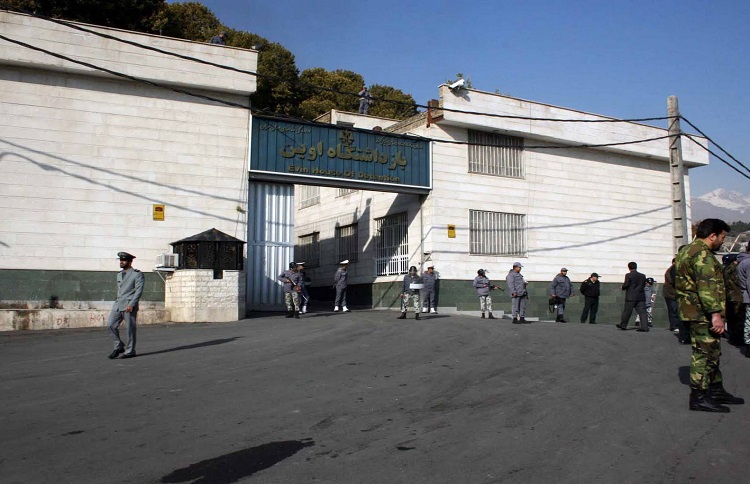
Following the execution of Reza Rasaei, who was accused of killing the head of the IRGC Intelligence in the city of Sahneh, reports indicate protests in the women’s ward of Evin Prison in Tehran and clashes between security forces and prisoners.
Political female prisoners in Evin Prison, Tehran, have started a campaign in recent months to oppose executions in Iran, a campaign called “No to Executions Tuesdays.”
This campaign coincided with the execution of Reza Rasaei on Tuesday, August 6, despite uncertainties in his case. Following the protest by prisoners in Evin Prison, security forces attacked them, and the phones in the ward were also cut off.
Female prisoners did not remain silent in protest against the news of Rasaei’s execution and repeatedly called on the people to shout “No to executions.”
The Iranian regime used the news of a possible war with Israel to execute Reza Rasaei without informing his family, taking advantage of the media silence.
Following the protests by female prisoners in Evin Prison against Rasaei’s execution and the attack by the prison guards, several political prisoners were injured and transferred to the infirmary. Due to the phone lines being cut off, there is no news about the condition of the prisoners in this ward.
During his imprisonment, Reza Rasaei was subjected to brutal torture by the IRGC and the Ministry of Intelligence to force him to confess against himself.
Reza Rasaei had told his cellmates that he had no role in the killing of the IRGC member but was forced to make a false confession, which led to his death sentence.
Reza Rasaei was arrested in December 2022 during the protests following the killing of Mahsa Amini by the regime’s Morality Police.
Iran’s Regime Withdraws $6 Billion From Central Bank to Cover Budget Deficit
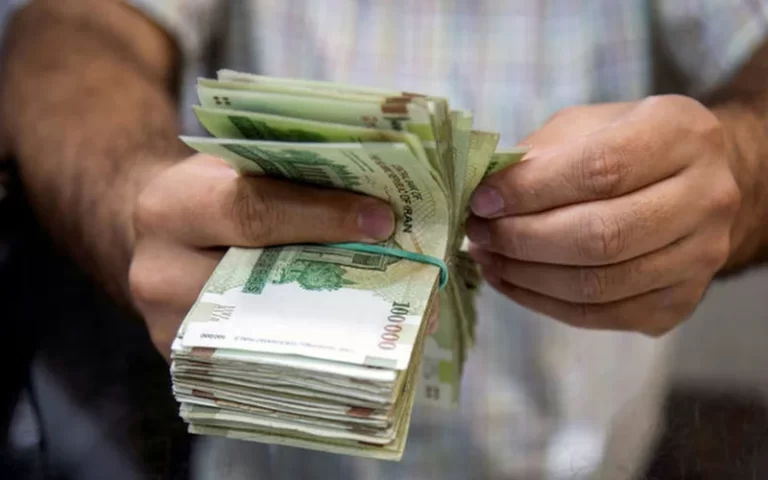
A member of parliament reported that the Parliamentary Research Center has reviewed the budget situation for the past Persian calendar year (starting March 21) and found that the budget for 1402 (March 21, 2023, to March 21, 2024) has a “very high imbalance.”
Gholamreza Tajgardoon told the parliamentary news agency that the report from the Parliamentary Research Center indicates severe deficits and a very high imbalance in budget items and performance over the past year.
The head of the Parliamentary Planning, Budget, and Accounts Commission added that according to this report, in 2023, the government’s main foreign exchange expenditures amounted to over $18 billion, of which $12 billion was provided through the government budget, leaving a deficit of nearly $6 billion, which was withdrawn from the Central Bank’s foreign exchange reserves and the National Development Fund.
He stated that approximately 140 to 150 trillion tomans (around $2.285 to $2.449 billion) of the targeted subsidies budget were also unrealized.
Recently, the Court of Audit also released a report on the government’s widespread violations regarding targeted subsidies, particularly wheat subsidies, stating that aside from tens of trillions of tomans in irregularities in subsidy financing, the government forced the Central Bank to withdraw over 31 trillion tomans (about $506.122 million) without legal procedures from the accounts of executive agencies and deposit it into the Targeted Subsidies Organization’s account.
The widespread budget imbalance last year contrasts with former Iranian President Ebrahim Raisi’s claim in May 2024 that the government had not had a budget deficit since 2021.
His statements come while Central Bank statistics show that the government’s budget in 2021 faced an operational and capital deficit of 213 trillion tomans (about $3.478 billion), which increased to 295 trillion tomans in 1401.
The Central Bank has not yet released the budget realization status for last year, but previously, the Parliamentary Research Center predicted that the operational budget deficit for 2023 would be about 455 trillion tomans (around $7.428 billion), equivalent to 20% of the government’s public budget.
To cover the budget deficit, Ebrahim Raisi’s government, contrary to its promises to stop debt growth, engaged in extensive borrowing from domestic banks. Central Bank statistics show that since the 13th government took office last February, the government’s debt to domestic banks has more than doubled, reaching a staggering 1.31 quadrillion tomans (around $21.387 billion).
The National Development Fund also states that the government owes it $100 billion.
Iran’s Police Assault and Arrest Girls for Not Wearing Mandatory Hijab
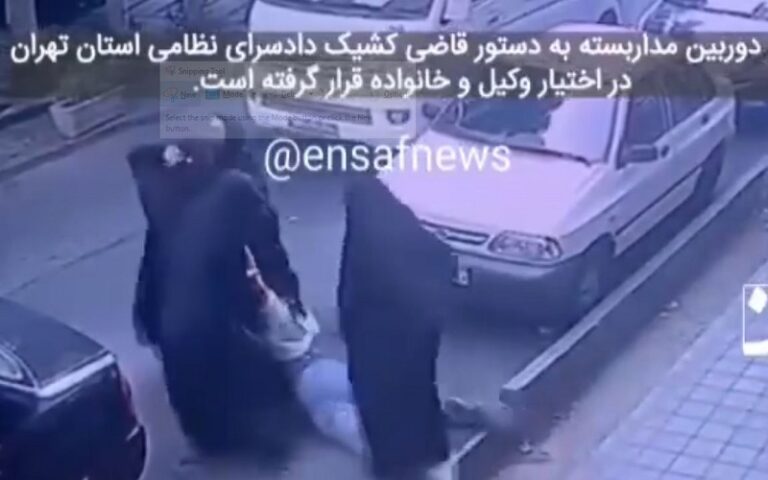
Following widespread reactions to a recently released video showing the violent behavior of police officers towards women, the Iranian regime’s police claimed the footage was “from the past” and called “everyone to uphold the law and prevent the occurrence and spread of social anomalies.” Meanwhile, a media outlet, referring to the same video, asked Masoud Pezeshkian, the president of the Iranian regime, to dismiss the Minister of Interior and appoint an “acting minister” for the ministry until his proposed candidate gains a vote of confidence.
In a police statement, the date of the mentioned video was confirmed as June 21, 2024, as previously stated by the mother of one of the two girls involved in the incident. The police confirmed that the confrontation occurred due to the hijab issue and referred to it as “inappropriate attire and unveiling,” which prompted the officers’ “warning.” In response to the widespread reaction to the released video, the Asr Iran website wrote in an article, “The harsh treatment of these girls is very painful and regrettable. The police behavior is such that it seems like they are arresting two habitual criminals.” This media outlet recalled Pezeshkian’s statements during the election debates, where he said, “For 40 years, we have tried to institutionalize the hijab through intervention.” The release of a video showing government officials confronting two 14-year-old girls over their hijab sparked a wave of reactions among Iranians on Tuesday, August 6. In the video, Maryam Abbasi, the mother of the 14-year-old girl featured in the footage, says that on June 21, her daughter and her friend were attacked and beaten by authorities on a street in Tehran. During the confrontation and arrest, one of the girls’ heads hit an electric pole, and the assaults continued inside the van. According to Mrs. Abbasi, her complaints and follow-ups were only addressed to the extent that the duty judge of the Military Prosecutor’s Office allowed her to obtain the area’s CCTV footage. However, after that, no further response was given to her complaints and requests. Masoud Pezeshkian, now appointed as the president of the regime, had said during his debate with five other presidential candidates selected by the Guardian Council to succeed Raisi: “I guarantee that the entire government will stand firm against mandatory patrols (for hijab), internet filtering, and external pressures in all sessions.” These promises by Masoud Pezeshkian and the demands of his supporters come at a time when the pressures of the Iranian regime on women and the suppression of their right to free attire intensified in 2024 from April 13, following Ali Khamenei’s directive in a plan named “Noor Plan.” Meanwhile, on July 30, during his inauguration ceremony, Masoud Pezeshkian once again explicitly emphasized the necessity of continuing Ali Khamenei’s policies.Here is a horrifying video showing the moment when two teenage girls were arrested by the Iranian regime's agents under the pretext of "improper veiling."
— Women's Committee NCRI (@womenncri) August 6, 2024
Watching this video makes our hearts feel heavy.
One of the girls is only 14. The agents slammed her head against an… pic.twitter.com/BAUBWPBhmC
Iran’s Regime Executes Reza Rasaei, A Detainee of 2022 Protests
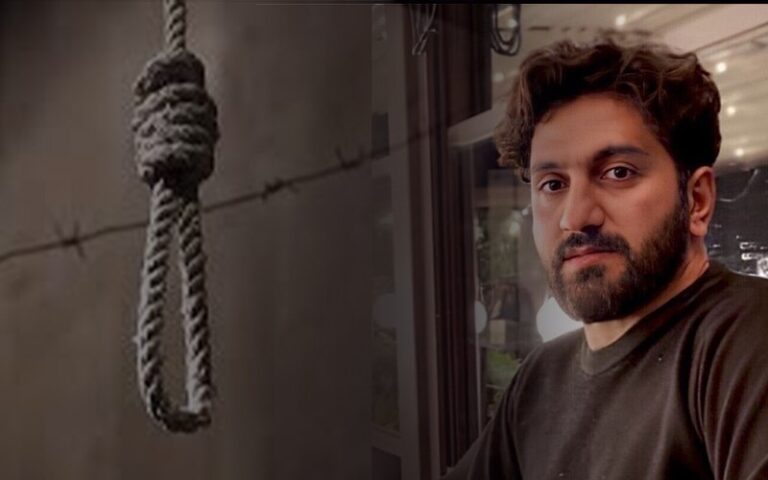
Reza Rasaei, one of the detainees from the 2022 protests, was executed on Tuesday, August 6. Rasaei’s body was buried under security measures in a remote location.
Rasaei, 34, was arrested during the 2022 protests in Sahneh, Kermanshah.
According to the Hengaw Human Rights Organization, the execution was carried out secretly at dawn in the central prison (Dizelabad) of Kermanshah without informing his family.
A few hours later, security agencies informed Rasaei’s family of his execution and warned them that they were not allowed to bury him in his hometown of Sahneh.
Hours later, Fatemeh Heydari, the sister of Javad Heydari, who died in the 2022 nationwide protests, announced on social media that only Rasaei’s mother, sister, and brother were allowed by officers to attend his funeral. His body was being buried in Mina Abad Cemetery in Kermanshah, a very remote cemetery three hours away from Sahneh, with a heavy security presence. The public was not allowed to attend the cemetery.
Reza Rasaei was sentenced to death by the Second Branch of the Criminal Court of Kermanshah Province last September. This sentence was later upheld in December by Branch 17 of the Supreme Court.
This protester was sentenced to death for the alleged murder of Nader Beyrami, the head of the Intelligence Office in Sahneh, but he denied this accusation.
Previously, an informed source from Dizelabad Prison had reported that pressure on Reza Rasaei had increased, and his access to phone calls with his family and in-person visits had been cut off.
Simultaneously, pressure on Rasaei’s family also increased.
This informed source mentioned that “threatening phone calls and threats of arresting family members are among the pressures applied on Reza Rasaei’s family since July.”
Reza Rasaei’s death sentence was upheld by the Supreme Court despite “numerous procedural and substantive errors in the verdict issued by the lower court,” including reliance on coerced confessions of the defendants against each other, deliberate disregard of testimonies by several defendants in favor of Rasaei, acknowledgment of deficiencies in the preliminary investigations, neglect of forensic expert opinions, and particularly the court’s reliance on the “judge’s knowledge” to prove guilt.
Amnesty International warned in February 2024 of the risk of execution of this protester following the Supreme Court’s rejection of Reza Rasaei’s appeal.
In recent months, human rights organizations and activists have warned about the possible execution of several political prisoners, including Reza Rasaei, Mojahed Koorkoor, Habib Deris, and Abbas Deris.
Despite widespread domestic and international protests, the Iranian regime continues to execute prisoners.
Pursuing Justice for Iran’s 1988 Massacre: A Significant Step Forward
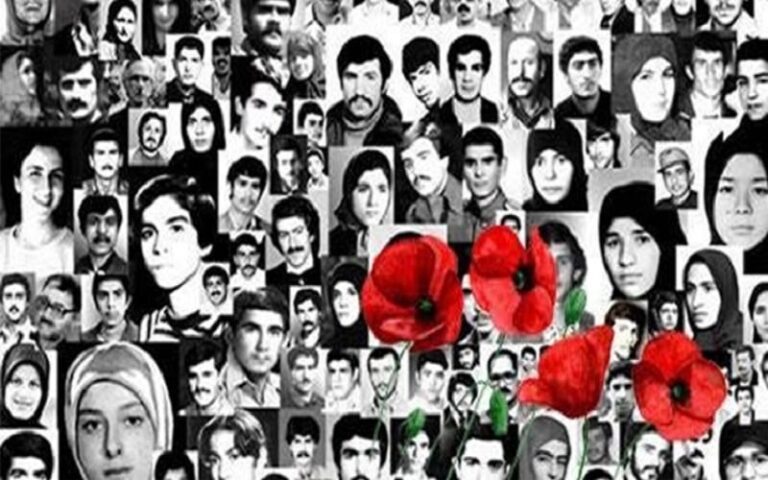
In 1988, Iran’s Supreme Leader Ruhollah Khomeini issued a decree for the mass execution of political prisoners, particularly targeting members of the People’s Mojahedin Organization of Iran (PMOI). He aimed to eradicate their ideals by eliminating them physically. Khomeini’s decree was clear: anyone loyal to the PMOI should be executed immediately. This act marked an attempted genocide against the Mojahedin, a policy continued by his successor, Ali Khamenei. The bodies were secretly buried in mass graves, and efforts were made to erase all traces of these victims from history.
Despite the regime’s efforts, the massacre could not be hidden. Over 45 years of theocratic rule have brought international attention and numerous UN condemnations. A significant milestone in the pursuit of justice came with the report from Javaid Rehman, the UN Special Rapporteur on Human Rights in Iran. This report was achieved through the relentless efforts of the Iranian Resistance and the families’ seeking justice for the victims. It represents a significant victory for those who have consistently fought against the regime’s attempts to deny and cover up the massacre of 30,000 political prisoners.
The regime’s reaction to the report was one of hysteria. The so-called “human rights secretary” of Iran dismissed Rehman as a “paid mercenary” of the PMOI, attacking the credibility of the report. Nevertheless, the report stood as an undeniable document of crimes against humanity and genocide. Rehman used the term “atrocity crimes” to describe the systematic murders, torture, and enforced disappearances carried out by the regime. He noted that between June 1981 and March 1982, thousands of dissidents, including children, were executed under vaguely defined charges of “waging war against God” and “spreading corruption on Earth.”
Among those executed were many children, including 13-year-old Fatemeh Mesbah, a PMOI supporter. The report highlighted Khomeini’s 1988 fatwa, which explicitly ordered the mass execution of PMOI members as a religious group. This fatwa was a clear document of genocidal intent, aiming to physically destroy the PMOI.
The Special Rapporteur called for an international mechanism to investigate and hold accountable those responsible for these crimes. He urged UN member states to use universal jurisdiction to conduct thorough investigations and preserve evidence for future prosecutions. Rehman emphasized the need for swift, impartial, and transparent criminal investigations into the atrocities committed, including the mass murders and other inhumane acts against political opponents.
The global recognition of these mass killings as “atrocity crimes” marks a qualitative step in the justice-seeking movement in Iran. This movement, which aligns with the broader struggle for regime change, aims to bring the perpetrators of these crimes to justice.
In conclusion, the UN Special Rapporteur’s report is a critical step toward acknowledging and addressing the horrific crimes committed by the Iranian regime. It highlights the ongoing struggle for justice and the necessity of international accountability mechanisms to ensure that the perpetrators of these atrocities face consequences.
