

Argentine Judiciary Holds Iran and Hezbollah Responsible for AMIA Bombing
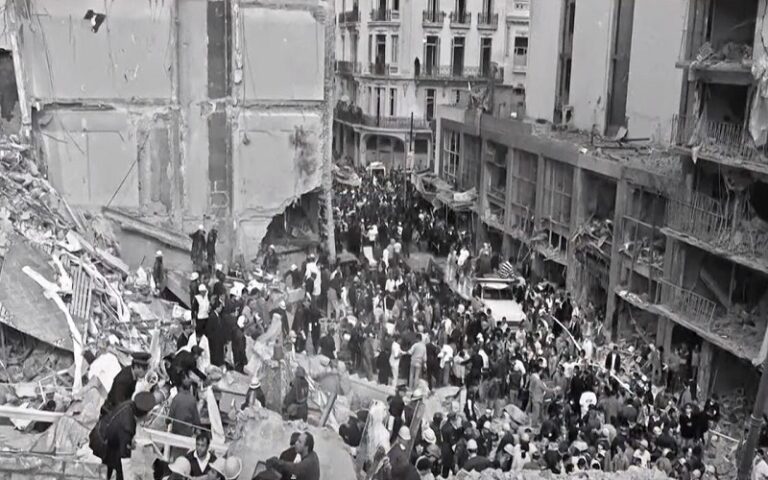
In the latest opinion on the case of the 1994 bombing of the Jewish center of Buenos Aires (AMIA bombing), the highest criminal court in Argentina ruled that the Iranian regime orchestrated the attack, and the Lebanese Hezbollah terrorist group carried it out.
The explosion at the Argentine Israelite Mutual Association (AMIA) in Buenos Aires on July 18, 1994, resulted in the deaths of 85 people and injuries to 300 Argentine citizens of Jewish descent, marking the deadliest terrorist attack in Argentine history.
In a verdict published on Thursday, April 11, the Argentine appeals court held Hezbollah responsible for the bombing and stated that the attack was carried out in retaliation for Argentina’s withdrawal from a nuclear cooperation agreement with Tehran.
By confirming the “political and strategic” role of the Iranian regime in the bombing, the Argentine court paved the way for the families of the victims to file lawsuits against the Iranian regime.
Over the past three decades, Tehran has not extradited those convicted in Argentina in connection with this case, and the arrest warrants issued by Interpol against them have not been enforced.
Among the accused in this case are Akbar Hashemi Rafsanjani (former president), Ali Akbar Velayati (former foreign minister), Ali Fallahian (former intelligence minister), Mohsen Rezaee (former commander of the Revolutionary Guards), Ahmad Reza Asghari (former third secretary of the Iranian embassy in Argentina), Ahmad Vahidi (former commander of the Quds Force), Mohsen Rabbani (former cultural attaché of the Iranian regime in Argentina), and Imad Mughniyeh (former head of Hezbollah’s special operations).
The Argentine appellate court stated that the significance of these severe human rights violations for the international community as a whole imposes a duty on a state to provide legal support.
This verdict described the bombing of the AMIA Jewish center as a “crime against humanity.”
According to The Associated Press, the Argentine appellate court’s decision in this case was not unexpected.
The Argentine judiciary has long regarded Iran as the perpetrator of this attack, and relations between the two countries have deteriorated, especially after the failure of a joint investigation.
The court, while specifying the role of senior officials of the Iranian regime and the commanders of the Revolutionary Guards in this attack, stated that Iran planned this bombing in response to the cancellation of three agreements with Argentina, which could have provided Tehran with nuclear technology in the mid-1980s.
Previous investigations into the AMIA bombing targeted not only Iranian officials but also two former Argentine presidents.
In 2014, the body of lawyer Alberto Nisman, who had accused then-Argentine president Cristina Kirchner of covering up this case, was discovered in his apartment in Buenos Aires one day before he was to present his report to the Argentine parliament.
The Associated Press reported that over the past years, witnesses in this case have been threatened or bribed.
The verdict on Thursday came just a few months before the 35th anniversary of the AMIA explosion.
On the occasion of the 25th anniversary of this attack, Argentina designated Hezbollah as a terrorist organization and froze the financial assets of this group.
Around 230,000 Jews live in Argentina, and their representatives described Thursday’s verdict as “historic.” According to The Associated Press, for the relatives of those killed in the bombing, this verdict was only a painful reminder, as the case remains unresolved.
Dramatic Drop in Iran Gas Production Is Inevitable
Mansour Daftarian, the head of the Iranian Gas Engineering Association, has announced the beginning of a decline in pressure in the South Pars gas field, stating that the country’s gas production will decrease by 30 to 40 percent over the next five years.
On March 29, Daftarian stated that studies on the production and consumption of gas in the National Iranian Oil Company indicate that the maximum gas production of South Pars in 2039, under current conditions, will be 400 million cubic meters per day. If the South Pars pressure boosting plan is not implemented, this amount will decrease to 200 million cubic meters per day.
South Pars holds a 79 percent share in Iran’s gas production. Iran extracts 770 million cubic meters of gas daily, with 610 million cubic meters coming from South Pars, a shared field between Iran and Qatar.
Daftarian said that the decline in the production of the South Pars gas field will begin in 2025, but it is already tangible.
Earlier, the Iranian regime’s Ministry of Oil and some international institutions had predicted that the decline in the pressure of the South Pars field would begin in 2023. Although in 2023, the Iranian regime managed to compensate for the production decline due to the pressure reduction by launching Phase 11 of South Pars, Iran no longer has new phases to launch, and the decline in gas production is inevitable.
The Iranian section of South Pars consists of 24 phases, all of which have been launched, and there is no room for the launch of a new phase to compensate for the production decline due to pressure reduction.
Earlier, both the National Gas Company and the National Development Fund had reported that, in the most optimistic scenario, the country’s gas production would still face a significant decline.
Challenges of South Pars Development
After the Iran nuclear deal, Iran signed a $5 billion contract with a consortium led by Total of France to develop Phase 11 of South Pars, half of which was for daily production of 56 million cubic meters of gas and the other half for the construction of a 20,000-ton platform with two massive compressors for boosting the mentioned phase in the coming years. Total abandoned this project after the US withdrew from the nuclear deal, and its Chinese partner, CNPC, also withdrew from the project due to its inability to build the mentioned facilities and US sanctions. The Iranian National Development Fund has warned that the country’s gas production will sharply decline by 2034 and will only meet one-third of domestic demand. However, on March 27th, the government of Ebrahim Raisi signed a contract to export 50 million cubic meters of gas to Iraq daily and asked Pakistan to execute a contract to purchase 20 million cubic meters of Iranian gas daily as soon as possible. Iran also tripled its gas exports to Turkey in the past winter and compensated for the domestic gas shortage with significant consumption of mazut. Javad Owji, the Minister of Oil, has also claimed that contracts with domestic companies will be signed to increase daily gas production by 150 million cubic meters in the coming years. He had previously stated at the “Gas Exporting Countries Forum” that the country’s gas production is “42 percent” higher than the actual figure and claimed that the country’s gas production will increase by 270 million cubic meters in the coming years. It is not clear why Owji claimed in an international conference that Iran’s daily gas production is 1.07 billion cubic meters while official statistics from the Ministry of Oil and international institutions state it as approximately 770 million cubic meters, and he further claimed that this figure will reach 1.3 billion cubic meters in the coming years. The Iranian Ministry of Oil recently signed a $15 billion contract with several domestic companies, including PetroPars and subsidiaries of the Revolutionary Guards, most of which is related to the construction of 7,000-ton platforms and medium-capacity compressors for boosting South Pars. Mansour Daftarian, the head of the Iranian Gas Engineering Association, says that if the South Pars pressure boosting plan is not implemented, the production of the Iranian section of this field will decrease to 200 million cubic meters per day over the next five years; in other words, it will be reduced by two-thirds of the Iranian section’s production of South Pars.Iran: Cost of Housing Construction Unpredictable
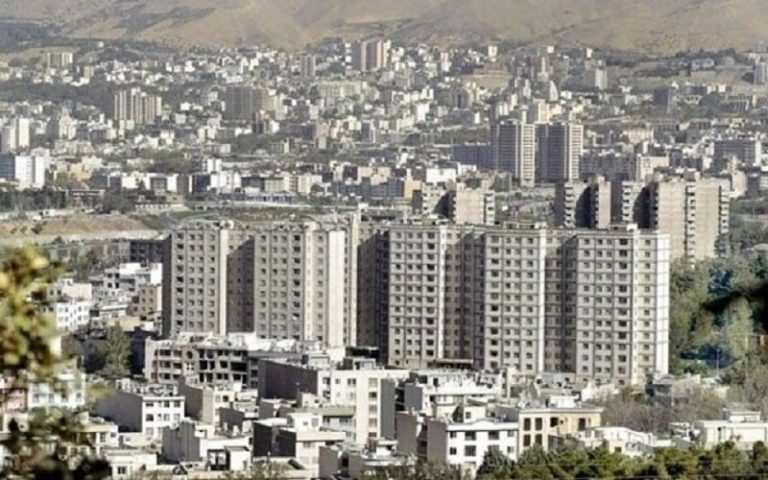
Mohammad Reza Rezaei Koochi, the head of the Construction Commission of the Iranian regime’s Majlis (Parliament), has announced a 25% progress halt due to the suspension of the “National Housing Movement” and stated that due to the increase in prices and market fluctuations, the cost of housing construction is no longer predictable.
The regime’s ILNA news agency also reported that according to the Ministry of Roads and Urban Development, construction of more than 2.5 million residential units has commenced under the “National Housing Movement” project, but three years into the government’s tenure, no significant progress has been made in this regard.
ILNA reported that reports indicate that only 51,000 hectares of land have been provided for this project, and no further action has been taken.
Koochi, the head of the Majlis’ Construction Commission, confirmed this, stating that the physical progress of the project remains at 25%.
According to Koochi, prices are highly volatile, and developers cannot reach a fixed and inflexible price and sign contracts.
Media outlets announced in November 2023 that the increase in the completed price of “National Housing” and the critical economic situation have made applicants unable to afford their “deposit.”
The latest official report on housing prices in Iran shows that the average price per square meter in the capital exceeded 830 million rials (approximately $130) in March 2024.
Experts believe that “National Housing” will not progress in the Raisi administration, and the fate of withdrawing $2 billion from the National Development Fund alongside more than 10,000 hectares of surplus government land identified for this purpose will ultimately remain uncertain.
Davood Biginejad, the vice president of the National Real Estate Consultants Union, mentioned the increase in housing prices in the past month and predictions of continued price growth, stating that rental rates will increase due to this price change.
The state-run Donya-e-Eqtesad newspaper also wrote on March 23 that the currency surge in February and March 2024 has been a factor in “disturbing the relative tranquility of housing prices” to the extent that monthly inflation, which was an average of 1.5% from March to December 2023, suddenly rose to over 3.5% in February and March 2024.
The newspaper’s report emphasized that with this major inflationary recession, the number of residential units traded in 2023 decreased by 55% compared to 2022.
Reports indicate that over the past decade, housing rental prices in Tehran have experienced significant growth, with rental rates increasing by 540% from 2012 to 2021.
The Majlis Research Center also announced in August 2023 that households in the first to third deciles are absolutely unable, and those in the third to fifth deciles are “relatively” unable to meet their housing needs.
One of Ebrahim Raisi’s electoral promises was to build one million homes per year, but statistics show that three years into Ebrahim Raisi’s government, no significant developments have occurred in this area.
Iran’s Workers in Absolute Poverty
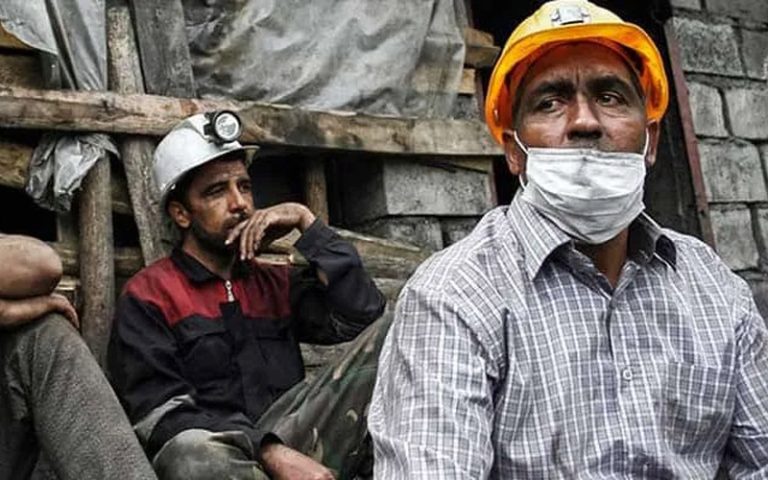
Faramarz Tofighi, a labor activist in Iran, believes that increasing the approved wages will have no effect on improving the conditions and eliminating the disparity between income and expenses, and for this reason, one should not wait for an increase in gross national product.
Tofighi told the regime’s ILNA news agency that under these conditions, there is no inclination to employ young people aged 19 to 28, and there will be no motivation for production.
According to Tofighi, the wages are unfairly set, and the government is continuously evading the law.
He described the Labor Minister of Ebrahim Raisi’s government as the “flagbearer of lawlessness” and emphasized that the minister not only does not consider Article 41 of the Labor Law important but also sees himself above the law and has claimed that the labor law should be amended.
Criticism of the Iranian regime’s approach to the decline in income from expenses and the economic crisis has peaked in recent weeks, and media reports indicate that the economic crisis is turning into social crises and an increase in various types of crimes.
On April 8, the state-run Ham-mihan newspaper wrote that theft from supermarkets and stores selling food and groceries has increased.
According to Ham-mihan, the level of peddling has also increased, and this trend has increased compared to two or three years ago.
According to the majority of economic experts, the main factor in the increase in theft in Iran is the economic issues. Based on this, in June 2023, Masoud Sistani, the spokesman for the judiciary, announced an increase in the level of thefts.
Iran’s Statistical Center also announced in spring 2023 that the rate of theft has been on the rise, so much so that theft is the second major crime in the country after drug trafficking.
Ham-mihan newspaper also emphasizes that a review of statistics shows that theft has quadrupled in recent years. Alongside this, there has been a significant increase in commodity prices.
Statistics from the Statistical Center in 2023 indicated that “in the red and white meat group, with 85.5%, fish and seafood with 67.4%, tea, coffee, cocoa, soft drinks, and fruit juice with 46.3%, and fruits and nuts with 44.8%, in September 2023 compared to the same month of the previous year, had the highest increase in prices.”
Iran’s Rial Continues to Plummet
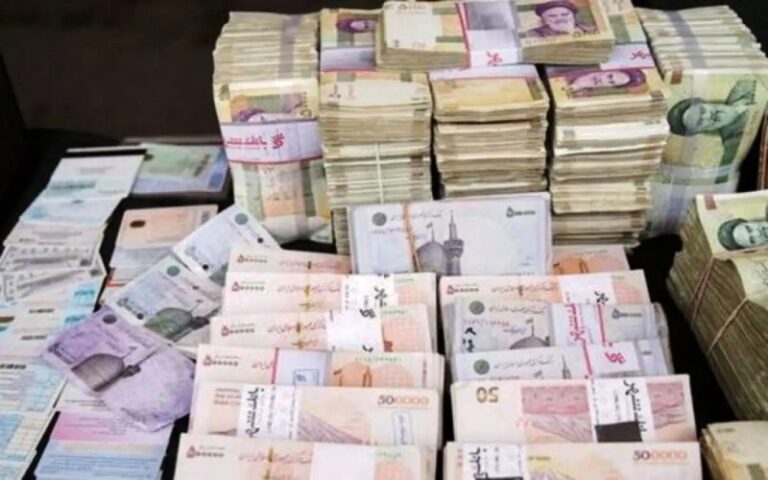
With the increase in the exchange rate of the US dollar in the Iranian currency market to over 650,000 rials and the emergence of a new wave of concerns among the public and economic activists, critics of the government considered the current situation as the result of “foolishness,” while defenders of the government claimed that the exchange rate would decrease again.
Mehrad Abad, a member of the Delegation of the Chamber of Commerce of Iran, told the regime’s ILNA news agency that what has caused the currency crisis and market turmoil we are currently facing is “not due to informing people about them but rather the result of foolishness” and “rooted in the nature of our economy.”
This economic activist believes that the main factor has been the weak and ineffective budgeting of governments, and sanctions have created many problems.
According to this member of the Chamber of Commerce, attributing problems to enemies is “scapegoating.”
On the other hand, Youssef Hosseini, the head of the Currency Committee of the Iranian regime’s Chamber of Commerce, has taken a defensive stance in support of the government and the policies of the regime’s supreme leader Ali Khamenei, stating that by adhering to Khamenei’s recommendations, the country’s economy, especially various markets including the currency market, can be well controlled, and perhaps the dollar price may return to around 600,000 rials or even lower.
Youssef Hosseini emphasized that regional events and conflicts can have an impact on Iran’s economy and “the enemy does not hesitate to make any effort to complete its destructive operations in this area.”
The state-run Etemad newspaper also quoted Ramin Pouladrag, a member of the Iran-Iraq Joint Chamber of Commerce, as saying that the only reason for the limited increase in the dollar price is political and regional events that “will surely be controllable and diminishable.”
This economic activist also attributed fluctuations to the “enemy,” a matter that media analysts relate to the report of the Kayhan newspaper and the connection of fluctuations to the media and the request to deal with them.
The regime’s Kayhan daily wrote in a report, “In a situation where the country’s economy is rising from the ground after heavy blows in the 2010s, some domestic media outlets, along with terrorist Zionists, are disrupting the mental security of society and fueling inflationary expectations to ground the country’s economy again.”
This has led some analysts to suggest that some media outlets have moved beyond currency fluctuations and some others have taken on the role of defending the government and regime. Also, security concerns have led economic activists’ statements to be in line with the statements of Iranian regime officials.
According to reports, the exchange rate has been on an upward trend since February 2024, reaching from 500,000 rials to 610,000 rials by the end of March 2024.
The slow and steady increase in prices continued until Israel’s attack on the Revolutionary Guards’ headquarters in Damascus, where the exchange rate exceeded 650,000 rials.
Iran’s Dairy Producers Reduced by 80% in 2 Decades
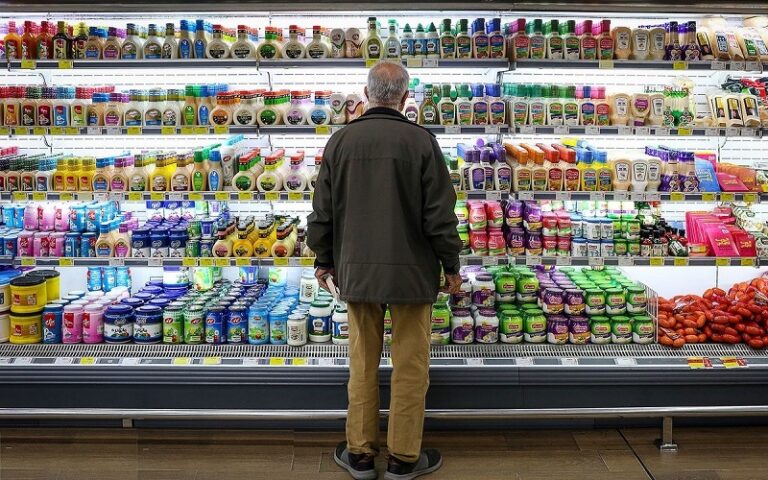
Mohammad Reza Bani Tabba, spokesman for the Iranian Dairy Industries Association, announced an “80 percent” reduction in the number of dairy product companies in the country over the past two decades.
Bani Tabba, spokesman for the Iranian Dairy Industries Association, told the regime’s semiofficial ILNA news agency on April 7 that the number of dairy companies in Iran has decreased from over a thousand companies in the 2000s to about 200 companies at present.
He attributed government policies as the cause of the decline in the number of dairy companies and said the Ministry of Agriculture has not yet announced the guaranteed purchase price of raw milk for 2024.
He also said that last year, the increase in the prices of final products was communicated to producers in July.
The spokesman for the Iranian Dairy Industries Association also referred to the decrease in dairy consumption in the country, attributing it to a decrease in people’s purchasing power.
Statistics from the Food and Agriculture Organization (FAO) also confirm a significant decrease in milk and dairy consumption in Iran.
In just three years, milk and dairy consumption in Iran has decreased by nearly 14 percent. Iran’s milk and dairy production also reached 7.9 million tons in 2023, a decrease of 208,000 tons.
FAO statistics also indicate very low milk and dairy consumption in Iran. For example, the per capita consumption of milk and dairy products by Turkish citizens last year was 3.5 times that of Iran.
Bani Tabba also mentioned the problem of dairy product exports and said that we currently have about 100,000 tons of powdered milk in storage, indicating that the export of processed dairy products is not easy, especially since export markets are highly competitive.
His statements come as FAO statistics show a sharp increase in Iranian dairy product exports against the decline in domestic consumption. Iranian customs statistics also support this.
According to FAO estimates, Iranian milk and dairy product exports have increased by 65 percent over the past three years, reaching 1.85 million tons. Imports of various Iranian dairy products have also decreased by 30 percent to 101,000 tons.
Additionally, the storage of 100,000 tons of powdered milk is happening at a time when reports of shortages of this vital foodstuff have been widely published in the country in recent years.
Bani Tabba also claims that dairy companies have adhered to government pricing over the past years, but reports from the Iranian Statistical Center show that since the inception of the Raisi government, the prices of various dairy products have increased 2.5 to 3.5 times.
Iran’s Non-Oil Trade Imbalance at Unprecedented Negative $17 Billion
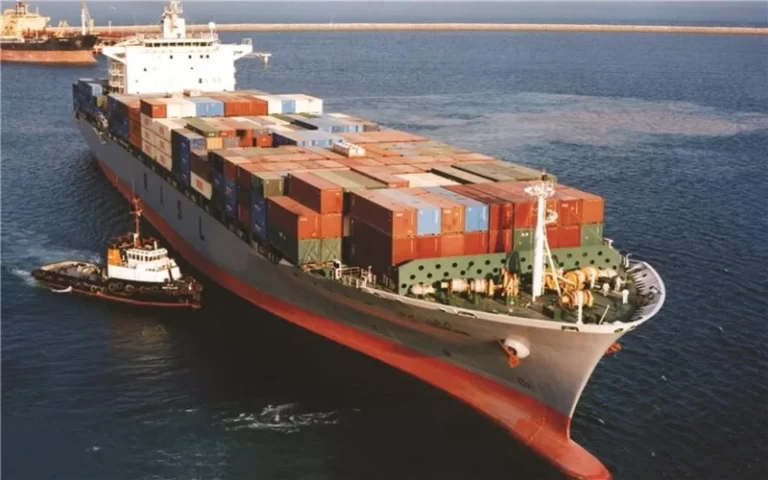
New government statistics by Iran’s regime indicate a negative imbalance of $16.8 billion in non-oil trade during the year 2023.
According to customs statistics, Iran had about $49.4 billion in non-oil exports last year, which is seven percent less than 2022.
The country’s imports were $64.3 billion, which is seven percent more than 2022. Iran also imported $1.9 billion worth of standard gold.
In recent months, Iran’s customs administration has added statistics on oil, electricity, and services exports to its export figures for the first time to show a positive foreign trade balance, but it does not include these figures in its calculations of imports.
Oil exports:
Customs statistics show that Iran’s oil exports last year amounted to $35.9 billion, which is 8.6 percent higher than in 2022. International statistics, including those from data companies such as Kpler, indicate that Iran had 1.3 million barrels of crude oil exports per day last year, which is 48 percent higher than in 2022. The price of oil had also dropped by only 17 percent in global markets. It is unclear why, given the mentioned figures, the value of Iran’s crude oil exports has only grown by 8.6 percent. Additionally, Iran had daily exports of 220,000 barrels of Mazut last year, and in total, Iran’s oil exports should have been about $44 billion. However, customs statistics put this figure at $35.9 billion. Iran also had diesel and gasoline imports last year, but this is not accounted for in customs calculations.Services trade:
Customs statistics show that Iran had $1.3 billion in exports of “technical and engineering services” last year. This report does not refer to the total volume of service exports, including transit and imports of services into the country. According to Central Bank statistics, Iran’s total volume of service imports in recent years has been about $15 billion annually, with the country’s service exports being half of this figure. Iran’s customs has not specified why it includes exports of oil, electricity, and services in its statistics, but does not include imports of these items in foreign trade calculations. Iran has also faced extensive capital flight, especially in recent years. Government institutions have not released last year’s statistics, but Central Bank statistics show that Iran had about $9.3 billion in capital flight in 2022. The worsening foreign trade balance has led to a rapid depreciation of the rial’s value over the past few months. On Saturday, April 6th, the US dollar is traded at 646,500 rials in the free market. Iran’s rial has lost 18 percent of its value compared to March 2023 and about 31 percent compared to April 2023.Iran’s Natural Gas Consumption Increases While Production Continues to Stagnate
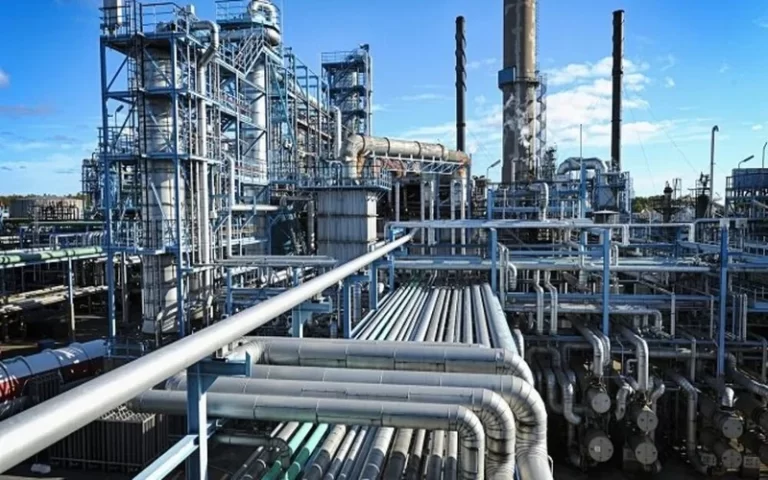
According to statistics announced by Saeed Aghli, an official at the National Iranian Gas Company on Wednesday, April 4, the Ebrahim Raisi government has only compensated for the growth in gas consumption over the past two years through a reduction in gas injection into oil fields and a decline in exports, with no progress in increasing gas production.
Saeed Aghli, the dispatching manager of the National Iranian Gas Company, announced Iran’s natural gas consumption in the past year as 249 billion cubic meters, showing an increase of about three percent, or seven billion cubic meters, compared to 2022.
Statistics from the Turkish Energy Market Regulatory Authority show that Iran reduced its exports to this country by 48% in 2023, reaching 5.2 billion cubic meters.
Iran had also severely restricted gas exports to Iraq during the fall and winter of 2023.
Iran has also been importing limited amounts of gas (a total of about 3 billion cubic meters) from Turkmenistan since the fall of 2022, but the northern neighbor halted both gas sales to Iran and gas swap operations through Iran to the Republic of Azerbaijan since January 2023.
Thus, the Ebrahim Raisi government has compensated for a significant portion of the seven billion cubic meter increase in domestic gas consumption in 2023 through a significant reduction in exports and gas imports.
On the other hand, according to the Ministry of Oil statistics, Iran has been injecting an average of 37 million cubic meters of gas into oil fields daily over the past decade to maintain oil production levels, but Fars News Agency reported in June 2023 that this figure had decreased to 30 million cubic meters.
About 80% of Iran’s active oil fields are in the second half of their life, and the majority of the country’s oil production comes from fields that were launched before the 1979 revolution and require daily gas injection of 300 million cubic meters to maintain production.
The Ebrahim Raisi government only injects ten percent of this required amount into the fields to compensate for the gas shortage in other sectors, a situation that will eventually render a significant portion of the country’s oil field reserves unextractable.
Compensating for the country’s gas consumption growth through reduced exports and gas injection into oil fields comes at a time when recently, Iran’s regime Oil Minister Javad Owji claimed that the country’s average gas production growth in recent years has been 5.2% annually (more than 12 billion cubic meters per year).
This claim comes despite the fact that the country has faced increasing and severe gas shortages over the past two years, with the country’s gas deficit reaching 300 million cubic meters per day in the winter, a figure equivalent to Turkey’s total gas consumption during the cold season.
BP statistics also show that while Iran’s average annual gas production growth has been over five percent in the past decade, this figure dropped to less than one percent in 2022. International statistics on Iran’s gas production in 2023 have not yet been published.
Additionally, the country’s consumption of 249 billion cubic meters of gas last year (682 million cubic meters per day) is reported while Iran’s Oil Minister recently claimed in a gas-exporting countries’ conference in Algeria that the country’s current daily gas production is one billion and 70 million cubic meters.
Iran only succeeded in launching the incomplete Phase 11 of South Pars last year, but the country’s gas production did not change because instead of building and installing new production platforms, an old platform from Phase 12 of South Pars was transferred to Phase 11.
The reason for transferring this platform from Phase 12 to Phase 11 was also incorrect drilling in the wells of the third platform of Phase 12, as this platform produced more brackish water than gas.
About a decade ago, during the launch of Phase 12 of South Pars, it was supposed to produce 84 million cubic meters of gas daily, but due to drilling errors, it only produced 65 million cubic meters of gas from the beginning, and now it only produces 43 million cubic meters of gas.
Phase 11 of South Pars, which was launched last year, was also supposed to produce 56 million cubic meters of gas daily, but due to delays in completing the wells, it currently produces only one-fifth of this amount of gas.
Iranian Youth Must Wait 100 Years to Become Homeowners
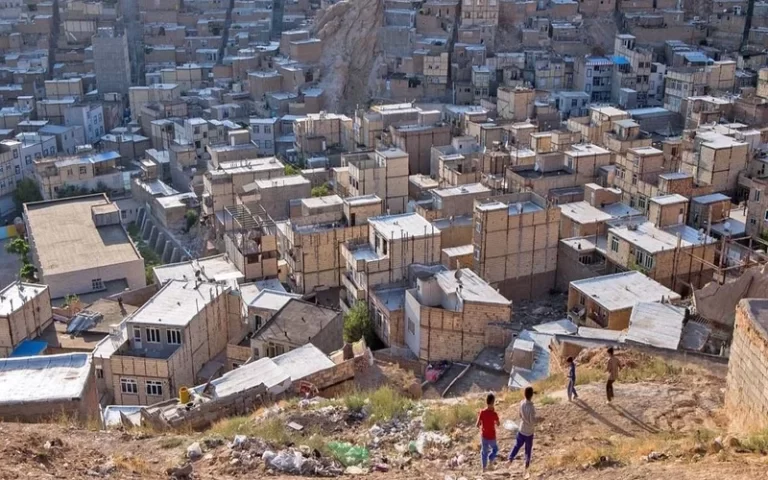
Passing the 100-year waiting period for buying a home; becoming homeowners has fallen out of orbit.
In a new report, Etemad newspaper has addressed the issue of housing, stating that workers, employees, retirees, and teachers who receive minimal wages and salaries, along with 12 million Iranian youths on the brink of marriage, are in a situation where the minimum waiting period to buy a home has reached up to 100 years.
On Wednesday, April 3, the state-run Etemad newspaper, has written that the investment slope in the housing sector has been declining since 2021.
The newspaper, referring to a severe decline in housing transactions, has announced that a significant portion of the population is unable to buy homes because with these wages, they have fallen below the poverty line.
The newspaper’s report mentions housing facilities under the title “troublesome loans,” stating that it’s quite strange that one-fourth of housing loans must cover the cost of securities, and the remainder of the loan is subject to a 23% interest rate, and loans that are still unpaid are subject to installments and interest.
Meanwhile, also on April 3, the Donya-e-Eqtesad newspaper, wrote that official data on rent trends indicate a 39.6% nationwide rent increase and a 52% rent increase in Tehran within a year, marking “a new era in the rental market” whose main characteristic is “the possibility of compensating for the landlord’s cost of living increase through rent.”
The newspaper emphasized that the two main reasons for this inflation in rent are the upward change in the general inflation level and the housing inflation in recent years, which have acted as accelerators in the sharp rise in “rental costs.”
Based on this, it has been announced that in the national rental market, general inflation and annual rent inflation have become equal, and in Tehran, annual rent inflation has outpaced general inflation.
These events in the housing market come as Ebrahim Raisi promised to build one million homes per year and curb inflation in this sector, but in the past two and a half years, not only has this promise not been fulfilled, but with the average price of housing in Tehran exceeding 830 million rials (approximately $1,285), people are facing the phenomenon of “housing distress” and “housing poverty.”
Labor experts and activists have also stated that 75% of workers’ wages are allocated to housing, and other needs such as food are excluded from their priorities.
Iran Condemns Pressure on Regional Proxies while Aiming to Expand Malign Influence
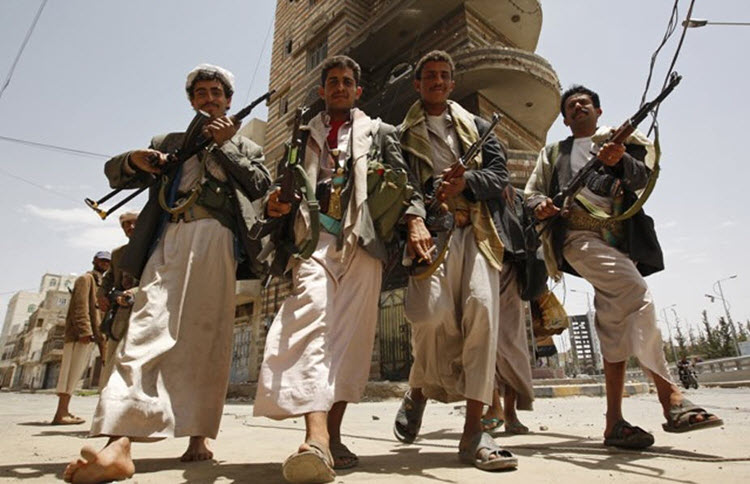
The United States announced new sanctions on Tuesday, March 26, against six firms, two tankers, and a money exchange, all of which are alleged to have engaged in business dealings to the benefit of the Iranian regime and two of its militant proxies, Hezbollah in Lebanon and the Houthis in Yemen. Separately but on the same day, the US also announced sanctions targeting 11 individuals and entities for helping the Iran-backed Syrian government of Bashar al-Assad to evade preexisting sanctions and raise financing through drug trafficking.
The new measures emerged very soon after 13 Iran-backed militants were killed in Syria, and just days after Iran’s UN ambassador Saied Iravani called for a lifting of all sanctions on the Assad regime, as well as the removal of US forces from Syria, where they have been working to prevent resurgence of the Islamic State (ISIS) terrorist group. Iravani drew an arguably arbitrary distinction between US forces and Iranian forces in Syria, calling the former “uninvited” despite the fact that they work closely with the semi-autonomous government in Syria’s Kurdish region while Iran-backed militias often operate above and separate from the actual Syrian military.
The Iranian regime’s envoy’s comments before the UN reflect a longstanding and far-reaching strategy of trying to supersede Western influence in the Middle East region. This was underscored by remarks delivered around the same time by regime Supreme Leader Ali Khamenei and carried by Fars News Agency. Khamenei either expressed or feigned confidence about the US withdrawing its forces not just from Syria by from across the region, and gave credit in advance to Hamas.
Khamenei’s remarks came just ahead of his meeting in Tehran with Hamas head Ismail Haniyeh, which reinforced the Iranian regime’s embrace of Hamas as a key part of the “Resistance Axis” that also includes Hezbollah, the Houthis, the Syrian militants propping up Assad, and similar Iran-backed militants in Iraq. Khamenei and other leading Iranian regime officials have repeatedly praised the October 7 attack as an “irreparable defeat” for Israel and its Western backers, while also helping to mobilize the Axis to keep pressure on both.
Shortly after war erupted in Gaza, the Houthis have been waging a campaign of attacks upon commercial shipping in the Red Sea. Iranian regime proxies in Iraq and Syria carried out more than 170 attacks on US and US-allied military assets in the region until early February, at which point they shifted focus in the wake of American retaliation for the deaths of three US service members at a border installation in Jordan.
That shift in focus reportedly came in response to appeals from Iran, but has arguably had little real impact on Iraqi and Syrian contributions to regional instability. The regime is by all accounts still providing groups in both countries with a steady supply of arms and logistical support to further carry out attacks in the region.
Iran’s state-run Tasnim News Agency appeared to brag about those threats on Friday via an article that quoted Technology Minister Issa Zarepour as declaring that Iran has become one of the top ten countries in the world in terms of space launch technology, following a recent satellite launch carried out from a Russian launch pad. The report claimed that the Iranian space industry had been “fully indigenized” with help from the policies of President Ebrahim Raisi, who has also empowered the Islamic Revolutionary Guard Corps to expand its presence in a number of fields.
While Zarepour’s comments fell short of direct threats of expanded missile development and trafficking, it is widely understood that space launch technology has a dual purpose as components of military rockets, including potentially nuclear-armed intercontinental ballistic missiles. The IRGC is already in charge of the largest stockpile of ballistic missiles in the region, and portions of that stockpile have steadily made their way into the hands of regional militant groups, thus featuring prominently in some of the most recent Houthi attacks in the Red Sea.
Those attacks remain largely ineffective but still demonstrate notable escalation, with a French warship having shot down at least three ballistic missiles last Thursday alone. Reports of that engagement emphasized that attacks upon commercial vessels and the coalition guarding them have become a near-daily occurrence, even as joint American and British strikes on Houthi arms depots have become commonplace as well.
Before missile attacks became prevalent, the Houthi relied even more heavily upon Iranian-made one-way attack drones, of the sort that have also been delivered to Russia by the thousands since the start of war in Ukraine. Iran’s drone technology is also reported to be evolving and was recently featured at a military arms exhibition in Doha. Specifically, Iran presented to potential buyers a drone that it had named “Gaza,” claiming it capable of carrying up to 13 bombs over a 1,200 mile operational distance.
These specifications were disputed by at least one competing arms manufacturer, and indeed the Islamic Republic has a long history of overstating its own military capabilities. Nonetheless, there is an underlying fact of ongoing development which threatens to increase the capabilities not only of Iranian forces themselves but also of various proxies and allies. What’s more, these military resources open the door for new trade with those same allies, as indicated by the fact that Tehran recently claimed once again to be on the verge of taking delivery of Russian-made Su-35 jet fighters, which would allow the Iranian air force to make its first truly significant upgrade since the 1979 revolution.
But as much as this potential trade represents a challenge to Western interests and global stability, Iran’s own advancements may also pose an indirect threat to its own allies. This is especially likely if Iran proves to have less control over its military proxies than is generally assumed. That assumption was seemingly reflected last week in a public statement from the Houthis promising not to attack Iranian, Russian, or Chinese vessels. But just days later it was reported that an attack had been launched against a Chinese vessel anyway, signaling a possible loosening of the reins on Houthi operations.
