

Iranian Woman Flogged for Violating Regime’s Hijab Rules
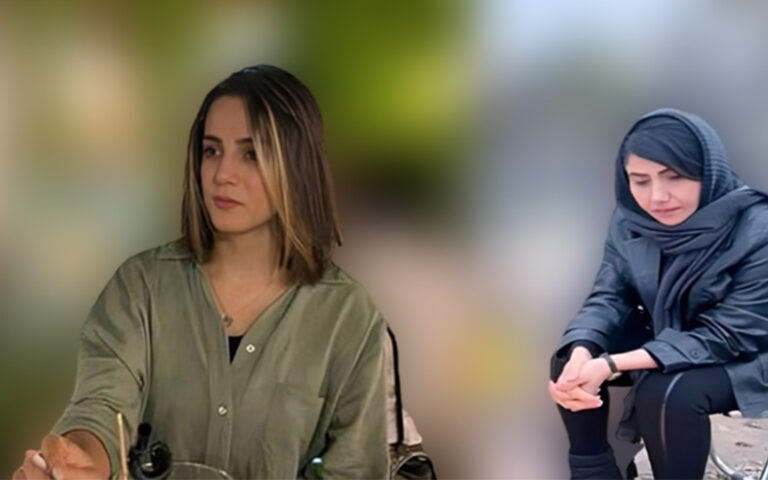
On January 3, the sentence of 74 lashes for Roya Heshmati, issued for not observing mandatory hijab, was carried out at the 7th district court in Tehran. This woman, who opposes mandatory hijab, has written a horrifying account of her sentence.
Heshmati stated that she was summoned to the execution of sentences unit on January 3 for the implementation of the sentence of 74 lashes. She said that she went to the 7th district court accompanied by her lawyer.
Roya Heshmati emphasized that she had removed her hijab since passing through the entrance gate of the court building, and in response to the court staff’s admonition to cover her head so as not to get into trouble, she told them, “I have come here for the sake of Hijab and receiving these lashes, I won’t cover my head.”
According to Heshmati’s account, the officer in charge of carrying out the sentence threatened her that if she did not cover her head, he would strike the lashes harder and open a new case against her for not observing hijab, so that she would be sentenced to another 74 lashes.
Describing the place where her flogging sentence was carried out, she wrote, “They opened the iron gate. The walls of the room were made of cement. There was a bed at the end of the small room with iron shackles welded to both sides. There was an iron device similar to the base of a large canvas with a place for handcuffs, with iron shackles worn-out in the middle of the room, and a small chair and table with whips on top, both behind the door. A medieval torture chamber.”
Roya Heshmati continued by stating that the officer put a scarf on her head, “The man took a black leather whip from the bunch of whips behind the door, wrapped it around his hand twice and came to the bed. The judge said: Don’t hit too hard. The man started hitting. My shoulders, my back, my hips, my thighs, my legs, then start over. I didn’t count the number of lashes.”
Roya Heshmati continued by stating that she muttered a chant under her breath during the execution of her flogging sentence.
The International Covenant on Civil and Political Rights explicitly prohibits the use of degrading and inhumane punishments such as flogging, and Iran is one of the few countries that still employs such humiliating punishments.
Roya Heshmati added, “It was over. We came out. I didn’t let them think I was even in pain. They are more despicable than these words. We went upstairs to the judge in charge of executing the sentence. The female officer was following behind me and made sure my headscarf did not fall off. At the door of the branch, I threw off my headscarf. The woman said, ‘Please cover your head.’ I didn’t cover my head and pulled my scarf back.”
According to Heshmati, the judge told her, “We are not happy about this matter ourselves, but it’s the sentence and it must be carried out. If you want to live differently, you can leave the country.”
She wrote that she told the judge, “This country belongs to everyone. Let the law do its own work, and we will continue our resistance.”
The Women’s Committee of the National Council of Resistance of Iran strongly condemned this inhumane and medieval act.
In another brutal act, the Iranian regime has sentenced Farzaneh Barzekar, the mother of Erfan Rezaei Navaii, to 24 months of suspended imprisonment.
Erfan Rezaei Navaii, 21, lost his life on September 21, 2022, during last year’s nationwide protests in Amol (northern Iran) after being shot by the state security forces.
Iran’s Former Minister of Intelligence Disqualified from Running for Parliamentary Elections
Two days after the spokesperson of the Guardian Council announced the finalization of the candidate list for the Iranian regime’s upcoming Majlis (parliament) elections, Iranian media published the names of some disqualified candidates.
The regime’s semiofficial ISNA news agency reported on January 6 the names of 26 current parliament members who have been disqualified.
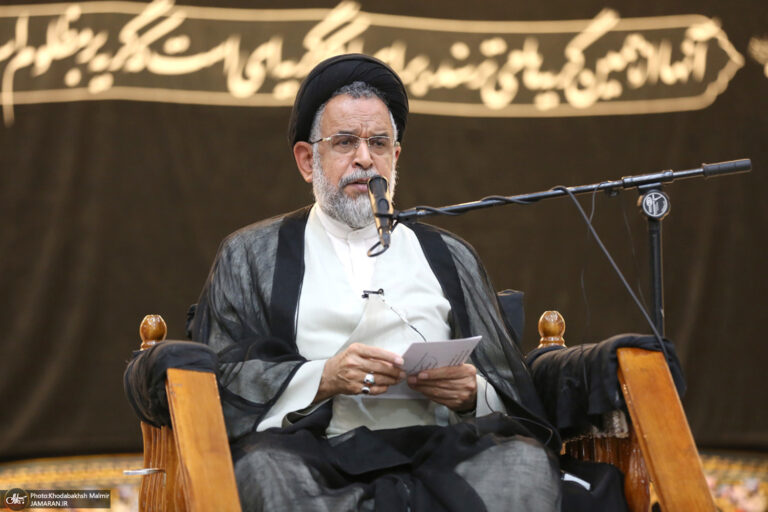
According to the report, many former political activists and officials have also been disqualified. Among them, the disqualification of former intelligence minister Mahmoud Alavi and former MP Heshmatollah Falahatpisheh has attracted media attention.
Mahmoud Alavi served as the Minister of Intelligence for eight years and was involved in the regime’s crimes and suppression of opponents. It is worth noting that the Minister of Intelligence is directly appointed by regime supreme leader Ali Khamenei and is therefore from among the most loyal people to the regime’s leader. Alavi’s disqualification is significant for several reasons. First, it shows that Khamenei is losing support from among his closest circle of loyalists. And second, it shows that the regime is losing its tolerance for even the slightest sign of disagreement with its leader. These further pushes away the facade of democracy that the regime has tried to maintain through its elections.
The state-run Fars News Agency also reported that Fereydoun Hemmati, the former governor of Hormozgan and Qazvin provinces during Hassan Rouhani’s administration, has also been disqualified from running for the Majlis.
The reasons for the disqualification of well-known figures, especially current parliament members, have not been published yet, but Iranian media previously reported that disqualified candidates had criticized certain plans and bills, such as the “Protection Plan.”
Disqualification of election candidates is not exclusive to the parliamentary elections, as there are also restrictions in the presidential elections, Assembly of Experts elections, and city councils.
The disqualification of Hassan Khomeini, the grandson of the founder of the Islamic Republic, was one of the most controversial disqualifications in the Assembly of Experts elections.
A few years ago, Sepanta Niknam, a former member of the Yazd City Council, stated that he was disqualified due to his Zoroastrian faith and “non-compliance with Islam in the city council elections.”
In 2021, then–speaker of the parliament, Ali Larijani, in a letter to the Guardian Council, criticized the reasons for his disqualification in the presidential elections as “inaccurate and a low-level pretext.” (The Guardian Council, whose 12 members are appointed by Khamenei and a circle of his loyalists, oversee different matters of state, including the qualification of election candidates.)
At the same time, Morteza Agha Tehrani, a Majlismember, told disqualified individuals that they should “reform” themselves.
He added during the previous parliamentary elections, “We should not scare the people. This is not the way to question the system. The system does not allow you to do that. They tolerate you a little and then they deal with you.”
The 12th round of the Islamic Consultative Assembly elections will be held on March 1, 2024, to determine the representatives for the 12th term of the parliament (290 representatives for a four-year term).
These elections have never been democratic, and the qualifications of all candidates must be approved by the regime’s authorities.
Prices of Basic Goods Continue to Soar in Iran
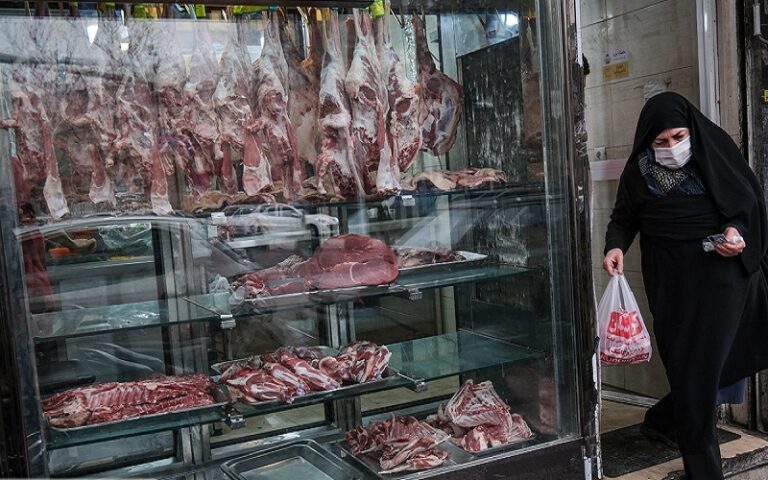
The Iranian regime’s media outlets have reported an increase in the price of livestock in recent days. They announced that the price of each kilogram of sheep in the Tehran market ranges between 2.450 to 2.60 million rials (approximately $4.8 to 5), and the price of live calves has exceeded 2.2 million rials.
The minimum monthly wage of workers reaches 80 million rials (approximately $157)
On January 6, the price of each kilogram of lamb leg has reached 6.6 million rials (approximately $13), sheep’s shoulder is priced at 7.5 million rials (approximately $14.7), lamb fat at 3.46 million rials (approximately $6.8), and lamb stew meat at 9 million rials (approximately $17.6).
The gradual increase in meat prices in recent weeks is happening while on October 27, 2023, the regime’s Fars News Agency quoted Alireza Peymanpak, the Deputy Minister of Agriculture, as saying that the price of lamb meat has taken a downward trend due to timely supply of domestic meat and imported red meat.
This claim has been made despite statistics published by the Statistical Center, which indicate a recent decrease in production due to various problems, including animal feed supply.
Based on this, a comparison of the performance of the country’s official slaughterhouses in November 2023 with the same month in 2022 indicates a 30% reduction in the amount of red meat supply in the country’s official slaughterhouses.
The government’s inability to regulate the market has ultimately led to a decrease in demand for this protein. Last week, Jalal Mahmoudzadeh, a member of the Agricultural Commission of the regime’s Majlis (Parliament), said that due to the rising prices and the decrease in people’s purchasing power, “red meat has been removed from 35% of households’ tables.”
The domino effect of increasing bread prices continues while Masoud Nili, an economist linked to the regime, says that the government provides 1,400 trillion rials (approximately $2.754 billion) in annual bread subsidies, but it is unclear how this subsidy is related to price increases and where and how the cost is incurred.
Masoud Nili, the former dean of the faculty of economics at Sharif University, said that “the government in our country is constantly distributing rent,” which in the past was from oil money, and now the government is doing it by creating debt.
According to Nili, the numbers for these rents have also become very large, and this “1,400 trillion rial bread subsidy” is one of these rents.
The distribution of the 1,400-trillion-rial rent under the title of bread subsidy has the least impact on people’s food basket, to the extent that the government has agreed to increase bread prices in various parts of the country.
In the latest case, on January 3rd, Sajjad Mohammadi, a member of the board of directors of the Union of Bakers in Bushehr province (Southern Iran), announced an increase in bread prices in Bushehr, saying, “The adjustment of bread prices in Bushehr is part of the wage gap of bakery workers from 2021 to 2023.”
Sajjad Mohammadi’s emphasis on covering part of the “wage gap” indicates that we should also expect price changes in this sector in the future.
On December 29, 2023, simultaneous with the continuing increase in the prices of many goods in Iran, Fars News Agency reported a 30% increase in the price of bread in Khuzestan.
The review of the changes that have occurred in the bread sector shows that the price of bread has increased regionally by 30% to 60% in different cities, an action that regime’s officials have referred to as “harmonizing bread prices.”
Bread, along with items like eggs, is one of the commonly consumed items among low-income groups in Iran.
Commander of Iran-Backed Militia Group Killed in U.S. Strike in Iraq
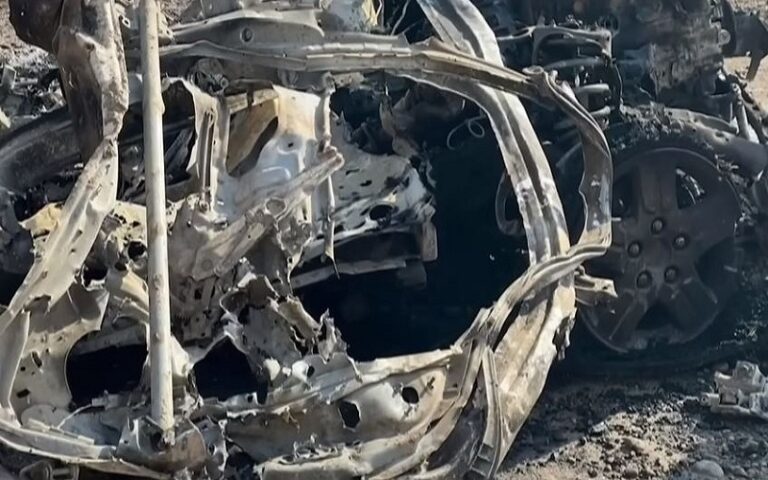
According to news agencies, the United States has confirmed an attack on the headquarters of an Iraqi paramilitary organization backed by Iran and the killing of one of its commanders. Prior to this, Iraq had protested to the United States for violating its national sovereignty in this attack.
According to a statement by a U.S. defense official reported by the AFP, the United States, while accepting responsibility for the attack, defended it and stated that this attack was carried out in self-defense.
Prior to the confirmation by the United States, Iraqi police sources announced that in a drone attack on a building in Baghdad on Thursday, January 4, four members of Iraqi paramilitary groups were killed, and six others were injured.
According to the Baghdad police, the attacking drones fired at least two missiles at a building in the eastern part of the city, which is used by the paramilitary group Harakat Hezbollah al-Nujaba, one of the groups affiliated with the Popular Mobilization Forces (Hashd al-Shaabi) and linked to Iran.
The U.S. strike targeted Mushtaq Jawad Kazim al Jawari, who according to the Pentagon was involved in planning and carrying out attacks against American targets.
“The strike also killed one other Harakat al Nujaba member,” said Major General Patrick Ryder, a Pentagon spokesperson. “No civilians were harmed. No infrastructure or facilities were struck.”
The police statement describes this group as a “Iraqi security entity” and states that “Iraqi armed forces consider the international coalition responsible for this unjustified attack on an Iraqi security entity.”
Iraqi police and paramilitary sources have said that the missiles fired on Friday targeted a vehicle inside the headquarters of the Nujaba group, killing a local commander of the group and one of his assistants. Medical sources have confirmed the number of casualties.
Iraqi security sources have said that they are awaiting the completion of government investigations before releasing further details about the attack.
Iraqi paramilitary commanders have accused the United States of carrying out this attack and have threatened retaliatory actions against the United States.
According to Reuters, Abu Aghil Al-Mousawi, a local commander of Iraqi paramilitary groups, said that Iran-backed militias will retaliate against this attack.
Since the start of the Israel-Hamas conflict in October, U.S. bases in Iraq and Syria have been attacked at least 100 times, usually with rockets and hostile drones. The United States has occasionally responded to these attacks, although critics of the Biden administration have accused him of being soft on paramilitary groups.
Pro-Iranian factions in Iraq and Syria, opposed to Israel’s operations in Gaza, consider the United States responsible for those operations and have identified it as the perpetrator of these attacks.
Last month, the United States initiated several airstrikes in response to a drone attack by Iran-backed paramilitary groups.
In that attack on a U.S. base, three American soldiers were injured, with one of them reported to be in critical condition.
In addition to their attacks on U.S. targets, Iran-backed militias have a long history of terrorist activities and human rights abuses. The PMF, which was formed under the guidance of Iran’s terror master Qassem Soleimani, was responsible for the death of thousands of civilians in Iraq, bombing attacks, and stoking the fires of sectarian violence in the region. The Iraqi population is resentful of Iran’s interference in their country and have on several occasion called for the disbanding of Iran-backed forces and the eviction of Iranian agents from their country.
Iranian Rug Exports Decline by 98%
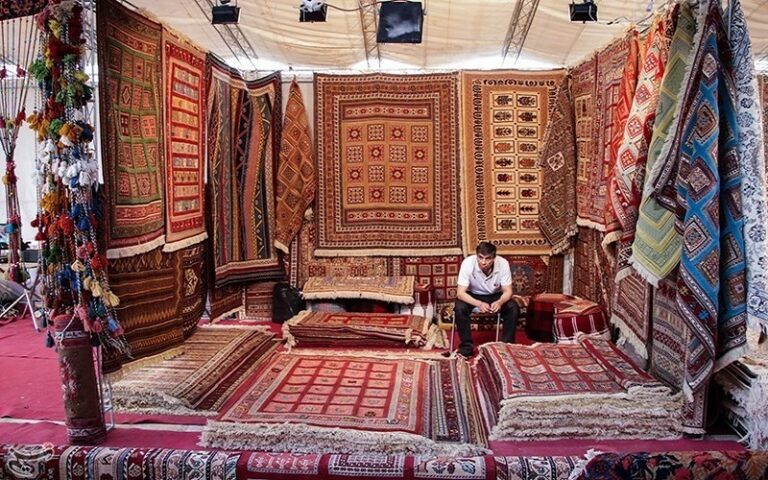
Iranian rugs, as one of the main symbols of Iranian culture and art, have faced a significant decline in global markets in recent years. This decline has been so severe that the exports of this product have decreased from $2 billion in 1994 to $50 million in 2022.
According to Iran’s media reports, Hossein Salah Varzi, the head of the Iranian Chamber of Commerce, states that the negative impact of the country’s incorrect currency policies on the exports of various non-oil goods, including Iranian hand-woven rugs, has led to a 98% reduction in the exports of this product in 2022 compared to 1994.
In a report, the news website Ensafnews states, “In the 2000s, rug exports were considered one of the important pillars of the country’s foreign currency earnings. However, after 2012, Iranian rug exports steadily declined and reached their lowest level in 2015, when Iran only exported $290 million worth of rugs. While the average rug exports between 2007 and 2017 were around $416 million, since 2019, the volume of rug exports has consistently been less than $73 million, and in the past year, it reached its lowest figure of $50.7 million.”
According to the statistics of the Ministry of Industry, Mine and Trade, a significant portion of the employment chain of the 2 million artisans involved in hand-woven rugs throughout the country consists of weavers, many of whom have migrated to the outskirts of cities or other neighboring countries during the recession.
Recently, Fathollah Tousi, a member of the Economic Commission of the Parliament, stated that Iranian rugs no longer lead the market, and as a result, competitors are attracting Iranian carpet weavers to Turkey and other neighboring countries.
In previous years, Germany, the United States, Japan, and the United Arab Emirates were among the main customers of Iranian rugs.
Iran’s Subsidence Five Times the Global Average
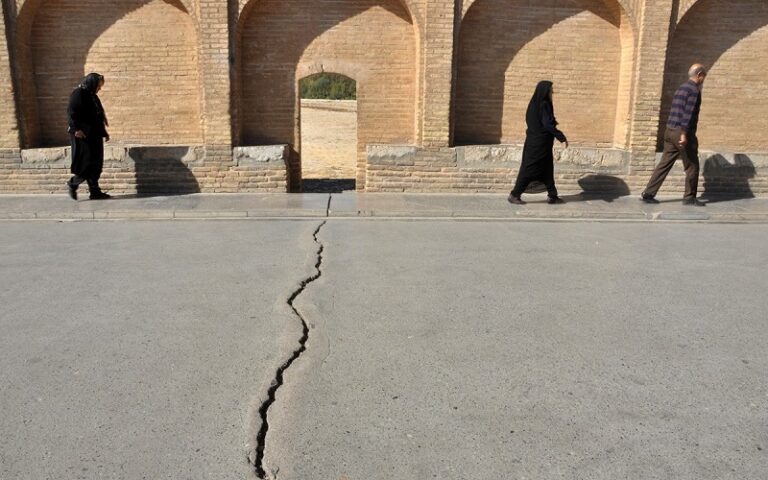
Abdolreza Saadat Mir-Moghaddam, the Director-General of Geodesy and Land Surveying at the Iranian National Mapping Organization, announced the expansion of land subsidence into cities and stated that this phenomenon is progressing in cities like Isfahan and Arak.
According to Mir-Moghaddam, land subsidence in Iran is five times the global average, and currently many provinces, including Markazi and Hamedan provinces, as well as 300 plains in Iran, are facing land subsidence crises.
Mir-Moghaddam emphasized that in some of Iran’s plains, the situation has gone beyond subsidence and entered a critical phase, creating “sinkholes.”
The state-run Ham-Mihan newspaper reported on the subsidence crisis in Isfahan and stated that there are neighborhoods in Isfahan where all buildings have developed cracks, and one can pass their hand through them. These buildings have a short lifespan, and only 10 or 20 years have passed since their construction.
The newspaper emphasized that evidence shows that subsidence has not only affected historical sites such as the Seyed Mosque, Naghsh-e Jahan Square, and historical bridges but also residential buildings, hospitals, schools, and urban infrastructure.
Ali Beytollahi, a member of the scientific board of the Research Center for Roads and Urban Planning, stated in March 2022 that about 11% of Iran’s land area is at risk of land subsidence, and these areas include nearly 49% of Iran’s population.
The newspaper Javan also addressed the issue of land subsidence in Iran in August 2023 and wrote, “We have subsidence ten times higher than the international standard.”
The report emphasized that “this number is alarming” and pointed out cities like Isfahan that have a more critical situation.
Without mentioning the role of the military institution, the Islamic Revolutionary Guard Corps, in dam construction projects in recent decades, the newspaper attributed the main cause of this alarming phenomenon and its rapid acceleration to incorrect policies in the past three decades regarding water and soil management.
Eisa Bozorgzadeh, the Director-General of the “Integrated Water Resources Planning and Budgeting Office” of the Iranian Water Resources Management Company, announced on December 26, 2023, the emergence of signs of subsidence in 359 plains in Iran and stated that currently, more than 70% of the plains are facing water problems, and a significant number of them are also experiencing subsidence issues.
Uncontrolled extraction of groundwater and negligence in protecting environmental resources have led to subsidence in most areas of the country. In fact, in July 2023, the Fars News Agency reported, “The terrifying record of land subsidence in some areas of our country has reached more than 100 times higher than international standards, and the situation is declared critical in many provinces, including Yazd, to the extent that these sinkholes have reached a few hundred meters from people’s homes.”
If there is a popular government in Iran, the water crisis will undoubtedly be resolved, and the first and most accessible way to invest in the agriculture sector.
Mechanizing Iran’s agriculture with drip irrigation system and pressurized system will save a lot of water.
For example, in Persian Gulf countries, there is not even a seasonal river or a lake. The water of cities such as Dubai, which is located in a desert much drier than the deserts of Iran, is supplied by the Persian Gulf.
Therefore, it is possible to invest in the water sector and save the land of Iran from extinction and destruction.
But the regime’s priorities are to acquire atomic bombs, export terrorism and fundamentalism, and develop ballistic missiles.
There are thousands of villages that are currently supplied with drinking water by tankers and millions of Iranians are forced to leave their cities and villages and go to the slums or large cities due to lack of water, and the regime has not done nothing for them.
Russia Denies Iran Extraction from Gas Field
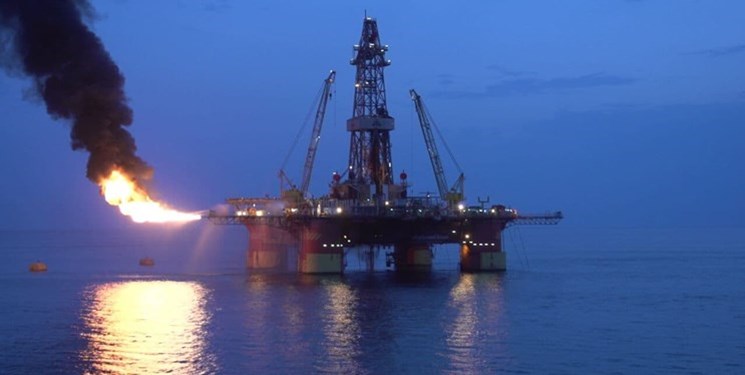
Ardeshir Dadras, the head of the Iran CNG Association, has stated that Russia’s obstruction of Iran’s gas extraction from the Sardar Jangal field is among the factors contributing to “imbalances in gas production and consumption” in the country.
On January 2, Dadras criticized the “mismanagement and lack of foresight” of government officials, calling Iran the world’s largest gas subsidy provider and stated, “Russia does not allow Iran to extract gas from the eight wells of the Sardar Jangal gas field in the Caspian Sea.”
According to the regime’s Eghtesadonline website, Ardashir Dadras has stated that insufficient investment and development in gas extraction have created a “critical imbalance” in this sector over the next ten years and has announced that a $60 billion investment is necessary to overcome this crisis.
This industry official had previously stated that based on an agreement between Iran and Russia, the Iranian regime does not have the right to extract gas from the gas wells of the Sardar Jangal field in the Caspian Sea as long as Iran’s gas production is positive relative to its domestic consumption.
According to the head of the CNG Association, gas extraction from the Caspian Sea would enable Iran to surpass Russia in terms of the world’s largest gas reserves and become the largest gas holder.
Despite being the second-largest holder of gas reserves in the world, Iran’s natural gas shortage has led to the burning of mazut in power plants and increased air pollution in various cities across the country.
Daryush Golalizadeh, the head of the National Center for Air and Climate Change at the Environmental Protection Organization, has announced the death toll due to air pollution, stating that more than 26,000 people in 33 cities have lost their lives due to air pollution since 2022.
Citing Masoud Mardani, a professor at Tehran University of Medical Sciences, the state-run Fars News Agency reported, “Air pollution is even more harmful than COVID-19 because if we look at the consequences of air pollution, we see infectious diseases, respiratory diseases, diseases that affect the central nervous system, and cancer.”
However, instead of finding a solution and addressing the issue fundamentally, the regime tends to cover up the problem. In the midst of intensifying air pollution in Tehran, the media reported a malfunction in Tehran’s air pollution index website, writing, “It is not clear what caused the website to malfunction.” Based on this, the regime’s Fararu website titled, “Has Tehran’s Air Pollution Index Website Failed or Has It Been Disabled?”
Earlier, Arash Najafi, the head of the Energy Commission of the Chamber of Commerce, had warned about the imbalance of 500 million cubic meters of gas in the country in the next two decades, stating that the current approach “poses structural and security challenges.”
Iranian Political Prisoner Maryam Akbari Monfared to Spend 18 Years in Prison
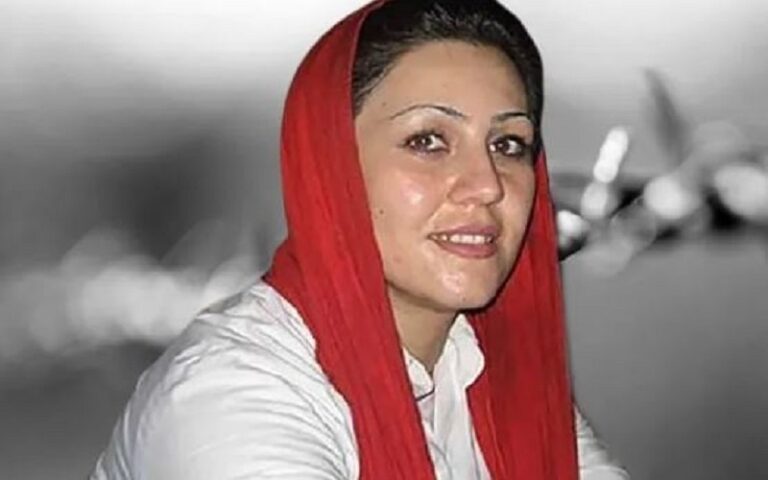
After 15 years behind bars, Iranian political prisoner Maryam Akbari Monfared has been sentenced to an additional three years of imprisonment by the Semnan Province Criminal Court. The court convicted Maryam Akbari Monfared, a long-standing political prisoner and a relative of members of Iranian opposition the People’s Mojahedin Organization of Iran (PMOI/MEK), in a new case and sentenced her to three years of imprisonment.
According to the human rights organizations, Ms. Akbari Monfared, a 48-year-old mother of three, has been charged with “propaganda against the regime,” “collusion and conspiracy against national security,” and “insulting” the regime’s supreme leader, Ali Khamenei.
In another case in September 2023, she was sentenced to two years of imprisonment and a fine of 150 million rials for “spreading falsehoods” on social media, while she was in prison.
In a statement in July of this year, dozens of women activists denounced the “fabrication of charges” against Maryam Akbari Monfared as “retribution by the judiciary” for her activism and demanded her “immediate and unconditional” release.
This political prisoner, who has nearly served all of her initial 15-year sentence, has been deprived of furlough rights and was exiled from Evin Prison in Tehran to Semnan Prison about three years ago. During these years, she has been unable to see her children and has not even been granted leave for medical treatment.
The Iranian regime is known for its harsh treatment of supporters of the PMOI and deprives them of all human rights. In another incident on November 25, the Iranian regime executed Ali Saber Motlagh, a supporter of the organization.
Ms. Akbari Monfared, who lost three brothers and a sister during the 1980s, including in the mass execution of 30,000 political prisoners in 1988, was arrested in 2009 and sentenced by the Revolutionary Court to 15 years in prison on charges such as “supporting the PMOI,” “enmity against god,” and “acting against national security.”
Under the regime’s own laws, Maryam Akbari Monfared was supposed to be released in 2019 after serving 10 years of her sentence. Her main “crime” was seeking justice for her siblings, who were murdered by the regime.
Several international organizations have criticized the conditions that the regime has imposed on this political prisoner and called for her release. In this regard, Amnesty International has described the “truth- and justice-seeking” as the “right of all survivors of the 1980s executions” and emphasized that Maryam Akbari Monfard must be “immediately and unconditionally” released.
Following Maryam Akbari Monfared’s complaint in 2016, the UN Working Group on Enforced or Involuntary Disappearances recognized her sister and brother, Roghiyeh and Abdolreza Monfared, in the “list of enforced disappearances” and demanded an explanation from the Iranian government regarding their fate.
The regime continues to raise pressure on dissidents and political prisoners as it fears losing hold on power inside the country. Despite the regime’s wave of suppressive measures, protests continue across the country, and the ranks of PMOI Resistance Units continue to expand.
Youth Suicides Spike in Iran’s Border Cities Due to Poverty
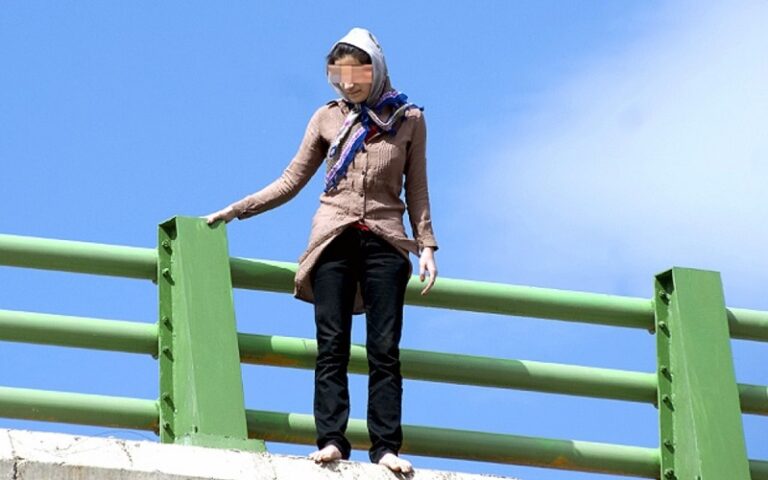
Ali Akbar Bastami, a member of the Iranian regime’s Majlis (parliament), criticized the country’s economic conditions and a trend in the suicide of youths during a public session of the parliament on Monday, December 31.
The state-run Jomhouri-e Eslami newspaper reacted to this issue on Monday, January 1st, and wrote that Ali Akbar Bastami, the representative of Ilam, emphasized the need for special attention to “this gruesome phenomenon.”
It has been announced that the main reasons for these daily suicides among young people are their unemployment despite the presence of oil and gas projects in the region.
This Majlis member believes that the law and social justice are not being observed in the country, and the unemployment of local forces in cities such as Mehran, Eyvan, and others is in line with this.
On December 31 the regime’s Jahan-e Sanat newspaper also addressed the prevalence of suicide in the country in an article and wrote, “There is a significant relationship between the lack of job security and the suicide rate.”
According to the article, the alarming statistics of suicide, especially among the working class, indicate that “the social system pays no attention to labor protests and gatherings.”
Jahan-e Sanat stated that more than 6,000 people committed suicide resulting in death last year.
This article also referred to another bitter issue that the number of suicide attempts is 20-30 times more than the deaths.
It has been announced that approximately 120,000 people committed suicide last year, which has been officially recorded in the Ministry of Health’s records.
The state-run Shargh newspaper also addressed this issue on April 16, 2023, and wrote, “In recent decades, Iranian society has been grappling with economic problems (rising prices, inflation, and unemployment) and alongside the unresolved economic issues, social problems and damages such as addiction, violence, suicide, etc., have expanded.”
The analysis of Iran’s open database based on the latest report on “Social Justice Indicators” in 2021 also shows that “over the course of ten years, more than 40,000 deaths due to suicide have been registered and recorded by the state security forces.” This figure is “more than double the total murder rate in the 2010s,” which was reported to be less than 20,000.
Reviewing the statistics shows that the average annual number of suicides increased from 4,000 in the 2010s to over 6,000 cases at the end of this decade and in 2021. When these statistics are placed alongside the inflation rate, which has risen from around 10% in 2016 to over 40% in recent years, it reveals a significant correlation between economic problems, poverty, and a sense of despair about life.
The recent economic problems and the endangerment of households’ livelihoods in recent years have had multiple social consequences, including the spread of suicide, increased crime rates, increased dropout rates, and even a concerning trend of organ trafficking.
The governing methods and inefficiency of the Iranian regime in providing welfare and guaranteeing basic rights are the root causes of these social dilemmas, which have become widespread in Iran over the past four decades. The Iranian regime pays the least attention to the living conditions of the people and strives to maintain its grip on power and further plunder public assets.
The Destabilizing Impact of Appeasing Iran’s Regime in the Middle East
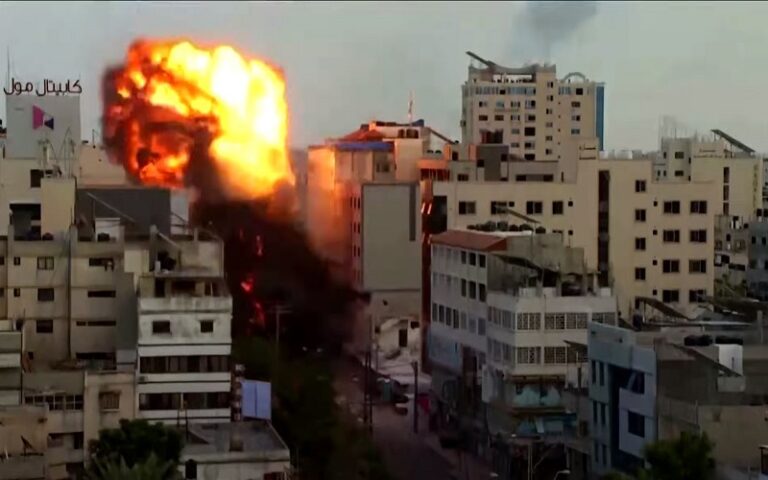
The recent outbreak of conflict in the Middle East has underscored the critical role played by Iran in the region’s instability. Despite claims of non-involvement, Iran’s support for proxy forces has been instrumental in fueling the ongoing crisis. The events that transpired post-October 7 triggered intense discussions, most of which centered on Iran’s role in the crisis. Initially, Iranian regime officials vehemently defended the attack, hailing it as a significant victory. They later tried to distance themselves from the event, shrugging off any responsibility.
Therefore, to address the crisis comprehensively, most analysts agree that the key lies in addressing its root cause: Iran. However, there is difference on how way to approach the problem
The prevailing crisis in the Middle East can be largely traced back to the West’s policy of appeasement towards Iran. By ignoring the destructive actions of the Iranian regime, the West has unintentionally allowed Iran’s regime to spread terror in the region. In a new report, the National Council of Resistance of Iran (NCRI) emphasizes, “The Iranian regime has been instrumental in financing, arming, and training proxy forces in various countries, resulting in the proliferation of violence.”
The proponents of the appeasement policy toward Iran’s regime warn that any firm stance toward Tehran’s provocative actions can lead to an all-out war with the regime.
But contrary to the narrative propagated by the Iranian regime and its lobbies, a direct war with the United States and the West would pose an existential threat to the regime.
Instead, the regime employs a calculated strategy of exporting internal crises and engaging in foreign warmongering to safeguard its grip on power. The NCRI highlights, “The regime’s interventions in other countries through proxies are solely aimed at maintaining its grip on power, concealing internal crises, and preempting uprisings that could threaten its rule.”
The policy of appeasement has not only failed to prevent war but has inadvertently enabled the Iranian regime to fuel conflicts in the region. Proxy forces backed by Iran, such as those in Iraq, Syria, Yemen, and Lebanon, have instigated sectarian wars and caused immense loss of life. The consequences of this misguided policy are evident today, with the Middle East embroiled in yet another significant conflict. The NCRI emphasizes, “Turning a blind eye to these interventions and appeasing the regime only serves to fuel its strategic objectives.”
The oppressive control exerted by the clerical regime is at the heart of the ongoing crisis. The regime’s survival depends on diverting attention from domestic discontent and avoiding direct confrontation with powerful adversaries. Instead, it strategically intervenes in the region through proxies to maintain control and perpetuate its rule.
A transformative shift is essential to bring lasting resolution to the crisis in the Middle East. Regime change in Iran is imperative, as the current regime’s existence relies on its ability to export crises and manipulate conflicts. By appeasing Iran’s regime, the international community inadvertently supports its destabilizing actions and perpetuates the cycle of violence. The NCRI warns, “The intricate web of crisis creation and warmongering in the region is intrinsically tied to the regime’s survival instincts.” Recognizing and addressing the root cause of the crisis is crucial for promoting stability and accountability in the region.
