

US Concerned Over Iran’s Increased Uranium Enrichment Activities
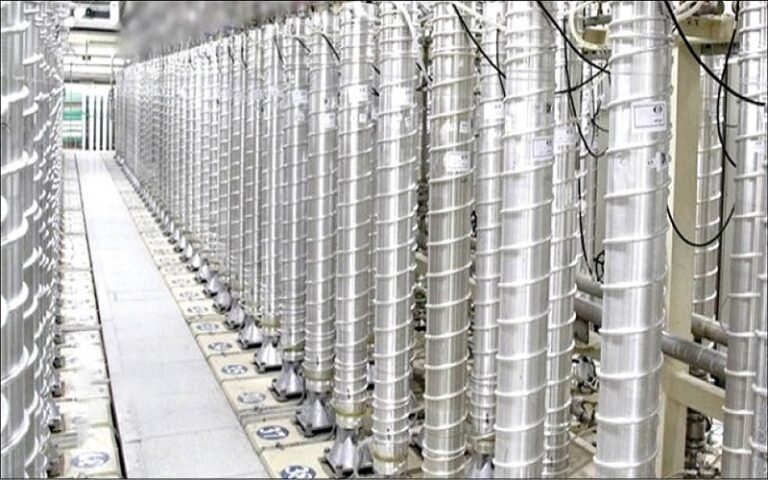
Adrienne Watson, the spokesperson for the White House National Security Council stated on Tuesday, December 26, that the United States is deeply concerned about the report of the International Atomic Energy Agency (IAEA) regarding Iran’s increased production of highly enriched uranium.
According to Reuters, Watson mentioned that the escalation of Iran’s nuclear tensions continues as Iran-backed proxy groups engage in dangerous and destabilizing activities in the region, including drone and rocket attacks in Iraq and Syria, as well as the ongoing attacks by the Houthis on commercial vessels in the region, which is worrisome.
Shortly before that, the International Atomic Energy Agency had issued a warning about Iran’s renewed increase in the production of highly enriched uranium.
The agency had announced that the Iranian regime had once again increased the speed and quantity of its production of 60% enriched uranium.
According to the statement by this international body, the amount of Iran’s 60% enriched uranium, which had been reduced to 3 kilograms per month, has increased again.
IAEA had confirmed that Iran has increased its production of 60% enriched uranium hexafluoride to approximately 9 kilograms per month since the end of November. 60% enriched uranium is close to weapons-grade.
According to the IAEA, the Iranian regime has violated the specified conditions in the JCPOA agreement and the 60% enrichment is “close to the level required for weapons production.” This has no justification for a country that claims not to have a nuclear weapons program.
The IAEA has been warning about the nuclear program of the Iranian regime for years, and the United States and the European Union have imposed sanctions on the Iranian government and officials due to the suspicious nuclear program and uranium enrichment that has military applications.
Mohammad Eslami, the head of the regime’s Atomic Energy Organization, claimed that the reactions to the Iranian nuclear program in the past day were a “media frenzy” to divert public attention from Gaza. Mohammad Eslami stated that media reports about Iran’s nuclear activities are not a new issue.
Earlier, on December 19, Western powers involved in the nuclear agreement with the Iranian regime accused the Iranian government of “developing and testing ballistic missiles,” “transferring hundreds of drones to Russia,” and “enriching uranium to an unprecedented level of 60%” during a six-month session of the Security Council.
Protests Over Air Pollution in Iran’s Ardakan, Yazd Province
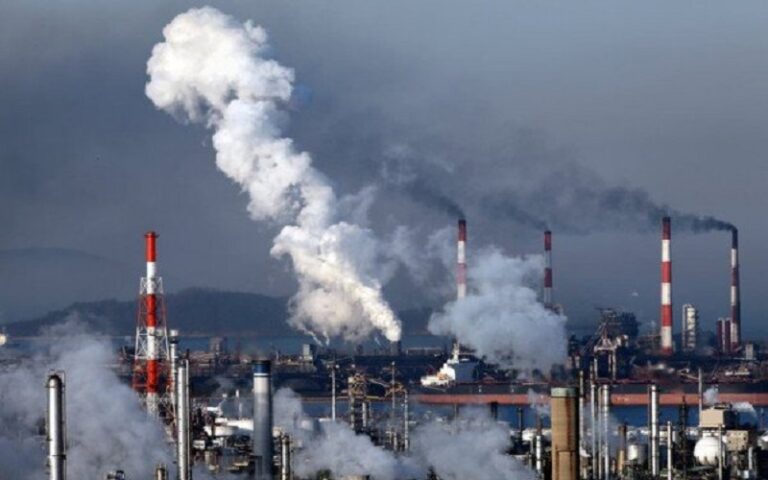
Hundreds of residents of Ardakan city in Yazd Province (central Iran) took to the streets on Tuesday and Wednesday, December 26 and 27, to protest against the air pollution in the city.
According to reports on social media, the protesters chanted slogans against the provincial authorities of Yazd, stating that the city does not have the capacity to accommodate more industries.
On most days of the year, the air quality index in Ardakan is in an unhealthy and dangerous state for sensitive groups.
Mostafa Mirzadeh, the deputy of the Environmental Organization in Yazd Province, attributed a significant portion of this air pollution to the establishment of 80% of the province’s industries in this area.
Iranian media reports indicate that despite the protests by environmental activists and Ardakan residents, none of the responsible executive officials have announced any solutions to reduce air pollution in the city.
Large cities in Iran, especially Tehran, have been plagued by air pollution in the past decades, but now this pollution has also spread to small and even desert cities in Iran.
Ardakan County is located in the northern part of Yazd Province, about 60 kilometers away from the province’s center, in a desert area.
Media reports indicate that in half of the days of this year, the air in this city has been heavily polluted due to industrial pollution.
This pollution has led to the closure of schools in Ardakan on many days.
For example, in early December, due to air pollution, preschool centers and all educational levels in the cities of Ardakan, Ahmadabad, Turkabad, Meybod, and Bafruiyeh in this county were operating remotely.
Furthermore, the authorities of this city have approved measures such as banning the traffic of trucks and dealing with all public and government vehicles without a valid technical inspection label.
Preventing all construction activities in the city, turning off buses and minibuses at terminals, and special monitoring to prevent the burning of waste, tree branches, and debris by the relevant municipalities were among the resolutions in this regard.
The protests by the people of Ardakan against air pollution continued today, Wednesday.
On Tuesday, air pollution caused all schools in Mashhad to switch to remote learning. The air pollution index in Mashhad was reported to be at its highest and in a hazardous level.
According to regime’s Mehr News Agency, Jafar Jandaghi, the head of the Environmental and Occupational Health Center of the Ministry of Health, described the air quality situation in the country on December 23 as “very inappropriate” and stated, “An examination of polluted cities has shown that from 2021 to 2022, the number of deaths due to air pollution has increased by more than 30%.”
Dariush Gol-Ali-Zadeh, the head of the National Air and Climate Change Center of the Environmental Protection Organization, stated in early December that in the past year, more than 26,000 people lost their lives in various cities of Iran due to air pollution.
According to Gol-Ali-Zadeh, in 2022, in Tehran alone, more than six thousand deaths were attributed to air pollution, causing damages equivalent to three billion dollars.
Iran: Conditions of Workers Continue to Worsen in Final Months of Persian Calendar Year
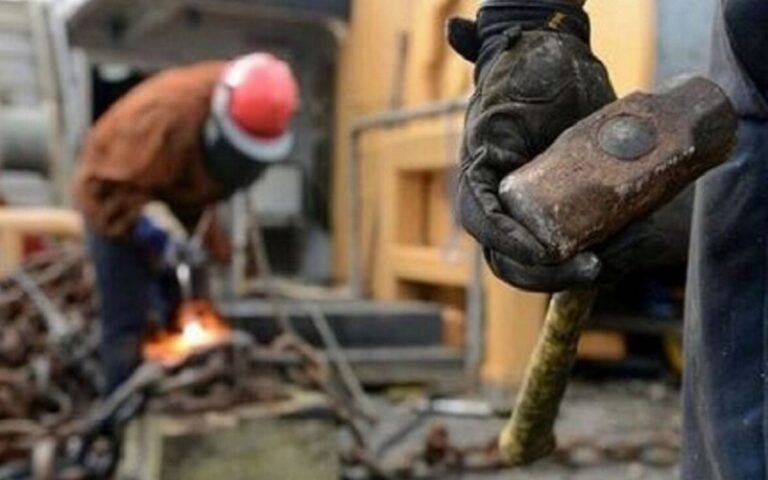
Workers are facing multiple problems in the final days of the year. On one hand, their meager wages do not cover the cost of living, and on the other hand, any protest leads to their dismissal from work.
The result of this situation is the unfortunate reality that we currently witness in the news: protests, “dismissals,” and “suicides,” which reflect the dark times for workers in Iran.
As we approach the end of the year, the concern over wages and percentage increases in salaries has once again been added to the list of worries. Many past demands remain unanswered, and the tables are becoming emptier every day.
The state-run ILNA news agency has addressed this issue, using the problems and damages that workers face as an excuse. Is blocking the entry cards of workers legal? This happened recently in the case of protesting workers at the National Steel Company in Ahvaz.
The news agency has also urged the Ministry of Labor to intervene in punishing employers without establishing a “committee” for their violations.
This news agency, which is affiliated with the Worker House organization, has emphasized that some managers and employers take unauthorized measures to deal with workers, resorting to “illegal” methods.
It has been announced that the critical conditions of workers’ livelihoods have led to increased dissatisfaction among the workforce in society, and workers from various units have resorted to protest gatherings to pursue their demands, such as the “implementation of job classification plan,” “enjoyment of job benefits,” and “payment of arrears.”
According to ILNA, both public and private sector employers have resorted to closing the workers’ entry cards and preventing their access to the premises in response to workers’ demands and protests about the current conditions.
It has also been announced that in some units, workers have faced severe consequences such as dismissal or salary cuts after protesting wage conditions or demanding the implementation of the job classification plan.
The critical conditions of workers have resulted in consequences such as “suicides,” and in this regard, in recent days, two workers in the “Chovar” petrochemical company have committed suicide.
According to the media reports, this action was taken in response to the prohibition of entering the workplace by the employer. The workers of the Chovar petrochemical factory in Ilam Province also claim that the factory manager carried out a mass dismissal and told 13 workers that they were no longer needed.
In another incident, workers from all sections of the Iranian National Steel Industrial Group in Ahvaz went on strike on Saturday, December 23, following the managing director’s action of prohibiting the entry of 21 workers and failure to fully implement the job classification plan.
The strike continued for two consecutive days, and Ali Mohammad, the group’s CEO, announced in response to the strike that the prohibition of 21 workers from work was done in “coordination and decision of the Khuzestan Provincial Supply Council” so that, according to him, “the gatherings would not lead to the shutdown of production lines.”
According to Article 48 of the Labor Law, the job classification plan must be implemented for all workshops with more than 50 employees covered by the Social Security Law.
According to this legal article, in order to prevent the exploitation of other jobs, the Ministry of Labor is obligated to prepare and implement the job evaluation and classification system using the job standards and customs in the country.
7.4 Million Absolute Illiterate People in Iran
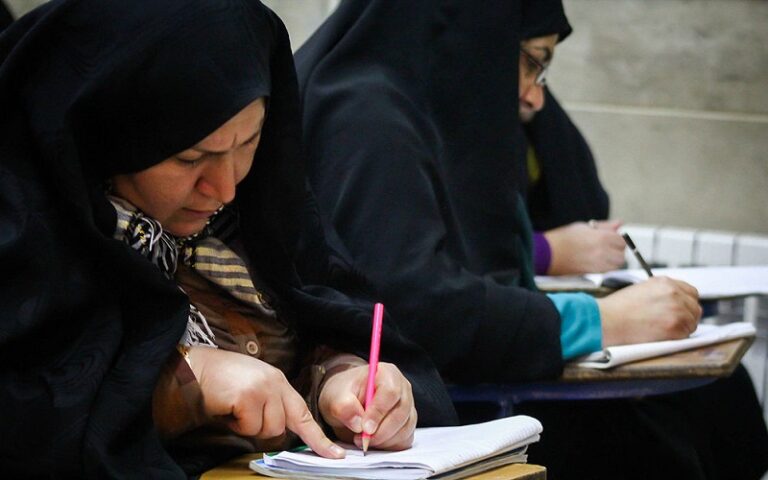
Alireza Abbasi, the head of the Literacy Movement Organization, stated that there are 7.4 million “absolute illiterate” individuals in the age group of six years and above.
This statement contradicts Alireza Abbasi’s previous statement on December 23, where he claimed that literacy development in Iran had reached 98%, which is inconsistent with the figure of 7.4 million absolute illiterates.
Alireza Abbasi announced the number of absolute illiterates in the age group of 10 to 49 as 1.707 million and for the age group of 6 years and above as 7.4 million.
The literacy trend in Iran, especially among children and adolescents, is facing a serious threat from “increased poverty.”
In this regard, the Statistical Center of the Iranian regime announced in October 2023 that at least “556,000 Iranian adolescents” were forced to “drop out of school” before entering high school due to reasons primarily related to “poverty and deprivation.”
Ali Asghar Fani, the former Minister of Education, also cited the statistics from the Research Center of the regime’s Parliament on September 10, stating that the number of “school dropouts” in Iran is “930,000 individuals,” who are considered the “illiterate future.”
The Statistical Center emphasized in its report that due to the expansion of poverty and further reduction in children’s access to educational resources and facilities during the COVID-19 pandemic, the deprivation of Iranian children from education has intensified.
Every year, at the end of September, millions of students in Iran go back to school. But unfortunately, every year, many families were forced to send their children to work instead of school because they are not able to pay the costs of their child’s education.
The Iranian regime’s treacherous policies towards the education system has created a real national crisis.
Presently, the question is, in circumstances that the country is suffering from lack of teachers and poor education management and infrastructure, why does the mullahs’ regime employ the millions of university graduates who are living in the streets and are begging to make ends meet?
Truly, why do Iranian officials steal from the budget of the education ministry under different pretexts, while they should be concerned about educating the future generations of Iran? Why are they spending the country’s assets to wage war in the region and carry out terrorist plots, while they should be spending it on building the country, building schools for kids and hiring teachers to educate them?
The answer to all those questions is that the mullahs have one priority, and that is preserving their own rule at all costs, even the cost of destroying the country’s present and future.
Senior IRGC Commander Killed in Syria Strike
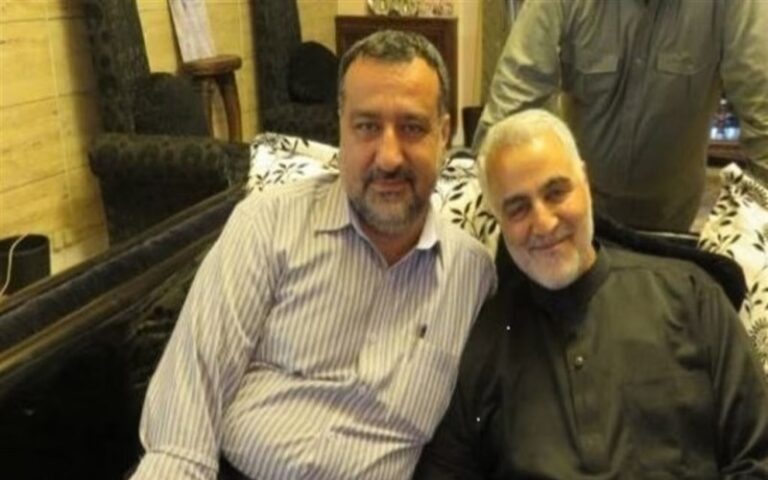
News agencies reported the killing of a senior commander of the Revolutionary Guards (IRGC) in Israel’s attack on the outskirts of Damascus in Syria on Monday, December 25. Tasnim News Agency, close to the Revolutionary Guards, referred to the deceased as “Seyyed Razi Mousavi, known as Seyyed Razi, one of the experienced advisors of the Revolutionary Guards in Syria.”
Al-Mayadeen News Agency, linked to Hezbollah in Lebanon, also confirmed the killing of this “high-ranking commander of the Revolutionary Guards” as a result of an Israeli attack.
Israeli media have referred to Seyyed Razi Mousavi as the “highest-ranking member of the Revolutionary Guards after Qasim Soleimani, killed in a targeted attack.”
According to the Syrian Observatory for Human Rights, the attack on Monday was the 70th Israeli attack on Syria in this year, targeting the positions of Hezbollah in Lebanon and “Iranian paramilitary forces.”
Iranian regime’s media have reported that Mousavi has been responsible for “support and logistics of the Quds Force in Syria” since the 1990s and played a significant role in supporting the Bashar al-Assad government after the start of the Syrian civil war. Since 2011, the Iranian regime has dispatched tens of thousands of forces to Syria and spent billions of dollars from the Iranian people’s pockets to keep Bashar al-Assad in power.
The regime’s media also described Mousavi as the “support coordinator of the Resistance Front in Lebanon and Syria.”
Hossein Akbari, the Iranian regime’s ambassador to Syria has provided details about the commander’s killing.
Hossein Akbari told the regime’s state television news that Seyyed Razi Mousavi was at the embassy in Damascus until 2 p.m. on Monday, and “after finishing his work, he headed towards his home and was targeted by Israel with three missiles at 4:10 p.m. today at his residence and martyred.”
According to Akbari, this IRGC commander was alone at home when he was targeted, and his wife was working as a teacher at a school.
In response to Mousavi’s killing, the Revolutionary Guards stated in a statement that “undoubtedly, the usurping and savage Zionist regime will pay the price for this crime.”
The regime’s President Ebrahim Raisi also expressed his condolences in a message and considered Mousavi’s killing as “another sign of Israel’s frustration, helplessness, and inability.” He added that this country “will certainly pay the price for this crime.”
The regime’s officials have repeatedly stated that Israeli attacks on Syria will not go unanswered, including the Iranian Foreign Minister’s condemnation of Israel’s aerial attack on Aleppo International Airport in Syria on August 30, 2023, stating that these actions will be responded to.
Furthermore, the US Central Command in the Middle East, CENTCOM, announced early on Tuesday, December 26, that US forces conducted attacks against positions of the “terrorist” group Kata’ib Hezbollah in Iraq at 8:45 p.m. on Monday evening. This paramilitary group is supported by the Iranian regime.
According to CENTCOM’s statement, preliminary assessments indicate that the US airstrikes destroyed the intended facilities and likely resulted in the killing of several Kata’ib Hezbollah militants.
The US attacks came after the location of the coalition forces led by the United States in Erbil, Iraq, was targeted by a suicide drone, which injured several coalition soldiers.
How Misery in Iran has Changed in the Past Three Decades
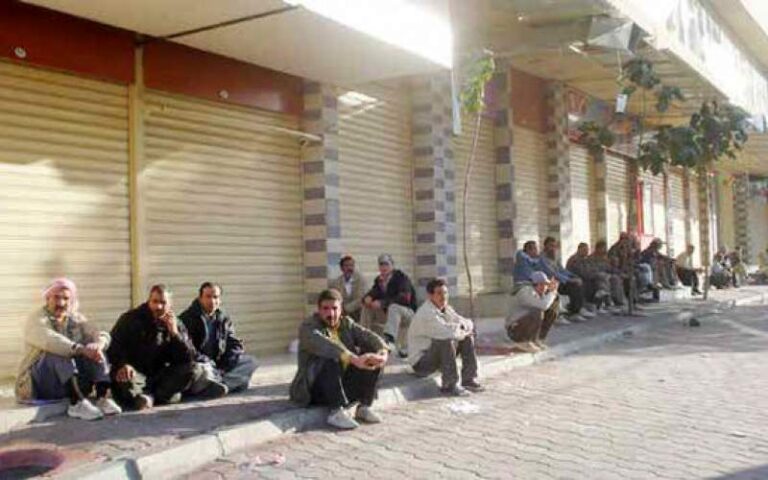
International official statistics indicate that in 2022, Iran ranked as the eighth country in the world with the highest recorded misery index. In less than two decades, the misery index in the country has more than doubled.
In the past calendar year, the misery index for Iran reached 57, marking the highest level recorded in the country’s three-decade history. This index is only surpassed by Zimbabwe, Venezuela, Lebanon, Sudan, Turkey, Argentina, and Suriname in 2022.
However, this is not the first time that Iran has ranked high on the misery index. Analysis of data from the International Monetary Fund and the World Bank shows that over the past twenty years, Iran has ranked among the top 12 countries with the highest misery index for 14 years.
The misery index is the sum of inflation and unemployment rates and has been used in political economy since the mid-1970s as a measure of economic health in countries.
Over the past two decades, the unemployment rate has not changed significantly and has remained relatively stable. However, severe inflation fluctuations have led Iran to spend approximately the past 15 years in the “most miserable” state possible.
The misery index is also one of the most common indicators in political economy to measure living standards crises. This index was first introduced by Arthur Melvin Okun, an American economist, and quickly gained attention from policymakers, including Jimmy Carter, who repeatedly referred to this index during the 1976 US presidential campaign and eventually reached the White House presidency.
In Iran, during the 2009 presidential election campaign, former IRGC commander Mohsen Rezaee referred to the misery index during a televised debate with his electoral rival and then-president Mahmoud Ahmadinejad, which brought this economic indicator into the public discourse.
Currently, the misery index in the country has more than doubled the level in 2009.
Political problems that exacerbate economic misery
In their debates, the candidates of the regime’s sham presidential election revealed new aspects of economic corruption in the government and only added to the people’s hatred of the regime. While the candidates were trying to show sympathy with the people by laying the blame for their problems on other regime factions and officials, in effect, what they said only made things worse for the regime in its entirety. In a June 7 report, the Eghtesadepooya website quoted MP Dariush Qanbari as saying, “The problem is poverty, not the political factions. Currently, in the economic field, the most important thing is to eliminate unemployment and curb inflation… The reformists have lost their base because the reformists were mainly elites and the elites were supporting this faction, but now even the elites do not support this faction.” “Despair and disappointment have caused people to ignore the promises of the candidates and not care about them. Therefore, instead of hollow promises, it is better to offer a suitable solution. Iran’s economy is shrinking daily, and investment and production are at a minimum,” he added. The fact is that the regime has sped past other despotic regimes in the index of economic and political misery. The people of Iran are settling for nothing less than regime change, and they don’t care who will be running for president. The Iranian people are preparing for the final confrontation with the regime.Iran: 150 Emergency Patients Escape Tabriz Hospital Monthly Due to Poverty
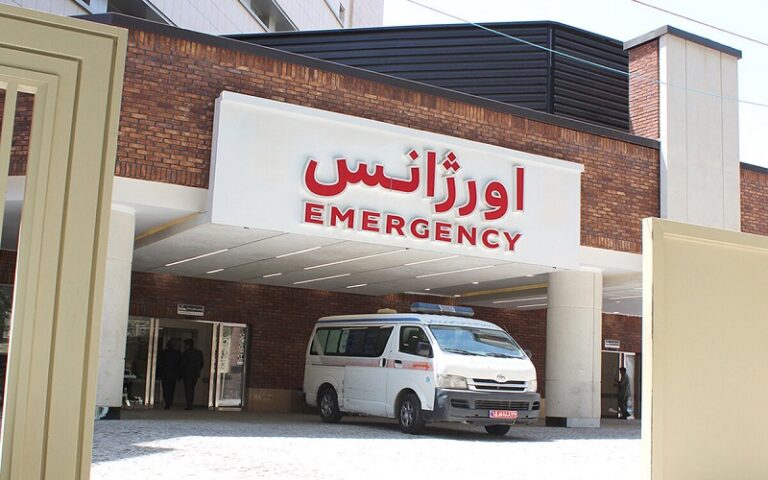
Poverty in Iran is causing increasingly widespread repercussions. In the latest case, Sajjad Ahmadi, the Deputy of Development, Management, and Resources at the Imam Reza Educational and Medical Center in the city of Tabriz (northwest Iran), stated that an average of 150 cases of emergency escapes are registered and documented in this hospital on a monthly basis.
Low-income individuals who seek medical care at the hospital flee because they are unable to afford the treatment costs.
According to a report by the regime’s Statistical Center in October 2023 on the expenditure and income status of Iranian households, healthcare expenses accounted for approximately 9.1% of the urban household expenditure basket in the previous year, ranking third after housing and fuel, as well as food and tobacco.
In a report on the government-published statistics, the news website Khabar Online also emphasized that visiting hospitals and treatment centers can result in “high costs for recovery and treatment.”
The news website stated that in recent years, with the increase in inflation rates in Iran, healthcare expenses have also risen to the extent that many families cannot afford to pay for them.
The published statistics indicate that the economic class divide has reached its highest level in healthcare.
Some analysts believe that higher-income individuals spend more money on healthcare while lower-income individuals spend less due to inflation, recession, reduced production, and ongoing sanctions.
Officials from the Ministry of Health of the Iranian regime repeatedly promised in the summer of 2022 that with the implementation of a plan known as “Darouyar” (Medicine Provider), the drug shortage would be reduced to a “minimum” after two to three months, and drug prices would become “realistic.” However, these promises were not fulfilled, and in addition to the significant increase in drug prices, some items became scarce or even unavailable.
However, the main cause behind the rising price of medicine is the endemic corruption that the regime has inflicted in Iran’s healthcare and medicine industries.
One of the problems that is causing the surge and fluctuation of the prices of medicine and medical equipment is the mafia-style management of the healthcare and medicine industry.
The import, production, and distribution of medicine is controlled by bands that have very close ties to regime officials and agencies. Regime-run organizations, including the Setad (controlled by regime supreme leader Ali Khamenei), the Social Security Investment Company, and Shafa Daru, control 70 percent of the medicine market.
These organizations control supplies and prices, and their only loyalty is their bottom line, not the people’s welfare.
Local reports indicate that there’s no shortage of medicine in Iran’s black market. But the prices are so high that most people can’t afford them.
While regime officials acknowledge the existence of the medicine mafia, they have so far done nothing to stop it, simply because their own organizations are deeply enmeshed in this corrupt network.
Iranian Regime Spy Ship Assisting Houthi Attacks in the Red Sea
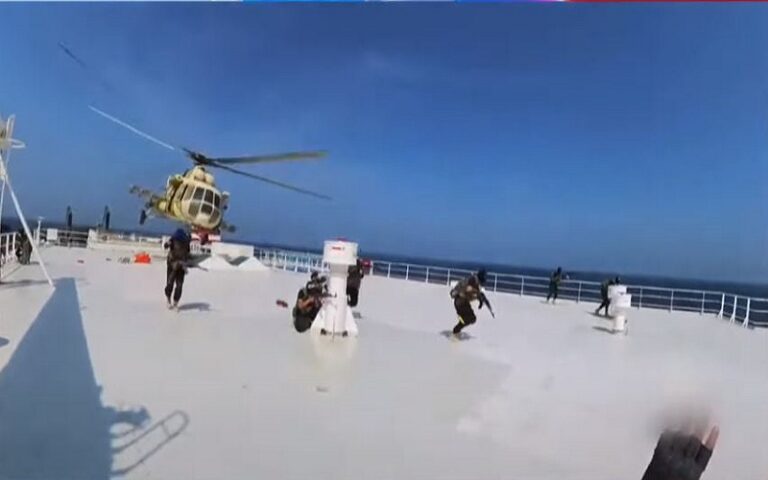
Western and regional security officials say that Iranian regime’s proxy forces are providing information to the Houthis, which the Yemeni rebels use for their missile and drone attacks on ships in the Red Sea.
According to The Wall Street Journal, these officials state that the information collected by a surveillance vessel under the control of Iranian regime’s proxy forces in the Red Sea is being transferred to the Houthis, who have recently used this data to attack commercial ships passing through the Bab-el-Mandeb Strait.
According to these officials, many ships moving through this strait turn off their tracking systems to avoid detection, but an Iranian ship stationed in the Red Sea enables precise missile and drone attacks by the Houthis.
The Iranian regime’s mission to the United Nations has not responded to The Wall Street Journal’s request for comment.
According to a Houthi spokesperson, the group does not rely on Iran for assistance in their attacks. However, a Western security official says that the Houthis do not have radar technology to target ships, and without assistance from the Iranian regime, their missiles cannot reach their targets.
The White House National Security Council has also not responded to The Wall Street Journal’s request for comment. Washington had previously stated that the Iranian regime enables the Houthi attacks on ships in the Red Sea but did not elaborate on Tehran’s involvement.
The Houthis claim that they carry out these attacks in retaliation for Israel’s attacks on Gaza, but the targeted ships have little or no connection to Israel.
The Pentagon recently unveiled a plan called “Operation Prosperity Guardian” to establish a multinational naval force to protect commercial ships in the Red Sea in response to the growing hostile activities by the Houthis.
Meanwhile, due to the current conditions, some of the world’s largest shipping companies, oil producers, and cargo owners are using alternative routes for cargo transportation, leading to an increase in oil prices and insurance rates.
State Broadcaster IRIB Is Iran’s Most Money-Losing Government Entity
The Islamic Republic of Iran Broadcasting Organization (IRIB) is the most financially detrimental government entity in the country, with a substantial budget but a limited audience. The Iranian regime’s Majlis (parliament) has mandated the Organization of Planning and Budget to increase the government’s share in providing funding for IRIB by 43% compared to 2023, and this increase should be considered as the baseline for subsequent annual increases starting from 2024.
In a report, the state-run Eghtesaad24 website criticized the performance of the largest state media in Iran, stating, “The declining public interest in IRIB programs, allocating more time to commercial advertisements, and misuse of national resources for producing low-quality entertainment shows and mixed programs, inefficient management, and partisan management are among the weaknesses of this media outlet, which tarnishes its national reputation.”
According to the aforementioned report, Iran’s state television, with a financial turnover of 140 trillion rials (approximately $279.441 million), has emerged as one of the most detrimental entities among 17 companies and institutions in the 2023 budget, with its losses being covered from the general budget.
Based on this report, IRIB is one of the “budget-consuming” institutions in the country. Sometimes, it faces budget shortages for the quantitative and qualitative development of its production programs, animations, documentaries, films, and TV series. However, the Development Fund’s coffers continue to be generously opened for IRIB.
According to the Eghtesaad24 report, in the 2024 budget bill, the total expenses of IRIB were estimated at 140 trillion rials. Of this amount, less than half, namely 64,000 billion rials (approximately $127.744 million), should come from IRIB’s dedicated resources, including advertising and other economic activities, while the remaining 56%, should be covered from the general budget, such as oil sales revenue and taxes.
While IRIB has been a “budget-consuming” organization in recent years with repeated and incremental budget increases, it seems that the people should expect another substantial increase in its budget in 2024. This time, with the budget becoming taxable in the coming year, the increase is expected to be directly transferred from the citizens’ pockets to IRIB’s accounts.
It is well known that the IRIB is one of the most heavily budgeted and highly sensitive organizations for the clerical regime, and the regime utilizes this organization alongside the IRGC, the intelligence services, and the State Security Force for suppression and censorship. The organization also serves to export fundamentalism and spread terrorism abroad alongside the Quds Force.
Foreign Currency Reserves of Iran’s Central Bank Decreasing
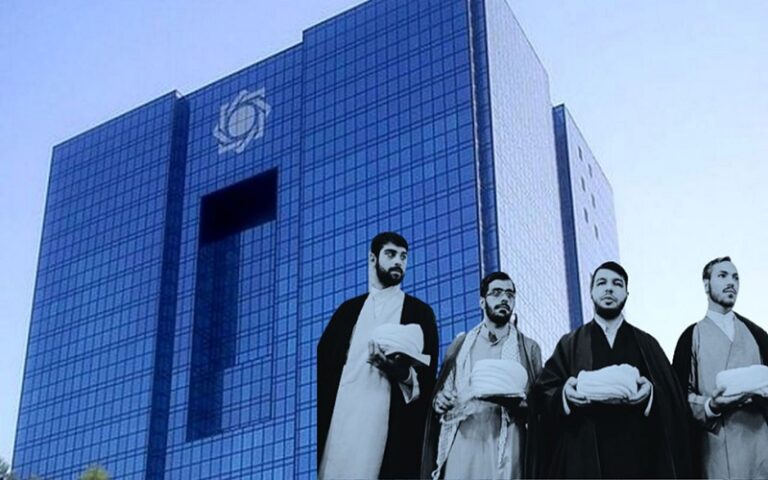
According to the regime’s Eco Iran website, which cited official statistics released by state institutions, foreign currency reserves of Iran’s Central Bank have decreased.
The report stated that the Central Bank‘s foreign assets, including currency and gold, have reached their lowest level in the past few months, with a decrease of 1,900 trillion rials(approximately $3.796 trillion).
Another development mentioned in the report is the increase in the share of “banks’ debt to the Central Bank,” which has surpassed 50% of the total money supply in September.
The decrease in the Central Bank’s reserves is attributed to the bank’s policies as well as international sanctions against the Iranian regime. Analysts consider the currency problems faced by Iran for importing essential goods and raw materials as only a part of the consequences resulting from Iran’s reduced access to the dollar.
This decline occurred while the newspaper Javan, affiliated with the Islamic Revolutionary Guard Corps (IRGC), had previously reported in November as a supporter of the government that the sale of oil, the return of oil revenues to the country, and non-oil export growth had improved the country’s trade balance. This overall trend could serve as a support for meeting currency needs and managing the foreign exchange market.
The release of some of the regime’s blocked money in other countries was one of the factors that the Central Bank had previously claimed as the reason for the increase in the country’s foreign reserves.
However, it seems that Iran’s economic conditions are much more complex than the statements of official authorities, and the release of $6 billion in South Korea, $7.1 billion in Luxembourg, £390 million in the UK, and access to over $10 billion in Iraq have not prevented the decline in the country’s foreign reserves.
