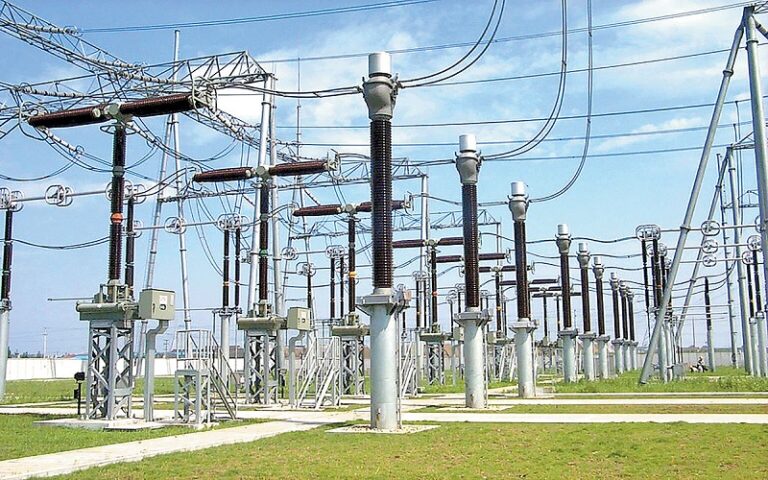
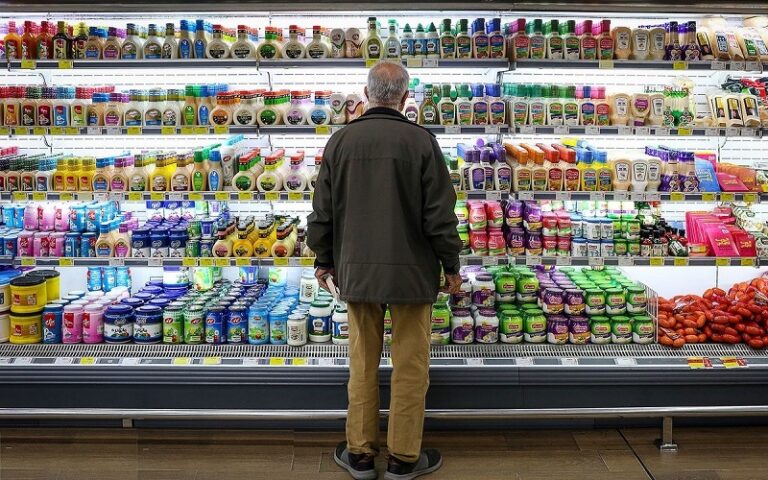
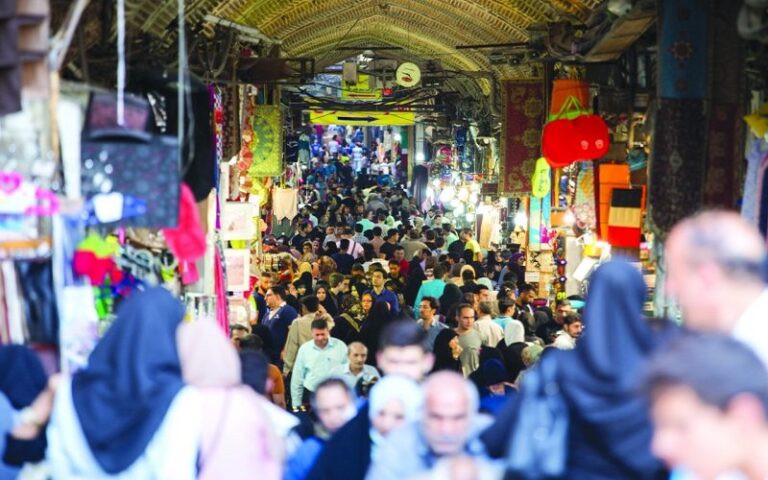
The Iranian people are suffering from an electricity crisis. The electricity crisis is rooted in the Iranian regime’s strategy. Instead of solving these problems, this regime spends all of Iran’s resources on terrorism and nuclear ambitions and does not care about the fate of the Iranian people.
Iran’s vast assets are in the hands of a regime whose goals and desires are to safeguard its rule by all means.
Iran’s wounds and problems have remained open and are continuously deepening for years now.
Research conducted by Iran’s open data platforms indicates that this year many provinces in Iran have experienced “gas cuts, followed by power cuts”.
The results of this research show that “the supply of natural gas to factories and petrochemical plants has been cut off, and Iran is unable to achieve its petrochemical production goals.”
According to this report, in recent months, the Iranian government has declared nationwide emergency holidays due to “extremely hot weather,” but many experts believe that these holidays are due to electricity shortages.
Electricity Crisis
Iran’s open data platform explains why Iran, which was contemplating exporting its surplus electricity 20 years ago, is now facing a severe electricity crisis.
Insufficient rainfall
According to this platform, one of the reasons for this crisis is the lack of rainfall in recent years, while “20% of Iran’s electricity is supplied through hydroelectric power plants.”
Lack of investment in other renewable energy sources
Iran has not invested in other renewable energy sources such as solar and wind. The Iranian open data platform previously explained in an article that “the United Arab Emirates, which does not have a dam for electricity generation, has three times the capacity for renewable energy production compared to Iran.”
Investment in nuclear power plants
Instead of investing in renewable energy sources, Iran has invested “billions of dollars in its nuclear power plants, which have also been subject to major sanctions against the country. However, currently only 1-2% of Iran’s electricity is generated by nuclear energy.”
Gas Crisis
Examinations by open data platform indicate that Iran has been heavily reliant on gas imports from Turkmenistan for many years to meet the gas needs in the northeastern provinces of Khorasan and Golestan. However, Iran has not paid its bills on time, and Turkmenistan has filed a legal case against Iran.
This report states that in recent weeks, Iran has claimed that Turkmenistan will resume its gas supply, “however the exact rate and duration of the gas supply in the winter months are still unknown.”
Iran’s open data platform states that one of Iran’s major achievements, which the government has boasted about for 20 years, is the replacement of fuel-powered plants with gas-powered plants. However, “in recent years, with the reduction in gas supply, the government has resorted to burning mazut in its power plants, leading to serious air pollution.”
Examinations by Iran’s open data platform reveal that the “most striking reason for the electricity shortage is the rapid depletion of reserves in the South Pars gas field. Iran’s gas reserves account for approximately 17% of the world’s total gas reserves and are ten times larger than Europe’s total gas reserves.”
South Pars alone accounts for about 30% of Iran’s total gas reserves, however 70% of Iran’s gas supply comes from the South Pars gas field. Therefore, any production issues in South Pars can lead to a severe gas reduction in Iran.
South Pars began its production about 30 years ago.
Experts describe the gas shortage in Iran as a “structural and highly complex problem.”
Examinations indicate that “Iran made significant investments in the development of the South Pars gas field 20 to 30 years ago but has neglected it in recent years. It is likely that in the near future, the problem of gas shortages in winter, and consequently power outages, will worsen.”
The Iranian regime, under the pretext of resolving the electricity crisis, proceeded to build a nuclear power plant, which not only failed to solve this problem but also resulted in the loss of a significant amount of capital from the Iranian people.
The cost of Iran’s nuclear activities is as ambiguous as its background. The discrepancies and differences between the figures and statistics announced by regime officials are so great that sometimes the difference in figures reaches several billion dollars.
Mohammad Saeedi, a former deputy head of the regime’s Atomic Energy Organization, estimated the cost of Iran’s nuclear program at less than $2 billion.
The construction of this power plant has taken about 36 years and its second and third phases have not been put into operation yet.
On June 30, the UAE announced that it has launched its 1,177-MW Noor Abu Dhabi solar power plant. This is the world’s largest solar power plant and was built in two years at a cost of $870 million.
The official website of the UAE National Water and Electricity Company announced that the power plant has been commissioned with the installation of 3.2 million solar panels in eight square kilometers of land.
According to a report by the state-run ILNA news agency, on August 27, during the two years of Ebrahim Raisi’s presidency, a minimum of 250% inflation has been imposed on the people’s livelihoods, and workers’ wages are one-third of the poverty line.
The news agency criticized the Deputy Minister of Cooperatives, Labor and Social Welfare for claiming otherwise and wrote that despite inflation in essential goods and the wage gap with the poverty line, officials consider an 87% increase in wages over two years as an “achievement.”
ILNA also reported that the “three worker members of the Supreme Labor Council” have requested the council to convene a session and reconsider the minimum monthly wage of workers. It criticized Ali Hossein Ra’eeti Fard for his firm statement that “wages will not be adjusted.”
The Labor Relations Deputy of the Ministry of Cooperatives, Labor, and Social Welfare has categorically rejected the wage increase for workers, while the “three worker members of the Supreme Labor Council” claim that the promises of the government ministers were to control inflation and increase the minimum wage for workers if inflation is not controlled.
In his remarks, Ali Hossein Ra’eeti Fard announced the poverty line for 2023 as 130 million rials (approximately $260), but this is in a situation where in the meetings of the Supreme Labor Council in the previous year, the proposed figure by the three worker members of the council for the cost of living or the poverty line was more than 180 million rials (approximately $360). At the same time, independent labor organizations demanded a wage of more than 200 million rials (approximately $400) for workers.
At that time, at the time of determining the wages for 2023, the calculations of the wage committee of the Supreme Association of Councils and the opinions of members of Majlis (parliament) indicated that the poverty line had exceeded 220 million rials (approximately $440).
ILNA wrote that today, the minimum poverty line in Tehran is 300 million rials (approximately $600), and in other cities, it is at least 230 million rials (approximately $460). Considering these figures, which are calculated as the bare minimum for an average household of 3.3 people, the minimum wage and benefits of 90 million rials (approximately $180) do not even cover one-third of the poverty line. In other words, even with a 33% wage, the poverty line is not covered.
The published statistics and figures regarding the prices of food items in the past two years show that a minimum of 250% inflation has been imposed on the people’s livelihoods.
However, Sowlat Mortazavi, the Minister of Cooperatives, Labor, and Social Welfare, in response to the renewed request for wage adjustment, stated that the members of the Supreme Labor Council can request a review of the minimum wages of workers, and if requested, it will be put on the agenda.
Earlier, Mortazavi had rejected any promises to revise workers’ wages, and the Administrative Justice Court also announced the dismissal of workers’ complaints, stating that the wages for 2023 were determined based on the law and not subject to workers’ complaints.
Olya Ali Beigi, the head of the Islamic Labor Council, has referred to the request of the workers’ community for a review of wages and stated that they expect the Supreme Labor Council and the government’s economic team to consider the concerns and livelihood issues of the workers.
Ali Beigi criticized the ongoing inflation in the country and pointed out the workers’ livelihood crisis, stating that workers’ wages do not even cover the expenses of 10 days of living.
These living conditions and the statements of labor activists come at a time when the Deputy Minister of Labor claims that workers’ wages have been fairly determined and no amendments will be made.
“The restoration of wages” was a promise made by the Minister of Labor during the determination of the wage increase, but Sowlat Mortazavi, after the workers’ request, rejected any promises to review wages.
Iran’s Ham-Mihan newspaper reported on August 27 that an “unprecedented event” has caused 60 percent of Iran’s territory to be affected by var ious intensities of dust and particulate matter.
Following the onslaught of dust and particulate matter in some areas of northern and northeastern Iran, which began on Friday, August 26, some regime’s officials stated that the source was the Turkmenistan Desert. However, some experts refute this and attribute the cause to the drying up of internal wetlands.
In recent days, domestic outlets and social media users have shared images of the dust storms impact in the eastern part of Mazandaran province, northern Iran, Gorgan, and northern regions of Khorasan province. Some residents have described this phenomenon as “unprecedented” in these areas, while others have likened it to the dust storms in Sistan and Baluchestan province.
The Director General of Meteorology in Golestan province in northern Iran announced the source of the dust storm as the Turkmenistan Desert, stating that the cities of Bandar Turkmen, Bandar Gaz, Gorgan, and some parts of the northern regions have been affected by this phenomenon.
Ali Mohammad Tahmasbi-Birgani, an advisor to the head of the Environmental Protection Organization and the secretary of the National Dust Storm Committee, also declared Turkmenistan as the origin of the current dust storms in an interview with Ham-Mihan on Monday. He added that simultaneously, another dust mass with Semnan province as its origin has formed in this province and the provinces of Qom and southern Tehran. Additionally, another dust mass from Iraq has affected parts of the southwest such as Dasht-e Azadegan, Shush, and some areas of Ilam province.
This situation is different from the widespread dust storms that affected Sistan and Baluchestan province and some parts of Khorasan in recent weeks.
Nevertheless, many environmental experts and activists attribute the main cause of dust and particulate matter phenomena in Iran to the drying up of lakes and internal wetlands, as well as neighboring countries. In recent years, this has become one of the serious environmental crises in Iran.
Mohammad Darvish, an environmental activist, stated, “Various factors contribute to the intensification of dust storms, including the alteration of natural river routes, which leads to the desiccation of riverbeds, often consisting of wetland environments and desert lakes, becoming sources of dust and soil particles.”
In addition to the drying of Lake Urmia and the warning of its transformation into a “large swamp” by mid-August of this year, environmental activist Mohammad Kohansal had previously warned that if the continued “overflow of urban sewage” and “sediments resulting from extensive deforestation in previous years” persist, Anzali Lagoon, one of the largest lagoons in the Middle East, will turn into a separate and shallow pond within the next five years.
Meanwhile, besides reports of critical conditions in Gavkhouni Wetland in Isfahan, central Iran, and Hoor al-Azim Wetland in southwestern Khuzestan, smaller wetlands are also suffering. The Director General of Environmental Protection in Kermanshah, located in western Iran, had stated on August 20 that Hashilan Wetland in this province will completely dry up in a few days.
Furthermore, the alarm bell of Lake Caspian shrinking and the exacerbation of this situation with a decrease in water inflows in the future has also been sounded.
The issue of drying lakes and wetlands in Iran in recent years has become one of the serious environmental crises in the country.
The officials and authorities of the regime frequently attribute the origin of dust pollution to external factors and neighboring countries in their response to the alarming alerts regarding soil erosion and the environmental consequences of lake and wetland desiccation.
However, environmental experts and activists believe that the existing crises in the country are the result of mismanagement.
Abbas Mohammadi, an environmental activist, says, “The environmental problems in our country are more serious than simply assigning the issues to external factors and deflecting responsibility.”
This expert considers the major cause of dust storms and particulate matter that affect all corners of the country as “poor governance” and further adds, “Both in domestic politics and foreign policy, we have engaged ourselves in matters and issues that are not primarily national and fundamentally beyond our capacity and willpower to solve.”
Experts believe that one of the main reasons for the drying up of Lake Urmia is the construction of 57 dams in the northwest of Iran by the IRGC. The construction of 82 dams in the catchment area of Anzali lagoon is the reason the water level in this lagoon has decreased by one to two meters.
Even though the IRGC has built the dams under the pretext of providing drinking water and agriculture for the people, these dams only provide about ten percent of the water consumed by agricultural lands. Consequently, 40% of the country’s drinking water is wasted every year, and in the agricultural sector, 30% of water is wasted every year. The total of these two wastages is more than 40 billion cubic meters of water annually. This rate of water wastage is about one third of the country’s water consumption.
This regime that has spent all the wealth of the country for its own survival, does not care about the improvement of the environmental situation. For this reason, we are witnessing the destruction of many wetlands, rivers, etc.
This is just one more reason why the people of Iran are fed up with their rulers, who have no respect for any form of life in their country. And while regime officials are fast busy playing the blame game, the people of Iran know full well that the root of the problems is the regime in its entirety.
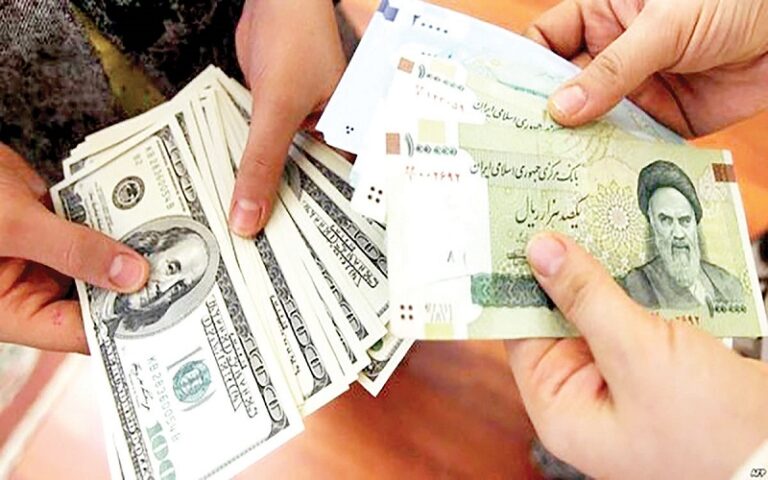
On August 27, the regime’s Eghtesad Online website reported that Iranians spending 300 trillion rials on buying and selling virtual private network (VPN) access last year to be able to use the many online services that are blocked by Iran’s regime.
“Statistics indicate that Iranians use the Internet for 169 minutes daily. This statistic shows that 80 percent of Iranians use VPNs to access social networks and messaging apps,” according to the Eghtesad Online.
Published statistics show that 87 percent of Internet users of various age groups in Iran use mobile devices to access the Internet.
According to these statistics, the total number of domestic and foreign online stores and social networks used by users in 2022 exceeded 780,000.
Contrary to the fact that Telegram is one of the first blocked social networks in Iran, Telegram posts on Iranian channels were collectively viewed more than 590 billion times in 2022.
In an interview about the current situation of VPNs in Iran, Mehdi Moslehi, an expert in cybersecurity, told the regime-linked Entekhab website in May, “Until 2018, the monthly sales transaction of VPNs was 50 billion rials (approximately $4.8 million), but now, considering the situation last year, this number has reached close to 5 trillion rials (approximately $10 million) per month.”
In January, during the peak of the nationwide protests, Saeed Naghavi, a member of the board of directors of the IT Union, reported a 3,000 percent increase in demand for VPNs in October 2022 saying, “Reports show that the search volume of Iranian users for obtaining VPNs has set a historical record.”
The Ministry of Sports and Youth also reported during the nationwide protests in 2022: “70 percent of users use VPNs, and out of this number, for every eight people, one person uses a paid VPN.”
Furthermore, in February, a report was published stating that the internet shutdown and filtering in Iran from October 2022 to the end of January 2023 has caused approximately 100 trillion rials (approximately $200 billion) in monthly losses to the Iranian economy.
Blocking access to online services will hit Iran’s economy extremely hard. For example, during the November 2019 protests, the regime carried out a complete shutdown of the internet for several weeks, causing billions of dollars in damage to the economy.
Internet censorship in Iran expanded during the nationwide protests in 2022, and security forces blocked popular social networks.
One of the side effects of filtering in Iran is the income gained by individuals and entities close to the government.
In this regard, Hamid Rezazadeh, the son of Ensieh Khazali, the deputy of the regime’s president, Ebrahim Raisi, is mentioned as the founder of a VPN service for Iranians called Betternet, according to published reports. (Rezazadeh, a Canadian citizen, is one of many regime elites who are enjoying dual citizenship without being persecuted by the government.)
Mohammad Hassan Asafari, a member of the parliament, stated in an interview with the state-backed student news agency (ISNA) about the chaotic market of buying and selling VPNs in the country: “The income and financial turnover of filtering profiteers exceed 500 trillion rials ($1 billion) per year, and they don’t pay any taxes.”
“How is it possible that a government capable of blocking [internet services] cannot block these VPNs as well? It seems that merchants exist within certain organizations involved in filtering, and I believe this issue needs to be addressed.” He added, “Does the Minister of Information and Communications Technology know who sells these VPNs and with whom they are affiliated?”
Aside from the discrepancies in the numbers reported by different representatives and experts, which clearly indicate the uncontrollable and unregulated nature of this black market, it is worth noting that the restrictive policies in this regard have not been able to bring about significant changes in the buying and selling of these VPNs.
Although the sale of censorship circumvention tools is considered illegal according to the law, it is observed that actors in this field continue their work and even expand it based on the existing demand.
Now, in one of the latest statements, Jalal Rashidi Kouchi, a member of the regime’s parliament, expressed his criticism of the current situation by tweeting: “I had previously warned that the only achievement of blocking is the creation of a thriving market for buying and selling these tools.” He continued, “Censorship has not reduced people’s presence on foreign social networks; it has only caused inconvenience and expenses for the people.”
Even in recent days, as the regime has been experimenting with throttling internet access, many businesses have been disrupted. At present, Iran’s economy is on the verge of total collapse. Every day, people from different walks of life are coming to the streets to protest inflation, high prices, unemployment, and other economic problems. An overhaul of internet access will further aggravate economic woes, triggering more of the same protests that the regime is trying to prevent.
At this point, the mullahs are caught in a web of conflicting dilemmas, each of which will further nudge it toward another major confrontation with the Iranian people and their resistance movement.
In its latest report the World Bank has reported about “significant” internal and external risks threatening the Iranian economy in the medium term, as well as the high inflation rate and persistent unemployment in the country.
In the section on internal risks, the report refers to the “escalation of social tensions and strikes in the industrial sector” in Iran, emphasizing that the continued internet restrictions by the regime could have long-term detrimental effects on employment and economic activities, especially in the services sector.
Following the nationwide protests in 2022 and the widespread workers’ strikes in recent months, the government, in addition to violently suppressing the protesters, has once again restricted access to the internet and intensified filtering in the country.
According to a report published by NetBlocks, an organization that monitors internet connectivity around the world, after the widespread internet shutdown in Iran, it was revealed that the internet shutdown between September 19 and September 30, 2022, had caused an economic loss of $1.5 million per hour, equivalent to 450 billion Iranian rials, to businesses. This figure is estimated to be around 10 trillion Iranian rials per hour if we take into account the exchange rate of 290,000 rials per dollar at that time.
By this calculation, it can be said that the 11-day internet shutdown and disruption caused 110 trillion rials in losses to the country. At the same time, some reports also indicate that at least 10 million people are engaged in businesses on authorized online platforms.
Meanwhile, the recently published 48-page report on the World Bank’s website indicates that Iran’s economy had a 3.8 percent growth in 2022.
The international institution has also predicted that the growth of gross domestic product will remain limited in the medium term due to ongoing sanctions and insufficient and limited investments.
The issue of drought and severe climate changes in Iran is also among the other issues raised in this report.
According to the World Bank’s assessment, the environmental crisis in the country will lead to detrimental effects on agricultural production, unemployment, and food security, and the “deepening” of this crisis will result in “larger shocks.”
External risks to Iran’s economy include the decline in global oil demand and prices, as well as U.S. sanctions.
Unemployment, Poverty, and High Inflation
Meanwhile, another section of this report addresses the issues of unemployment and poverty, along with the unbridled inflation rate in Iran, stating that inflation in 2022 exceeded 40 percent for the fourth consecutive year and continues to remain high.
According to the World Bank’s assessment, Iran’s inflation rate was 48.7 percent last year, and the significant increase in food prices due to the elimination of subsidies for essential imports and the global rise in food prices has been among the main factors contributing to high inflation in the country.
The report emphasizes that inflation in food prices particularly affects low-income households, as food expenses constitute a significant portion of their expenditures.
Additionally, the disparity between wage growth and the inflation rate has put economic pressure on Iranian households.
The World Bank also highlights that the more than 40 percent devaluation of the Iranian rial in 2022 has been influenced by global inflation, reinforcing inflation expectations and putting further pressure on prices.
The report further states that during the COVID-19 pandemic, one million jobs were lost in Iran, and the number of employed individuals in the country is still 700,000 less than during the peak of the pandemic.
While Iranian authorities have announced a decrease in the unemployment rate in recent months and its transition to single digits, the World Bank states that the main reason for the decline in the unemployment rate in Iran is the “inactivity” of a significant portion of the workforce.
In fact, the active population in search of employment in Iran has been decreasing. The unemployment rate is the ratio of the population actively seeking employment to the employed individuals, which indicates many jobseekers have lost heart and are no longer looking for employment.
Earlier, the Research Center of the regime’s Parliament had stated in a report that many unemployed individuals have become tired of job hunting and have essentially become part of the inactive population, which is why the real unemployment rate is “2.5 times” higher than official government statistics.
According to the World Bank’s assessment, the economic participation rate (individuals who either have a job or are actively seeking one) is at a “weak” level of 40.9 percent, indicating “insufficient job opportunities” in Iran.
The evaluation by this international institution highlights the high rates of inflation, poverty, and unemployment while Sowlat Mortazavi, the regime’s Minister of Labor, claimed on August 20 that a “considerable portion of absolute poverty has been eradicated.”
This claim is made despite the fact that in May of this year, the Research Center of the Iranian Parliament stated in a report that approximately 11 million more people were added to the country’s impoverished population between 2011 and 2021.
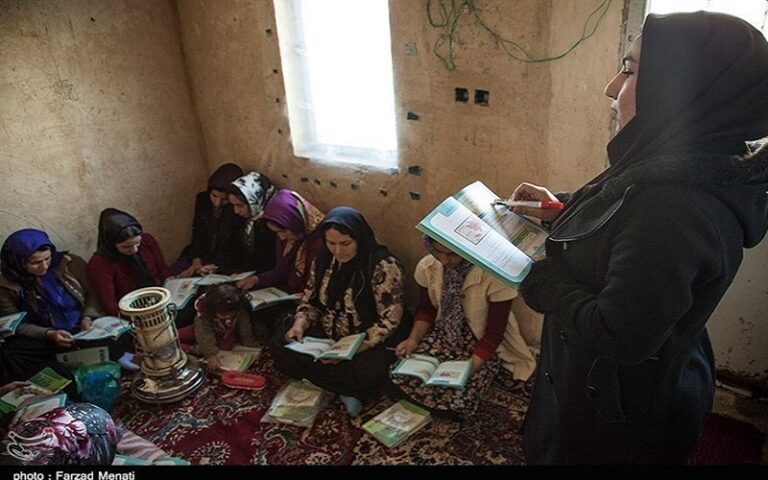
The Iranian regime’s treacherous policies towards the education system have created a real national crisis.
According to former Minister of Education in Ebrahim Raisi’s government, there are around “9 million absolute illiterates” in Iran. He also mentioned that the number of “children deprived from education” has currently exceeded 160,000, and there is a total of “970,000 children deprived from education” in the country across three educational levels.
The existence of over 9 million absolute illiterates signifies “illiteracy exceeding 10 percent of Iran’s population,” indicating a significantly high illiteracy rate in the country.
In a television program Yousef Norouzi, the former Minister of Education, said, “Regarding the number of illiterate individuals, according to the 2016 census and statistics announced by the Statistical Center of Iran, we have 8,795,000 illiterate people in Iran.”
The former Minister of Education added that this statistic represents the number of illiterates based on self-declaration by individuals aged six and above who are “absolutely illiterate and cannot read or write.” He also stated that his estimate for the absolute illiteracy rate for the current year is around the same figure.
Yousef Norouzi mentioned the difference in educational goals between Iran and other countries and said that currently, “the educational goal in Iran is set from ages 6 to 49, while the world’s educational goal is lifelong education.”
According to Norouzi, the government has not done anything to educate people aged 49 and above, while according to research, “for every 10 percent increase in literacy, two percent is added to the Gross Domestic Product.”
The announcement of the existence of over 9 million absolute illiterates in the country by Yousef Norouzi comes in contrast to his statement in December 2022 as the “Minister of Education” when he said, “According to statistics, there are 1,400,000 illiterate people in the country, and we need to create the foundation for their literacy through a combined approach and the use of information and communication technologies.”
The former Minister of Education also provided two statistics regarding the number of school dropouts. He stated that currently, “the coverage of primary education in the country is 98.6 percent, but 160,373 children have not been enrolled in elementary school” and are considered as school dropouts.
He also declared the total number of individuals who have dropped out of school in Iran as “970,000” and stated that “according to the latest information, there were 970,000 school dropouts in the country, of which approximately 150,000 have been reduced.”
School dropouts refer to the age group of the population that should be in school but are not present in the country’s education cycle or have never entered the education system.
The statistics for dropouts in the primary education level were announced to be around 136,000 according to the 2016 census, which, according to the former Minister of Education, has now reached over 160,000.
The announcement of the existence of “9 million absolute illiterates” in Iran is related to the deliberations of the Parliament’s Joint Commission during the review of the seventh five-year development plan, aiming to “dissolve the current structure of the literacy movement.” According to this decision, the responsibilities of the “Literacy Movement Organization” will be transferred to the “Primary Education Deputy of the Ministry of Education.”
Alireza Abdi, the head of the Literacy Movement Organization, stated on Saturday, “In 1984, we deviated from our path, and that was the government’s intervention in the Literacy Movement.” The recent decision of the Joint Commission of the Seventh Development Plan further reinforces the government’s intervention in the Literacy Movement.
Meanwhile, Mohammad Mehdi Zahedi, a member of the Education, Research, and Technology Commission as well as the Joint Commission of the Seventh Development Plan, who supports the dissolution of the Literacy Movement, stated that “by transferring the Literacy Movement to the Primary Education department, an ‘Adult Education Unit’ will be established within this department.”
Previously, the Research Center of the regime’s Parliament reported in 2019 that the number of “absolute illiterates” in Iran was close to 9 million. However, that same year, the World Bank and UNESCO assessed the number of “absolute illiterates” in Iran to be higher than the statistics provided by the Research Center of the Parliament.
According to World Bank statistics, the literacy rate among the Iranian population was approximately 85.5 percent in 2016, with around 11.6 million literate individuals. According to UNESCO’s statistical report in 2019, about two percent of Iranians under the age of 24 were “absolute illiterates.”
Mohsen Gharaati, a cleric close to previous and current regime’s leaders, represented them in Literacy Movement Organization for years and served as its head until 2010. However, some government officials now acknowledge that after 44 years of operation, the organization has failed and, therefore, they are seeking its dissolution.
In addition to the poverty that the mullahs’ regime has created in four decades of ruling Iran, due to a continuing decrease of educational budgets, there is a lack of educational space and educators, and available educational space isn’t up to safety standards.
It’s noteworthy many believe that Ebrahim Raisi, the regime’s president, attended school for only six grades. His role was to issue death sentences for those who opposed Ruhollah Khomeini, the founder of the Islamic Republic of Iran.
In a country where a cleric with a sixth-grade education becomes the president, obviously the government doesn’t value education at all.
In recent times, the Iranian regime has found itself in the global spotlight for reasons that extend beyond its geopolitical engagements. Amidst the political landscape, a darker undercurrent has been steadily gaining attention—the pervasive issue of corruption and its intimate tie to money laundering. This complex web of illicit financial activities has been alleged to fuel not just personal enrichment but also serve as a means to support terrorism on an international scale.
The Iranian regime’s apparent involvement in money laundering schemes has cast a shadow over its financial integrity. Despite international efforts to combat money laundering and curb the funding of terrorism, Iran’s alleged association with these practices raises critical questions about its commitment to global stability. From the manipulation of financial systems to evade sanctions to allegations of illicitly funding extremist groups, the regime’s actions have prompted concerns on a global scale.
On Tuesday, August 21, Zabihollah Khodaian, the head of the General Inspection Organization, expressed his concerns during the inaugural conference titled ‘Combating Money Laundering and Financing Terrorism’. This event, in the presence of the regime’s Minister of Economy, shed light on the challenges the Inspection Organization faces in implementing intelligent supervision, primarily due to resistance from officials and government representatives.
Khodaian highlighted the deteriorating situation of money laundering in Iran. He pointed out that the Inspection Organization, the Audit Bureau, and the Ministry of Intelligence aren’t prohibited from employing intelligent monitoring methods for overseeing the nation’s financial transactions.
Acknowledging substantial evidence of extensive money laundering within the regime, Khodaian, a senior supervisory official, underscored the involvement of entities and individuals in illicit profits through various criminal activities such as human trafficking, embezzlement, and the trade of drugs and weapons.
These groups, as Khodaian observed, exhibit high levels of intelligence, possessing intricate knowledge about the banking and legal systems. He emphasized that even so-called ‘white-collar individuals’ collaborate with these groups, indicating their complexity beyond ordinary citizens.
Khodaian pointed to the real estate market and bank deposits as attractive avenues for money laundering. He highlighted that an opaque and unhealthy economy with underground sectors easily becomes a breeding ground for the proceeds of money laundering.
Iran’s economic conditions, Khodaian asserted, strongly indicate the presence of money laundering, leading to the weakening of the private sector. He attributed the sudden spikes in gold coin, dollar, and housing prices to this situation. Interestingly, experts and insiders of the coin and currency market note that major players in these markets over the years have been the regime’s main economic and financial institutions mostly under the supervision of the regime’s supreme leader Ali Khamenei and the regime’s main economic cartel the Revolutionary Guards (IRGC).
In Iran, only economic entities associated with this group can hinder the supervision of the Audit and Organization Court, thereby enabling comprehensive inspection across the country.
The inaugural ‘Combating Money Laundering and Financing Terrorism’ conference coincided with Iran’s notoriety for its support of terrorism, evident in its backing of militant groups in the Middle East, provision of weaponry, financial resources, and organized smuggling of goods and drugs. This support contributes to the regime’s absence from the Palermo Convention and the failure of FATF bills to gain approval from the Expediency Council.
Following the Joint Comprehensive Plan of Action (JCPOA) agreement in Hassan Rouhani’s administration, on June 20, 2018, Ali Khamenei preemptively stressed the parliament’s independent role in legislating against terrorism and money laundering.
Although on October 7, 2018, the parliament approved Iran’s participation in the CFT, only two of four FATF bills—the ‘Amendment of the Anti-Terrorism Law’ and the ‘Amendment of the Anti-Money Laundering Law’—received approval from the Guardian Council. The bills ‘Joining Iran rejected the Palermo Convention’ and ‘Iran’s accession to the CFT’ were deferred to the resolution committee. Majlis members believed that their approval might unveil strategies for evading sanctions.
It should be noted that high-ranking IRGC and Quds Force leaders oppose the bill’s approval, fearing disclosure of their financial structures and potential repercussions on their ability to fund proxy groups and engage in extensive money laundering.
On June 24, 2023, the Financial Action Task Force (FATF) retained Iran on its blacklist, urging member nations to subject Iranian entities to enhanced scrutiny in financial, commercial, and banking relations. The FATF attributed this decision to Iran’s endorsement but non-implementation of the Palermo and CFT conventions.
Despite the regime’s need to improve financial transparency to be removed from the FATF blacklist, the fate of these bills appears to be influenced by factors beyond the government entities and the Expediency Council. Unidentified groups have determined the destiny of these bills, turning Iran into a global haven for money laundering, as lamented by Zabihollah Khodaian.
The “Committee for following up the condition of detainees” (FollowupIran) citing an informed source, has published a report on severe torture inflicted upon the detainees of last year’s protests in the city of Karaj, followed by the execution of Mohammad Mehdi Karami and Seyed Mohammad Hosseini. Prior to their execution, the two prisoners were told that they would be pardoned.
FollowupIran released a detailed report on X (formerly Twitter) about the torture and execution of detainees involved in nationwide protests in Iran, related to the case of the Rouhollah Ajamian, a member of the Basij who was killed while engaging in suppressing protesters on the Karaj highway.
According to this report, alongside the confirmation of sentences for eight individuals charged in the Rouhollah Ajamian case by the Supreme Court, FollowupIran has obtained new details about what the detainees in this case have experienced.
While various news and reports had been published in recent months about the torture of the defendants in this case, and the forced confessions extracted from them on social networks, many details regarding what transpired during the interrogations and the night of the execution of Mohammad Mehdi Karami and Seyed Mohammad Hosseini had not been revealed.
A source close to the defendants in this case told FollowupIran, “After the arrest of these individuals, they were subjected to torture to the point of death.” This informed source, speaking about the matter after months, said, “From the moment of their arrest and throughout their transportation and detention, the torture of the defendants in this case has been continuous.”
The source further states that various forms of torture were employed, including punching, kicking, the use of electric shockers, and beating for long periods. One of the methods frequently used was a torture technique known as “fried chicken” (Juje Kabab). In this method, the person is suspended from the ceiling with their hands and feet tied together with chains from behind. After hanging them from the ceiling, several torturers would beat them while using vulgar words to insult them.
Convicted individuals in the Rouhollah Ajamian case
The source, quoting one of the defendants, said, “After the torture, they transferred him to a multi-tenant cell because they thought he couldn’t survive on his own given his condition! After being transferred to that cell, one of the inmates passed out upon seeing his condition. His entire head and face were covered in blood, his body was so swollen from electric shocks that they couldn’t even remove his clothes. His whole body had severe injuries.”
The source, referring to other defendants in this case, said “Mohammad Mehdi Karami and Seyed Mohammad Hosseini were subjected to more torture than others. For example, while others were kept in the ‘fried chicken’ position for 20 minutes, in the case of Seyed Mohammad Hosseini, it would reach up to 50 minutes because even in the midst of torture, he would not make any noise or cry out for them to bring him down.”
He said, “This situation lasted for more than thirty days, and during this time, they have been artificially executed several times. The prisoners have been told that they would take them and execute them, they took them to the courtyard, blindfolded them. They said they should kneel down, and after a few minutes, they dragged them by their hair or beard on the ground and threw them back into their cells.”
According to the informed source, the defendants were subjected to torture, harassment, and mistreatment even before their first court hearing and before being brought to the court. They were brought to the court without being informed about their trial.
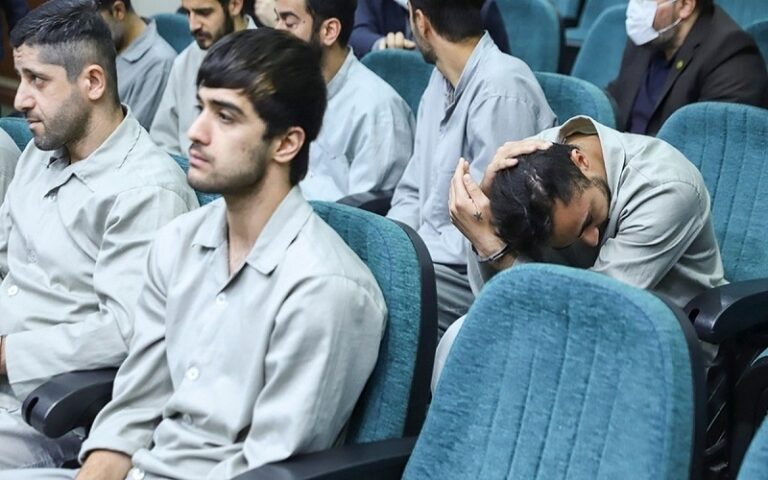
The first court hearing of the defendants in the case of Rouhollah Ajamian was held on November 30, 2022, and in the photos and images available from the day of the trial, the defendants appear very tired and shocked.
The source reports, “That morning, they made all the defendants in this case stand in a line in the courtyard of the detention center on one leg. It was a cold day, and they were only wearing the same clothes we saw in the photos of the first court hearing. Thin and worn-out prison clothes. For two and a half hours, they sat in the freezing morning of the city of Karaj on one leg and were subjected to insults, beatings, and electric shocks with the slightest movement. Then, even the guards sat on their necks and smoked cigarettes, and if they couldn’t withstand standing on one leg, they were beaten again. After two and a half hours, their numb bodies were transferred to the court with beatings and kicks in a black van.”
After the trial, all the defendants are transferred to Karaj Central Prison, and after two weeks, their sentences were communicated to them in prison. According to this source, the behavior of the prison chief and other guards towards the defendants in this case was very violent and accompanied by repeated insults and threats. For example, they frequently told them, “You’re only worthy of sleeping in front of the toilets, you are not human, you are criminals, you are hypocrites.” (By using this word the Iranian regime refers to the members and supporters of the MEK.) They also frequently used vulgar insults against these prisoners.
Mohammad Mehdi Karami and Seyed Mohammad Hosseini
The source says, “On the day they issued the sentences, they all were sentenced to 25 years in prison, and five were sentenced to death. They were extremely concerned and terrified that these sentences might be carried out, so they made an agreement among themselves that if these heavy sentences were to be executed, they would commit mass suicide. Mohammad-Mehdi Karami had confidently said, ‘I won’t let them execute me, I will kill myself first.'”
“After the issuance of the sentences, they sent a psychologist who forcibly prescribed sedatives for the prisoners and forced the prison authorities to make them take the drugs. Those who protested and refused to take the pills were faced with threats and verbal abuse and were forced to take them in the presence of officers.”
This source describes the day when news broke about the sentences being overturned for most defendants and the confirmation of the death sentences for Mohammad-Mehdi Karami and Seyed Mohammad Hosseini. According to the source, they were in touch with outside the prison while they were in the public prison. In early January, it was announced that the sentences had been overturned, except for Mohammad-Mehdi Karami and Seyed Mohammad Hosseini, whose death sentences were confirmed. They were terrified and concerned.
According to the source, Mohammad-Mehdi Karami had decided to go on a hunger strike, and a prison officer tried to persuade him not to, saying, “If you go on a hunger strike, the charge of disrupting prison order will be added to your case, which has dire consequences.”
The source reports that on the morning of January 6, Abbasi (the prison chief) went to the ward for a “discussion about the prisoners’ issues” and later took Mohammad-Mehdi Karami and Mohammad Hosseini to his office. The source adds, “However, in the middle of the way, they separated them from the group and took them to specific individuals among the death row prisoners.”
According to the source, “Until around 9 pm, there was no news about the prisoners who had gone to talk to the prison chief about their problems. At the same time, others realized that the television was also cut off, and the phones were not working. Then they read out the names of several people through the loudspeaker and took them solitary confinement as well.”
The prisoners who were in solitary confinement that night described the situation as follows: “Around dawn, the sound of prayers was heard in the corridors, and there was a lot of movement. Some reported that they saw someone with a camera in the hallway and heard voices saying, ‘You have been forgiven. Pardoned.’ The prisoners saw through the crack in the cell that Mohammad-Mehdi and Seyed Mohammad were in. But the next morning, when the administrative staff came and took them back to the ward, they realized that the death sentences for Mohammad-Mehdi and Seyed Mohammad had been carried out.”
The brother of one of the prisoners in this case had previously told the media that his brother’s arrest was accompanied by severe beatings, to the extent that one of his ribs was broken, and later, during interrogations, five more of his ribs were also broken, and the lack of proper medical attention resulted in a punctured lung for him.
The Iranian regime’ Statistical Center has announced in its latest report that the income and expense balance of urban and rural households in the past year was “positive” and claimed that the average annual income growth of urban households exceeded the average annual expense growth.
This is despite the fact that the Ministry of Cooperatives, Labor, and Social Welfare of the Iranian regime had previously announced in a report that in 2022, the poverty line for a four-person household was 77 million rials (approximately $154) for the entire country and 71.4 million rials (approximately $143) in Tehran. Whereas in 2021, this figure was 45.41 million rials (approximately $91) for the entire country.
In recent years, statistical inconsistencies and their mismatch with the country’s economic realities have become the subject of criticism by experts and members of the parliament. In this regard, the regime’s ILNA news agency wrote on July 18 that “inflation is 120 percent, the government says it is 40 percent.” The news agency stated that a member of the regime’s parliament questioned the data provided by the government regarding inflation and rising prices.
In response to the statistics and figures presented by the government in the economic field, Gholamreza Nouri Ghazaljeh, a member of the regime’s Majlis (parliament), said, “To put it briefly, when it is said that inflation is controlled or reduced and the government presents some statistics and figures about it, they are all products of the government’s and officials’ minds and are not accurate.”
According to Nouri, the criteria used to determine the official inflation rate have no resemblance to the realities of people’s lives.
On January 3, in response to controversies surrounding the announcement of the poverty line, the regime’s Ham-Mihan newspaper quoted Hamid Haj Esmaeili, a labor market expert, as saying, “We have been experiencing an inflation rate of over 40 percent in the country for nearly three years, and people’s incomes barely make it to the end of the year.”
According to the latest report by the Statistical Center of Iran, the average annual income of urban households in 2022 was estimated at 1669.64 million rials (approximately $3,340), and rural households had an income of 986.38 million rials (approximately $1,973), which shows an increase of 48.5 percent and 54.8 percent, respectively, compared to the previous year. The center also estimated the net expense of urban households in the past year to be 137.146 million rials (approximately $2,743) and stated that this amount had increased by 48.3 percent compared to 2021.
According to the announcement of this center, the net expense of rural households in the past year was estimated to be 788.59 million rials (approximately $1,577), indicating a growth of 51.9 percent compared to 2021.
The ambiguity arising from government statistics lies in the type of items listed in the price index and the method of discovering their prices. Critics argue that in the housing sector, the average price per square meter in Tehran has exceeded 700 million rials (approximately $1,400), while the figures cited in the reports are based on prices below 500 million rials (approximately $1,000).
In another section of the report on income, the statistical center considers “income from rental properties” for households that do not pay it, which, on average, has a 20 percent impact on the reported income increase.
Regarding the reason for ceasing the announcement of inflation statistics, Mohammad Reza Farzin, the governor of the Central Bank, had previously said, “Regarding inflation statistics, since the law requires the Statistical Center to publish it, we no longer publish it, and it is more of a legal decree. Although there are still disputes over the source of its publication, due to its legal nature, we have prevented the publication of the inflation statistics.”
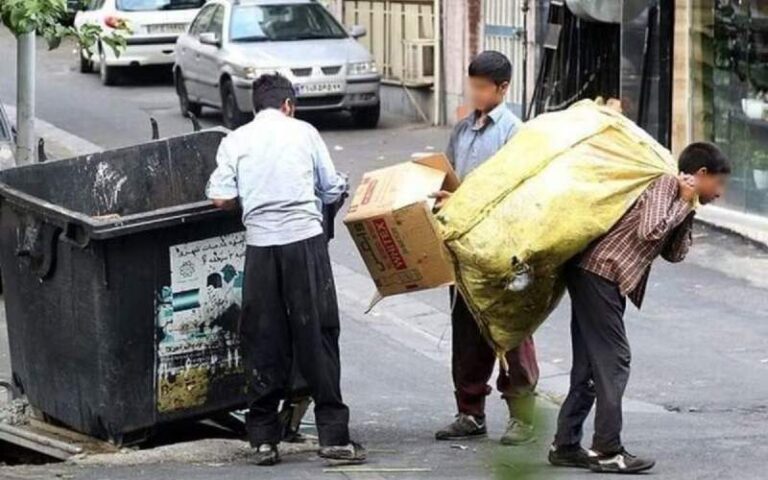
The widespread poverty in Iran, manifested in issues such as inadequate housing, slum dwelling, and homelessness, has reached such dimensions that it is reflected in reports by regime’s government institutions.
One example is a report by the regime’s Majlis Research Center titled “Evaluation of the Seventh Development Plan from the Perspective of Housing Provision for Low-Income and Vulnerable Groups,” which was published on August 14.
The report discusses the “pervasive and multifaceted housing crisis” in Iran and programs such as the Ministry of Roads and Urban Development’s “National Housing Movement” and Tehran Municipality’s “Housing Jihad Headquarters” are mentioned as initiatives that are being pursued.
The main objective of these initiatives is primarily to increase homeownership. However, conducted surveys indicate that even in periods when the rate of homeownership has increased due to construction activities, the proportion of rental occupancy has also risen.
As the number of property owners has increased, the number of tenants has also risen
The research conducted by the Majlis Research Center indicates that, “Although from 2011 to 2016, the equivalent of 3.5 million residential units were added to the total housing stock of the country, instead of reducing the number of renters, during the same period, 2.5 million renter households were added to the population of renters.”
In other words, housing policies have “practically contributed to the increased homeownership of existing homeowners” rather than reducing the number of renters. Furthermore, in recent decades, instead of transitioning from rental occupancy to homeownership, many citizens have faced the “inevitable fate” of remaining renters indefinitely while housing policies have also neglected the situation of renters.
It takes one-and-half centuries for young people to become home owners
The severe state of inflation and wages that don’t increase in accordance with the costs of living have made the dream of becoming homeowners not only more inaccessible but also turned rent affordability into a serious problem for many individuals.
The Research Center had previously concluded in another study that in the five years leading up to 2022, the cost of housing had increased by more than nine times on average, while the average increase in wages was less than seven times.
Two weeks earlier, the regime’s Donya-ye-Eghtesad newspaper estimated that individuals born in the 1990s, under the condition of equal growth in income, housing prices, and a 20 percent savings rate, would have to wait seventy years in the best-case scenario and a century and a half under normal conditions to become homeowners.
Eight Forms of Homelessness: From Graveyard Sleeping to bus sleeping
The research center has highlighted the “abject failure” of housing policies in addressing the citizens’ housing needs and the consequent “fall from the housing ladder” experienced by renters. This situation has led to the emergence of various forms of homelessness as alternatives to renting.
The Research Center identifies eight common examples of homelessness: rooftop sleeping, car sleeping, bus sleeping, graveyard sleeping, makeshift shelters, job-seeking for the sake of shelter, and cohabitation of multiple families in a single dwelling.
Previously, reports on new phenomena such as graveyard sleeping and bus sleeping had been published in Iranian media, which were initially denied by officials. However, the research conducted by the Parliament’s Research Center has confirmed their existence.
The “abject failure” of housing policies spans across different governments, not exclusively limited to the regime’s president Ebrahim Raisi, whose slogan during the election campaign included the construction of one million housing units per year.
The government of Mahmoud Ahmadinejad had introduced the “Mehr Housing plan” as a purported solution to the housing issue. However, this plan faced significant criticism since its inception and in subsequent administrations.
The government of Hassan Rouhani, whose officials were among the most vocal critics of the Mehr Housing Scheme, claimed to address the issues by implementing “Social Housing” for the lowest-income segments of society. However, these efforts have been accompanied by the expansion of substandard housing, marginalization, and various forms of homelessness.
These days and weeks, the housing crisis in Iran is breaking the back of tenants and sometimes even leading to the breakup of families. The reason is, of course, the gang of corrupt thieves who are ruling the country and are spending the country’s wealth to keep their hold on power.