

The Truth Behind Tehran’s New Diplomatic Campaign
Beneath the façade of apparent stability, the Iranian regime grapples with profound political and internal vulnerabilities that pose a threat to its hold on power. Over time, discontent and disillusionment have been steadily growing among the population, fueled by economic mismanagement, corruption, and a lack of social and political freedoms.
The regime’s authoritarian tactics, including strict censorship, arbitrary arrests, and human rights abuses, have only deepened public resentment. Iranians now demand greater transparency, accountability, and fundamental human rights, presenting challenges that the regime struggles to address effectively.
These grievances have found expression in periodic waves of public protests, which not only challenge the regime’s authority but also expose its vulnerability.
Moreover, the regime’s foreign policy decisions and international isolation contribute significantly to its political weaknesses. Pursuing controversial nuclear ambitions, supporting militant groups, and involving itself in regional conflicts have resulted in international sanctions and strained diplomatic relations.
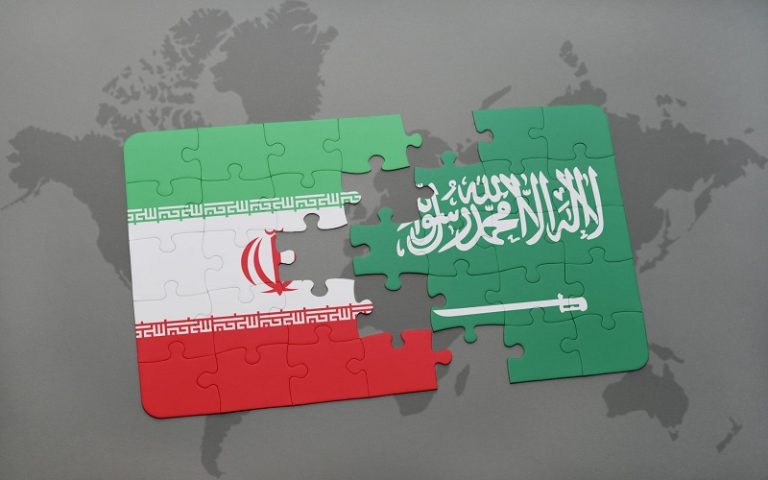
In response to the urgent need to alleviate this critical situation and avert the risk of further protests, the Iranian regime has recognized the importance of establishing new relations with Saudi Arabia, its regional rival. Notably, this decision followed extensive national protests that confronted the regime last year.
After a seven-year freeze in relations, the regime has taken steps towards normalization by welcoming Saudi Foreign Minister Faisal bin Farhan in Tehran. This development marked the conclusion of a series of meetings between Farhan and Iran’s Foreign Minister Hossein Amirabdollahian in March.
However, even the regime’s own experts caution that not all their problems can be solved by simply reviving political relations with Saudi Arabia, underscoring the depth of the regime’s critical conditions.
In an interview with the state-run daily Nameh News, Ali Bigdelli, a foreign policy analyst, emphasized that the diplomatic relationship with Saudi Arabia remains weak and unreliable.
Bigdelli also noted that promises of investment by Saudi Arabia are politically motivated bluffs, as practical implementation would hinge on the lifting of American sanctions and Iran implementing the directives of the Financial Action Task Force (FATF), an international body that oversees rules to counter money laundering and financing of terrorism.
Furthermore, he argued that the resolution of the Yemen issue is necessary and that any agreement between Iran and Saudi Arabia will not automatically lead to the United States losing its influence in the Middle East.
The regime’s urgent need for relations with Saudi Arabia considering its critical situation was highlighted in an article by the state-run daily Etemad.
The piece warned that failure to address internal and external problems promptly would result in distancing from Saudi Arabia and losing out in the global economic competition.
The article stressed the importance of recognizing the country’s limited time and the need to remove political obstacles without delay.
These challenges have been acknowledged by various regime officials and experts. Mohammad Reza Gholamreza, the head of the regime’s election headquarters, admitted that the regime and its supreme leader face sensitive and difficult conditions.
Gholamreza expressed concern about the upcoming elections and the potential for a new uprising, urging caution and likening the election process to a military operation.
He said: “This year we have elections that are sensitive. Why sensitive? Because the situation is a sensitive situation, it is a difficult situation. Khamenei, contrary to the usual practice, mentioned the issue of the elections at the beginning of the year.
“When Muharram and Safar are over, after Arbaeen, which is September 6, we have the reopening of universities and schools and the anniversary of the riots, and suddenly we enter a new battle. Therefore, we cannot make any mistakes. The election is like a military operation for us.”
Finally, he added: “I don’t want to scare you, I don’t mean to scare you at all, but the issue is important, it is important, so in the field of security, we must anticipate the most pessimistic scenarios. Because there is a possibility of bad things happening.”
Concluding that the Iranian regime’s urgent need for new relations with Saudi Arabia arises from its fear of renewed protests and its critical situation. The regime’s internal weaknesses, characterized by public discontent, political unrest, and international isolation, have necessitated a strategic shift in its approach. Reviving diplomatic ties alone will not resolve all of the regime’s deep-rooted challenges.
Aras River Pollution: A Critical Menace to Iran’s Environmental Well-being
Iran’s ecosystems have suffered extensively due to the absence of effective policies and lax enforcement of environmental regulations. The regime’s relentless pursuit of rapid industrialization and economic development has taken a heavy toll on the environment, resulting in widespread pollution, deforestation, habitat destruction, and water scarcity.
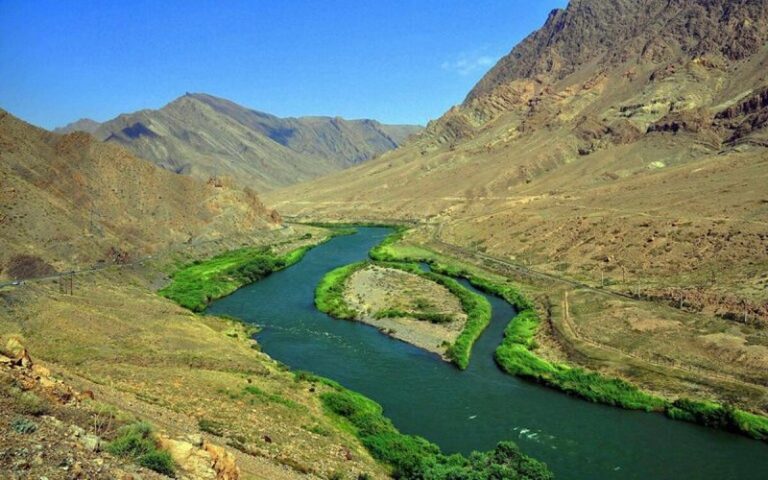
A report published on June 18 by the state-run Payamema Newspaper sheds light on a severe pollution crisis in the Aras River, which flows through Iran, Armenia, and Azerbaijan. The contamination is primarily caused by “radioactive materials” and “heavy metals.” Despite identifying the pollution source, the regime’s weak stance over the past 15 years has hindered any meaningful resolution.
Furthermore, Azerbaijan and Turkey have dismissed any responsibility and refused to investigate the pollution in the river. However, the presence of pollution cannot be denied, and Iran faces a greater risk than its neighbors since all incoming pollutants flow into the country through the Aras River.
The regime’s official denial of the disaster’s magnitude, coupled with the absence of pollution reports and monitoring, exacerbates the situation. The alarming increase in diseases, particularly stomach cancer, among residents living along the river’s borders underscores the severity of the crisis.
In winter 2022, the regime-affiliated Border Studies Research Institute emphasized the gravity of the situation and its dire implications for the affected population. Their research revealed a concerning rise in lung, stomach, and skin cancer cases, as well as an alarming prevalence of liver diseases among residents in border areas. These compelling findings strongly indicate the detrimental effects of water pollution in the downstream regions of the Aras River, disrupting the biological equilibrium.
Mahmoud Abbaszadeh Meshkini highlighted the remarks made by the Vice President of Health at Ardabil University of Medical Sciences, emphasizing that despite being the 22nd most populous province in Iran, Ardabil ranks first in the country in terms of gastrointestinal and stomach cancer cases. He emphasized the urgent need to identify the underlying causes behind this alarming trend.
Drawing attention to the discharge from the Metsamor Power Plant in Armenia that directly enters the Aras River, he highlighted the detrimental impact on the groundwater in provinces situated along the river, particularly Ardabil. This contamination could potentially be a contributing factor to the elevated incidence of gastrointestinal and digestive cancers in the region.
Although certain regime officials previously denied the presence of uranium in the river, reports from both the regime’s Atomic Energy Organization and the Ministry of Energy have now acknowledged the radioactive pollution in the Aras River. Former Minister of Energy Reza Ardakanian identified industrial wastewater from Armenia’s Metsamor Nuclear Power Plants as the primary source of pollution.
The Metsamor plants consume 288 tons of uranium annually, and their untreated wastewater flows into the Aras River in the southern Sardarakh region. Additionally, reports from various sources indicate that Armenia, Azerbaijan, and Turkey all contribute to the pollution, with Iran’s Sungun copper mine also adding to the contamination.
Of utmost concern is the Khoda-Afarin reservoir dam, which provides drinking water to hundreds of thousands of Iranians and supports recreational activities and aquaculture.
Tehran’s University of Art Has Become a Center Of Resistance For Students
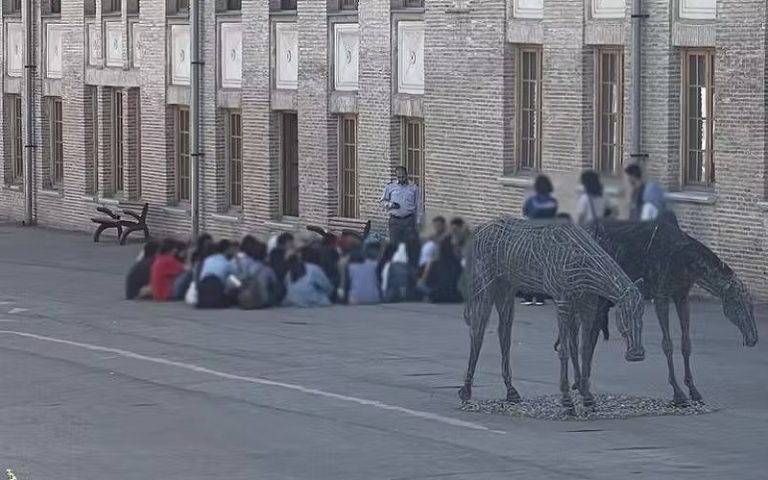
The student movement at Tehran University of Art is garnering nationwide support in Iran as the ruling regime intensifies its efforts to suppress dissent. In a recent development, the imposed mandatory hijab on female students has sparked widespread protests and objections among the students.
On June 17, the student councils of Iranian universities released a report shedding light on the alarming levels of repression occurring at the University of Art, including the unjust detention of numerous students. According to the report, security forces have been enforcing strict regulations that mandate female students to wear the hijab at all times, even within the confines of their own dormitories. Shockingly, these forces have gone to the extent of preventing students from leaving their residences, irrespective of whether they had any intention of attending the university or not.
In another concerning incident, security forces stationed at the Music College in the city of Karaj, located in western Tehran, obstructed the entrance of approximately 20 students. However, thanks to the support and collective resistance of fellow students, the affected individuals were eventually able to gain access to the university premises.
The repressive regime’s security apparatus has escalated its threats against the students, indicating a forthcoming intensification of pressure. Disturbingly, at the Cinema and Theater College, female officers were stationed at the entrance with the specific task of distributing veils to unveiled female students. In a blatant act of coercion, these officers are warning the students that failure to comply by wearing the veil would result in their deprivation from taking exams.
Disturbing reports have emerged of the regime’s plainclothes officers detaining several students at the entrances of various universities. Witnesses have noted the presence of special forces and state security police who closely monitored the situation. This heavy security presence further emphasizes the repressive atmosphere that students are subjected to. Similar incidents have also been reported at the National Garden Campus (Bagh-e Melli) of the University of Art.
Madani University, located in East Azerbaijan province, has become a site where the regime is resorting to framing cases against students as a means of suppression. Shockingly, reports indicate that approximately 80 students have been targeted in these fabricated cases. The university administration has been implementing extensive disciplinary measures against the students, particularly in the final weeks of the current semester. This surge in case filings clearly illustrates the regime’s relentless efforts to quell student activism and dissent.
As of now, 20 students have already received final judgments, while another 25 students anxiously await their verdicts and disciplinary hearings. Moreover, an additional 35 individuals have been summoned to attend hearings in order to provide explanations for the charges brought against them.
In response to the escalating pressure faced by the students at the University of Art, students from numerous universities throughout the country have come forward to express their support and solidarity.
A notable statement has been issued by the students of Tehran University, affirming their support for their counterparts at University of Art. In the statement, they condemn the suppressive measures imposed by the regime, recognizing them as a blatant attempt to intimidate and silence the student community. However, the students of Tehran University firmly believe that such oppressive tactics will ultimately prove unsuccessful in extinguishing the spirit of resilience and determination that resides within the students.
In a similar move, the students of Soore University declared their support for their fellow students at the University of Art. They made it clear that they refuse to remain silent in the face of such aggressive measures, recognizing that this repressive approach poses a threat not only to the students at the University of Art but to the entire student community as a whole.
Acknowledging the severity of the situation, the students at Tarbiat Modares University also refused to stay silent. They are determined to keep the flames of the struggle for freedom burning bright and resolute. They emphasized that they will not allow the regime to persist in its relentless pressure and infringement upon their rights.
It is evident that the regime is using the imposition of the hijab as a pretext for its repressive actions. These measures are primarily driven by the regime’s fear of upcoming protests, where students, young people, and particularly women have been at the forefront of challenging its authority.
The Iranian Regime’s Involvement in Syria’s Deir ez-Zor
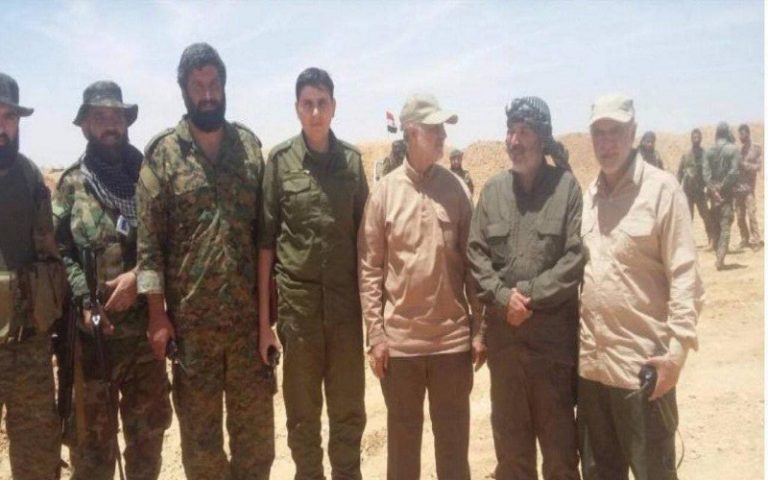
The Iranian regime’s involvement in Syria surpasses the mere deployment of paramilitary forces and continuous support for the defense of Bashar al-Assad. In the fiercely contested province of Deir ez-Zor in eastern Syria, the regime has implemented a strategy of soft power, using cultural centers to extend its influence.
This approach targets the predominantly Sunni Muslim population, which has suffered greatly from the regime’s destructive interference in Syria. It is important to note that these actions are not acts of charity, especially considering the significant number of Iranians living below the poverty line.
Syrian opponents assert that behind these cultural initiatives lies a hidden agenda aimed at expanding the regime’s influence and solidifying Iran’s interests following the decline of the Syrian civil war.
A report published in September 2021 on the website “Enab Baladi,” titled “Iranian Cultural Center in Deir ez-Zor… A Brainwashing Scheme for Sectarianism,” delves into the background of these activities.
The main cultural center, established in 2018 in the heart of Deir ez-Zor Province, has been followed by the establishment of local branches in the western Euphrates region.
These centers are now under the supervision and command of Hajj Rasoul, a former member of the Islamic Revolutionary Guard Corps (IRGC), who assumed his role in February 2022. Abu Sadiq, the former head of this center, previously hosted a children’s festival in Deir ez-Zor, claiming in an interview with Sama TV, a Syrian regime supporter, that the goal was to bring joy to the locals.
In May, the local Foratpost website published a list of free courses offered by these cultural centers in the cities of Deir ez-Zor, Al-Mayadin, and Al-Bukamal. The courses include after-school classes for boys and girls, as well as English and computer courses for all age groups.
The report reveals that in 2022, dozens of male and female nurses completed courses at these cultural centers under the supervision of Hajj Askar, a senior security official of the IRGC in Abu Kamal. The center has also reportedly established several hospitals and playgrounds in villages.
Various Iranian regime-affiliated charities, including the Jihad Construction Organization, are assisting these programs. The New Arab, based in the UK, published a report highlighting the role of this organization, labeled as “terrorist” by the United States, and its connections to Hezbollah in Lebanon and paramilitary forces supporting the Bashar al-Assad regime.
In May, the Syrian Observatory for Human Rights, also based in the UK, published a report on the Iranian regime’s plan through cultural centers to provide free education and monthly stipends to youths under 18 years old. The organization suggests that the goal is to secretly train them for jihad.
Many experts view these activities as Iran’s gateway to Syria. One program listed is the opening of a Hussainiya (Shiite religious center) in the city of Deir ez-Zor, as well as the construction of a Shiite shrine near the renowned Ein Ali Spring, close to the town of Al-Quriyah.
It is worth noting that Al-Quriyah is situated on the banks of the Euphrates, downstream from Deir ez-Zor, with the Al-Omar oil field, housing the largest US-backed coalition base in Syria, located on the other side. This raises skepticism about the regime’s ambitions.
Local reports indicate that the regime has been steadily increasing its influence in the areas since it was liberated from ISIS. Locals point to examples such as the renaming of local mosques and the construction of shrines and Hussainiyas.
Similar facts were reported by The Washington Post in January 2022. Local residents informed the media outlet that Iran had built a school and distributed food baskets, indicating its efforts to propagate malign ideology.
Badr Saffif, a political analyst, sees these activities running parallel to Iran’s military involvement and support for paramilitary groups. He suggests that if a political solution is found to end the civil war, the Iranian regime will be compelled to leave Syria. Prior to such a scenario, the regime has deployed its soft power to “establish its plan among the people” and maintain a long-lasting presence.
According to Saffif, any program organized by the educational authorities in Deir ez-Zor involves the Iranian regime’s cultural center.
Amjad Al-Sari from the website “Chashm Faraat” has stated that the Iranian regime’s cultural center exerts complete control over the educational sector in Deir ez-Zor through a network of local centers focused on teaching Persian language and Shia religious teachings to children.
Iran’s Regime Covers Budget Deficit Through Taxation, Smuggling
At the beginning of this Persian calendar on March 21, the regime ruling Iran increased tax revenues by 47 percent to compensate for it budget deficit. This measure has put significant pressure on the country’s population.
Due to the inflation witnessed in the past year or two, “the poverty line in [the Iranian capital] Tehran has reached 300 million rials (approximately $600),” according to Mohammad Bagheri Banayee, a member of the regime’s Majlis (parliament). All the while, the mullahs’ regime has been placing even more pressure on the low-income classes.
It is worth noting that the minimum monthly salary of wage earners in Iran is approximately 80 million rials, meaning a mere $155.
The total budget of the regime in the year 1402 (from March 21, 2023, to March 21, 2024) is set at $105.22 billion. The allocated general budget is $43.28 billion, and the budget for government-linked companies is $61.94 billion. The estimated tax revenue in the budget is $16.76 billion, accounting for approximately 40 percent of the general budget.
“Government-affiliated companies, despite having financial transactions in the billions of rials, enjoy tax exemptions,” according to a report by the regime’s Rokna news agency published on April 5.
As mentioned above, the budget of state-owned companies is approximately 1.5 times the general government budget.
“In the first nine months of the year 1401 (from March 21, 2022, to March 21, 2023), the Ministry of Economic Affairs announced that it had collected $6.974 billion in tax revenue, surpassing the projected tax revenue for that period,” according to a January 1 report by the regime’s Shargh website.
“One of the groups that are supposed to pay taxes according to Iran’s tax law are high-income earners who receive more than 70 million rials (approximately $140) as salary,” according to the regime’s Rokna news agency published on April 5.
However, with Iran’s inflation at record-high levels unseen in the past 80 years, even people living below the poverty line, sometimes earning half as much, are required to pay taxes.
Religious and pilgrimage sites in Iranare exempt from taxes. Under this pretext, the Astan Quds Razavi, which is a financial empire linked to the regime’s highest echelons, does not pay any taxes. Many institutions and economic holdouts affiliated with the regime’s Islamic Revolutionary Guard Corps (IRGC) and Basij force, the Shahid Foundation, and the Executive Headquarters of Imam Khomeini’s Orders, also do not pay taxes.
In addition to tax exemptions, another method of tax evasion used bylarge companies in the Iraniain regime is the use of interest-free funds.
“One of the tax evasion methods used by violators and profiteers is concealing their activities by taking advantage of the opaque nature of interest-free funds,” according to a 6 September 2022 report published by the government-linked Farheekhtegan newspaper.
This is just a summary of government tax evasion in Iran. However, the important point is that smuggling encompasses a significant portion of the regime’s economy, and obviously, no one can collect taxes from smuggling.
Different figures are cited within regime sources regarding the amount of goods smugged in Iran. Some members of the regime’s Majlis (parliament) and private sector activists believe that the country’s smuggling volume was over $25 billion in the year 1400 (March21, 2021 to March21, 2022), based on statistics from international customs. However, some believe the actual volume being up to $30 billion. Javad Hosseini-Kia, a member of the Majlis Industries and Mines Commission, believes the country’s annual smuggling volume is worth $26 billion.
“Ninety five percent of the annual $25 billion in smuggling comes from official sources, and its individuals and elements are well-known,” said Tehran Mayor Alireza Zakani in the last election debate.
“One example of smuggling is in the clothing sector, which Iran’s Ministry of Industry and Mines experts believe has a smuggling volume of $9 billion, but the Anti-Smuggling Headquarters reported it at $800 million,” according to a January 8 report by the state-run Radar Eghtesad website.
Amir Mohammad Parhamfar, the Deputy Chair of Preventive Measures at the Anti-Smuggling Headquarters, said to the semiofficial ILNA news agency on May 10 that currently the country’s entire market of cosmetic products is involved in smuggling.
If we consider $25 billion as a basis, the value of goods smuggled would be 12.5 quadrillion rials, which is close to 60 percent of the country’s general budget for the current year. This leads to the destruction of domestic production and skyrocketing unemployment.
However, who are the regime-linked smugglers who smuggle goods through official channels?
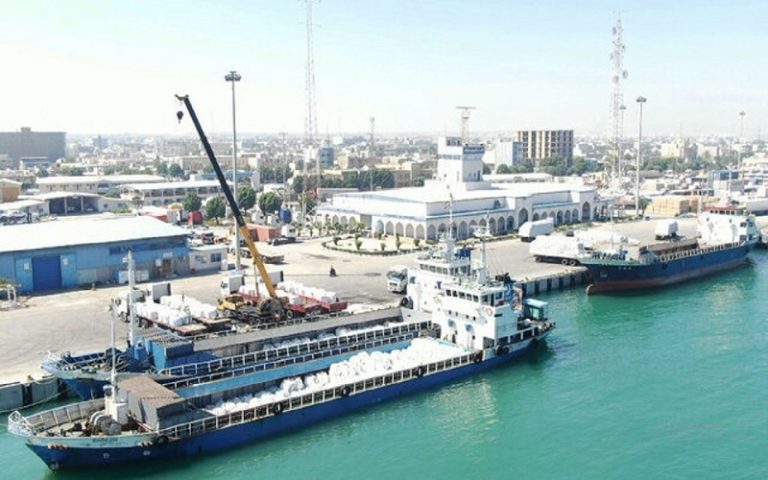
According to regime statistics, the IRGC control over 113 docks and 25 airports that engage in smuggling goods. They have destroyed the country’s economy and do not pay a single rial in taxes, customs duties, or fees.
The regime collects taxes from the meager salaries of Iran’s workers and employees. However the IRGC, as the main smugglers who smuggle billions of dollars’ worth of goods annually, do not pay any taxes at all. The regime’s Majlis has even increased the IRGC’s budget by 50 percent.
People pay taxes so that the government can provide services to them. However, in the macroeconomic indicators, Iran now has a very weak and low-level economy in comparison to other countries. In addition to taxes, it also plunders the country’s oil revenues and other resources. However, the people’s share of these revenues is more poverty and misery.
Norway is an example of a country with abundant oil resources that manages the population through taxation. Norway is known for its advanced economy and high welfare for its people. The country’s oil revenues are stored in the country’s sovereign wealth fund for future generations, now ranked as worlds’ second-largest sovereign wealth fund, with approximately $1.13 trillion in assets.The state-run Entekhab website in Iran published a startling report on May 11. Mehdi Ghazanfari, CEO of Iran’s National Development Fund, said at the National Conference on Smart Economy and Financial Development: “Our fund stands at $150 billion fund, of which $100 billion has been withdrawn by the government, and about $40 billion has been paid in commission fees.”
Water Crisis and Environmental Challenges in Iran
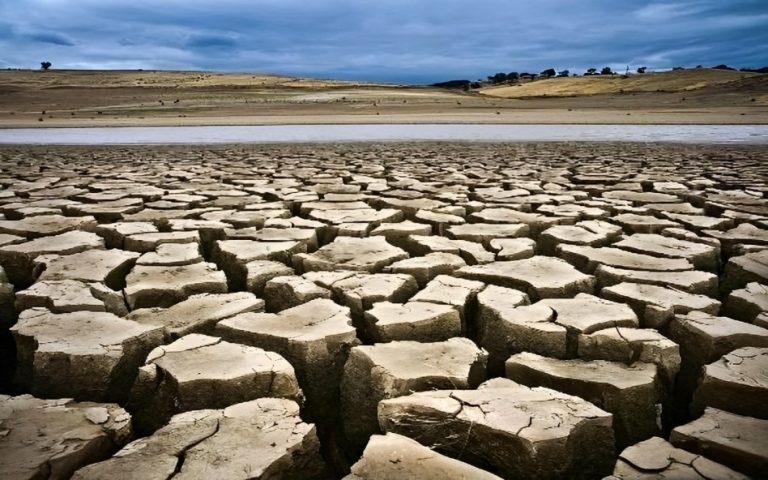
The issue of water and water resources in Iran has turned into a major crisis. Water management and hydrology experts have reported a “water bankruptcy, and that Iran’s water reserves will be depleted within the next 36 years,” according to a November 8, 2022, report published by the state-run Fararu website.
On January 12, the regime’s Ebtekar newspaper reported that “nearly forty thousand villages have been abandoned due to various reasons, primarily water scarcity.”
In an interview with the state-run Shargh daily on November 3, 2022, Gholam Hossein Shafei, head of the Iranian regime’s Chamber of Commerce said, “Iran only has ten years to deal with the water crisis, and if water resource management continues with the same approach, it will be difficult to imagine the existence of any living creatures in the next 20 years.”
On May 19, 2021, The New York Times wrote: “12 out of 31 provinces in Iran will completely run out of underground water tables within the next 50 years.”
According to the regime’s official data, 97 percent of Iran is grappling with drought to various degrees. The percentage of drought-affected areas is less than 90 percent in only in five provinces: Kurdistan, West Azerbaijan, Lorestan, Hamadan, and Kohgiluyeh & Boyer-Ahmad.
Based on a report of the regime’s Natural Resources and Watershed Management Organization, published by the state-run Eghtessad 24 website on February 13, “the area of desert provinces in Iran has increased by 66 percent, and in fact, only ten provinces in Iran have not yet turned into deserts. Additionally, approximately one-third of the Zagros forests, which constitute about 40 percent of Iran’s forests, have dried up.”
The water crisis in Tehran is very serious. Regime-linked experts say the country is now reaching a critical point where approximately four million people will face water scarcity. There is no possibility of rationing, and dam reservoirs are also not sufficient, according to a report by the state-run Jahanesanat daily on January 26.
Over the course of a decade, the level of groundwater across Iran has decreased by at least ten meters compared to previous years. This has led to the expansion of deserts.
“For example, the ancient Iranian tamarisk trees in the city of Narmashir in Kerman province, central Iran, have almost completely been destroyed within a decade due to their inability to adapt to rapid changes in water resources,” according to a May 28 report of the state-run Jahanesanat daily. “Approximately 96 billion cubic meters of water are consumed annually in Iran, while the total renewable resources of the country, which is the total precipitation minus evaporation, amount to about 90 billion cubic meters,” according to a 16 May 2021 report published by the official Etemad daily. Based on the Rio de Janeiro agreement in 1992, countries are entitled to use only 40 percent of renewable water resources. However, the regime in Iran has been using more than 100 percent of its capacity of renewable water for years. “We had 200 billion cubic meters of fossil freshwater, and we have consumed it all,” said Isa Kalantari, the former head of the regime’s Environment Department. Ninety percent of water consumption in Iran is for agricultural purposes, seven to eight percent for drinking and domestic use, and the rest goes to the industrial sector. Iranian farms are still irrigated in traditional methods dating back to ancient times. As a result, over 80 percent of the country’s water resources, equal to at least 70 billion cubic meters of water, is literally wasted in the agricultural sector. In the domestic and drinking sector, between seven to eight billion cubic meters of water are consumed annually in Iran. In this sector alone, due to the aging water supply network, 15 percent of drinking water, equal to 1.15 billion cubic meters, is wasted and the regime has taken no action in this regard. Industries with high water consumption include steel mills, other steel factories, petrochemical plants, and refineries. These industries are mainly located in the central regions of Iran, which are dry areas. Sixty eight percent of the country’s industrial steel production, which consumes a significant amount of water, is located in Isfahan Province and owned by the Revolutionary Guards (IRGC). More importantly, the required water for factories such as Mobarakeh Steel and steel mills is supplied from freshwater sources. According to statistics published by the Isfahan Water Organization, the Mobarakeh Steel Plant, being Iran’s largest steel mill, is one of the major consumers of the waters of Zayandehrud River. “Until 1978, Iran had only 30 dams.According to statistics, there are now 1,330 dams across the country in various stages of operation, construction, and planning,” according to a report cited by the Jahanesanat daily on May 19, 2021. There are currently around 30 to 40 dams under construction in regions such as the Sistan and Baluchistan province of southeast Iran where rivers are scarce. In Iran’s central desert where only 10 to 12 percent of the country’s water flows, over 200 dams have been built or are under construction. According to regime-linked experts, at least 20 percent of the country’s dams in the design phase are riddled with errors. In an interview with the state-run Farheekhtegan newspaper on May 31, former Energy Minister Hamid Chitchiansaid, “We have gone to extremes in dam construction; the volume of the constructed dams exceeds 76 billion cubic meters, while we do not have more than 46 billion cubic meters of water for regulation.” One example is the drying of Lake Urmia in northwest Iran, the second-largest saltwater lake in the world. This waterbed has gone dry and turned into salt-producing springs due to the construction of over 100 dams on its tributaries. Moreover, dam construction in inappropriate locations has destroyed over 50 percent of the country’s wetland ecosystems, forced 75 percent of the wetlands into critical conditions, and completely wiped out many animal species in these areas. “If we had spent only ten percent of the dam construction costs on groundwater sustainability, we would have had sustainable water resources now, and the country’s rivers would have been lively,” said Dariush Mokhtari, a government-linked water expert to the semiofficial ILNA news agency on June 1. Until the summer of 2021, there were 350,000 unauthorized wells and 550,000 authorized wells across Iran. More than ten billion cubic meters of water are extracted annually from these 900,000 wells. The profits from operating these wells go to large IRGC-owned agricultural companies. “One of the problems caused by the plundering of groundwater is land subsidence, and Tehran subsides by 13 centimeters every year. In total, 254 regions throughout the country are facing subsidence crises due to uncontrolled water extraction,” according to a 9 April 2022 report published by the state-run Etemaad daily. “Sixty six percent of the country’s 610 plains have subsided, and now approximately 12 million hectares of these plains are at risk of subsidence, with 24 million people (about the population of Texas) living on subsided lands,” according to the Etemaad report. “Based on areport of the regime’s Mapping Organization, a subsidence area has been identified in the southwest of Tehran, registering the highest amount of settlement, reaching 171 centimeters over 8 years (between 1995 and 2003), or approximately 21 centimeters per year. Subsidence in Iran is five to seven times the global average, occurring at an annual rate of 25 to 30 centimeters (one meter every five years),” the report continues. The situation is even worse in Iran’s agriculture sector. The mullahs’ regime is not concerned about suitable cultivation in appropriate locations. For example, watermelon production reached 3.180 million tons in 2022. However, Iran’s lands are not suitable for water-intensive crops like watermelons. According to regime statistics, in 2021, Iran exported over 900,000 thousand tons of watermelons to other countries, generating an income of $208 million. To produce 900,000 thousand tons of watermelons, however, 450 million cubic meters of water is needed, costing a minimum of $450 million. Regime officials could care less because they need the foreign dollars. The regime claims that it intends to transfer water from the Persian Gulf to Kerman and Yazd provinces in central Iran). Regime-linked experts, however, say that the same mafia that has been involved in dam construction is now seeking to transfer water from the Persian Gulf and the Sea of Oman. Iran’s water crisis exacerbates the other crises that this regime has imposed on the population, to the point that even regime Supreme Leader Ali Khamenei is afraid of the explosive social conditions. “The more important issue is that the poor have no voice. There are plenty of sound waves around us, but our ears are tuned in such a way that we only hear certain wavelengths. In our society, only the voices of a few are heard, and others are not allowed to raise their voices so that their voices do not reach anywhere. Poverty has no voice, and it will suddenly scream,” reads an article published by the state-run Etemad Online website on May 30.#WaterCrisis and Environmental Challenges in #Iran
— Iran Focus (@Iran_Focus) June 14, 2023
The issue of water and water resources in Iran has turned into a major crisis. pic.twitter.com/41zbTPtFRT
The poverty line in Tehran has reached $600/month
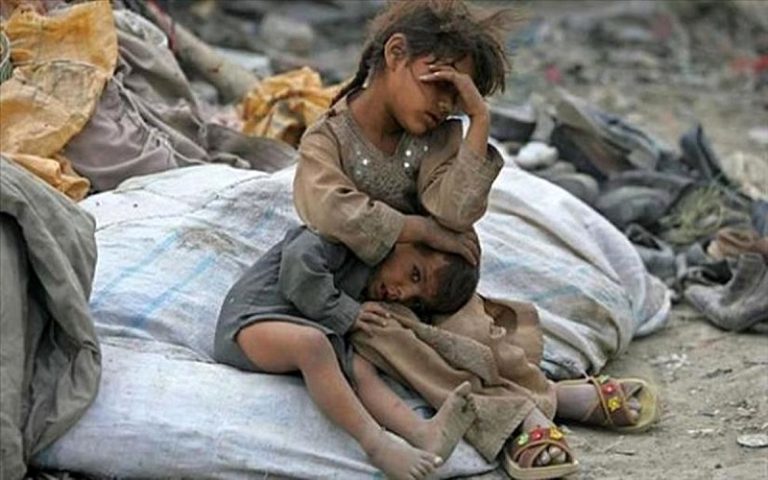
Poverty line in Iran’s capital reaches new high
The poverty line in Iran is rising and more of the country 85+ million population is now considered as living in poverty. This is according to Mohammad Bagheri Banayee, a member of the regime’s Majlis (parliament), adding that due to the inflation witnessed in the past year or two, “the poverty line in [the Iranian capital] Tehran has reached 300 million rials (approximately around $600).” It is worth noting that the minimum monthly salary of wage earners in Iran is approximately 80 million rials, meaning a mere $155. Considering the circumstances surrounding housing, rent, livelihood, and inflation in Iran, the “middle class is practically being pushed towards living in Tehran’s slums or neighboring cities,” he explained. This member of the Majlis economic commission warned of the consequences of “rising poverty line” and the decline of the “middle class into poverty and the spread of city slums” across the country. “We may witness numerous social and political issues in the close future,” Banayee added. While this regime MP sheds light on the rising the poverty line in Tehran to 300 million rials ($600), the Labor Ministry’s annual report on “Monitoring the Poverty Line”, published January 1, indicated that the poverty line in Tehran during the 12-month period of March 21, 2021, to March 21, 2022, was 74 million rials (approximately $150). This indicates that the poverty line has multiplied several times over the two years since. While regime authorities and government media have recently reported the release of a portion of Iran’s blocked foreign assets in Iraq, Bagheri Banayee said, “Practically speaking there will be no release of blocked assets and dollars will not be sent to Iran. Instead, essential commodities and medicines will be provided to Iran in exchange for the [frozen currency] we have in Iraq, Afghanistan, Pakistan, and South Korea.” This Economic Commission member also added, “Even if such currency is made available to Iran, they are so meager that they will not play a significant role in the country’s economy.”On Monday, June 12, at the “30th Conference on Monetary and Currency Policies,” Mohammad Reza Farzin, governor of the regime’s Central Bank, delivered a speech on the money in foreign banks that Tehran seeks to see unfrozen. “We have over $100 billion in foreign exchange resources, and with good diplomatic measures, we should utilize the resources we have in other countries,” he said. In response to these remarks, however, Banayee argued that “even with the $100 billion in foreign exchange resources mentioned by the Central Bank governor, nothing can be done for the country because the government’s expenses have skyrocketed to such an extent that these amounts may be sufficient for a mere few months, but they are not enough for long-term projects.” The devaluation of the national currency, along with Iran’s increasing inflation rate and the regime’s economic policies as a whole, have led to a severe rise in poverty and an increasing number of people living below the poverty line throughout the country. The extent of this expansion is so widespread that Ali Agha Mohammadi, head of the Economic Group in the Office of the regime’s Supreme Leader Ali Khamenei, and a member of the mullahs’ Expediency Discernment Council, also confirmed on May 19 that at least “19.7 million people in Iran are deprived of basic necessities of life such as housing, employment, up to 12 years of education, healthcare, food, and clothing.”The #PovertyLine in #Tehran has reached $600/month.
— Iran Focus (@Iran_Focus) June 13, 2023
The minimum monthly salary of wage earners in #Iran is approximately 80 million rials, meaning a mere $155. pic.twitter.com/QmeNvPuIzP
Controversy over Iran’s UN Assignments as Threats to International Security Grow
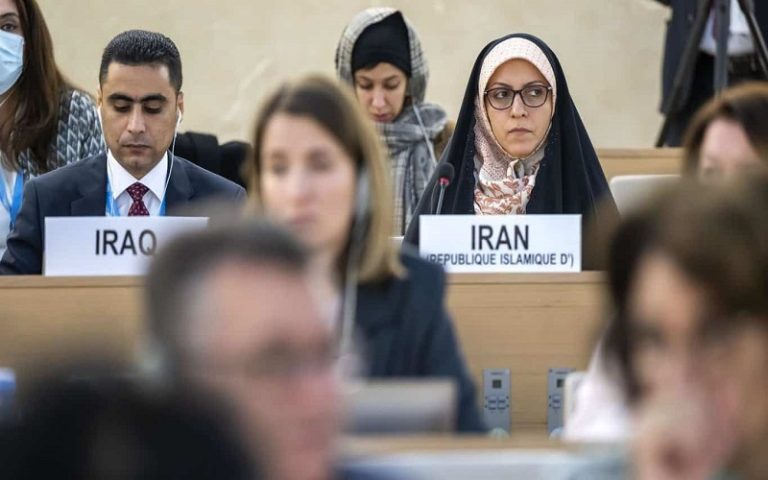
Iran’s regime was recently selected to fill two new roles at the United Nations, sparking immediate backlash and controversy.
Reports of this appointment closely coincide with reports of a document leak which indicates that Tehran had arranged the sale of more than one million dollars’ worth of ammunition to Moscow by last September, for use in the ongoing war of aggression against neighboring Ukraine. The relevant document now joins a growing body of evidence for Iran’s material support of the Russian war. Tehran has publicly denied any such direct involvement, but numerous components have been recovered from attacks on Ukraine’s civilian infrastructure, confirming the Iranian origin of Russian-deployed kamikaze drones.
The United States described Iran’s appointment to a disarmament committee as “absurd beyond contemplation.” The regime’s threats to the world were underscored by recent speeches from both regime President Ebrahim Raisi and regime Supreme Leader Ali Khamenei, as well as military officials such as the commander-in-chief of the Army.
Speaking at the closing ceremony for a meeting of representatives from Iranian missions abroad, Raisi euphemistically referred to the country’s foreign policy as being focused on “deterrence,” while also insisting that there should be no coordination with “major powers” apart those outside of the Western world order, such as Russia and China.
On June 4, Khamenei made much the same pitch, at a commemoration for the anniversary of the death of his predecessor and founder of the mullahs’ regime, Ruhollah Khomeini. “Some people are mistaken to think if we back down from our stances in certain cases that will cause the enmity of the U.S, the global arrogance, or Israel toward us to diminish. This is a mistake,” he said, endorsing continuation of a hardline policy toward Western adversaries, evidently including non-compromise over Iran’s increasingly provocative nuclear program.
In other news, the regime boasted that the UN nuclear watchdog, the International Atomic Energy Agency, had closed the file one of three suspect sites where traces of undeclared radioactive material had been discovered by inspectors. This was later confirmed when reporters gained access to an IAEA report, which also indicated that the agency had accepted Iran’s explanation for the discovery of uranium that had been enriched to 83.7 percent fissile purity, just on the brink of weapons grade.
However, the report is certain to leave doubt in the minds of many who have criticized the regime and the international community’s approach to constraining its progress toward nuclear weapons capability. Both with regard to the near-weapons-grade uranium and the site known as “Marivan,” it appears as if the regime’s explanations were only accepted as plausible, or in the words of agency Director General Rafael Grossi, “not impossible,” but did not close off the possibility of other, more nefarious explanations.
After previously refusing to provide any explanation and then asserting that the nuclear traces at Marivan had been somehow planted via foreign “sabotage,” Tehran finally came to blame them on mining activity that had been carried out by unspecified foreign entities in the 1970s and 80s. But other informed sources have suggested that Marivan and the two other sites ostensibly still under investigation are evidence of substantial undeclared nuclear research, or even an entire parallel program that remained unknown to Western powers at the time they assessed the baseline of Tehran’s technical know-how.
After acknowledging that Iran had re-installed some surveillance equipment that had been dismantled last year, Grossi clarified that much more was needed, that progress toward adequate safeguards was moving very slowly, and that the latest measures were “a fraction of what we envisaged.”
The accompanying uncertainty over regime’s nuclear safeguards and the lingering prospect of a “breakout” to nuclear weapons capability drew a response from US foreign policy officials, with Secretary of State Antony Blinken reiterating the American commitment to keeping nuclear weapons out of mullahs’ hands. Toward that end, Blinken said, the White House would continue pursuing diplomacy while applying economic pressures and other forms of deterrence however would also be keeping the option of military intervention on the table.
Dana Stroul, the Deputy Assistant Secretary of Defense for the Middle East, made a similar point in separate remarks, while also highlighting opportunities for coordination with Tehran’s other adversaries. At the same time, Tehran continued to promote the idea of a broad, emerging anti-Western alliance that would be capable of overcoming both military and economic challenges from the US and its established partners. The Islamic Republic News Agency (IRNA) published a report boasting of statements from China’s Foreign Ministry spokesperson, apparently expressing support for a regional naval alliance.
While this project is still largely hypothetical, it may also be inspiring a resurgence of old Iranian regime tactics which seek to intimidate Western naval forces in the waters of the Middle East. On June 4, three fast-attack boats belonging to the Islamic Revolutionary Guard Corps (IRGC) approached a commercial ship in the Strait of Hormuz and shadowed it threateningly for an hour.
There is a long history of such dangerous encounters in and around the Strait. The regime has also been credibly accused of attacking commercial vessels in recent years using drones and limpet mines, as well as facilitating attacks by militant proxies such as the Houthi in Yemen. These incidents, too, are certain to be highlighted by the regime’s critics as reasons why there is no justification for Tehran to be offered a leadership role in any UN agency having to do with “international security.”
The emerging controversy over that appointment comes less than a month after a similar controversy over Iranian regime’s appointment to the rotating presidency of the Social Forum of the UN Human Rights Council. That appointment came approximately eight months after the start of a nationwide uprising inside the country, during which more than 750 people were killed by government forces, with more than 30,000 arrested.
Horrifying situation of Iran’s children
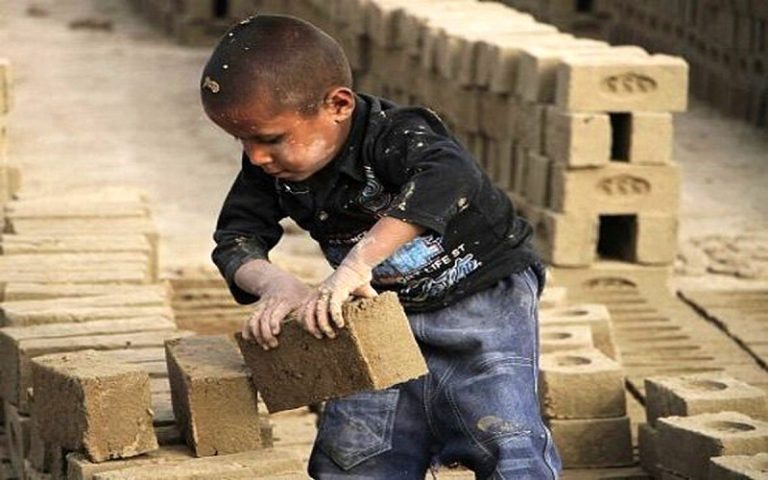
Iran’s state-linked Etemad newspaper has published a chilling report citing informed sources on cases of physical torture and severe abuse of children in an orphanage in the Tehranpars area of the capital Tehran. The instructors at this center are seminary acolytes, according to the report.
In its publication on Sunday, June 11, the report states that a seven or eight-year-old child in the “Zanjireh Mehr Mandegar Charity Institution” was subject to torture due to bedwetting.
According to a former instructor at this center, The head of the center, in collaboration with another instructor, burned the child’s hands and feet with an iron, according to a former instructor of this center. Subsequently, the child was imprisoned in an old bathroom infested with cockroaches and provided limited dry bread and water, and this process continued for a week.
The accuracy of this report and the “burning of the child’s hands and feet” has been confirmed through several other sources, and “there are also images that prove its authenticity,” according to the Etemad newspaper report.
“This is just one of the horrific stories of this center, and sources say that there have been around 24 orphans residing in this center for months,” the report reads in part.
“The children in the center were strangely afraid of the technical supervisor, and this very person explained the reason for their fear: ‘From the very beginning, I intimidated the children through severe measures. They have been terrified of me ever since. At the beginning, I freightened one of the children and told him that I would take away his tongue, and I struck his mouth repeatedly until it bled. Now these children fear me like death,'” according to the Etemad report citing source whose collaboration with this institution has been confirmed.
Hamed Haghi, the CEO and founding member of the Charity Institution, told Etemad daily: “We used seminary acolytes as instructors. For example, this person [referring to the technical supervisor] used his connections and contacted us. Yes, all of our instructors were seminary acolytes, and we thought they were the best option for this role as instructors and educators.”
Furthermore, according to Etemad, following an investigation the “State Welfare Organization of Iran” confirms these violations and will deal with this center “in its own way.”Based on this report, in recent years, reports of child abuse and punishment in Iran’s privately-run childcare centers, as well as centers for the care of disabled individuals, addicts, and underprivileged groups who need to live in such centers, has increased.
In 2018-2019, reports revealed “sexual abuse” cases at the Moin High School in Tehran resulting in a wave of public reactions.
Additionally, in recent years, numerous reports of child abuse in Iran’s kindergartens have also been published.
Child labor statistics in Iran “increasing day by day”
Marking the World Day Against Child Labor, a member of the City Council in Tehran said the Iranian capital is home to at least 70,000 child laborers. On June 11, Soudeh Najafi, a member of the Tehran City Council presidium, said that child laborers face various abuses, suffer from physical and mental problems, and their presence on the streets “creates difficulties” for the locals. According to the semi-official ILNA news agency, Najafi explained that “despite the high number of authorities responsible for this issue, child labor statistics in the country, especially in Tehran, are increasing day by day, and no specific and official institution has been introduced in this regard.”According to Najafi, 80 percent of child laborers on the streets are not Iranian, adding the solution lies in preventing the entrance of foreign child laborers into Tehran and taking decisive measures against child labor gangs in the Iranian capital. The data presented by this Tehran City Council member was also published in Tehran media outlets last year on the eve of World Day Against Child Labor. However, according to a June 2022 report by the regime’s Donyaye -e-Eghtesad daily, there are 70,000 child laborers across all of Iran, and about 3,000 of them work in Tehran. That report indicated that at least 4,000 children in the country are engaged in collecting recyclable goods and other items that be sold from people’s trash and large garbage dumps. Since last year, thousands of families have entered Iran from Afghanistan to escape the Taliban government, and some of their children have been pushed into street work. Earlier this spring, Iran’s State Welfare Organization reported that 120,000 child laborers have been identified, and that 14,500 of them are street children. Article 79 of the regime’s Labor Law apparently prohibits children under the age of 15 from working. Based on last year’s statistics, 21 percent of child laborers in Iran suffer from malnutrition, 14 percent have experienced accidents, over 15 percent are subjected to verbal abuse and physical violence from the state security forces, about two percent are victims of sexual harassment, and 23 percent struggle with extreme cold and heat. At the same time, three percent have nowhere to sleep. Earlier this spring, the State Welfare Organization reiterated its opposition to authorities rounding up child laborers. A senior organization official had said that such a measure would prevent the welfare organization from being able to support them. In reality, the circumstances of child laborers in Iran are far worse. These are homeless and poor children who have no other means to make ends meet and are being exploited by regime officials who take advantage of their situation to pocket enormous financial gains. And as the regime’s corruption continues to take its toll on the country’s economy, Iranian workers can’t afford to send their children to school or make ends meet for their families. As a result, more children are being forced to leave their schools and work as laborers in streets across the country.Marking the World Day Against Child Labor, a member of the City Council in Tehran said the Iranian capital is home to at least 70,000 child laborers. pic.twitter.com/odI9cIvdQZ
— Iran Focus (@Iran_Focus) June 12, 2023
Ongoing Controversy, New Questions after Iran Releases Three More Europeans in Swap
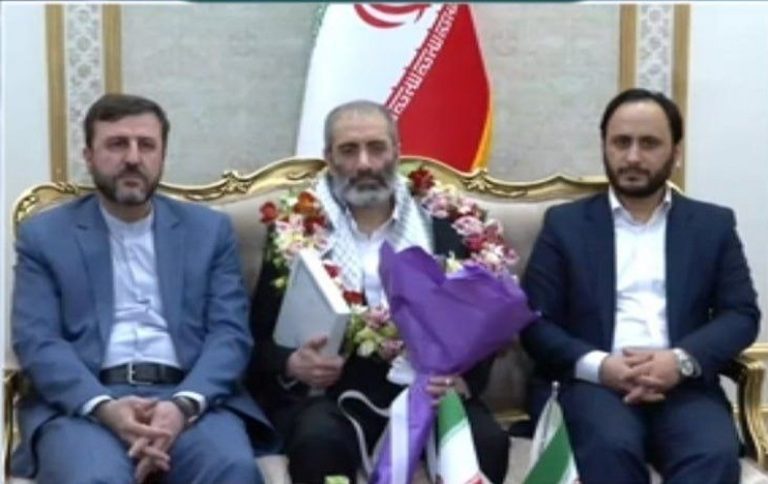
One Danish national and two Austrians were reported to be back in their home countries on Saturday after having been released by the Iranian regime. The Austrians, Kamran Ghaderi and Massud Mossaheb, had been arrested in 2016 and 2019, respectively, while Thomas Kjems was arrested in November 2022, around the peak of the nationwide uprising that was sparked in September by the death of a 22-year-old Kurdish woman at the hands of the “morality police.”
Tehran has made concerted efforts to blame that uprising upon foreign infiltration, and toward that end, over the past nine months it has announced several new arrests of individuals with supposed connections to “enemy” nations in the West. It remains unclear how many such arrests have been carried out in total and how many of them involved people who actually hold citizenship in the countries in question. But even before the uprising began, more than a dozen Western nationals were understood to be held hostage in Iran.
Many reports to that effect also emphasized that the real number was likely to be significantly higher, both because of the opacity of the Iranian criminal justice system and because the families of some arrestees have been known to remain mum about their situations for fear of the public attention to the case would stoke resentment in Iranian authorities and create more complications. These issues were underscored by the news of the three latest releases, insofar as Ghaderi, Mossaheb, and Kjems have rarely if even been included in lists of Western nationals whose release was being pursued by their respective governments.
Now that international attention has been brought to their resolved cases, it appears that efforts to secure their release were being made not only by Austria and Denmark but also by Belgium. Reports indicate that their release was a previously undisclosed condition of Brussels’ release of an Iranian diplomat-cum-terrorist, Assadollah Assadi, who has been serving a 20-year-sentence over his leadership role in a plot to bomb the 2018 Free Iran World Summit, an event organized outside Paris by the National Council of Resistance of Iran.
It is still unclear whether this is the full extent of the prisoner swap agreement. While Assadi’s particularly high value to the Iranian regime might have unilaterally opened up the possibility for the release of multiple hostages in exchange, there is also ample historical precedent for an arrangement to be unbalanced in Iran’s favor. In 2016, for instance, as Iran and six world powers were implementing a nuclear deal, the US arranged to release seven Iranian prisoners and drop charges for fourteen others in exchange for just four Americans whom Iran had detained based on clearly fabricated charges.
This is to say that the possibility still exists that other Iranian prisoners have been released or will be released as part of the arrangement involving Assadi. Even if this is not the case, though, controversy will continue to follow the case, with the NCRI asserting that Belgium violated a court order allowing for the victims of a convicted criminal to mount a legal challenge before he becomes the beneficiary of any swap agreement.
The NCRI and other critics have also argued that by releasing Iranian hostages or offering other concessions to the regime, Western powers risk incentivizing further hostage-taking, among other malign activities.
