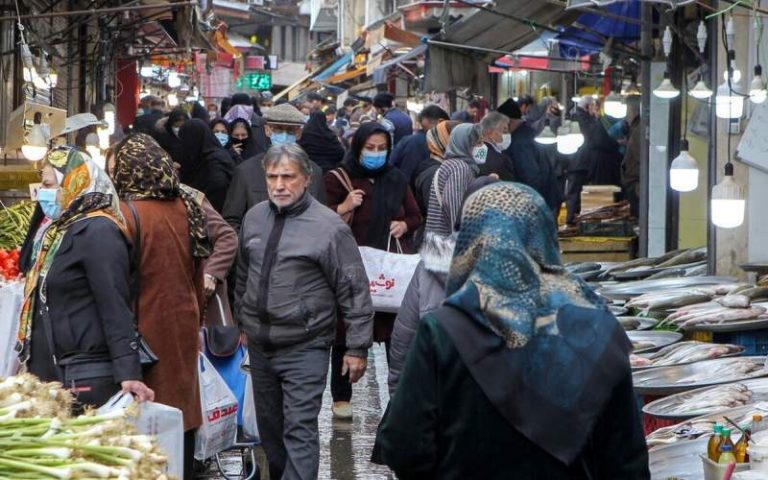
According to statistics released by the Central Bank of Iran, housing prices in the capital Tehran have increased by more than a thousand-fold in the past thirty years!
On February 18, the state-linked Eghtesad-e Bazaar website reported that housing prices have risen by 600 percent in the past two years. According to statistics published by the semi-official Tasnim news agency, the staggering increase in housing prices and rent in Tehran has witnessed an unprecedented rising trend since 2001. Tasnim is an outlet affiliated to the Quds Force of the regime’s Islamic Revolutionary Guards Corps (IRGC).
These catastrophes are developing at a time when, according to an 8 June 2019 report by the state-run Eghtesad Online website, “There are six million renters in Iran! That means six million households.” In simpler terms, six million families in Iran cannot afford to purchase their own home.
Also, according to a report by the semi-official Resalat newspaper published on July 24, 2022, property prices in Tehran increased by ten-fold in an eight-month period.
In the past forty years, housing prices have increased six thousand-fold, and the price of gold has risen ten thousand-fold.
In an interview on March 9, with the state affiliated Ofogh TV network, Farhad Beizai on the other hand, when we look at the number of vacant houses (according to state statistics), the status quo becomes mind boggling. For example, on January 5, Iranian regime Interior Minister Ahmad Vahidi said that there are 60,000 uninhabited residential areas across the country.
This means residential areas that have water, electricity, gas, and other urban services but are currently uninhabited. All the while, official statistics show that at least 19 million Iranians are living on slums and in poor housing conditions, according to an April 17 report published by the semi-official Shargh newspaper.
In such conditions, if anyone wants to build a house from the ground up, even with government loans, they should think twice. According to the state-run Etemad daily, housing loans are burdensome. A loan of 5.5 billion rials (equal to around $11,000) with a 20-year payment plan will finalize at around 25.56 billion rials (equal to around $51,000)!
At a time when land, materials, and labor are available, why aren’t we witnessing measures aiming at resolving Iran’s housing crisis? The mullahs are going down the same path with housing as they did with foreign currency, the stock market, people’s bank deposits, interest-free funds, foreign exchange, and the gold market. They are busy plundering these assets to fill their pockets and cover the costs of regime’s hallmark domestic suppression and support for foreign terrorism.
However, providing shelter for the family is not something to be ignored unless you expect people to start living in tents and caves.
In Iran, owning has become a luxury. There are many reports of people “living in graves”, “renting rooftops,” and “sleeping in shops,” especially among the country’s workers.
On June 7, Hossein Akbari, Deputy of Natural Environment and Biodiversity at the Department of Environmental Protection Agency of Isfahan Province in Iran touched on one aspect of the country’s environmental disasters due to the mullahs’ rule. “During the past year alone, seven million cubic meters of ‘sewage and wastewater’ were temporarily released into the ‘Gavkhuni’ wetland, along with eight million cubic meters of water. This, however, proved to be ineffective,” he said.
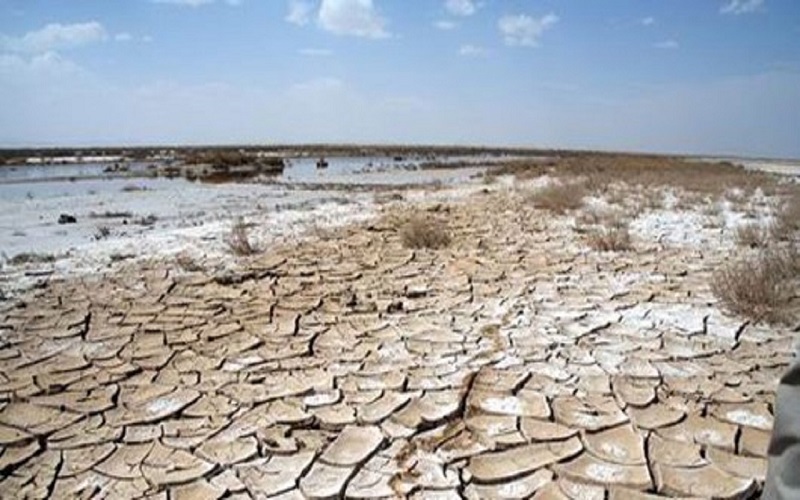
Akbari explained that based on satellite images, the Gavkhuni wetland is “completely” dry, and maybe a mere two or three percent of its northern part is “slightly moist.”
Gavkhuni wetland is “completely” dry
Last August, Mansour Shisheforoush, the Director of Crisis Management of Isfahan Governorate, had also announced that 98 percent of the Gavkhuni wetland had dried up.
Gavkhuni, one of Iran’s most famous international wetlands, spans across Isfahan and Yazd provinces in central Iran and is considered one of the country’s largest and most important wetlands, serving as a habitat for migratory birds and aquatic animals.
This wetland used to be nourished by the Zayandeh Rud, the largest river in central Iran. In recent years, however, as a result of dam construction and the subsequent drying up of Zayandeh Rud, this wetland has also almost dried up.
In recent years, numerous reports have been published on the destruction of Iran’s wetlands and lakes, and experts have attributed this catastrophe to mismanagement, uncontrlled dam construction, and unsustainable policies alongside drought.
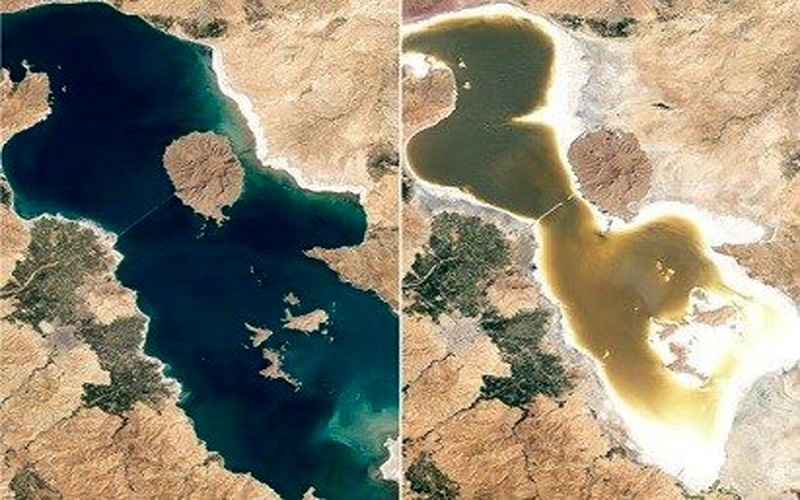
The Iranian regime’s destructive policies in recent years have led to numerous environmental disasters. These policies have caused Lake Urmia, the world’s second-largest saltwater lake located in northwest Iran, to dry up and witness its final days.
Lake Urmia witness its final days
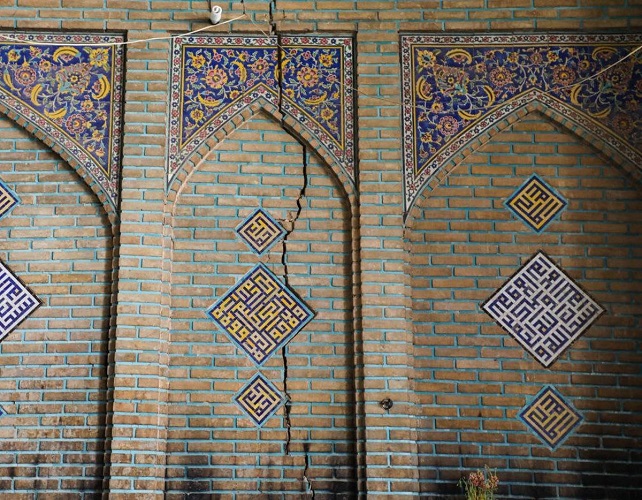
Historical mosques in Isfahan “have sunk” due to land subsidence
According to a report by the regime’s “Ham-Mihan” newspaper on Wednesday about the continuation of land subsidence in Isfahan, “all areas” of the city have been affected, including areas near the historical monuments of Isfahan.
Based on the report, due to drought and a decrease in groundwater levels, the phenomenon of subsidence is progressing at a faster rate than expected and has reached downtown Isfahan.
An archaeology expert who, according to “Ham-Mihan,” wished to remain anonymous, mentioned that structures such as the “Hakim and Atiq Mosque, Imam Gate, Vazir Bath, the Ali-Qoli Agha Mosque and Bath, and the Seyed Mosque” have all been affected by subsidence.
He considers “long vertical cracks” in these structures as signs of subsidence, adding that evidence of this phenomenon can also be seen on the Hafez and Sepah entrances to the city’s famous Naghsh-e Jahan Square, as well as on the domes and walls of the historic Jameh Abbasi Mosque.
Meanwhile, in an interview with the semi-official Mehr News Agency, Alireza Izadi, Director-General of the Isfahan Province Cultural Heritage, claimed that the cracks in structures such as Seyed Mosque and Jameh Abbasi Mosque are not related to subsidence and are “natural cracks” due to their brick and adobe structure.
However, Izadi acknowledged subsidence in northern areas of Isfahan, adding that due to its close proximity to the city’s historic monuments there is “no guarantee” that subsidence will not affect the all-important sites.
On the other hand, the Director of Cultural and Communications Affairs of Isfahan’s Cultural Heritage Organization has told Ham-Mihan daily that with the continuation of drought and the failure to establish a continuous flow of the Zayandeh Rud River, further subsidence will spread further in downtown Isfahan, describing it as an “incurable disease.”
The report, citing the head of the Seismology and Engineering and Vulnerability section of the Research Center for Roads, Housing, and Urban Development, indicates that more than “2.7 million people” live in the “subsidence zones” of Isfahan, and over 400 registered historical buildings are located in these areas.
Iran’s heavy industries, including steel, petrochemical and military complexes, are another factor that is depleting Iran of its waters.
One solution lies in investing in Iran’s farming industry and transforming this highly potential sphere into mechanized farming to provide produce suitable to Iran’s land and climate.
However, the mullahs’ regime is busy wasting billions of dollars in pursuit of nuclear weapons, ballistic missiles, supporting regional terror groups, and meddling in Iraq, Lebanon and …
Iran is also plagued by corrupt officials heavily involved in plundering the country’s water resources to sell abroad and pocket the hefty profits themselves.
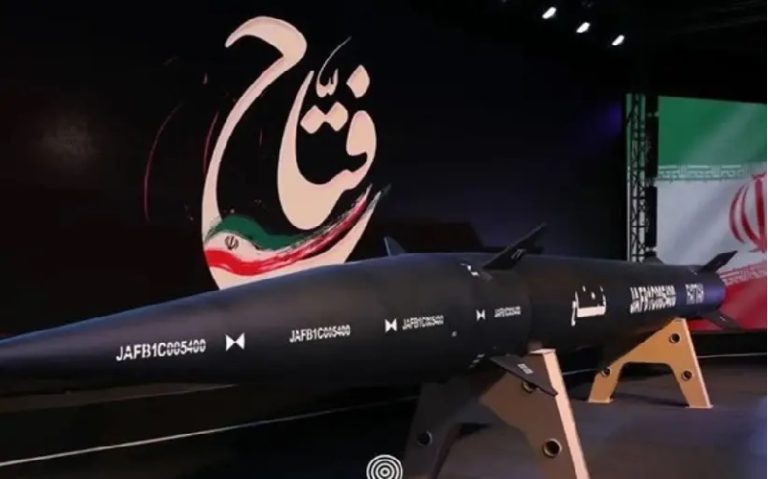
The Iranian regime’s Islamic Revolutionary Guard Corps (IRGC) on Tuesday unveiled a hypersonic missile. Hypersonic is a type of supersonic missile that can travel at Mach 15.
Without providing any evidence, state media in Iran and IRGC officials claim that this missile, named “Fattah,” can “penetrate all missile defense systems.”
The range of this missile is reported to be 1,400 kilometers with a solid-fuel spherical type engine.
The Fattah features a moveable secondary nozzle and uses solid propellants, allowing it to reach high speeds and “perform various maneuvers inside and outside the earth’s atmosphere,” according to the regime’s semi-official Fars News Agency, also described as the IRGC’s mouthpiece.
The governments of the United States and United Kingdom responded to the IRGC’s claim of unveiling a hypersonic missile on Tuesday, emphasizing the need to counter the regime’s destabilizing actions in the region.
” The Biden administration has been very clear, very concise, and very firm on pushing back on Iran’s destabilizing activities in the region to include the development of an improving ballistic missile program,” said John Kirby, the Coordinator for Strategic Communications at the National Security Council in the White House, in response to a question about the IRGC’s “hypersonic missile”.
“I’m not going to talk about the specific reports of this alleged hypersonic missile, but we have laid down very clear sanctions and other activities to push back on what Iran is doing in the region, again, to include their ballistic missile program,” Kirby added.
A Global Security Threat
The spokesperson of the UK Foreign, Commonwealth & Development Office issued a statement also regarding the Iranian government and its missile program as a threat to the world. “Iran has announced the development of a new ballistic missile, despite repeated calls from the UN Security Council to halt its programme. This, only weeks after Iran claimed to have successfully test-launched a ballistic missile of similar capability, further proves its continued disregard of international restrictions and the grave threat posed by the regime to global security,” the statement reads in part.
“Alongside partners, the UK remains committed to taking every diplomatic step to prevent Iran from developing nuclear weapons and to hold the regime to account for its malign activity around the world,” the FCCDO statement concluded.
The IRGC Air Force hosted the unveiling ceremony of the “Fattah” hypersonic missile with regime President Ebrahim Raisi also participating, state media reported. The name of this missile was chosen by regime Supreme Leader .Ali Khamenei himself, according to these reports.
Raisi delivered a speech at this event, emphasizing on the importance of this development for the mullahs. “This missile power means that the region will be safe from evildoers and foreign aggression. Therefore, its message to the people of the region is a message of security, and to those who are thinking of attacking Iran is that the Islamic Republic is a powerful country, and its power aims to support the people of Iran and the oppressed people of the world,” he said.
Amir Ali Hajizadeh, commander of the IRGC Aerospace Force, had previously claimed that the Fattah “can penetrate all missile defense systems, and I don’t think any technology able to counter it will be developed in the coming decades.”
On February 24 the Iranian regime had made the announcement of acquiring a long-range missile. Hajizadeh used the occasion to lash out a threat to Europe.
“We are capable of striking American warships up to 2,000 kilometers away, and this is also out of respect for the Europeans, whom we hope will maintain their own respect,” the IRGC Aerospace Force commander warned.
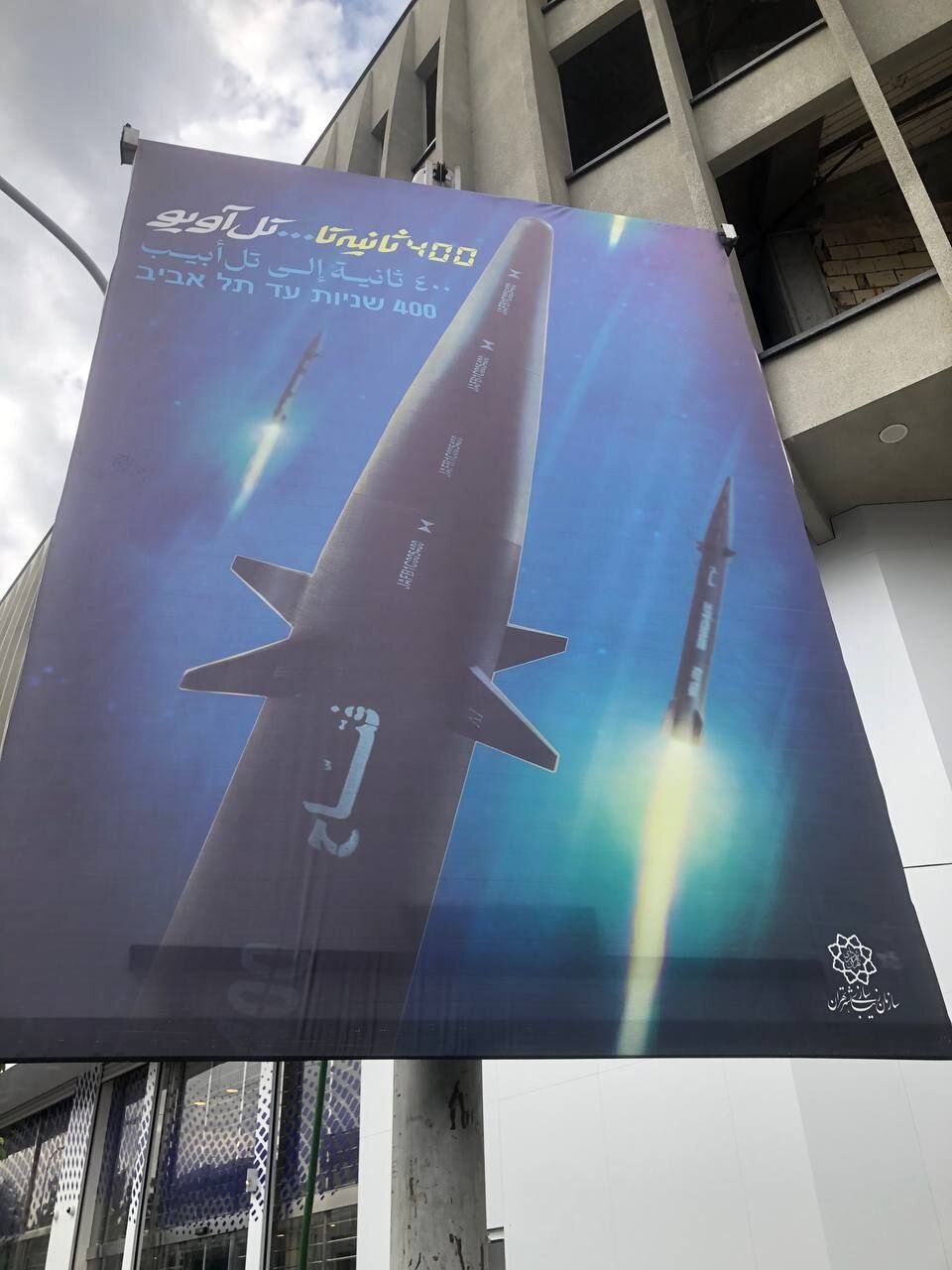
Banners of the Fattah missile have been recently installed across the Iranian capital of Tehran claiming that the new hypersonic missile could reach Israel in 400 seconds.
A banner Tehran claiming that the new hypersonic missile could reach Israel in 400 seconds.
Hajizadeh had also claimed the production of a “new hypersonic missile” at the time saying that, in his belief, the U.S. “no longer has any superiority over Iran.”
Amidst threats voiced by IRGC officials at such events, tensions between Tehran and the Washington over Iran’s nuclear program remain high, and the development of Iran’s missile program has become one of the important points of contention between the regime and the negotiating parties in reviving the 2015 nuclear deal, known as the JCPOA.
In recent days, the Iranian regime’s Defense Ministry had announced another ballistic missile named “Khaybar,” which belongs to the regime’s “Khorramshahr” ballistic missile family.
Iran has not acted as expected in terms of transparency regarding its nuclear program, said the head of the United Nations nuclear watchdog at a press conference on Monday. Rafael Grossi, Director-General of the International Atomic Energy Agency, reported to the IAEA Board of Governors that Iran’s enriched uranium reserves at a level of 60 percent have reached over one ton in capacity.
Grossi warned that cooperation with Tehran on better monitoring its nuclear program was “very slow,” saying “a lot more” needed to be done despite the fact that some cameras and other equipment had been reinstalled.
At the beginning of the IAEA Board of Governors session in Vienna, Grossi emphasized the continuation of ambiguities at Iranian nuclear sites and insufficient cooperation with the agency.
The IAEA Director-General stated that Tehran only cooperates with a certain request raised by of the agency’s nuclear inspectors. According to a March agreement between the Iaea and Tehran, the mullahs’ regime was supposed to show necessary cooperation with IAEA inspectors for transparency regarding the detection of uranium traces at three previously undisclosed locations.
A few days ago, state media in Iran claimed that access to its “Abadeh site” had been granted to IAEA inspectors, adding this claim was published based on the statements of an “informed source.” However, during the Board of Governors’ session, Grossi dismissed the clarification of ambiguity regarding the Abadeh site, stating that the assessment by the inspectors of this location remains unresolved.
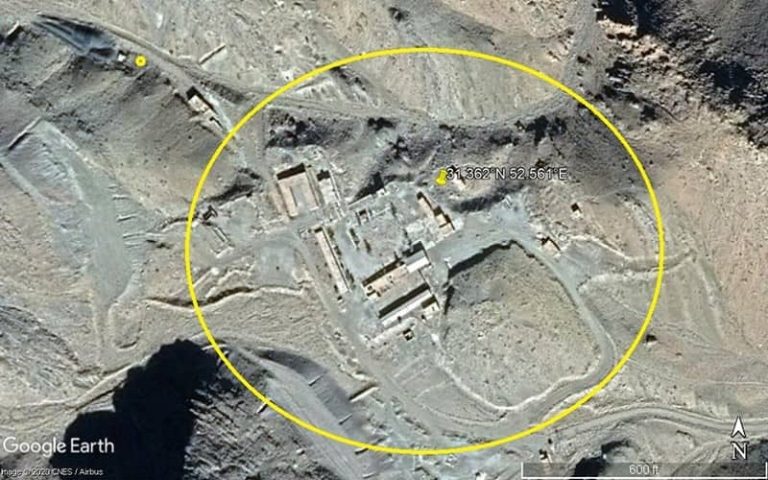
The Abadeh site is located in Fars province, south-central Iran, where a project called “Marivan” has been underway. The Iranian opposition coalition National Council of Resistance of Iran (NCRI) first revealed information about this site.
Intelligence about the site in the city of Abadeh in Fars Province had first leaked in July 2019, but was not made available to inspectors until August 2020. In the meantime, the Islamic Revolutionary Guard Corps (IRGC) reportedly razed the buildings at that site and initiated efforts to sanitize it.
Marivan site near the city of Abadeh
In a report to member states last week, Grossi said Iran had explained the depleted uranium traces found at one site.
Just prior to the Board of Governors’ meeting, excerpts from a confidential report by the agency were released by Reuters and French news agencies. The report stated that Iran’s estimated stockpile of enriched uranium stands at 4,744.5 kilograms, exceeding the permissible limit set in the 2015 nuclear deal by 23 times.
According to the report, Iran has offered a “possible explanation” regarding the detected depleted uranium particles at the ‘Marivan’ site. As a result, the IAEA currently has no further inquiries regarding this matter, and it is no longer unresolved at this stage.
Israeli Prime Minister Benjamin Netanyahu has described Iran’s explanation was “technically impossible”, adding, “The agency’s capitulation to Iranian pressure is a black stain on its record.”
Grossi suggested on Monday that Iran has been dragging its feet over the re-installation of monitoring equipment that was removed at Tehran’s behest a year ago.
“What needs to happen now is a sustained and uninterrupted process that leads to all the commitments contained in the Joint Statement being fulfilled without further delay,” Grossi said in a statement to the IAEA board.
The remarks of the IAEA Director-General come one day after Netanyahu’s warning and accusing the agency of “capitulation to Iranian pressure”.Grossi’s report to the IAEA Board of Governors has been selectively published in Iranian state media under the title of “Progress in Agreements.” These media outlets had previously reported that the issue of the discovery of 84 percent enriched uranium traces at the Fordow site in central Iran had been resolved based on technical explanations from Iranian authorities. However, Grossi emphasized in response to these claims that the issues are complex, and the IAEA has not yet reached a final conclusion.
Robert Malley, the US Special Representative for Iran, recently stated that the military option is still on the table in order to prevent Iran from acquiring nuclear weapons. However, he also added that Washington is still pursuing diplomatic solutions .
The Iranian regime has a long history of pursuing its drive to acquire nuclear weapons while constantly concealing and lying to the world about its nuclear activities.
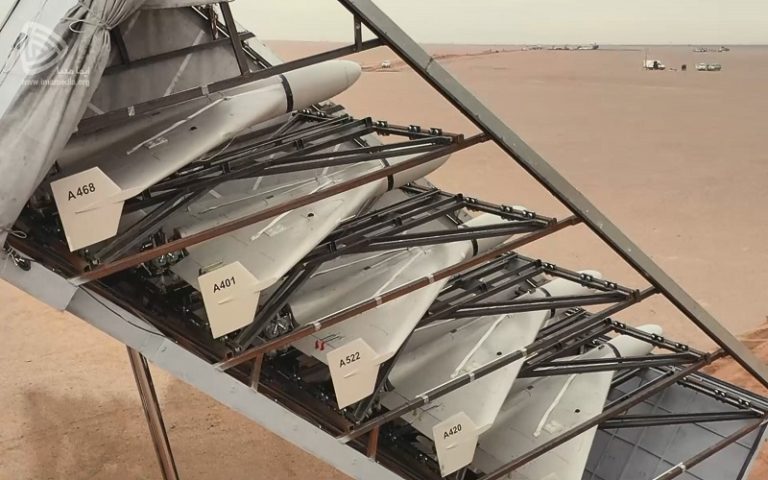
The Iranian regime has sold ammunition to Russia worth more than one million dollars in the ongoing conflict in Ukraine, according to a 16-page document obtained by Sky News. The document, reported to be 100 percent authentic by a security source , reveals Tehran’s sale of military ammunition to Moscow for the Ukraine war.
Sky News, citing a knowledgeable security source, obtained a 16-page document indicating that Tehran has sold ammunition valued at approximately one million dollars to Moscow for the Ukraine conflict.
While Sky News cannot independently verify the authenticity of the document, their informed sources have reportedly confirmed the news based on 100 percent reliable and credible documents.
The content of the document, dated September 14, 2022, includes the sale of various types of ammunition, such as artillery and tank rounds, and missiles to Russia.
Additionally, alongside the 16-page document, there is a five-page text of a $740,000 contract related to ammunition such as T-72 tank rounds, Howitzer artillery cannon rounds, and mortars.
Sky News reports that the Russian and Iranian embassies in the UK have not responded to the news outlet’s request for comment on this matter.
Vadym Prystaiko, Ukraine’s Ambassador to the UK, had previously raised concerns about such activities in an interview with Sky News.
اHe also added that his country will take action once they are certain about the complete accuracy of this report.
According to Sky News, based on the investigations conducted, these incidents appear to be samples of products prior to further shipments.
Just a few weeks ago, , the Coordinator for Strategic Communications at the National Security Council in the White House, announced an increase in military cooperation between Russia and Iran, stating that Moscow had purchased 400 suicide/kamikaze drones from Tehran to prolong the Ukraine war.
The UK Defense Ministry recently reported that Russia likely used at least 71 Iranian drones in the first quarter of this year during the war with Ukraine.
Less than two months ago, the G7 Foreign Ministers meeting in Japan issued a statement calling on Iran to cease military assistance to the Russian military in the war against Ukraine.
Tehran officials, while acknowledging the delivery of drones to Moscow, claimed that the Iranian drones were sent to Russia before February 2022, prior to Russia’s military invasion of Ukraine, and before the prohibition of arms transfers to Russia by the UN Security Council. They stated that these drones were not intended for use in the Ukrainian conflict.
However, a closer look at the mentioned date in the recent document reveals that this Iran-Russia arms sales contract was signed months after the start of Moscow’s military aggression against Ukraine.
The official website of the Iranian regime’s presidency was taken over by Iranian dissidents in a significant security breach on May 29. They placed images of the Iranian Resistance leadership and slogans calling for the regime’s overthrow on the front pages of dozens of websites affiliated ot the Iranian regime presidency network.
Reports are indicating that the Iranian presidency’s website and internal servers were targeted by a group of Iranian dissidents, self-described as “GhyamSarnegouni” (meaning “Rise to Overthrow” in Farsi).
One particular leaked document sheds light on an economic outlook for 2023, warning of difficult circumstances that the “regime must prepare for.”
One of these documents is a classified report sent by the “Country’s Economic Information and Advertising Headquarters” to different authorities, including the Office of the regime’s Supreme Leader Ali Khamenei. The report focuses on “fuel consumption management,” concluding that the “current circumstances are unsustainable,” and “Iran’s gasoline reserves will last only five days.” As a result, the report warns, 2023 will be a “difficult year” for which preparations must be made.
A second report, designated as “highly classified,” was sent by the “Deputy of Economic Information and Security and the Counter Corruption” of the Ministry of Intelligence to the Office of the Presidency, indicating that the equivalent of 3.625 billion euros has “sunk” in ten Iranian banks. These banks are accepting most of their foreign currency deposits in Chinese yuans, since they don’t have access to U.S. dollars or euros.
Iran’s gasoline reserves far lower than expected
The “Uprising until Overthrow” group recently released a classified document on the “decisions of the fourth session of the Country’s Economic Information and Advertising Headquarters” held on February 22.
Sephre Khalaji, the head of this headquarters, prepared and sent this report to senior officials, including Khamenei’s Office.
This session, focusing on the “reviewing the fuel consumption management plan,” was attended by representatives from the Ministry of Industry, State Radio and Television, the Ministry of Intelligence, the Ministry of Economic Affairs and Finance, the Judiciary, the Ministry of Oil, the Central Bank, the Ministry of Interior, and the Economic Security Police.
The most important part of this document pertains to two reports indicating a severe gasoline shortage in the country and a significant decline in Iran’s strategic reserves.
According to Khalaji, the country’s daily gasoline consumption has increased from 82 million liters before the Covid-19 pandemic to 104 million liters, resulting in a “severe reduction” in strategic gasoline reserves and a “reduced capacity to five days.”
“Current circumstances are unsustainable”
Highlighting the “unsustainability of the current situation,” the Deputy Minister of Oil stated that last year the country’s refineries were not even shut down for maintenance in order to operate at full capacity, and this year the situation will be “harsher.”
The representative of the “Economic Security Police,” of the regime’s State Secruity Force (SSF), attributed the significant increase in gasoline consumption to “excessive consumption by domestic vehicles,” adding that fuel smuggling does not play a significant role in the rise in gasoline consumption.
According to this official, imposing any restrictions on fuel cards for the people or gas station owners will not be effective. To resolve this matter, the country’s gasoline production capacity must increase, he adds.
The Deputy Minister of Industry also emphasized that the “current circumstances are unsustainable” and it is necessary for the government to plan for the next year by creating consensus in governance.
In April of this year, Reuters reported the import of 30,000 tons of Russian gasoline and diesel to Iran, and Ahmad Maroufkhani, the head of Iran’s Oil Exporters Union, announced that the country is importing each ton of Russian petroleum products $150 higher than global prices.
In another part of his report to the “National Economic Information and Advertising Headquarters,” the deputy Minister of Oil stated: “Due to the country’s gas shortage, the consumption of polluting liquid fuels in power plants has increased from seven billion liters in the year 1398 (from March 21, 2019, to March 21, 2020) to 16 billion liters in the year 1400 (from March 2021 to March 2022) and peaked at 20 billion liters last year (from March 2022 to March 2023).”
These statistics are significant considering the fact that in the past three years, the Ministry of Energy has no publishing any reports on the consumption levels of various types of fuel in Iran’s power plants. This particularly coincided with the peak of Mazut combustion in power plants.
The Ministry of Energy’s reports also claim that the efficiency of the country’s power plants stands at 39 percent, while the Deputy Minister says the figure as “30 percent and lower,” adding that this year the country’s energy imbalance is “a serious issue”.
The new power plants being launched in the country are mainly steam and gas-fired power plants with very low efficiency.
“A difficult year”
In a session of the “National Economic Information and Advertising Headquarters” a representative of the regime’s Ministry of Intelligence emphasized that 2023 will be a “difficult year” and that “we should be prepared for it from now on.”
He mentioned that important measures are currently being implemented in four areas, including plans for “smartening the subsidy system for flour and bread,” “electronic coupons,” “gasoline,” and “foreign exchange market management.”
In another segement of his remarks, the Intelligence Ministry representative also said, “When it comes to media coverage regarding various subjects, it is important to consider who presents the first narrative. Unfortunately, we are currently in a situation where in various subjects, the initial narrative is formed in opposition media. This is the result of weak information dissemination within the country.”
Three billion euros sunk in 10 Iranian banks
The severe sanctions imposed on the regime due to its terrorism and belligerence have cut Tehran off from the U.S. financial system have forced regime authorities to turn to countries such as China to sell oil at a significant discount and covertly receiving yuans or goods from China in return.
The “Deputy Office of Economic Security and Counter Corruption” of the Ministry of Intelligence sent a “highly classified” report to regime President Ebrahim Raisi on May 14 titled “Residual Funds with Trustee Bankers of Banking Operator Companies.”
On May 27 Raisi’s Office transferred this report to Mohammad Reza Farzin, the Governor of the Central Bank of Iran, to take “necessary action.”
A table attached to this two-page report of the Ministry of Intelligence shows an increasing trend in the accumulation of foreign currency sunk in ten banks. It indicates that the deposits have increased from the equivalent of 3.349 billion euros last December to the equivalent of 3.625 billion euros in April, an increase of 276 million euros.
In this context, “accumulation” refers to the stagnation of foreign currency in the bank accounts of certain companies, government institutions, and exporters, without being transferred to the market in timely fashion.
This is significant considering the fact that the Iranian foreign exchange market has experienced severe fluctuations in recent months, and even the U.S. dollar has reached an all-time high of around 600,000 rials per dollar.
One important issue mentioned in the report is that “the majority of the incoming currency to the banks is in the form of the ‘yuan’, which is in less demand compared to the dollar, euro, and dirham.”
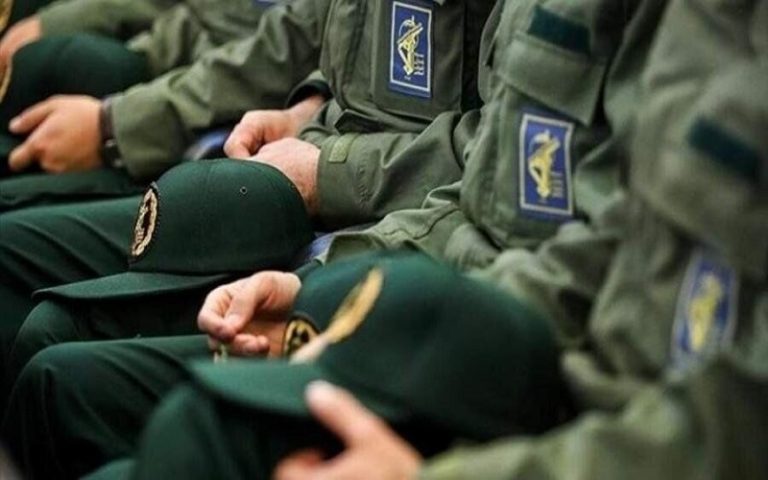
The US government has imposed sanctions targeting the Chief of the Intelligence Unit of Iran’s Islamic Revolutionary Guard Corps (IRGC) and other members and affiliates of the IRGC, as well as its foreign operational arms, in connection with transnational terrorism.
These individuals have been accused by Washington of participating in terrorist plots outside of Iran against former US government officials, Iranian American dual citizens, and Iranian dissidents.
The U.S. Treasury Department announced on June 1 through a statement that these sanctions target three individuals located in Iran and Turkey, a company affiliated with the IRGC’s Quds Force, and two senior officials of the IRGC’s Intelligence Organization.
These individuals have played a role in “lethal foreign operations” against non-combatants, including journalists, the U.S. Treasury Department statement adds.
One of the sanctioned individuals is Mohammad Reza Ansari, a longtime member of the Quds Force, is involved in supporting the operations of this force in Syria, according to the U.S. Shahram Poursafi, another Iranian citizen, is also among the sanctioned individuals and has been involved in planning and directing efforts to assassinate former US government officials.
Poursafi had previously been accused by the U.S. Justice Department of conspiring to carry out and funding an international assassination plot.
Furthermore, Hossein Hafez Amini, a dual Iranian and Turkish national based in Turkey, has also been sanctioned. He has used his connections in the Turkish aviation industry and his own airline company, the Turkey-based “Ray Airlines”, for the Quds Forces’ covert operations, including abduction and assassination plots against Iranian dissidents. This company has also come under U.S. sanctions.
The U.S. Treasury Department has also imposed sanctions on two individuals associated with the IRGC’s Intelligence Organization, who have acted as a domestic and an international unit to target journalists, activists, Iranian dual citizens, and those who oppose the regime’s human rights violations.
These two individuals are former IRGC-IO Counterespionage Department Chief Rouhallah Bazghandi, and the IRGC-IO Foreign Intelligence Chief Reza Seraj. Seraj previously served as the head of the Special Operations Unit of the IRGC’s Intelligence Organization and was responsible for a series of unsuccessful operations against Israeli citizens.
The IRGC-IO Foreign Intelligence Chief Reza Seraj
Additionally, Bazghandi has been involved in planning plots to assassinate journalists and Israeli citizens in Istanbul.
According to these sanctions, all potential assets of these individuals and the sanctioned company in the U.S. will be frozen, and any dealings with them may result in “secondary sanctions” and penalties for both U.S. and non-U.S. individuals and entities.
“The United States remains focused on disrupting plots by the IRGC and its Qods Force, both of which have engaged in numerous assassination attempts and other acts of violence and intimidation against those they deem enemies of the Iranian regime,” said Brian E. Nelson, Under Secretary of the Treasury for Terrorism and Financial Intelligence.
“We will continue to expose and disrupt these terrorist activities and efforts to silence opposing voices, particularly those who advocate for respect for the universal human rights and freedoms of the Iranian people,” Nelson added.
According to a recent report by Freedom House in Washington, the Iranian regime is one of the ten governments in the world that has the highest repression of dissidents abroad.
This regime has also abducted some of its dissidents abroad in recent years and sentenced them to death, and in some cases, these sentences have been carried out.
Furthermore, in recent years, Habib Farajollah Chaab and Jamshid Sharmahd, two dual citizens, were abducted outside of Iran and transferred back to the country. Mr. Chaab was executed some time ago, and the Iranian regime has also promised to carry out the death sentence for Sharmahd.
Moreover, following the killing of former IRGC Quds Force chief Qasem Soleimani by the U.S., IRGC commanders have long threatened to assassinate senior Trump administration officials .
The U.S. State Department designated the IRGC as a terrorist organization in 2019, and in recent months, a campaign has been gaining momentum in Europe, the United Kingdom, and Canada to also blacklist the IRGC.
Iran’s diverse climate, topography, and altitude give rise to a wide variety of fruits, ranging from tropical dates to those found in temperate and cold regions. In fact, Iran is one of the world’s top ten producers of 15 horticultural products. Despite producing four percent of the world’s agricultural products, Iran’s autocratic rule has led to the industry facing collapse. As a result, the Iranian people have one of the lowest rates of fruit consumption in the world.
According to the report of the state-run Mardom Salary newspaper on April 24, “Iran is a leading producer of several high-quality agricultural products. The country holds the first place in the world in producing pistachio, barberry, caviar, saffron, stone fruits, and various types of berries. Additionally, Iran ranks second in the world in apricot production and third in cherry, melon, apple, and fig production. These impressive rankings are a testament to the country’s rich agricultural heritage and the hard work of its farmers.”
According to the state-run Bazar website, as of July 25, 2023, Iran produces over 4.3 million tons of apples annually, with approximately one million tons of this fruit exported to other countries. These figures highlight the significant role that Iran plays in the global apple market and the country’s potential for further growth in the agricultural sector. And according to the state-run Taadol website on March 3, “Last year, apples were one of the most currency-earning agricultural products.”
The price of exported apples from Iran has been relatively stable in recent years. For example, the price of exported apples was 34 cents a kilo last year and 28 cents in 2021. The Iranian regime has been exporting apples at similar prices in the past years. These figures demonstrate that the Iranian apple industry has maintained competitive pricing in the global market despite periodic fluctuations.
On May 22, the wholesale price of good quality apples, which are even lower in quality than those exported, was 325,000 Rials or 64 cents in the Iranian fruit market. However, in fruit shops, the same apple can cost between 550,000 and 650,000 Rials, which is equivalent to between one and a half to two dollars. Even considering the lower price of 550,000 Rials as a base, Iranian citizens must pay three times the export price for apples. These figures highlight the significant disparity between the prices of apples in Iran and other countries, making it difficult for ordinary Iranians to access affordable and nutritious fruit.
But how much do officials buy the same apple from the farmer?
“Field investigations have revealed that the price of buying apples from farmers in Iran is 5,000 Rials per kilo, which becomes 30 times more expensive when it reaches the customer. In the fruit and vegetable markets, the price can reach at least 150,000 Rials per kilo. These findings demonstrate the significant markup that occurs as apples move through the distribution chain in Iran, resulting in higher prices for consumers,” the state-run media Khabar Online He wrote on October 12, 2021
The high prices of fruit in Iran can be attributed to brokers and middlemen who are affiliated with the government-linked mafia, and they control prices. These middlemen often take advantage of farmers and cause them to suffer significant losses, leading to the destruction of their livelihoods. In some cases, farmers are forced to throw away their crops due to inadequate pricing and being cut off from the supply chain, further exacerbating their plight. The involvement of these intermediaries highlights the need for greater transparency and fair market practices in the Iranian fruit industry.
In many countries, governments purchase products from farmers at guaranteed prices or create processing factories for fruits to prevent spoilage. However, the clerical regime focuses solely on obtaining dollars. The regime sells the products, in this case, apple, at the world market rate and exports them to generate the necessary foreign currency.
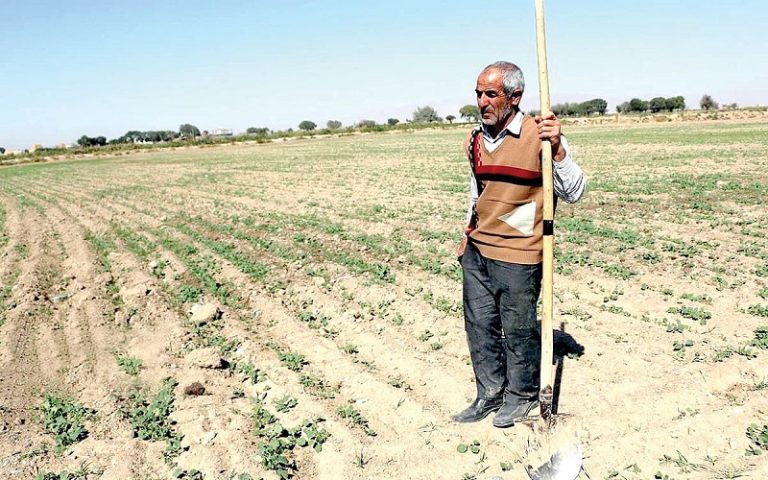
Unfortunately, Iranian farmers cannot buy agricultural inputs at exorbitant prices, leading to significant financial burdens. The Iranian government’s lack of support for farmers highlights the need for greater investment in the agricultural sector and the creation of policies prioritizing the well-being of farmers and the country’s food security.
Iran is a leading producer of several high-quality agricultural products
During the parliament’s public session, MP Javad Nikbin said: “The Minister of Agriculture either does not live in Iran, does not deal with farmers, or is not interested in agriculture. The cost of agriculture has increased significantly due to exorbitant prices for fertilizers, which account for 50 to 80 percent of the total expenses. In the past, these fertilizers were 300percent to 400 percent more expensive than their current prices. These high prices place a significant financial burden on Iranian farmers and hinder the growth and development of the agricultural sector. The government’s lack of attention to the needs of farmers highlights the need for greater investment and support in the industry.”
As reported by the state-run Khabar Fouri website on April 30, the Iranian regime earned $215.9 million from the export of apples last year. This income was generated from the sale of 750 thousand to one million tons of apples. These figures demonstrate the significant role that apple exports play in the Iranian economy and the potential for further growth in the agricultural sector.
Apple production is a water-intensive process, with each kilogram of ripe apples requiring approximately 700 liters of water. This means that producing 750 thousand tons of apples requires at least 500 million cubic meters of water. If freshwater is priced at one dollar per cubic meter, the value of the water alone is $500 million.
The Iranian regime virtually and secretly uses this water, equivalent to $500 million, to produce and export apples, generating an income of $215 million. Unfortunately, the farmers who grow these apples receive a minimal share of the profits, if any at all. The Iranian government’s lack of support for farmers highlights the need for greater transparency and fair market practices in the agricultural sector.
Over the course of a decade, 11 million people (about twice the population of Arizona) have been added to the population of the impoverished in Iran.
Iran has fallen behind countries with incomes lower than the global average, according to data presented by the Research Center of the Majlis (Parliament). This is despite the fact that even during the 1980s Iran-Iraq war Iran was among the countries with incomes above the global average.
The Majlis Research Center, in a report focusing on poverty and the status quo of the country’s poor population, from 2011 to 2021, described the lack of insured employment, illiteracy, lower educational attainment, having children, and living as a tenant as the main reasons for poverty in Iran.
The report states that in the mentioned years poverty in Iran “increased” and “deepened”, adding that ”the average national poverty (from March 2021 to March 2022) was 16,800,000 rials (around $31.37 per capita). This means the percentage of the population below the absolute poverty line (during the mentioned 12 months) was 30.04 percent.”
Rising expenses, falling calorie intake
Another significant issue mentioned in this report pertains to three events in the period of 2011 to 2021 concerning household food consumption in Iran. The Research Center reports that during these ten years the share of food expenses from the total household expenditure increased. Meanwhile, the overall food intake of Iranian households, as well as the quantity and quality of their food actually decreased. During the same period, housing expenses accounted for four percent of the total household expenditure.
Deeper poverty in rural areas
According to the data, the poverty rate in Iran’s rural areas has consistently been higher than in urban areas since 2014. The report states that from March 2021 –to March 2022, the poverty rate in rural areas was 35.6 percent, while in urban areas the rate was 28.8 percent. Additionally, during this period, the population of the poor increased by approximately 11 million compared to the same period betwee 2011 and 2012.
The Majlis Research Center also added that in addition to the increase in the number of poor people across Iran, the poverty gap, i.e., between the poor and the poverty line, has reached its highest level at around 27 percent in the period between March 2020 and March 2021.
“Having a job is not the solution to poverty”
The factors contributing to poverty at the household level were examined in another section of this report. “During the period between 2001 and around 2015, having a job made a significant difference between the poor and non-poor. However, over time, with the increase in poverty and the importance of specialized occupations, the percentage of households with employed breadwinners among the poor and non-poor became almost equal at around 60 percent,” the report reads.
Furthermore, the percentage of employed and unemployed individuals among the poor and non-poor is roughly equal, with 37 percent of non-poor households having formal employment, while this figure is about 16.5 percent for poor families.
The Research Center report indicates that approximately 11 million people have been added to the impoverished population of Iran between 2011 and 2021.
Based on this new report, state media in Iran were reporting on Wednesday that the poverty rate in Iran has been steadily increasing since 2006 and has reached over 30 percent from 2018 onward.
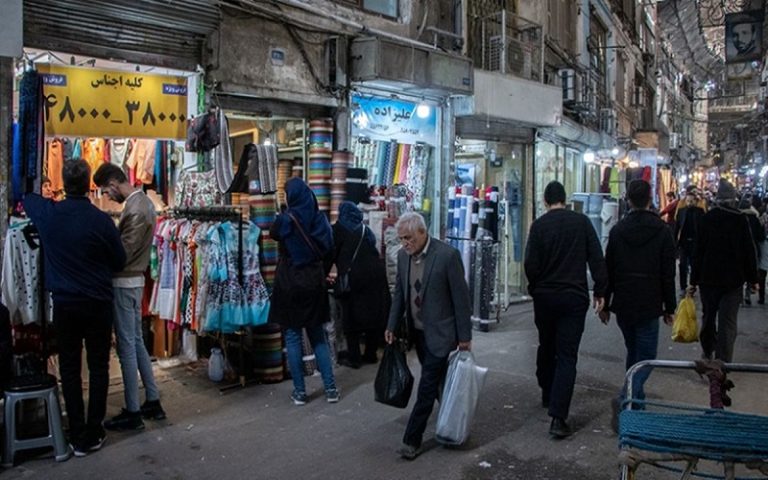
In the report, the Center mentions the skyrocketing price of housing in Iran, stating that renters are forced to cut back on their other expenses, particularly on food, in order to afford rental payments.
The report also states that Iran has fallen into the category of countries with lower income than the global average. Three years ago, the Center reported a significant decrease in the standard of living for people in the years between 2011 to 2021, noting that the average purchasing power of each Iranian had decreased by about one-third during that period.
The Research Center has announced in its recent report that despite the fact that two government bodies announced the year-on-year inflation rate as 46 percent and 51 percent, respectively, for the July-August 2022 period, the Center’s analysis shows that the on-the-ground inflation rate stood at 86 percent, which is at least 40 percent higher than the official inflation rate announced by the Statistical Center of Iran.
One of the dilemmas before ordinary Iranians is the shortage and skyrocketing price of medicines. All the while, the regime’s pharmaceutical companies are busy producing sports supplements to increase their profits.
It is predicted that the price of medicine will increase by 30 to 40 percent due to inflation. However the price of medicine on the ground has already ballooned far beyond that. Skyrocketing prices are not the only issue. Nowadays, some medicines are not even available in reputable pharmacies, even the Red Crescent. Patients being denied insurance coverage for medicines is another problem they are facing these days.
A young lady, who requested to remain anonymous, says that she has been searching for Zoliver (an anti-anxiety medication) in central pharmacies. However no pharmacy has this medication. A middle-aged man went to a pharmacy to get Alendronic (a medication for increasing bone density) and the pharmacy staff told him they don’t have the prescribed medication and offered an alternative.
Currently, the shortage of medicine in Iran includes both routine medications and over the counter (OTC) drugs. A woman describes how she has been searching the city’s pharmacies for a week to find a package of Omeprazole (an OTC drug for stomach issues). She has been suffering from stomach pain for a week.
According to an interview with the regime’s Khabaronline website, Mohammad Taheri, a pharmacist, says, “Even domestically produced medications, simple and routine ones, are hard to find in pharmacies. Instead, domestic manufacturers are producing sports supplements. Nowadays, sports supplements, colorful and powerful, occupy the shelves of pharmacies, while medications for common colds and routine ailments are difficult to find.”
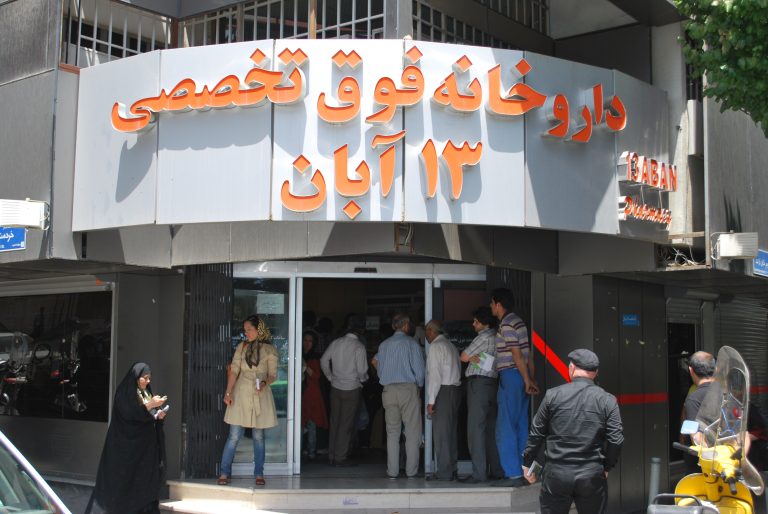
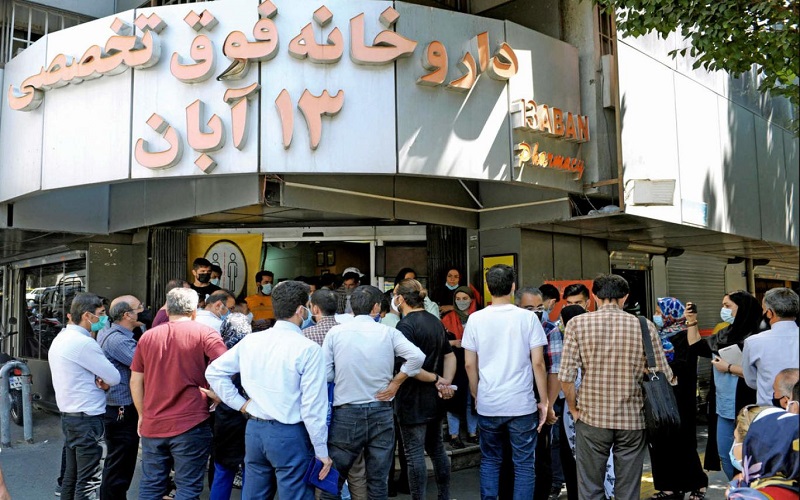
13 Aban Pharmacy
“The situation is even worse for people with specific diseases. It is challenging for patients to find medications like Melphalan, Thiotepa (chemotherapy medication) in reference pharmacies. For individuals with hemophilia, finding Factor 8 is impossible, and those with multiple sclerosis cannot find specific brands of Interferon Beta and Diphosel (MS medications) and are forced to use alternative brands. The problem is that a woman with MS tells us that she is sensitive to some brands and cannot use them,” Taheri continued.
According to Taheri, “The situation is even more critical for patients in need of organ transplants. Vital medications for this group have not been purchased for months to be imported into the country.”
Medicine is both expensive and not covered by insurance
Experts in the pharmaceutical field predict a 30 to 40 percent increase in the price of medicine this year. Although Taheri says, “It is possible that medicine will become even more expensive.” His prediction is that “the inflation rate for medicine may even rise to more than 50 percent.”
On-the-ground evidence confirms this claim. For example, an elderly man sitting in a Red Crescent pharmacy is baffled at his latest receipt. Until last week, his medication, Protral Opas (a prostate medication), was covered by insurance. He no longer has such coverageand now has to pay three times as much as last week. He says, “I need to use other medication, too, including for blood pressure, heart illness, and diabetes. Every week all these medications become more expensive. In this situation, does my pension increase every week?”
A middle-aged woman seeking to purchase heart medication , Elpidue, is facing similar issues as the price is increasing every week. She used to buy this medication for around 8,000,000 rials (approximately $15.50). Now she has to pay around 10,600,000 rials. Taheri says, “Raw materials are needed to produce domestic medication. In 80 percent of the cases, they are imported from abroad. All other costs, including production, distribution, etc., need to be added, making the production of medication economically unfeasible for the manufacturer and expensive.”
A mother talks about her son’s chemotherapy medication and mentions that Busulfan, (a medication used to control the side effects of chemotherapy for blood cancer), used to cost around 5,500,000 rials (approximately $10.70). However, it is now priced at around 1,800,000 rials (approximately $35). However, if this mother wants to purchase specific brands of this medication she will have to spend around 50,300,000 rials (approximately $103) or even 70,700,000 rials (approximately $150). The price of medications for individuals with multiple sclerosis (MS) is increasing every day. A few months ago a young girl who has MS used to buy Glatiramer acetate injections for approximately 10,800,000 rials (approximately $35). However, this medication now costs around 40,400,000 rials (approximately $85.60).
It is worth noting that the minimum monthly salary of wage earners in Iran is approximately 80 million rials, meaning a mere $155.