Iran’s diverse climate, topography, and altitude give rise to a wide variety of fruits, ranging from tropical dates to those found in temperate and cold regions. In fact, Iran is one of the world’s top ten producers of 15 horticultural products. Despite producing four percent of the world’s agricultural products, Iran’s autocratic rule has led to the industry facing collapse. As a result, the Iranian people have one of the lowest rates of fruit consumption in the world.
According to the report of the state-run Mardom Salary newspaper on April 24, “Iran is a leading producer of several high-quality agricultural products. The country holds the first place in the world in producing pistachio, barberry, caviar, saffron, stone fruits, and various types of berries. Additionally, Iran ranks second in the world in apricot production and third in cherry, melon, apple, and fig production. These impressive rankings are a testament to the country’s rich agricultural heritage and the hard work of its farmers.”
According to the state-run Bazar website, as of July 25, 2023, Iran produces over 4.3 million tons of apples annually, with approximately one million tons of this fruit exported to other countries. These figures highlight the significant role that Iran plays in the global apple market and the country’s potential for further growth in the agricultural sector. And according to the state-run Taadol website on March 3, “Last year, apples were one of the most currency-earning agricultural products.”
The price of exported apples from Iran has been relatively stable in recent years. For example, the price of exported apples was 34 cents a kilo last year and 28 cents in 2021. The Iranian regime has been exporting apples at similar prices in the past years. These figures demonstrate that the Iranian apple industry has maintained competitive pricing in the global market despite periodic fluctuations.
On May 22, the wholesale price of good quality apples, which are even lower in quality than those exported, was 325,000 Rials or 64 cents in the Iranian fruit market. However, in fruit shops, the same apple can cost between 550,000 and 650,000 Rials, which is equivalent to between one and a half to two dollars. Even considering the lower price of 550,000 Rials as a base, Iranian citizens must pay three times the export price for apples. These figures highlight the significant disparity between the prices of apples in Iran and other countries, making it difficult for ordinary Iranians to access affordable and nutritious fruit.
But how much do officials buy the same apple from the farmer?
“Field investigations have revealed that the price of buying apples from farmers in Iran is 5,000 Rials per kilo, which becomes 30 times more expensive when it reaches the customer. In the fruit and vegetable markets, the price can reach at least 150,000 Rials per kilo. These findings demonstrate the significant markup that occurs as apples move through the distribution chain in Iran, resulting in higher prices for consumers,” the state-run media Khabar Online He wrote on October 12, 2021
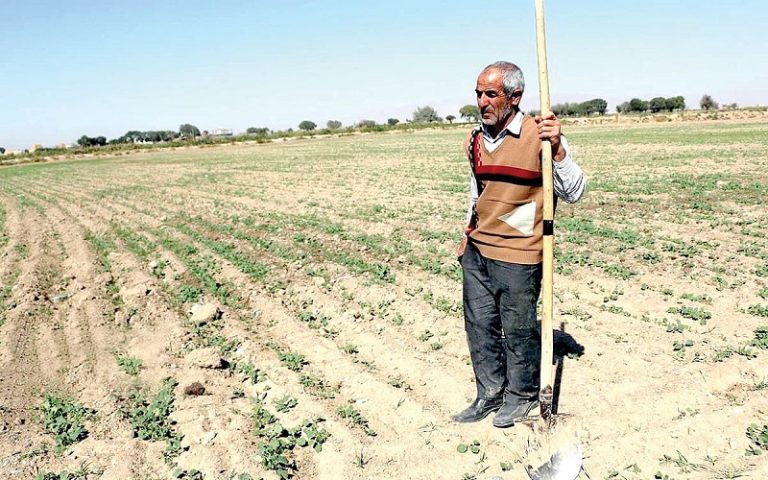
The high prices of fruit in Iran can be attributed to brokers and middlemen who are affiliated with the government-linked mafia, and they control prices. These middlemen often take advantage of farmers and cause them to suffer significant losses, leading to the destruction of their livelihoods. In some cases, farmers are forced to throw away their crops due to inadequate pricing and being cut off from the supply chain, further exacerbating their plight. The involvement of these intermediaries highlights the need for greater transparency and fair market practices in the Iranian fruit industry.
In many countries, governments purchase products from farmers at guaranteed prices or create processing factories for fruits to prevent spoilage. However, the clerical regime focuses solely on obtaining dollars. The regime sells the products, in this case, apple, at the world market rate and exports them to generate the necessary foreign currency.
Unfortunately, Iranian farmers cannot buy agricultural inputs at exorbitant prices, leading to significant financial burdens. The Iranian government’s lack of support for farmers highlights the need for greater investment in the agricultural sector and the creation of policies prioritizing the well-being of farmers and the country’s food security.
Iran is a leading producer of several high-quality agricultural products
During the parliament’s public session, MP Javad Nikbin said: “The Minister of Agriculture either does not live in Iran, does not deal with farmers, or is not interested in agriculture. The cost of agriculture has increased significantly due to exorbitant prices for fertilizers, which account for 50 to 80 percent of the total expenses. In the past, these fertilizers were 300percent to 400 percent more expensive than their current prices. These high prices place a significant financial burden on Iranian farmers and hinder the growth and development of the agricultural sector. The government’s lack of attention to the needs of farmers highlights the need for greater investment and support in the industry.”
As reported by the state-run Khabar Fouri website on April 30, the Iranian regime earned $215.9 million from the export of apples last year. This income was generated from the sale of 750 thousand to one million tons of apples. These figures demonstrate the significant role that apple exports play in the Iranian economy and the potential for further growth in the agricultural sector.
Apple production is a water-intensive process, with each kilogram of ripe apples requiring approximately 700 liters of water. This means that producing 750 thousand tons of apples requires at least 500 million cubic meters of water. If freshwater is priced at one dollar per cubic meter, the value of the water alone is $500 million.
The Iranian regime virtually and secretly uses this water, equivalent to $500 million, to produce and export apples, generating an income of $215 million. Unfortunately, the farmers who grow these apples receive a minimal share of the profits, if any at all. The Iranian government’s lack of support for farmers highlights the need for greater transparency and fair market practices in the agricultural sector.
Over the course of a decade, 11 million people (about twice the population of Arizona) have been added to the population of the impoverished in Iran.
Iran has fallen behind countries with incomes lower than the global average, according to data presented by the Research Center of the Majlis (Parliament). This is despite the fact that even during the 1980s Iran-Iraq war Iran was among the countries with incomes above the global average.
The Majlis Research Center, in a report focusing on poverty and the status quo of the country’s poor population, from 2011 to 2021, described the lack of insured employment, illiteracy, lower educational attainment, having children, and living as a tenant as the main reasons for poverty in Iran.
The report states that in the mentioned years poverty in Iran “increased” and “deepened”, adding that ”the average national poverty (from March 2021 to March 2022) was 16,800,000 rials (around $31.37 per capita). This means the percentage of the population below the absolute poverty line (during the mentioned 12 months) was 30.04 percent.”
Rising expenses, falling calorie intake
Another significant issue mentioned in this report pertains to three events in the period of 2011 to 2021 concerning household food consumption in Iran. The Research Center reports that during these ten years the share of food expenses from the total household expenditure increased. Meanwhile, the overall food intake of Iranian households, as well as the quantity and quality of their food actually decreased. During the same period, housing expenses accounted for four percent of the total household expenditure.
Deeper poverty in rural areas
According to the data, the poverty rate in Iran’s rural areas has consistently been higher than in urban areas since 2014. The report states that from March 2021 –to March 2022, the poverty rate in rural areas was 35.6 percent, while in urban areas the rate was 28.8 percent. Additionally, during this period, the population of the poor increased by approximately 11 million compared to the same period betwee 2011 and 2012.
The Majlis Research Center also added that in addition to the increase in the number of poor people across Iran, the poverty gap, i.e., between the poor and the poverty line, has reached its highest level at around 27 percent in the period between March 2020 and March 2021.
“Having a job is not the solution to poverty”
The factors contributing to poverty at the household level were examined in another section of this report. “During the period between 2001 and around 2015, having a job made a significant difference between the poor and non-poor. However, over time, with the increase in poverty and the importance of specialized occupations, the percentage of households with employed breadwinners among the poor and non-poor became almost equal at around 60 percent,” the report reads.
Furthermore, the percentage of employed and unemployed individuals among the poor and non-poor is roughly equal, with 37 percent of non-poor households having formal employment, while this figure is about 16.5 percent for poor families.
The Research Center report indicates that approximately 11 million people have been added to the impoverished population of Iran between 2011 and 2021.
Based on this new report, state media in Iran were reporting on Wednesday that the poverty rate in Iran has been steadily increasing since 2006 and has reached over 30 percent from 2018 onward.
In the report, the Center mentions the skyrocketing price of housing in Iran, stating that renters are forced to cut back on their other expenses, particularly on food, in order to afford rental payments.
The report also states that Iran has fallen into the category of countries with lower income than the global average. Three years ago, the Center reported a significant decrease in the standard of living for people in the years between 2011 to 2021, noting that the average purchasing power of each Iranian had decreased by about one-third during that period.
The Research Center has announced in its recent report that despite the fact that two government bodies announced the year-on-year inflation rate as 46 percent and 51 percent, respectively, for the July-August 2022 period, the Center’s analysis shows that the on-the-ground inflation rate stood at 86 percent, which is at least 40 percent higher than the official inflation rate announced by the Statistical Center of Iran.
One of the dilemmas before ordinary Iranians is the shortage and skyrocketing price of medicines. All the while, the regime’s pharmaceutical companies are busy producing sports supplements to increase their profits.
It is predicted that the price of medicine will increase by 30 to 40 percent due to inflation. However the price of medicine on the ground has already ballooned far beyond that. Skyrocketing prices are not the only issue. Nowadays, some medicines are not even available in reputable pharmacies, even the Red Crescent. Patients being denied insurance coverage for medicines is another problem they are facing these days.
A young lady, who requested to remain anonymous, says that she has been searching for Zoliver (an anti-anxiety medication) in central pharmacies. However no pharmacy has this medication. A middle-aged man went to a pharmacy to get Alendronic (a medication for increasing bone density) and the pharmacy staff told him they don’t have the prescribed medication and offered an alternative.
Currently, the shortage of medicine in Iran includes both routine medications and over the counter (OTC) drugs. A woman describes how she has been searching the city’s pharmacies for a week to find a package of Omeprazole (an OTC drug for stomach issues). She has been suffering from stomach pain for a week.
According to an interview with the regime’s Khabaronline website, Mohammad Taheri, a pharmacist, says, “Even domestically produced medications, simple and routine ones, are hard to find in pharmacies. Instead, domestic manufacturers are producing sports supplements. Nowadays, sports supplements, colorful and powerful, occupy the shelves of pharmacies, while medications for common colds and routine ailments are difficult to find.”
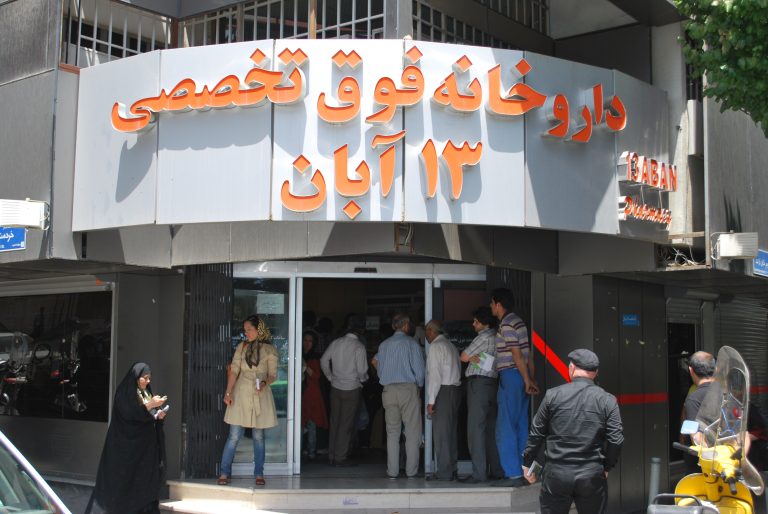
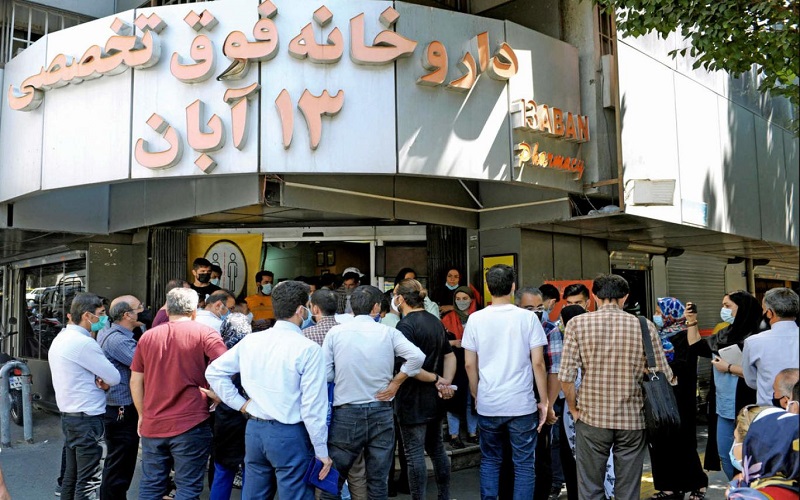
13 Aban Pharmacy
“The situation is even worse for people with specific diseases. It is challenging for patients to find medications like Melphalan, Thiotepa (chemotherapy medication) in reference pharmacies. For individuals with hemophilia, finding Factor 8 is impossible, and those with multiple sclerosis cannot find specific brands of Interferon Beta and Diphosel (MS medications) and are forced to use alternative brands. The problem is that a woman with MS tells us that she is sensitive to some brands and cannot use them,” Taheri continued.
According to Taheri, “The situation is even more critical for patients in need of organ transplants. Vital medications for this group have not been purchased for months to be imported into the country.”
Medicine is both expensive and not covered by insurance
Experts in the pharmaceutical field predict a 30 to 40 percent increase in the price of medicine this year. Although Taheri says, “It is possible that medicine will become even more expensive.” His prediction is that “the inflation rate for medicine may even rise to more than 50 percent.”
On-the-ground evidence confirms this claim. For example, an elderly man sitting in a Red Crescent pharmacy is baffled at his latest receipt. Until last week, his medication, Protral Opas (a prostate medication), was covered by insurance. He no longer has such coverageand now has to pay three times as much as last week. He says, “I need to use other medication, too, including for blood pressure, heart illness, and diabetes. Every week all these medications become more expensive. In this situation, does my pension increase every week?”
A middle-aged woman seeking to purchase heart medication , Elpidue, is facing similar issues as the price is increasing every week. She used to buy this medication for around 8,000,000 rials (approximately $15.50). Now she has to pay around 10,600,000 rials. Taheri says, “Raw materials are needed to produce domestic medication. In 80 percent of the cases, they are imported from abroad. All other costs, including production, distribution, etc., need to be added, making the production of medication economically unfeasible for the manufacturer and expensive.”
A mother talks about her son’s chemotherapy medication and mentions that Busulfan, (a medication used to control the side effects of chemotherapy for blood cancer), used to cost around 5,500,000 rials (approximately $10.70). However, it is now priced at around 1,800,000 rials (approximately $35). However, if this mother wants to purchase specific brands of this medication she will have to spend around 50,300,000 rials (approximately $103) or even 70,700,000 rials (approximately $150). The price of medications for individuals with multiple sclerosis (MS) is increasing every day. A few months ago a young girl who has MS used to buy Glatiramer acetate injections for approximately 10,800,000 rials (approximately $35). However, this medication now costs around 40,400,000 rials (approximately $85.60).
It is worth noting that the minimum monthly salary of wage earners in Iran is approximately 80 million rials, meaning a mere $155.
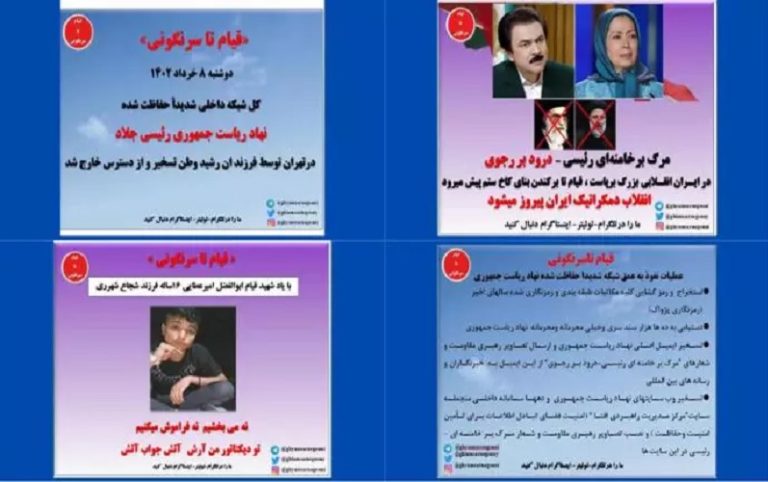
In a significant security breach, the official website of the Iranian regime’s presidency was taken over by Iranian dissidents and replaced with images of the Iranian Resistance leadership and slogans calling for the regime’s overthrow. The breach has exposed the vulnerabilities within the Iranian regime’s cybersecurity infrastructure, highlighting the growing challenges faced by the regime in maintaining control over its digital assets.
Reports emerged on May 29 revealing that the Iranian presidency’s website and internal servers had been targeted by a group of Iranian dissidents, self-described as “GhyamSarnegouni” (meaning “Rise to Overthrow” in Farsi).
The dissidents have taken down these heavily protected websites, replacing images of Iranian regime Supreme Leader Ali Khamenei and President Ebrahim Raisi with those of Massoud Rajavi, the Leader Iranian Resistance, and Maryam Rajavi, the President-elect of the Iranian opposition coalition National Council of Resistance of Iran (NCRI). Other websites showed images of Khamenei and Raisi crossed out.
The breach of the Iranian presidency’s website and servers shows a significant blow to the regime’s network security infrastructure and its ability to safeguard its official online platforms. It exposes the vulnerabilities within the government’s digital systems, raising questions about the regime’s capacity to counter network threats.
The incident also serves as a reminder of the growing influence of dissident groups, such as the People’s Mojahedin Organization of Iran (PMOI/MEK), and their efforts to challenge the Iranian government’s authority. By successfully disrupting a high-security server belonging to the presidency, the “GhyamSarnegouni” dissidents have demonstrated their ability to carry out sophisticated operations, undermining the regime’s control over its networks.
The takeover of the Iranian presidency’s website and servers not only poses a direct challenge to the regime’s authority but also highlights the potential for further such attacks targeting critical government institutions.
Previously the “GhyamSarnegouni” collective seized control of 210 websites, software applications, servers, data banks, and other aspects of the regime’s Ministry of Foreign Affairs (MFA) on Sunday, May 7.
The latest incident is expected to intensify the regime’s efforts to enhance its network security infrastructure and defend against future attacks. It may prompt the Iranian government to reevaluate its digital security strategies, including strengthening defenses, improving threat intelligence capabilities, and
The taking over of the Iranian presidency’s website and servers has attracted attention globally, with numerous media outlets reporting on the incident. International observers have highlighted the audacity of the attack.
The breach also has implications for regional dynamics, as it comes at a time of heightened tensions in the Middle East. It adds another layer of complexity to the already strained relationship between Tehran and various regional and international actors, potentially fueling further mistrust and animosity.
The incident underscores the growing challenges faced by the Iranian government in maintaining control over its digital assets and protecting sensitive information.
The “GhyamSarnegouni” dissident group has provided extensive details about today’s disruption and defacing of Iranian presidency-linked websites. These include access to top secret documents and defacing, such as:
Images of Iranian Resistance leadership and anti-regime slogans were sent to reporters and media outlets from the main email account of the regime’s presidency
The group gained control over 120 servers of the presidency’s internal network, central databases
The group obtained control over the government’s server management network and server controllers
The group obtained control over the presidency’s network of technical administrators
The group obtained control over the “Users Internal Network” and access to more than 1,300 computers of the presidency’s internal network
The group obtained security footage of the presidency’s communication network hardware
The group obtained access to systems of the classified internal communications associated to the presidency and the government
The group extracted and decrypted classified and encrypted messages related to recent years
The group obtained access to tens of thousands of classified, top secret, and secret documents associated to the presidency, including the appointment of Ali Akbar Ahmadian as the new Secretary of the regime’s Supreme National Security Council
The group obtained access to the presidency’s websites and dozens of internal applications
The group obtained access to other classified documents, such as the building design of Raisi’s office and sleeping quarters, the fiber-optic cable network linking the presidency and Khamenei’s headquarters, the government cabinet, the judiciary, Interior Ministry, Intelligence Ministry, Foreign Ministry, the IRGC paramilitary Basij Force, the Majlis (parliament), state TV and radio apparatus, Tehran’s airports, and other entities of the mullahs’ regime
The group obtained 19 pages of the technical infrastructure of the presidency’s computer network, the fiber-optic network map, and the buildings’ patch panel; 21 pages of the presidency’s technical network, including IP addresses, 104 pages of telephone numbers, internal phone systems, and the direct lines connecting all rooms of the presidency building
The group obtained classified documents of Raisi’s planned trips abroad for 2023 to Iraq, Syria, Pakistan, Indonesia, Kyrgyzstan, Oman, Uganda, Zimbabwe, Kenya, Venezuela, Cuba, Nicaragua, Uzbekistan, South African, India, the Shanghai summit, the Caspian Sea summit, Tajikistan, Kazakhstan, UN General Assembly in New York, Uzbekistan, and Gambia
The group obtained the names of the 25-member security team of Iranian regime First Vice President Mohammad Mokhber
Top secret letters from the IRGC command in Tehran involving at least five meetings of the Joint Security-Intel Committee presiding over the crackdown of the country’s universities.
Abolfazl Amir Ataei, a 16-year-old teenager in the Iranian capital of Tehran, died on Friday, May 26, after being in a coma for eight months. He was shot and severely wounded on September 21, 2022, during Iran’s nationwide protests as Revolutionary Guards (IRGC) units in Shahr-e Ray (south of Tehran) opened fire on demonstrators.
Abolfazl was directly hit at close range by a tear gas canister fired by security forces, hitting the left side of his head. As a result of the inflicted wounds, Abolfazl completely lost his mobility and speech, and was kept hospitalized during this period.
After undergoing several surgers Abolfazl regained consciousness following an eight-month long coma. Unfortuntaely, he died due to the severity of his wounds on May 26.
Maryam, Abolfazl’s mother, confirmed the passing of her son.
According to reports from locals and activists, on the night of September 21, 2022 in Namaz Square of Shahr-e Ray, members of the regime’s special forces surrounded protesters in the streetsand opened fire using with tear gas from a very close distance while the protesters were trapped among the security forces. It was reported that they directly a shot tear gas canister at the head of Abolfazl. As a result half of his skull was gone, leading to his death eight months later.
According to a report by the regime’s Rouydad24 News Agency: “After being in a coma for several months, Abolfazl regained consciousness but eventually lost his life. Some sources had reported that this teenager’s skull was damaged due to a bullet shot. It has been said on social media networks that a tear gas canister had directly hit Amir Ataei’s skull.”
It is worth noting that the Iranian opposition coalition National Council of Resistance of Iran (NCRI) had in a statement mentioned the death of a wounded individual in the city of Sanandaj, the provincial capital of Kurdistan in western Iran, during the uprising, as well as the deaths of four imprisoned individuals under torture in the cities of Urmia, Gachsaran, Karaj, and Isfahan.
On Thursday, March 15, Shirzad Ahmadi, a 31-year-old resident of Bukan in northwest Iran, was abducted by the regime’s security forces on February 15 and died under torture in the IRGC Intelligence Detention Center in Urmia. The regime refrained from handing over his body to his family.
Mohammad Aryan Khoshgavar, an 18-year-old young man who was injured and fell into a coma after being stabbed by regime motorcyclists during the 40th day memorial ceremony for uprising martyrs in the Haji Abaab neighborhood of Sanandaj on November 17, 2022, passed away on March 14, after four months.
Mohsen Shojaei Borjouei, arrested on November 3, 2022, during the 40th day memorial ceremony for Mahsa Mogouei in Fooladshahr of Isfahan Province, fell into coma due to brutal torture, passed away on March 9 in the city’s Khorshid Hospital. The funeral ceremony of Mohsen Shojai was held on March 10, in Fooladshahrwith a large number of people attending.
One of the detainees of the uprising by the name of Amir Hemat Azad was arrested during the protests and fell into a coma due to baton blows to his head. He passed away three months later on March 9 in Rajaei Hospital of Karaj. Security forces have threatened his family to attribute his cause of death to a heart attack or cerebral hemorrhage.
Sadegh Fouladi Vanda, a resident of Gachsaran in southwest Iran, was abducted by IRGC intelligence agents on February 3. He was found in a water channel on February 21 with his hands and feet tied, and je was severely injured. Sadegh Fouladi Vanda was an athlete and a child labor activist.
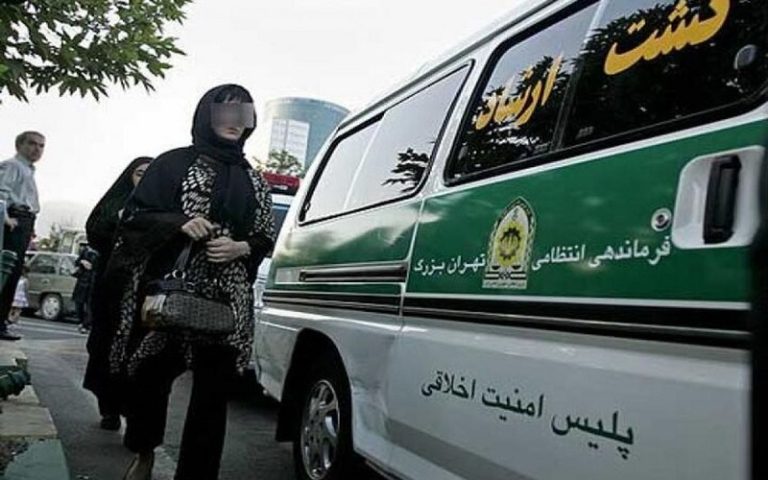
On May 21, Ebrahim Raisi’s government approved and sent a bill on “Chastity and Hijab” to Iran’s Parliament (Majlis). The bill has sparked controversy among various factions of the ruling system in recent days since the penalties it imposes are mainly based on fines.
The bill refers to the violation of mandatory hijab as “nudity” and states that “partial nudity” will be subject to a maximum fine of 20 million rials (roughly $100) and “complete nudity” will be subjected to a maximum fine of 240 million rials (approximately $1,200) and deprivation of sixth-degree social rights. Additionally, a section of the bill states that if a driver or passengers fail to observe mandatory hijab three times, their vehicle will be seized, and they will be fined 10 million rials for each night.
Under the new bill, owners, and managers of public places such as stores, restaurants, cinemas, and sports and entertainment venues, who allow the “improperly veiled” customers, will not only be fined but will also be subjected to sealing and deprivation of tax exemptions and government tariffs.
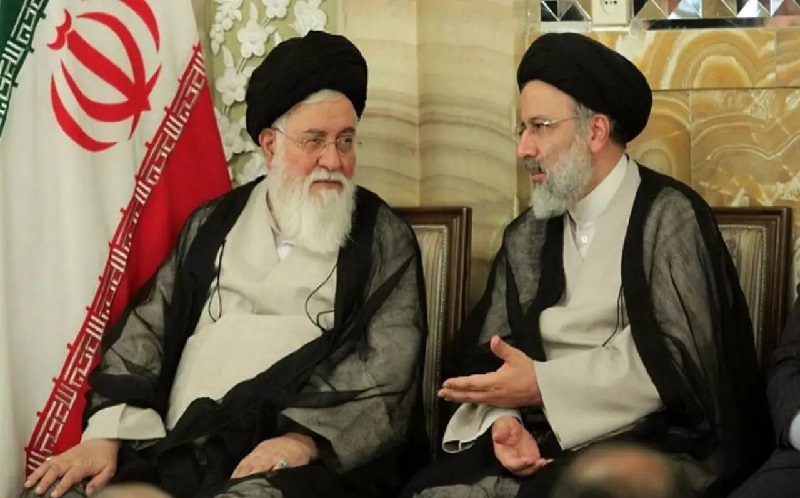
Ahmad Alamolhoda and Ebrahim Raisi
Mohammad Mehdi Hosseini Hamedani, the Friday Prayer leader of Karaj and representative of Iran’s supreme leader Ali Khamenei in Alborz province, warned officials about the consequences of the new hijab bill and said that the bill could not prevent the collapse of the Berlin Wall. Meanwhile, Ahmad Alamolhoda, Khamenei’s representative in Mashhad, referred to the bill as the “Protection of Hijab Bill” and urged the Majlis not to approve it, which was supported by Hosseini Hamedani.
Hosseini Hamedani also criticized the growing trend of women defying their mandatory hijab, which he referred to as “the growth of deviance,” and emphasized that the judiciary should have submitted the bill to the government earlier. He also stated that the bill has some weaknesses in its initial stages, but if implemented, it will have a restraining effect.
Hosseini Hamedani stated that the bill’s spirit is not to fight against deep-rooted enemies of the clerical regime and that it is unclear whether some of its provisions repeal previous laws or whether the penalties it imposes can prevent the violation of what he called “public chastity.” The representative of Khamenei in Alborz province also recommended that the government, the judiciary, and the Majlis strengthen their ” awareness of the enemy.”
On May 21st, during his Friday prayer sermon in Mashhad, Ahmad Alamolhoda referred to a bill proposed by the judiciary and sent to the government for approval as the “Chastity and Hijab Bill.” He warned against the consequences of removing the mandatory hijab and stated that the bill should focus on protecting the hijab rather than fighting against it. He also suggested that the penalties imposed by the bill may not be sufficient to prevent violations of public chastity.
Meanwhile, the representative of Khamenei in Khorasan Razavi province requested that they not approve the hijab bill and criticized the fact that it reduces the violation of mandatory hijab from a crime to a misdemeanor. He also emphasized the importance of strengthening the government’s awareness of its enemies.
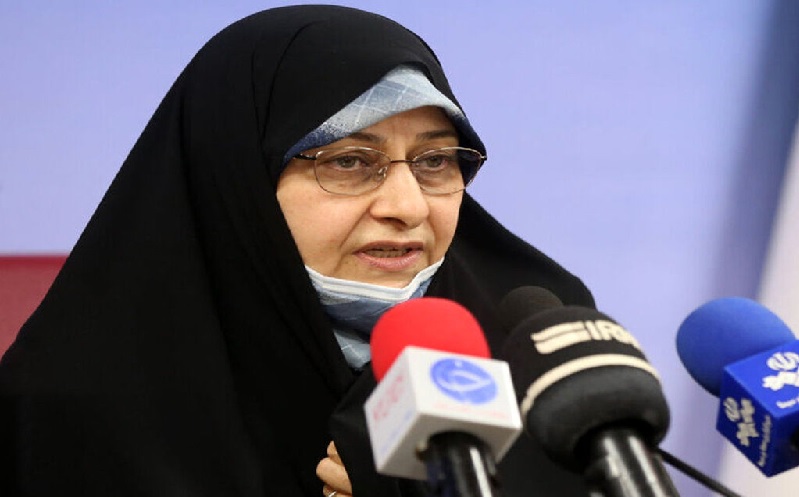
Ensiyeh Khazali, Raisi’s vice president for women and family affairs, stated that the government’s approach to combating the phenomenon of non-compliance with mandatory hijab is “cultural and social” and is not limited to the duties of the Women and Family Affairs Department. She also mentioned the budgetary limitations faced by her department and stressed that the government should focus on providing support for Islamic and standard dress to promote chastity.
Ensiyeh Khazali, Raisi’s vice president for women and family affairs
This bill is among a wide range of measures the regime has taken to crack down on women, who have played a leading role in nationwide protests in recent years. However, despite these efforts by the regime, women continue to come to the streets every day to express their hatred for the regime and their desire for regime change.
The recent prisoner exchange between Belgium and Iran, announced by the government of Oman, has sparked strong condemnation from the Iranian opposition coalition, the National Council of Resistance of Iran (NCRI). The release of Assadollah Assadi, a convicted terrorist diplomat from Tehran, has drawn widespread criticism for its disregard of legal procedures and the victims involved. This act is seen as a surrender to terrorism and hostage-taking, which only serves to embolden Iran’s religious dictatorship in perpetrating further crimes both domestically and internationally, through repression and support for terrorism.
Assadi, who had been convicted for orchestrating and commanding a terrorist attack during an NCRI rally near Paris in 2018—a crime that was described as the largest in Europe since World War II—was released without notifying the victims, in clear violation of a court order. The NCRI vehemently condemns Assadi’s release and calls for justice to be served. Furthermore, the recent surge in executions in Iran, with 127 people executed from May 1 to May 25, underscores the regime’s ongoing human rights violations. In light of these developments, the Iranian Resistance vows to pursue justice both within Belgium and on the international stage.
Recently emerged details of the Iran-Belgium prisoner swap deal shed light on undisclosed information. Leaked documents from Iran’s Foreign Ministry reveal Tehran’s direct involvement in the negotiations, with Assadi’s release being a top priority for the regime. Allegedly, the Iranian regime even went as far as to threaten Belgium with severe consequences if Assadi was not set free. This deal raises concerns about the willingness of Western countries to engage in negotiations with regimes that actively support terrorism. Iran has long faced accusations of sponsoring terrorist organizations and conducting terrorist attacks worldwide.
Human rights activists and organizations express deep concern about the potential impact of this prisoner swap deal on the dire human rights situation in Iran. The Iranian regime has a well-documented history of suppressing dissent and violating human rights, including fair trial rights and freedom of expression. Moreover, there is a legitimate fear that the release of Assadi could encourage other nations to use hostages as bargaining chips in negotiations with Iran, which would further undermine international efforts to combat terrorism.
In this critical juncture, it is imperative for Western countries to remain vigilant and hold the Iranian regime accountable for its support of terrorism and human rights violations. It is imperative for the West to bring Iran’s agents of terror and their collaborators before the International Criminal Court to face justice.
The release of Assadi and the continuous human rights abuses by the Iranian regime should not be overlooked or overshadowed in pursuit of improved relations or economic gains. Western countries must unequivocally demonstrate their intolerance towards support for terrorism and human rights abuses, ensuring that those responsible are held accountable for their actions.
The Iranian Resistance will persist in seeking justice within Belgium and on the global stage, and it is the responsibility of Western nations to support these endeavors and hold the Iranian regime accountable for its actions. Only through a firm stance against terrorism and human rights violations can we strive for a more just and secure world.
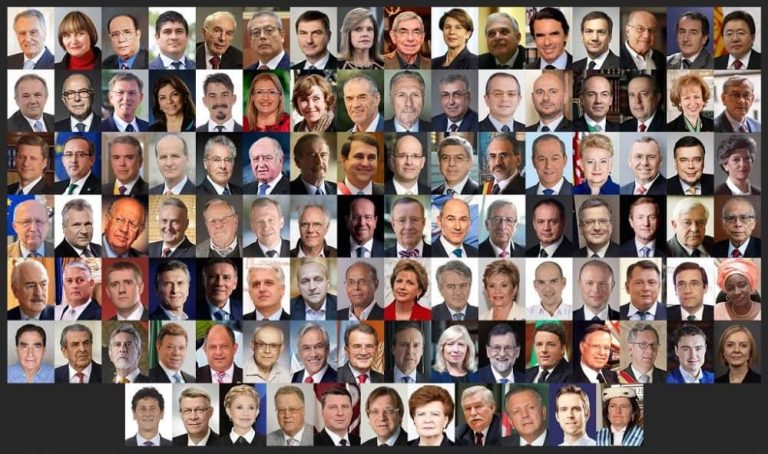
In a joint letter, 109 former world leaders signed a letter calling for accountability in Iran and urging U.S. President Joe Biden to cease all diplomacy with the regime ruling Iran. The letter asks the international community to investigate the 1988 massacre of political prisoners in Iran and hold accountable those responsible for the atrocity.
The letter highlights the fact that the perpetrators of the 1988 massacre have never been held accountable for their crimes, and many of them continue to hold positions of power in Iran today. It also calls attention to the ongoing human rights abuses in Iran, including the use of the death penalty, torture, and arbitrary detention.
The signatories of the letter include former former U.S. iVce President Mike Pench, former UK Prime Minister Liz Truss, former Canadian Prime Minister Stephen Harper, among others. They argue that the Biden administration’s decision to lift sanctions on Iran and reopen nuclear negotiations have only strengthened the regime’s position and provided it with more resources to fund its destabilizing activities in the region.
The letter calls for a new approach that prioritizes holding the Iranian regime accountable for its human rights abuses, support for terrorism, and pursuit of nuclear weapons. The signatories believe that the U.S. should work with its allies to increase pressure on Iran through targeted sanctions and diplomatic isolation.
The letter highlights the ongoing debate over how to handle Iran’s regime. While the former world leaders call for accountability and justice for past atrocities, they urge a tougher stance on Iran’s current behavior. With Iran’s human rights record and regional ambitions continuing to be a source of concern, it remains to be seen which approach will ultimately prove more effective in addressing these challenges.
The letter comes amid a tense political climate between the U.S. and Iran. The two countries have been at odds for decades, with the relationship reaching a new low during the Trump administration, which withdrew from the nuclear deal and imposed harsh sanctions on Iran.
The Biden administration has taken a different approach, seeking to re-engage with Iran to address its nuclear program and other issues. However, the signatories of the letter think that this procedure is misguided, and that the U.S. should instead focus on countering Iran’s malign behavior in the region.
The signatories of the letter argue that the U.S. should not be negotiating with a regime that has a long history of human rights abuses and support for terrorism.
In addition to the joint letter from former world leaders there is also growing support for Maryam Rajavi’s ten-point plan for a free and democratic Iran. Rajavi is the president-elect of the National Council of Resistance of Iran (NCRI).
The ten-point plan calls for a secular, democratic, and non-nuclear republic in Iran, with guarantees for human rights, gender equality, and the separation of religion and state. The plan also calls for the establishment of a market economy and the protection of private property rights.
The NCRI has gained significant support in recent years, with a growing number of lawmakers and officials in the US and Europe endorsing its vision for a free and democratic Iran. The group has also been instrumental in exposing Iran’s nuclear program and its support for terrorism.
The international community has long been concerned about Iran’s human rights record, which includes the use of the death penalty, torture, and arbitrary detention. The 1988 massacre of political prisoners remains a particularly dark chapter in Iran’s history, and the call for accountability for this atrocity has gained momentum in recent years.
Despite the challenges, there is reason for optimism about the future of Iran. The country has a young and educated population that is increasingly disillusioned with the regime and its policies. There are also growing signs of dissent and resistance within Iran, with protests and strikes taking place across the country.
As the debate over how to handle Iran continues, it is important to keep in mind the ultimate goal of a free and democratic Iran that respects human rights and the rule of law. The support for Maryam Rajavi’s ten-point plan and the calls for accountability for past atrocities are important steps in this direction.
It is also important for the international community to continue to put pressure on the Iranian regime. This can be done through targeted sanctions, diplomatic isolation, and support for civil society and human rights activists in Iran.
Ultimately, the fate of Iran rests in the hands of the Iranian people. But with the support of the international community and a clear vision for a better future, there is reason to believe that a free and democratic Iran is possible.
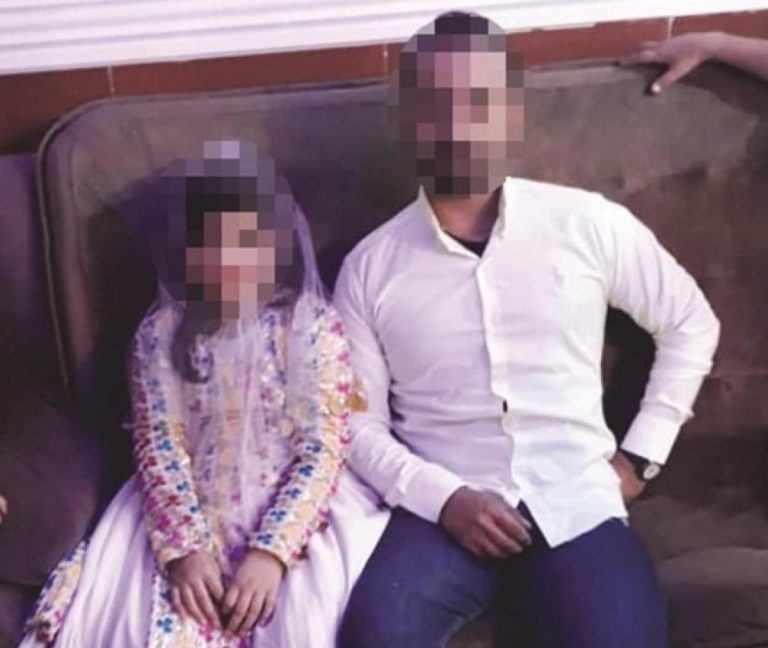
The horrific scene of a man holding the severed head of his 17-year-old wife, Mona Heydari, in southwest Iran, shocked the world. Mona, a victim of child marriage, was neither the first nor the last victim of the tragic “child marriage” crisis in Iran.
On May 21, the state-run Etemad newspaper published a report regarding the rise of child marriage in Iran and acknowledged how Iran’s misogynous regime paves the way for what is considered a crime in many countries.
“According to the latest report from the Iranian Statistics Center, between the winter of 2021 and the end of the fall in 2022, a minimum of 27,448 marriages involving girls under the age of 15 were recorded across various regions in Iran. Although this trend had been declining since 2018, it began to rise again in 2019, reverting back to previous heights,” the paper writes.
According to Etemad’s studies on the social and cultural situation in Iran during the fall of 2022, the report indicates that the number of marriages involving girls under the age of 15 increased from 33,421 cases in 2018 to 28,472 cases in 2019.
The crucial aspect to note is that a significant number of girls who are married at a young age also become mothers during their youth. “According to the latest announcement from the Registration Organization in April 2022, in 2021 alone, there were at least 69,103 babies born to mothers between the ages of 10 and 19, with an additional 1,474 babies born to mothers between the ages of 10 and 14,” Etemad writes in this regard.
In its piece, Etemad interviews Jhaleh Shadi-Talab, a sociologist and former director of the Women’s Studies Department at Tehran University, who believes that “many families have become aware of the negative repercussions of child marriage in recent years. However, they are compelled to engage in such practices due to make a living. “Our concerns will only have a meaningful impact when those in positions of authority are held responsible,” she adds.
According to Eteamd, Ansieh Khazali, Vice President for Women and Family Affairs under Ebrahim Raisi’s administration, refused to answer the paper’s questions. After more than two weeks, her office used the filtered Telegram messenger to give a statement.
Khazali had previously announced that “If I were to condemn marriages under the age of 18, I would have to condemn myself, as I married at a young age. However, I no longer believe that I lacked maturity or the ability to manage my life when I got married.”
In November 2021, Hassan Nowrouzi, the vice-chairman of the Judicial and Legal Commission of Parliament, criticized the term “child marriage” for 13- or 14-year-old girls forced into marriage. Nowrouzi argued that the term “child-wife” should strictly apply to marriages involving 9- or 10-year-old children, suggesting that a 13-year-old girl can no longer be considered a child wife.
As the state-run newspaper brazenly claims, “According to the law, the legal age for girls to marry is 13 years old.”
But what causes this phenomenon?
In recent years, an increasing number of young Iranian adults are choosing to postpone marriage due to the overwhelming financial burden it poses for both men and women in the workforce. However, in certain disadvantaged families, there is a tendency to forge alliances with families in better economic circumstances by pressuring their daughters into marrying significantly older men, sometimes with an age gap spanning years or even decades.
“Studies indicate that early marriages are predominantly driven by poverty. In less developed provinces with higher rates of poverty and illiteracy, the age of [conventional] marriage is lower. Additionally, regions such as Sistan and Baluchistan, Hormozgan, Khuzestan, Kurdshin, and border areas experience higher rates of child marriages compared to more central and developed provinces,” Etemad Daily writes in this regard.
Iran, a nation abundant in natural resources, holds immense wealth. However, instead of utilizing this wealth to alleviate the people’s crises, the ruling government recklessly squanders billions of dollars on illicit pursuits, including the proliferation of weapons of mass destruction and a nuclear program. As a result, countless Iranians are plunged deeper into the quagmire of poverty.
The plight of Iranian women is truly deplorable, enduring double pressure inflicted by the misogynistic nature of the regime. Despite these immense hardships, Iranian women have showcased their remarkable potential to challenge the status quo. They have fearlessly led protests and played a pivotal role in nationwide uprisings in recent years, demonstrating their unwavering determination for change.
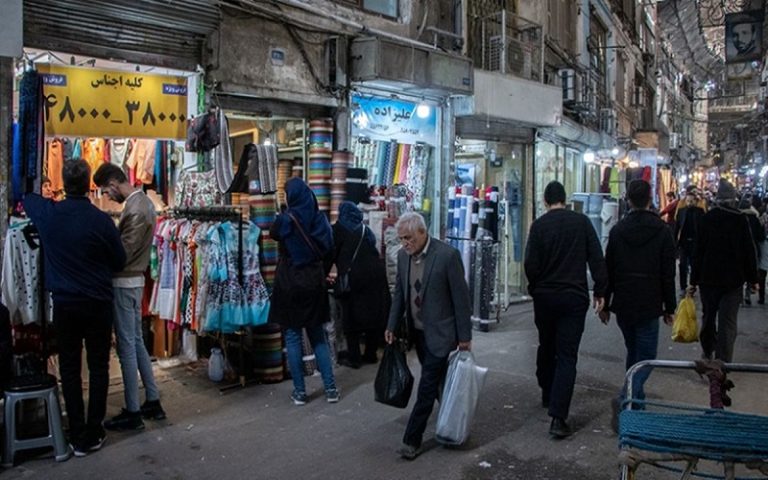
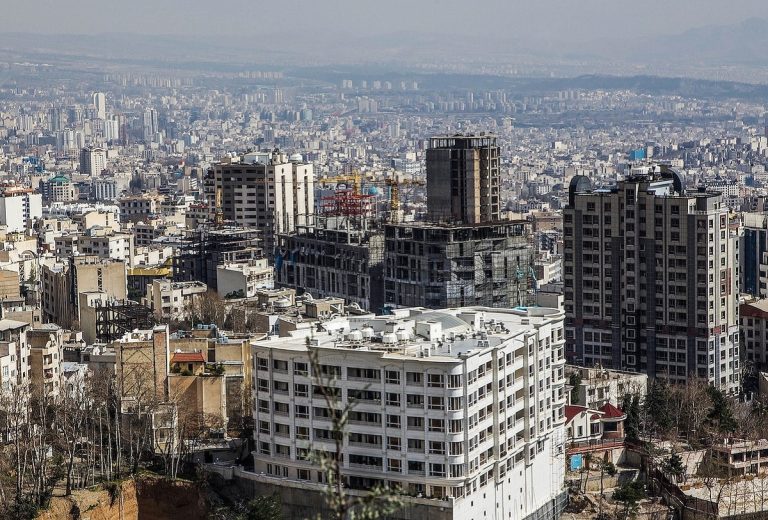
Renting a home in Iran has become nearly impossible for tenants who not only have buried their dream of owning a home, but also struggle to afford rent despite reducing the size and amenities of their homes every year to continue making ends meet. This is especially in Iran’s major cities.
As we approach the summer season and the time for tenants to move, the unbridled rise in residential rent costs, coupled with the alarming increase in housing prices, have put them under even more pressure. Some are forced to move to the slums, while others have no choice but moving into substandard houses. Iran’s cities are witness to a new phenomena known as “rooftop living” as people are literally living on the rooftops of various buildings, and “shared housing.” The latter refers to two or more families sharing a small, rented house and living together.
According to statistics published by the Central Bank of Iran, the housing rental price index witnessed a 16.8% increase in the fourth quarter of 2022 compared to the third quarter of the same year. This is while rental rates had already grown by 12.4 percent in the third quarter of 2022 compared to the second quarter.
In other words, from the beginning of summer season to the beginning of winter in 2022, rental rates in Iran grew by 29.2 percent. All the while, the decision to increase the rent ceiling had set the maximum growth rate at 25 percent. In other words, this decision had no effect on the market due to the lack of a reliable enforcement mechanism.
The problem in Iran’s rental market becomes more apparent when the rental growth rate in the fall of 2022 is compared to fall of 2021, indicating a whopping 46 percent increase. Based on the statistics, more than 24 million people in Iran are facing rental increases of 46 percent if they were paying 40 million rials per month (approximately $76.7) for rent in 2021. This year, they will also face the problem of high rental prices, which puts special pressure on their economic and livelihood capabilities.
It is worth noting that the minimum monthly salary of wage earners in Iran is approximately 80 million rials or $155.
Migration mainly due to increase in housing rental prices
Hossein Raghfar, an economist linked to the Iranian government and a member of the faculty at Al-Zahra University, said that the sharp increase in rental prices across Iran is heavily influenced by the rise in housing prices.
Iran is riddled with what is known as “housing mafias”, in which many powerful entities are under pressure and have significant power, causing rental prices to be heavily influenced by housing prices. Therefore, not only do people’s housing prices increase significantly, but commercial property prices also increase to the same extent, leading to a decrease in jobs.
“Many businesses are unable to cover the cost of rent at their workplace. On the other hand, people’s cost of living, which is the commodity they buy, is also increasing,” Raghfar continued. “More than 50 percent of the cost of clothing that people buy from shops is now the cost of rent for that particular store. Therefore, this has very serious consequences, and the severe and unpredictable increase in housing rental prices, particularly in major cities, is one of the main reasons for migration from the country, especially among the younger generation who are not even able to afford rent,” He explained.
“Unfortunately, some unpredictable and very unfortunate phenomena have emerged in this regard, including rooftop living, bus sleeping, and more recently, shared family rentals in one room,” according to a May 21 report by the sem-official Didban Iran website.
Banks at the service of housing mafias
“Banks are serving the mafias. That is why banks are the main financial providers for this category of profitable activities that are carried out by various mafia entities, including automobiles, drugs, housing, etc,” Raghfar added.
“Since the government is the maincustomer in this market, when expenses increase, government expenses also increase. Its revenues, however, which are obtained through taxes or foreign income, do not increase at the same rate. Inevitably, the government raises the exchange rate,” Raghfar explained.
“This is the main engine behind future inflation. In addition, the country’s political economy and the interests of mafias become meaningful with the increase of inflation; the higher the inflation, the more profits the housing builders make. However, the consequences of this are the growth of social anomalies such as migration, suicide, and crime across the country, which unfortunately has grown unprecedentedly,” he continued.
Increase in marginalization renders the “underclass”
“Cities become empty of those who cannot afford to live in them due to the high cost of rent,” Raghfar said in response to a question about what social damages are associated with the emptying of urban centers and the growth of marginalization. “And a significant portion is pushed towards city outskirts. However, the outskirt areas themselves are severely affected by the increase in prices, which leads to the growth of a class known as the ‘underclass,’” he added.
Raghfaar described the characteristics of the “underclass” as: “The main feature is that they are prone to social harms such as addiction and homelessness. They also have no prospects for employment and naturally engage in crime and offenses. Theft, drug addiction, and many other damages have a close tie with the economic anomalies caused by these policies. Solving them is only possible through structural reforms in the country’s economy. However, the reforms pursued by the government and parliament are just hollow measures that will render nothing special.”
”Any incident can lead to protests”Any incident can lead to protests
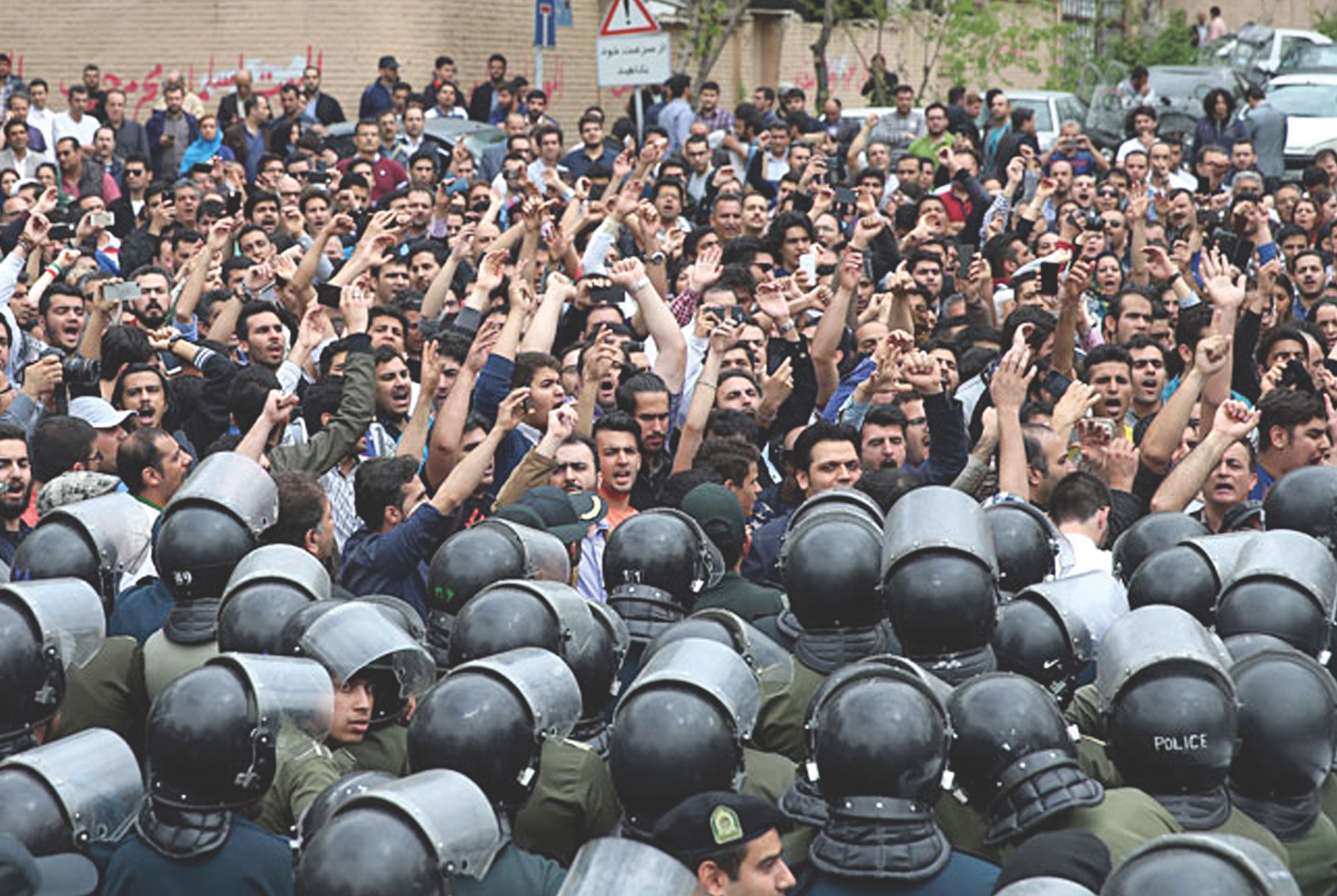
Raghfar went on to warn that the increase in housing rents can lead to protests and social tensions. “Anything can happen. The damage is serious, and people are angery over the unprecedented increase in prices. Officials are busy with their personal issues and clinging to their posts, forgetting the great danger lurking in our society. In my opinion, at any moment, the unpredictable, such as protests and unrest, can erupt,” he explained.
“This unpredictability is due to the fact the exact time of its occurrence is not clear. However, it can happen at any moment. In the country’s current circumstances, I think we should be ready for the return of protests and unpredictable unrest in the streets,” Raghfar added.
“Even the recent protests were also due to economic dilemmas. What happened was the spillage of these economic anomalies that were just waiting to emerge. In my opinion, today, any incident can lead to similar unrest,” he concluded.