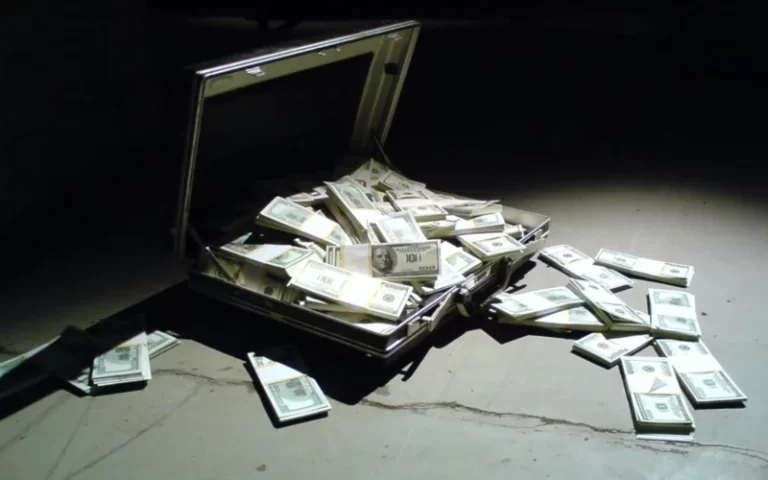
The war of the rich with poor is the title of an article published by the state-daily Etemad on December 27, 2021, which is confessing about the deep class gap in Iran society and warned the regime’s officials that, “this will operate as a very dangerous poison.”
About the unbridled poverty and “dimension of the gap between the rich and the poor” in the mullahs’ regime it added:
“Unfortunately, in our society, the gap between the poor and the upper class is widening day by day, and if someone claims that we are moving towards a completely bipolar society with incredible speed, this claim cannot be reasonably and documented rejected. The middle class is being divided between the rich and the poor with a completely unequal ratio.
“In other words, the travel of the middle class to the queue of the lower class is much than those who become rich by rent-seeking and corruption. The middle class which is responsible for the progression, stability, consciousness, and calmness of the society is getting less populous day by day.”
The truth is that according to the regime’s officials more than 40 million Iranians need immediate help. They are warning each other that poor people contrary to the middle class are in sheer silence, but their cry will be heard on the street suddenly and it will be very loud.
It seems that now the regime’s officials are understanding and feeling the numbers of inflation, liquidity, poverty line, million people living in the margins, budget deficit, and the money needed for investment.
But this is too late for a regime with a case of forty-year of destruction. The only solution for any real change in Iran is the overthrow of this regime. No hope is left for the people. The state-run daily Aftab-e Yazd in an article entitled, “Iranians the saddest people of the world”, pointed to the situation of the people under the grimy reign of this regime and wrote:
“Our society has lost its joy. The mental state of the people and the sadness of the people are evident in the normal events of life.
“According to a 2015 survey, Iran was ranked 105th out of 115 countries surveyed for happiness factors.
About seven years have passed since this research, and without any doubt, due to the increasing economic and psychological pressures in recent years, Iran is close to the end of the table, and now the Iranian people are among the saddest people in the world. An important part of the fact that Iranians today have become sad people is rooted in the problems they face daily.
“The tolerance threshold of the people has dropped sharply, and they will lose their patience with the slightest provocation. Undoubtedly, a person who is not spiritually secure easily has the opportunity to become destructive.”
The misery of the regime and the deadlock of the regime’s supreme leader Ali Khamenei and his president Ebrahim Raisi can be seen in this short paragraph. In which the state-run daily Etemad is begging them to accept the nuclear negotiations as a solution to pull out the regime from this misery.
“It is hoped that with this new understanding, they will look at the Vienna talks and, in this way, they provide the possibility of immediate assistance to the deprived and prevent that the wealth and palaces of the rich ignite the anger of the poor. Our society needs real peace, and any unrest will act as a deadly poison.”
All the wealth in the country is in the hand of the regime’s elements and officials and the anger of the people is pointed at them.
On December 25, reports from Rasanak, a regional human rights news agency in Iran, stated that two men in Sistan and Baluchistan province were shot and killed by the Iranian regime’s narcotic forces.
One of the men was identified as a fuel carrier, Mahmoud Brahui who died in hospital on Sunday due to the severity of his injuries. His car was targeted and fired at by the narcotic forces on the suspicion that he was transporting drugs. Reports indicated that they found his car to be empty, but the agents then fired at him without warning.
The terms ‘fuel carrier’ and ‘border porter’ are an unfortunate consequence of 42 years of corruption and mismanagement under the Iranian regime which has resulted in a significant lack of job opportunities, especially for Iranians in north-western and south-eastern Iran.
The other man killed by the narcotic forces was identified as 26-year-old father Hamid Siahani. Yet again, his car was fired at under the suspicion that he was carrying drugs and trafficking smuggled goods. Only after he had been murdered did the forces find that the car contained no smuggled goods or drugs.
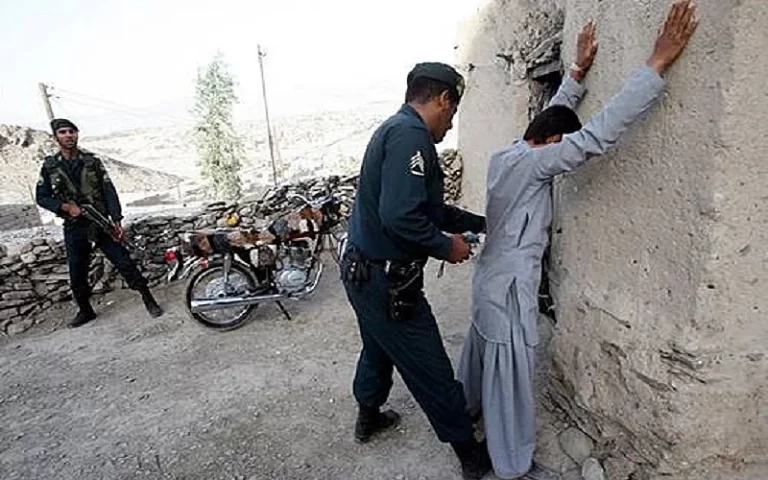
The Iranian regime’s security forces and police have a history of shooting and killing civilians. There are almost daily reports of police and border guards opening fire on Kurd border porters in western Iran and civilians carrying fuel in south-eastern Iran.
On December 24, a Baluch child was killed in the city of Saravan, also in the Sistan and Baluchistan Province. Osman Bameri was riding his motorcycle transferring fuel when he was shot and killed by officers from the Islamic Revolutionary Guard Corps (IRGC), who are closely affiliated with the Iranian regime and hold a large portion of control over local economic and military operations.
An annual report by a human rights group said that at least 204 Iranian citizens were directly or indirectly killed or wounded by Iran’s state security forces in 2020. According to the report, at least 74 citizens were killed, including 36 kolbars, five fuel carriers, and 33 other citizens. The 2020 arbitrary shootings injured at least 130 people.
A Baluch prisoner was killed under torture on June 26 in a detention center in Suran, southeastern Iran, the Baloch Campaign website reported. The man was identified as Masoud Kahanki Gongi
Over the past year, the Iranian regime killed many of Iran’s Baluch citizens by unlawful excuses. On June 15, 2021, according to news reported by people of the Sistan and Baluchestan province two fuel carriers were killed by the IRGC in Mirjaveh county. The two men were identified as Saeed Shahouzehi and Naeem.
On May 25 the regime executed six Baluch men in Birjand prison on drug charges. Only one of them was identified. His name is Javad Nakhaei. The regime did not report the execution.
On April 16, 2021, a Baluch fuel carrier identified as Fazl Sabzel, who was caught at the zero-point border of Iran’s Sistan and Baluchestan and Pakistan among many others, died because of hunger and thirst. This is a criminal plan implemented by the regime’s IRGC forces to kill Baluch people.
On February 24, 2021, two Baluch citizens while protesting were shot and killed by the IRGC in Qaleh Bid Base of Zahedan. One of them was only 13 years old. They were identified as Hassan Mohammadzehi, 13, and Mohammad Saleh Motaghedi.
On February 15, 2021, a young Baluch citizen was killed by the IRGC. He was identified as Mohammad Sanjarzehi. He was carrying a 60L gas can when the regime’s security force shot at his car without warning.
On February 2, 2021, a Baluch citizen was killed by the IRGC forces riding a motorcycle in Saravan. He was identified as Naser Fazeli. On the same day in another incident in Minab, the regime another one carried fuel.
On January 30, 2021, the regime hanged Javid Dehghan, 31 in Zahedan Prison. The execution was done despite the plea of the UN to halt his execution.
Baluch prisoner Hassan Dehvari, 28, was executed along with 21-year-old Elias Qalandarzehi, and Omid Mahmoudzehi on January 3, 2021, in the city of Zahedan, Sistan and Baluchestan province, southeast Iran.
Iran’s Gorgan Bay is the largest bay in the Caspian Sea, which was formed because of the advance of the Miankaleh Peninsula in the southeast of the Caspian Sea.
Not only this subcontinent but also the surrounding areas, including the Miankaleh Peninsula and the Gomishan International Wetland, are valuable ecological complexes.
Drought and water management change, changes in wetland land use and improper exploitation, entry of industrial, agricultural, and urban pollutants, destruction due to increasing population pressure on the wetland, implementation of development projects in the west and northwest of the wetland, sedimentation, and others natural and human factors have devastating effects on this ecosystem, but the declining water level of the Caspian Sea in recent years is the most important threat to Gorgan Bay, which has affected many other challenges.
The environmental reaction of the largest lake on Earth to climatic factors during the last seventy years has been such that the decrease in the water level of the Caspian Sea has caused the drying of a large area of the coastal lagoon of Gorgan Bay.
In recent years, due to the increasing drought along with the reduction of water entering the Gulf of Gorgan, a large percentage of the bay has dried up and is extinct.
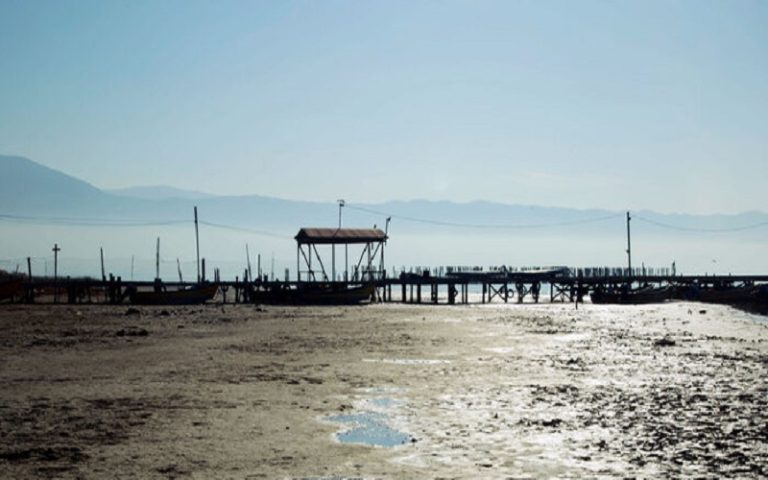
According to the data of Iran’s National Mapping Organization, more than 27 percent of the 400 square kilometers of Gorgan International Bay has dried up in recent years, and the lack of the regime government attention to it has intensified the possibility of the increase of this area.
Experts warn that with the disappearance of the water exchange between the Gulf of Gorgan and the Caspian Sea will stop in the next decade and no trace of this water zone will remain except a desert.
For many years, a large volume of agricultural and even domestic wastewater from urban or rural population centers around the Gulf of Gorgan is running into the Gulf of Gorgan, reducing the water quality of Gorgan Bay and it has caused the accumulation of toxins from agricultural activities on the coast.
At present, the water level of the Chapaghli canal, as the only connecting route between Gorgan Bay and the Caspian Sea, is only a few centimeters, and not even a rowing boat can cross it, which is unprecedented.
Ignoring this issue threatens the lives of millions of residents of Gorgan Bay in Golestan and Mazandaran.
In a few decades ago, Gorgan Bay, in addition to benefiting from the water supply of the rivers leading to it, exchanged water with the Caspian Sea through three canals, Khazini, Ashuradeh, and Chapaghli, and thousands of cubic meters of Caspian water entered Gorgan Bay through these three canals.
The accumulation of mud in the Khazini and Chapaghli canals as the water connection of Gorgan Bay and the Caspian Sea and the neglect of the regime to solve this problem has reduced the water level of Gorgan Bay and has gradually drought out this area.
In addition, climate change and the construction of water structures in the upstream areas of the rivers caused the inflow of water to the Gorgan Bay from the rivers to reach its lowest level in decades.
Around the 90th, the Khazini Canal and this year the Ashuradeh Canal (Ara Kanal) dried up completely, and except for a few centimeters of water from temporary lagoons, there is no water exchange from the Caspian to the Gulf of Gorgan through this route.
Gorgan Bay, which in previous centuries, with its abundant water, provided the ground for the creation of ports such as Gaz and Turkaman and increased the prosperity of these areas, has been suffering from drought for several years and there is nothing left from all that glory, and it struggles with a slow death.
Gorgan Bay with its economic and ecological function is important in aquatic reproduction and the attraction of migratory birds and preserving the life cycle of the Caspian Sea and has a direct and important role in the livelihood of local communities.
Gorgan Bay is also one of the largest reservoirs of freshwater connected to the Caspian Sea and the survival of many living things in the largest lake on earth depends on its connection with this bay.
Back in July, a three-day conference was held by the National Council of Resistance of Iran (NCRI) to discuss the future of Iran and the prospects of a change of government. In the wake of the presidential election boycott the month before, these prospects already appeared to be substantial.
Bruce McColm, the Director for Institute for Democratic Strategies said, “Before the pandemic, Iran was experiencing a virtually unprecedented growth in that unrest, with one nationwide uprising encompassing more than 100 localities in January 2018 and another being nearly twice as large in November 2019.”
In both of those uprisings, protests chanted slogans such as ‘death to the dictator’, emphasizing the public’s want for regime change. This message has since featured in many smaller-scale demonstrations and was firmly behind the boycotts of both the parliamentary and presidential elections.
The Iranian regime’s opposition, the People’s Mojahedin Organization of Iran (PMOI/MEK) had a great influence over those boycotts, as it had done during the major uprisings in the past few years. The regime’s Supreme Leader Ali Khamenei acknowledged back in 2018 that the MEK had ‘planned for months’ to lead protests across Iran and popularize anti-government slogans.
In the subsequent uprising that year, Khamenei and regime officials violently suppressed the movement, but later warned about the potential of the MEK leading further protests to expand ‘its social profile’. These warnings have persisted through new recent waves of protests.
McColm said, “While many of those protests have been focused on specific grievances such as poverty-level government wages, poor resource management, water shortages, and blackouts, many of them have still featured the demands for regime change that defined the uprisings in 2018 and 2019.”
These demands have been reiterated by the Resistance Units during their public displays, including burning public images of the regime’s Supreme Leader and risking arrest from regime authorities by displaying photos of the NCRI’s president-elect, Maryam Rajavi.
Spurring these activities is the growing sense that the only way that the problems that Iranian citizens are currently facing can only be resolved with the overthrow of the Iranian regime. Maryam Rajavi highlighted this during the conference in July, stating that it would be a driving force behind the increase of ‘hostility and enmity between the Iranian regime and society’.
It appears that both the regime and the Resistance groups agree that with the unrest in society, the regime is in a vulnerable position. However, while the regime is working to conceal this fact, the Resistance groups are working towards exploiting this fact.
McColm said, “The outcome of this competition may very soon be determined by whether Iran’s foreign adversaries are also able to recognize the same vulnerability, and whether they choose to facilitate Tehran’s concealment or to join the NCRI in adding to pressure on the regime.”
By installing Ebrahim Raisi as the regime’s new president earlier this year, the regime has shown clearly just how threatened they are by the growth of unrest in Iran over the past few years. Raisi is known for his legacy of awful human rights abuses, including his involvement in the massacre of 30,000 political prisoners in Iran in 1988, and his part in overseeing the crackdown of the 2019 uprising during his role as the head of the judiciary.
The question now remains whether the international community will continue to turn a blind eye to his crimes against humanity, instead of holding him accountable for his actions, or whether they will decide to put more pressure on the regime.
McColm said, “Only by adopting the latter option will Western powers be fulfilling their solemn duty to safeguard human rights for vulnerable groups throughout the world. But what is just as important is the fact that this strategy will challenge Tehran’s longstanding impunity and thus make it less likely that the regime will expand its nuclear activities, it is the financing of international terrorism or any of its other malign activities.”
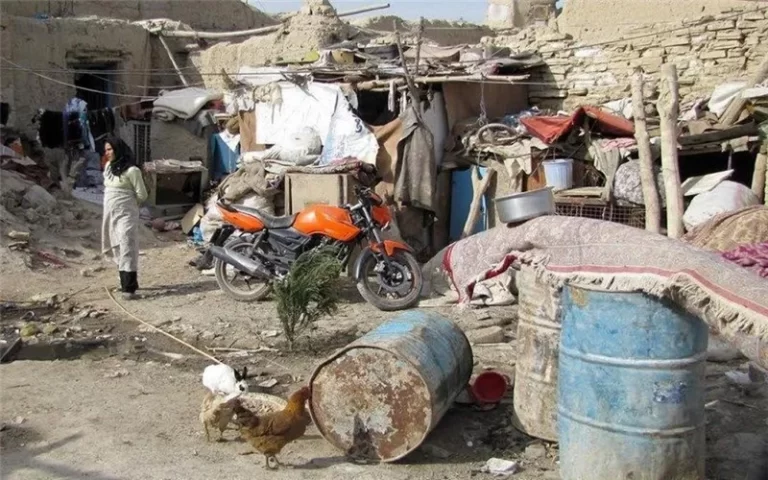
The history of informal settlements in Iran is more than one hundred years old, and whenever the country is in a state of economic and political instability, these informal settlements have increased significantly as a result.
Tin settlements, brick stove settlements, and slums, etc. are part of these informal settlements, which in the past few years have become other forms such as grave sleepers, mountain sleeping, cardboard sleeping, valley sleeping, roof sleeping, etc.
The more life becomes economically difficult for families and individuals, the more they move to cheaper places, even if they are not well off in terms of services.
Unfortunately, this has become a formal story in Iran these days, the number of visits to informal settlements has increased and the regime’s officials are not even listening to the regime’s social experts about the danger of this phenomenon even for the regime self.
And is accusing its experts that they are exaggerating about this event and that they are in relation with the regime’s enemies so that they get tired and disappointed and stop pursuing this event.
According to the regime’s statistics, 60 percent of Iran’s population are at risk of poverty, of which 45 percent are below the housing poverty line.
Therefore, this issue has caused people to move from the city center to the suburbs and from the suburbs to their villages in the past few years.
The number of people living in the suburbs and rural areas is increasing day by day due to economic and political issues, and these people are moving to informal jobs such as peddling due to unemployment.
Petty theft has also increased among the marginalized, and thefts no longer involve mobile phones, but jackets and clothes are also among the items that are being stolen these days, and the main reason is that families are getting poorer.
According to the latest report of the Central Bank, the average price per square meter of housing units in the capital decreased by 0.2 percent in October to $1,100, the risk of population growth in absolute housing poverty is still high and worrying.
Looking at the report of the regime’s Office of Social Studies of the Ministry of Labor, Cooperation and Social Welfare on multidimensional poverty in the housing sector, it can be seen how dangerous the increase in the average price per square meter is for the society.
According to the Ministry of Labor, Cooperation, and Social Welfare, people living in Tehran province must spend more on housing than in other provinces. In contrast, people living in Sistan and Baluchestan, and Gilan are in extreme housing poverty; This means that in addition to paying more for housing, they live in homes that have poor amenities or are not made of durable materials and that in a country with high earthquake risk.
Another section of the report by the regime’s Ministry of Cooperatives, Labor and Social Welfare also addresses the percentage of the population living in non-permanent housing; According to it, in Hormozgan, Sistan and Baluchestan, and Gilan, 63.2 percent, 44.9 percent and 44.5 percent of the population live in houses that are practically not very durable, respectively.
The national average for people living in such homes was 15.3 percent. The population of 15 provinces is higher than the national average.
The increase in the housing cost index in the household expenditure basket, along with the fact that the waiting period in Iran is 2.5 times higher than the global average for homeownership, shows the high pressure on housing costs on the country’s households, while the devaluation of the national currency is also increasing.
Iran’s households among the members of the OECD are paying the most for housing. 33.2 percent, which is about twice the average of 17.4 percent of member countries. This has also affected the housing access index, increasing it to 24.4 years.
According to the Statistics Center, in 2019, the number of households in the country reached 25,667 million, of which the number of urban and rural households was 19,561 million and 6,106 million in 2019, respectively.
Comparing the number of households and the rate of lack of affordable housing, it can be argued that about 9 million households in urban and 600,000 households in rural areas do not have access to affordable housing, and given the current price trend, they will never have access to a house.
Poor housing, as defined by the Ministry of Labor, Cooperation, and Social Welfare, refers to a situation in which people are deprived of access to at least one of the items of access to water, sanitation, adequate housing, sustainable housing, and business security. The regime’s Ministry of Cooperatives believes that the poor housing rate for the poor is twice as high as for the non-poor.
Of course, according to this ministry, the poor are people who live below the absolute poverty line. This ministry said that in general, “housing poverty in Iran has a wide range, including the inability to finance housing, as well as people living in unsuitable houses in terms of age, type of structure and access to urban facilities.”
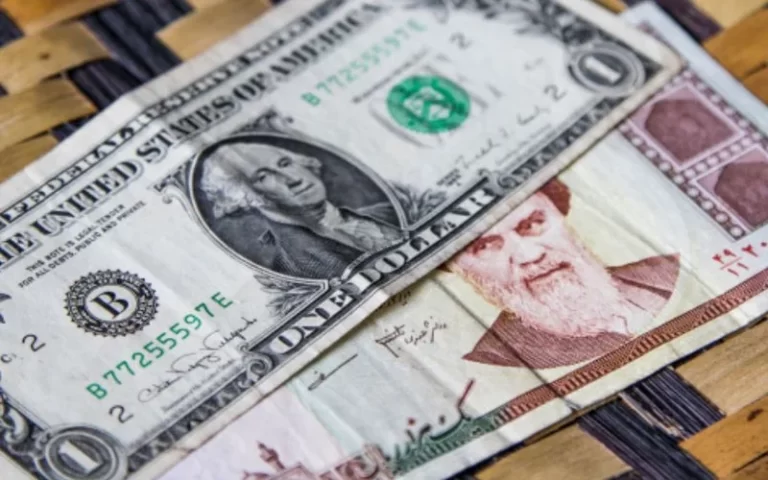
With Iran’s economy already severely declining, the Iranian regime has decided to destroy it further by removing the official exchange rate, which currently sits at 42,000 rials to every dollar. President Ebrahim Raisi and his government have made this decision at a time where the national currency in Iran has hit a near all-time low, with 305,000 rials equating to a dollar.
Raisi’s predecessor, Hassan Rouhani. introduced the so-called ‘official exchange rate’ in 2018 to control inflation and skyrocketing prices of essential goods, such as medicine, wheat, and livestock imports.
At the time, Iranian state media, and even several regime officials, protested the official exchange rate saying that it would only increase the inflation rate and that it only worsened the regime’s internal corruption.
The Fars News Agency wrote last month, “Rouhani’s government was virtually incapable of controlling prices. Surveys show that based on the free-market exchange rate in that year, the importers embezzled around 5.1 quadrillion rials.”
To keep the official exchange rate, due to his government’s huge budget deficit, they had to resort to printing banknotes. This ultimately meant that Iran’s liquidity grew quickly, and due to the country’s low production rate, this liquidity set in motion inflation and skyrocketing prices.
One major reason behind the rapid plunge of Iran’s national currency is that over the past four decades, domestic production in Iran has been destroyed. Hundreds of factories and thousands of workshops have stopped working or been forced to close.
The regime has filled the production gap with imports and smuggling, thus wrecking the foundation of Iran’s economy. The regime needs mass currency for mass imports, which explains why it spends most of the country’s currency on imports.
Raisi’s government is now desperate to remove the official exchange rate, claiming that it is an attempt to combat corruption, however, the real motive is so that they can dig deeper into the pockets of Iranian citizens.
The regime previously intended to eliminate the official exchange rate during the last year of Rouhani’s administration, to earn an estimated 600 trillion rials, but the plans were never set in motion. However, if Raisi now decides to follow through with his decision, his government would earn around $2 billion due to the current free-market exchange rate of 305,000 rials to a dollar.
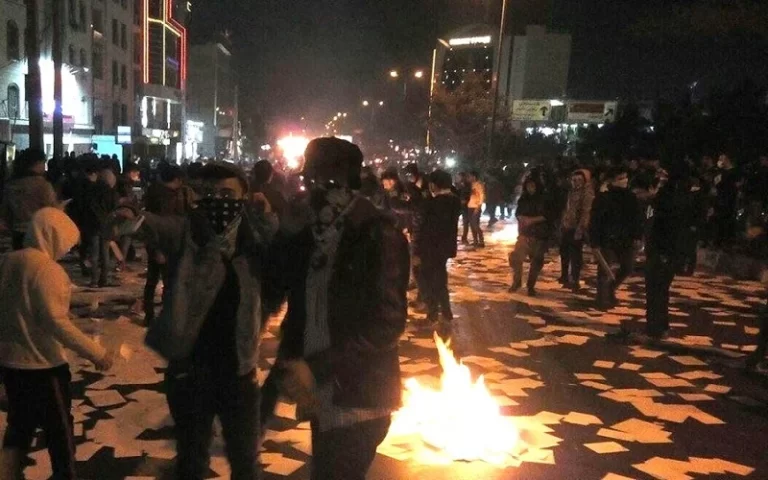
The removal of the official exchange rate will undoubtedly add to people’s economic woes and worsen the country’s financial crunch. Every day, people from all walks of life hold rallies, demanding their basic rights, back pay, and protesting the dire living conditions.
Since the beginning of 2021, four large-scale protests have taken place across Iran highlighting just how restive society is becoming after decades of anger and frustration aimed at the regime and its disastrous policies. Due to the heavy unrest in Iran, the regime fear another uprising akin to, or even worse than the major uprising in November 2019.
The removal of the official exchange rate makes it abundantly clear that the regime is neither willing nor capable of addressing the fundamental crises gripping the Iranian society. The mullahs in Tehran need every penny to fuel their machinery of suppression, terrorism, and war to preserve their fragile grip on power. The plight of the Iranian people is of no concern to them whatsoever.
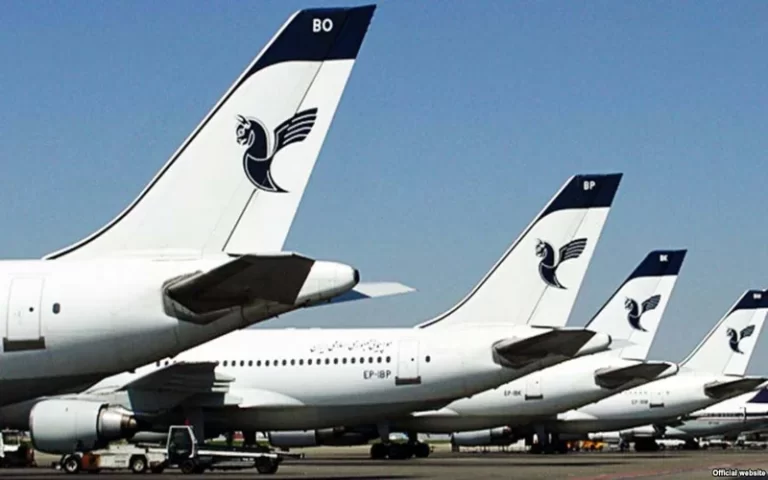
These days, familiar officials with the air fleet in Iran speak about the government’s failure to revive it, which has led it to bankruptcy. Aviation companies can no longer continue in such circumstances.
“Half of Iran’s airplanes have been grounded,” said Ali Reza Manzari, the former deputy chief of the civil aviation organization, in an interview with Iran daily on December 5.
These planes have been grounded due to the fatigue of the country’s air fleet, which poses severe risks for passengers’ lives. In this context, not only do people avoid flying on exhausted planes but also pilots and crews refuse flights.
Fatigue, the Main Reason for the Bankruptcy of Iran’s Air Fleet
Exhausted planes and the lack of necessary safety standards have caused significant disruptions in the country’s aviation industry. “European Commission has published the blacklist of aviation companies, and those companies have been limited due to security issues in Europe. According to the list, Aseman company is on the blacklist, and Iran Air has been placed on the limited list,” state media reported.
Furthermore, the situation of Iran’s aviation companies is very alarming. The Iran Air company possesses only three airplanes, the newest planes of Iran’s air fleet, including two 330 Airbuses and one 321 Airbus.
These planes joined Iran’s air fleet following the 2015 Iran nuclear deal, known as the Joint Comprehensive Plan of Action (JCPOA). These airbuses are allowed to fly to the European Union states members.
Their flight range is around 11,000km, enabling the Iran Air company to carry out most of the country’s long-range flights. Tehran’s other long-range planes are not appropriate because their lifespan is more than 20 years.
These three airbuses face technical challenges. Meanwhile, the government has been placed in an awkward position regarding paying the first installments.
The Iran Air company also has 13 other medium-range airliners that carry out regional flights. Tehran had received these 13 planes from the Italian-French company of ATR, one of Airbus’s subsidiaries. Indeed, the 13 jets do not cover the country’s needs due to the government’s failure to provide necessary spare parts.
“The recipient of the first installment of JCPOA planes of the Iran Air company is 3.3 trillion rials [$10 million]. We cannot pay installments, and the government should find a solution,” said Ali Reza Barkhor, the deputy chief of the Aviation Companies Association and the Iran Air company CEO, in an interview with the Fars news agency on February 27.
Given the government’s financial hyper crises, it deemed that Tehran could not find any solution to save the country’s aviation companies, which put Iran’s aviation industry on the verge of collapse.
“More than 170 planes are out of work due to the lack of necessary budget and sanctions restrictions for providing required spares,” said Barkhor. “The country’s aviation companies are at the brink of bankruptcy, and they have been remained alive only by ‘artificial respiration.’”
The Future of Iran’s Air Fleet
Experts believe that the reconstruction of Iran’s air fleet requires at least 400 new planes. However, the Islamic Republic faces enormous dilemmas for affording this number of jets. One of the most prominent barriers backs to the government’s dire financial situation.
For decades, the ayatollahs have spent Iran’s national resources on irresponsible projects such as making nuclear weapons. On December 4, Hassan Hanizadeh, an international affairs analyst, gave mind-blowing numbers about the nuclear program’s expenditures.
“Based on recent estimation, the expenditures of Iran’s nuclear program are between $1.5 to $2 trillion,” Hanizadeh said in an interview with Arman daily. “After 60 years, we have only run a nuclear plant whose capacity is less than 1,000mw with Russian technology. According to the Energy Ministry, it cost at least $10 billion while we should have spent around $2 billion for a similar facility.”
On the other hand, Tehran squanders a significant budget to advance its ballistic missile projects, improve its oppression and espionage apparatuses, and orchestrate terror attempts in the Middle East and across the globe, aside from funding extremist groups and the dictator of Damascus Bashar al-Assad.
If the government ignored these expenses, not only might it be able to renew the country’s air fleet, but it can improve people’s dilemmas, which force them to take to the streets every day.
In the four decades since the Iranian regime ascended to power, Iran’s economy has gradually been taken to the verge of complete collapse. In order to keep themselves afloat, the regime regularly has to devise new plans to help balance the books, usually at the expense of ordinary citizens who are falling below the poverty line on a daily basis.
The main tactic that the regime uses is by gradually raising the prices of basic goods, but to cover their backs they often blame international sanctions for the growing cost of living. However, many regime officials and experts have openly admitted that the regime’s policies are to blame.
The People’s Mojahedin Organization of Iran (PMOI/MEK) said, “In addition, it is the government that controls and objectively changes the prices of basic commodities such as fuel, water, and electricity. The gradual and undeclared increase of these prices ripples across all other goods.”
A further factor that is also heavily affecting the decline of the Iranian economy is the uncontrolled printing of banknotes, and as a result, the national currency has been depreciated. According to the state-run Hamshahri newspaper, on average 67.5 trillion rials are generated by the Central Bank on a daily basis. 48 trillion of which are the excess banknotes that the regime is printing.
The regime’s own experts have previously stated that the price of basic goods in Iran increases by 4 percent for every 10 percent increase in liquidity. Adding to these issues are the massive imports that are consistently brought into the country by the Revolutionary Guards (IRGC), who have a large majority of control over the Iranian economy.
The MEK said, “The imports, which are a huge boon to the IRGC and regime officials, are gradually chipping away at the country’s production. In the past decades, many iconic and long-standing companies that supported Iran’s economic infrastructure have gone bankrupt and vanished as they’ve gone bankrupt as a result of the regime’s policies.”
All of these policies, while they give the regime enough boosts of cash for their malign activities and nuclear program, are short-lived as they do not create or contribute to a productive economic cycle. Therefore, this explains why the regime has to resort to creating new plans to take more money from the Iranian people. As the regime enters the new Persian year in March 2022, they are already faced with a 50 percent budget deficit.
The MEK said, “The regime has two new plans to fill this gap. One of these plans, which was introduced in Raisi’s budget bill for the year 2022 was the removal of the 42,000 rial-to-USD exchange rate on vital imports. The second, which recently leaked, is the plan to increase the price of gasoline.”
This latest plan is likely to create unofficial markets through which the regime will sell fuel at uncontrolled prices, once again stealing from the poor to line their own pockets. Estimates have suggested that this plane will increase the price of fuel by ninefold, which in turn will increase the prices of food items, transportation, electricity, etc.
The MEK said, “With Iran’s economy on the verge of total collapse and millions of people living under the poverty line, the country has lost its capacity to withstand further shocks. And as the November 2019 protests showed, it only takes a spark to cause a major social explosion that can lead to the total downfall of this corrupt regime.”
Iran’s president Ebrahim Raisi at the cabinet meeting on November 22 claimed that: “Payment of unconventional salaries is not tolerated in any department of government offices and state-owned companies.” (State-TV News Channel, November 22, 2021)
This claim is made while the salaries of government managers have been registered up to 284 million Tomans ($10,000) this year. Those who formally receive such a large sum, or similar sums, will certainly pocket other exorbitant sums by various alibis.
This salary registered for one official is 100 times more than the salary of a worker. Most of these astronomical salaries have been received from officials of the regime’s Revolutionary Guard and the people close to the office of the regime’s supreme leader Ali Khamenei.
The corruption is so huge that one of the regime’s MP was forced to ask the regime’s president to take action and said: “Why are you stand on ceremony in dealing with the mafia? (ICANA, December 8, 2021)
And the state-run daily Jomhouri Eslami (jepress) wrote: “According to published reports, the monthly salary of 284 million Tomans in one office and 184 million Tomans in another office is challenging the 3 million Tomans salary of some employees. We know that up to 10 percent of people receive super-astronomical and astronomical salaries, and the other 90 percent are below the poverty line.” (State-run daily Jomhouri Eslami (jepress), December 19, 2021)
These super-rich people are the ones whose villas and palaces’ prices are skyrocketing, which of course is just part of their luxury life. They have looted so much that even their cemeteries are becoming a luxury.
“A grave in the cemetery of the rich is $90,000, or that some of the officials’ children misused $8 billion in car imports, or the former head of the central bank says that the value and wealth of the officials’ children are more than the central bank’s reserves.” (State-run website Bahar News, December 13, 2021)
And one of the regime’s MPs Ezatollah Yousefian about the inequality in the country said: “In the 2022 budget, we did not see the justice that Raisi was talking about. The thirteenth government ignored the issue of astronomical salaries.” (state-run website Didban-e Iran, December 8, 2021)
The regime’s parliament is making for some time noises about the astronomical salary law inquiry.
If this plan is approved, while its content is not fully known, it will not be implemented, and like many other plans and bills, it will be forgotten, because many elements of this regime will become the main targets, and the dismissal of some low-ranking officials or the reduction of their salaries will not solve anything and the injustice in the country will remain.
The problem in this regime is that corruption and looting are institutionalized and if someone will solve any problem it must first start from the regime’s supreme leader and its office.
The regime’s government is set to add a small amount to the workers’ salaries next year, even though this small increase is far from the official inflation rate, which has created a huge class division in society which has reached the point of explosion. The result of this situation is the expansion of protests of the different strata.
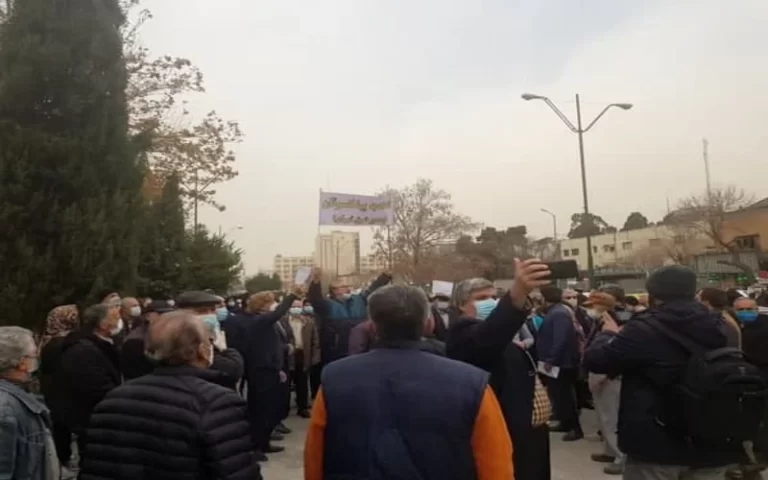
In recent days, one of the slogans of retirees in Tehran was ‘astronomical salaries, public misery.’ This slogan is not only the slogan of Tehran retirees but also the slogan of many employees, workers in different cities. This is at a time when the steady rise in inflation and commodity prices has further worsened the situation of poor people.
The expansion of poverty among the people is such that in recent days the regime’s media warn of the end of the threshold of tolerance of the people and acknowledge that the livelihood of a large part of the society has reached an unbearable point.
“There is news under the skin of this society that is extremely alarming. The patience of the people is such that if it comes to an end, it will cause a catastrophe. If a revolution is on the way, it will be a revolution of the poor against those with astronomical salaries and the aristocracy, an event that will inevitably occur if the current situation continues.” (state-run website Didban-e Iran, December 8, 2021)
Xiyue Wang, a former American prisoner who spent three years in Iran, has sued Princeton University for failing to secure his release.
According to Washington Free Beacon, Xiyue Wang in the complaint he filed a month ago stated that Princeton sent him to Iran for a doctorate in 2016, but after his arrest, it did nothing to secure his release and tried to maintain the credibility of the university and its relations with Iran will prevent Xiyue Wang’s wife from making public the news of his arrest.
Xiyue Wang accused Princeton University and its Iran central, of acting on the advice of ‘pro-regime activists and academics’ before and after his arrest.
This American researcher noted that after feeling threatened in Iran, Princeton University lawyers and its officials asked him not to seek sanctuary in the Swiss embassy in Tehran.
“Everything Princeton did and abstained from doing was centered around absolving its institutional responsibility, protecting its institutional reputation, and maintaining its political relations with Iran,” Wang says in the lawsuit, which has not been previously reported.
Zhou Wang, who was arrested in Iran in August 2016 and sentenced to ten years in prison for espionage, was released from Evin in December 2019 following a prisoner exchange agreement and returned to the United States.
Ms. Kylie Moore-Gilbert (@KMooreGilbert), an Australian researcher who was previously imprisoned in Iran tweeted about Xiyue Wang’s complaint against Princeton University:
“The way that @Princeton has treated @XiyueWang9 has been shameful. They should reflect on those values they claim to uphold- academic freedom and human rights, and should closely examine the ties of some of their staff to the Iranian regime.”
“Instead of taking action to assist and accelerate Mr. Wang’s release, Princeton chose instead to protect their reputation over Mr. Wang’s health and well-being,” the lawsuit reads. “Princeton did nothing but try to suppress news about the case.”
Ms. Moore Gilbert, a professor of Islamic studies at the University of Melbourne in Australia, was arrested in Iran in the fall of 2018, and the Iranian judiciary sentenced her to 10 years in prison on espionage charges. In December last year, she was exchanged with three Iranian prisoners convicted of plotting to assassinate an Israeli diplomat in 2012 and returned to Australia.
The question raised here is, what exactly is happening at Princeton University, that Mr. Wang was forced to file a lawsuit against an American university that should be an example of justice, respect, and human values?
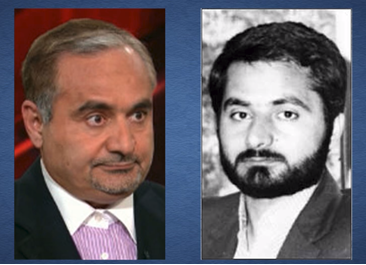
Meet Seyed Hossein Mousavian, who left Iran in 2009 and has since resided at Princeton University as a Middle East Security and Nuclear Policy Specialist at the Program on Science and Global Security. His background that clarifies everything has been explained by the Washington Examiner on September 10, 2012, in an article entitled ‘Princeton’s Iranian Agent of Influence’. Below are parts of this article.
“Mousavian’s jobs in the foreign ministry, his ambassadorship to Germany between 1990 and 1997, and most important his position on Iran’s National Security Council from 1997 to 2005—all came from his ties to the beardless, white-turbaned Rafsanjani, who was the most powerful man in Iran when Ayatollah Ruhollah Khomeini died in 1989.
“The founder of the IRP (Islamic Republican party), Mohammad Hosseini Beheshti, also launched the Tehran Times, the Marxist-Islamist English-language newspaper of the revolution, and made Mousavian editor in chief in 1980. Rafsanjani, Khamenei, and virtually everyone else who mattered in Iran’s fledging theocracy was tied to the IRP.
“When Rafsanjani became president in 1989, his key foreign policy was expanding trade relations with Western Europe, a step critical to the Islamic Republic’s nuclear aspirations.
“1997, he became the head of the foreign-relations committee of Iran’s National Security Council. He’d studied at Sacramento City College and Sacramento State University and received a Ph.D. in international relations from the University of Kent in England. He was a good choice to serve as the spokesman for Khatami’s nuclear-negotiating team.
Hossein Mousavian, Iran’s de facto, and envoy in the US
“(In) his chats with U.S. officials and think-tankers, Mousavian seems unwilling to foreclose the possibility that he will return to the Islamic Republic—that he can, somehow, be accepted back into the ruling elite.
“He wants to be seen as a member of the loyal opposition even though the Islamic Republic has never really accepted the legitimacy of a bifurcated body politic.
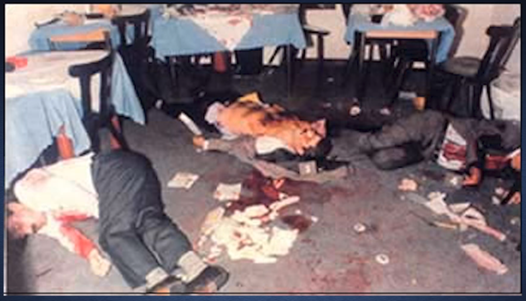
“…he was the Iranian ambassador to Germany when Iranian agents machine-gunned Iranian-Kurdish dissidents at the Mykonos restaurant in Berlin in 1992. In the early 1990s, Rafsanjani and Khamenei, then working in tandem, gave orders to Iranian intelligence to assassinate several annoying dissidents in Europe and Turkey.
Mykonos restaurant – Berlin, Germany – September 17, 1992
“Why Princeton University…, would want to give a fellowship to someone who has so much blood swirling around him is a different question.” (Washington Examiner, September 10, 2012)
It seems that Mr. Wang became the victim of an appeasement policy with the cruel regime in Iran when the Western powers tried to achieve their appeasing JCPOA agreement with it in 2015, influenced by people such as Mousavian who are working under mouth-filling titles like ‘Middle East Security and Nuclear Policy Specialist at the Program on Science and Global Security’ in Western institutions.
With the job to distract the public opinion from the regime’s real ambitions in its nuclear program and other cases like its destructive behavior in the Middle East and most important its human rights violations.