

Iran War: Escalating Drug Shortages and Disruption of Healthcare ServicesThe constant repetition of emotional images and narratives can also shape the child’s relationship with the outside world from the very beginning through a sense of vulnerability and danger, a phenomenon referred to in scientific literature as the Social Amplification of Risk. In this way, war does not merely create fear; it also transforms social relationships. In an environment dominated by insecurity, other people are no longer simply friends, neighbors, or classmates for the child, but may instead be perceived as ambiguous, unfamiliar, or even threatening figures. This stage demonstrates the profound impact of wartime conditions on the child’s social experience. Returning to the main question, it must be said that children are often unable to accurately express or identify the roots of their emotions. As a result, accumulated emotional pressure may manifest in their behavior, including sleep disorders, nightmares, extreme dependency, substitute behaviors, aggression, withdrawal, reduced concentration, and even repeated questions about death or the safety of family members. These reactions can be understood as the child’s attempts to distance themselves from internal pressures, make sense of them, or create some form of control over circumstances that feel unclear and anxiety-inducing.
Children of Iran; The Silent Victims of War
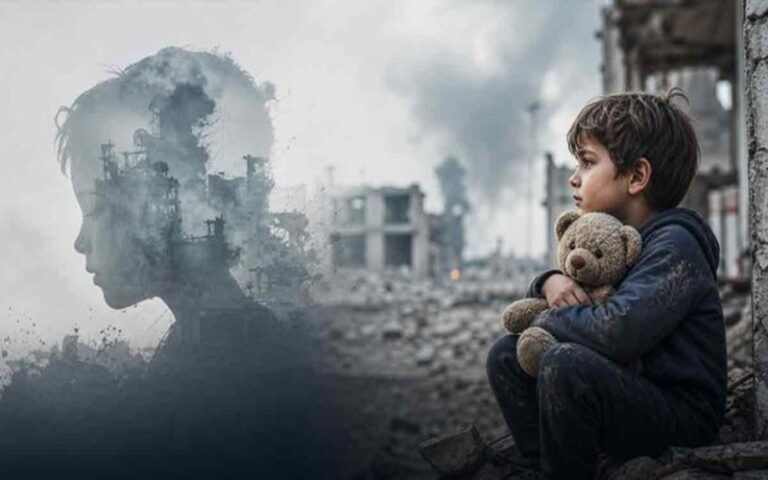
Children do not analyze war; rather, they mainly experience it on an emotional level. In other words, what adults perceive as an external event becomes an internal feeling for a child—often a feeling of insecurity. In psychology, there is a concept called Basic Trust, which refers to the child’s fundamental assumption that the world is predictable and safe under normal circumstances. In wartime conditions, this trust is severely damaged.
The sounds of explosions, violent images, and even parental anxiety convey the implicit message to a child that danger exists, even if the child does not fully understand its source. Whether through repetition or intensity, this experience can cement fear in the child’s mind and turn it into part of daily life, a condition known in psychology as Hyperarousal.
CENTCOM Announces Launch of Plan For Safe Passage of Ships Through the Strait of Hormuz
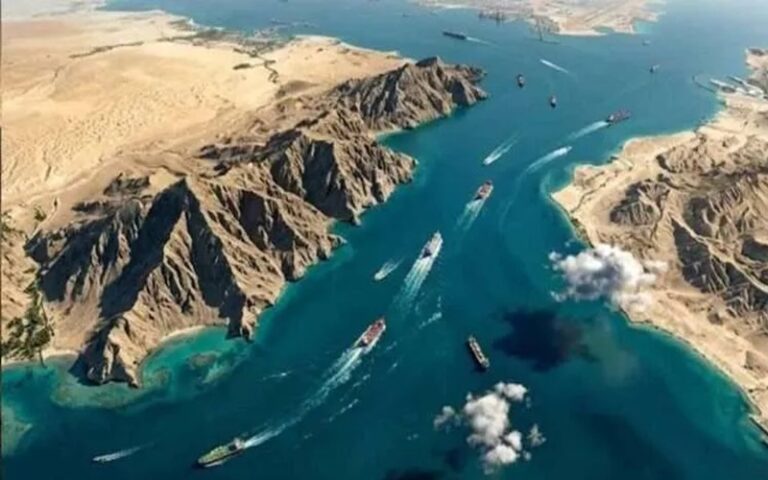
The United States Central Command (CENTCOM) announced that about 15,000 American military personnel will participate in an operation called Project Freedom, which is scheduled to begin on Monday in the Strait of Hormuz. The operation was ordered by US President Donald Trump with the aim of ensuring the safe passage of ships and crews from non-belligerent countries through this strategic maritime chokepoint.
Trump described the measure as humanitarian in nature and said that some ships stranded in the Persian Gulf are facing shortages of food and basic necessities. At the same time, he warned that any attempt to disrupt the operation would face a decisive response from the United States.
The Naval Blockade And the Structural Fracture of Iran’s EconomyAccording to CENTCOM, the military support for this mission will include the deployment of guided-missile destroyers, more than 100 naval and land-based aircraft, multi-purpose unmanned systems, and thousands of military personnel. The command also stressed that the operation is intended to support commercial vessels seeking free passage through one of the world’s most important trade routes. In this regard, two American officials told the Axios news website that US Navy warships will be stationed near shipping lanes to prevent potential attacks if necessary. According to these sources, one of the main tasks of American forces will be to provide precise information about safe maritime routes, especially routes considered less likely to contain naval mines. Reports have also emerged indicating that Project Freedom functions primarily as a coordination mechanism involving not only military forces but also governments, insurance companies, and shipping industry stakeholders. However, some officials emphasized that the plan currently does not include direct naval escorts for commercial ships by warships. These developments come as the Iranian regime has also proposed a plan to reopen the Strait of Hormuz and end maritime restrictions affecting its ports, stating that it has received the US response and is reviewing it. Meanwhile, some Iranian officials have warned against any American military presence in the area, describing it as a potential violation of the ceasefire. In the same context, Iranian military commanders emphasized that any approach by foreign forces toward the Strait of Hormuz would trigger a response. They also urged commercial vessels to coordinate with forces stationed in the region in order to maintain their security.
Iran’s Statistics Center reports 115% food inflation
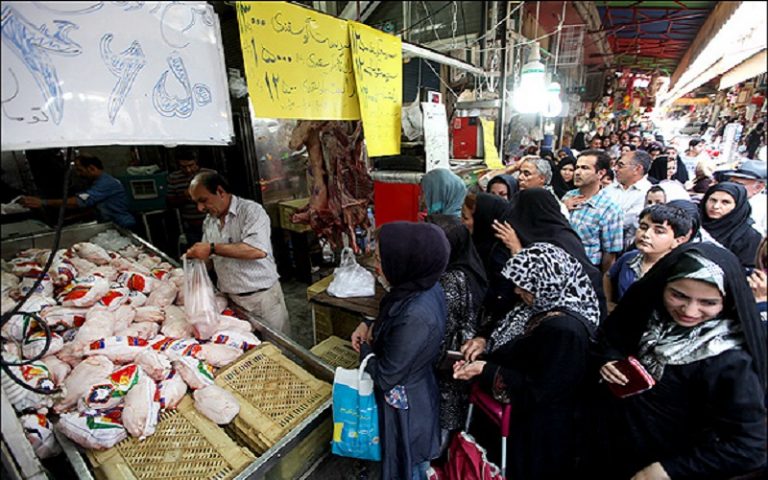
A new report by the Statistical Center of Iran shows that food inflation in March and April this year reached 115% compared to the same period last year, a figure reflecting the continuation of the severe inflation crisis and the unprecedented decline in people’s purchasing power, especially among workers and low-income groups.
According to the report, point-to-point inflation for all goods and services was also announced at 73.5%, meaning Iranian households must pay on average more than 70% extra to purchase the same basket of goods and services as last year.
War Economy and Stagflation in IranThe Statistical Center also estimated annual inflation for March and April at 53.7%, while the Central Bank of the Iranian regime had recently announced the figure as 50.6%. The discrepancy between official statistics has once again increased uncertainty regarding the true scale of the economic crisis. The International Monetary Fund has also predicted that Iran’s inflation rate will reach 69% during the current year. If realized, this would place Iran after Venezuela and Sudan as the country with the world’s third-highest inflation rate. Inflation and rising prices in Iran have become one of the country’s main livelihood crises in recent years. The collapse of the national currency’s value, structural corruption, the heavy costs of the regime’s military and regional projects, sanctions, and chronic economic mismanagement have continuously driven up the prices of essential goods. In recent years, items such as meat, rice, cooking oil, dairy products, and bread have repeatedly experienced sharp price increases, forcing many households to gradually remove these products from their tables. Economic experts warn that the continuation of this trend could lead to expanding poverty, malnutrition, and growing social unrest.
The Rising Cost of Food in Iran; Hidden Pressure on Large Families
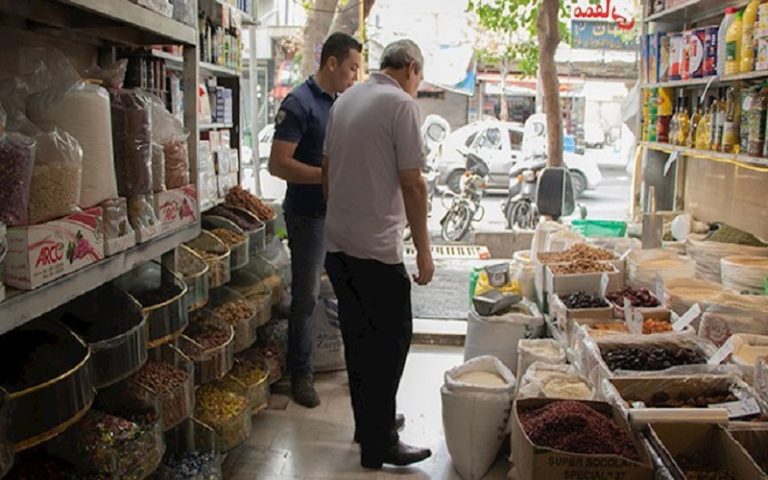
The state-run magazine Niniban published a report on April 29 regarding rising food prices. The report stated: “This is where the story of single-child families diverges from that of large families; when demands multiply with the number of family members, inflation bends the family’s back even further.” Reports indicate that prices have surged sharply, and the share of food expenses in household budgets, especially among lower-income deciles, has reached dangerous levels.
Large families are struggling with the challenge of rising food prices, and the scale of the problem is growing daily. As the economic crisis in Iran deepens each day, reports published by state-run media outlets unintentionally reveal the depth of this crisis. The issue of rising food costs and food shortages has become one of the main challenges facing families.
Prices of Essential Goods to Rise by Up to 30% in IranAlso on April 29, the state-run media outlet Chandsanieh wrote in its report that rising food prices have placed significant pressure on household living expenses. The report emphasized that children do not directly understand inflation. They simply express their everyday needs and desires. However, under conditions of soaring food prices, these demands have become a factor increasing economic pressure on families.
Rising food prices and the divide among families
The report discusses the difference between single-child families and large families. In smaller households, there is still some ability to manage expenses. Parents can reduce certain costs, including cutting back on entertainment or reducing purchases of some food items. Under such circumstances, rising food prices appear as a more limited form of pressure. In contrast, large families face a different reality. In these households, every price increase has a multiplied effect. For example, an increase in the price of essential goods such as cooking oil or dairy products does not affect just one purchase. It disrupts the family’s entire monthly food plan. As a result, rising food prices have become a permanent crisis in the lives of these families.The impact of rising food prices on children’s nutrition
The published report shows that in single-child families, there is still some possibility of maintaining a minimum level of nutritional quality. Parents try to preserve the child’s food share. However, in families with several children, this possibility is gradually disappearing. Under these conditions, rising food prices directly affect children’s meals. Reduced consumption of nutritious foods such as fruit, dairy products, and protein is one consequence of this situation. Families are turning toward cheaper products, which usually have lower nutritional value. As a result, inflation is not only an economic issue but also a threat to the health of the future generation.Changes in family consumption patterns under soaring inflation and rising prices
The report further states that large families have been forced to change their lifestyles. Every day, they eliminate part of their needs. These cuts often begin with essential items. Under such conditions, rising food prices have become the determining factor in everyday choices. These families face a constant dilemma. They must decide which need to eliminate. Over time, this situation creates significant psychological pressure. It also causes a widespread decline in quality of life.Inflation and hidden inequality
In official statistics, all families may appear to be on the same level. However, realities on the ground reveal deep differences. Rising food prices are a challenge for single-child families, but for large families, they have become a forced way of life. This lifestyle not only shrinks today’s dining table but also affects the future of children. Declining nutritional quality can have long-term consequences. This issue is especially evident among lower-income segments of society. What emerges from this report is a clear picture of the depth of the livelihood crisis in Iran. Rising food prices are no longer a temporary problem. This situation has become part of the structure of people’s daily lives. The main burden of this crisis falls on large families. These conditions demonstrate the deep inefficiency of the economic structure and its inability to provide minimum living standards for citizens. This inability stems from wasting the people’s resources on futile expenditures and the regime’s warmongering policies, which require destructive strategies for survival, the cost of which is borne by the people. Therefore, this corrupt and anti-people regime should not rule Iran and will undoubtedly be overthrown by brave and freedom-loving rebels.Four Decades of Bitter Narratives: May Day as a Day of Wrath, Not Celebration, for Iran’s Workers
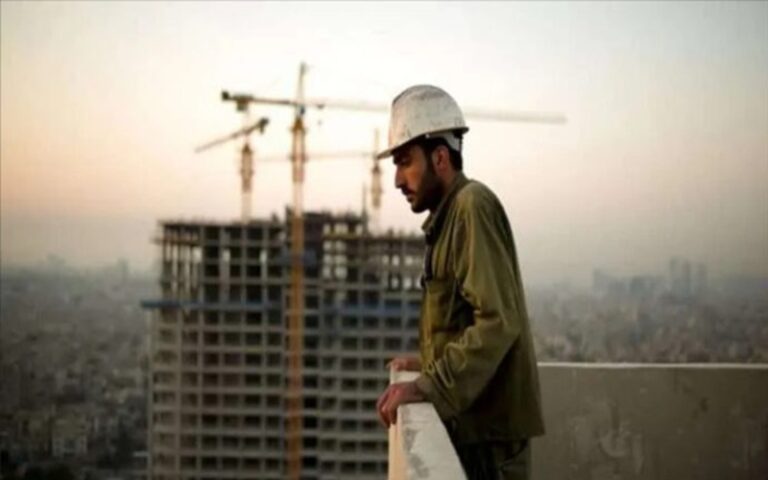
Does International Workers’ Day represent a celebration of dignity and status for Iran’s labor force? Do they gather in national jubilation? The grim reality—particularly over the last four decades—answers with a resounding no. For the Iranian worker, May Day is a rare outlet to voice outrage against wholesale exploitation, to cry out against the crushing cost of living, and to demand fundamental, life-sustaining rights.
May Day serves as a stark reminder of the deepest class divide in Iran’s history. It is a hijacked nation where the ruling clerics have monopolized all capital, production resources, and mineral wealth, stripping them from the workers and the general public to hoard as their personal fiefdoms.
Mass Worker Layoffs in Iran’s Industries Under the Shadow of WarFor Iran’s workers, wage-earners, teachers, female heads of households, and the broader working class, the daily grind has morphed into a nightmare of runaway inflation and deepening poverty. Every day is a struggle with no end in sight. Astonishingly, after 47 years, Iranian workers still lack independent labor unions or recognized representatives. The totalitarian clerics have driven the economy to the brink: by May 2026, the exchange rate plummeted to a staggering 1,850,000 Iranian rials to a single US dollar. Under these draconian conditions, workers must spend much of their lives languishing in long queues just to secure bread, medicine, and basic necessities. Their monthly wages evaporate before the month is half over: “The workers’ representative in the Supreme Labor Council announced that the cost of the livelihood basket for a working family this year has reached about 40 to 45 million tomans per month, while the minimum wage for workers is about 15 million tomans. To bridge this gap, the minimum wage should reach around 31 million tomans”. For day laborers, the catastrophe is even more acute: “The daily wage for a worker in 2026, according to the Supreme Labor Council, was set at a mere 5,541,850 Rials for 8 hours of work.” The demands of the Iranian working class remain unchanged from decades past, still focused on securing the bare minimum of legal and occupational rights: “The prohibition of child labor and the provision of free education for them, the establishment of the highest safety standards in workplaces, and the elimination of discriminatory laws for women and migrant workers are among the demands of the labor community.” Meanwhile, the backbreaking exploitation of female workers has intensified significantly over the past decades, driving women to grueling labor even in brick kilns: “Iranian female workers are described as the cheapest labor force in the country. Women’s employment status is worse than men’s, and they receive fewer legal protections, wages, and benefits. The situation for women in small workshops is far worse. Half of the workers in brick kilns are women, working under grueling conditions.” The interplay of domestic unemployment and the hiring of foreign nationals at suppressed wages has exacerbated the labor and housing crises, driving up poverty and emigration. This impasse remained unresolved through the late summer of 2025: “Mohammad Hossein Mesbah, an economic expert: In the Abbasabad industrial town, almost all factories were semi-closed. The main reason is the lack of workers. Job ads are everywhere, but no workforce can be found… Iraj Rahbar, head of the Tehran Mass Builders Association, emphasized that over 50% of construction workers in the capital were Afghan nationals, and with their departure, many construction projects have been disrupted.” Over the past year, while economic strangulation has squeezed the life out of the working class, their physical safety has also been sacrificed to a dire lack of occupational security—fatalities the state media routinely ignores: “In the past 12 months (May 2025 to May 2026), at least 586 workers lost their lives in workplace accidents. Independent organizations recorded another 302 fatalities that were ignored by officials. Due to the lack of transparency by authorities, most work-related accidents never reach the media.” A core driver of the widespread labor protests over the past year has been the pushback against the privatization of state-owned factories and enterprises. In response to these peaceful demonstrations, the regime’s security and intelligence apparatus has slashed wages, and even arrested and imprisoned workers to protect the interests of state-aligned employers and oligarchs. Yet, the sheer persistence of these rallies and strikes underscores the unyielding will of the workers against their oppressors: “Over the past year, a total of 682 labor rallies, 691 trade rallies, 383 labor strikes, and 39 trade strikes have occurred.” Ultimately, the resolution to the Iranian labor movement’s crisis cannot be found solely through trade-unionist avenues. The reason is glaringly obvious: the rights and destiny of Iran’s workers are inextricably linked to the broader struggle for freedom, equality, human rights, and the total dismantling of the Velayat-e Faqih dictatorship.
Iran Intensifies Pressure on Families of PMOI Prisoners Amid Expanding Crackdown
Iranian authorities have intensified pressure on the families of political prisoners and executed dissidents in recent weeks, with multiple reports indicating arrests, enforced disappearances, and restrictions targeting relatives of members and supporters of the People’s Mojahedin Organization of Iran (PMOI/MEK).
The measures come alongside a broader wave of executions and security crackdowns that rights advocates say increasingly extend beyond prisoners themselves to include grieving family members seeking information about their loved ones.
Arrests Following Efforts to Recover Executed Prisoners’ Bodies
On April 18, Iranian authorities arrested Akram and Azam Daneshvarkar, sisters of executed PMOI member Akbar Daneshvarkar. According to reports, Akbar Daneshvarkar, a civil engineer, had been held in Ward 209 of Evin Prison before being executed on March 30.
In the days following the execution, his sisters reportedly spent nearly three weeks traveling between Ghezel Hesar Prison, forensic offices, and judicial institutions attempting to recover his body and determine the location of his burial.
Global Reactions to Execution of Four PMOI Members in IranAuthorities later charged the sisters with “assembly and collusion against national security” and “disrupting public order,” before transferring them to Qarchak Prison. Akram Daneshvarkar, 54, had also participated in the “No to Execution Tuesdays” campaign, an initiative opposing executions in Iran and advocating for prisoners facing death sentences. The arrests fit a recurring pattern described by activists and former prisoners in which families attempting to hold memorial ceremonies, obtain burial information, or publicly discuss executions face legal threats or detention. Families of 1988 Massacre Victims Remain Under Pressure The pressure has also extended to families connected to victims of the 1988 prison massacre. On April 4, authorities arrested 63-year-old Masoumeh Azhini, sister of Mahmoud Azhini, a PMOI member murdered by the regime during the 1988 mass executions of political prisoners. Masoumeh Azhini had reportedly been detained previously in 2019 after seeking accountability regarding her brother’s death. In recent years, she had relocated from Tehran to the outskirts of Gorgan following what sources described as ongoing harassment by security agencies. Her current whereabouts have not been publicly disclosed. For decades, relatives of those executed in 1988 have faced restrictions on commemorations, surveillance, and periodic arrests, particularly around anniversaries or public calls for investigations into the killings. Executions Followed by Detentions of Relatives The case of Babak Alipour illustrates how authorities have increasingly moved against entire families connected to political prisoners. Alipour was executed on March 31, 2026. According to reports, security forces had arrested several members of his family more than two months earlier. Those detained included his 63-year-old mother, Omolbanin Dehghan, his sister Maryam, 31, and his brother Roozbeh, 40. Dehghan had reportedly been active in the “No to Execution Tuesdays” campaign prior to her arrest. Family members were allegedly prevented from holding a final meeting with Babak Alipour before the execution, while authorities also reportedly refused to release his body afterward. Human rights observers have long documented similar practices in Iran involving delayed notifications of executions, restrictions on funerals, and refusal to disclose burial sites, particularly in cases involving political prisoners. Such measures often leave families navigating a maze of prisons, judicial offices, and security agencies in search of information. Elderly Relatives Also Targeted Reports also indicate that elderly family members have not been spared. On March 29, security forces reportedly detained Vali Zoghi-Tabar, the father of imprisoned PMOI supporter Shahin Zoghi-Tabar. According to sources familiar with the case, he had recently undergone two surgeries and required ongoing medical care at the time of his arrest. The detention of aging parents and relatives has become an increasingly visible feature of the government’s broader security response to dissent. Analysts say such arrests place additional psychological pressure on prisoners while discouraging public mourning gatherings or protests. In many cases, funerals and memorial ceremonies for executed dissidents have evolved into politically charged events, drawing security attention and sometimes leading to further arrests. Expanding Security Climate After Nationwide Unrest The latest arrests come months after widespread anti-government unrest that swept Iran between December 2025 and January 2026. During those protests, demonstrations spread across multiple cities, prompting a large-scale security response. Reports from activists and rights groups described mass arrests and deadly confrontations between protesters and security forces. The crackdown has continued amid a tense political atmosphere following the death of Supreme Leader Ali Khamenei on February 28, 2026. Within this environment, authorities appear to have intensified efforts against individuals and networks perceived as linked to organized opposition groups, particularly the PMOI. The campaign has included executions, arrests of activists, expanded surveillance, and growing pressure on prisoners’ families. Observers note that in many of these cases, the families themselves are not accused of violent activity, but rather face prosecution linked to mourning ceremonies, public advocacy, or efforts to obtain information about detained or executed relatives. Calls for International Attention Human rights advocates and opposition groups have urged international organizations to respond more forcefully to the reported abuses. Appeals have been directed toward the UN High Commissioner for Human Rights, the UN Special Rapporteur on the situation of human rights in Iran, and international rights organizations to investigate the arrests and treatment of prisoners’ families. The reported detentions, disappearances, and restrictions on mourning ceremonies add to longstanding concerns over collective punishment practices in Iran’s security system. For many families, the process begins after an execution: unanswered calls, prison visits without information, searches for burial locations, and, increasingly, the risk of arrest for asking questions publicly. As executions continue and political tensions remain high, the pressure on relatives of dissidents appears to be expanding alongside the state’s wider security crackdown.
Iran: A Dangerous Country for Journalists
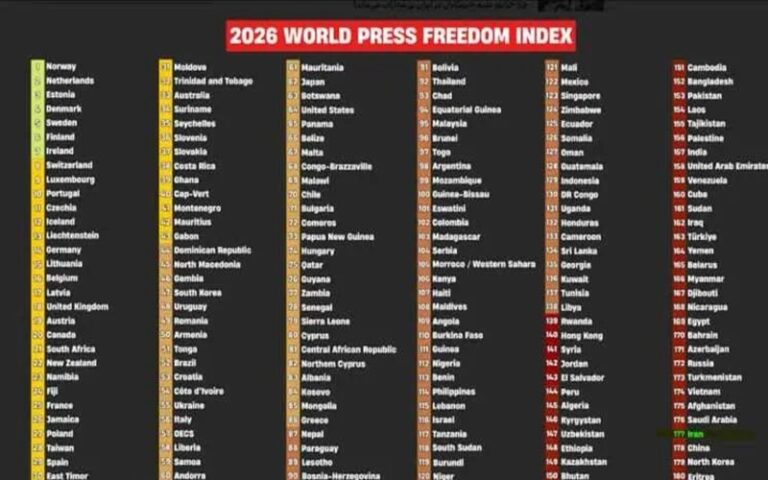
According to Reporters Without Borders (RSF), the state of press freedom worldwide has fallen to its lowest level in the past quarter century. Meanwhile, conditions for journalists in Iran have deteriorated alarmingly, with the country now ranked 177th in the global index. After dropping one place, Iran remains among the most dangerous environments for media activity. This structural decline reflects relentless pressure on those responsible for informing the public. International reports emphasize that only Eritrea, North Korea, and China rank worse than Iran in terms of press freedom conditions.
Iran: The Fourth Most Dangerous Environment for Journalists
According to the report published by Reporters Without Borders on April 30, the global average score for press freedom has reached its lowest point in the past 25 years. The index, published annually by RSF, evaluates countries in five key areas. These areas include economic, legal, security, political, and social criteria that determine journalists’ professional safety. The findings show that the legal indicator experienced the steepest decline during the past year. This reflects the increasing criminalization of media activities worldwide, particularly in Iran. At present, more than half of the countries in the world fall into the categories of “difficult” and “very serious.” While Norway has remained at the top of the rankings for the 10th consecutive year, Iran struggles near the bottom. Only seven countries worldwide provide a favorable environment for media activity. Together, these countries account for just 1% of the global population. These alarming figures reflect the severe isolation of the free flow of information in societies dominated by authoritarian governments.Legal Tools Used to Silence Critics
Reporters Without Borders warns that national security laws have become weapons against the press. Since 2001, the expansion of restrictive legal frameworks has weakened the right to access information even in democratic countries. In Iran, this trend has been pursued more aggressively, with journalists facing numerous security-related charges. The growing criminalization of journalism has made the information environment more restricted than ever before. According to available statistics, around 20% of the world’s population lived in favorable media environments in 2002. Today, that figure has fallen to less than 1%, amounting to a human catastrophe. Wars are among the main factors behind the decline in press freedom and the increasing dangers facing journalists. In regions such as Gaza, Sudan, and Yemen, media workers face direct threats to their lives. The 2026 report notes that Iran has also regressed due to regional tensions and internal repression. Russia, ranked 172nd, remains one of the worst countries for freedom of expression. Meanwhile, Syria has climbed 36 places following political developments and now ranks 141st. However, for journalists working in Iran, there are no signs of improvement, and pressure has intensified.The Need for International Action to End Impunity
By raising a serious question, Reporters Without Borders has challenged the future of freedom of expression. How long will the systematic obstruction of journalists’ work by authoritarian governments, and predatory actors continue to be tolerated? Currently, 52.2% of countries worldwide are classified as “difficult” or “very serious.” In contrast, in 2002, this category included only 13.7% of countries. To protect journalists, moral principles alone are no longer sufficient, and strong legal guarantees must be established. Ending the criminalization of journalism and repealing restrictive national security laws are the first steps toward changing this dire situation. The situation of journalists in Iran has reached an unprecedented and critical point. Falling to rank 177 and standing alongside the world’s most closed regimes sends a clear message to the international community. Journalists in Iran face major risks, including imprisonment, threats, and social deprivation. The experience of the past 25 years has shown that silence in the face of repression only emboldens those responsible for it.Iran’s Car Market Experiences Sharp Surge in Prices Afte War-Induced Stagnation
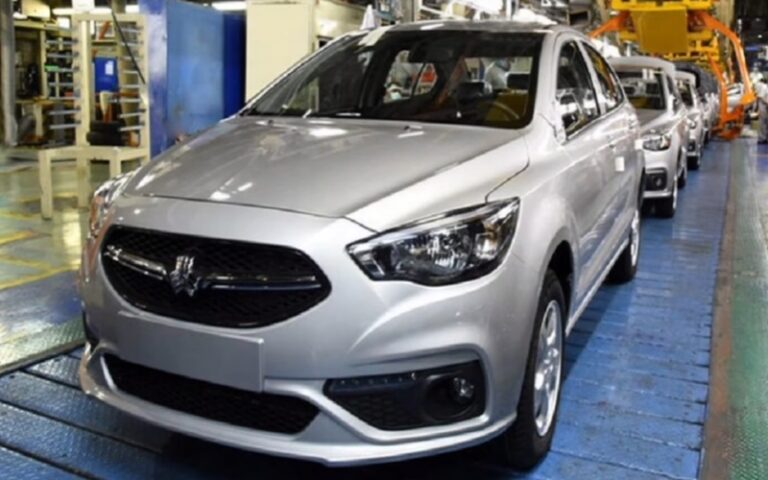
Media outlets in Iran report that the prices of many domestically produced cars have increased by 3 billion to 10 billion rials in less than two weeks. (Currently, the dollar price in Iran’s market is around 1,800,000 rials.)
The state-run Mehr News Agency wrote that during this period, even some car models such as Tara and Rira saw price increases exceeding 10 billion rials (approximately 5,587 dollars).
Prices of Iranian-Made Vehicles Jump by 50% in Less Than One YearAccording to reports, in Iran’s car market between April 16 and April 30, an unprecedented trend of price surges was recorded across nearly all vehicle categories, from domestically produced cars to assembled and imported models. Automotive experts and experienced market participants, who themselves have been surprised by the situation, told domestic media that this unprecedented price growth indicates the market, after a period of relative stagnation during the war, has re-entered a phase of volatility and widening price gaps. Saeed Motameni, the former head of the Tehran Car Dealers Union, said that Iran’s car industry, which had been moving toward becoming a consumer market, has once again turned into an investment asset for preserving monetary value. Motameni also emphasized that many buyers, due to reduced purchasing power, are unable to afford cars… only a small segment of society remains active in the market… approximately 10% to 15% of the population, while the majority of people cannot afford to buy or sell cars.
Why have car prices suddenly increased so sharply?
Automotive industry experts report an unusual situation in the car market; neither sellers are willing to transact, nor buyers have the financial ability to purchase. Automotive experts, in interviews with media outlets, cite the consequences of the war and U.S. and Israeli attacks on Iran as one of the main reasons for this price increase. The state-run Eghtesad Online website wrote that damage to the main supplier of steel sheets needed for car manufacturing on one hand, and disruptions in petrochemical production on the other, are undeniable factors behind the runaway increase in car prices. As one of the most widely used and in-demand goods in the market, cars have inevitably been affected by recent developments. Damage to parts of the steel and petrochemical industries—especially sectors involved in automakers’ supply chains—is already showing its effects on production lines. Meanwhile, the state-run Tasnim News Agency, quoting Mohammad Atabak, Iran’s Minister of Industry, Mine, and Trade, reported that planning for supplying the steel sheets required by automakers has been completed through the end of the year and their provision is guaranteed. According to this news agency, last week 164,000 tons of steel sheets were offered, of which only 92,000 tons were sold. At the same time, the reduction in car imports due to blocked import routes has also contributed to market volatility. As a result, prices of assembled and imported cars have also seen significant increases over the past two weeks. According to Hadadi (an Iranian official or market figure), under current conditions, car imports are not the country’s top priority. Therefore, although imports will not stop entirely, they will certainly be more limited than before. Due to import restrictions, challenges may also arise in supplying parts for assembled vehicles. On the other hand, the surge in foreign currency prices has also fueled the runaway increase in car prices in Iran, and Ezzatollah Zarei, spokesperson for the Ministry of Industry, Mine, and Trade, stated that the ministry has authorized price increases for automakers’ products. He said: “In the automotive sector and all goods, we have a logical price adjustment. We have changed the exchange rate basis for calculating import duties and wage rates, and naturally this affects product prices. Apart from this logical price increase resulting from changes in production and import-related factors, we will not have any other price increases.”The role of middlemen and the Ministry of Industry
However, a number of Iranian media outlets report that middlemen have entered the car market and are listing unrealistic prices for buying and selling in order to prepare the market mindset for further price increases. According to these reports, these groups are trying to exploit the current instability and public fear about the future, aiming to turn at least 30% to 40% of these artificial increases into real profit. The state-run Tabnak website also reported that a weekly increase of 3 to 5 billion rials (approximately 1,676 to 2,794 usd) is not consistent with any production logic, even considering rising raw material costs, and is instead due to severe monopolies and closed borders to large-scale, real imports. The outlet added that the Peugeot 207 reaching a price of 30 billion rials (approximately 16,760 USD) is a bitter historical milestone. This means a car considered inexpensive and suitable for students in global markets is being sold in Iran at the price of a luxury European car, and at global rates.UN Officials Call for a Halt to Executions and Repression in Iran
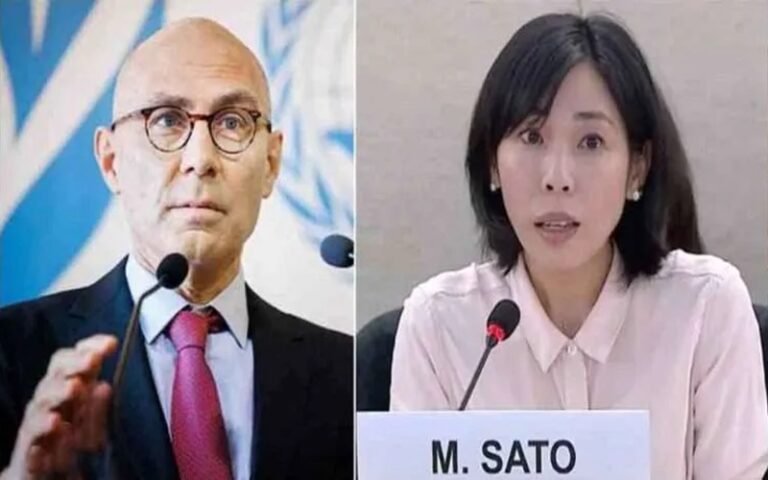
Volker Türk, the United Nations High Commissioner for Human Rights, in a statement published on April 29, strongly condemned the wave of protest repression, widespread human rights violations, and the increase in executions in Iran. At the same time, Mai Sato, the UN Special Rapporteur on the situation of human rights in Iran, also supported these positions in a message on X and warned about the worsening human rights crisis in Iran.
Both UN human rights officials emphasized the Iranian regime’s repeated use of vague security charges to silence dissent, the issuance of death sentences based on forced confessions under torture, and the systematic repression of ethnic and religious minorities.
Transfer of a death-row political prisoner to solitary confinement in Urmia, IranVolker Türk stated that since the beginning of the conflict, at least 21 executions have been officially announced by the regime. He stressed that the use of the death penalty, especially in the context of political protests and social unrest, is a clear violation of Iran’s international obligations and must be stopped immediately. He also referred to widespread arrests, severe restrictions on freedom of expression, and the repressive atmosphere in the country, saying: “I am appalled that – on top of the already severe impacts of the conflict– the rights of the Iranian people continue to be stripped from them by the authorities, in harsh and brutal ways. “In times of war, threats to human rights increase exponentially.” The UN High Commissioner for Human Rights also called for an immediate halt to all executions and stated: “I call on the authorities to halt all further executions, establish a moratorium on the use of capital punishment, fully ensure due process and fair trial guarantees, and immediately release those arbitrarily detained.” According to this body, over the past two months and since the start of joint Israeli and U.S. attacks on Iran, at least nine people linked to the January 2026 protests, 10 accused of membership in opposition groups (the People’s Mojahedin Organization of Iran, PMOI/MEK), and two on espionage charges have been executed. Volker Türk also warned that the prolonged internet shutdown, which he described as the longest recorded in history at 61 days, has raised serious concerns about concealing the true scale of repression and executions. He stressed that this measure has caused widespread economic damage, disrupted education and healthcare services, deprived people of vital information during the conflict, and enabled the regime to monopolize the official narrative. Mai Sato had also previously warned that internet shutdowns have become a tool of repression, preventing the true scale of killings, executions, and human rights violations from being revealed. She believes the actual number of victims may be far higher than official figures. Another part of the statement highlights the critical conditions in prisons and among political detainees. Severe overcrowding, shortages of food, water, medicine, sanitary facilities, and lack of access to medical care are among the issues raised. In Chabahar Prison, prisoners’ protest the suspension of food distribution was met with severe violence, resulting in at least five prisoners killed and 21 injured. It has also been reported that two other prisoners in another facility died showing signs of torture. Mai Sato has repeatedly emphasized the need for transparency regarding the fate of detainees, the prevention of enforced disappearances, and the immediate release of those arbitrarily detained. The statement also addresses the confiscation of citizens’ assets. Officials of Iran’s regime have seized the assets of hundreds of citizens, including around 400 Iranians living abroad—such as artists, athletes, journalists, and executives—and labeled them as traitors. This action has drawn strong criticism from human rights organizations as an example of transnational repression. In a joint stance, Volker Türk and Mai Sato have called on Iran’s regime to immediately halt executions and implement a moratorium on the death penalty, release all arbitrarily detained individuals, restore full internet access without delay, and ensure due process and access to legal counsel for all prisoners.
Iran’s National Currency Has Declined by 120% Over the Past Year
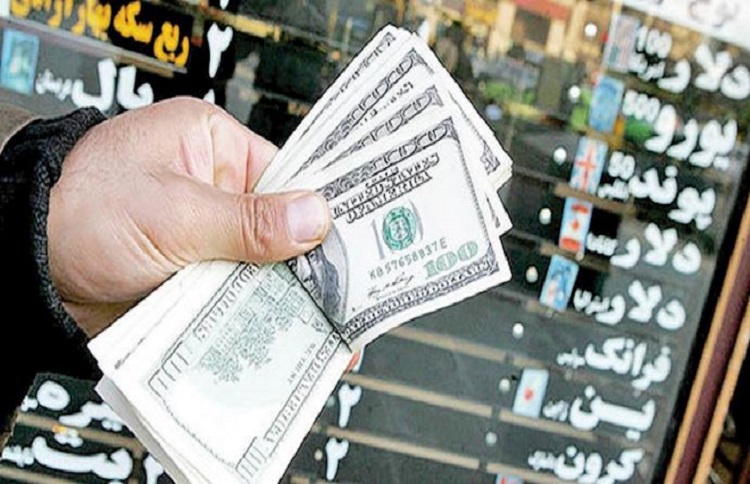
Reports from Iran indicate a sharp surge in the price of the U.S. dollar in the open market in recent days, reaching new records in the devaluation of Iran’s currency.
A review of the latest foreign exchange market changes shows that on Thursday April 30, the dollar price dropped by 37,000 rials compared to the previous day, settling at 1,788,500 rials. Over the past week, the dollar has also recorded an increase of 248,000 rials.
Analyses show that on March 30, the dollar stood at 1,579,500 rials. Since then, it has recorded a 13.23% increase.
War Economy and Stagflation in IranHowever, compared to one year ago, the dollar price has risen by 120.53%, increasing by 977,500 rials. This marks the highest recorded price of the dollar in Iran, meaning the country’s national currency has reached its lowest value in history. The rise in foreign currency prices in recent days has occurred following the start of a U.S. naval blockade and the intensification of tensions between Iran and several Arab countries along the Persian Gulf, including the United Arab Emirates. Last week, U.S. President Donald Trump wrote on the Truth Social platform that Iran earns about 500 million dollars per day from the Strait of Hormuz remaining open, and that it would lose this amount if the strait were closed. The sharp rise in the dollar comes as reports indicate that the United Arab Emirates has halted its economic activities with Iran following the recent war. Before the war began, the United Arab Emirates was Iran’s second-largest trading partner after China, with bilateral trade reaching 28 billion dollars in 2024. Iran, which is under heavy U.S. sanctions, had been importing many goods produced in other countries through the UAE, making it the largest exporter of goods to Iran. Many economic experts had also pointed to Iran’s heavy reliance on the UAE’s logistics system, highlighting the country’s significant economic dependence on this Persian Gulf state. Despite these close economic ties, Iran’s retaliatory attacks on Persian Gulf countries, particularly the United Arab Emirates, have severely strained relations between the two countries, and Emirati officials have expressed anger over Iran’s attacks. According to official statements from the United Arab Emirates, during the war, Iran’s regime fired more than 500 missiles and 2,200 drones at the country. Following the war, the United Arab Emirates has not reconsidered its relations with Western allies but has instead sought to reduce its economic cooperation with Iran’s regime.
