University of Arkansas Dismisses Faculty Member After Praise for Khamenei

The New York Post reported the dismissal of Shirin Saeidi from the University of Arkansas following her praise of Ali Khamenei, the supreme leader of Iran’s regime. Quoting a spokesperson for the University of Arkansas, the New York Post reported that Shirin Saeidi, director of the university’s Middle East studies program, was removed from her position following reports about her support for Iran’s regime and her adoption of anti-Israel positions. The newspaper wrote on Saturday, November 13, that Saeidi was accused of using official University of Arkansas letterhead to support Ali Khamenei, the leader of Iran’s regime, as well as publishing harsh and critical positions against Israel. Documents provided to the New York Post by the “Coalition Against Iranian Regime Apologists,” a U.S.-based group, show that Saeidi had previously used university letterhead to call for the release of Hamid Nouri, a former deputy prosecutor at Gohardasht Prison. Using the alias “Hamid Abbasi,” he was arrested on November 9, 2019, at Arlanda Airport in Stockholm, and on July 14, 2022, he was sentenced by the Stockholm District Court to life imprisonment for his role in the execution of political prisoners, on two charges of “war crimes” and “murder,” a sentence that in Sweden is equivalent to 25 years in prison. He took part in the massacre of political prisoners, who were mostly members and supporters of the People’s Mojahedin Organization of Iran. In June 2024, he was exchanged for Johan Floderus and Saeed Azizi, two Swedish citizens who had been imprisoned in Iran. According to the New York Post, in several posts published in November on the social media platform X, Saeidi praised Khamenei and prayed for his health. In some of these posts, Israel was described with phrases such as “terrorist regime” and “genocidal regime.” The University of Arkansas spokesperson told the New York Post that as of December 12, Saeidi is no longer with the Middle East studies department and that the university is reviewing her use of official letterhead in accordance with the institution’s policies. Saeidi and individuals like her attempt to rewrite history by exploiting Western academic spaces.
Hossein Mousavian, A Former Iranian Regime Diplomat, Has Been Dismissed from Princeton University After Fifteen Years
The lies of such individuals lead to the distortion of facts about Iran’s regime. In early August, Princeton University in the United States also announced that Hossein Mousavian, a former diplomat of Iran’s regime, had “retired” from the university. Mousavian is accused of involvement in the killing of a number of prominent opponents of Iran’s regime in Europe.

$116 Billion In Export Earnings Has Not Returned To Iran Over Past Seven Years

Hossein Samsami, a member of the Economic Commission of the Iranian regime’s parliament (Majlis), citing non-oil export statistics, announced that from 2018 through December 2025, more than $116 billion in export earnings has not returned to the country. On Saturday, December 13, Samsami, referring to the country’s “limited foreign exchange resources,” said that the “failure to fulfill foreign exchange commitments” by some exporters under these conditions has placed additional pressure on the economy and the production cycle.
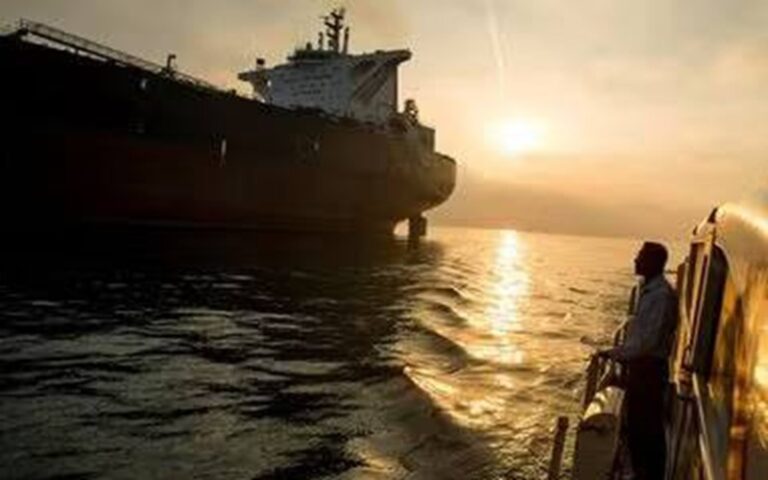
Iranian Regime’s Oil Exports to China Surge Sharply in June
He warned that this situation directly affects the activity of the real sector of the economy. According to Samsami, this is happening while the country’s “real producers” have for months been waiting in line for foreign exchange allocations totaling more than $20 billion to import raw materials, parts, and production machinery. The removal of preferential foreign exchange for products such as rice and the severe shortage of foreign currency resources in recent weeks have once again become one of the serious challenges facing Iran’s economy, a situation that experts say could place additional pressure on the food market and household livelihoods. The shortage of foreign currency has limited import capacity and sharply increased the cost of procuring essential goods in the country. Continuing his remarks, Samsami emphasized that the failure to allocate foreign currency directly has a negative impact on the continuity of production, employment, and the final prices of goods. The member of parliament added: “The lawmaker has clearly defined obligations regarding the return of export earnings, and any delay or leniency in this matter amounts to the violation of producers’ rights and harm to national interests.” He called for serious action by the government and the Central Bank, the publication of statistics on offending exporters, and the creation of conditions for the “return of foreign currency to the official economic cycle and the facilitation of producers’ access to foreign exchange resources.” Hossein Raghfar, an economist and university faculty member, had previously pointed to the non-return of $80 billion in foreign currency over the past five years, describing this figure as evidence of a political will not to return the funds and warning that this trend has intensified class inequality.

One hundred percent increase in the prices of essential goods in one year

Saddif Badri, a member of the presidium of the Iranian regime’s parliament, announced on December 13 that many essential goods have seen price increases of up to 100% over the past year, and that many common medicines, and even medicines for patients with special conditions, have either become scarce or are being sold at very high prices. According to him, in the past, 40% of the cost of medicine was paid out of patients’ pockets, but this figure has now risen to 70%. He added that this has placed heavy pressure on households, while insurance providers are also evading their responsibilities under various pretexts. As a result of the Iranian regime’s ineffective policies in economic, domestic, and foreign affairs over recent decades, runaway inflation has severely affected the lives of citizens, especially low-income groups, and the prices of essential goods, including medicines and healthcare services, have faced an unprecedented surge.

Sevenfold Increase in Medicine Prices in Iran

The head of the Association of Producers, Suppliers, Distributors, and Exporters of Medical and Pharmaceutical Equipment of Tehran Province reported a “sevenfold surge” in medicine prices in Iran since the removal of preferential foreign exchange for medicines. Alireza Chizari told the state-run ILNA news agency on Saturday, November 13: “We are currently witnessing a surge in the foreign exchange rate for medicines and medical equipment. In some cases, [the price of a medicine] has risen from four thousand and 200 tomans to 28 thousand and 500 tomans, which shows a sevenfold increase in medicine prices.”
Stocks of Hundreds of Medicines in Iran Have Fallen Below Three Months
At present, the price of each U.S. dollar is around 1.25 million rials. He added that this price increase has occurred while people’s incomes have not risen: “Except, of course, for 20% to 30% of society whose salaries increase every year.” At the same time, Iraj Khosronia, head of the board of the Association of Internal Medicine Specialists, said in an interview with the state-run House of Economy website that with the removal of preferential foreign exchange for insulin, 30% to 50% of diabetics will not be able to afford this medicine. According to him, nine million insulin-dependent patients will be exposed to the risk of heart and eye diseases following the removal of preferential foreign exchange. Mohammadreza Zafarghandi, the Iranian regime’s minister of health, treatment, and medical education, announced in December 2024—when the issue of activating the snapback mechanism had not even been raised—the removal of preferential foreign exchange for medicines and medical equipment, saying that medicines would be imported using the NIMA exchange rate. Following these remarks, and starting in January 2025, pharmaceutical companies increased the prices of their products by up to fivefold. In February 2025, the Social Security Organization reported price increases for more than 400 medicines covered by the organization. The removal of government foreign exchange for medicines and medical equipment in the 2025 budget bill revealed its effects starting in March 2025.

Criticism of the role of government institutions in the chaotic state of medicine supply

Chizari also blamed government institutions for the current “chaotic situation” in the field of medicines. He said: “Regarding the transfer of foreign exchange for medicines and medical equipment, one of the subsidiaries of the Ministry of Oil has still been unable to pay foreign currency to international suppliers, creating a very bad situation.”
Iranians Are Giving Up Visiting Doctors Due To High Cost of Treatment and Medicine
The trade official did not name the state-owned company but added that the company had pledged to reduce its debt to the Central Bank to zero by November. Chizari emphasized: “50% of the current problems in the field of medicines and medical equipment stem from the performance of this very company.” According to him, insurance claims in some cases have been overdue for nine months, and some medical centers have been in debt for more than two years.

Exhaustion of emergency reserves of medicines for hemophilia patients

The state-run ILNA news agency, quoting Amin Afshar, head of the board of the Iranian Hemophilia Society, reported the “exhaustion of emergency reserves of medicines for hemophilia patients.” Afshar said: “Our patients are on the brink of a serious, life-threatening crisis. The emergency reserves of the comprehensive hemophilia clinic’s pharmacy for some vital items have been depleted, and this means that if replacement supplies do not begin immediately, the likelihood of losing the lives of a significant number of patients is completely real and serious.”

Labor Organizations Indicate that Iran’s Minimum Wage Next Year Must Be 600 Million Rials

Four labor organizations in Iran wrote in a joint statement, referring to rising inflation and the harsh living conditions of wage earners, that in order to cover living expenses at the average level of society next year, they need at least 600 million rials (about $480) per month. The Haft Tappeh Sugarcane Workers’ Syndicate, the Coordinating Committee to Help Form Labor Organizations, Retired Workers of Khuzestan, and the Union of Retirees Group wrote in a joint statement published on Saturday, November 29, that the nominal increase in the salaries of government employees and retirees for 2026 has been projected at 20%, and should therefore be calculated in the next year’s budget.
Tehran Retirees Association: Retiree Salaries Do Not Cover Living Expenses
They noted that the rial value of a 20% increase applied to the 2025 minimum wage, including all job benefits, would amount to about 187.2 million rials (around $141). At present, the base wage of workers covered by the labor law is close to 110 million rials (around $88) per month. This amount rises to about 150 million rials (around $120) per month when benefits are included. By contrast, some labor organizations close to the regime have said that the monthly living basket has reached 580 million rials (around $464). Independent organizations of workers and retirees had last year called for setting wages at 400 to 450 million rials (around $320 to $360) for 2025. According to the two clauses of Article 41 of the labor law, the minimum wage for workers must be determined based on the inflation rate and the cost of living of a working-class household. However, the second clause has not been taken into account in the wage calculations of the Supreme Labor Council over recent decades. The signatories of the statement, referring to the rising cost of living and the decline in people’s purchasing power, added that inflation next year will most likely exceed 65%, and thus the minimum wage, even with a 20% increase for 2026, will amount to about one-third of the poverty line. Criticizing what they called this “anti-worker decision by the government” of Masoud Pezeshkian, the president of Iran’s regime, they added: “The struggle to raise wages and reduce economic pressures and inflation is a necessary and vital matter that draws the majority of society to protest the existing situation.” The statement says: “The more solidarity grows among different classes and social groups, and the more the struggle benefits from its own specific organization, the greater the possibility of realizing demands and social changes.” Meanwhile, the state-run ILNA news agency wrote regarding debates over a 20% increase in employees’ salaries next year: “The inflation imposed on people’s livelihoods over the first eight months of this year is about three times the proposed salary increase for employees (for next year).”
Iran’s Regime Debt to Social Security Disrupts Healthcare for Workers and Retirees
ILNA noted that government employees have strongly criticized the proposed 20% salary increase in online and public spaces. In this regard, tens of thousands of government employees, in a letter, called on Masoud Pezeshkian, the president of Iran’s regime, Mohammad Bagher Ghalibaf, the speaker of the regime’s parliament, and members of parliament to calculate salary increases for government employees not based on the proposed 20%, but according to the inflation rate. The letter, published on the Karzar website and signed by more than 48,000 people as of Saturday, November 29, states: “The proposed 2026 budget considers only a 20% increase in government employees’ salaries, while the real inflation rate is consistently reported at over 50%.” In this connection, Yahya Azizi, secretary of the Employees’ Demands Working Group at the regime’s Ministry of Agriculture Jihad, told ILNA: “Article 125 of the Civil Service Management Law provides for an increase in the rial coefficient in proportion to the inflation rate, but this requirement has not been observed over the past five years.” In recent months, protests by workers and other wage earners in various parts of Iran have expanded in parallel with the deterioration of their living conditions. In response, Iran’s regime has attempted to block these protests through administrative, security, and judicial measures, but reports from independent labor and professional organizations indicate the failure of this policy.

Gasoline Price Increase Begins Across Iran

The three-tier gasoline pricing plan was implemented across Iran starting early Saturday, December 13. Under this plan, subsidized gasoline continues to be offered at rates of 15,000 and 30,000 rials, while excess consumption, as well as gasoline for government vehicles, imported cars, and some high-priced vehicles, will be charged at a rate of 50,000 rials. With the implementation of the new cabinet resolution, gasoline pricing in Iran has entered a new phase. Fereydoun Yasemi, head of the Tehran branch of the National Iranian Oil Products Distribution Company, said in an interview with the state broadcaster of Iran’s regime that as of this date, gasoline is being sold at three rates of 15,000, 30,000, and 50,000 rials.
Millions Liters of Gasoline Smuggled Daily in Iran
The government of Iran’s regime cites the sharp rise in gasoline consumption and the imbalance between production and consumption as the main reasons for implementing this plan. According to official statistics, daily gasoline consumption in Iran has reached about 135 million liters, while domestic production is estimated at around 110 million liters at best. This gap has forced the government to spend billions of dollars annually on gasoline imports, a figure that, according to regime officials, has placed significant pressure on the country’s foreign exchange resources. According to government officials, the value of each liter of imported gasoline is about 660,000 rials, and the cost of domestic production is close to 100,000 rials—an argument they use to claim that even at the 50,000-rial rate, the majority of fuel costs are still covered by the government. Under this government resolution, the new rate is equivalent to 10% of the price at which gasoline is purchased from refineries. Officials of Iran’s regime say the government buys each liter of gasoline for 340,000 rials, but previous independent assessments show this amount to be 250,000 rials, of which only about 35,000 rials is the cost of gasoline production excluding feedstock—around 90% less than the figure announced by the government. From policymakers’ perspective, the continued imbalance in fuel products not only worsens the budget deficit but also increases fuel smuggling and excessive consumption. Another key pillar of this new policy is reducing reliance on station fuel cards and encouraging drivers to use their personal fuel cards. The government says that by limiting cheap gasoline and setting a higher rate for excess consumption, it will be possible to more accurately monitor consumption patterns and combat smuggling. Regarding consequences, the government insists that implementing this plan will have a limited inflationary effect. Official estimates put the inflationary impact of the three-tier gasoline system at about 0.2%, and government officials say more than 80% of vehicles meet their needs with the same monthly quota of 160 liters. It has also been announced that the revenue generated from selling gasoline at 50,000 rials will be used to distribute vouchers and support lower-income deciles. However, past experiences continue to loom over the public atmosphere. The last major gasoline price hike in November 2019, which was accompanied by a sudden announcement of new rates, led to nationwide protests and widespread unrest.
The Anniversary of Iran’s Bloody November 2019 Protests
Following that event, Iran’s regime approached fuel price reform with greater caution. Since then, gasoline price increases have remained among the most sensitive economic and social issues. Masoud Pezeshkian, the president of Iran’s regime, had previously said that raising gasoline prices is not an “overnight decision” and should be carried out gradually with consideration for people’s livelihoods. He also emphasized the limitations of foreign exchange resources and the unfair distribution of fuel subsidies. Iran’s regime presents the implementation of the three-tier gasoline system as a combination of “preserving the existing support model” and a gradual move toward reforming the energy consumption structure. Despite government officials’ claims that they had planned and prepared for the implementation of this plan, images received by Iran International from the final hours of Friday night show long lines at some gas stations.

The Iranian Rial Continues to Collapse Against the US Dollar

0
Amid the ongoing widespread economic crisis and the upward, record-breaking trend of foreign currency prices in Iran’s market, the price of each U.S. dollar surpassed 1.29 million rials. Websites that track currency prices in Iran reported on Saturday, November 13, that the price of each U.S. dollar rose to more than 1.29 million rials, each euro to more than 1.5 million rials, and each British pound to more than 1.7 million rials. At the same time, the price of the new-design gold coin known as the “Emami” also exceeded 1.38 billion rials.
Price Of U.S. Dollar In Iran Set A New Record
In recent weeks, an upward wave has swept through the currency and gold markets, setting successive records and charting a new path of rising prices. News agencies affiliated with the Islamic Revolutionary Guard Corps (IRGC), including the state-run Fars and Tasnim news agencies, simultaneously with the new dollar record, pointed the finger of blame at the government of Iranian regime president Masoud Pezeshkian and, contrary to their usual practice of not recognizing free-market exchange rates, criticized the price increases. Ali Madani-Zadeh, the Iranian regime’s minister of economic affairs and finance, said on December 8 in response to the sharp rise in the dollar’s price: “In a wartime environment, damage amounting to several hundred trillion rials has been inflicted, and under these conditions you expect the dollar to become cheaper—when the country has been subjected to the most unprecedented military attack?” He added: “In the middle of a war, do you expect inflation not to rise? If it had not risen, you should have been surprised.” The rise in the dollar’s price in Iran has coincided with an increase in gasoline prices. The three-tier gasoline pricing plan was implemented across Iran starting early Saturday, December 13. Under this plan, subsidized gasoline continues to be offered at rates of 15,000 and 30,000 rials, while excess consumption, as well as gasoline for government vehicles, imported cars, and some high-priced vehicles, will be calculated at a rate of 50,000 rials. In recent months, runaway inflation and the rising rates of foreign currencies have heightened concerns about the deterioration of Iran’s economic situation, a trend that intensified following the return of United Nations sanctions and the emphasis by officials of Iran’s regime on continuing the nuclear program. Over the past year, the prices of food items in Iran have increased by an average of more than 66%.

The Price of Essential Goods Spike in Iran

As prices of goods, food items, and essential supplies continue to rise in Iran, the state-run ILNA News Agency quoted a labor activist saying that the price of a single grain of rice is now 800 rials. ILNA reported on Thursday, December 11, that the price of medicine is once again increasing and, according to official reports, will rise by four to twelve times. Nader Moradi, a labor activist, told this state-run outlet that the soaring prices of essential goods mean “the result of this trend is breaking the backs of poor and defenseless people. Pressure of this magnitude has no precedent in recent years.”
Iran: In Five Months, Raw Milk Prices Have Risen By What Would Normally Take Fifty Years
Criticizing the steep rise in basic living necessities, he added, “Today, each kilo of Iranian rice costs about 400,000 tomans. With a simple calculation, we see that the price of a single grain of rice is about 80 tomans (800 rials).” He also noted that each U.S. dollar is currently traded at around 125,000 tomans (1.25 million rials). Moradi questioned what level rice prices will reach after the “removal of preferential currency” and asked what the “new price shock will do to people’s tables.” In this context, the state-run Ham-Mihan newspaper wrote on December 9 that monthly, year-on-year, and point-to-point inflation of food items continues to climb. According to the report, from October 2024 to October 2025, “the price of each kilo of beans increased by 255%, rising from 124,000 tomans to 443,000 tomans.” The report states, “For several years now, Iranian rice has disappeared from household tables, and studies show that this product, with a 155% increase, rose from an average of 124,000 tomans to 316,000 tomans in October.” According to Ham-Mihan, the price of Iranian rice, depending on type and quality, ranges from 260,000 tomans to 480,000 tomans. But beyond these items, other essential foods have also risen by 20% to 100%, including notable increases in bread prices. Ham-Mihan also wrote that “red meat, depending on type, has increased by 25% to 30% in the past year and now costs around 1 million tomans per kilo.” According to reports, many of these price hikes were authorized by Iran’s regime, even as Masoud Pezeshkian’s government has repeatedly opposed increasing the minimum wage for workers.
Price Of U.S. Dollar In Iran Set A New Record
Earlier, on October 31, Morteza Afghah, an economist and faculty member at Ahvaz University, warned in an interview with the state-run Khabar Online that if Masoud Pezeshkian’s government fails to control tensions, Iran will face a “major stagflation,” predicting that “the inflation rate may exceed 60% by year’s end.” Moradi told ILNA, “No matter how much wages increase, they cannot compensate for this compounded inflation. With these right-wing and contractionary policies, workers’ purchasing power and the real value of wages will decline even further next year.”

Workers are paid in tomans while costs rise in dollars

Currently, the base monthly wage for workers covered by labor law is close to 11 million tomans, and with benefits it reaches about 15 million tomans. In contrast, labor groups aligned with the regime say that the monthly cost-of-living basket has reached 58 million tomans (approximately 465 dollars). Yet even this modest wage is paid with delays of one to several months in many factories and companies, leading repeatedly to labor strikes and protests. Moradi added that “there is no oversight” regarding Iran’s inflation trend, explaining, “There are constant reports about financial imbalance and the rally of rising dollar and gold prices. On December 10, the dollar reached over 124,000 tomans; look how far wages have collapsed—the base wage is under 100 dollars.” He continued, “The minimum wage plus universal benefits for a worker with one child is about 15 million tomans. Considering the dollar price on December 10 (124,870 tomans), this amounts to about 120 dollars.” Moradi said, “A worker who works eight hours a day and forty-four hours a week ends up earning 120 dollars a month—and must survive an entire month on this meager income.” He called for comparing “this tiny amount” with the wages of minimum-income workers in other countries, including neighboring states, stressing: “The result is clear: Iranian workers have fallen sharply below the poverty line.”

Minimum wages in Iran’s neighboring countries and the United States

Reports indicate that the minimum wage in Iraq this year is about twice that of Iran: 240 dollars per month. The minimum wage in Turkey ranges from 620 to 730 dollars, in Turkmenistan around 400 dollars, in Azerbaijan about 235 dollars, in Pakistan 130 to 140 dollars, in Armenia about 190 dollars, and in Afghanistan between 70 and 80 dollars. In the United States, although the federal minimum wage is 7 dollars and 25 cents per hour, different states set higher pay rates for workers. Hourly pay is 16.66 dollars in Washington State, 16.50 dollars in California, 14 dollars in Florida, and 13 dollars in Alaska. The minimum wage is 15 dollars per hour in Delaware, Illinois, New Jersey, Rhode Island, and New York; 12.41 dollars in Virginia; 15 dollars in Maryland; and 17.95 dollars in the District of Columbia, where the U.S. capital is located. In several states—including Utah, Idaho, North Dakota, Iowa, Wisconsin, Kansas, Texas, Indiana, North Carolina, and New Hampshire—the hourly minimum wage remains 7.25 dollars. Meanwhile, people in the U.S. can purchase a kilo of basmati rice for between 2.75 dollars and 4.50 dollars, depending on the store—roughly the price range that Moradi referred to in his interview with the state-run Mehr News Agency.

Kurdish Political Prisoner Sentenced to Death After Minutes-Long Trial

A Kurdish political prisoner named Ramin Zeleh, from the city of Naqadeh and held in the local prison, has been sentenced to death by Branch One of the Revolutionary Court in Mahabad, overseen by Judge Siyami, on the charge of “baghi” (armed rebellion). The ruling was delivered to him on Saturday, December 6. According to reports, the charge is based on an allegation that he “belonged to one of the Kurdish political parties,” a common accusation used by Iran’s regime against Kurdish activists. Mahabad and Naqadeh are located in Iran’s northwest, an area with a large Kurdish population.
Iran: 304 Executions in One Month, 1,735 In 2025 So Far

Arrest without a judicial warrant and 508 days of incommunicado detention under security pressure

Ramin Zeleh was arrested by security forces on July 22, 2024, without any judicial warrant authorizing entry into his home or his arrest. After security forces raided his house, he was taken to an unknown location, and his family remained unaware of his condition for a long time. Since his arrest, this political prisoner has spent more than 508 days under interrogation, detention, and intense security pressure. Informed sources say that Zeleh’s family has been under constant pressure and repeated threats from security forces throughout this period to prevent them from sharing information about their son’s condition. The threats included warnings about the consequences of publicizing the case—an intimidation tactic frequently used by Iran’s regime—causing extreme anxiety and severe emotional distress for the family.

Denial of access to a lawyer and a minutes-long trial

According to a source close to the case, Ramin Zeleh was denied access to a lawyer of his choosing at all stages of his arrest and interrogation, and even afterward. He was completely deprived of the right to independent counsel, and the court appointed a state-selected public defender whose name and identity are unknown even to his family. This is a common pattern in politically motivated cases handled by Iran’s Revolutionary Courts.
Lawmakers at EU Parliament Back NCRI’s “Third Option” Amidst Historic Execution Surge in Iran
The trial of this Kurdish political prisoner was held in an online session lasting only a few minutes—a hearing that offered neither the opportunity to defend himself nor to present evidence. According to reports, the judicial process was so rapid and opaque that even the court-appointed public defender played no meaningful role in defending him. Based solely on this brief session, the death sentence was issued and delivered.

Deprivation of phone calls and family visits

Sources state that throughout his detention, Ramin Zeleh has been deprived of the right to phone calls and family visits. This ban applied during both his interrogation period and his subsequent confinement in detention centers and prison. Most of the time, his family had no information about his health or his whereabouts—a practice routinely used by Iran’s regime to pressure political detainees.

Pressure on the family and severe security restrictions

The family of this political prisoner has been denied access to his case file, and according to relatives, they have repeatedly been threatened by security forces that “if you speak out, the case will become more complicated.” Such pressure has prevented them from publicly expressing their concerns.

Uncertainty in the judicial process and concern among human rights activists

The issuance of a death sentence for a political prisoner after a minutes-long trial held without his chosen lawyer has heightened concerns among human rights activists. According to informed sources, Ramin Zeleh’s case has been marked by serious violations of basic rights from the beginning, with no indication that any principles of fair trial or due process were observed.

Trump Threatens to Destroy Tehran’s Nuclear Weapons Capabilities If It Rebuilds It

0
Donald Trump, the president of the United States, once again threatened Iran’s regime and said: “They can try, but it’s going to take them a long time to come back. But if they do want to come back, and they want to come back without a deal, then we’re going to obliterate that one, too.” During a meeting with reporters at the White House on Thursday evening, December 11 2025, Trump described the attack on the Iranian regime’s nuclear facilities as a foundation for peace. He said this attack resulted in the most complete destruction of Iran’s nuclear capacity, which made peace possible because previously everyone feared Iran, and now they do not.
Iran’s Regime Is Clearing One of Its Nuclear Facilities, Study Shows
Referring to the heavy damage suffered by Iran, Trump said: “They can probably never start there again. If they ever started, they’d probably choose a new site.” Hours before Trump’s remarks, Ali Khamenei, the supreme leader of Iran’s regime, in a meeting with a group of state-aligned eulogists, referred to repeated comments about “the renewed occurrence of military conflict in Iran” and described them as “a deliberate act to create concern and doubt among citizens.” He also added that the United States stands at the center of this wide and active front, with some European countries surrounding it.

Renewed threat against Iran’s regime

The U.S. president directly threatened Iran’s regime, saying Washington is able to disable Iran’s missiles very quickly. Referring to the ongoing regional war, Trump described all wars as brutal and destructive and called the battle over Iran’s nuclear capabilities a turning point in regional developments, saying: “This attack was the most complete destruction of Iran’s nuclear capabilities. This war was a devastating blow… The blow they received was so severe that I don’t think they’ll want to try again.” Trump again emphasized that “no other country” was capable of carrying out such an attack and described the United States as having “the best weapons and the best military in the world.” He added: “If Iran had not been so effectively disabled, none of our allies in the region would have been able to reach the agreements we have now.” Praising the leaders of Saudi Arabia and the United Arab Emirates, he said Iran “is no longer the country it once was” and that its standing “has dramatically declined,” although he warned that Tehran may attempt to revive its nuclear program in the future: “They can try, but it will take a long time to get back to where they were.”

Iran’s regime’s desire for a deal with the U.S.

In another part of his remarks, Trump claimed that Iran’s regime is now willing to negotiate with his administration and said: “They very much want to make a deal with me. And I also want to make a deal with them if possible. Before the bombing, we were reasonably close to making a deal.” Trump described the twelve-day war as a “missed opportunity” for Iran’s regime and added: “They could have made a deal where there were no casualties or buildings destroyed. We would have targeted their nuclear facilities and that would have been the end of it. They could have made a great deal, but they missed that opportunity. And now they want to make another one.” Over the past six months, the war of words between Trump and Iran’s regime has continued, with Trump repeatedly threatening to strike Iran’s nuclear and missile facilities again. On October 20, during a joint press conference with the prime minister of Australia, Trump described the airstrike on Iran’s nuclear facilities as one of the largest military operations in history. He said war is a strange thing: bad things may happen, but sometimes it produces good outcomes. That same day, Iran’s regime supreme leader dismissed Trump’s comments about “bombing Iran’s nuclear industry and wiping it out” as mere “fantasy.” Another major point of contention between Khamenei and Trump has been negotiations with the United States. Trump consistently claims Iran wants to resume talks, while Khamenei rejects any form of negotiation with the U.S. On November 14, before departing for Florida for the weekend, Trump told reporters aboard Air Force One that Iran, like many others seeking talks with the U.S., wants to negotiate a deal. Earlier, during a November 6 meeting with Central Asian leaders, Trump had said Iran’s regime asked the White House whether sanctions could be lifted. He stressed that he is willing to listen to such requests and that lifting sanctions is possible. On November 17, one day before Saudi Crown Prince Mohammed bin Salman’s trip to the United States, a letter from Masoud Pezeshkian, the president of Iran’s regime, was sent to Saudi Arabia. The Saudi state news agency reported that the letter had reached bin Salman but did not disclose its contents. Later, Reuters, quoting several informed sources, wrote that Tehran had asked Riyadh to persuade Trump to revive nuclear negotiations.

Iran’s Influenza Vaccines Stock Depleted as Cases Surge

Payam Tabarsi, an infectious disease specialist, referring to the rise in influenza cases in Iran, said that the number of critically ill and hospitalized patients has increased and that the stock of influenza vaccines has also been depleted. On Thursday, December 10, Tabarsi told the state-run Mehr News Agency that the most effective way to prevent influenza is “observing hygiene protocols” and that people at risk should avoid crowded places. He added, “If people can obtain the vaccine, it is not too late to get vaccinated, and there is still time until March 2026. However, given the current vaccine shortage, the main emphasis is on hygiene and reducing exposure to the virus.”
357 Dead From Air Pollution In Tehran In One Week
Homayoun Sameh Najafabadi, a member of the Health Commission of the Iranian regime’s parliament, said on December 10 that the high cost of the influenza vaccine and the lack of insurance coverage prevented many people from accessing it, leading to “this situation.” He added, “The fatal risk of influenza has become higher than that of COVID-19. In other words, the lethality of influenza is very high.” In recent weeks, coinciding with the peak of severe influenza and rising air pollution in major cities, citizens have been facing a new wave of respiratory infections. Hossein Kermanpour, head of public relations for Iran’s regime Ministry of Health, announced on December 10 that 101 people have died due to the new wave of influenza in the country, “most of whom had not been vaccinated.” At the same time, Ghobad Moradi, head of the Communicable Diseases Management Center at Iran’s regime Ministry of Health, said that the share of circulating respiratory infections has “reached about 16 to 17%,” a figure he says is “above the 10% global warning threshold,” indicating that the country has entered an influenza peak and many provinces have exceeded the alert level.

Widespread influenza wave in the country

Ahmad Mehri, an epidemiologist and public health expert, announced on December 11: “The country is facing a widespread influenza wave, with more than 30% of respiratory samples testing positive, three to four times the warning threshold defined by the surveillance system, and almost all provinces are affected by this wave.” He warned, “The main concern in this wave is the consequences of critical illness and the risk of death. Children, the elderly, pregnant women, patients with diabetes or hypertension, cancer patients, and those taking immunosuppressive drugs are at higher risk than others.”
Air Pollution In Khuzestan Caused More Than 1,600 Deaths In Past Year
Meanwhile, the simultaneous severe air pollution alongside the influenza peak has doubled citizens’ concerns. Minoo Mohraz, an infectious disease specialist, said on December 11 that air pollution alone does not cause influenza but can exacerbate the symptoms of respiratory illnesses. She added, “Patients with allergies, asthma, and respiratory problems are more vulnerable under these conditions, and the circulation of the influenza virus can be more dangerous at such times.” On December 8, Mohraz also told the state-run newspaper Shargh: “The current influenza wave is more severe than previous waves, and with the increase in cases, the likelihood of mortality and lethality also exists.”

Drug shortages and difficult days ahead

Mohammad Abdehzadeh, head of the Health Economy Commission of Tehran Chamber of Commerce, told the state-run ILNA news agency on December 11: “The drug shortage in the country is not a one-day or two-day problem, nor is it just this year or last year; it has existed for various reasons, and its roots are clear.” He attributed the drug shortage to three factors: “lack of foreign currency resources,” “shortage of rials,” and “untimely drug pricing,” emphasizing, “These three reasons have always caused chronic drug shortages in past years.” Abdehzadeh said pharmaceutical companies face difficulties in obtaining foreign currency and collecting their rial claims, and if these problems are not resolved, the last three months of the year will be “difficult days” for the country’s drug market. He continued: “Currently, the total claims of pharmaceutical companies from both government and private companies and pharmacies have reached over 1.5 quadrillion rials (approximately 1.25 billion dollars). This means that nearly half of the pharmaceutical market’s turnover consists of claims that producers have not been able to collect in rials.” Abdehzadeh also announced on December 10 that the severe drug shortage will continue in the last quarter of the year (from January to March 2026), and producers and importers are queuing daily to address issues with drug imports at the Central Bank and Ministry of Health. While the widespread influenza wave affects children, the elderly, and high-risk groups, repeated warnings and reports about drug shortages and high prices have cast a heavy shadow over patients’ lives and the healthcare system.