Iran Ranks Third Globally in Extent of Land Subsidence

Amid ongoing warnings about land subsidence crisis in Iran, an official from the Ministry of Roads and Urban Development announced that Iran ranks third globally in terms of land subsidence, revealing that the largest subsidence zones in the country have been identified in Golestan Province. Ali Beitollahi, head of the Earthquake Engineering and Risk Department at the Road, Housing, and Urban Development Research Center, warned on Saturday, August 23, that due to the severe depletion of groundwater resources, Iran is now among the top three countries in the world in terms of the “number of land subsidence zones.” He explained that the main cause of land subsidence in Iran is the lowering of groundwater levels, saying: “Around Tehran, we used to have groundwater at depths of 20 to 30 meters. Now, even at 120 meters, when we dig wells, there is no water. The water has been extracted and not replenished. This is called a negative water balance.”
Land Subsidence Warnings in Tehran and the Critical Situation of 70% of Iran’s Plains
Beitollahi elaborated that when the soil loses its water, the underground layers compress and the surface sinks. According to him, this process prevents surface water from infiltrating the ground, causes aquifers to lose their reserves, and results in runoff flowing on the surface. The head of Earthquake Engineering and Risk warned that many of Iran’s historical sites are located in subsidence zones, saying: “Today, Naqsh-e Jahan Square in Isfahan (a major historical site) has cracked, as well as Seyyed Mosque in Isfahan, Naqsh-e Rostam, Persepolis, and other monuments. Unfortunately, out of about 67 cultural heritage sites, 27 are located in subsidence zones.” On August 12, Isa Bozorgzadeh, spokesperson for Iran’s water industry, warned about the unprecedented severity of the water crisis, stating that 70% of Iran’s plains are in “restricted” or “critically restricted” conditions, and more than 300 plains, including Tehran, face serious land subsidence risks.

Transportation infrastructure at risk

Beitollahi also stated that transportation infrastructure, including railways and roads, has not been spared, mentioning the Tehran-Mashhad railway, the Isfahan-Tehran railway, and the railway along Lake Urmia’s coast. He added: “In Golestan Province, we have the largest subsidence zone. In Mazandaran, too, we have found subsidence in places we never expected. The spread of subsidence across the country is very extensive.” This Ministry of Roads and Urban Development official stressed that the largest subsidence zones in Iran are located in densely populated areas and settlements, not in deserts or mountains. He identified Mashhad, southwestern Tehran, southeastern Shiraz, and northern Isfahan as among the most significant subsidence centers in Iran. According to Beitollahi, the depletion of groundwater resources began in the mid-1970s with population growth and agricultural expansion, but the intensity of subsidence increased in the 1990s. Referring to the amount of groundwater lost, he added: “If we imagine a canal from the Caspian Sea coast to the Sea of Oman, 100 meters deep and 1 kilometer wide, the volume of water Iran has lost would be enough to fill such a canal. This negative water balance manifests as subsidence, and if not managed, nature will certainly give a harsh response.” Somayeh Rafiei, head of the Environmental Caucus in the regime’s parliament, warned last month that excessive groundwater extraction has caused land subsidence in 30 provinces and turned 66% of the country’s wetlands into dust storm sources.

Unprecedented Energy Crisis and Government’s Inability Force Shutdowns in 27 Provinces in Iran

With the continuation of an unprecedented heatwave and a sharp decline in water and electricity resources, Iran’s regime has once again resorted to widespread shutdowns of government offices and institutions in more than 27 provinces across the country. Regime officials justified the decision as a measure to “manage energy consumption” and “help stabilize the electricity and water grid.” However, experts view it as a temporary band-aid and a clear sign of structural weaknesses and chronic mismanagement.
Power Outages and Extreme Heat in Iran Are Claiming Lives
The shutdowns began in late July, starting with the capital, Tehran. Later, most provinces declared four days of closure in August, and ultimately, on Saturday, August 23, at least 27 provinces—including Tehran, Isfahan, Khuzestan, the three Khorasan provinces, the two Azerbaijans, and Kerman—were placed under shutdown. The Banks Coordination Council also announced that all banks in Tehran and these provinces would be closed on that day. Provincial governors stressed that all institutions are required to switch off cooling systems and reduce energy consumption. Nonetheless, reports indicate widespread blackouts across various cities. According to the managing director of Tavanir (the state-owned Power Generation and Distribution Company), the severe depletion of dam reservoirs has wiped out a significant portion of hydroelectric power capacity, leaving the country facing serious electricity shortages. In recent weeks, citizens across the country have reported daily outages of water and electricity lasting eight to ten hours. This year’s planned blackouts began earlier than in past years, disrupting daily life since May. Alongside this crisis, reports indicate a serious decline in Tehran’s dam reservoirs. The manager of Karaj Dam said water storage has dropped to its lowest level in 64 years, with only one-third of its capacity remaining. This contradicts claims circulating on social media about full reservoirs, which on-the-ground observations have proven false. Economic experts have warned that each nationwide shutdown costs Iran’s economy about 100 million dollars in losses. Reduced output in key industries such as steel and petrochemicals, a decline in non-oil exports, and factories turning to polluting fuels like mazut are among the direct consequences of the energy crisis. Reports indicate that in just the past month, steel production at Mobarakeh Steel Company and Esfahan Steel Company has dropped by 25%. Socially, this situation has severely impacted the livelihoods of millions of workers and those employed in the informal sector, with day laborers’ incomes dropping by up to 40%. Small and medium-sized businesses, which account for more than 80% of national employment, have also seen a 25% decline in activity. According to analysts, the repetition of these shutdowns and the government’s inability to provide structural solutions have further eroded public trust. Many citizens, in messages to media outlets, stressed that the current crisis is not the result of public consumption but rather of the Iranian regime’s flawed policies and chronic mismanagement in the energy and water sectors. The widespread shutdown of offices, alongside power and water cuts and the pollution crisis caused by burning mazut, paints a clear picture of the regime’s decaying infrastructure and managerial failures—a crisis whose consequences have severely affected everything from the economy to public health and the environment.

Amnesty International Warns About the Destruction of Graves of Thousands of Dissidents

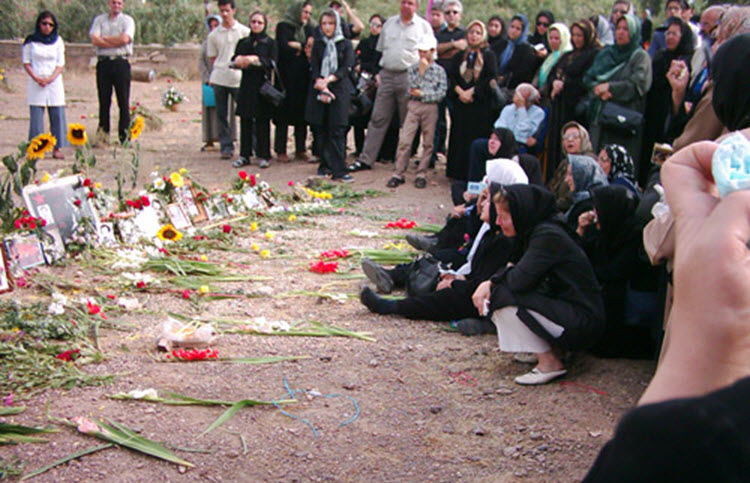
Following the admission by Tehran’s deputy mayor regarding plans to build a parking lot in Section 41 of Behesht-e Zahra cemetery, Amnesty International condemned the move and called for an end to the harassment of the families of victims of the 1980s mass executions. On August 11, the Iranian Resistance announced that Section 41 of Behesht-e Zahra cemetery—where thousands of members of the People’s Mojahedin Organization of Iran (PMOI/MEK) executed by Iran’s regime in 1981 are buried—has been destroyed and leveled. The organization emphasized that erasing the evidence of genocide and crimes against humanity amounts to participation in these heinous crimes. In a post on its X (formerly Twitter) account on August 22, Amnesty International expressed concern over the official statements by Tehran authorities, stressing that these graves are crime scenes and no one has the right to destroy them. Amnesty International wrote: Iran’s authorities are destroying vital evidence of the mass executions of dissidents in early 1980s by building a parking lot over their graves in Tehran’s Behesht Zahra cemetery. This is another grim reminder of systemic impunity for the crimes against humanity of that era. Tehran’s Deputy Mayor Davoud Goudarzi shockingly admitted that the graves in slot 41 of the cemetery were being destroyed with official permission from authorities. This move follows decades of cruel restrictions on families planting flowers or fixing desecrated gravestones. Individual & mass graves from the 1980s mass executions are crime scenes requiring forensic expertise for exhumation and evidence preservation. By destroying them, authorities are concealing evidence of their crimes and hampering the rights to truth, justice & reparations. Amnesty International previously documented how Iranian authorities have destroyed the graves of victims of 1980s killings through bulldozing, constructing buildings and roads, mass rubbish dumping or building new burial plots over them. Iranian authorities have also destroyed or desecrated gravestones of victims of more recent human rights violations including members of the persecuted Baha’i minority & those unlawfully killed during the 2022 uprising. Amnesty International added at the end: Amnesty International renews its calls on the Iranian authorities to stop the destruction & desecration of individual & mass graves of victims of 1980s mass executions. Authorities must stop deepening the pain of families & respect their right to bury their loved ones in dignity.

Iran’s Regime and Russia Intensify Consultations to ‘Contain Snapback’

As the legal deadline for the expiration of United Nations Security Council Resolution 2231 approaches, and with the growing possibility that the three European countries might trigger the “Snapback” mechanism, Tehran and Moscow have stepped up their legal consultations to counter this scenario. On the morning of Saturday, August 23, Abbas Araghchi, the Iranian regime’s foreign minister, and his Russian counterpart, Sergey Lavrov, held a joint phone conversation to review developments related to the nuclear file, recent moves by European countries, as well as the regime’s cooperation with the International Atomic Energy Agency (IAEA).
Iranian Regime FM: Snapback Sanctions Will Cost Heavily
In this conversation, both sides emphasized that the three European countries—France, Germany, and the United Kingdom—due to their repeated violations of the nuclear deal (JCPOA) commitments and their alignment with the United States in attacks on Iran’s nuclear facilities, lack both legal and moral standing to use the JCPOA dispute resolution mechanism. According to Araghchi, the idea of extending Resolution 2231 is a decision that must only be made by the Security Council with the agreement of all its members. He stressed that the Iranian regime does not recognize any right for the three European countries in this matter. Previously, Mikhail Ulyanov, Russia’s permanent representative to international organizations in Vienna, had warned that the United Kingdom, France, and Germany intend to activate Snapback against Iran before the end of August. This mechanism, included in Resolution 2231, allows for the reimposition of all previous UN Security Council sanctions against the Iranian regime without the need for a new vote. Ulyanov stated on X (formerly Twitter) that the three European countries themselves have violated Resolution 2231 and JCPOA commitments, and therefore, under international law, lack the authority to activate Snapback. He referred to the principle of “good faith” in international law and to the advisory opinion of the International Court of Justice in 1970 regarding South Africa and Namibia, stressing that one cannot benefit from rights under an agreement while simultaneously violating its obligations. Meanwhile, Araghchi also told the state-run IRNA news agency that the activation of Snapback would bring significant economic damage to Iran, but he did not consider it “the end of everything.” He said: “For several years, we have been in talks with China and Russia about preventive solutions, although their success is not guaranteed.” At the same time, China has also lodged a note at the Security Council strongly opposing the activation of this mechanism. Beijing declared that the current deadlock stems from the obstruction of the United States and the three European countries in implementing the JCPOA, not from Tehran’s behavior. The Chinese government warned that the return of sanctions would be an illegal move, violating the spirit of diplomacy, and could bring “catastrophic and unpredictable consequences.”

What is the snapback mechanism?

Snapback is a mechanism outlined in United Nations Security Council Resolution 2231, which allows participants of the nuclear deal (JCPOA) to restore previous UN sanctions against Iran if the country is found in “significant non-compliance” with its commitments. This can be done without requiring a new vote—only through the submission of a formal notification. According to paragraph 11 of Annex B of Resolution 2231, once such a notification is submitted, sanctions automatically return after a 30-day period unless the Security Council adopts a new resolution to extend the suspension. In practice, due to the veto power of the permanent members, passing such a resolution is extremely difficult and nearly impossible.

Which sanctions would return?

If Snapback is activated, Iran’s nuclear file would once again fall under Chapter VII of the UN Charter. This chapter authorizes the Security Council to impose both military and non-military measures against states in order to maintain global peace and security. The first consequence of triggering this mechanism would be the full reinstatement of the arms embargo. Iran would be banned from exporting or importing all types of weapons, military equipment, missile systems, ammunition, and even related technologies. This ban would cover both formal and informal military cooperation. In the missile field, all activities related to ballistic missiles—including production, testing, research and development, or the provision of components—would be strictly prohibited. Any cooperation with other countries or international bodies in this area would also be subject to penalties. In the financial and banking sectors, sanctions would freeze the assets of key Iranian institutions such as the Central Bank, state-owned banks, the National Development Fund, and other affiliated entities worldwide. These sanctions would almost completely sever Iran’s ties with the global financial system.
A Decade After the Signing of the JCPOA, Will the Snapback Mechanism Be Triggered?
In the energy sector, Iran’s exports of crude oil, natural gas, petrochemical products, and other energy resources would once again be sanctioned. Foreign investment in Iran’s energy industry would stop, and international companies would be prohibited from participating in oil and gas projects in the country. Additionally, the UN sanctions list targeting Iranian individuals and entities would be reinstated. This includes senior officials of the Islamic Revolutionary Guard Corps (IRGC), the Ministry of Defense, the Atomic Energy Organization of Iran, companies tied to Ali Khamenei (the regime’s supreme leader), and other key institutions that had previously been removed under the JCPOA framework.

Karun River, the Longest River in Iran, Faces the Threat of Drought

The Karun River, Iran’s longest river with a length of more than 950 kilometers, is on the verge of an environmental disaster and severe drought. A sharp decrease in water flow, the drying of parts of the riverbed, and the stench caused by stagnant water have sounded alarms, drawing the attention of environmental experts and activists. Ali Arvahie, a wetland ecosystem management expert, said in an interview with the state-run Khabar Online website on Thursday, August 21, that climate change and the establishment of water-intensive industries such as steel and petrochemical plants are factors exacerbating the drying of the Karun. He stressed that the main problem is “mismanagement and poor governance of water resources,” which has resulted in dam construction and pressure for water-intensive farming, both of which fuel the crisis.
Twelve Major Dams in Iran Supplying Drinking and Agricultural Water at Less Than 10% Capacity
He pointed to the construction of dams such as Karun-3, Karun-4, and Gotvand, water transfers to provinces like Isfahan and Yazd, and high-consumption crops such as sugarcane and rice in Khuzestan as the main causes of the Karun water crisis. He added that salt deposits in the Gotvand Dam reservoir have multiplied the river’s salinity. He stressed that dam construction and water transfers have drastically altered the river’s flow, reducing water reaching downstream and wetlands, warning: “In recent years, Karun’s inflow, which once stood between 500 to 600 cubic meters per second, has in some months dropped below 100 cubic meters.”

Terrifying consequences

Arvahie went on to address the environmental impacts of the drying Karun and the stench of stagnant water, saying: “Reduced water flow lowers dissolved oxygen, increasing the risk of death among aquatic life and invertebrates. The growth of algae and anaerobic bacteria creates foul odors, and abnormal sedimentation alters habitats.” He added: “Gases such as hydrogen sulfide can cause respiratory problems and headaches, while poor water quality exacerbates gastrointestinal and infectious diseases. There is also the possibility of rising mosquito populations and diseases such as malaria or dengue fever.” The reduction in oxygen and increased salinity of the Karun result in the death of aquatic species and the destruction of habitats, making their migration for spawning more difficult. Arvahie stated: “The Shadegan and Hoor al-Azim wetlands, which are habitats for migratory birds, are endangered due to declining water levels and pollution, and some species may be lost. The Karun crisis has put the entire ecological chain—from aquatic life to birds—under severe pressure.”

Forced migration

This ecosystem expert warned about forced migration if the situation continues, stating that some villagers in Khuzestan have already been forced to leave their lands due to lack of water for agriculture and soil salinity. In such circumstances, livestock farmers can no longer sustain themselves, leading to increased social discontent. He added that reduced agricultural production, dependence on food imports, and the loss of skilled labor threaten the region’s social and economic security and may lead to demographic shifts. According to Arvahie, the drying of wetlands could increase dust storm hotspots and threaten public health. To overcome this crisis, he said, water governance must shift from demand-oriented management toward water-saving development and guaranteeing water rights for the Karun and downstream wetlands. In these circumstances, the Karun more than ever reflects the failure of water governance under Iran’s regime, and without effective measures, the “lifeline of Khuzestan” will turn into a permanent center of crisis.

United Kingdom Sanctions Companies Affiliated With Iran’s Regime

The British government, in coordination with the United States and the European Union, sanctioned Hossein Shamkhani, son of Ali Shamkhani—an advisor to regime supreme leader Ali Khamenei and one of the key figures in selling Iranian and Russian oil—along with his affiliated companies. On Thursday, August 21, the UK government announced in a statement that, under its sanctions and anti-money laundering law, it had added five new entries to its sanctions list against Iran’s regime. The statement said that the Iranian regime’s reliance on revenue from commercial networks and affiliated organizations enables it to continue its destabilizing activities, including supporting proxy forces and regional partners, as well as facilitating state threats inside the UK.
Bloomberg: Shamkhani’s Son’s Influence in the International Banking System
In addition to Shamkhani, his Dubai-based companies, including Admiral Shipping Group and Milavous Group, were targeted by the new sanctions. The UK also sanctioned Ocean Leonid Investments, an investment firm based in London, which plays a key role in Hossein Shamkhani’s economic empire. Additionally, Petrochemical Commercial Company, one of the Iranian regime’s financial arms in the international arena, was added to the sanctions list. These sanctions come amid growing concerns over increasing threats attributed to the Iranian regime inside the UK. On August 19, Conservative MP Bob Blackman warned that “agents of Tehran’s ayatollahs” roam the streets of Britain, threatening citizens and targeting opponents of the Iranian regime. The UK government further stated in its announcement that it will continue to hold Iran accountable, and today’s sanctions are a decisive step in this direction. According to UK sanctions regulations, all assets and economic resources of the sanctioned individuals and entities must be frozen, and no person or entity is allowed to engage in direct or indirect financial dealings with them.

Sanctions on Shamkhani by the US and the EU

Earlier, on July 30, the United States announced sanctions against Hossein Shamkhani and parts of his “vast shipping empire.” This package included 50 individuals and entities, along with more than 50 vessels, making it Washington’s largest sanction action against Tehran since 2018. The US Treasury Department’s statement said that Hossein Shamkhani, leveraging his father’s influence at the highest levels of the Iranian regime and through extensive corruption, built and operated a large fleet of oil tankers and cargo ships. US Treasury Secretary Scott Bessent said in this regard that the Shamkhani family’s shipping empire shows how the Iranian regime’s elites exploit their positions to amass vast wealth and finance the regime’s dangerous activities. Ali Shamkhani himself had already been sanctioned by the US in 2020. Less than two weeks after the beginning of Donald Trump’s second presidential term, a new round of the “maximum pressure” campaign against the Iranian regime was launched. In the first 100 days, the Trump administration imposed a total of 17 rounds of sanctions related to the Iranian regime, targeting 40 individuals, 117 companies and entities, and 77 oil tankers. On July 21, the European Union also sanctioned Hossein Shamkhani and several of his affiliated companies for their key role in Russian oil trade and their involvement in the country’s clandestine oil fleet, known as the “shadow fleet.” In January 2025, Bloomberg reported that Hossein Shamkhani and several of his associates obtained Dominican Republic citizenship through its investment-for-passport program in order to gain access to the international banking system.

U.S. Sanctions 13 Shipping Companies and 8 Tankers to Counter Iran’s Regime

The U.S. Treasury Department has sanctioned 13 shipping companies and eight oil tankers linked to the Iranian regime, in an effort to counter Tehran’s attempts to evade Washington’s sanctions. On Thursday, August 21, the U.S. Treasury issued an official statement adding Antonios Margaritis, a Greek national, along with several shipping companies based in Hong Kong, the United Arab Emirates, the Marshall Islands, and the United Kingdom, to the list of entities sanctioned in connection with Iran. Scott Bessent, the U.S. Treasury Secretary, stated: “Today’s action against Margaritis and his network degrades Tehran’s ability to fund its advanced weapons programs, support terrorist groups, and threaten the safety of our troops and our allies.”
EU Sanctions Hossein Shamkhani: A Blow to the Oil and Weapons Network of Iran’s Regime and Russia
He added:”Under the leadership of President Trump, Treasury remains determined to hold accountable all those who seek to aid the Iranian regime and threaten global security.”

Which Companies Were Sanctioned?

Among the sanctioned firms are Rose Shipping, Ozarka Shipping (based in Dubai), Hong Kong Hangshun Shipping, Marant Shipping and Trading, and U Beacon Shipping. Additionally, several Chinese companies were also targeted by U.S. sanctions. Furthermore, several oil tankers, including KATSUYA, Sondos, and VICTORY ARI, were added to the U.S. sanctions list due to their connections with these shipping companies. These sanctions freeze all assets under U.S. jurisdiction and prohibit any transactions with American individuals or entities. The Treasury Department further announced that the names of several Belarus-linked companies, including Dana Holding, and Nebojsa Karic, a Serbian-Cypriot national, were removed from the sanctions list. According to the department, this move is part of the ongoing update of U.S. sanctions against the Iranian regime and its allies in the energy and shipping sectors. On August 7, the U.S. also sanctioned 18 individuals and entities tied to the Iranian regime for their central role in helping Tehran generate revenue and evade Washington’s sanctions. According to the Treasury, faced with severe financial restrictions due to international isolation, the Iranian regime has engineered complex banking schemes and alternative payment systems specifically designed to circumvent sanctions and safeguard its ability to collect export revenues, especially from illegal oil sales. On July 30, the U.S. also sanctioned Hossein Shamkhani, son of Ali Shamkhani (a senior regime official and former secretary of Iran’s Supreme National Security Council), along with part of his “vast shipping empire.” This package targeted 50 individuals and entities, as well as more than 50 ships, marking the largest U.S. sanctions action against the Iranian regime since 2018.

Students In Iran’s Villages Go to School Without Breakfast and Faint

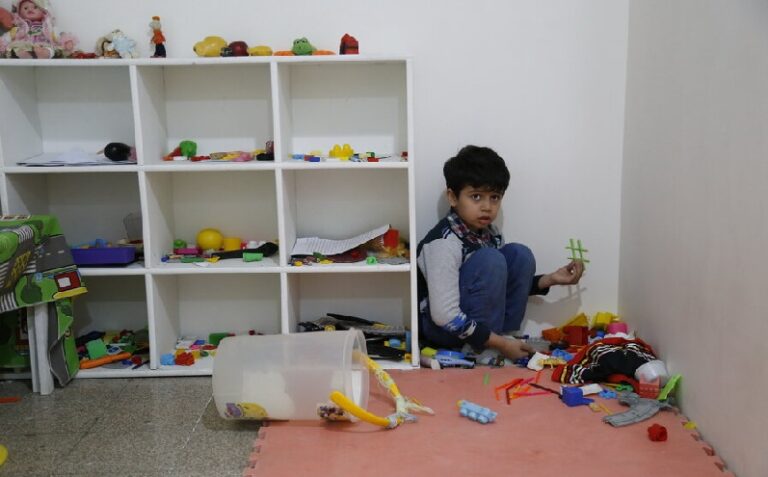
The state-run Shargh newspaper reported on malnutrition caused by poverty among families of students in nomadic and rural schools, writing that many of these children are forced to wake up early in the morning and, on empty stomachs, walk long distances ranging from 20 minutes to an hour and a half to reach their schools. On August 21, this newspaper quoted social activists who described the scenes of students fainting in school lines as heartbreaking, writing: “These children practically have no fuel for learning, and teachers and principals, due to the lack of even a single grocery store near the school, cannot provide food for them and often are forced to send the students home after such incidents.”
Iran’s Statistical Center Reports Rise in School Dropout Rates

Malnutrition, a serious problem in schools

Ronak Rostami, a social activist, told Shargh that malnutrition has become a serious issue in schools, with many children suffering from stomach aches and general weakness, which prevents them from making effective use of class time. She noted that many students living in villages leave home at 6 a.m. or earlier, with their only sustenance being a piece of dry bread and a little kashk (a dried dairy product) eaten on the way to school.

Repeated warnings about child malnutrition

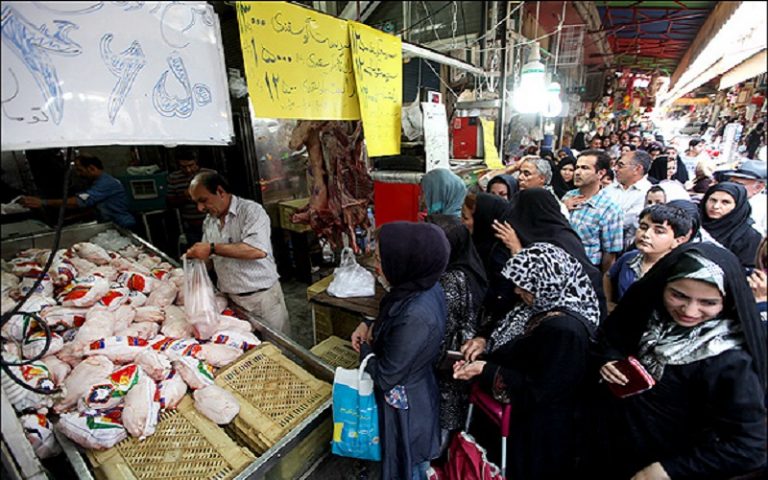
This is not the first time media in Iran have raised concerns about child malnutrition. Previously, based on the findings of a field study conducted by a group of trained volunteer social workers, the consumption of dairy products among children in Iran was also reported as critical. According to this study, only 2% of children consume dairy products daily, while 50% receive none at all. Thus, a large portion of Iranian households face serious problems in securing basic nutrition, particularly protein and dairy products.

Deprived provinces

A civil activist in Khuzestan province, speaking about the problem of children going to school hungry, said: “The lifestyle of low-income families leaves no room for having breakfast.” He added: “These children do not eat breakfast because of the lifestyle they have grown accustomed to and the prevailing hardships. These families wake up early, with parents tending to livestock or farm work, while children either help their parents in this or are tasked with looking after their younger siblings.” A social activist in Ilam province also told Shargh: “Here, nobody even thinks about breakfast. Even if they do, they cannot afford it, and a child who generally lacks proper nutrition throughout the day goes to school without breakfast.” He added: “In a place where a student needs to use both mind and body together, they lack the fuel to burn. I have personally witnessed heartbreaking scenes of weakness, lethargy, and even children fainting in school lines many times.”

Crashed drone in Lublin likely an Iranian Shahed

Polish media have reported that the unidentified object that crashed in Lublin province in eastern Poland was most likely an Iranian-made Shahed drone. Poland’s state television announced that initial investigations suggest the object could be a Shahed-136. The daily Rzeczpospolita also published unconfirmed reports suggesting that the drone may have been either a Shahed-131 or a Shahed-136, both of which Russia uses extensively in the Ukraine war under the names Geran-1 and Geran-2. The paper noted that since 2023, Russia has started producing Shahed-136 drones using some domestically sourced components.
Ukraine shot down 9 Shahed drones made by Iran’s regime
Polish officials said the object crashed yesterday in the village of Ośiny, where it exploded and damaged the roofs of several houses, though no other damages or casualties were reported. Poland’s defense minister, Władysław Kosiniak-Kamysz, stated that the explosion was most likely caused by a drone crash, although it remains unclear whether the incident had a military origin, sabotage, or even was the result of a smuggling flight. The Polish army has said there were no signs of border violations from Ukraine or Belarus in this incident. Some sources have suggested that the drone may have been unarmed and used merely as a “decoy” to distract air defense systems. Lublin province, located in eastern Poland, borders Ukraine and Belarus. Poland is a NATO member, and the proximity of this incident to the Ukraine war’s frontlines has raised concerns both domestically and internationally. Ukrainian official: Russia transferring Iranian Shahed drone technology to North Korea Earlier, on Friday, August 1, Ukraine’s presidential office announced that Russia is transferring technology for the Iranian-made Shahed suicide drones to North Korea and assisting with establishing production lines there. Last month, the security think tank C4ADS reported that Iran’s regime’s military cooperation with Russia has led to a sharp boost in Moscow’s drone industry, enabling Russia to domestically produce hundreds of Iranian drones in Tatarstan. The Shahed drones, supplied by Iran’s regime to Russia, are one of the main aerial attack tools used by the Russian army in the war against Ukraine. Ukraine and Western countries have repeatedly warned about the growing military cooperation among Moscow, Tehran, and Pyongyang.

Rise In Executions in Iran; Ten Prisoners Hanged in One Day

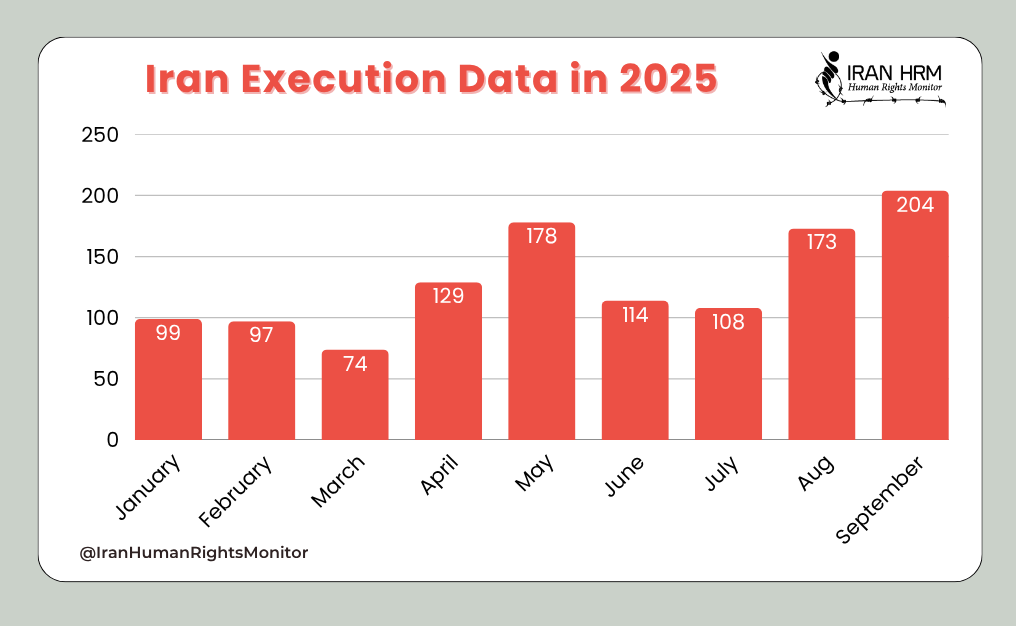
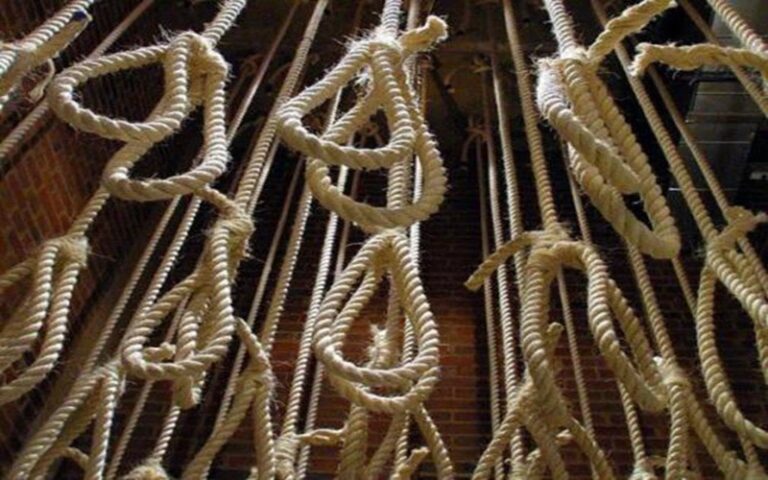
On the morning of Tuesday, August 19, the Iranian regime criminally executed 10 prisoners. One of these executions was carried out in public in the city of Larestan, Fars province, where the victim was hanged before the eyes of the people. Other prisoners executed on this day included: Allah-Nazar Tajik, aged 30; Abdolraouf Nourzehi; Abdolrahman Es-haqzehi; Mehrdad and three other prisoners in Bandar Abbas; Milad Narouyi (also known as Naderi), aged 29, in Kerman; and Hafiz Siyahkhani, aged 38, in Iranshahr. From Saturday, August 16, to Tuesday, August 19, a total of 23 prisoners lost their lives at the gallows.
82nd Week of “No To Execution Tuesdays” Campaign In 49 Prisons Across Iran
Monday, August 18: Six prisoners were executed — Ali Omidi Moghadam and Iman Jouzi in Khorramabad; Arash Mahjour, aged 36, and Behrouz Sedghi, aged 28, in Isfahan; Davoud Kashani in Hamedan; and Saman Qamei in Amol. Sunday, August 17: Four prisoners were hanged — Mehdi Najafi, aged 26; Ahmadreza Younesi Golezan, aged 28; Salar Rahimzadeh, aged 38, in Shiraz; and Mohammad Beqlani, aged 26, in Ahvaz. Saturday, August 16: Three other prisoners were executed — Jafar Sadeghi, aged 35, in Rasht; Houshang Fathi, aged 30; and Siamand Sa’adati, aged 41, in Sari. Prior to this wave, the regime had already carried out mass executions in the preceding days: Wednesday, August 13: Three prisoners, including Javad Esfandiari in Hamedan, Eskandar Bazmandegan in Shiraz, and another prisoner in Borazjan. Tuesday, August 12: Four prisoners — Hamid Sarlak in Dezful; Afshin Dehghan, aged 36; Peyman Eghbali, aged 37; and Mehran Imani, aged 31, in Shiraz. Monday, August 11: Seven prisoners — Yasser Sagvand in Khorramabad; Zaker Aramesh, aged 27, from the Baluch community; Ali Mobasher, aged 40; Hossein Rezaei and female prisoner Soudabeh Ghasemzadeh in Isfahan; Saber Akbari in Nahavand; and Amir Hosseinpour, aged 34, in Ilam. Sunday, August 10: Five prisoners — Hesam Salari, aged 20, in Saravan; Bahman Shibak, aged 35, in Birjand; Ahmadreza Torkashvand and another prisoner in Arak; and Kioumars Fatehi, aged 33, in Zanjan. Saturday, August 9: Four prisoners — Bahador Elyasi, aged 31; Soleyman Naseri; Sajjad Habibi, aged 38, in Kermanshah; and Tayeb Mahmoudi, aged 26, in Ahvaz. Thus, in just ten days, dozens of prisoners were hanged in various prisons across Iran, many of them executed in silence or without their families being informed.

Executions in the new Iranian year (since March 21); an escalating and alarming trend

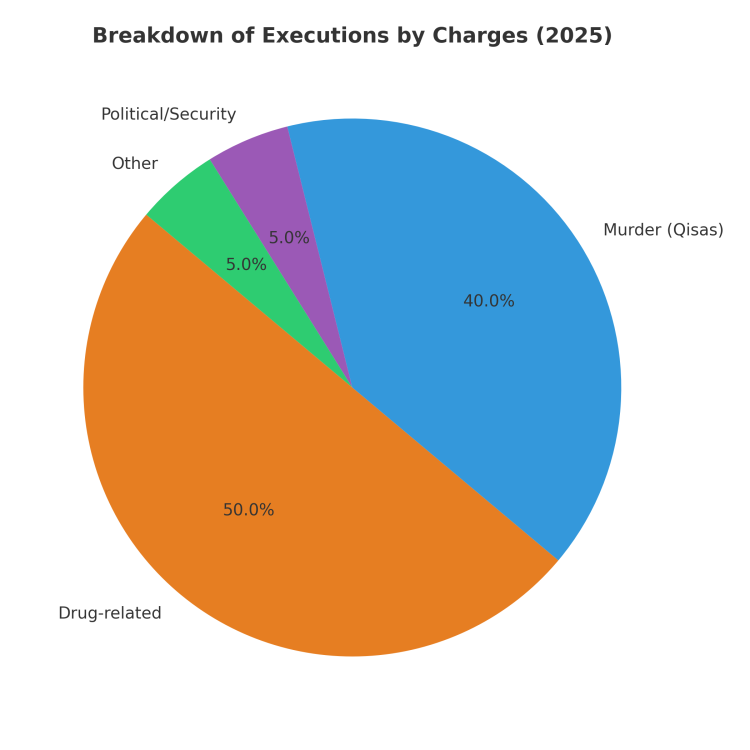
The Iranian year 1404 (which began on March 21, 2025) started with a wave of executions by the Iranian regime. Reports from human rights organizations show that in just the first five months of this year, more than 642 prisoners have been executed in Iran. Among them were political and religious prisoners, sentenced to death on charges such as “waging war against God (moharebeh)” or “collaboration with the People’s Mojahedin Organization of Iran (PMOI/MEK).” This increase compared to last year has increased the concerns of international institutions, while Iran continues to top the list of countries with the highest number of executions worldwide.