Per capita meat consumption of Iranian workers drops to zero

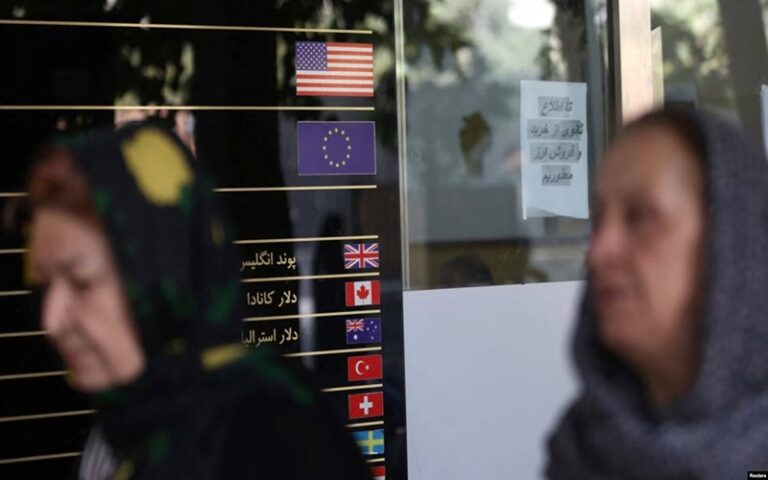
Officials of Iran’s regime say the government can no longer afford to continue providing subsidized foreign exchange for the import of red meat. This comes after the government had already cut off subsidies for many essential goods such as medicine, medical equipment, and numerous food items. According to the Planning and Budget Organization of Iran’s regime, red meat imports will no longer be eligible for preferential exchange rates. The announcement of this policy alone has significantly driven up the price of red meat per kilogram. Meanwhile, on Sunday, May 18, Iranian online meat retailers announced, “product unavailability until further notice,” suggesting an ongoing price surge.
Sharp Rise in Food Prices in Iran; Meat and Rice Lead the Surge
On May 18, the average price of lamb and veal in Tehran stores exceeded 15 million rials (approximately $18) per kilogram. This comes as Ali-Asghar Maleki, the head of Iran’s Lamb Meat Union, had already stated that red meat has become “like a luxury and unattainable item” for the public. It is worth noting that, at best, the minimum monthly wage for a worker with two children is around 150 million rials (approximately $181), whereas a household’s minimum living expenses are estimated to be two to three times that amount. In September 2024, Ahmad Shaad, the secretary of the Iranian Association of Raw Animal Product Importers, citing Central Bank statistics, stated that “the per capita consumption of red meat among Iranians does not even reach one kilogram per year and stands at about 700 grams per person annually.” However, the global average annual red meat consumption is about 8.98 kilograms per person, and in the United States, this figure reaches approximately 38 kilograms per adult per year. In a report titled “Will wage-earners’ meat consumption drop to zero?”, the regime-affiliated ILNA news agency wrote that if subsidized foreign currency for red meat is removed, eliminating the 20% share of cheaper meat that was previously imported using government rates, meat prices will skyrocket in the coming days and “this essential protein item will disappear entirely from dinner tables.” Faramarz Tofighi, a labor rights activist, told the state-run newspaper Iran: “The reasoning is that because we don’t have dollars, we cut off subsidized currency for red meat. Because we don’t have dollars, we also cut off subsidized currency for livestock feed. This means they are playing with the lifeline of the people, and they must know that the wage-earning class no longer has the strength to shoulder the government’s mistakes any further.” Iranian media have also refuted the claim made by Gholamreza Nouri Ghezeljeh, the regime’s Minister of Agriculture, who said after last week’s cabinet meeting that “the price of red meat is less than 10 million rials.” Reports on meat prices dated May 17 indicate that red meat—especially lamb—is “well above 10 million rials.” While Masoud Pezeshkian, the regime’s president, and Mohammad Bagher Ghalibaf, the parliament speaker, have repeatedly stressed Iran’s massive budget deficit due to Western sanctions in recent months, last week Saeed Ohadi, the head of the regime’s Foundation of Martyrs, announced that “120,000 commemorative ceremonies” will be held across Iran within a week for the first anniversary of the death of former president Ebrahim Raisi. If each of the 120,000 events uses only 1 billion rials (approximately $1,205) from public funds, the total cost for Raisi’s first death anniversary will be at least 120 trillion rials—about $145 million.  

Support of 560 British Lawmakers from Both Houses for the Iranian Resistance

0
Five hundred sixty lawmakers from both the House of Commons and the House of Lords in the United Kingdom declared their support for the Iranian opposition, the National Council of Resistance of Iran (NCRI). This joint statement, signed by 230 members of the House of Commons and 330 members of the House of Lords, expressed support for Maryam Rajavi’s ten-point plan for the future of Iran. The statement called for support of Maryam Rajavi’s ten-point plan for tomorrow’s Iran. British lawmakers emphasized that: Nuclear and military programs: Under the Iran (Sanctions) Regulations 2023, the UK enforces sanctions related to Iran’s nuclear ambitions and other destabilizing conduct. Criminal proxies in Europe: The April 2025 designation of the Foxtrot Network imposed asset freezes, travel bans, and director disqualifications. This moves targeted Iranian-backed organized crime and intimidation campaigns across Europe. Human rights and terrorism: To date, over 450 individuals and entities linked to Iran have been sanctioned for human rights violations, nuclear proliferation, and terror plots—including attempts to kidnap or kill British nationals. Increased scrutiny of influence operations: Starting July 2025, Iran will be placed on the enhanced tier of the UK’s Foreign Influence Registration Scheme (FIRS), aimed at curbing covert Iranian activities in the UK. The statement also called for the designation of the Islamic Revolutionary Guard Corps (IRGC) as a terrorist organization. Malign Global Operations: The IRGC, through the Quds Force and networks like Foxtrot, carries out extraterritorial operations that include violence, intimidation, and subversion. Blacklisting would send a strong signal of zero tolerance for such state-sponsored terrorism. Alignment with Allies: A formal IRGC designation would align UK policy with the United States and parts of the European Union, increasing the impact of multilateral sanctions and strengthening collective diplomatic leverage. Community Protection: UK-based dissidents, Jewish citizens, and political activists have faced persistent threats. Blacklisting the IRGC would enable more robust enforcement measures and enhanced protection for at-risk communities. British lawmakers have also called for the recognition of the Iranian people’s struggle against the Islamic Revolutionary Guard Corps (IRGC), emphasizing that during the 2022 uprising, the people of Iran rejected all forms of dictatorship—both monarchical and theocratic. They called for a democratic republic. Appeasement of this collapsing regime undermines democratic values, strengthens its repressive policies, and weakens global security. Given that the regime has completely blocked all avenues for political activity in Iran, the international community must recognize the Iranian people’s right to change the regime. The Iranian opposition, with its democratic platform and the ten-point plan presented by Maryam Rajavi—the elected president of the National Council of Resistance of Iran—calls for national unity and offers a roadmap for ending the religious dictatorship and transferring sovereignty to the representatives of the people.  

1,164 Executions in Less Than a Year in Iran

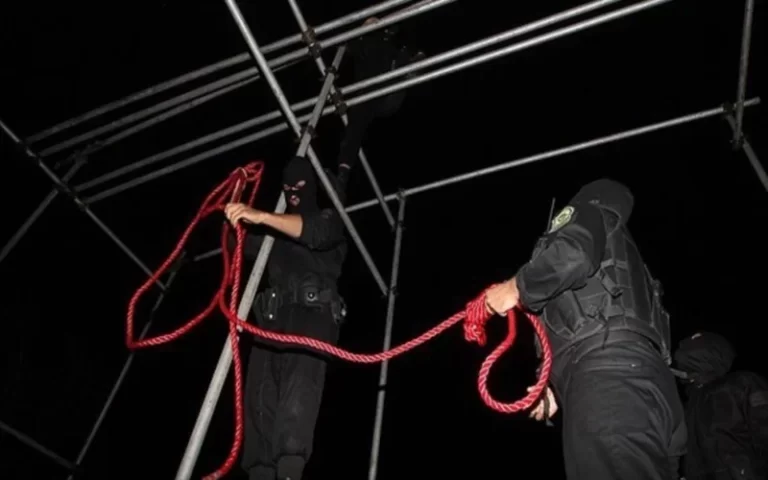
Between Monday, May 12 and Thursday, May 15, the Iranian regime executed at least 19 prisoners across various prisons in the country. Among those executed were two juvenile offenders and one woman. With these executions, the number of people hanged since August 2024, during the presidency of Masoud Pezeshkian, has reached at least 1,164. This figure represents the highest number of recorded executions in the past three decades and indicates an unprecedented intensification of repression and state violence against Iranian citizens. On Thursday, May 15, two inmates—Reza Dahmardeh (24) and Mohammad Ebrahim Esfandiari—were executed in the prisons of Zabol and Vakilabad in Mashhad. On Wednesday, May 14, five prisoners, including 18-year-old Hadi Soleimani (who was under 18 at the time of the offense), were hanged in Ghezel Hesar, Urmia, and Adelabad prisons in Shiraz.
Iran: Secret Execution of Kurdish Kolbar 
On Tuesday, May 13, Mohammadreza Sabzi (20), who committed the crime at the age of 16, along with Ebrahim Joghtai and another unidentified inmate, were executed in the prisons of Malayer, Gonabad, and Ghezel Hesar. On Monday, May 12, nine more inmates were executed in the prisons of Isfahan, Arak, and Ghezel Hesar, including Mahmoud Hojatzadeh (35), Nemat Piri Zali, Mohammad Abdi, Jalil Azizi, and Kourosh Jalili. The execution of juvenile offenders, women, and the high number of executions reflect the totalitarian nature of Iran’s regime, which relies on organized violence and physical elimination to maintain its grip on power.

Amnesty International Report

According to Amnesty International’s annual report published in May 2025, Iran accounted for more than 64% of all recorded executions worldwide in 2024, with at least 972 executions. More than half of these executions were related to drug offenses, which is in violation of international law.
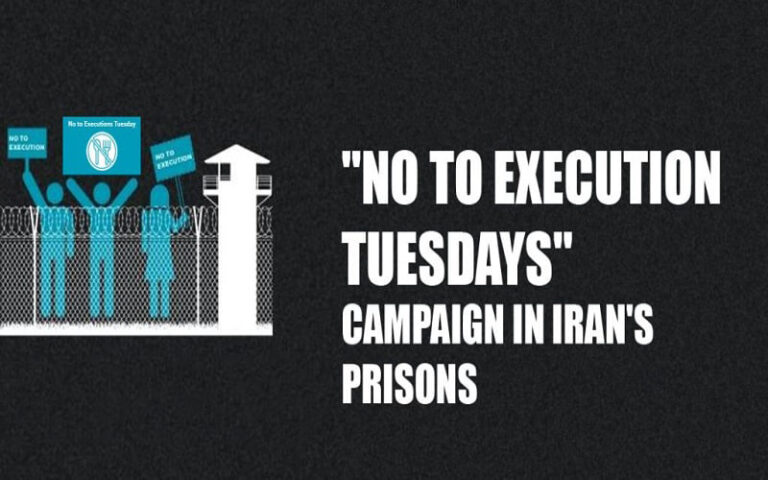
The “No to Executions Tuesdays” campaign: Ongoing hunger strike in 41 prisons across Iran
Additionally, ethnic minorities such as the Baluch, who make up only 5% of Iran’s population, accounted for 20% of those executed. Amnesty International condemned this trend as a gross violation of human rights and a manipulative use of the death penalty to suppress dissent. While the Iranian regime attempts to instill fear through a surge in executions, the people of Iran, through their nationwide protests, continue to demonstrate that they reject this regime.  

Soaring Dairy Exports Amid Plummeting Domestic Consumption in Iran

Amid a sharp decline in per capita dairy consumption in Iran, official statistics show an unprecedented increase in dairy exports in 2024 compared to previous years. According to the Iranian regime’s customs office, dairy exports in 2024 increased by 43% in value and 19% in volume. The report indicates that over 587,347 tons of various dairy products, worth approximately $948.9 million, were exported to 46 different countries during this period. This export growth occurred alongside rising global prices for powdered milk, strengthening suspicions that domestic dairy supply has been deliberately reduced, prices inflated to curb local demand, and raw milk redirected toward production and export of powdered milk in international markets.

Export Incentives and the Dairy-Depleted Iranian Household Basket

Major dairy companies’ inclination to focus on export markets has resulted in reduced product variety in the domestic market. However, the decline in per capita dairy consumption in Iran is not due to changes in dietary patterns or consumer preferences. Data shows the main cause is the steep rise in dairy prices, leading to its gradual elimination from the household shopping basket. Despite some dairy products being listed for electronic subsidy support, this measure has failed to halt the downward trend in consumption. According to official data, Iran’s per capita dairy consumption has dropped from around 130 kilograms in 2010 to about 55 kilograms in 2024. This figure is alarmingly lower than the global average of 150 to 160 kilograms, and drastically behind countries like France and parts of Northern Europe, where per capita consumption can reach up to 300 kilograms.

Nutritional and Health Consequences of Declining Dairy Intake

Health experts have repeatedly warned that the continued drop in dairy consumption in Iran will have far-reaching consequences on public health. Calcium deficiency, osteoporosis, impaired growth in children and adolescents, and various health problems among the elderly are just some of the medical outcomes of this trend. A notable concern is the reduction in production of certain dairy types, aimed at narrowing variety and maximizing export profits, which points to the industry’s deliberate effort to remove raw milk from the domestic supply chain. In June 2024, Mohammadreza Banitaba, then-spokesperson for Iran’s Dairy Industry Association, identified declining household purchasing power and rising production costs as the two main reasons for the drop in per capita dairy consumption. According to him, misguided policies by the Central Bank, the Ministry of Economy, and other executive bodies have led to increased inflation. As a result, production costs have risen while consumers have lost their purchasing ability.

The Government’s Role in the Conflict Between Foreign Currency Revenues and Public Nutrition

This situation raises a critical question for the government: While part of the subsidy for importing livestock feed is allocated to supporting dairy farms, why is there no direct subsidy for dairy products aimed at lower-income segments of society? In reality, it appears that the nutritional health of citizens has been sacrificed for the sake of foreign currency revenues from dairy exports. Producers, by exporting their goods, have not only jeopardized domestic consumption but have also benefited from government subsidies. Economic experts argue that if a significant portion of these subsidies had been paid directly to consumers, it could have prevented the decline in dairy consumption and the incentive to export.

Another Raw Milk Price Hike Signals New Waves of Inflation

According to an official announcement on May 17, the purchase price of one kilogram of raw milk—with 3.2% fat, 3% protein, and a microbial count below 100,000—has increased by 50,000 rials. Experts estimate that, given raw milk’s 27.7% share in the final price of dairy products, this increase could lead to a 65% to 90% surge in the prices of various dairy products, depending on the type. For example, the price of one liter of low-fat pasteurized milk is expected to rise from the current range of 330,000 to 390,000 rials to over 550,000 rials (approximately $0.66).

Doubts Over Producer Motives and the Role of the Global Powdered Milk Market

If, as production companies claim, rising dairy prices result from increased production costs and decreased output, then how has export volume simultaneously experienced such dramatic growth? Is the continual price hike a deliberate strategy to diminish domestic purchasing power and shift production toward export markets? Moreover, the dairy industry’s export drive coincides with the rise in global powdered milk prices, raising concerns about potential shortages in Iran’s domestic market. In recent years, families have faced significant challenges in accessing powdered milk at various points. Rationing by national ID number, limited distribution, and black markets were recurring problems between 2021 and 2024. Ample evidence suggests that in times of economic hardship, Iran’s regime has prioritized maximizing foreign currency revenue from dairy exports over the nutritional well-being of its population. This approach has not only resulted in an unprecedented drop in per capita dairy consumption but has also endangered the health of millions of Iranians—particularly children, the elderly, and low-income groups.  

European Troika Holds Unproductive Nuclear Talks with Iranian Regime in Istanbul 

The meeting between representatives of Iran’s regime and the European troika—Germany, the United Kingdom, and France—which began on Friday morning in Istanbul, has concluded. Kazem Gharibabadi, deputy foreign minister of Iran’s regime, wrote on X (formerly Twitter) on Friday, May 16: “If necessary, these talks will continue.” After the joint meeting between Gharibabadi and Majid Takht-Ravanchi—deputy ministers for political, legal, and international judicial affairs at Iran’s Foreign Ministry—and the political directors of Germany, the UK, and France, Olof Skoog, the deputy to the EU’s High Representative for Foreign Affairs and Security Policy, is scheduled to meet with the Iranian delegation.
Widespread Coverage of Iranian Resistance’s Nuclear Revelation
Dominik Mutter, the Political Director at Germany’s Foreign Ministry, represented Germany in the Istanbul meeting, during which the European side was briefed on the Iranian regime’s nuclear program and the details of the Tehran–Washington talks. On Thursday, May 15, the spokesperson for France’s Foreign Ministry announced that the talks between the three European countries and Iran (at the level of political deputies) in Istanbul, Turkey, are taking place “in full coordination with the United States,” and the aim is to find a diplomatic solution to Iran’s nuclear crisis, given that time is running out. Prior to this, four rounds of meetings had been held between deputy foreign ministers of Iran’s regime and the political directors of the foreign ministries of Germany, France, and the United Kingdom. According to European diplomats, these meetings were “unproductive.” Abbas Araghchi, the foreign minister of Iran’s regime, said on May 14 about the negotiations with European countries: “Unfortunately, the Europeans themselves have become somewhat isolated in these negotiations due to their own policies. We do not seek such a situation and will continue our talks. I think the next round of negotiations at the level of deputy foreign ministers will be held on Friday in Istanbul.” On May 15, Axios reported, citing a U.S. official and two informed sources, that during the fourth round of nuclear negotiations in Oman, the administration of Donald Trump had presented a formal proposal for a nuclear agreement with the Iranian regime. The proposal was delivered on Sunday, May 11, by Steve Witkoff, Trump’s special envoy for Middle East affairs and the head of Washington’s negotiating team with Tehran, to Araghchi, who then took the proposal to Tehran for review and consultation with regime supreme leader Ali Khamenei and other senior officials.
New U.S. Secretary of State: Snapback Mechanism to Be Activated Against Tehran
Berlin, Paris, and London have threatened that if Iran’s nuclear issue is not resolved, they will trigger the United Nations snapback sanctions mechanism against the regime. The meeting between the Iranian regime’s representatives and the European troika took place as Rafael Grossi, Director General of the International Atomic Energy Agency (IAEA), is expected to present a comprehensive report on Tehran’s nuclear program to the IAEA Board of Governors.  

Dusty Iran: The Story of the Dust Storm Crisis from Border to Center

0
In recent years, Iran has plunged deeper than ever into a dust storm crisis. But what flows in the country’s darkened skies is not just dust particles, it is an echo of decades of environmental mismanagement, anti-development policies, and the inability to confront climate challenges. A large portion of the dust in Iran originates from outside its borders. Iraq, Syria, Saudi Arabia, and even North Africa—especially during periods of political instability, civil war, and infrastructure collapse—have become active dust-producing centers. Abdolkarim Hosseinzadeh, Vice President for Rural Development and Deprived Areas under Iran’s regime, stated: “60% to 80% of the dust storms in the country have external sources, and this issue must be managed through negotiations with neighboring countries.” The drying of Mesopotamian wetlands abandoned farmlands, and reduced vegetation cover have created conditions that allow dust storms to cross borders unhindered and settle in central regions of Iran.
60% Of Iran Affected by Dust and Sand Pollution
The absence of environmental diplomacy has turned Iran into a vulnerable country facing crises that are beyond its control. The dust storm crisis in Iran has emerged from chronic disregard for climatic capacity and poor natural resource management. Rapid development without environmental planning has led to soil erosion, widespread dam construction, deforestation, destruction of rangelands, and the obliteration of wetlands. Lands that were once green and vegetated have now become dust-generating hotspots. From Hamoun in eastern Iran to Hoor al-Azim in the southwest, wetlands that once acted as natural shields against dust storms have now themselves turned into centers of crisis. Experts say that successive droughts, excessive extraction of groundwater, dam construction on upstream rivers, and inter-basin water transfer projects have severed the vital lifelines of these wetlands. In many cases, the ecological water rights of these environments have been ignored in favor of agricultural, industrial, or urban water supply projects.
43% of Iran’s Wetlands at Risk of Drying Up
Hamoun Wetland, once a source of life in eastern Iran, now sends dust storms as far as the cities of Zahedan and Birjand with every wind. In the southwest, Hoor al-Azim Wetland—partially located within Iranian territory—has lost much of its natural capacity to retain moisture and suppress dust due to oil and industrial activities. Dust particles are the silent enemy of public health. Fine particulate matter with a diameter smaller than 2.5 microns easily enters the lungs and can even penetrate the bloodstream. These particles are associated with diseases such as asthma, cancer, heart conditions, and neurological disorders. Cities like Ahvaz, Zahedan, Abadan, and Ilam have repeatedly ranked among the most polluted places in the world. On days when the Air Quality Index reaches “hazardous” levels, the only short-term measure taken is the closure of schools and advising people to stay indoors. Health officials have repeatedly reported a sharp rise in emergency room visits for respiratory issues following increased levels of dust pollution. Iran’s healthcare system is being worn down by this crisis—from the surge in emergency visits and respiratory medication use to the strain on healthcare infrastructure and hidden medical costs. Recently, the Deputy for Treatment at Ahvaz University of Medical Sciences stated: “Every year, more than 22,000 people seek medical care due to respiratory problems caused by air pollution, and approximately 251,000 individuals directly visit medical centers for this reason. Moreover, over 700 people in Ahvaz lost their lives last year due to particulate matter in the air.” Dust storms, drought, and the collapse of traditional livelihoods are fueling a wave of climate migration from Iran’s border regions toward urban centers. In provinces like Khuzestan, Baluchestan, Ilam, and Kermanshah, rural life is collapsing under the weight of environmental crises. Schools have shut down, lands lie abandoned, and livestock have been lost. Many residents have no option but to migrate involuntary movements pulling them toward the outskirts of major cities, where basic infrastructure for housing, employment, and services is lacking. Migration is a process that, over the long term, can erode territorial resilience and deepen social and security divides.

Dust Storms: The Hidden Enemy of the Economy

On the surface, dust storms merely pollute the air; but in reality, they corrode the country’s economy from within. Decreased agricultural productivity, infrastructure erosion, transport disruptions, and higher maintenance costs for industrial equipment are just part of the damage. Particulate matter interferes with sensitive systems in power plants, refineries, and water treatment facilities, reducing the service life of equipment. In agriculture, reduced sunlight, clogged plant stomata, soil and water pollution, and declining product quality have trapped farmers in a vicious cycle of bankruptcy and migration. At a broader level, the decline in tourism, suspension of outdoor economic activities, and increased energy consumption impose a heavy economic burden on the country. Domestically, the first step must be the restoration of wetlands and a revision of the water allocation system; without this, no technical measure will be effective. In addition, programs for soil stabilization, native vegetation development, livestock management, and rangeland rehabilitation must be prioritized. The dust storm crisis is not merely an environmental issue—it is a full reflection of Iran’s flawed development model. Unless this crisis becomes an opportunity to revise policies, relocate industries, reform water-intensive projects, and transition toward a climate-compatible economy, it will shape a future for Iran that is dusty, unstable, and unequal.  

France To File Complaint Against Iranian Regime at International Court of Justice

France has announced that it will file a formal complaint against Iran’s regime at the International Court of Justice in protest over the continued imprisonment of a French couple, Cécile Kohler and her partner Jacques Paris, who have been detained on espionage charges for the past three years. France stated that on Friday, May 16, it will submit a formal complaint against Iran’s regime at the International Court of Justice. According to Christophe Lemoine, spokesperson for the French Foreign Ministry, this move comes in response to the ongoing detention of two French citizens in Iran.
Former French Hostage: The Iranian Regime Treats Prisoners Like “Animals”
Cécile Kohler, a 40-year-old literature teacher, and her partner Jacques Paris were arrested on May 7, 2022, during the final day of their tourist trip to Iran. Last week, French President Emmanuel Macron spoke of “relentless efforts” to secure the release of the two French citizens and referred to them as hostages of Iran. Around two weeks ago, French Foreign Minister Jean-Noël Barrot also stated that the French government would lodge a complaint with the International Court of Justice in protest over the violation of the rights of its two nationals being held by the Iranian regime.

Sanctions Against Iranian Regime’s “Hostage-Taking” Policy

The Iranian regime has accused Cécile Kohler and Jacques Paris of “espionage.” Following their arrest, Iran’s state television aired a video in which the couple “confesses” to cooperating with French intelligence services. Paris has firmly denied these claims. France has accused Iran’s regime of holding the two prisoners under conditions tantamount to torture in Evin Prison and of failing to provide adequate consular support. Iranian officials have denied these allegations. The Iranian regime takes foreign or dual-national citizens hostage in order to extort concessions from the West, particularly in nuclear negotiations or in efforts to secure the release of its own agents detained in European countries. Among these “hostages” was another French citizen, Olivier Grondeau, who was released on March 20, 2025, after serving about two and a half years in prison in Iran.
Iranian Regime Found Liable for Torture of American Hostage in Lebanon
Grondeau, who was arrested in the fall of 2022 in Iran, said in a voice message addressed to French officials less than two months before his release: “You who have the power to influence this matter, hear this truth. Cécile, Jacques, and I are at our limits. It is your responsibility to ensure the survival of three human beings.” Grondeau had been sentenced to five years in prison on charges of conspiracy against the Iranian regime. About four weeks ago, the European Union imposed sanctions on nine judicial and security officials and entities of the Iranian regime in response to what it described as the arbitrary detention of EU citizens and widespread human rights violations in Iran, citing state-sponsored hostage-taking. Additionally, according to the French foreign minister, France plans to propose further punitive measures and sanctions against Iranian officials at the next meeting of EU foreign ministers.  

Iranian Regime’s Majlis Speaker: Our Fight with the U.S. And Israel Is a Sacred Struggle

0
Mohammad Bagher Ghalibaf, the Speaker of the Iranian regime’s Majlis (parliament), said on the sidelines of the Conference of the Parliamentary Union of the OIC Member States in Indonesia: “Our fight with the United States and Israel is a sacred struggle based on Quranic teachings and the issue of right versus wrong.” Ghalibaf continued: “The efforts of Muslim nations against Israel must be very intelligent.” In another part of his remarks, referring to the new round of negotiations between Washington and Tehran, he said: “The Islamic Republic will never move toward building a nuclear weapon but uses this knowledge in the fields of medicine, environment, agriculture, and others.” He added: “Utilizing nuclear capacity is our right, and we use it for the country’s industry, and we believe this capacity belongs to the entire Islamic world.”  

New U.S. Sanctions Target Iranian Regime’s Missile Network

In its latest move against the Iranian regime’s missile program, the United States has imposed sanctions on six individuals and twelve entities in Iran, China, and Hong Kong. The measure aims to disrupt the regime’s missile technology supply chain. On Wednesday, May 14, 2025, the United States announced a new round of sanctions against six individuals and twelve entities in Iran, China, and Hong Kong. These individuals and companies are sanctioned for participating in efforts by the Iranian regime to develop its ballistic missile program—a pursuit U.S. officials describe as a serious threat to regional and international peace and stability.
U.S. Slaps New Sanctions on Tehran’s Missile Fuel Supply Network
These sanctions have been implemented under Executive Order 13382 and coordinated by the U.S. Departments of State and Commerce. According to an official statement by the U.S. Treasury Department’s Office of Foreign Assets Control (OFAC), the action is intended to disrupt the technical and logistical supply chain of Iran’s missile program and prevent Tehran from acquiring advanced technologies. The OFAC statement explains that the sanctioned entities and individuals played a key role in procuring and supplying sensitive items—including carbon fiber, specialized centrifuges, and equipment used in the production of intercontinental missiles—for Iran. These items are technologies commonly used in the development of advanced ballistic missiles and are subject to international sanctions.

List of Sanctioned Entities: From Iran to East Asia

On this list, the Iranian company Advanced Fiber Development Company (AFDCO), along with several of its executives—including Mohammad Rezai and Hamed Dehghan—has been sanctioned due to its collaboration with the Self-Sufficiency Jihad Organization, which operates under the Aerospace Force of the Islamic Revolutionary Guard Corps (IRGC). The list also includes Pishtazan Kavosh Gostar Boshra LLC (PKGB) and several other Iran-based technology firms. Alongside these Iranian entities and individuals, the United States has also sanctioned several Chinese companies and nationals for their support of Iran’s missile program. Among them is Shanghai Tanchain New Material Technology Co Ltd, which has directly exported carbon fiber to Iran. The company’s executives have been sanctioned for collaborating with networks that supply sensitive items to already sanctioned Iranian entities. Subsidiaries of this Chinese company operating in China and Hong Kong—such as Reso Trading and Super Sources—have also been added to the sanctions list due to being owned or operated by sanctioned individuals. These sanctions come at a time when the Iranian regime has, in recent years, been seeking to localize production of components needed for its missile program while simultaneously working to circumvent international sanctions through a complex network of front and intermediary companies. In the final part of the statements, the U.S. government called on its allies and partners in Europe and Asia to take these sanctions seriously and to adopt similar measures to cut off the Iranian regime’s missile technology supply chain.  

Daily Death of 27 and Annual Death of 10,000 Workers in Iran

Alireza Raeisi, deputy for health at the Iranian regime’s Ministry of Health, Treatment, and Medical Education, announced a figure that starkly contrasts with previously released statistics, stating that 10,000 workers die annually in Iran due to workplace accidents. This comes while the Iranian regime’s Legal Medicine Organization had previously reported that approximately 2,000 workers died on duty in 2024, and in prior years, reports from the Ministry of Labor, the regime’s Majlis (parliament) research center, and the Legal Medicine Organization consistently put the annual death toll below 2,000.
The Minimum Wage for Iranian Workers in 2025 Announced
However, according to the regime’s official IRNA news agency, Raeisi has now stated that “every year, around 10,000 people in Iran die due to work-related incidents,” emphasizing the need to revise environmental and occupational health standards to protect workers’ well-being. These figures reveal that Iran’s annual average of worker fatalities—caused by a lack of safety and proper standards—is more than triple the total number of workers who died across the entire European Union. According to global statistics, in 2024, a total of 3,286 workers died due to workplace accidents across all 27 EU member states; for instance, the number in the United Kingdom was 138. The Iranian regime’s deputy health minister added: “This level of mortality is not low, and measures must be taken to reduce preventable deaths. Many disabilities also result from workplace incidents, with the effects of some becoming evident only in the long term. For example, workers exposed to coal vapors or benzene fumes at gas stations may not develop problems immediately, but the consequences of their work exposure appear after several years.”
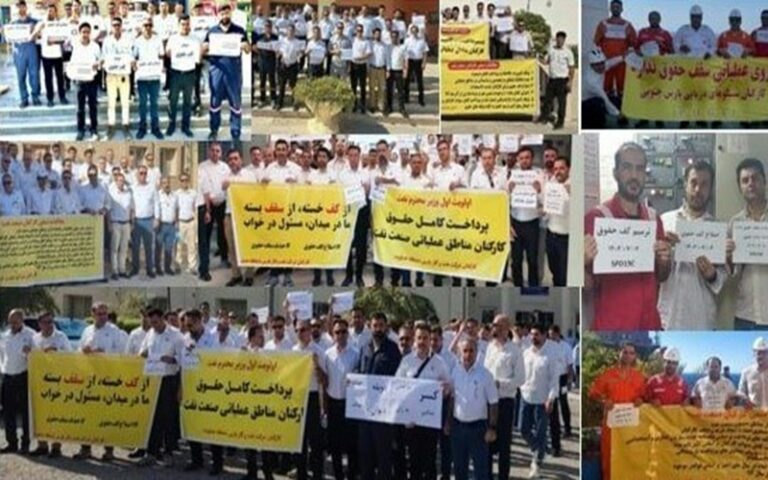
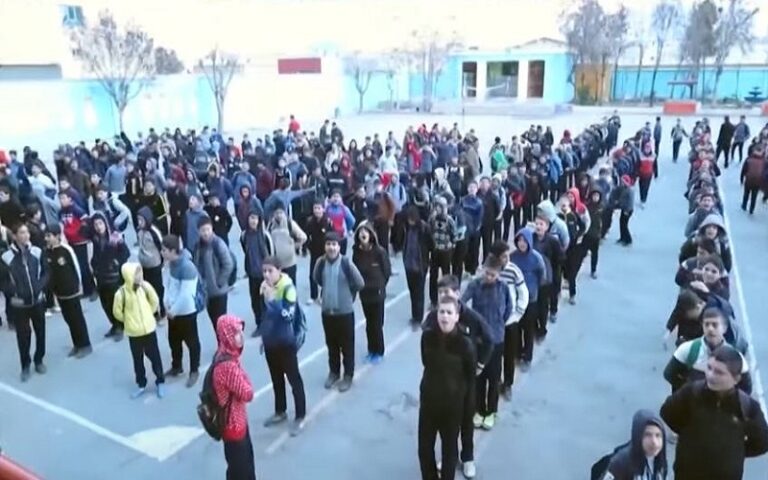
Protest rallies and marches by retirees, workers, and students in Iran
The state-run ILNA news agency called this “drastic discrepancy from previous official statistics” “strange.” It noted, however, that although data from the Legal Medicine Organization has so far been more accurate than that of the Ministry of Labor and the Social Security Organization regarding worker fatalities, “according to many labor activists, even the figures released by the Legal Medicine Organization cannot reflect the true scale of workplace accidents, as the practice of concealing real statistics—common in other areas—also plagues the reporting of labor incident data.” The deputy health minister’s remarks imply that over 800 workers die each month in Iran due to occupational accidents—equating to around 26 to 27 workers dying every single day. Farshad Esmaeili, a labor law expert and researcher in Iran, told ILNA: “For years, the Ministry of Labor has released statistics that only include official workshops and insured workers. Employers and contractors avoiding responsibility, workers being afraid to report workplace accidents, and employers settling with the families of deceased workers—all contribute to making the official figures on workplace incidents unreliable. The Ministry of Labor is aware of this issue and knows that the statistics it provides only cover a portion of deceased workers—those who had insurance.” According to him, another reason for the significant gap between the real number of worker deaths and the official figures reported by government institutions is that in many death cases, the cause listed on the death certificate is—either mistakenly or deliberately—something else. For example, instead of stating “work-related accident,” the certificate may read “blunt force trauma to the head” so that the case does not appear on the official list of workplace fatalities. The recent comments by the deputy health minister point to a deep crisis in worker safety in Iran and confirm how various officials in the Iranian regime have, for decades, engaged in falsifying statistics or deliberately concealing real figures to cover up their failings in areas such as workplace accidents, inflation, economic growth, unemployment, and poverty. In Iran, the issue of worker safety and health has become a serious challenge due to government neglect, weak oversight, and the failure to prioritize workers’ lives. The lack of basic safety standards, especially in high-risk work environments, leads to accidents that directly endanger the lives and health of workers.