

Australia Closes Embassy in Tehran and Expels Iranian Regime AmbassadorUnder the provisions of the bill, the government would also be able to include foreign state institutions on the list of terrorist organizations — something that was previously not legally possible. In her address to parliament, Michelle Rowland said the bill strengthens Australia’s counterterrorism framework and creates an environment where it becomes “more difficult and dangerous for foreign actors to harm Australia and its community.” She added that this serves as a warning to any foreign government that seeks to threaten or coerce Australia through violence. According to Rowland, the evolving threats facing the country must not go unanswered, and parliament must respond firmly and in unity. She stressed that terrorism seeks to intimidate and destroy social cohesion, impacting national security, international relations, and the public’s sense of safety. She added that with the emergence of “state-sponsored terrorism” as a new factor, threats have entered a new phase. Rowland further noted that intelligence and security agencies will be granted expanded powers to confront state-sponsored terrorism, similar to those that already exist under current laws for traditional forms of terrorism.
Australian Government Introduces Bill to Designate IRGC As Terrorist Organization
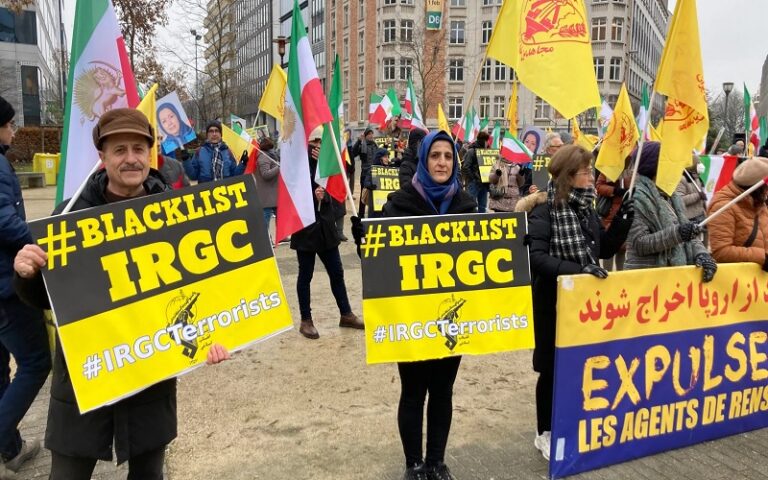
The Australian government has introduced a bill to the House of Representatives that would allow the country to designate the Iranian regime’s Islamic Revolutionary Guard Corps (IRGC) as a terrorist organization.
Australia’s Attorney General, Michelle Rowland, presented the bill to parliament on Wednesday morning, October 8.
The move follows findings by the Australian Security Intelligence Organisation (ASIO) indicating that the IRGC was involved in at least two antisemitic attacks on Australian soil.
Strikes and Labor Protests Held in Several Iranian Cities
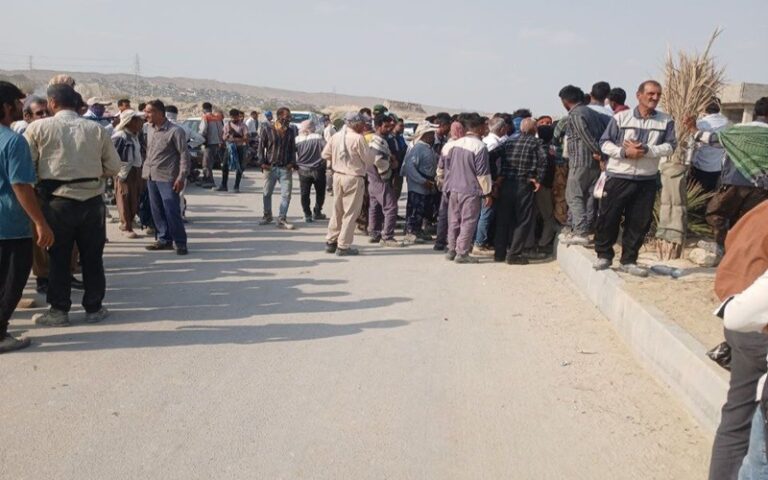
Reports indicate that on October 7, workers at the Qeshm oil refinery construction project went on strike and held a protest over more than two months of unpaid wages, while other protest gatherings were also held in Shiraz, Eslamshahr, and Ahvaz.
Workers at the 60,000-barrel-per-day refinery under construction on Qeshm Island went on strike and gathered in front of the company to protest unpaid wages dating back to July.
According to this independent labor organization, about 400 refinery workers have fallen into unbearable living conditions due to unpaid wages.
Workers, Retirees, Employees, Farmers, And Drivers Hold Protest Rallies In Various Cities of IranSome refinery workers said that many of them do not even have bread to eat at home, and some, in worse economic situations, spoke tearfully about being unable to buy school clothes for their children. Following the strike and protest, the site supervisor of Narghan Company appeared before the workers and, showing indifference to their “miserable condition,” announced, “The manager is still in Tehran, and there will be no money for at least two more weeks,” which sparked strong objections from the workers. The workers stated that they will continue their strike until their demands are met. Meanwhile, according to the state-run ILNA news agency, employees of the Shiraz Oil Refinery held their fourth protest rally in the past two weeks. The workers said: “We have already gathered three times, but our voices have not been heard.” They added: “After the third protest, senior managers, instead of addressing our rightful demands, retaliated by disciplining several senior employees and taking back the official cars, they used for work purposes.” The nonpayment of wages and benefits, as well as labor-related problems across Iran, have led to months of protests by workers and wage earners. They have used various methods such as strikes and gatherings to demand their wages, benefits, and better working conditions. Separately, ILNA reported that a group of contract oil and gas workers sent a letter to the Administrative and Recruitment Organization, demanding the immediate implementation of the plan to regulate employment and eliminate intermediary contracting companies. In part of their joint letter, they wrote: “For years, the promise of ‘regulating contract workers’ has been on the agenda of successive governments, but unfortunately it has never been implemented. While a large portion of core government duties is performed by contract workers, this hardworking group receives the lowest pay, benefits, and job security.” The letter also mentioned the identification of more than 700,000 contract workers and stressed the need to implement the plan to regulate and change their employment status. In another report, ILNA quoted a labor source from the technical infrastructure division of Eslamshahr Railway, saying: “The wages of the project-based workers in the Eslamshahr railway infrastructure have been delayed for three months, causing many difficulties for them.” These project-based workers are employed under the supervision of the Travers Company in the Eslamshahr railway zone and several other rail regions across Iran. Also, according to social media reports, retired and active oil industry workers in Ahvaz gathered in front of the Security Department of the National Iranian South Oil Company to protest their unmet demands. They chanted slogans such as “Workers and retirees—rise up against injustice and discrimination.” Retirees from various sectors have been holding weekly protest gatherings on different days in recent years.
On 89th Week, ‘No to Execution Tuesdays’ Campaign Expands with Hunger Strike in 52 Iranian Prisons
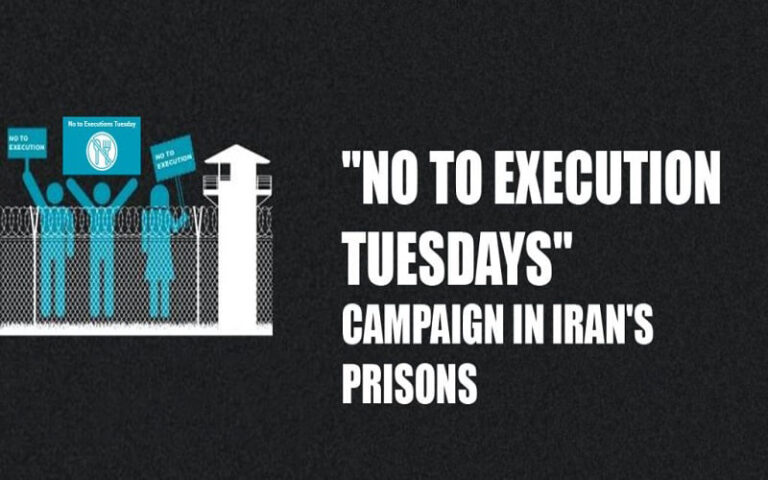
The “No to Execution Tuesdays” campaign, a prisoner-led movement inside Iran, marked its 89th consecutive week with a coordinated hunger strike across 52 prisons nationwide. This powerful act of defiance comes on the eve of the World Day Against the Death Penalty and in the face of an unprecedented wave of state-sanctioned executions by the Iranian regime. The campaign’s participants are sending a clear message that the death penalty is the regime’s primary tool of political terror to crush dissent, a sentiment that has now been adopted by protesters from all walks of life, including teachers, retirees, workers, and students.
Silent Execution of Political Prisoners in Iran: Death Under Medical Deprivation
A Regime Breaking Records in Brutality
In a statement released for its 89th week, the campaign highlighted the stark contrast between global trends and the situation in Iran. While 145 countries have abolished or ceased using the death penalty in law or practice, the statement declared that the ruling system in Iran “breaks new records in brutality and executions every day.” The horrifying statistics underscore the scale of the crisis: at least 1,695 people have been executed in the past year (since October 1, 2024), with 957 of those hangings taking place since March 21, 2025, the beginning of the new Persian calendar year. The statement acknowledges that the true figures are likely much higher. The campaign honored the memory of seven political prisoners executed just days earlier on Saturday, October 4: six Arab compatriots—Ali Mojadam, Mohammadreza Moghadam, Moein Khanfari, Habib Deris, Adnan Ghobeishavi, and Seyed Salem Mousavi—and one Kurdish compatriot, Saman Mohammadi Khiareh. The statement also noted that on the same day, the regime’s Supreme Court upheld the death sentence for political prisoner Mohammad Javad Vafaei-Sani for the third time.The Death Penalty as a Tool of Political Terror
The campaign’s statement analyzes the regime’s motives, asserting that the death penalty in Iran is not a tool for justice but rather “an instrument for intimidation and creating terror in a society that is on the verge of explosion.” According to the regime’s logic, every protest and every protester must be met with the threat of execution and imprisonment. It is for this reason, the statement argues, that “No to Execution” has become a unifying slogan for all segments of Iranian society.A Call to Conscience and a Tribute to Teachers
Coinciding with World Teachers’ Day, the statement also paid tribute to martyred teachers like Samad Behrangi and Farzad Kamangar, who “taught lessons of freedom and equality in Iran’s history and ultimately sacrificed their lives for that cause.” The campaign concludes with an urgent appeal to all “awakened consciences—civil activists, writers, artists, teachers, retirees, and workers—to raise their voices louder against execution.” The goal, the statement affirms, is to “take away the main tool of repression and suffocation from the hands of this execution-based government,” thereby paving the way for justice and freedom.Beijing And Tehran Trade Car Parts for Copper and Zinc to Bypass Sanctions, according to Bloomberg
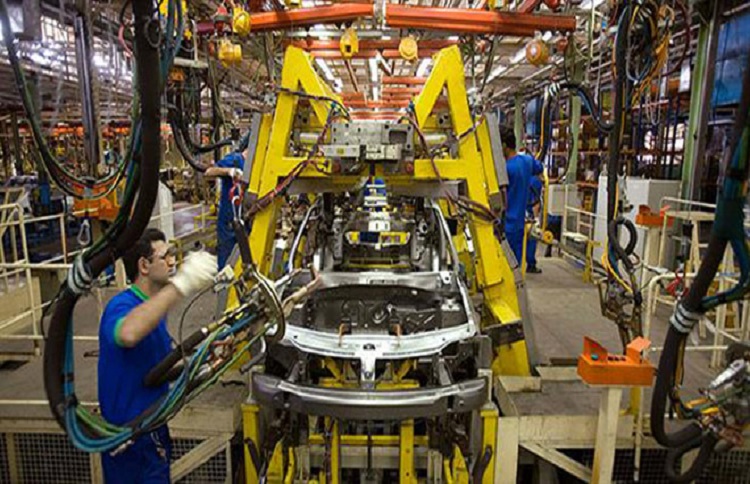
Bloomberg News reported that Chinese companies are trading car parts for Iranian metals such as copper and zinc — part of a new barter mechanism between Beijing and Tehran designed to circumvent Western sanctions.
On Monday, October 6, Bloomberg reported that car parts manufactured by companies in China’s Anhui province — including Chery and Tongling — are shipped to Iran in semi-assembled form, while China receives industrial metals from Iran in return.
According to the report, this barter is part of a complex network in which cars are exchanged for metals or even agricultural products such as cashews — a system designed to evade restrictions imposed by U.S. sanctions.
United States Imposes New Sanctions On 18 Individuals and Entities Linked to Iran’s RegimeBloomberg added that Chery Automobile does not trade directly with Iran; instead, it sells parts and technology to another company in Anhui province, which then exports the semi-assembled cars to Iran. The report, citing informed sources, noted that U.S. and European sanctions against Iran target individuals and companies that use dollar or euro. Therefore, Chinese companies can legally trade with Iran as long as transactions are conducted in rials or yuan, without violating sanctions. Under Chinese law, trade with Iran remains legal. China’s Foreign Ministry told Bloomberg that it was unaware of such trade but stated that Beijing has always opposed illegal unilateral sanctions on principle. In its IPO prospectus in Hong Kong, Chery announced that it would end its cooperation with Iran and Cuba by the end of 2024 and intends to minimize its operations in Russia by 2027.
Criticism of Chinese cars in Iran
The import of Chinese cars to Iran comes amid prior criticism from several lawmakers and trade officials. In July 2023, Lotfollah Siahkali, then a member of Iran’s regime parliament (Majlis), protested the high prices of Chinese cars in Iran, saying: “The Chinese cars sold in Iran have a real value of 3 to 3.5 billion rials, but they are imported at 7.5 to 8 billion rials and sold in the market for 30 billion rials.” Currently, one U.S. dollar trades for about 1.12 million rials in Iran’s currency market. Earlier, Mehdi Dadfar, secretary of the Association of Car Importers, criticized the ban on car imports and the resulting dominance of Chinese vehicles and parts in Iran’s market. He said: “They worked very hard to block imports so that global brands wouldn’t enter the market — and they turned us into one of China’s provinces. Even in China’s own auto shows, you don’t see this many Chinese cars.” Kamal Hadianfar, head of Iran’s regime traffic police, also previously criticized domestic automakers for their dependence on foreign parts, saying: “Someone should ask our car manufacturers why they import parts from China.”Foreign Ministry Spokesperson: Tehran Has No Plans for Talks with West For Now
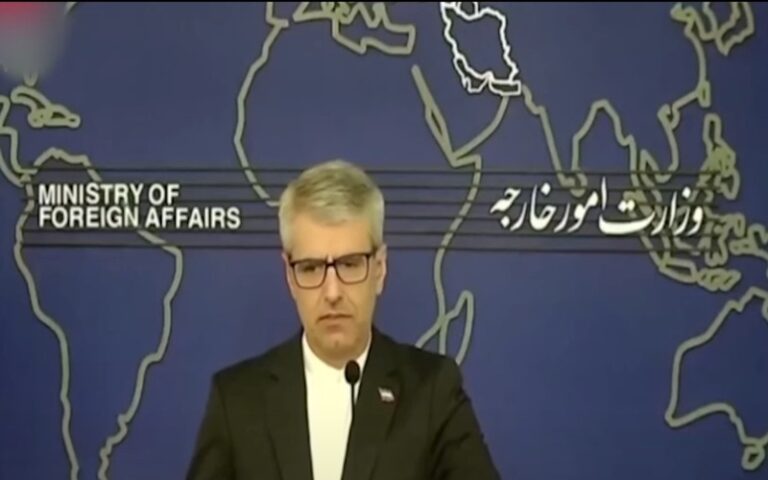
Ismail Baqaei, spokesperson for the Iranian regime’s Foreign Ministry, once again criticized the European Troika (France, Germany, and the United Kingdom) for triggering the “snapback” mechanism and reimposing United Nations sanctions, declaring that Iran’s regime currently has “no plans” to negotiate over its nuclear program.
On Monday, October 6, Baqaei said in his press conference that the decision by France, Germany, and the United Kingdom “was not based on rational calculation but rather a stubborn act to fulfill the United States’ demand without considering their own interests and priorities.”
He added that by activating the snapback mechanism, “the European Troika proved that diplomacy in this manner is not fruitful with them.”
Baqaei also stressed that if diplomacy serves “Iran’s interests,” the regime “will not hesitate to use it.”
On October 5, U.S. President Donald Trump warned that if Iran’s regime seeks to restart its nuclear program, the United States will “deal with that too.”
In recent weeks, several media outlets and think tanks, citing satellite imagery, have reported that activity continues at the underground “Kolang Gazla” facility, where Iran’s regime is conducting extensive construction near the Natanz nuclear site.
Turkey’s reimposition of sanctions is “illegal”
The regime’s Foreign Ministry spokesperson further stated that Tehran believes the activation of the snapback mechanism “creates no obligation for UN member states to enforce sanctions.”Iran’s Regime Increases Activity Near Natanz Enrichment SiteBaqaei described Turkey’s move to reimpose UN Security Council sanctions on Tehran as “unnecessary and illegal,” adding: “We call on all countries, especially neighboring and friendly ones, to refrain from implementing and giving effect to this illegal decision, which has been taken without observing due procedures.” He added that Iran’s regime “firmly adheres” to its “legal position” and will not allow “illegal precedents to gain legitimacy in the Security Council.” However, he did not mention what plans the regime has to confront the reinstatement of UN sanctions. On October 1, Ankara froze the assets of numerous individuals and entities linked to Iran’s regime’s nuclear activities.
Turkey Freezes Assets of Individuals and Entities Linked to Tehran’s Nuclear Activities
No IAEA inspectors are currently present in Iran
In his press conference, the regime’s Foreign Ministry spokesperson referred to the Cairo agreement between Tehran and the International Atomic Energy Agency (IAEA), saying that in light of recent developments, the understanding “undoubtedly has no effectiveness and cannot be implemented.” Baqaei added that currently no IAEA inspectors are present in Iran, and the last inspections were at least ten days ago at the Bushehr nuclear power plant, conducted under a contract related to Russia’s involvement in the facility. He emphasized that the regime’s future engagement with the IAEA will be determined by “higher authorities,” including the regime’s Supreme National Security Council. Earlier, on September 9, Iranian regime Foreign Minister Abbas Araghchi and IAEA Director General Rafael Grossi reached an agreement in Cairo on a new framework for continued cooperation between the two sides. However, on October 5, Araghchi announced that the Cairo agreement can “no longer serve as the basis” for cooperation between Tehran and the IAEA and that a “new decision” must be made regarding the matter.Regime Supreme Court Upholds Death Sentence for Political Prisoner Mohammad Javad Vafai Thani
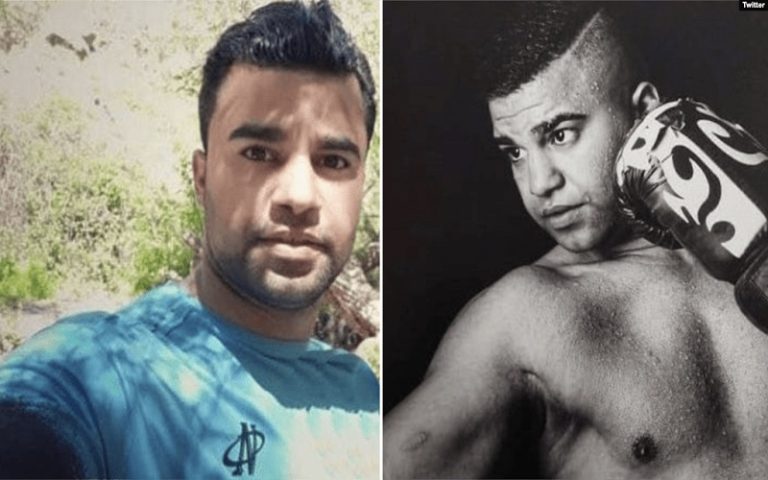
Babak Paknia, the lawyer representing Mohammad Javad Vafai Thani, announced that despite “numerous flaws,” his client’s death sentence was confirmed by Branch 9 of the Supreme Court.
Vafai Thani was sentenced to death on charges of “corruption on earth through arson and destruction of public property.”
On Saturday, October 4, Paknia posted on X that he had corresponded with Gholamhossein Mohseni Ejei, the head of Iran’s judiciary, regarding “procedural flaws and interference by third parties” in Vafai Thani’s case.
He added, “I hope before it’s too late, his special inspectors will intervene in the matter.”
The death sentence of the 29-year-old boxer had previously been overturned several times by the Supreme Court.
89 People Convicted for Participating in Iran’s November 2019 ProtestsIn June 2024, Paknia reported that Branch 9 of the Supreme Court had “not deemed the original verdict as definitive” and, while opposing the death sentence, had referred Vafai Thani’s case to another branch for retrial. Security forces arrested Vafai Thani in April 2020 in Mashhad following the bloody November 2019 protests and transferred him to Vakilabad Prison. About two years later, in January 2021, Vafai Thani was sentenced to death by the Revolutionary Court in Mashhad. The initial death verdict was overturned by the Supreme Court after appeal, and the case was referred to a parallel branch for reconsideration. In early November 2023, Branch 2 of the Mashhad Revolutionary Court again sentenced the protesting athlete to death, but this ruling was overturned for the second time by the Supreme Court on June 7, 2024. Earlier, human rights sources reported that since his arrest, Vafai Thani had been subjected to torture to extract forced confessions.
Iran: Political Prisoner Somayeh Rashidi Dies After Denial of Medical Care, Prisoners Commemorate Her LifeThe 2019 protests began on November 15, 2019, in response to a sudden hike in gasoline prices but quickly took on an anti-regime nature. Within a week, demonstrations against Iran’s regime spread across 29 provinces and hundreds of cities. At the time, some sources reported that about 1,500 people were killed during the regime’s crackdown on the protests. Security forces also arrested at least 8,600 people across different provinces. During the unfair judicial proceedings of the Iranian regime, some detainees were sentenced to long prison terms without access to a lawyer of their choice. Some detained protesters, including Vafai Thani, were sentenced to death without any credible evidence or proof recognized even by the regime’s own judicial authorities.
80% of Positions in Emergency Medicine Programs in Iran Remain Vacant
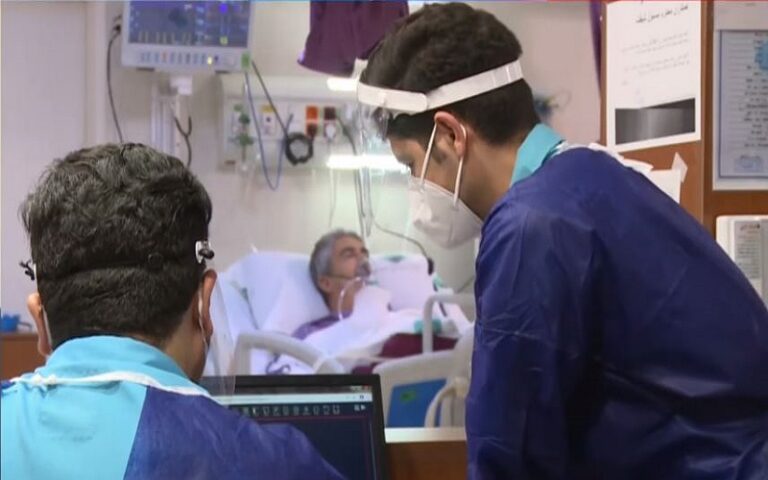
Ali Jafarian, deputy health minister of Iran’s regime, announced that more than 80% of the capacity in emergency medicine programs and one-third of anesthesiology positions at Iranian universities remain vacant and have no applicants.
On Sunday, October 5, he explained to the state-run ISNA news agency that over the past three years, based on a Ministry of Health decision, the capacity for specialized fields was supposed to increase by 12% annually. “We implemented this increase,” he said, “but since these fields have few applicants, the number of vacant seats continues to grow.”
According to Jafarian, in 2024 about 1,600 residency positions in Iranian universities remained unfilled. In the key field of anesthesiology, there are about 440 available positions, but only 110 residents were accepted, leaving 130 seats without students.
The deputy minister added that in emergency medicine, there are 400 available positions, but only 38 students were admitted. He said the same situation exists in other fields such as infectious diseases, internal medicine, and obstetrics and gynecology.
He stressed that “if we want to have specialists in different cities, we must reform the student admission process in universities.”
Concern over the shortage of physicians in Iran
The shortage of medical specialists in Iran has been repeatedly reflected in officials’ remarks and experts’ analyses in recent years, raising concerns about the future of the country’s healthcare system. The state-run Nournews website reported on September 18, citing official statistics from Iran’s Medical Council Organization, that about 29% of registered general practitioners in Iran are not practicing medicine.Iranian City Faces Shortage of Specialists in 48 Medical FieldsIn July 2025, Abbas-Ali Reyeskarmi, president of Tehran University of Medical Sciences, announced a decline in applicants for six specialized and subspecialized fields at the university, saying that “the lack of candidates in these core disciplines poses a challenge to Iran’s healthcare system.” Nournews also cited “centralization,” “geographical inequality,” and “unfair distribution of medical specialists” as other major challenges in Iran’s healthcare system. Relying on official data, it added that a significant portion—42%—of specialists are concentrated in five major cities, and in some specialties up to 60% of doctors work only in Tehran. The website also described the growing migration of general practitioners and specialists to European and North American countries as alarming, writing that “economic hardship, heavy workload, lack of job security, and uncertainty about the professional future” have caused especially young doctors to turn away from practicing in critical fields inside the country. On September 15, Shahin Akhoundzadeh, deputy minister for research and technology at the regime’s Ministry of Health, called meritocracy the most important factor in retaining talented individuals and revealed that “most of the top 100 university entrance exam scorers in medical sciences migrate because suitable employment conditions are not available in the country.”
Rising suicides among healthcare workers
In May 2024, Iraj Khosronia, president of the Iranian Society of Internal Medicine Specialists, warned health authorities about the consequences of creating difficulties for healthcare staff.Fivefold Increase in Chain Suicides in Iran’s Medical CommunityHe cited repeated suicides and the migration of doctors and nurses as consequences of the pressure imposed on the medical community. Khosronia stated that the medical community is in a state of “particular distress and turmoil,” adding that government officials and members of parliament “have not only forgotten the role of this group but have also continuously constrained healthcare workers through burdensome legislation, forcing them to either leave the medical field or emigrate.”
Iran: At Least 200 People Executed in September, Including 7 Political Prisoners
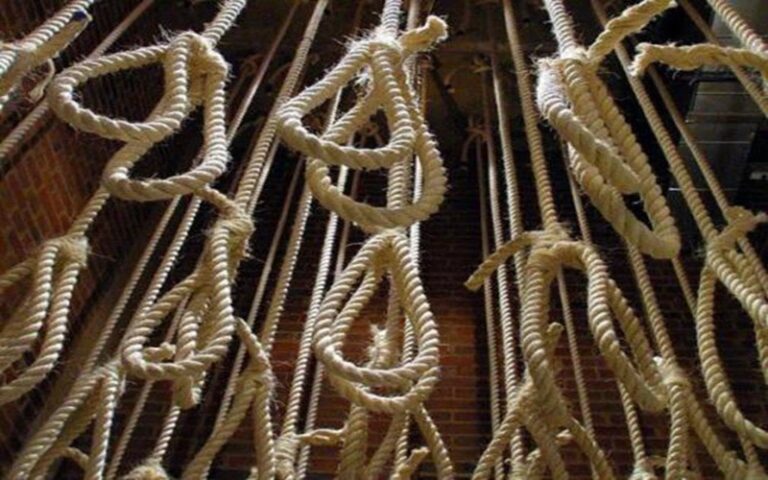
According to the National Council of Resistance of Iran (NCRI), Iran’s regime has carried out at least 200 executions in September, the highest number in 36 years.
Iran Human Rights Organization also reported on Friday, October 3, that “less than 6%” of the executions were announced in official media.
The Iran Human Rights Society also announced that 1,194 people have been executed by Iran’s regime in 2025.
These executions are unprecedented in the past 30 years.
Less than 7% of these verdicts were reported in domestic official sources.
Amnesty International also reported on September 27 that authorities of Iran’s regime executed more than 1,000 people in the first nine months of 2025—a figure representing the highest annual number of executions in the past 15 years.
According to Hengaw, at least “14 death sentences” were “carried out secretly, without notifying families and without a final visit.”
Hengaw also reported the execution of three political prisoners and two prisoners of conscience during the month and said that at least six women were executed in prisons across several provinces.
Many families and lawyers are unable to provide information due to security pressures or restricted access, and a large number of executions take place in silence or without fair trial standards.
Meanwhile, Mizan News Agency, affiliated with the judiciary of the regime, reported on Saturday, October 4, that Saman Mohammadi Khiyareh, a Kurdish political prisoner from Sanandaj, was executed. He had been imprisoned since 2009.
On the same day, Mizan News Agency reported the execution of six individuals in Khuzestan province on security-related charges. The names of these citizens were not published, placing these executions among “secret executions.”
Following the news, the Karun Human Rights Organization reported that the executed prisoners were Ali Mojdam, Moein Khanfari, Seyed Salem Mousavi, Mohammadreza Moghaddam, Adnan Alboushoukeh (Ghabishavi), and Habib Dris. They had been arrested in early 2019 and sentenced to death by the Revolutionary Court in Ahvaz.
Amnesty International had earlier issued a statement warning about the risk of their execution, emphasizing that the collective trial of these six individuals was completely unfair and that they were denied access to lawyers even during their court hearings.
Iran’s Regime Increases Activity Near Natanz Enrichment Site
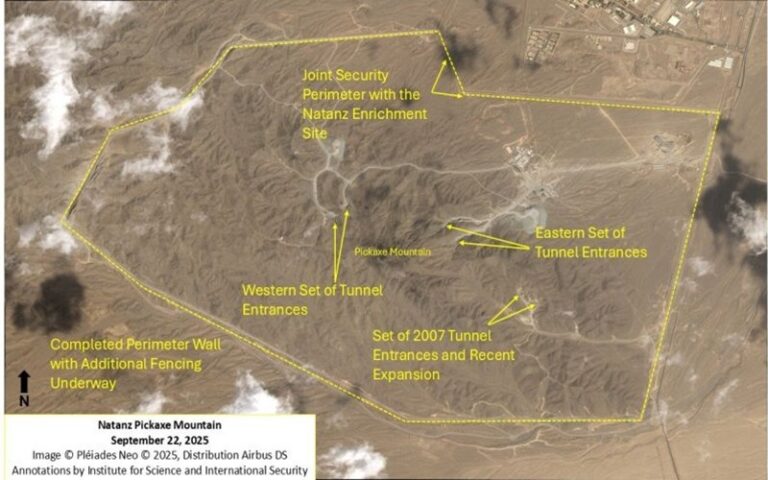
The Institute for Science and International Security reported that new satellite images show the Iranian regime continues construction work at facilities located south of the Natanz uranium enrichment site, in a mountain known as Kolang. However, the precise nature of the nuclear-related activities at this facility remains unclear and is the subject of serious concern.
In its report published on Friday, October 3, the Institute added that these activities, observed since September 2025, appear to be in the final stages of construction and security reinforcement, and do not necessarily indicate an expansion or acceleration of nuclear activity.
The report emphasized that the analysis suggests these developments do not demonstrate a capability for the rapid reconstruction of damaged parts of the nuclear program.
The Washington Post also reported on Friday, September 28, citing satellite imagery and analysts’ assessments, that Iran’s regime continues to build a deeply buried military facility in the Kolang mountain area south of the Natanz nuclear site.
Turkey Freezes Assets of Individuals and Entities Linked to Tehran’s Nuclear ActivitiesThis area has drawn increased attention from observers following U.S. and Israeli attacks. The Washington Post report also emphasized that satellite imagery shows the Iranian regime has increased construction activity at the underground site in recent months. This trend suggests that the Iranian regime has not completely halted work on its nuclear weapons program and is likely cautiously rebuilding lost capacities. The project is being carried out at a site known as “Kolang Mountain,” where Iranian engineers have been tunneling into the Zagros Mountains since 2020, roughly 1.5 kilometers from Natanz. Earlier, in May 2025, the Institute for Science and International Security reported that the Iranian regime was constructing a new security perimeter with additional fencing around Kolang-Gazla mountain.
Background and Current Status
The Institute for Science and International Security, which has monitored this site since construction began in late 2020, had previously noted the depth and scale of the tunnels, the reinforced entrances, and additional security measures such as walls and fences built around the mountain. The report emphasized that as of June 2025, there was no evidence that these facilities had become operational, and recent activities confirm this assessment. According to the Institute, one reason for the absence of a direct airstrike on this site during the 12-day conflict could be this assessment, though the possibility of unconventional attacks cannot be ruled out.Eastern Entrance and Signs of Completed Excavation
The report also stated that satellite images from May to August show activity around the main eastern entrance of the tunnel—an entrance that has undergone the least stabilization work so far, with a continuous water flow suggesting possible geological problems in the area. According to the Institute, the Iranian regime is now focusing on completing this entrance. The changing shapes of the excavated soil mounds indicate that the work is aimed more at completing structures rather than expanding the tunnel.Reinforcement of 2007 Tunnel Facilities
According to the report, satellite imagery from August 10, 2025, provided by Maxar Technologies, shows that entrances to older tunnel facilities, built in 2007, have been reinforced with thick concrete and subsequently covered with soil. This measure is clearly intended to strengthen them against airstrikes or sabotage. The complex had been inactive for years but has gradually been reactivated over the past five years, with significant changes in its security fencing and the construction of new entrance extensions in the past two years. Some of these extensions may serve as storage or support facilities for tunnel operations. The report further notes that similar methods of reinforcing entrances were previously seen at the Fordow nuclear site, where, before the U.S. “Midnight Hammer” operation, air vents were protected with concrete walls. The Iranian regime’s subsequent move to add similar reinforcements at Natanz raises the question of whether it managed to transfer valuable materials—including enriched uranium stockpiles or nuclear equipment—to these facilities before the U.S. strikes. This concern intensified following June 18, 2025, satellite images showing a truck leaving the tunnel compound at around 9 a.m.Turkey Freezes Assets of Individuals and Entities Linked to Tehran’s Nuclear Activities
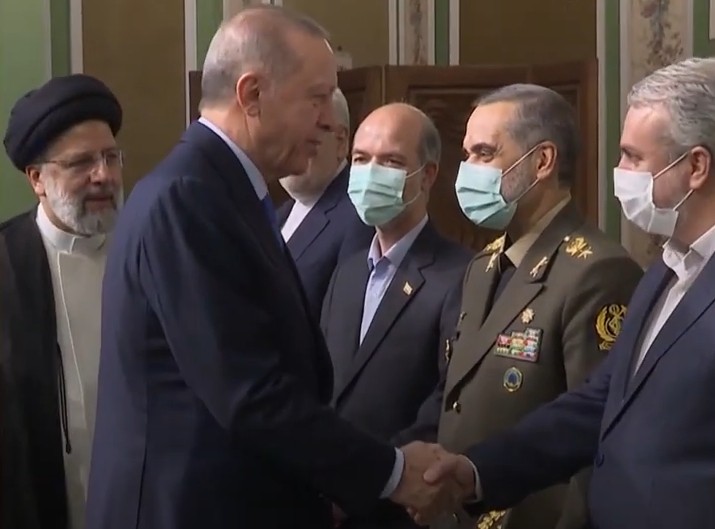
Turkey has frozen the assets of a large number of individuals and entities connected to the Iranian regime’s nuclear activities. This move came following the activation of the “snapback” mechanism and in coordination with United Nations sanctions aimed at pressuring Tehran over its nuclear program.
This decision, issued on Wednesday, October 1, by an executive decree from Turkish President Recep Tayyip Erdoğan, targets individuals and organizations involved in the Iranian regime’s nuclear development program, including shipping companies, energy firms, and research centers.
The move follows the reinstatement of United Nations sanctions. On Wednesday, Western powers including the United States, Canada, and the United Kingdom announced the reimposition of UN sanctions on Tehran, along with new sanctions targeting the Iranian regime’s nuclear and missile programs.
United States Imposes New Sanctions On 18 Individuals and Entities Linked to Iran’s Regime
