Home Blog Page 100

European Troika Holds Unproductive Nuclear Talks with Iranian Regime in Istanbul 

The meeting between representatives of Iran’s regime and the European troika—Germany, the United Kingdom, and France—which began on Friday morning in Istanbul, has concluded.

Kazem Gharibabadi, deputy foreign minister of Iran’s regime, wrote on X (formerly Twitter) on Friday, May 16: “If necessary, these talks will continue.”

After the joint meeting between Gharibabadi and Majid Takht-Ravanchi—deputy ministers for political, legal, and international judicial affairs at Iran’s Foreign Ministry—and the political directors of Germany, the UK, and France, Olof Skoog, the deputy to the EU’s High Representative for Foreign Affairs and Security Policy, is scheduled to meet with the Iranian delegation.

Widespread Coverage of Iranian Resistance’s Nuclear Revelation

Dominik Mutter, the Political Director at Germany’s Foreign Ministry, represented Germany in the Istanbul meeting, during which the European side was briefed on the Iranian regime’s nuclear program and the details of the Tehran–Washington talks.

On Thursday, May 15, the spokesperson for France’s Foreign Ministry announced that the talks between the three European countries and Iran (at the level of political deputies) in Istanbul, Turkey, are taking place “in full coordination with the United States,” and the aim is to find a diplomatic solution to Iran’s nuclear crisis, given that time is running out.

Prior to this, four rounds of meetings had been held between deputy foreign ministers of Iran’s regime and the political directors of the foreign ministries of Germany, France, and the United Kingdom. According to European diplomats, these meetings were “unproductive.”

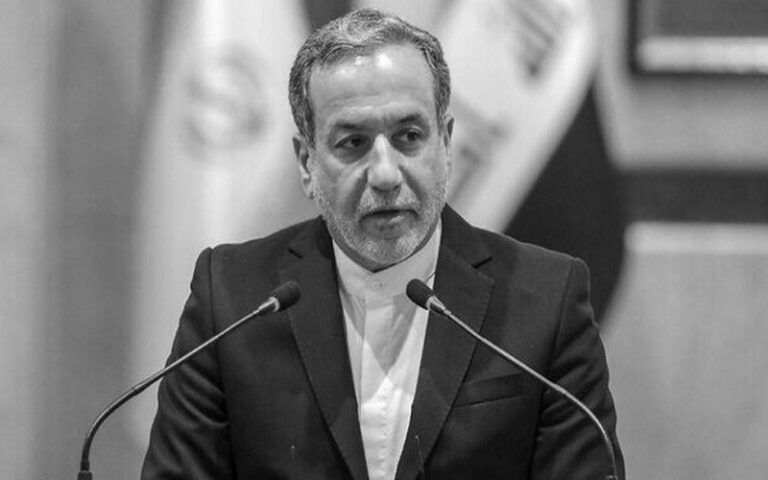
Abbas Araghchi, the foreign minister of Iran’s regime, said on May 14 about the negotiations with European countries: “Unfortunately, the Europeans themselves have become somewhat isolated in these negotiations due to their own policies. We do not seek such a situation and will continue our talks. I think the next round of negotiations at the level of deputy foreign ministers will be held on Friday in Istanbul.”

On May 15, Axios reported, citing a U.S. official and two informed sources, that during the fourth round of nuclear negotiations in Oman, the administration of Donald Trump had presented a formal proposal for a nuclear agreement with the Iranian regime.

The proposal was delivered on Sunday, May 11, by Steve Witkoff, Trump’s special envoy for Middle East affairs and the head of Washington’s negotiating team with Tehran, to Araghchi, who then took the proposal to Tehran for review and consultation with regime supreme leader Ali Khamenei and other senior officials.

New U.S. Secretary of State: Snapback Mechanism to Be Activated Against Tehran

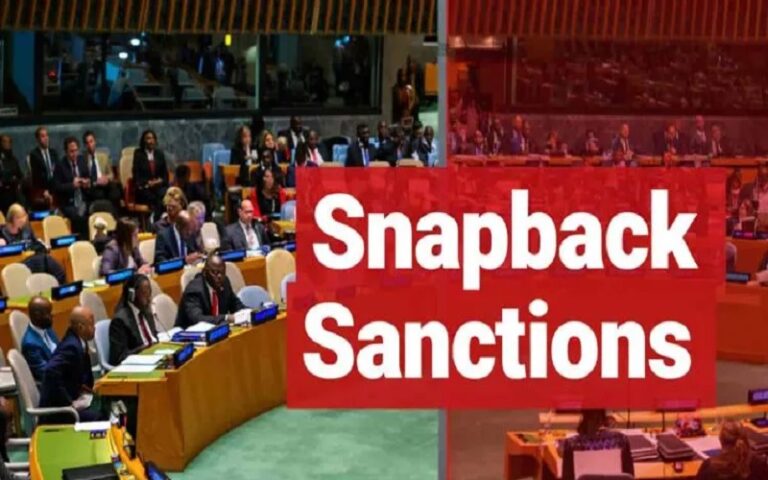
Berlin, Paris, and London have threatened that if Iran’s nuclear issue is not resolved, they will trigger the United Nations snapback sanctions mechanism against the regime.

The meeting between the Iranian regime’s representatives and the European troika took place as Rafael Grossi, Director General of the International Atomic Energy Agency (IAEA), is expected to present a comprehensive report on Tehran’s nuclear program to the IAEA Board of Governors.


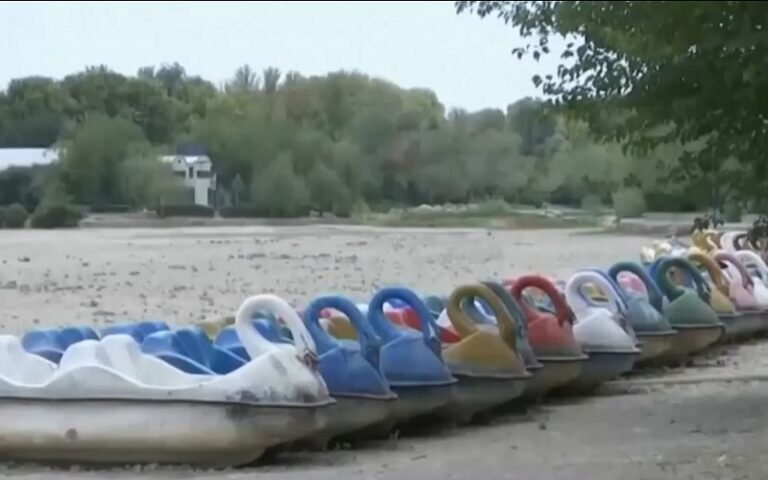
Dusty Iran: The Story of the Dust Storm Crisis from Border to Center

0

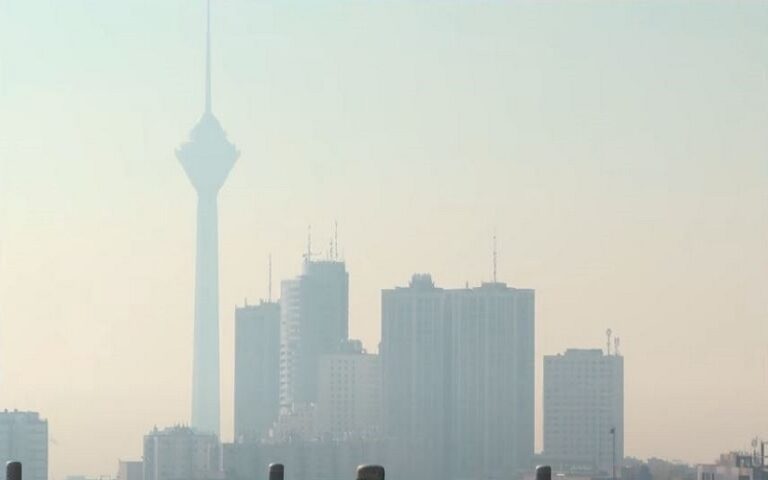
In recent years, Iran has plunged deeper than ever into a dust storm crisis. But what flows in the country’s darkened skies is not just dust particles, it is an echo of decades of environmental mismanagement, anti-development policies, and the inability to confront climate challenges.

A large portion of the dust in Iran originates from outside its borders. Iraq, Syria, Saudi Arabia, and even North Africa—especially during periods of political instability, civil war, and infrastructure collapse—have become active dust-producing centers.

Abdolkarim Hosseinzadeh, Vice President for Rural Development and Deprived Areas under Iran’s regime, stated: “60% to 80% of the dust storms in the country have external sources, and this issue must be managed through negotiations with neighboring countries.”

The drying of Mesopotamian wetlands abandoned farmlands, and reduced vegetation cover have created conditions that allow dust storms to cross borders unhindered and settle in central regions of Iran.

60% Of Iran Affected by Dust and Sand Pollution

The absence of environmental diplomacy has turned Iran into a vulnerable country facing crises that are beyond its control.

The dust storm crisis in Iran has emerged from chronic disregard for climatic capacity and poor natural resource management. Rapid development without environmental planning has led to soil erosion, widespread dam construction, deforestation, destruction of rangelands, and the obliteration of wetlands. Lands that were once green and vegetated have now become dust-generating hotspots.

From Hamoun in eastern Iran to Hoor al-Azim in the southwest, wetlands that once acted as natural shields against dust storms have now themselves turned into centers of crisis.

Experts say that successive droughts, excessive extraction of groundwater, dam construction on upstream rivers, and inter-basin water transfer projects have severed the vital lifelines of these wetlands. In many cases, the ecological water rights of these environments have been ignored in favor of agricultural, industrial, or urban water supply projects.

43% of Iran’s Wetlands at Risk of Drying Up

Hamoun Wetland, once a source of life in eastern Iran, now sends dust storms as far as the cities of Zahedan and Birjand with every wind. In the southwest, Hoor al-Azim Wetland—partially located within Iranian territory—has lost much of its natural capacity to retain moisture and suppress dust due to oil and industrial activities.

Dust particles are the silent enemy of public health. Fine particulate matter with a diameter smaller than 2.5 microns easily enters the lungs and can even penetrate the bloodstream. These particles are associated with diseases such as asthma, cancer, heart conditions, and neurological disorders.

Cities like Ahvaz, Zahedan, Abadan, and Ilam have repeatedly ranked among the most polluted places in the world. On days when the Air Quality Index reaches “hazardous” levels, the only short-term measure taken is the closure of schools and advising people to stay indoors.

Health officials have repeatedly reported a sharp rise in emergency room visits for respiratory issues following increased levels of dust pollution.

Iran’s healthcare system is being worn down by this crisis—from the surge in emergency visits and respiratory medication use to the strain on healthcare infrastructure and hidden medical costs.

Recently, the Deputy for Treatment at Ahvaz University of Medical Sciences stated: “Every year, more than 22,000 people seek medical care due to respiratory problems caused by air pollution, and approximately 251,000 individuals directly visit medical centers for this reason. Moreover, over 700 people in Ahvaz lost their lives last year due to particulate matter in the air.”

Dust storms, drought, and the collapse of traditional livelihoods are fueling a wave of climate migration from Iran’s border regions toward urban centers.

In provinces like Khuzestan, Baluchestan, Ilam, and Kermanshah, rural life is collapsing under the weight of environmental crises. Schools have shut down, lands lie abandoned, and livestock have been lost. Many residents have no option but to migrate involuntary movements pulling them toward the outskirts of major cities, where basic infrastructure for housing, employment, and services is lacking.

Migration is a process that, over the long term, can erode territorial resilience and deepen social and security divides.

Dust Storms: The Hidden Enemy of the Economy

On the surface, dust storms merely pollute the air; but in reality, they corrode the country’s economy from within. Decreased agricultural productivity, infrastructure erosion, transport disruptions, and higher maintenance costs for industrial equipment are just part of the damage. Particulate matter interferes with sensitive systems in power plants, refineries, and water treatment facilities, reducing the service life of equipment.

In agriculture, reduced sunlight, clogged plant stomata, soil and water pollution, and declining product quality have trapped farmers in a vicious cycle of bankruptcy and migration.

At a broader level, the decline in tourism, suspension of outdoor economic activities, and increased energy consumption impose a heavy economic burden on the country.

Domestically, the first step must be the restoration of wetlands and a revision of the water allocation system; without this, no technical measure will be effective. In addition, programs for soil stabilization, native vegetation development, livestock management, and rangeland rehabilitation must be prioritized.

The dust storm crisis is not merely an environmental issue—it is a full reflection of Iran’s flawed development model. Unless this crisis becomes an opportunity to revise policies, relocate industries, reform water-intensive projects, and transition toward a climate-compatible economy, it will shape a future for Iran that is dusty, unstable, and unequal.


France To File Complaint Against Iranian Regime at International Court of Justice

France has announced that it will file a formal complaint against Iran’s regime at the International Court of Justice in protest over the continued imprisonment of a French couple, Cécile Kohler and her partner Jacques Paris, who have been detained on espionage charges for the past three years.

France stated that on Friday, May 16, it will submit a formal complaint against Iran’s regime at the International Court of Justice. According to Christophe Lemoine, spokesperson for the French Foreign Ministry, this move comes in response to the ongoing detention of two French citizens in Iran.

Former French Hostage: The Iranian Regime Treats Prisoners Like “Animals”

Cécile Kohler, a 40-year-old literature teacher, and her partner Jacques Paris were arrested on May 7, 2022, during the final day of their tourist trip to Iran.

Last week, French President Emmanuel Macron spoke of “relentless efforts” to secure the release of the two French citizens and referred to them as hostages of Iran. Around two weeks ago, French Foreign Minister Jean-Noël Barrot also stated that the French government would lodge a complaint with the International Court of Justice in protest over the violation of the rights of its two nationals being held by the Iranian regime.

Sanctions Against Iranian Regime’s “Hostage-Taking” Policy

The Iranian regime has accused Cécile Kohler and Jacques Paris of “espionage.” Following their arrest, Iran’s state television aired a video in which the couple “confesses” to cooperating with French intelligence services. Paris has firmly denied these claims.

France has accused Iran’s regime of holding the two prisoners under conditions tantamount to torture in Evin Prison and of failing to provide adequate consular support. Iranian officials have denied these allegations.

The Iranian regime takes foreign or dual-national citizens hostage in order to extort concessions from the West, particularly in nuclear negotiations or in efforts to secure the release of its own agents detained in European countries.

Among these “hostages” was another French citizen, Olivier Grondeau, who was released on March 20, 2025, after serving about two and a half years in prison in Iran.

Iranian Regime Found Liable for Torture of American Hostage in Lebanon

Grondeau, who was arrested in the fall of 2022 in Iran, said in a voice message addressed to French officials less than two months before his release: “You who have the power to influence this matter, hear this truth. Cécile, Jacques, and I are at our limits. It is your responsibility to ensure the survival of three human beings.”

Grondeau had been sentenced to five years in prison on charges of conspiracy against the Iranian regime.

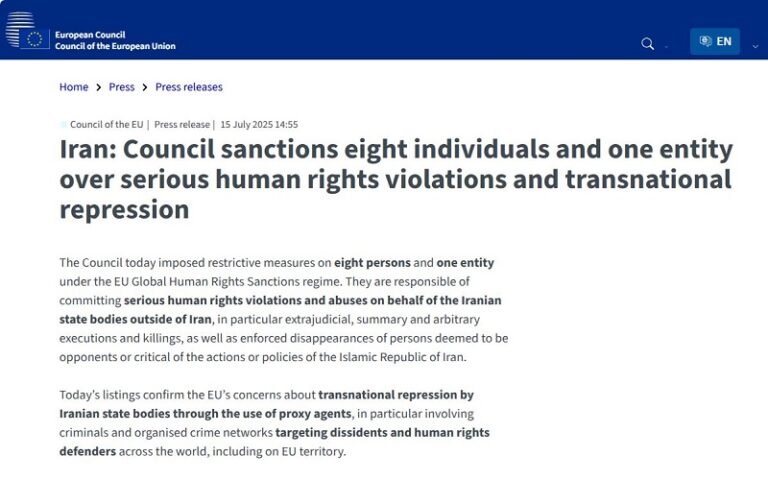
About four weeks ago, the European Union imposed sanctions on nine judicial and security officials and entities of the Iranian regime in response to what it described as the arbitrary detention of EU citizens and widespread human rights violations in Iran, citing state-sponsored hostage-taking.

Additionally, according to the French foreign minister, France plans to propose further punitive measures and sanctions against Iranian officials at the next meeting of EU foreign ministers.


Iranian Regime’s Majlis Speaker: Our Fight with the U.S. And Israel Is a Sacred Struggle

0

Mohammad Bagher Ghalibaf, the Speaker of the Iranian regime’s Majlis (parliament), said on the sidelines of the Conference of the Parliamentary Union of the OIC Member States in Indonesia: “Our fight with the United States and Israel is a sacred struggle based on Quranic teachings and the issue of right versus wrong.”

Ghalibaf continued: “The efforts of Muslim nations against Israel must be very intelligent.”

In another part of his remarks, referring to the new round of negotiations between Washington and Tehran, he said: “The Islamic Republic will never move toward building a nuclear weapon but uses this knowledge in the fields of medicine, environment, agriculture, and others.”

He added: “Utilizing nuclear capacity is our right, and we use it for the country’s industry, and we believe this capacity belongs to the entire Islamic world.”


New U.S. Sanctions Target Iranian Regime’s Missile Network

In its latest move against the Iranian regime’s missile program, the United States has imposed sanctions on six individuals and twelve entities in Iran, China, and Hong Kong. The measure aims to disrupt the regime’s missile technology supply chain.

On Wednesday, May 14, 2025, the United States announced a new round of sanctions against six individuals and twelve entities in Iran, China, and Hong Kong. These individuals and companies are sanctioned for participating in efforts by the Iranian regime to develop its ballistic missile program—a pursuit U.S. officials describe as a serious threat to regional and international peace and stability.

U.S. Slaps New Sanctions on Tehran’s Missile Fuel Supply Network

These sanctions have been implemented under Executive Order 13382 and coordinated by the U.S. Departments of State and Commerce. According to an official statement by the U.S. Treasury Department’s Office of Foreign Assets Control (OFAC), the action is intended to disrupt the technical and logistical supply chain of Iran’s missile program and prevent Tehran from acquiring advanced technologies.

The OFAC statement explains that the sanctioned entities and individuals played a key role in procuring and supplying sensitive items—including carbon fiber, specialized centrifuges, and equipment used in the production of intercontinental missiles—for Iran. These items are technologies commonly used in the development of advanced ballistic missiles and are subject to international sanctions.

List of Sanctioned Entities: From Iran to East Asia

On this list, the Iranian company Advanced Fiber Development Company (AFDCO), along with several of its executives—including Mohammad Rezai and Hamed Dehghan—has been sanctioned due to its collaboration with the Self-Sufficiency Jihad Organization, which operates under the Aerospace Force of the Islamic Revolutionary Guard Corps (IRGC).

The list also includes Pishtazan Kavosh Gostar Boshra LLC (PKGB) and several other Iran-based technology firms. Alongside these Iranian entities and individuals, the United States has also sanctioned several Chinese companies and nationals for their support of Iran’s missile program.

Among them is Shanghai Tanchain New Material Technology Co Ltd, which has directly exported carbon fiber to Iran. The company’s executives have been sanctioned for collaborating with networks that supply sensitive items to already sanctioned Iranian entities. Subsidiaries of this Chinese company operating in China and Hong Kong—such as Reso Trading and Super Sources—have also been added to the sanctions list due to being owned or operated by sanctioned individuals.

These sanctions come at a time when the Iranian regime has, in recent years, been seeking to localize production of components needed for its missile program while simultaneously working to circumvent international sanctions through a complex network of front and intermediary companies.

In the final part of the statements, the U.S. government called on its allies and partners in Europe and Asia to take these sanctions seriously and to adopt similar measures to cut off the Iranian regime’s missile technology supply chain.


Daily Death of 27 and Annual Death of 10,000 Workers in Iran

Alireza Raeisi, deputy for health at the Iranian regime’s Ministry of Health, Treatment, and Medical Education, announced a figure that starkly contrasts with previously released statistics, stating that 10,000 workers die annually in Iran due to workplace accidents.

This comes while the Iranian regime’s Legal Medicine Organization had previously reported that approximately 2,000 workers died on duty in 2024, and in prior years, reports from the Ministry of Labor, the regime’s Majlis (parliament) research center, and the Legal Medicine Organization consistently put the annual death toll below 2,000.

The Minimum Wage for Iranian Workers in 2025 Announced

However, according to the regime’s official IRNA news agency, Raeisi has now stated that “every year, around 10,000 people in Iran die due to work-related incidents,” emphasizing the need to revise environmental and occupational health standards to protect workers’ well-being.

These figures reveal that Iran’s annual average of worker fatalities—caused by a lack of safety and proper standards—is more than triple the total number of workers who died across the entire European Union. According to global statistics, in 2024, a total of 3,286 workers died due to workplace accidents across all 27 EU member states; for instance, the number in the United Kingdom was 138.

The Iranian regime’s deputy health minister added: “This level of mortality is not low, and measures must be taken to reduce preventable deaths. Many disabilities also result from workplace incidents, with the effects of some becoming evident only in the long term. For example, workers exposed to coal vapors or benzene fumes at gas stations may not develop problems immediately, but the consequences of their work exposure appear after several years.”

Protest rallies and marches by retirees, workers, and students in Iran

The state-run ILNA news agency called this “drastic discrepancy from previous official statistics” “strange.” It noted, however, that although data from the Legal Medicine Organization has so far been more accurate than that of the Ministry of Labor and the Social Security Organization regarding worker fatalities, “according to many labor activists, even the figures released by the Legal Medicine Organization cannot reflect the true scale of workplace accidents, as the practice of concealing real statistics—common in other areas—also plagues the reporting of labor incident data.”

The deputy health minister’s remarks imply that over 800 workers die each month in Iran due to occupational accidents—equating to around 26 to 27 workers dying every single day.

Farshad Esmaeili, a labor law expert and researcher in Iran, told ILNA: “For years, the Ministry of Labor has released statistics that only include official workshops and insured workers. Employers and contractors avoiding responsibility, workers being afraid to report workplace accidents, and employers settling with the families of deceased workers—all contribute to making the official figures on workplace incidents unreliable. The Ministry of Labor is aware of this issue and knows that the statistics it provides only cover a portion of deceased workers—those who had insurance.”

According to him, another reason for the significant gap between the real number of worker deaths and the official figures reported by government institutions is that in many death cases, the cause listed on the death certificate is—either mistakenly or deliberately—something else. For example, instead of stating “work-related accident,” the certificate may read “blunt force trauma to the head” so that the case does not appear on the official list of workplace fatalities.

The recent comments by the deputy health minister point to a deep crisis in worker safety in Iran and confirm how various officials in the Iranian regime have, for decades, engaged in falsifying statistics or deliberately concealing real figures to cover up their failings in areas such as workplace accidents, inflation, economic growth, unemployment, and poverty.

In Iran, the issue of worker safety and health has become a serious challenge due to government neglect, weak oversight, and the failure to prioritize workers’ lives. The lack of basic safety standards, especially in high-risk work environments, leads to accidents that directly endanger the lives and health of workers.


Iranian Regime’s Hidden Trade: Oil Smuggling and Weapons Shipments to Russia 

In a recent report, Bloomberg describes Hossein Shamkhani, the son of Ali Shamkhani—advisor to Iranian regime’s supreme leader, member of the Expediency Council, former secretary of the Supreme National Security Council, and Khamenei’s representative in that council—as an Iranian oil tycoon who has covertly embedded himself in the heart of the Western financial system. He is reportedly one of those responsible for delivering weapons to Russia via the Caspian Sea. Bloomberg had previously published a report stating that Hossein Shamkhani, under the alias “Hector,” plays a role in smuggling Iranian oil, including to Russia, and referred to him as Iran’s oil smuggling kingpin.

Bloomberg: Shamkhani’s Son’s Influence in the International Banking System

Bloomberg writes that these transactions, which coincide with Russia’s increased use of Iranian weapons in attacks on Ukraine, are part of a vast global trade network that has generated immense wealth for Hossein Shamkhani. His father, Ali Shamkhani, served the longest tenure as the regime’s defense minister and remains a senior advisor to the regime’s supreme leader. Meanwhile, the names of Shamkhani’s other two children, Hassan and Zeinab, as well as his nephew and son-in-law, have appeared in financial corruption cases. Even his multi-billion rial bank account has made headlines.

According to Bloomberg’s new report, citing information from over 12 American, British, and European officials, as well as individuals with direct knowledge of these transactions, Hossein Shamkhani used a network of companies under his control—including Crios Shipping LLC, based in Dubai—to transport missiles, drone components, and dual-use goods across the Caspian Sea last year using at least two ships.

Informed sources say Russia pays for these shipments with oil cargoes, a form of barter trade that has become more common due to U.S. and European sanctions against both Russia and Iran’s regime.

Bloomberg states that Hossein Shamkhani’s corporate network manages more than one-quarter of Iran’s total weapons transfers to Russia. His commercial empire includes an investment fund with offices in London, Geneva, and Singapore, and a commodity trading company in Dubai that has done business with major Western oil firms.

The Iranian regime and Russia have acknowledged their growing defense cooperation but have not disclosed all details.

John Bolton, former U.S. National Security Advisor, had previously stated that the Shamkhani network is involved in drone supply deals for Russia’s use in Ukraine.

Shipments via the Caspian Sea

According to Bloomberg, starting from mid-2023, several ships belonging to Crios Shipping LLC—which previously operated in the Mediterranean and Black Seas—were moved to the Caspian Sea and began operating between Iran and Russia. The vessels Sea Castle and Sea Anchor are among them. Both ships have made at least five voyages from Iranian ports to Astrakhan, Russia.

Bloomberg reports that Shamkhani’s vessels often use flags from countries like Palau, which are on international blacklists. Additionally, details about these ships’ cargoes are limited due to the lack of official registration.

The Shamkhani network includes companies such as Oceanlink Maritime DMCC and Koban Shipping LLC, which are reportedly affiliated with Iran’s Ministry of Defense. The United States sanctioned Oceanlink in April.


Nuclear Secrecy and Brutal Repression: Two Sides of the Same Coin in Iran’s Struggle for Survival

The regime ruling Iran has for years teetered on the edge of multiple crises: a crisis of legitimacy, nuclear crisis, economic collapse, international isolation, and growing social unrest. In such circumstances, a regime with no popular base—and now largely deprived of its tools of terrorism and regional warfare—resorts to two key methods for survival: nuclear secrecy on the international stage, and naked repression at home. These two strategies, though seemingly different, are in fact two sides of the same coin—both serving to sustain a decaying and disintegrating regime.

New Nuclear Revelation: A Project for Bombs, Not Power

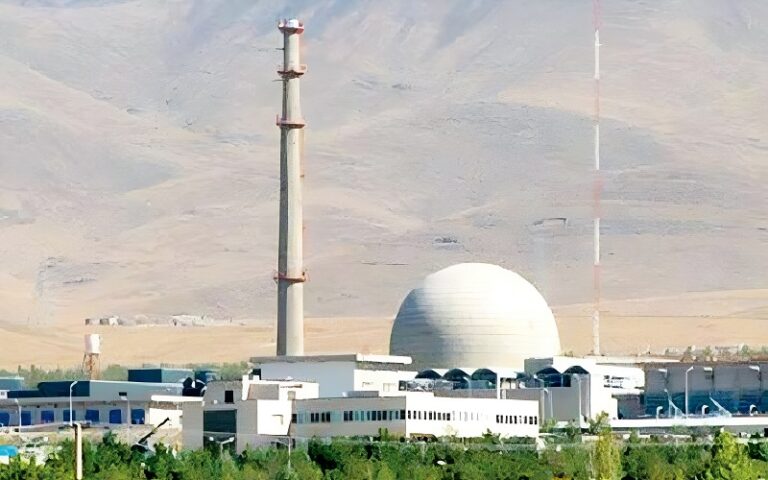
In the latest revelation by the National Council of Resistance of Iran (NCRI) in the United States, a secret site codenamed “Ranginkaman” in Eyvanekey, Semnan province, was identified. According to NCRI sources, this facility is part of SPND, the organization directly responsible for the Iranian regime’s nuclear weapons project. The site operates under the cover of chemical industries and in the name of a company called “Diba Energy Sina.”

The exposure of such a site once again proves that the regime’s nuclear project is not peaceful, but rather a tool for acquiring nuclear weapons. The use of tritium—a substance with no peaceful application—and the effort to mount it on ballistic missiles, serve only one goal: building an atomic bomb to guarantee the regime’s survival.

Why the Regime Clings to the Bomb: Securing Survival Amid Crises

Why does a regime under severe economic pressure, international isolation, and domestic dissatisfaction continue to spend billions of dollars building secret nuclear infrastructure?

The Iranian regime sees its survival not through reform, but through repressive and deterrent power. In its logic, a nuclear bomb is a guarantee of survival.

But this project comes at an enormous cost: widespread poverty, intensified international pressure, crippling sanctions, and internal economic instability. As Iranians’ dinner tables shrink by the day, billions of dollars are spent on facilities whose sole purpose is to preserve the rule of a small, entrenched elite.

Nuclear Secrecy and Brutal Repression: Complementary Tools of Survival

On the other hand, while the Iranian regime resorts to secrecy and deception on the international stage, its domestic policy is the complete opposite: a show of force through an iron fist.

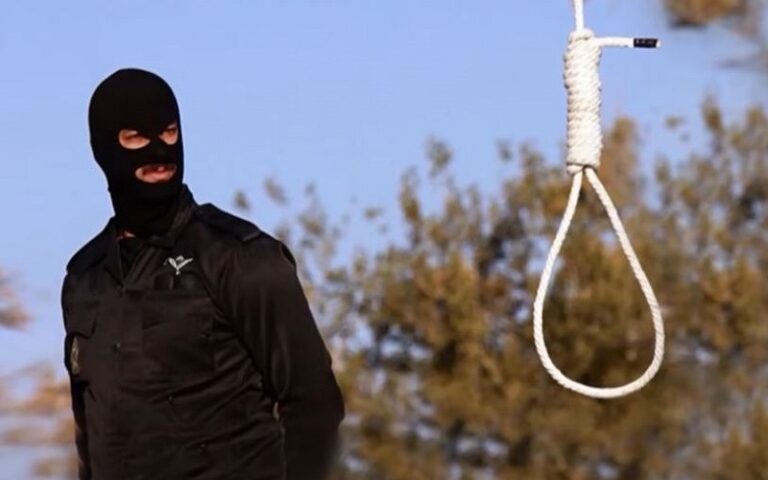
A surge in executions (dozens each month), systematic repression of students, assaults on schools, arrests of civil society activists and grieving families, and a barrage of daily crackdowns all clearly reflect the regime’s fear of popular uprisings. The regime is fully aware that it has no grassroots support, and that even the smallest spark could ignite a nationwide revolt.

The widespread repression inside Iran, like its pursuit of nuclear weapons, is part of a broader “survival defense” strategy. Knowing it lacks internal support, the regime looks outward for deterrent tools (the atomic bomb), and inward for tools of coercion (execution, torture, repression).

Deflecting the Core Conflict by Creating Artificial Ones

The regime seeks to inflame and polarize society—by amplifying issues like compulsory hijab—to prevent the emergence of national unity against itself. In reality, the regime’s survival depends on conflict and division; it sees unified society as the death knell of its rule.

Heavy Costs for the People; Profit for the Supreme Leadership

In all of this, it is the people of Iran who pay the real price of the regime’s dual policy of nuclear secrecy and domestic repression. While they struggle to afford basic necessities, their taxes and oil revenues fund secret nuclear sites like “Ranginkaman.” Their voices of protest are met with arrest, lashings, or execution.

Why Is the Regime Still Failing Despite All These Efforts?

Despite its full-force efforts to survive through repression and deception, this strategy has failed. The reason is clear: public dissatisfaction has not only persisted—it has deepened and spread.

Today, Iranian society is more aware than ever that the root cause of poverty, oppression, and crisis lies at the top of the regime.

The regime of absolute clerical rule—with all its tactics, from secret nuclear sites to public executions, from deceiving international opinion to domestic brutality—has not been able to avoid the path of collapse. The core contradiction, the conflict between the people and the regime, is becoming increasingly clear and unavoidable.

In the end, no amount of tritium, missiles, or executions can guarantee the regime’s survival. Nuclear secrecy and brutal repression may delay the inevitable, but they offer no escape from eventual overthrow.

Billions for War, Nothing for the People: The Cost of Repression and Corruption in Iran

In the midst of the fourth round of nuclear negotiations between the Iranian regime and the United States held in Oman—and while media outlets are busy analyzing the details of these talks—a deeper and more fundamental question is being heard louder than ever from within Iranian society.

How much can even a potential agreement improve the situation for the people? Why does life keep getting harder for ordinary Iranians, while the regime’s spending on foreign, military, and security operations—as well as widespread theft and corruption—continues to skyrocket?

These days, amid economic instability, widespread electricity blackouts, a water crisis, rising prices of medicine and basic goods, millions of Iranians across the country begin their day with frustration and anxiety.

Many citizens rightly ask how it is possible that a government claiming budget deficits for paying contractors or repairing decaying water and electricity infrastructure is simultaneously spending billions of dollars supporting proxy military groups in the region?

A budget for non-Iranians, not the people of Iran

Over the past years, the Iranian regime’s financial support to groups like Hezbollah in Lebanon, Hamas in Gaza, Hashd al-Shaabi in Iraq, and the Houthis in Yemen has been repeatedly acknowledged by the officials of these same groups.

For example, the new Secretary-General of Hezbollah recently stated in a speech that they had received around $400 million as a “gift” from the Iranian regime to distribute among Lebanese families. This amount is separate from the regular annual support Hezbollah receives, which various sources have previously estimated to be between $1 billion and $2 billion per year.

Additionally, the Iranian regime pays about $150 million monthly to Hamas. The same pattern is repeated with Hashd al-Shaabi and the Houthis in Yemen.

If we sum up these figures, even the most conservative estimates show that just a portion of the regime’s budget spent on foreign groups easily exceeds several billion dollars annually. This is not including four decades of support for Bashar al-Assad’s regime in Syria, which various reports estimate to have cost between $30 billion and $100 billion—though the actual scale remains unknown.

On the very days when funds are being transferred to armed groups in Lebanon, Gaza, Iraq, and Yemen, many cities in Iran are experiencing constant power outages, contaminated or entirely depleted drinking water sources, untreatable illnesses due to medication shortages, and the shutdown of small businesses—making everyday life bitter and unbearable for millions of Iranians.

Repression and Corruption

But the issue doesn’t end with regional aid. A significant portion of the country’s oil and tax revenues is spent on expanding and strengthening the domestic repression apparatus. Security, intelligence, and law enforcement agencies—including the Islamic Revolutionary Guard Corps (IRGC), the Basij militia, the Special Units, and other repressive institutions—are heavily equipped and funded, not to ensure national security, but to suppress the people.

During every wave of public protests, these agencies—with modern equipment, armored vehicles, surveillance cameras, lethal weapons, and sophisticated monitoring and wiretapping systems—have been responsible for cracking down on street demonstrations. A large portion of the national budget is also allocated to paying salaries, benefits, and bonuses to security forces and repressors.

At the same time, hundreds of trillions of rials have been siphoned off from the country’s resources through cronyism or major corruption scandals and ended up in the pockets of corrupt officials and regime affiliates. Cases like the petrochemical corruption scandal, Bank Sarmayeh, the Teachers’ Fund, systemic embezzlement in the banking network, and dozens more are examples of this recurring pattern—none of which have led to the return of stolen assets or real prosecution of the main perpetrators.

Priorities That Exclude the People

In Iran’s regime, budgeting is not based on public interest but is driven by the regime’s ideological and security priorities. From the development of long-range missiles and military drones to financial support and multitrillion-rial budgets for 490 Islamic seminaries and 400,000 clerics across the country—these are the regime’s top priorities.

In contrast, urban infrastructure improvements, development of healthcare and education, drought mitigation, revitalization of the electricity industry, or even the reconstruction of dilapidated schools have always been met with claims of “no budget.”

This contradiction has fueled widespread public anger, especially among the youth and middle class, who now see no prospects for progress and not even hope for maintaining basic standards of daily life. On university campuses, in marketplaces, and among the growing poor, this anger is openly expressed.

An Angry Society, the Loud Voice of a Discontented People

In countless videos and messages posted online, people repeatedly speak of power and water outages, business closures, the destruction of small investments, and irreparable losses.

Under these conditions, labor and professional protests are also on the rise. From retirees to workers, from drivers to bakers in various cities, the voices of protest and demands are growing louder every day. Yet instead of responding, the regime mostly reacts with threats, arrests, or complete disregard.

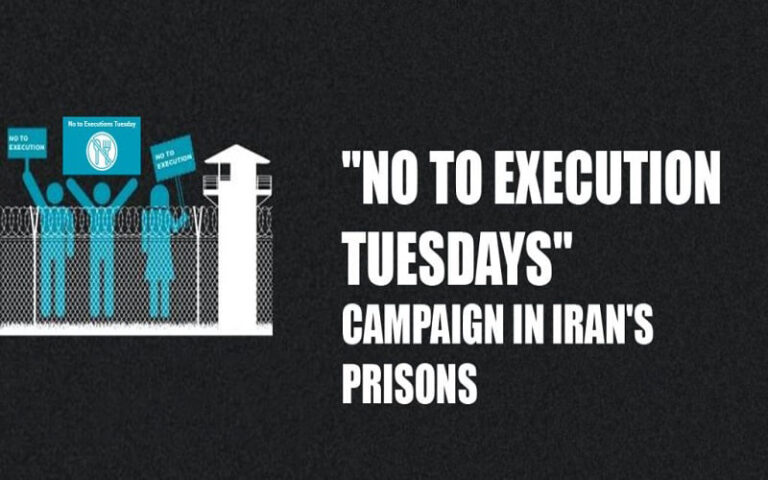
The “No to Executions Tuesdays” campaign: Ongoing hunger strike in 41 prisons across Iran

The “No to Executions Tuesdays” campaign will stage a hunger strike in 41 prisons across the country on Tuesday, May 13, for the sixty-eighth consecutive week.

While the wave of executions in Iran has intensified, with at least 96 prisoners—including one woman—executed in just the past three weeks, the “No to Executions Tuesdays” campaign has reported the continuation of protest hunger strikes in dozens of prisons across the country.

At the same time, two other political prisoners have received harsh death sentences. Amin (Peyman) Farahavar Gisavandani, a poet from Gilan province, has been sentenced to death by Judge Ahmad Darvish-Goftar on charges of “rebellion and enmity against God.” Ehsan Faridi, a student at the University of Tabriz, was also sentenced to death by Branch 2 of the Tabriz Revolutionary Court on charges of “enmity against God.” Reports indicate that these verdicts were issued without the presence of lawyers chosen by the defendants. Both prisoners are supporters of the MEK (People’s Mojahedin Organization of Iran), the largest opposition group to Iran’s regime.

The continuation of the “No to Executions Tuesdays” campaign enters its sixty-seventh week across 41 prisons in Iran

In a statement, the “No to Executions Tuesdays” campaign referred to the accelerated issuance and implementation of death sentences under Iran’s regime, calling on international institutions to pursue the judges who issue these rulings through independent human rights bodies and to act to stop this cycle of violence.

The campaign also commemorated Barzan Mohammadi, a former political prisoner and supporter of the protest movement, who recently died in an accident. The statement extended condolences to his family and companions.

The full statement of the sixty-eighth week of the “No to Executions Tuesdays” campaign:

Continuation of the “No to Executions Tuesdays” campaign’s hunger strike in 41 prisons during its sixty-eighth week
Death sentences issued for two political prisoners

According to published reports, the issuance and implementation of death sentences by courts under Iran’s regime continue unabated. Since late April, more than 96 prisoners, including one woman, have been executed—an average of at least four executions per day.

In recent days, Amin (Peyman) Farahavar Gisavandani, a poet and political prisoner from Gilan, was sentenced to death by Judge Ahmad Darvish-Goftar on charges of “rebellion and enmity against God.” Ehsan Faridi, a student at the University of Tabriz, was also sentenced to death by Branch 2 of the Tabriz Revolutionary Court on the charge of “enmity against God.” Notably, these inhumane verdicts were issued without the prisoners having access to legal representation of their choice.

We call on human rights organizations and anti-death penalty advocates to expose the judges responsible for these rulings and to file complaints against them through independent human rights bodies. As the regime proves incapable of resolving its internal and external crises, the pace of executions has increased. Confronting executions in such a climate is an urgent and undeniable necessity. In every corner of this land, the flag of resistance to executions must be raised, and voices of protest must be heard. This criminal regime must not be allowed to take citizens’ lives with ease. Freedom is the right of a nation that has paid a heavy price for decades in pursuit of liberty, equality, and democracy.

The “No to Executions Tuesdays” campaign honors the memory of Barzan Mohammadi, a former political prisoner and supporter of this movement, who tragically lost his life in a devastating accident. The campaign extends its condolences to his family and all those involved in the movement.