Home Blog Page 130

NCRI-US Reveals New Intelligence on Iran’s Nuclear Warhead Development

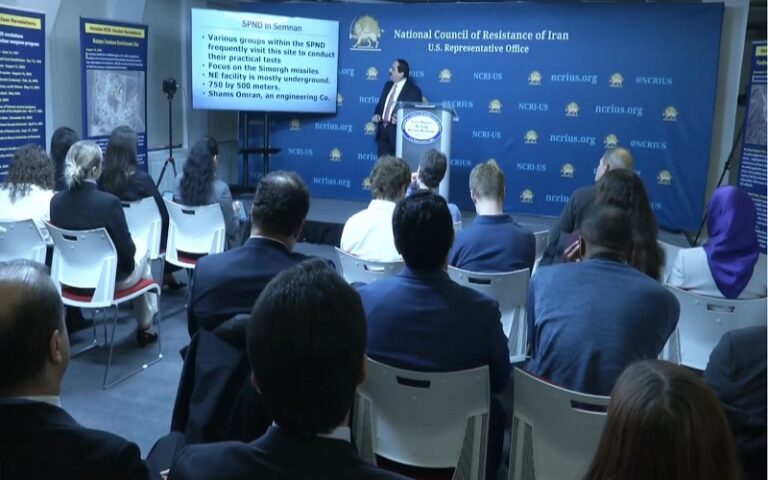
The National Council of Resistance of Iran-U.S. Representative Office (NCRI-US) held a press conference on January 31, unveiling new intelligence that Tehran is actively advancing its nuclear warhead development program. The revelations, based on intelligence from the Defense and Strategic Research Committee of the NCRI and reports from the People’s Mojahedin Organization of Iran (PMOI/MEK) network inside Iran, indicate that the Iranian regime is pursuing nuclear weapons in violation of international agreements.

Shahrud: A Key Site for Nuclear Warhead Development

The intelligence outlines how the Iranian regime is focusing on the development of nuclear warheads for solid-fuel missiles at the Shahrud missile site. This effort is spearheaded by the Organization for Advanced Defense Research (SPND), which oversees Iran’s nuclear weapons program.

Key details about the Shahrud site:

  • It is a highly restricted military zone under the control of the IRGC Aerospace Force.
  • Civilian access is strictly prohibited, and unauthorized personnel are arrested on sight.
  • It includes a missile testing site and launchpad disguised as a space program facility.
  • The primary missile designed for carrying nuclear warheads is the Ghaem-100, a solid-fuel, mobile missile based on a North Korean design.
  • The site is also developing an independent satellite communication system to track nuclear warheads.

Key Figures and Institutions Behind the Project

Several key officials and entities play a role in the nuclear warhead program:

  • Hassan Tehrani Moghaddam: The late IRGC Brigadier General who initiated the Ghaem missile project before his death in 2011.
  • Brigadier General Ali Jafarabadi: Successor to Moghaddam, currently leading the Ghaem-100 project.
  • Salman Farsi Space Command: A division of the IRGC Aerospace Force that supervises the nuclear-related activities at Shahrud.

Expansion of Nuclear Activities at Semnan Facility

The intelligence also exposes nuclear weapons-related activities at Iran’s Semnan facility, which operates under the SPND umbrella:

  • The site is ostensibly used for satellite launches but is heavily fortified and largely underground.
  • It has expanded from two facilities in 2005 to eight in recent years, all interconnected via underground tunnels.
  • The Simorgh missile, modeled after a North Korean design, is tested here under the pretense of a space program.
  • SPND’s Geophysics Group conducts high-explosive detonation tests, a key component of nuclear weapons development.

Key personnel involved in Semnan’s nuclear expansion:

  • Mohammad Javad Zaker
  • Hamed Aber
  • Farhad Moradiani Khosrowabad

To conceal these activities, Iran collaborates with institutions such as the International Institute of Earthquake Engineering and Seismology and various university geophysics departments.

SPND Expansion at Sorkhe Hesar

NCRI-US also detailed increased SPND activities at the Sorkhe Hesar site near Tehran, which was first revealed in 2020. Since then, operations have expanded significantly.

Iran’s Strategy to Deceive and Delay

A confidential internal memo obtained by NCRI-US reveals Tehran’s strategy to prolong nuclear negotiations while continuing its nuclear development. The Iranian regime is deliberately stalling talks with European nations and engaging in indirect discussions with the U.S. to maintain the status quo until the sunset clause in UN Security Resolution 2231 expires, lifting key restrictions.

NCRI-US Representative Soona Samsami warned that Iran has a history of using diplomatic negotiations as a cover to advance its nuclear weapons program. She cited former regime President Hassan Rouhani’s 2006 admission that Iran deceived European negotiators and former Atomic Energy Organization chief Ali Akbar Salehi’s 2019 remarks about misleading the International Atomic Energy Agency (IAEA).

Recommendations for the International Community

Given these findings, NCRI-US urged the global community to take immediate action:

  1. Reinstate UN Security Council resolutions against Iran through the snapback mechanism.
  2. Shut down all nuclear-related sites and grant the IAEA unrestricted access.
  3. Impose severe consequences for violations, as previous diplomatic engagements have emboldened Iran’s nuclear ambitions.

During the Q&A session, NCRI-US Deputy Director Alireza Jafarzadeh reiterated the urgency of confronting Tehran’s nuclear program before it reaches an irreversible stage. The briefing concluded with calls for decisive international action to prevent Iran from acquiring nuclear weapons.
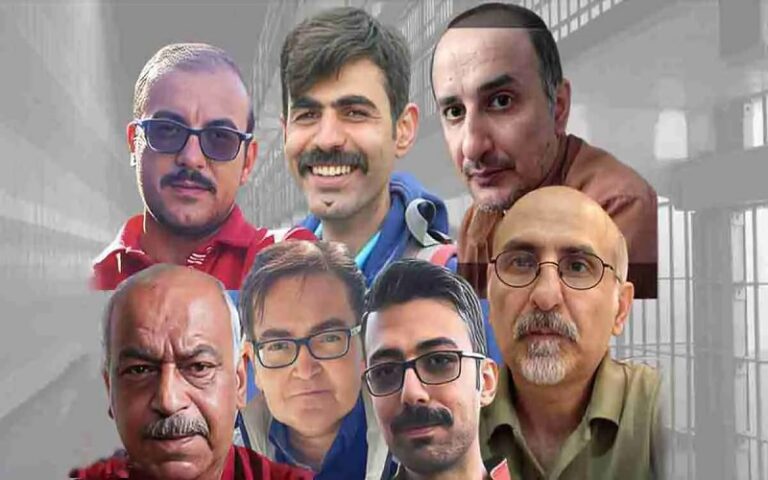
 

Call for the Abolition of Death Sentences for Six Political Prisoners and the Halt of Imminent Executions

The Iran Human Rights Organization has called for the abolition of the death sentences of six political prisoners: Babak Alipour, Vahid Bani-Amarian, Pouya Ghobadi, Abolhassan Montazer, Ali Akbar Daneshvarkar, and Mohammad Taghavi.

On Thursday, January 30, the organization stated in a press release that these political prisoners had been sentenced to death by Branch 26 of the Tehran Revolutionary Court on charges of “rebellion” and “support for the People’s Mojahedin Organization of Iran (PMOI/MEK).”

According to the organization, the relatives of some of these political prisoners have reported that they were held in prolonged solitary confinement and subjected to “violent interrogations and torture.” They also stated that these prisoners were denied access to legal representation during the investigation process.

The human rights organization’s statement also highlights the imminent risk of execution for Behrouz Ehsani and Mehdi Hassani.

The Iran Human Rights Organization strongly condemned the issuance of death sentences for these political prisoners and urged the international community and countries maintaining diplomatic relations with the Iranian regime to take action for the immediate annulment of these sentences.

Amnesty International also issued an open letter on Monday, January 27, addressed to Gholamhossein Mohseni-Ejei, the head of the Iranian regime’s judiciary, calling for the annulment of the death sentences of the six political prisoners and their immediate release.

In this letter, Amnesty International referred to the death sentences issued by Branch 26 of the Tehran Revolutionary Court in the fall of this year against Abdolhassan Montazer, Akbar (Shahrokh) Daneshvarkar, Babak Alipour, Mohammad Taghavi Sangdehi, Pouya Ghobadi, and Vahid Bani-Amarian on charges of “rebellion” (Baghi). It described their arrests as arbitrary and a violation of their right to a fair trial.

Abdolhassan Montazer, 65, Akbar (Shahrokh) Daneshvarkar, 58, Babak Alipour, 33, Mohammad Taghavi Sangdehi, 58, Pouya Ghobadi, 31, and Vahid Bani-Amarian, 32, are among the prisoners convicted of “Baghi,” a legal term referring to armed rebellion or uprising against the government.

“Membership in the People’s Mojahedin Organization of Iran (PMOI/MEK)” is among the charges brought against these prisoners.

Meanwhile, human rights media outlets have reported that two other political prisoners in Iran, Behrouz Ehsani and Mehdi Hassani, have been transferred to the death row section of Ghezel Hesar Prison.

According to some reports, these two death-row prisoners were transferred on Thursday, January 30, from the “secure ward” of Ghezel Hesar Prison to “Hall 1, Ward 10, Unit 3,” where prisoners awaiting execution are held.

Iran: Confirmation of Death Sentences for Political Prisoners – 54 Political Prisoners on Death Row

Behrouz Ehsani and Mehdi Hassani had been abruptly transferred to the “secure ward” on January 26. However, a day later, their lawyers announced that the execution of their death sentences had been halted following the Supreme Court’s acceptance of their retrial request.

Behrouz Ehsani Eslamloo, a 70-year-old political prisoner, was arrested at his home in November 2022 during the height of nationwide protests and transferred to Ward 209 of Evin Prison, which is controlled by the Ministry of Intelligence.


Surge in Mazut Consumption in Iran Amid Rising Exports of Clean Fuels

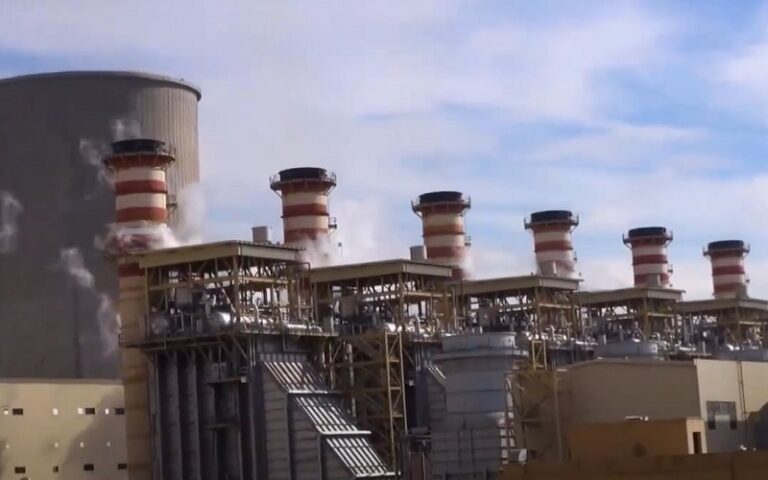
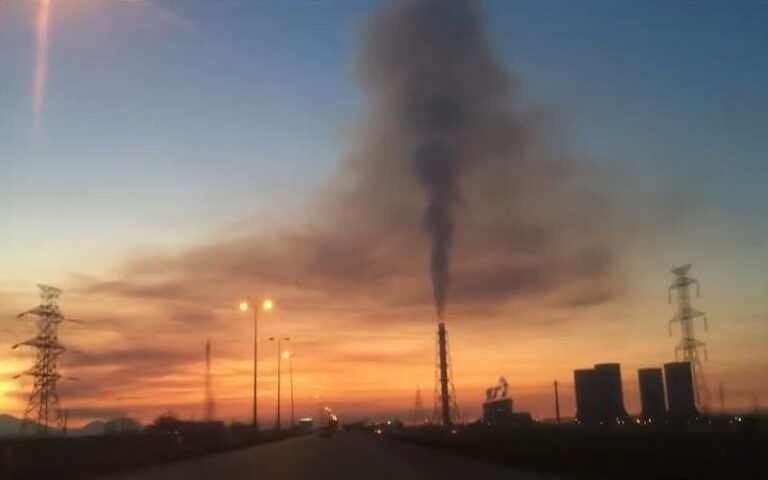
Official statistics in Iran, amid severe air pollution and energy shortages, indicate a surge in the export of relatively clean fuels and a sharp increase in domestic consumption of highly polluting fuel oil (“mazut”).

An official document from Iran’s Ministry of Petroleum reveals that mazut consumption in the country has surged by 52% over seven months, with a total of more than 5.5 billion liters consumed during this period.

It is not precisely clear how mazut consumption has been since October 22, 2024, but this fuel—considered the most polluting fossil fuel—is used at twice the rate in colder months due to gas shortages.

More importantly, according to the document, the government has significantly increased mazut consumption while simultaneously ramping up exports of cleaner fuels such as natural gas, liquefied petroleum gas (LPG), and kerosene, leading to a reduction in their domestic use.

Gas Supply Cut to 12 Petrochemical Complexes in Iran

Although the Iranian regime has not released any official data on gas exports—considered the cleanest fossil fuel—official statistics from Turkey indicate that its gas imports from Iran jumped by approximately 47% in the first ten months of 2024, reaching 5.8 billion cubic meters.

This volume of gas is equivalent to the total mazut consumption in Iran between March 20 and October 22, 2024.

Iran exports a similar amount of natural gas to Iraq as it does to Turkey, though no recent official statistics have been released on this matter.

Data from the Ministry of Petroleum’s document shows that, over the mentioned seven-month period, the production of liquefied petroleum gas (LPG) in Iranian refineries increased by 19%, while its domestic distribution dropped by 15%.

Thus, the export of liquefied petroleum gas (LPG) produced by Iran’s refineries increased by 68% between March 20 and October 22.

It is unclear what the exact status of LPG production in Iran’s gas refineries is, but the latest customs data shows that in the first nine months of this year, Iran exported $6 billion worth of LPG, a 122% increase compared to the same period last year.

International economic institutions estimate Iran’s annual LPG exports to be over 10 million tons, and if these exports were halted, there would be no need for the country to rely on the highly polluting mazut fuel.

The Ministry of Petroleum’s document also indicates that in the first seven months of this year, the government reduced domestic kerosene consumption by 13% while nearly doubling its exports.

However, the situation with mazut is entirely different, as the government has chosen to increase its use to compensate for the country’s energy shortages.

Data from the Ministry of Petroleum shows that not only has mazut consumption from Iran’s oil refineries increased by 52%, but approximately 100 million liters from stored reserves have also been withdrawn and used by industries and power plants between March 20 and October 22.

A crucial point is that mazut produced by Iran’s refineries contains 3.5% sulfur, which is seven times the international standard for ship fuel used in open waters.

Officials in the government of Masoud Pezeshkian claim that the country’s gasoline production has seen a significant increase in recent months. The Ministry of Petroleum’s data confirms this, but most of the increase is due to the production of substandard gasoline, while the production of Euro 4 and Euro 5 standard gasoline has shown only minimal growth.

According to the document, Iran’s refinery-produced base gasoline increased by approximately 13% in October 2024 compared to the same month in 2023, reaching 107 million liters per day.

By adding a large volume of additives and non-standard chemicals, including petrochemical substances, to base gasoline, the government distributed 125 million liters of gasoline daily in October 2024, which roughly matches domestic consumption levels.

Over the past two years, Iran has faced a gasoline shortage, averaging a daily deficit of six million liters between March 20 and October 22, 2024, which has been covered through imports.


Nurse Shortage Leads to Closure of Hospital Departments in Iran

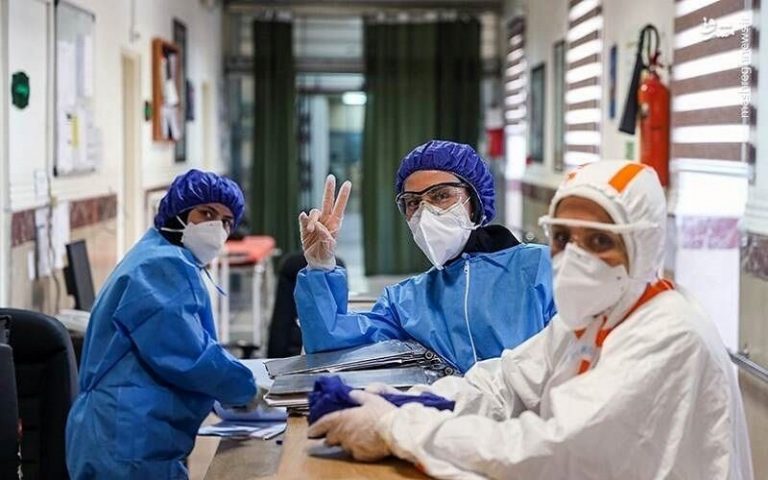
Ahmad Nejatian, the head of the Iranian regime’s Nursing Organization, warned about the “critical” nurse shortage in Iran, stating that some hospital departments have been shut down as a result.

On Tuesday, January 28, Nejatian stated that the closure of certain hospital departments due to the nursing shortage is “harming people.” He added, “Patients need services, the infrastructure and facilities are in place, but staffing remains a major issue.”

He described the nurse shortage as a nationwide issue affecting all provinces but emphasized that Tehran, due to its high concentration of hospitals and the reluctance of nurses to stay in the capital because of difficult living conditions, is facing a more severe shortage.

Each Year, 1,500 Nurses Leave Their Jobs, 500 Emigrate from Iran

About two months ago, Nejatian had also stressed the need to hire 10,500 nurses and 5,000 emergency medical personnel, stating that these recruitments should take place within the current year.

According to official reports, approximately 220,000 nurses are currently working in public and private hospitals across Iran.

Nejatian pointed out that globally, the average ratio is three nurses per 1,000 people. He stated that statistics indicate Iran is facing a “serious crisis” in both recruiting and retaining nurses.

Mohammad Sharifi-Moghaddam, the Secretary-General of the Nursing House, also highlighted on October 27, 2024, that there are 50,000 unemployed nurses in the country. He remarked that without proper infrastructure, “hiring will be like pouring water into a sieve.”

In his latest remarks, Nejatian referred to “nurse protests and the closure of certain hospital departments in other provinces” in recent months, attributing them to the challenging working conditions and long-overdue payments.

Over the past few years, nurses and healthcare workers in Iran have repeatedly held protests, sit-ins, and strikes in response to the government’s failure to address their demands.

In one of the most recent examples, nurses in various cities across the country went on strike and held protests in approximately 50 cities and 70 hospitals starting on August 5, lasting for more than a month.


Iran Faces Worsening Power Shortages as Officials Contradict on Electricity Crisis

Masoud Khani, director of energy efficiency projects at Iran’s Power Generation, Transmission, and Distribution Company (Tavanir), stated that the company has accumulated losses exceeding 1,850 trillion rials (approximately $2.2 billion) and outstanding debts of 2,000 trillion rials (around $2.38 billion).

On Wednesday, January 29, Khani further stated that over the past three years, both Tavanir and Iran’s electricity sector have been operating at a loss, with the company’s debts to power plants steadily increasing.

He noted that due to these mounting losses and debts, Tavanir is no longer able to invest in the construction of new power plants.

Iran: 50% Reduction in Industrial Production Due to Power Shortages

His comments appear to be a response to statements made last week by Hassanali Taghizadeh Landeh, chairman of the board of the Power Producers Syndicate, who claimed that Tavanir’s revenue had increased 3.5 times over the past three years due to higher electricity tariffs. However, he alleged that “not a single rial of this increased revenue has been allocated to the development or construction of new power plants.”

In August 2024, Taghizadeh had also strongly criticized Tavanir, accusing the company of engaging in electricity brokerage rather than focusing on power production and distribution.

He stated that the Ministry of Energy currently buys electricity from private power plants at 1,200 rials per kilowatt-hour and then sells the same electricity on the Energy Exchange for over 18,000 rials per kilowatt-hour. The free-market exchange rate for the dollar is approximately 840,000 rials.

In his latest response to these claims, Khani did not deny the increase in Tavanir’s revenue but stated that the additional income is being used to pay off debts and cover past losses, leaving no surplus funds for building new power plants.

The admission by the Tavanir official regarding the government’s inability to build new power plants comes as Iran’s Minister of Energy, Abbas Ali-Abadi, claimed on Saturday, “Next summer, the country’s electricity supply situation will improve, and with the successful implementation of plans and cooperation from government agencies, we can expect to resolve the electricity imbalance by summer 2026.”

Iranian officials and media use the term “imbalance” to refer to the country’s energy shortage crisis.

Ali-Abadi’s optimism about improving the electricity shortage and even resolving the imbalance contradicts his own statement a month ago when he admitted that the country faced a 20,000-megawatt electricity shortfall this summer, a figure expected to peak at 25,000 megawatts next year.

Iran’s electricity shortfall during peak summer consumption in 2023 was about 12,000 megawatts. This summer, it surged to 20,000 megawatts, and next year, it is expected to reach 25,000 megawatts. Addressing this deficit would require at least $20 billion in investment.

While Iran’s electricity consumption grows by 7% annually, electricity production has increased by less than half that rate over the past decade. Last year, power generation in the country grew by only 2%.

Tavanir has restricted public access to its monthly statistics, making it unclear how power plant development projects have progressed this year.


Sharp Increase in Essential Goods Prices in Iran

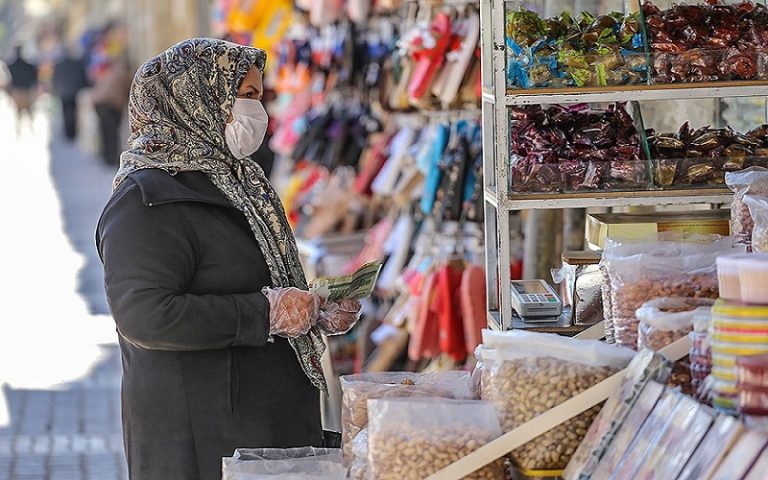
The price of some essential food and household items in Iran has increased by 2 to 2.5 times between October 2024 and January 2025. However, official reports do not reflect these price hikes. For example, while the Statistical Center of Iran reported only a 2% increase in the official price of cooking oil, market data indicates a 15% rise.

The Iranian regime’s Statistical Center published a report titled “Average Prices of Selected Food Items in Urban Areas – January 2024” on January 29.

According to this report, the prices of 53 food items increased by an average of about 37% in December 2024 and early January 2025 compared to the same period the previous year.

Food Insecurity Is Rapidly Spreading in Iran

In its inflation report (Consumer Price Index), published on January 23, the center reported a point-to-point inflation rate of approximately 32% for January. The inflation rate for food items in January 2025 compared to January 2024 was reported to be around 27%.

From the Market to Official Reports

An analysis of the prices of 15 household consumer goods in Iran shows a significant difference between market prices and the figures in the official report.

The Statistical Center reported a 22% increase in the price of imported rice in January 2025 compared to the previous year. However, market analysis indicates that a 10-kilogram bag of Pakistani rice, which cost 6.5 million rials (approximately $0.70) in late January last year, is now being sold for around 17.5 million rials (approximately $2.10) in the market. This represents an increase of approximately 170%.

The Statistical Center reports that the price of lamb meat increased by approximately 27% in January 2025 compared to January 2024. However, market data shows that a three-kilogram package of lamb shoulder meat has risen by 81% over the same period.

Price Increases Amid Gasoline Prices, Air Pollution, Negotiations, and War

While media attention is largely focused on issues such as negotiations, the rising exchange rate of the dollar, gasoline prices, and the possibility of war, market prices have seen significant increases not only over the past year but also in the past three and nine months of the current Iranian year.

The average price increase for the 15 items examined in this report was approximately 60% in January 2025 compared to June 2024.

The Strange Case of Cooking Oil and Medicine

Starting in early January 2025, cooking oil manufacturers began raising their prices. Eventually, on January 13, the Market Regulation Headquarters officially approved a price increase of up to 15% for various types of liquid and solid cooking oils intended for household use.

However, the latest report from the Statistical Center states that the price of liquid and solid vegetable oils increased by only about 2% in January compared to December 2024.

Medicine faced a similar situation. At the same time as the Market Regulation Headquarters’ decision, the Food and Drug Administration granted many pharmaceutical companies permission to raise prices by up to five times or 400%. However, the inflation report from the Statistical Center recorded inflation in the healthcare sector at only about 2% in January 2025 compared to December 2024.


Iran-Linked Hackers Using American AI

0

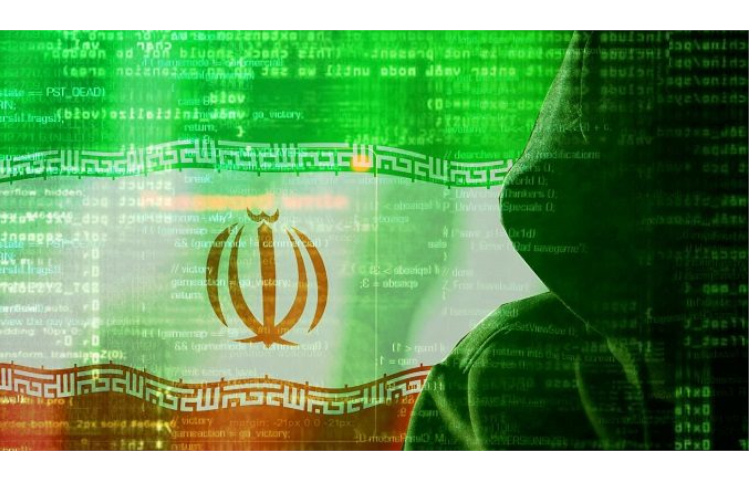
The Wall Street Journal reported on Wednesday, January 29, that Chinese and Iranian hackers have been using American artificial intelligence (AI) products to carry out cyberattacks.

This report comes amid the release of the new version of China’s AI system, “DeepSeek,” which has shifted global perceptions regarding China’s capabilities in this field.

According to U.S. officials cited by The Wall Street Journal, hackers linked to the governments of China, Iran, and several other countries are significantly leveraging AI capabilities to enhance their cyberattacks against the United States.

Google’s AI chatbot, “Gemini,” is one of the AI technologies being used by these hackers.

While Gemini has numerous benefits and positive applications, it has also been used to write malicious code, identify system vulnerabilities, and research organizations and targets for cyberattacks.

Iran’s Regime Continues Efforts to Hack and Leak Documents from Donald Trump’s Election Campaign

According to Google, over the past year, hackers in 20 countries have used the Gemini chatbot for their cyberattacks.

While Western officials and cybersecurity experts have warned for years about the potential misuse of AI, Google’s recent findings mark the first detailed report on the use of AI by hackers linked to foreign powers.

According to the report, hacker groups linked to the governments of China, Iran, Russia, and North Korea have used the Gemini chatbot in their cyberattacks.

Google states that these hackers have used Gemini’s capabilities to enhance various operational stages, particularly in research, support, and identifying vulnerabilities in their U.S. targets.

According to The Wall Street Journal, there are still many unknowns regarding AI capabilities, and hackers’ use of this technology may be far greater than currently estimated.

Google states that as AI advances, hackers are also gaining more skills and capabilities to use it for malicious attacks, posing a significant security challenge for the U.S. and Western countries.

The connection of these hackers to governments such as China, Iran, Russia, and North Korea has raised serious concerns among U.S. officials.

Hackers also use other AI technologies, including “ChatGPT” developed by OpenAI, in their attacks on U.S. targets.

Research by OpenAI indicates that hackers have not used ChatGPT for direct or large-scale cyberattacks but rather to enhance and support their malicious operations.

Google states that after identifying hackers using Gemini, it has removed the associated accounts.

According to Google, Chinese and Iranian hackers used the Gemini chatbot more than other hacker groups.

Iranian hackers had the highest usage of Gemini and leveraged this technology to identify targets in military and defense organizations, establish infiltration pathways, and generate content in English, Hebrew, and Persian for use in phishing campaigns.


The Iranian Regime Has Placed The “Noose of Execution” Around the People’s Necks

Saeed Masouri, one of Iran’s longest-serving political prisoners, has written a letter calling on member states of the United Nations to cut ties with the Iranian regime or condition their diplomatic relations on the cessation of executions.

In this letter, which Masouri states was written on the anniversary of the liberation of Auschwitz, and addressed to Volker Türk, the UN High Commissioner for Human Rights, he highlights how Iranians have attempted to halt the regime’s execution machine through street protests, strikes, petitions, placards, and filing complaints with all possible institutions. He writes: “The government has placed the execution noose around the necks of all Iranians because it sees its survival in executing each and every citizen.”

Iranian Political Prisoner Saeed Masouri: We Are Not Afraid of the Sea of Blood

This political prisoner stresses that if the Iranian regime does not fear “international accountability,” it will “kick the stool out from under the people” to maintain its grip on power.

The letter specifically refers to the death sentences of two political prisoners, Mehdi Hassani and Behrouz Ehsani.

Behrouz Ehsani Eslamloo, 69, and Mehdi Hassani, 48, were sentenced to death in mid-September 2024 by Branch 26 of the Islamic Revolutionary Court, presided over by Iman Afshari, on charges of “rebellion (baghi), waging war against God (moharebeh), and spreading corruption on earth (efsad fil-arz).”

They were also accused of “collecting classified information, assembly and collusion against national security, and membership” in the People’s Mojahedin Organization of Iran (PMOI/MEK), the largest opposition group to the regime.

At the same time, Mehdi Hassani’s daughter wrote on X that her father and Behrouz Ehsani had been transferred to Ghezel Hesar Prison and were at imminent risk of execution.

In his letter to the UN High Commissioner for Human Rights, Saeed Masouri questions how two political prisoners can simultaneously be charged with both “rebellion” (baghi) and “waging war against God” (moharebeh), while also being labeled as “corruptors on earth” (mofsed fil-arz).

He writes: “How is it possible that in a case where no murder has occurred, no victim exists, no plaintiff has filed a complaint, no blood has been spilled, and no avenger of blood is present, these two prisoners are still deemed deserving of execution?”

This political prisoner states that the Iranian regime’s goal in issuing death sentences is to “spread fear and terror” and to “carry out purges and continue killing people in the streets.”

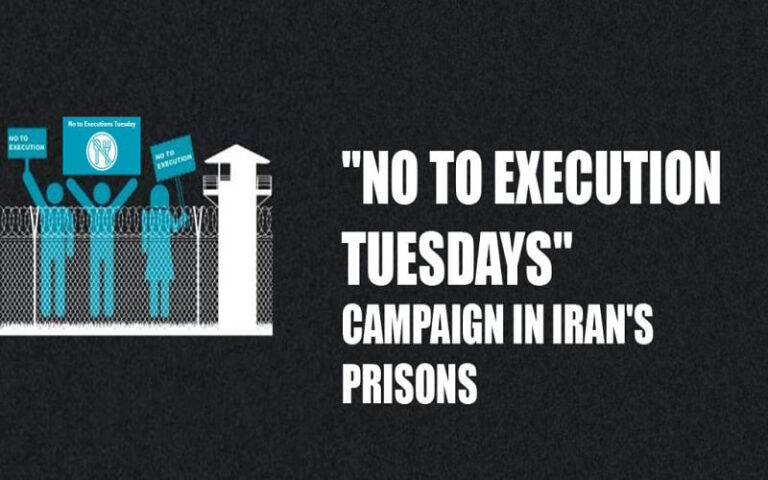
Saeed Masouri is one of Iran’s longest-serving political prisoners and a member of the “No to Execution Tuesdays” campaign. In 2002, he was sentenced to death by the Tehran Revolutionary Court on charges of “waging war against God” (moharebeh), but his sentence was later commuted to life imprisonment.

Volker Türk, the UN High Commissioner for Human Rights, to whom Masouri addressed his letter, described the rise in executions in Iran as “deeply concerning” on January 7 and criticized the sharp increase in the use of this punishment over the past year.

The Office of the UN High Commissioner for Human Rights recently stated, based on reports, that the Iranian regime executed at least 901 people in 2024. In 2023, the reported number of executions in Iran was at least 853. However, the National Council of Resistance of Iran (NCRI), an opposition coalition, has claimed that the number of executions in 2024 exceeds 1,000.


Iranian workers’ wages have dropped by more than 400% in ten years

As news circulates regarding potential percentage increases in the minimum wage for workers covered by Iran’s labor law, the state-run ILNA news agency reported on Tuesday, January 28: “A more than 400% drop in workers’ wages in just ten years is an unprecedented phenomenon in Iran’s economic history.”

The news agency described this phenomenon as “unprecedented and extremely distressing,” stating that it has “pushed workers to the depths of absolute poverty, leaving them without any means to survive.”

Wages of Iranian workers cover only 30% of household expenses

According to the report, “To restore the purchasing power that workers’ wages had in 2014, today, a minimum-wage worker with two children should earn close to 490 million rials (approximately $584).”

Currently, the minimum wage for workers covered by labor law, who are married with children and including benefits, is 110 million rials (approximately $131).

ILNA, referring to the “heavy shadow of over 30% inflation weighing on the deteriorating livelihoods” of Iranians, added: “The rapid pace of rising prices in the recent, relentless waves of inflation is almost unprecedented in modern Iranian history—except for exceptional periods such as the Allied occupation of Iran after World War II and the subsequent famine.”

The news agency further highlighted the daily rise in food prices. The report specifically mentioned the price of 100 grams of pasteurized butter, which increased by more than 57% between September and December 2024.

Many Workers in Iran Have to Wait Six Months to Receive Their Wages

ILNA also noted: “After November, a new but severe wave of price hikes arrived once again. With government approval to eliminate subsidies for pharmaceutical production, medication prices surged by up to 400%, and other goods, including cooking oil, were granted price increase approvals.”

Citing official data from Iran’s Statistical Center, the news agency wrote: “In January, the greatest inflationary pressure was exerted on households by food products, with monthly inflation for these items rising above 3% in some income brackets.”

According to this report, in January 2025, households paid 31.8% more for the same basket of goods and services compared to January of the previous year.

These price increases have been approved by the Iranian government despite the fact that workers’ and other wage earners’ salaries have not increased at all this year. Nevertheless, the Supreme Labor Council, affiliated with the Ministry of Cooperatives, Labor, and Social Welfare, has taken no action—just as in previous years—to even slightly improve workers’ purchasing power.

Meanwhile, ILNA quoted labor activist Alireza Khorrami as saying: “If a worker earns less than 300 million rials, they cannot manage their basic living expenses at all. To pay for rent, food, and essential items such as medicine, at least 300 million rials is needed.”

These meager wages are not only unjust but a clear embodiment of modern slavery.

Meanwhile, Ahmad Meydari, Iran’s Minister of Cooperatives, Labor, and Social Welfare, mentioned a “new and effective method for determining wages” on a televised program on Monday, January 27, but provided no details about this “new method.”

Meydari also admitted in his remarks that “according to available statistics, in the past five years, some government employees have had salary increases in line with inflation, but workers’ wages have increased at a rate lower than inflation.”

Low wages in Iran have been one of the reasons for the spread of protests among workers and other wage earners across various regions of the country. Economic protests in November 2019 led to a large-scale uprising, during which the Iranian regime killed at least 1,500 protesters in the streets. Demonstrators quickly escalated their demands to calling for the overthrow of the ruling regime in Iran.


The start of the second year of the “No to Execution Tuesdays” campaign: The gallows must be dismantled

Political and non-political prisoners in 34 prisons of the Iranian regime expressed hope on Tuesday, January 28, during the 53rd “No to Execution Tuesdays” campaign, that in the second year of this campaign, their voices would “connect from behind the thick walls of prison to the voices of Iran’s women, men, and youth and contribute to defending human rights and dismantling the gallows.”

In the statement from prisoners in 34 prisons, it was noted that in the past year, more than 1,000 prisoners were executed. Between December 21 and January 19, the number of executions exceeded 110.

They wrote: “On the anniversary of this campaign, we are on strike while on Sunday, January 26, two political prisoners and campaign members, Behrouz Ehsani and Mehdi Hasani, who have been sentenced to execution, were violently abducted from Evin Prison and transferred to Ghezel Hesar Prison.”

The statement referred to the remarks of the lawyers representing these two political prisoners on Monday, January 27, saying that “a request for a retrial has been filed in their case.” It added: “However, according to information received by the campaign, these two political prisoners are currently held in the cells of the security ward 3 in Ghezel Hesar Prison, which is designated for prisoners awaiting execution, and they are under the threat of imminent execution.”

The statement discussed the first hunger strike by political prisoners in Ghezel Hesar Prison, Karaj, on Tuesday, January 29, 2024. It added: “Initially, some political prisoners from wards 4 and 8 of Evin Prison, followed by the women’s ward in Evin Prison, Karaj Central Prison, Lakan Prison in Rasht, and subsequently, in the following weeks, other prisons also joined the ‘No to Execution Tuesdays’ campaign.”

Amnesty International warns of the imminent execution risk of two political prisoners

According to the prisoners who signed the statement, the “No to Execution Tuesdays” campaign began “when the wave of executions became so widespread and pervasive that it was unprecedented anywhere in the world.”

The political prisoners added: “At the onset of the wave of executions, a plea letter was published by ordinary prisoners under death sentences, seeking help and support from all prisoners and the people of Iran to save their lives and the many others sentenced to death.”

The statement added: “The launch of the ‘No to Execution Tuesdays’ campaign coincided with the seventh day after the execution of the late Mohammad Ghobadlou and Farhad Salimi, political and ideological prisoners in Ghezel Hesar.”

The signatories of the statement noted that “the initial members of the campaign protested the executions by going on a hunger strike” and “chose Tuesdays for their strike because death row prisoners are generally transferred to solitary confinement on Mondays and executed at dawn on Wednesdays.”

They emphasized: “This protest movement, which has now spread to most prisons in the country, has, thanks to the efforts of our compatriots inside and outside Iran, transcended prison walls and crossed geographical boundaries.” They wrote: “Numerous human rights organizations, activists, international bodies, and even political movements have expressed their support for it. Many media outlets and news agencies, in a responsible act towards human rights, publish and disseminate the campaign’s statements and reports every week.”

The statement also mentioned the support of the campaign by Javaid Rehman, the former UN Special Rapporteur on Human Rights in Iran, and noted that Mai Sato, the current UN Special Rapporteur, has described the campaign as an unwavering commitment to justice and human rights that has shone brightly in the face of the regime’s oppressive actions.

Another part of the statement read: “Under the rule of the religious dictatorship in Iran, executions have reached unimaginable proportions and have become a tool to intimidate the people, effectively holding the public hostage.”

The signatories of the statement stressed: “In Iran, the death sentence is not a legal punishment but has become a political tool for oppression and vengeance against the people of Iran.” They wrote: “This reality doubles our responsibility to confront repression, torture, and executions, and we hope to fulfill this duty.”

They concluded their statement by writing: According to Article 3 of the Universal Declaration of Human Rights, “Everyone has the right to life, liberty, and security of person,” and according to Article 5, “No one shall be subjected to cruel, inhuman, or degrading treatment or punishment.” Furthermore, execution is “an irreversible and irreparable punishment.”

According to this statement, in the 53rd week of this campaign, prisoners in 34 prisons are on hunger strike.