Home Blog Page 242

Iran Regime’s Confessions About Its Weakness

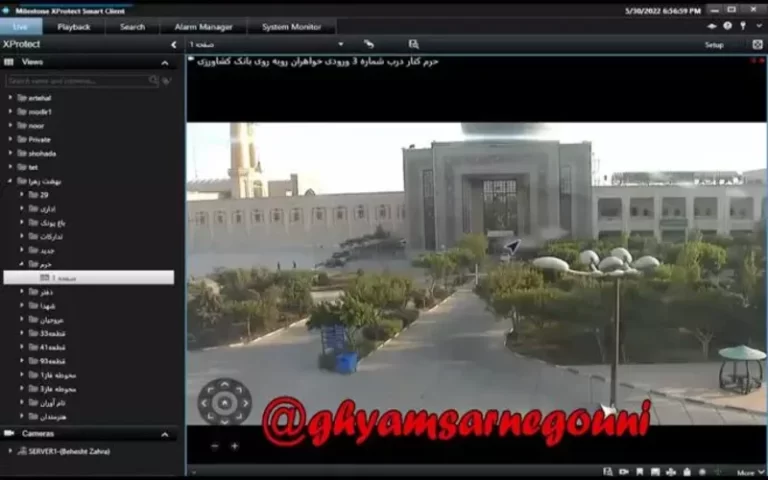
On June 2, during a large-scale operation by the People’s Mojahedin Organization of Iran (PMOI/MEK) supporters in Iran, the surveillance cameras of the regime’s Ministry of Intelligence and the Tehran Municipality were disabled.

This heavy blow to the regime made one of the major headlines in Iran, with the Iranian regime’s state media reflecting this news and the crises it caused for the regime.

The regime refused to give any official position on the incident, while some of its media wrote about it in a hysterical way, with each fabricated claim being just as bizarre as the next.

From the regime’s point of view, in terms of technology and complexity, what happened was one of the most unique blows to its surveillance and repression system. A blow that is encouraging the people and will show them new opportunities to fight the regime.

Shifting the blame on its foreign adversaries is a well-known and old policy of propaganda used by the regime to cover up its weaknesses when confronting the MEK’s Resistance Units.

Another problem for the regime is that such operations, with these dimensions and effects, introduce an alternative that creates a new balance of power in the Iranian political scene. That is, its socio-political effect is far more than its technical effect.

In regards to the dimension of this operation, the state-run daily Etemad Online wrote in their June 12 publication, “One week after the cyber-attack on Tehran’s municipal systems, the scale of the attack has not yet been determined, nor have the systems been made available, nor have any of the various institutions involved in cybersecurity commented on it. No news has been published by the Tehran Municipality so far, and only the head of the Tehran City Council has called the perpetrators of this attack enemies.”

They added, “An hour after this incident, the public relations of the Tehran Municipality Information Technology Organization issued a statement confirming the ‘intentional disruption in the internal page of the Tehran Municipality’s intranet system’ and announced: ‘The process of eliminating this limited disruption was completed quickly’. However, none of the systems and sites related to Tehran Municipality have been made available yet, and no time has been announced for a return to normal conditions.”

On June 8, the state-run daily Nameh News reflected the regime’s desperation and wrote, “Hack after hack and disruption after disruption! One day prison camera, one day gas stations, one day radio and television, one day municipal systems from city signs to metro ticket chargers; Even the speaker of some passage in Mashhad is hacked and it is interesting that no one is worried about all this hacking.”

The state-run Jahan-e Sanat daily reflected the regime’s technical weakness in their publication, writing, “The question is where are the passive security and defense apparatuses and other responsible institutions in this field? When the shouts of the people are heard standing in line at subway stations for several hours, the chairman of Tehran City Council says very simply and easily that ‘hacking municipal systems were Mossad’s job’.”

According to this outlet, “Mehdi Chamran, chairman of Tehran City Council, while expressing ‘that the hacking of the municipal systems was done by the MEK and all anti-Islamic currents, they had planned it in advance to show the Tehran municipality’s weakness, but they failed and could not realize it.’ However, the reality is that the upward trend and the increase in such disorders are more than that, they could be simply ignored.”

The state-run Reporters Club News Agency wrote, “A cybersecurity expert believes that these hacks are becoming more newsworthy and more observable than ever because of their importance. According to Fallahi, hacking is not a one-night or an immediate decision. Any cyber-attack means that the hacker has infiltrated the system for years and now declares its destruction for any reason.”

Iran: Child Laborers Exposed to Irreparable Lifelong Injuries

Launched in 2002, June 12 marks the World Day Against Child Labour. Under Article 32 of the Universal Declaration of Child Rights, it states that children must be protected from any work that threatens their growth and health, and that governments must specify the minimum working age and working conditions for children. The day of observation was created to raise awareness and activism to prevent children from across the world from being forced into child labor.

The question is how is the situation of child labor among the street children in Iran?

Many times, the Iranian regime’s officials in the welfare departments of the provinces, and the managers of the municipal departments of different cities have identified thousands of children working in the country.

However, due to the negligence of the responsible organizations and the existence of a state-controlled mafia abusing the children, accurate statistics on the number of working and street children are not provided by the relevant authorities. Often, in different comments by some regime officials, the number of working children is estimated to be in the millions.

The problem of child labor is like an iceberg, meaning that we can only see what is visible – the children working on the street – but a large majority of the children are working out of sight in workshops and other places.

In a previous comment, the Director-General of Welfare in Tehran Province said that in Tehran metros alone, more than 2000 children are working. Unofficial statistics have stated that more than 20,000 children are working on the streets of Tehran, and from that number more than 4,000 of them are working as waste collectors.

One of the factors that have been considered as the reason for the high number of child laborers in Iran is the high number of parents who are unemployed or struggling with social crises. As a result, they are forced to send their children to the streets to find work. The latest estimation by the regime suggests that more than seven million children are forced to work in this way.

75% of working children are in the age group of 10 to 14 years old, with the average age being 13 years old. Around 5% of children are under 7 years old, while the gender composition of working children shows that about 15% of these children are girls and 85% are boys.

According to the regime’s experts, around 30% of these children do not know if they had a birth certificate. Fifty percent of these children started working between the ages of 7 and 10, and 20 percent work started under the age of seven.

Of the children in Iran forced into child labor, 35% of these children are in good health, with the other 65% being in poor conditions. 40% of these children are completely illiterate, 75% of the rest have at least a sixth-grade education, and only 3% have had a high school education.

Eighty percent of boys and 60 percent of girls work in the public and semi-public sectors, with the rest of the boys working in shops, mechanics, repair shops, markets, warehouses, agriculture, and recycling factories. The rest of the girls work in houses, workshops, shops and agricultural land, and greenhouses. The number of girls working in the waste recycling workshop is also much higher than boys, which makes them more vulnerable.

With the regime’s medieval culture strongly encouraging girls’ workers into prostitution, we now see that the average age of these girls has reached below 15. These young girls are routinely sexually abused and exploited.

The results of the regime’s recent welfare surveys have shown that of those children working on the streets, 33.8% of these children work between one and four hours, 52.1% work between four and eight hours and 13% of them spend more than eight hours on the street.

Surveys have also shown that around 73% of street children have a history of violence, both physical and non-physical acts such as humiliation, bullying, etc.

These days, it is not just a matter of illiteracy, school dropouts, or malnutrition affecting these children. HIV, addiction, depression, self-harm, suicide, sexual harassment, uncontrolled violence, etc. are all emerging amongst the population of working children.

An important point, which is less related to the physical problems and physical abilities to work with children and more related to their psychological and social issues, is that these children do not have a childhood at all, and this can have very profound lifelong consequences.

These children cannot play and interact with their peers and are not exposed to the joys and excitements of childhood. Instead, they are exposed to stresses and pressures in the workplace that are not appropriate for their age, and their brain, soul, and psyche are not ready to deal with it. This unfortunately makes them more prone to many psychological and social disorders that will stay with them throughout their adult lives.

Children in Iran are victims of the regime’s destructive policies. Many families cannot send their children to school simply because they cannot afford the necessary supplies. These destructive policies are summed up in institutionalized corruption, wasting national wealth on nuclear and missile programs, terrorism, and oppression, which has led t the freefall of the country’s economy.

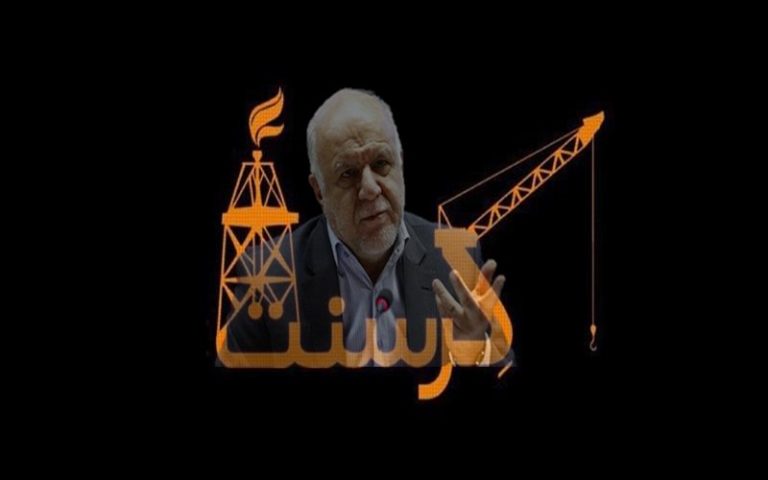
Reread Regime’s Corrupt Crescent Contract, a Waste of Iran’s Wealth

Last week, a spokesman of the Iranian regime’s judiciary announced in a press conference that Bijan Zanganeh, the former oil minister for the regime’s seventh, eighth, eleventh, and twelfth administrations, was present in the criminal court in regards to the Crescent case.

Regarding the inquiry of Zanganeh’s accusations, Massoud Satayeshi said, “The expert discussion has been completed in full and the next meetings will be held in the coming days and the results will be announced.”

The Crescent case is a highly prolonged and complicated dispute in the regime due to the scale of mass corruption surrounding it. So much so that even the regime themselves could not condone the crimes implemented in this case.

This dispute is concerning a gas contract between the National Iranian Oil Company (NIOC) and Crescent Petroleum. Initial negotiations began in 1997 and led to an ambiguous joint agreement in 2001. They agreed that the regime will transport Iran’s gas from the Salman oil and gas field, part of which it shares with the UAE, to the Crescent company for 25 years. At the time, Crescent negotiated a fixed purchase price of 18 USD per barrel for the first seven years, which would increase to 40 USD for the subsequent 18 years.

Over the past few years, many of the regime’s media outlets have spoken about a large amount of bribery in this case, and have stated that the Iranian people are enduring losses to the extremely low price of the sold gas.

The entire contract is worth about $ 18 billion, which shows why many of the regime’s officials involved in the procedure of this contract are suspected to be involved in the corruption. Zanganeh and members of the board of directors of the National Iranian Oil Company, with the consent of the Emirati company, had decided to keep the provisions of the Crescent gas contract secret.

Due to the shame of the scandal, this dispute has caused, the regime has canceled its side of the contract. During the negotiations with Crescent Oil Company of the United Arab Emirates, the regime’s then-oil officials were supposed to export Iranian gas to the country at a bargain price from the Salman oil field and pocket the difference between the main gas price and the price stated in the contract. The full extent of this great corruption is unknown, but the people involved made, or were trying to make, profits of tens or even hundreds of millions of dollars.

At the time, Hassan Rouhani was the secretary of the regime’s Supreme National Security Council. In a critical letter to Khatami’s oil minister Bijan Zanganeh, he described the ‘price and contract terms’ at Crescent as ‘very unfavorable’ compared to other contracts in the region.

Rouhani went on to describe the Crescent contract in three ways: ‘First, the lack of a valid guarantee in the contract, second, the invalidity of the Crescent company, and third, inappropriate price and contract conditions.’

Crescent was first mentioned in public and in the media in the mid-2000s. This name has been associated with the name of Iran’s ‘oil general’ Bijan Zanganeh, for many years. Iranian state news agencies have said that one of the ‘intermediaries in concluding this contract, who did not reach his brokerage right’, had provided the information of this contract to the officials of the Court of Audit at the time, and finally disclosed this disaster.

Mohammad Reza Rahimi, the former head of the Court of Audit, who is said to be in prison, was the person who ordered the suspension of the Crescent contract in 2005. In his interviews, he took a hard line against Zanganeh, calling the signing of the agreement a ‘betrayal of Iran’.

This termination order is what eventually led the Emirati Crescent Company to sue the regime in 2009 in The Hague. The company, with its professional lawyers, was able to oust the Iranian regime and, after several years of litigation, it was able to fine the regime for the first part of the contract, which included seven years of gas exports, and amounted to $607 million dollars.

Bijan Zanganeh, and other officials of the regime’s Ministry of Oil, made extensive efforts in the 2000s in order to conceal or clear the traces of their corruption. Their work led to bribery, deception, threats, and even the physical removal of those aware of the contract. However, despite their efforts, none of these actions assisted them in covering their tracks.

In 2013, immediately after the Crescent contract hearing, the security forces of the regime abducted Abbas Yazdan Panah Yazdi, an Iranian-British oil broker living in Dubai, and transferred him to Iran where they reportedly killed him.

Yazdan Panah Yazdi had testified against the regime in The Hague and had angered the officials of the regime. The trial ended, to the detriment of the regime whose officials are mired in corruption, and it is predicted that the regime will most likely lose the next trial which is scheduled to be held in Paris in September 2022.

The latest trial is said to be focused on the second part of the contract. In this part of the contract, the regime was obliged to export its gas to the United Arab Emirates for 17 years. Experts have predicted that a fine of 10 billion dollars, will be waiting for the regime following the trial’s conclusion.

It may not be important for the ruling regime in Iran, which ranks 140th in Transparency International’s Corruption Perceptions Index, to pay huge damages to the UAE, but for the people of Iran, who are now starving and struggling to survive, this is a huge amount of the country’s wealth from their pockets.

Khamenei Blames “Enemies” To Downplay Domestic Unrest, Justify Foreign Provocation

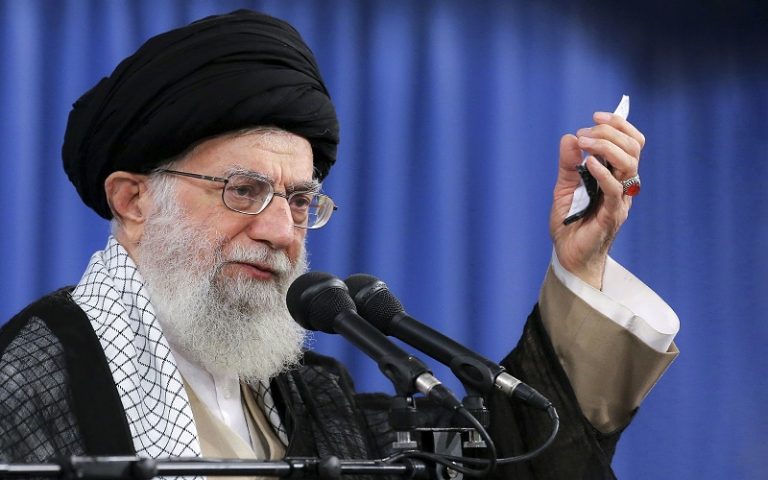
Supreme Leader Ali Khamenei painted most of his regime’s current crises with the same broad brush on Saturday when he delivered a wide-ranging speech to mark the anniversary of the death of his predecessor, Ruhollah Khomeini. Khamenei sought to portray the Islamic Republic as the victim of a global conspiracy, with events both inside the country and throughout the world being directed by the regime’s “enemies”.

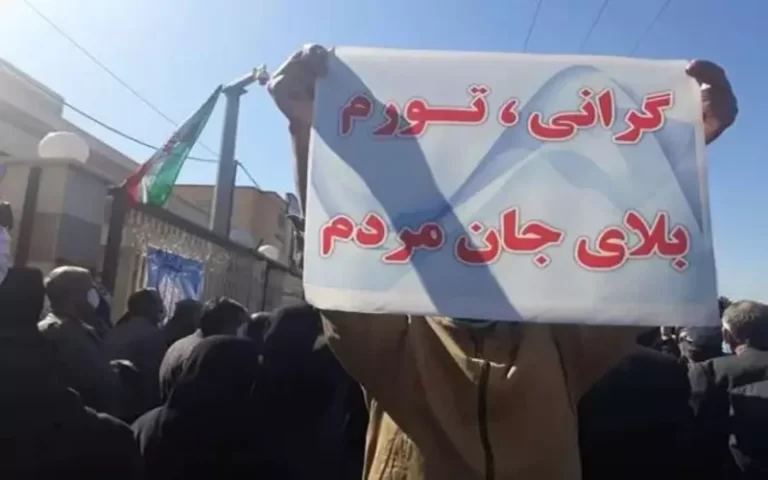
“Today, the enemies’ most important hope for striking a blow at the country is based on popular protests,” the regime’s supreme leader said. The Islamic Republic has been mired in protests throughout the month of May, beginning with teacher protests that were organized to coincide with International Worker’s Day, and continuing through protests over food subsidy cuts and the collapse of a building in the city of Abadan, which activists have blamed on government corruption.

Many of those activists have indeed promoted the idea of regime change as a solution to such problems, and Khamenei appears to have seized upon that message to argue that the public demonstrations are really the work of foreign “infiltrators”. However, slogans like “death to the dictator” and “we do not want the mullahs ruling” have defined several large-scale protests in the Islamic Republic in recent years, including at least eight movements since the beginning of 2018 which the leading opposition group, the People’s Mojahedin Organization of Iran, labeled as nationwide uprisings.

While some of these protests have received public statements of support from the likes of the White House, those statements have been fairly tepid and have avoided any explicit endorsement of regime change. There has certainly been no evidence presented by Tehran or any other entity to suggest meaningful foreign investment into the protests, much less a foreign point of origin. Yet Khamenei and others continue to rely on intimations of foreign conspiracy as part of an effort to delegitimize local organizing efforts, which the PMOI largely attributes to its own “Resistance Units”.

Khamenei’s condemnation of “enemy” plots may also serve as a public justification for acts of foreign confrontation and brinksmanship which the regime’s critics have long described as a pillar of its strategy of keeping a hold on power. This interpretation was given additional credence by the fact that the supreme leader’s speech also featured unusually forthright statements about one of the most recent outlets for his regime’s conflict with foreign adversaries.

Khamenei openly acknowledged that the Islamic Revolutionary Guard Corps boarded two Greek oil tankers in the Persian Gulf last month for the purpose of “taking back” oil that had been “stolen” from Iran via the enforcement of US sanctions. The statement was at odds with earlier statements from lesser Iranian authorities, which justified the seizures by vaguely accusing the tanker crews of violating some unspecified maritime rules.

These earlier statements were more in line with Tehran’s commentary on similar tit-for-tat seizures in the past, as well as other provocative acts such as the close approach of US warships transiting the Strait of Hormuz. In other cases, Tehran has simply denied responsibility for incidents in surrounding waters, such as the 2019 limpet mine attacks on several tankers and the 2021 attack on a tanker with ties to Israel, which killed two English crew members.

Recent Iran Protests a Wake-Up Call for Khamenei

According to the state-run Mashregh website, an informed official in the Iranian regime’s Organization of Targeted Subsidies has announced that the payment of subsistence subsidies to 72 million people ended on June 6.

According to statistics, Iran has a population of 85 million. A simple calculation shows that around 84.7% of the Iranian population requires financial help in the form of subsidies. It is surprising that these strange figures can be found in a country that is one of the richest countries in the world and is known for having many natural resources, including energy reserves and their by-products.

The reality of the situation is that since the inception of the Velayat-e-Faqih regime, Iran is traversing the path of death rows, despair, inflation, unemployment, terrorism, nuclear threats, torture, executions, and injustice. This dire situation has clearly resulted from the regime founder Ruhollah Khomeini’s promises in the series of speeches before and after the referendum on the establishment of the Islamic Republic in February 1979.

Free utilities, housing for the poor, full rights for religious and ethnic minorities, and reduced military spending were some of the promises Khomeini made in his speeches. However, more than four decades later, not only have none of these promises been fulfilled, but in many cases, the Velayat-e-Faqih regime has acted in a way that is completely opposite of those promises.

The mullahs ruling in Iran are interfering heavily in the internal affairs of the countries in the region. The formation and financial and military support of many proxy groups, who have nothing else to do but kill and loot, illustrate this fact.

In recent years, Khamenei still had foreign exchange reserves to pay these militant groups, such as the Lebanese Hezbollah and the Yemeni Houthis, but these reserves seem to have run out, and selling cheap oil to countries like China does not provide enough capital to continue funding them.

Like in previous governments, the cabinet of the regime’s current president Ebrahim Raisi has increased taxes and tariff-imposed subscription fees on many public services, introduced building permits, eliminated imports of essential materials at government rates, and increased commodity prices to make up for his government’s budget deficit.

This has subsequently led to a sharp rise in the price of bread and other essential items for the Iranian people. The corrupt circles of the government, headed by the regime’s supreme leader Ali Khamenei, along with the ministers and other incompetent officials, and the unprecedented increase of oppression and social injustice, have tested the patience of the Iranian people, who are rightly outraged with the current situation.

The recent series of anti-government protests across the country is exactly what Khamenei fears the most. In a speech on January 25, 2016, he said that if we do not keep the war outside our borders, we must fight the enemy here in Kermanshah and Hamedan, and other provinces. The domestic enemy he made reference to back then was clearly the people in revolt against the regime, threatening their existence.

This backward regime, based on medieval religious laws, cannot meet the economic, cultural, and political demands of the Iranian people, so their only solution is to rule them brutally.

The reason why this regime has never been at peace in the last 40 years is that war and crisis have been a cover for internal inhuman repression. The current situation of the government is so critical that Haddad Adel, the former speaker of parliament and the father-in-law of Mojtaba Khamenei, said on April 22, 2012, “Everything is in disarray.”

Qassem Saedi, a member of the Iranian parliament, warned that “there are likely to be more dangerous events than the uprisings of 2017 and mid-November 2019.”

These protests and demonstrations are no longer about the bad economic situation. They have turned into political protests. The slogans of ‘Death to Khamenei’, ‘Raisi, mullahs must get lost’, ‘Death to the dictator’, ‘Disgrace to our radio and television’, ‘Khamenei is a murderer, and his government is vain’, to name but a few, have now become common chants at protests up and down the country. This is exactly what has sounded the alarm for Khamenei.

The mullahs, as always and as expected, see the people and their Resistance movement as their potential enemies, and as a result, have used all their military and repressive power to suppress the recent waves of protests, and have dramatically increased the number of executions taking place in prisons across Iran.

The Most Extreme Way of Destroying the Iranian Nation

After over 40 years of destruction of the country, the Iranian regime has further accelerated this destruction during the tenure of its current president Ebrahim Raisi. The regime no longer has the right to speak about development and progress while the levels of destruction have reached the people’s basic necessities, from bread and water to clean air.

The country is currently imperiled by the threat of famine. Forty years of back-breaking two-digit inflation, the loss of capital and financial resources, national savings, and oil revenues, are collectively vaporizing the different classes in Iranian society. It is beyond imagination to assess the impact the destruction has had on medical treatment, health services, people’s health, and longevity.

This is something that Ruhollah Khomeini, as the founder of this regime, left for the people of Iran and now his successors are continuing his dark heritage.

The latest atrocity is the collapsed Metropol building in Abadan which caused the deaths of many deprived people. The regime has done nothing to help the victims of the disaster and has outright refused to extract their bodies buried under the rubble of the building.

The regime is also adding insult to injury with the presentation of a song named ‘Hail to the commander,’ praising the regime’s supreme leader Ali Khamenei.

The state-run Jahan-e Sanat daily blamed the regime as the main culprit. It wrote, “The government, which is the main factor in designing inflationary budgets and fiat money and growing liquidity, appears every day as a public prosecutor, accusing the private sector, guilds, and producers, and sometimes with harsh behavior, it is misrepresenting the cause of rising inflation.”

Many of the regime’s experts and economists have come to believe that using the word ‘crisis’ to describe the current situation is no longer effective. All the while, the regime is putting the blame on an imaginary enemy for this crisis and catastrophe.

The Jahan-e Sanat added, “Everyone is shocked at what has happened to Iran’s economy. How is it possible for a country with such resources and capacities to have such a miserable economy?”

Even with a collapsed economy, the regime is fiercely insisting on printing fiat money, which will further affect the children and elderly in the country by starving them and driving them further into poverty.

After tripling the price of fuel and murdering 1,500 protesters during the November 2019 uprisings, the regime has now decided to increase the price of bread, cheese, and egg,   deceptively referring to it as ‘economic reforms’.

The Jahan-e Sanat further stated, “For forty years, governments in Iran have come to the fore one after the other, but they have not been able to solve the problem of double-digit inflation. Rising prices for commodities such as flour, poultry, and dairy products are passive reactions and cannot be called economic reforms.”

The waste of the country’s resources is another factor in this devastation. Mehrdad Bazrpash, the head of the regime’s court of audit, highlighted, “Investigations by the Court of Audit show that a significant portion of the country’s resources is being wasted.”

To waste the country’s resources simply means to starve millions. Now the regime is planning to steal the people’s last assets and savings in the worst possible way, but claiming that they are reforming the economy.

This, of course, is just an excuse to further reduce the value of subsidies in the face of the rapidly rising cost of goods and commodities needed by the people.

Hojjat Mirzaei, the former deputy minister of social welfare, believes that the recent liberalization of prices is an extreme measure that shows the confusion and a kind of disintegration within the government’s decisions.

The state-run website Rooz-e No quoted MIrzaei as saying, “Countries that put structural adjustment on the agenda were very cautious and slow about eliminating food and medicine subsidies. But the 13th government has implemented the most extreme part of the adjustment in the most extreme way possible. Personally, I do not know of any economist who, in the current state of society, would consider the abolition of bread and medicine subsidies to be a correct step. In other words, they carried out an extremist policy in the most radical way.”

What is more painful is that the reduction of water, bread, and medicine is being done in the name of increasing subsidies, to compensate for the millions of rials for the increase in the price of essential goods and services.

Iran’s Regime and the Nightmare of a New IAEA Resolution

The International Atomic Energy Agency’s (IAEA) new report on Iran’s nuclear activities has created a major challenge for the Iranian regime, with many of its media outlets and officials expressing their fear and concern over the consequences of this report. The Agency had expected that Iran would respond to its questions about the hidden and suspect projects, especially the presence of uranium particles in four previously undeclared sites

However, it appears that the regime has either failed to respond to the questions, or its answers were not satisfying. The regime’s stonewalling has prompted the EU three and the U.S. to draft a resolution to be tabled at the IAES BoG’s meeting that begins on June 6.

And because only a majority is needed to adopt the resolution, Tehran’s traditional allies, Russia, and China cannot veto the measure. Some of the regime’s experts have said that this time, a new resolution will not have any impact on the Iranian economy, because it’s risk factor has reached seven.

In its latest Global Risks Report, the World Economic Forum added the following items in its assessment of risk factors: 1: Employment and livelihood crises

2: Widespread youth disillusionment

3: Prolonged economic stagnation

4: Natural resource crises

5: Biodiversity loss and ecosystem collapse

These latest additions show that Iran’s economy has been facing a downfall for a long while.

The draft resolution has created a nightmare for the regime as it calls on the clerical regime to cooperate fully with the IAEA and respond to their questions immediately.

In recent months, the Vienna talks to revive the JCPOA nuclear deal came to a standstill with the announcement by US President Joe Biden that the Revolutionary Guards (IRGC) will be kept on the US’s Foreign Terrorist Organizations (FTO) list.

Before this announcement, news about a new nuclear deal had been broadcast by the regime’s media, which along with the pro-appeasement policy had promised that an agreement would be signed within a few weeks, a few days, or even a few hours. It was later revealed that there were many disputes between the negotiating parties that could not be resolved so easily.

Iran’s regime has unilaterally demanded the lifting of all sanctions and the need for it to verify that they have indeed been lifted. Tehran also demanded a guarantee for the return of oil proceeds and that no US future administrations would ever leave the JCPOA.

The US rejected in a previous commentary in the Kayhan daily, the mouthpiece of the regime’s supreme leader Ali Khamenei, and its chief editor Hossein Shariatmadari, acknowledged the stalemate in the Vienna talks, making it clear that the regime knows that sanctions will not be lifted without making certain concessions.

Following a long period of useless negotiations, the IAEA is now sounding the alarms. This is because the regime has not given a credible and technical response to the Agency’s specific questions about radioactive material of human origin being found on some of its suspect sites.

This is not the Agency’s only concern. At present, the amount of the regime’s uranium stockpile has reached 18 times more than allowed in the JCPOA.

On June 1, the Institute for Science and International Security (ISIS) wrote, “Iran has crossed a new, dangerous threshold; Iran’s breakout timeline is now at zero. It has enough 60 percent enriched uranium or highly enriched uranium (HEU) to be assured it could fashion a nuclear explosive. If Iran wanted to further enrich its 60 percent HEU up to weapons-grade HEU, or 90 percent, it could do so within a few weeks with only a few of its advanced centrifuge cascades.”

It added, “In parallel, within a month, it could produce enough weapons-grade uranium for a second nuclear explosive from its existing stock of near 20 percent low enriched uranium. Whether or not Iran enriches its HEU up to 90 percent, it can have enough HEU for two nuclear weapons within one month after starting the breakout.”

ISIS further explained, “Within 1.5 months after starting breakout, it could accumulate enough for a third nuclear weapon, using its remaining near 20 percent enriched uranium and some of its 4.5 percent enriched uranium. In 2.75 months after starting breakout, it could have a fourth quantity by further enriching 4.5 percent enriched uranium up to 90 percent. At six months, it could have produced the fifth quantity by further enriching both 4.5 percent enriched uranium and natural uranium. The accumulation for a sixth would take several months longer.”

It can be said that the regime has faced three consecutive defeats in a short period:

  1. The announcement that it’s the Revolutionary Guards (IRGC) will remain on the US FTO list.
  2. The stalemate in the JCPOA negotiations
  3. Drafting of a resolution condemning the regime by the United States and three European countries at a meeting of the IAEA Board of Governors

So far, several factors have hampered the policy of appeasement and concessions to the regime’s nuclear program:

  1. The expansion of the protests in Iran has left its mark on political and international equations and has made appeasement useless and costly.
  2. Revelations and actions of the Iranian Resistance to keep the Revolutionary Guards on the FTO list.
  3. The opposition of the public opinion and bipartisan lawmakers and political figures to the US returning to the JCPOA and lifting the sanctions
  4. Formation of a new regional front against the regime’s terrorist and nuclear policies.

150+ Workers Buried Under the Rubble of Metropol Building

In the 10 days since the Metropol building collapsed in Abadan, Iranian regime officials are continuing to refuse to give the exact number of victims that were buried under the rubble of the building. Reports so far have indicated that 39 bodies have been extracted

One sad story that has made headlines is that of a newly married couple who fell victim to the regime’s corruption.

Maryam Ghorbani and Ramin Masoumi, a young couple married for less than two years, opened the Mary Café in the Metropol building hoping to improve their life. On the third day following the building’s collapse, rescuers discovered their bodies.

One of Maryam’s relatives said, “Maryam’s father has gone crazy. He raised Maryam alone. Maryam’s mother died when she was 9 years old.”

According to a person close to the family of Maryam Ghorbani, until the evening of the second day after the incident, they were still able to call Ramin’s cellphone. Ramin was still alive then and managed to answer the phone, but Maryam did not respond.

Another victim, beloved by Abadan’s people because of his chivalry, was Payman Bavandi. He was buried in the presence of many people who bid their last farewell. Peyman worked with his father for years selling iron, but after his father retired recently, Peyman began to run a single warehouse in the Ahmadabad area.

According to the Khuzestan General Directorate of Education, five students from Khorramshahr also lost their lives in this tragic incident. Different people from all walks of life and various age groups were buried under the rubble, with the highest number of victims being students and workers.

The latest reports by some of the regime’s media have estimated that at least 150 to 200 workers were buried below the rubble and that the regime has not only done anything to save them but has also refused to extract their bodies.

The state-run website Emtedad quoted a witness as saying, “I was 50 meters away from the Metropol Tower when this tragedy happened. The weather was very hot, maybe over 40 degrees. Suddenly we saw a woman and a Metropol worker in completely dirty clothes running in our direction, frightened. The worker entered the shop in fear and shouted that Abadan has no supporters. We gave him glass water and when he could concentrate, he said that more than 200 people are buried. He shouted constantly that they all died.”

He then added, “A person working as the food courier said that he had delivered 150 meals to the workers a few minutes before the accident. On Mino Island, everyone said that 90 workers from this area worked in the Metropol Tower. The Salehian family also said that many young people on Mino Island had found work in the Tower.”

In a tweet, Dariush Memar, a journalist from Abadan, wrote, “Some workers whose names have been identified and to this day are still under the rubble of the Metropol are Mansour Taghipour, Manzar Motavari, Karim Bandari, Mohamad Hamidian, Amir Behbahani, Rahman Behbahani, Hamid Falipour, and Mansour Eidani. There are workers whose names we do not know.”

https://twitter.com/darushmemar/status/1532436416961073385?s=20&t=hLuwEWmzu437KdSC-97MxQ

Quoting another citizen in another tweet, he wrote, “Message of a citizen from Abadan: “My brother is in the fire department and has just arrived home. He says that after taking out Maryam’s body, they don’t care about the others. They dismiss all the teams. They want to demolish the building. He says you can’t breathe because of the stench.”

https://twitter.com/darushmemar/status/1532260336912502785?s=20&t=3PLOoTh_42ba70_nh5dUEg

This incident will not be the first nor the last, as many buildings are often built and sold without adhering to the necessary standards.

The head of the Khuzestan Building Engineering System Organization said, “There are similar buildings and structures in Abadan like the Metropol building and a lot of correspondence has been done in this regard. The Engineering System Organization is only responsible for issuing warnings and informing about the unsafe structures.”

Referring to the issuance of 5,000 warnings for non-standard structures in Khuzestan last year by this organization, he said, “This organization does not have the executive power to stop problematic projects. With this number of warnings issued last year, some projects were stopped, but others continued to be built for some reason.”

As Public Protests Escalate, Khamenei Steps Up Executions

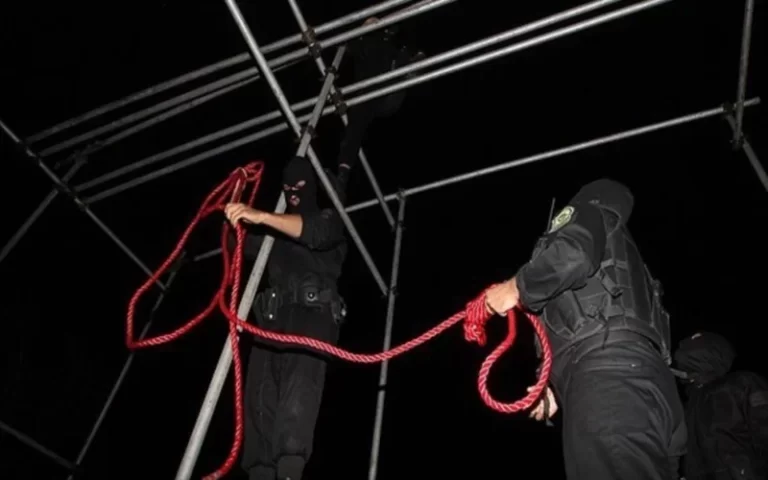
On the morning of Tuesday, May 31, a Baluch prisoner was hanged in Damghan Prison. This is the latest blood that the Iranian regime’s Supreme Leader Ali Khamenei has shed. The victim was a 33-year-old married man from Zahedan, in the southeastern province of Sistan and Baluchistan, who had previously been arrested on drug charges.

On Saturday, May 28, a prisoner named Hamidollah Sahraei (Koohi), the son of Abdul Razzaq, was hanged in Chabahar Prison, south of Iran. Sahraei, a resident of Sarbaz city, Nute village, had been charged with ‘murder’. Having been detained in Chabahar prison since 2020, two days prior to his execution, he was transferred to solitary confinement before being hanged.

The same day, a prisoner named Nader Gargij, the son of Naeem was hanged in Zabul prison, also in the southeast. This victim, who was from Jerikeh village of Zahak city in Sistan and Baluchistan, had been charged with a drug offense.

Gargij and his cousin were arrested in February 2020, in the Jazinak area of ​​Zahak city, after being wounded by direct fire from the regime’s intelligence agents, before being detained in Zabul prison. Nader had been shot in the leg and abdomen, while his cousin, Hamid Gargij, died of his injuries on the spot.

On Wednesday, May 25, eight prisoners were hanged en masse in Gohardasht Prison in Karaj. Six of the men executed were identified as Ramin Arab, Abbas Bitarfan, Gholam Hossein Zeinali, Ali Nosrati, Ali Montazeri, and Vahid Miyanehabadi. The groups of prisoners had been transferred to solitary confinement in a group of ten from ward 2 of Dar al-Quran. Two were later returned to the ward.

Ramin Arab was charged with ‘moharebeh through armed robbery’, while the other seven detainees had been charged with ‘premeditated murder.’ Arab attempted to commit suicide before his death sentence was implemented and was taken to hospital. However, the regime’s officials later took him straight from the hospital to the gallows. The hanging of the eight prisoners was not reported by the state media.

Also on May 25, a female prisoner named Laden Molla Saeedi was hanged in Qarchak Prison in Varamin on charges of ‘premeditated murder.’

On Sunday, May 29, the death sentence of a 27-year-old prisoner named Shahab was carried out in Mashhad Central Prison In the northeastern province of Khorasan Razavi. Shahab had also been charged with ‘premeditated murder.’

On Sunday, May 22, 2022, a 29-year-old prisoner, Elias Gh, was hanged in Vakilabad prison in Mashhad, having been originally arrested on October 9, 2016.

On the same day, two prisoners were hanged in Adelabad Prison in Shiraz, in the southern province of Fars. A female prisoner was executed for charges of ‘premeditated murder’, while a Baluch prisoner named Abdolbari Rigi was executed charged with ‘possessing drug’, while a 37-year-old prisoner named ‘Mohammad Morad Fazeli’ was executed in Shirvan Prison on charges of premeditated murder.

On Monday, May 23, one woman was executed in Amol Prison in the northern Province of Mazandaran on unknown charges, while Mohammad Sorkhrou, Abbas Kamali, and Mossadegh Mallahi were executed in Minab Prison in the southern province of Hormozgan, on the charge of drug possession. A prisoner was also executed in Zanjan Prison, western Iran, charged with ‘murder.’

Referred to as Black Monday, May 23 saw a total of at least 30 prisoners hanged at the Minab, Shirvan, Urmia, Zanjan, and Amol prisons, in total.

In the last 10 days alone, from May 22 to May 31, over 46 people have been executed across the country. According to experts, the unprecedented increase in the number of executions during May is precisely due to the current political instability of Iranian society and the recent increase in public protests.

“Death to Khamenei,” Protesters Chant Following Metropol Collapse

Protests and mourning in various cities across Iran occurred after the Metropol twin towers collapse in Abadan that happened on May 23, footage has been broadcast, showing citizens chanting various slogans aimed at the Iranian regime.

Among the chants were: “Death to [Supreme Leader Ali] Khamenei”; “Khamenei is a murderer; his rule is invalid”; “Death to the dictator”; “Our enemy is right here, [the mullahs] lie when they say it is in America”; and “The Islamic Revolutionary Guard Corps (IRGC) Basij must get lost.”

https://twitter.com/IranNewsUpdate1/status/1531011303766212609?s=20&t=k4beyorJ-61zVac6Hh5Lqg

The regime’s inadequate response to the catastrophe, which has claimed the lives of at least 37 victims—as of this report—has outraged the public. At the same time, Iranian authorities have been stunned by the ongoing protests in Abadan, which have also spread across the country.

The mullahs expected that there would be mourning ceremonies for the victims; however, the regime’s 43-year resume of corruption, deception, and failure has led the grieving families to vent their anger against the entire regime with slogans such as “Death to Khamenei” and “Death to [regime President Ebrahim] Raisi.”

The ongoing and expanding protests prove that Iran’s society is in a volcanic situation, and the people’s frustration and disappointment may erupt at any given moment. In recent months, Iran’s state media has repeatedly sounded alarm bells about the gap between the state and society. These latest demonstrations have proven that their predictions were correct.

Brutal Crackdown Shows the Regime’s Vulnerability and Weakness

It appeared that the regime had seemingly recognized society’s readiness for an upheaval. As a result, authorities immediately dispatched anti-riot forces to the Metropol site following the incident, rather than sending relief personnel and equipment to rescue survivors. State media also downplayed the disaster, seeking to ease the people’s hatred and anger.

In an interview with Entekhab daily on May 24, the state-run propaganda chief Peyman Jabelli said, “We dispatched the News Channel to the Metropol. We received appeals and requests from everywhere, demanding that we cover this issue for even one or two hours. Then we received orders, saying, ‘That’s enough.’”

In response to the organization’s failure to cover the news and report the disaster, citizens were heard chanting, “The state-run radio and TV organization is a disgrace”

Videos of the aftermath of the collapse have shown anti-riot units, Basij paramilitary forces, and plainclothes agents, using lethal force to disperse citizens’ peaceful gatherings. Not only did authorities fire teargas and birdshot against the defenseless protesters, but they also resorted to using live ammunition to quell the people’s rightful demands for justice against corrupt officials.

https://twitter.com/IranNewsUpdate1/status/1530991587454554114?s=20&t=k4beyorJ-61zVac6Hh5Lqg

Reports have also indicated that the regime transferred armored vehicles and oppressive equipment to Abadan, countering unarmed citizens. Snipers were also reportedly placed on the rooftops, and then targeted several citizens.

https://twitter.com/IranNewsUpdate1/status/1531735854519140353?s=20&t=X-I_2vusaP8W_mj0t1eRxg

Observers have suggested that such a cruel approach towards the unarmed citizens greatly signifies the regime’s vulnerability and weakness, and shows that the mullahs neither can, nor want to address people’s demands. “They are all cuts of the same cloth,” citizens say.

According to another citizen, “Supreme National Security Council secretary Ali Shamkhani, Vice-President for Economic Affairs Mohsen Rezaei, Arvand Free Trade Zone director-general Esmail Zamani, Assembly of Experts member Abbas Ka’bi, the governor, judiciary officials, security forces, and municipal managers are all in a mafia, dominating Khuzestan.”

Protests Extend and Aim Dictator Ali Khamenei

Despite the regime’s brutality, the latest protests have engulfed the country. On the sixth consecutive night of protests, defiant youths in the Naziabad district of Tehran chanted, “Death to Khamenei,” boldly pointing to the source of Iranian citizens’ difficulties and problems.

In Bushehr, in the south of the country, citizens chanted anti-regime slogans, such as, “Death to the dictator” and “Our enemy is right here, [the mullahs] lie, saying it is America.”

In Abadan, a number of Arab tribes joined the mourning ceremonies. These tribes were armed and terrified security forces, pushing them to ease their oppressive measures.

Fearing the further expansion of protests, the regime disrupted the Internet in order to silence protesters. However, Iranian netizens called upon tech companies and satellite-owner incorporations to ensure protesters still had access to free internet.

Concurrent with the domestic protests, the Iranian diaspora, mostly supporters of the main Iranian opposition – the People’s Mojahedin Organization of Iran (PMOI/MEK) – also rallied outside local administrative offices in various countries in Europe.