


By Jubin Katiraie
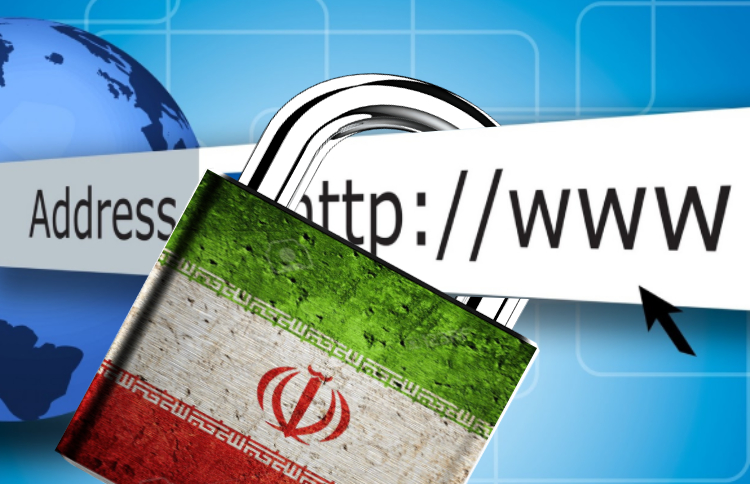
Just days after partially restoring internet access to the Iranian people, following a week-long shutdown, the Iranian authorities have a new plan to further limit internet access because they fear the eruption of more popular protests.
Restoring Iran’s #Internet #Access Will Save Lives https://t.co/tFwKfN5emN via @iranfocus #Iranfreedom #freeiran #MEK #Iran @USAdarFarsi pic.twitter.com/w5cM8AlS9k
— Iran Focus (@Iran_Focus) November 21, 2019
The government’s communications ministry told all sectors of the executive branch to create a list of “all [the] foreign websites and online services” that they require and to submit it to the National Information Network (NIN) administration in an Excel spreadsheet.
This data will be used to create a “white list” of approved online sites and services that are accessible via NIN, which is a state-run intranet. All other websites will be inaccessible.
The state-run website Ruydad 24 wrote: “People’s access to global internet will be totally cut off. The public’s access to the internet will be limited to the websites that the enforcers consider ‘white.’ Other websites will be off-limits to the people.”
Supposedly, even proxy servers and virtual private networks (VPNs) will not be able to circumvent the censorship.
Ruydad 24 wrote: “All circumvention tools and VPNs will also be disabled. When this plan is implemented, there will be no way to access Telegram, Facebook and international services.”
This increased crackdown is proof that the Iranian authorities were not able to contain the protest, the biggest since 1979, and is still afraid that there is more to come.
Over the past two weeks, protests over the sudden increase in fuel gasoline prices spread to over 170 cities and quickly became about regime change. The authorities responded with an iron fist, killing at least 450 people, injuring 4,000, and arresting 10,000 people. They also cut off the internet to stop news of the protests or the crackdown from reaching the rest of the world.
Of course, internet censorship is not a new thing in Iran, with many popular social media services, like Twitter, Facebook and YouTube banned since the 2009 uprisings.
The difference is that this censorship used a “blacklist” approach to specifically ban certain websites, which allowed users to circumvent the bans with proxy servers or VPNs. By the time the authorities blocked the VPN, users would have found another tool.
The Iranian government has been plotting this so-called “national internet” since 2005, with the idea of building domestic clones of foreign websites and online services to force Iranians to use them. This gives the government better visibility into user activity and sets the stage for a massive online surveillance system.


