Home Blog Page 10

Thirteenth Night of CENTCOM Strikes; Southern, Western, and Central Iran Under Fire

0

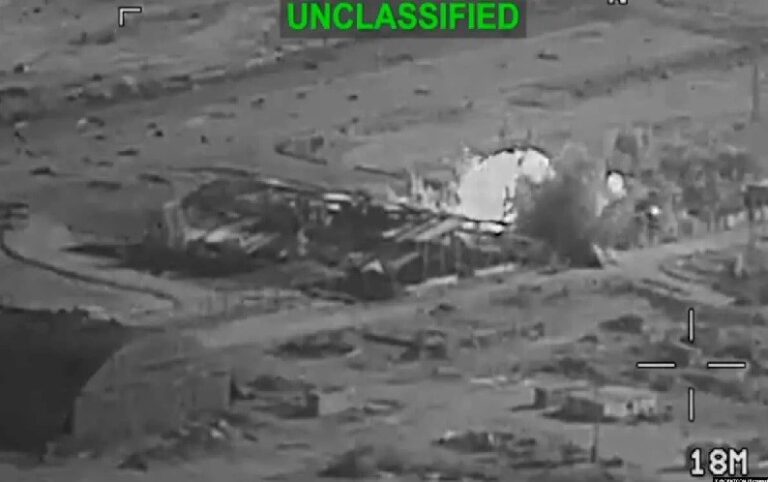
The U.S. Central Command (CENTCOM) announced early Friday, July 24, the conclusion of the thirteenth consecutive night of military operations against targets in Iran. This latest wave of strikes expanded beyond the southern coastal regions to include parts of western and central Iran.

CENTCOM said in a statement that the latest wave of strikes targeted military command centers, drone storage facilities, communications networks, coastal surveillance centers, and Iran’s naval capabilities. According to the command, the objective of the operation was to reduce threats posed by the Iranian regime against civilian mariners and commercial vessels transiting the Strait of Hormuz.

CENTCOM also stated that despite the recent strikes and military tensions, the Strait of Hormuz remains open to commercial shipping and that vessels continue to transit the strategic waterway freely with the support of U.S. forces.

Expansion of Strikes to New Cities

As the strikes continued, field reports indicated explosions in several provinces across Iran. In addition to attacks on Bandar Abbas, Jask, Qeshm, Ahvaz, Omidiyeh, and Andimeshk, explosions or air defense activity were also reported in Taft in Yazd Province, Naein in Isfahan Province, Borujerd and Khorramabad in Lorestan Province, Khondab in Markazi Province, and Firuzabad in Fars Province.

In Tehran, air defense systems were activated for several consecutive nights in the eastern parts of the capital, including Hakimiyeh, eastern Tehranpars, and the Pardis area. Officials from the Iranian regime have not yet provided any explanation regarding the cause of the activity or the intended targets.

Bandar Abbas: Power Outage and Two Injured

In Bandar Abbas, the U.S. strikes damaged the electricity network in the Tappeh Allah Akbar neighborhood. The director general of crisis management for Hormozgan Province said operational teams were immediately dispatched to secure the area and repair the power grid, adding that electricity is expected to be restored to affected areas as quickly as possible.

At the same time, the state-run IRNA news agency, citing the head of the Hormozgan Red Crescent Society, reported that shrapnel struck several buildings in the same neighborhood, injuring two people who were taken to a hospital for treatment. According to emergency officials, both injured individuals are in stable condition.

Concerns Grow Over Escalation Along Global Energy Routes

As the fighting continued, an attack by Yemen’s Houthi movement on a Saudi oil tanker heightened concerns about potential disruptions to shipping through the Bab el-Mandeb Strait. These developments pushed global oil prices higher, with the price of a barrel of oil surpassing $100.

Analysts believe that the simultaneous military pressure on the Strait of Hormuz and growing insecurity in the Bab el-Mandeb Strait have turned the world’s two main energy chokepoints into a new center of crisis.

Latest Casualty Update

Meanwhile, Iranian military sources have claimed after each phase of the U.S. strikes over recent nights that they carried out retaliatory operations against U.S. military positions in the region. In the latest developments today, videos circulating on social media appear to show missiles launched by the Iranian regime flying over Jordanian airspace. The missiles are reportedly said to have targeted Muwaffaq Salti Air Base in Jordan.
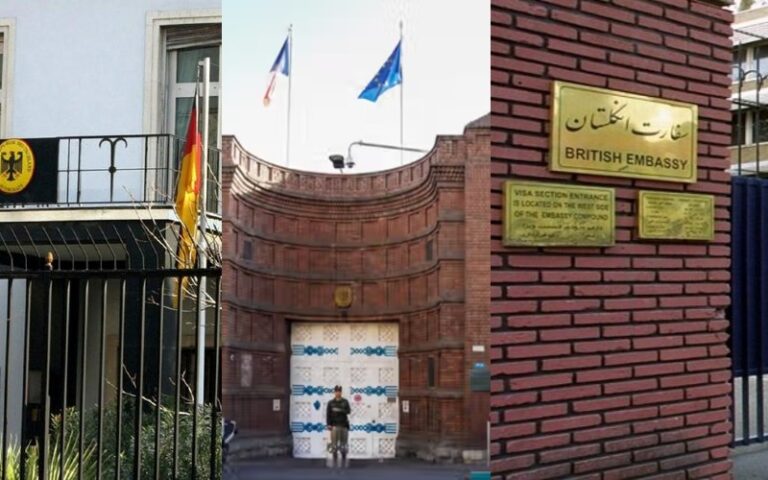
Three European Embassies in Tehran Evacuate Staff Amid Escalating Regional Tensions

0

Amid escalating tensions between the Iranian regime and the United States, the United Kingdom, France, and Germany have withdrawn some of their embassy personnel from Tehran.

A German media outlet reported on Thursday, July 23, that staff members of Germany’s embassy in Tehran have left Iran.

At the same time, news sources reported that France has also withdrawn some of its embassy personnel from Tehran due to concerns over the recent escalation in tensions.

Earlier, on Wednesday, the United Kingdom announced that, following the escalation of hostilities between the Iranian regime and the United States, British embassy staff had temporarily departed Iran.

In a statement published on its official website, the UK Foreign, Commonwealth & Development Office said that British embassy staff in Tehran had temporarily left Iran due to the security situation. However, the embassy will continue to operate remotely. The ministry also advised British nationals against all travel to Iran.

The withdrawal of personnel from these three embassies comes after several other European embassies took similar measures in February, before the start of U.S. and Israeli military operations against the Iranian regime.

Tracing $100 Million Worth of Properties Attributed to Mojtaba Khamenei

The U.S. government has announced the launch of a new phase in identifying the hidden wealth of senior leaders of the Iranian regime. U.S. Treasury Secretary Scott Bessent said that the financial manager of Mojtaba Khamenei, the son of Iranian regime supreme leader Ali Khamenei, has been identified, and Treasury officials are now investigating a network of his properties and assets around the world.

According to Bessent, the identified properties are worth more than $100 million, and Washington hopes to soon release complete information, including the locations of these assets.

U.S. Treasury Targets Khamenei-Linked Financial Network

This financial operation is being carried out as part of the campaign known as “Economic Wrath,” which aims to cut off the Iranian regime’s financial lifelines by freezing accounts, identifying overseas assets, and intensifying pressure on the regime’s oil revenues.

The U.S. Treasury Secretary claimed that the Iranian rial has fallen to its lowest level in history and that Iran’s inflation rate has surpassed 180%. He stressed that pressure on the Iranian regime’s financial resources will continue and that any seized assets will be held for the people of Iran.

Power Outages Plunge Iran into Darkness

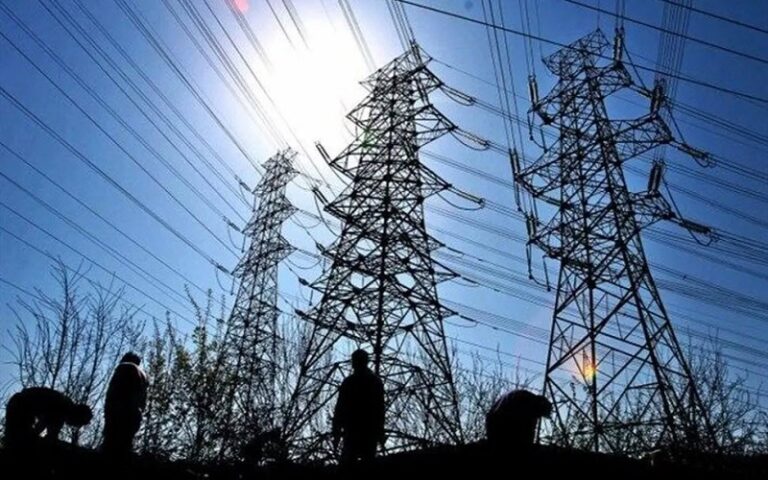
Amid wartime conditions, the Iranian regime has imposed widespread power outages on citizens and manufacturers while dramatically increasing energy costs. People across the country are struggling with financial losses caused by fluctuations in the power grid. Industries are also facing production shutdowns and sharply rising costs due to energy shortages. Meanwhile, electricity is being sold on Iran’s Energy Exchange at prices four times higher than the standard rate.

Exceptional Grid Conditions and Controversial Appeals to Citizens

On July 20, Abbas Aliabadi, the Iranian regime’s energy minister, said: “We are currently in an exceptional situation, and unauthorized electricity consumption and cryptocurrency miners have added to the demand. Areas affected by the war are the priority for electricity supply, but some cities are not involved, and we must be careful.”

Why Is Iran’s Electricity Industry Facing a Crisis?

These remarks come as public dissatisfaction with the power grid has reached a peak. For example, a resident shared a video reporting three separate outages in the city of Fardis, near Karaj. The repeated fluctuations caused power cuts in Fardis and neighboring areas, damaging household electrical appliances.

In a July 17 statement, the Ministry of Energy urged people to turn off their air conditioners during peak consumption hours. According to the statement, each household should shut down its cooling system for one hour to ensure a stable electricity supply in southern regions. The regime’s inability to manage the country’s infrastructure has shifted the burden of compensating for the energy shortfall onto end users. The pressure placed on households, alongside severe restrictions in other sectors, points to a deep structural crisis in Iran’s energy system.

Planned Power Outages and Complaints from Tehran Residents

On July 14, Tehran’s electricity distribution company announced that scheduled power outages in the capital would begin on Wednesday, July 15. Tavanir, Iran’s state-owned power generation and distribution company, attributed the restrictions to rising temperatures and unprecedented growth in electricity consumption.

According to the official notice, outages will occur in two-hour intervals. However, authorities have acknowledged that power cuts could be extended to as long as four hours under certain scenarios.

This announcement followed earlier reports of widespread power outages across Tehran on July 11.

Technical Justifications for Energy Imbalances and Broad Industrial Restrictions

The head of Tavanir stated that electricity consumption has exceeded the country’s power generation capacity. He said: “I do not claim that we can get through the summer without power outages because our consumption is higher than our production.”

Two days later, Tavanir’s director general for customer affairs promised that notices of electricity restrictions would be issued 48 hours in advance. Abdolamir Yaghouti described public conservation measures as the only way to prevent the grid from collapsing under what he called “load management.” He claimed that rising temperatures have reduced power plant efficiency and that part of the electricity generated is consumed by cooling the facilities themselves.

Meanwhile, Arman Khaleghi, secretary general of the House of Industry, said manufacturing facilities are now limited to electricity supply on only two days per week. He predicted that these restrictions would eventually extend into evening and midnight hours.

The electricity crisis intensified in later part of the Persian month of Tir (mid-July) after power allocations for cement factories were reduced by 90%. On May 13, 2026, Asr-e Iran newspaper revealed that electricity allocations for some industries had been cut from 8 megawatts to 2 megawatts.

Ali Akbar Alvandian, secretary of Iran’s Cement Association, said operating at 10% capacity is economically unviable for factories.

While manufacturers are already struggling with liquidity shortages and limited access to raw materials, the lack of electricity is delivering the final blow to the industrial sector.

Power Outages and Electricity Sold at Four Times the Price on the Energy Exchange

Iran’s regime is placing additional pressure on manufacturers by selling electricity on the Energy Exchange at four times its normal price. While citizens and industries struggle with losses caused by ongoing power outages and expensive electricity, the revenue generated from this imbalance flows into government coffers.

This approach not only fuels inflation in essential goods such as cement but also undermines public trust. Continued blackouts alongside government-driven energy price increases are clear signs of ineffective and incompetent economic and infrastructure policymaking.

The government has claimed that the power outages are the result of foreign attacks.

These problems existed long before the recent developments and have been worsened by ineffective policies. Under these circumstances, raising electricity prices on the Energy Exchange and imposing higher costs on industries and citizens without improving grid stability has only increased economic pressure.

Water Crisis and Water Rationing in Iran

The water crisis in Iran has reached a stage where water outages in various cities have become a daily reality. Meanwhile, reports from domestic media outlets, statistics from relevant institutions, and accounts from citizens show that widespread restrictions on drinking water supplies have affected the lives of millions of people. The Iranian regime is also attempting to portray the water crisis as a natural crisis, while poor management, the overuse of resources beyond their capacity for warmongering purposes, and the effects of drought and climate change have multiplied the severity of the crisis.

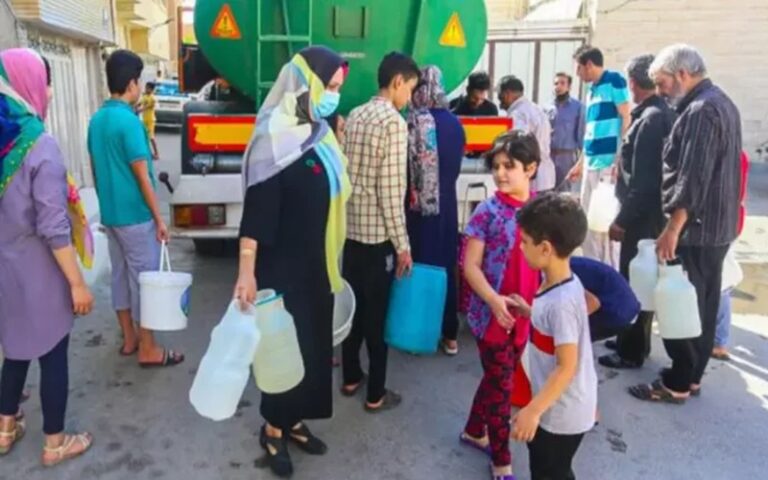
At the same time, a citizen said in a video published on July 18 that municipal water had been cut off in some areas of Shahriar for about one week. According to him, residents are turning to water tankers operated by the Tehran Province Water and Wastewater Company to obtain the water they need and are transporting it to their homes in containers.

Water Shortages in Iran Have Become a Chronic Crisis, and Alarm Bells Are Ringing

Water crisis; intensifying water stress in dozens of cities across the country

The state-run IRNA news agency reported on July 21, citing the secretary-general of Iran’s Water Industry Federation, that 34 cities across the country are currently facing water stress and problems with drinking water supplies.

Alireza Shariat, secretary-general of Iran’s Water Industry Federation, said regarding Tehran’s water resources that about 60% of the country’s population is concentrated in Tehran Province, while these areas have not received sufficient rainfall. He added that a significant portion of Tehran’s water is supplied from surface water resources and dams, but five consecutive years of drought have meant that even adequate rainfall in a single year cannot compensate for existing shortages.

He described reducing water losses in distribution networks as one of the most essential measures. According to him, in some cities, despite investment in producing water through desalination plants, a significant portion of the produced water is lost due to the deterioration of transmission networks.

This expert also emphasized that Tehran’s water network is facing widespread deterioration and that the actual level of water loss is likely higher than official figures. According to him, reducing this waste could create a capacity equivalent to constructing one or two new dams to supply the capital with water.

Warning about the future of water resources and the worsening water crisis

Shariat warned that if the current approach to water resource governance continues, while rising temperatures and declining rainfall persist, parts of Iran’s Central Plateau will face the risk of environmental collapse in coming years.

He added that per capita water resources in many areas of the Central Plateau are far below global standards, demonstrating the severity of the water crisis in these regions.

Despite the continuation of this situation, regime officials continue to cite various factors as the cause of water shortages. Abbas Aliabadi, the regime’s energy minister, claimed in an interview with the regime’s state broadcaster IRIB, that U.S. attacks “have affected a large amount of the country’s energy and water capacity.”

In contrast, official reports show that the current problems are the result of a long-term process. The water crisis has affected citizens’ lives for years, and its consequences have become evident in many provinces.

Water bankruptcy, water outages, and expanding tensions in provinces

IRNA news agency wrote on July 11 that the drought in South Khorasan, which began in the 1999-2000 water year, has now entered its 26th consecutive year.

Abbas Sarani, CEO of the South Khorasan Regional Water Company, announced that the province’s cumulative groundwater deficit over the past 30 years has reached 4.2 billion cubic meters. He also reported observing land subsidence in 17 study areas of the province.

Peter H. Gleick, co-founder of the Pacific Institute and one of the world’s most recognized water researchers, has warned that excessive extraction of groundwater is one of the most dangerous forms of unsustainable water use, because restoring many aquifers may take decades or even centuries.

The combination of official statistics, domestic media reports, and citizens’ statements shows that the water crisis has moved beyond the warning stage and has reached widespread disruptions in drinking water supplies in many Iranian cities. This gap between realities on the ground and official positions demonstrates the government’s incompetence in managing water resources and reveals the true dimensions of Iran’s water crisis. The UN World Water Development Report has repeatedly emphasized that the water crisis is not merely a natural issue, but depends on the quality of governance, transparency, planning, and resource management. The report states that poor management, the exploitation of resources beyond their capacity, and delays in reforming policies multiply the effects of drought and climate change.

Iran’s Workers Face Livelihood Crisis Amid War

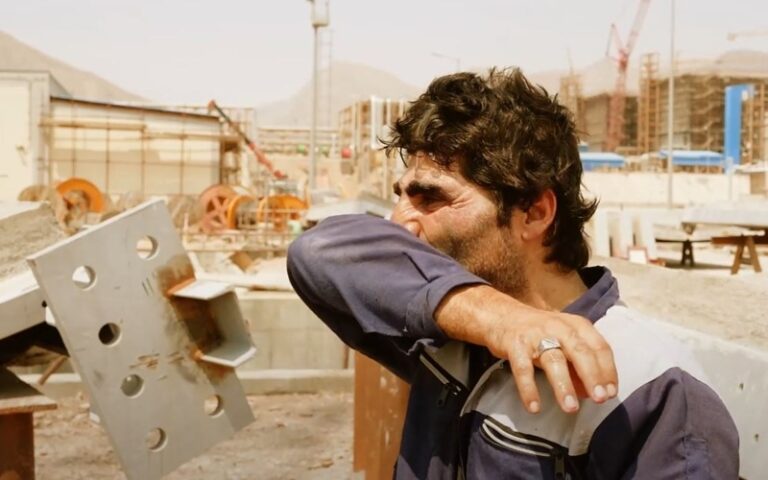
The crisis of unpaid wages in Iran’s production and service sectors has intensified. Amid the current military conflict between the United States and the Iranian regime, many workers have gone months without receiving their salaries and, according to reports, now have only two months of “economic resilience” remaining.

In recent weeks, some businesses and companies that had previously laid off employees have recalled workers to resume operations. However, these workers are now facing unpaid salaries for the Iranian months of Khordad and Tir (May 22 to July 22) and an accumulation of overdue wages.

Crisis of Unpaid Wages for Workers in Southern Iran Amid Escalating War Conditions

According to a report published by the state-run ILNA news agency on Thursday, July 23, workers who had turned to jobs such as driving for ride-hailing services to avoid unemployment have now returned to factories but remain deprived of their legally mandated wages and are no longer covered by unemployment insurance.

Exploitation of the Crisis and the Risk of Social Unrest

Akbar Shokat, executive secretary of the Workers’ House organization in Qom Province, warned in an interview with the state-run ILNA news agency that the overwhelming majority of Iran’s working-class lives below the poverty line because of years of “wage suppression” and has very little ability to withstand economic pressures.

He stressed that if the current trend continues and no special economic intervention takes place, the country will certainly face “significant unrest” among workers by the end of the summer.

ILNA had previously reported on the spread of strikes by workers across various industrial and service sectors in different cities throughout Iran.

On June 23, ILNA reported that 1,600 workers at the Tabriz Machine Manufacturing Group went on strike in protest over the non-payment of two months of wages.

The workers stopped working in what they described as an effort to “pursue their legal rights” and demanded payment of their overdue wages for the Iranian months of Ordibehesht and Khordad (April 21 to June 21).

Employees of the Eslamabad-e Gharb Health Center also held a protest on June 22 over inadequate salaries, benefits, and worsening living conditions.

The employees strongly criticized the “payment delays and inequalities” in the country’s healthcare system and said their income was “insignificant compared to the poverty line.”

Referring to the conduct of some employers, the executive secretary of the Workers’ House in Qom Province said: “Some employers are exploiting the current situation. Despite having raw materials and goods in storage, they reduce production capacity and do not pay their workers’ wages.”

Shokat noted that employers who have “accumulated wealth from a safe position” in the decades following the Iran-Iraq War are now morally obligated to bear part of the cost of maintaining stability and should not shift the burden of the crisis onto workers.

Government Inaction in the Face of the Crisis in Production Units

Livelihood crises are worsening by the day as, following the escalation of hostilities between the United States and the Iranian regime, foreign currency exchange rates in Iran’s free market have risen sharply, with the U.S. dollar surpassing previous records to exceed 1.93 million rials.

At the same time, concerns have been heightened by the Iranian regime officials’ and members of the Majlis’ (parliament) focus on security and military tensions while systematically neglecting the country’s growing domestic crises.

In another part of his remarks, Shokat criticized the inaction of responsible institutions and called for a fundamental review of the government’s economic policies under wartime conditions.

He said the government should assist production units through strategic management, customs exemptions for importing raw materials, and the provision of bank loans in order to prevent delays in workers’ wage payments.

The labor activist also stressed the need for legal action against “so-called employers” who engage in hoarding and fail to pay workers’ wages.

The combination of unstable wartime conditions, runaway inflation, and the sharp rise in exchange rates, coupled with official inaction, has exposed the social, food, and psychological security of working-class and retired households to one of the most serious threats of recent decades.

Crisis of Unpaid Wages for Workers in Southern Iran Amid Escalating War Conditions

The state-run ILNA news agency reported that although officials of the Iranian regime have emphasized the continued operation of public service agencies under the current conditions, many workers in southern Iran have gone months without receiving their wages. Despite being required to report to work during wartime conditions, they are still waiting to be paid.

On Sunday, July 19, ILNA wrote that municipal parks and green space workers in Chabahar and workers on construction projects at Shahid Beheshti Port in Sistan and Baluchestan Province are facing unpaid wages and job insecurity. Reports from Bushehr and Hormozgan provinces also indicate similar problems for workers.

Iran’s Economy on the Brink of Hyperinflation

According to the report, unbearable heat, repeated water and electricity outages, and soaring prices have placed additional pressure on working-class households. This situation has been compounded in southern Iranian provinces by unpaid wages, wartime conditions, and insecurity.

ILNA added: “At a time when the country is facing critical conditions, some of these very workers are among the first responders who, following wartime incidents, are responsible for clearing affected areas, maintaining municipal services, and restoring normal conditions.”

In recent days, attacks by the Islamic Revolutionary Guard Corps (IRGC) on commercial vessels in the Strait of Hormuz have led to an escalation of regional hostilities.

On July 8, U.S. President Donald Trump described these attacks as a violation of the Islamabad Memorandum of Understanding and announced the end of the ceasefire with the Iranian regime.

Since then, the U.S. military has carried out strikes against Iranian regime positions, particularly in southern Iran.

Criticism of the Situation of Contract Workers Under Wartime Conditions

Abdollah Mokhtari, a labor activist, said in a July 19 interview with ILNA that contract workers have been neglected despite wartime conditions, extreme heat, and economic pressures. He said executive affairs, decision-making, benefits, and resources have been placed in the hands of “a particular group.”

He added: “The contractor takes part of the worker’s wages under the pretext of contract management and overhead costs, profits from it, and then after some time does not even pay the remaining wages, using the worker as a slave.”

He continued: “The worker who is out on the streets today providing services has still not been paid. But if you examine the salary statements of managers, you will see that they have requested increased compensation because of the wartime conditions.”

In recent months, rising inflation and sharp increases in the prices of essential goods have imposed significant economic pressure on households, creating serious livelihood challenges for a large portion of society.

Following the escalation of hostilities between the United States and the Iranian regime, foreign currency exchange rates in Iran’s free market have continued to rise, with the U.S. dollar surpassing its previous record to exceed 1.93 million rials.

Providing Services in High-Risk Areas Without Adequate Support

Mokhtari went on to discuss the situation of municipal service workers, firefighters, and emergency personnel during crises, noting that when incidents occur, managers merely issue orders, while these frontline workers must enter high-risk areas, clear the environment, and restore normal conditions.

The labor activist said that despite the dangers these workers face, officials have provided them with no support package or special guidelines, and in many cases even their wages and overtime pay have not been paid.

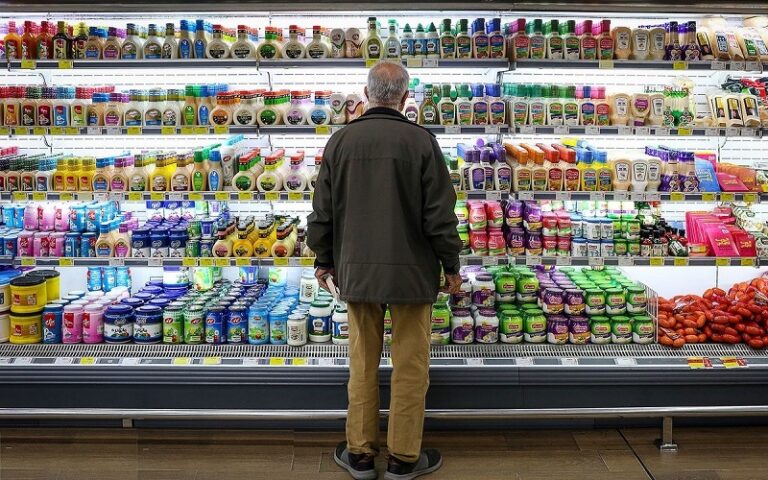
On June 20, the Coordinating Council of Iranian Teachers’ Trade Associations warned in a statement that nearly 90% of the income of a large portion of wage earners is spent on food, leaving nothing for housing, healthcare, or education.

The Secret of the Kolang Mountain Nuclear Shelter

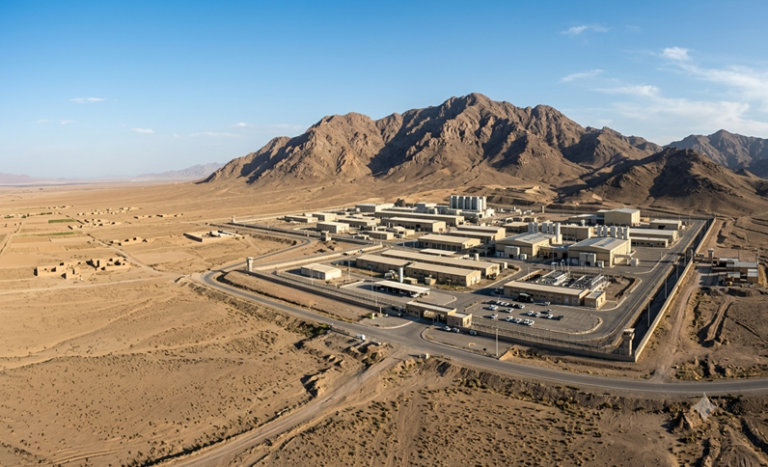
The Iranian regime’s nuclear secrecy deep inside Kolang Mountain demonstrates its prioritization of destructive nuclear projects and its insistence on military adventurism to preserve the regime’s survival.

Kolang Mountain; The Iranian Regime’s Nuclear Shelter Amid Fears of a Survival Crisis

The nuclear facility known as “Kolang Mountain” has become one of the most prominent subjects of security and political analysis in recent weeks. Intelligence reports indicate that the Iranian regime has transferred some of its most sensitive uranium enrichment equipment and stockpiles of highly enriched uranium into deep tunnels within the complex, more than 100 meters underground. This move is viewed as a direct response to the regime’s growing fear of potential attacks and as part of its efforts to prepare for a survival crisis.

Iranian Regime Transfers Thousands of Centrifuges to Underground Mount Kolang Tunnel Complex

Construction of this massive reinforced concrete defensive structure is taking place while the majority of Iranians are struggling with extreme poverty, runaway inflation, and severe economic hardship. By burying billions of dollars in national wealth deep beneath Kolang Mountain, the Iranian regime has once again demonstrated that preserving its rule and ensuring its own survival take precedence over the people’s food security and livelihoods. The continuation of the regime’s destructive policies has not only brought no benefit to Iran’s national interests but has also turned the country into a target for military attacks and international sanctions.

From a military perspective, experts believe that completely destroying a facility at this depth would be challenging even for the most powerful Western bunker-busting bombs, such as the GBU-57. However, repeated strikes against its ventilation systems, power generators, access routes, and entrance portals could render the site completely crippled and inoperable. A recent statement by U.S. President Donald Trump that Kolang Mountain would soon be targeted underscores the seriousness of the military confrontation scenario.

The nuclear adventurism at Kolang Mountain is a clear symbol of the strategic deadlock facing a ruling system that, instead of investing in public welfare and development, spends the country’s resources on its own survival. This approach has further increased the potential for social unrest because of the evident waste of public assets and has made the need for fundamental change to this system more urgent than ever.

Ghezel Hesar Prisoners Enter Ninth Day of Dry Hunger Strike

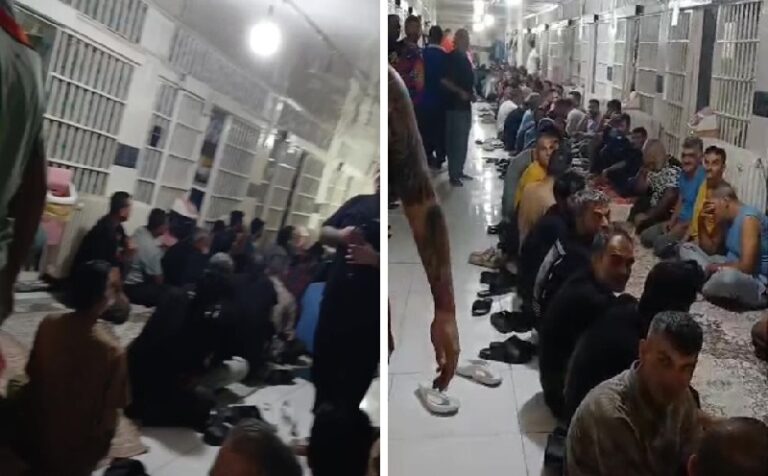
The mass hunger strike by death row prisoners in Unit 2 of Ghezel Hesar Prison in Karaj entered its ninth day on Tuesday, July 21. With around 1,500 prisoners participating across eight prison wards, it has become one of the largest protest movements by death row inmates in recent years.

The strike began on July 13 after six death row prisoners were transferred to solitary confinement, a move the inmates viewed as a precursor to their executions. The protesters are demanding a halt to executions, particularly in drug-related cases, and the return of the transferred prisoners to the general prison wards.

Eighth Day of Hunger Strike by 1,500 Prisoners in Ghezel Hesar Prison

As the prisoners’ demands have gone unanswered, the protest has entered a new phase. Reports indicate that a number of prisoners have sewn their lips shut in protest and, in addition to their hunger strike, have begun a dry hunger strike. Informed sources have also reported a deterioration in the physical condition of several participants, including severe weakness, declining physical strength, and the need for medical care for some of them.

Meanwhile, videos released from inside Unit 2 of Ghezel Hesar Prison show that the prisoners continue to refuse prison food. According to the inmates, despite more than a week having passed since the strike began, neither prison officials nor judicial authorities have taken any action to address their situation or respond to their demands.

Coinciding with the ninth day of the strike, prisoners in Unit 2 of Ghezel Hesar Prison issued a statement calling on the public, independent media, human rights organizations, and the broader public opinion to be their voice. In the statement, they said that in addition to the approximately 1,500 striking prisoners in Ghezel Hesar, more than 5,000 death row prisoners in prisons across Iran are also at risk of execution.

The statement reads:

“Today marks the eighth day of the dry hunger strike by 1,500 death row prisoners in Ghezel Hesar Prison and more than 5,000 death row prisoners in prisons across the country, for whom the noose and death are closer than their jugular vein. We desperately ask all independent media, human rights organizations, and the public to be the voice of those who have no voice.”

The prisoners have called on the people of Iran not to remain silent in the face of the wave of executions and to support death row inmates by chanting “No to Executions.”

The escalation of the protest to include sewn lips and a dry hunger strike has dramatically increased concerns about the prisoners’ health. Families of the prisoners and human rights activists have warned that the continuation of this situation could place the lives of a number of the strikers in serious danger.

The mass protest by prisoners in Unit 2 of Ghezel Hesar Prison is considered one of the most unprecedented collective protests by death row inmates in recent years in terms of the number of participants, its duration, and the methods of protest, including sewing their lips shut and undertaking a dry hunger strike. However, as of the time of this report, there has been no indication that the authorities have addressed the prisoners’ demands, and the strikers have declared that they will continue their protest until executions are halted and their demands are met.

Iran’s Economy on the Brink of Hyperinflation

Masoud Nili, a regime-affiliated economist and faculty member at the Department of Management and Economics of Sharif University of Technology, warned that Iran’s economy has entered what he described as the “station before hyperinflation.” He said the country’s economy has moved beyond the stage of chronic inflation and is now facing extremely high and severe inflation that, if left unchecked, could lead to hyperinflation.

Speaking on Monday, July 20, at the “Iran Economy Outlook 2026” conference, Nili stressed that Iran’s economy is now positioned between chronic inflation and hyperinflation. According to him, the inflation Iranians are currently struggling with is no longer ordinary or merely chronic but has entered a stage of extremely high inflation.

Iran’s Negative Economic Growth: From Statistical Manipulation to the Collapse of Investment

He noted that from 1973, when inflation first reached double digits, until the end of 2017, Iran remained in the category of “chronic inflation.” However, since 2018, the country has moved beyond that stage and entered a period of very high inflation.

The economist identified the halt in economic growth as the first sign of the crisis, saying that unlike the years following the Iran-Iraq War, the country’s economic growth has effectively stalled since 2007. He added that the three main macroeconomic indicators—economic growth, inflation, and unemployment—all present an alarming picture of Iran’s economy.

Nili’s warning comes as, in recent months, amid the war, intensified sanctions, and the naval blockade of Iran’s ports, prices of goods and services, foreign exchange rates, gold prices, and the cost of living have all experienced unprecedented surges.

According to the latest report by the Statistical Center of Iran, the country’s economic growth in 2025 was just 0.2% including oil and negative 0.3% excluding oil, indicating a deep recession in the productive sectors of the economy. A number of economists have also warned that if this trend continues, the inflation rate could reach triple digits—a situation typically accompanied by a sharp collapse in the value of the national currency and growing economic uncertainty.

Hemmati Confirms the Economy’s Critical Condition

At the same time as Nili’s remarks, Abdolnaser Hemmati, the governor of Iran’s Central Bank, also confirmed that Iran’s economy is under severe pressure in the areas of foreign trade, production, investment, the state budget, and the banking system.

Referring to the decline in oil exports due to sanctions and other restrictions, he stated that gross fixed capital formation was negative during the first three quarters of 2025 and fell to negative 13% in the third quarter.

Hemmati also reported a sharp decline in people’s real income, saying that real per capita income, based on constant 2021 prices, fell from about 1.41 billion rials in 2011 to about 750 million rials in 2024. In other words, the real income of each Iranian has nearly halved over the past 13 years, returning to levels seen in the 2010s.

Hemmati stressed that the issue is not merely rising prices, but also the shrinking of the economy’s real resources, with each citizen’s share of the country’s generated wealth declining significantly.

These warnings come just one month after Mohammad Bathaei, head of Iran’s Social Affairs Organization, announced that about 60% of Iranians could no longer withstand additional economic pressure.

Despite these assessments, regime officials continue to urge the public to endure the economic hardship. Gholamhossein Mohseni Ejei, head of the judiciary, said on Monday, July 20, in reference to the current situation: “Standing against the enemy has costs, and we must accept those costs.”

The Painful Situation of the People

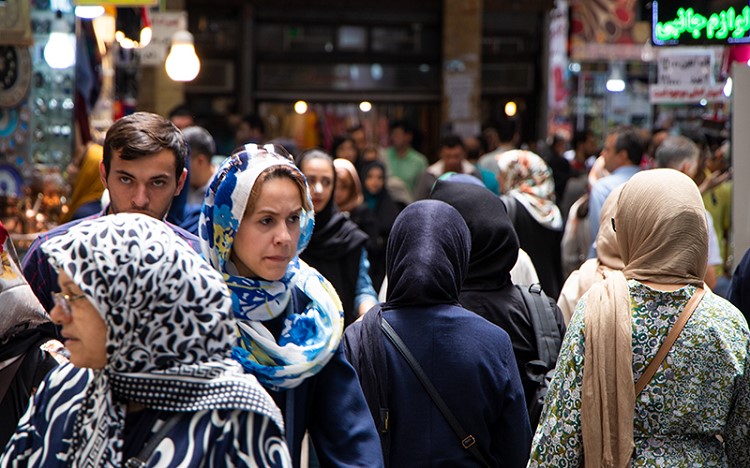
What makes Masoud Nili’s remarks particularly significant is not merely his warning about inflation, but the fact that one of the best-known economists close to the government has, for the first time, described Iran’s economy as being on the verge of hyperinflation. Combined with the Central Bank governor’s admission of stalled investment, economic recession, and the halving of people’s real income, the warning presents an unprecedented picture of the depth of the current economic crisis and illustrates the painful condition of Iranian society from a macroeconomic perspective.